Physical Address
304 North Cardinal St.
Dorchester Center, MA 02124
Physical Address
304 North Cardinal St.
Dorchester Center, MA 02124



Many people begin a weight loss journey hoping for quick results, but lasting success comes from building healthy habits rather than following extreme diets. Effective weight loss is about improving your overall health, not simply seeing a lower number on the scale. While fad diets may promise rapid changes, they often lead to frustration, muscle loss, and weight regain once the diet ends.
Learning how to lose weight effectively means understanding the balance between nutrition, physical activity, sleep, stress management, and consistency. Small, sustainable changes—such as eating more whole foods, exercising regularly, drinking enough water, and getting quality sleep—can produce meaningful results over time. These habits not only help you lose body fat but also improve energy levels, heart health, and overall well-being.
One of the biggest mistakes people make is focusing only on short-term goals. They expect dramatic transformations within a few weeks and become discouraged when progress slows. In reality, healthy weight management is a long-term commitment that involves patience and continuous improvement.
Whether your goal is to lose a few pounds, improve your fitness, or maintain a healthier lifestyle, following proven weight reducing tips can make the journey more achievable. Throughout this guide, you’ll discover practical strategies backed by nutrition and exercise principles, learn what realistic progress looks like, and understand how to create habits that support lifelong weight management.
Starting a weight loss journey can feel overwhelming, especially with countless diets and fitness programs available online. The truth is that there isn’t a single plan that works for everyone. The best jump start on weight loss begins with creating realistic goals and developing habits you can maintain for months—not just a few weeks.
Many people expect dramatic changes immediately, but healthy weight loss happens gradually. Instead of aiming to lose a large amount of weight quickly, focus on losing about 1–2 pounds per week. Smaller milestones help you stay motivated and reduce the risk of burnout.
For example:
These simple changes build momentum and make long-term success much more likely.
Exercise doesn’t have to be complicated. Walking, cycling, swimming, strength training, and home workouts all help increase calorie expenditure while improving cardiovascular health.
Aim for:
Increasing activity consistently is one of the easiest ways to jump start weight loss while preserving muscle mass.
Instead of eliminating entire food groups, focus on eating more nutrient-dense foods such as:
These foods provide vitamins, minerals, protein, and fiber that keep you satisfied longer and naturally reduce overeating.
Many calories come from foods that provide little nutritional value, including:
Reducing these without feeling deprived can create the calorie deficit needed for fat loss.
Motivation changes from day to day. Successful people rely on routines instead of feelings.
Helpful habits include:
Consistency beats perfection every time.
If you’re wondering how to jumpstart weight loss or how to kick start weight loss, remember that sustainable routines—not extreme diets—produce the best long-term results. Even small things to do to lose weight every day can lead to significant changes over time.

Temporary diets often produce temporary results. Sustainable weight management comes from creating healthy routines that fit naturally into everyday life. Lasting success requires a complete change of lifestyle to lose weight, rather than relying on short-term restrictions.
Every meal should ideally include:
Balanced meals help stabilize blood sugar, reduce cravings, and provide lasting energy throughout the day.
Physical activity supports fat loss while protecting muscle tissue.
A balanced routine includes:
Regular exercise also improves mood and reduces stress.
Sleep is one of the most overlooked aspects of weight management.
Poor sleep may:
Adults should aim for approximately 7–9 hours of quality sleep each night.
Chronic stress can lead to emotional eating and poor food choices.
Healthy stress-management techniques include:
Reducing stress makes it easier to maintain healthy eating habits.
Water supports digestion, exercise performance, and appetite regulation.
Simple hydration habits include:
Sometimes thirst is mistaken for hunger, leading to unnecessary snacking.
Trying to change everything at once often leads to failure.
Instead:
These gradual improvements create lasting lifestyle changes to lose weight while building confidence. Developing healthy habits to lose weight is more effective than following restrictive diets because these behaviors become part of your daily routine.
If you’re wondering how can reduce weight without feeling overwhelmed, focus on making one positive change at a time and allow consistency to do the work.
One of the most common questions people ask is how fast can you safely lose weight. While rapid transformations are often advertised online, healthy and sustainable weight loss takes time.
Most health experts recommend losing approximately 1–2 pounds (0.5–1 kilogram) per week. This pace generally helps preserve muscle while encouraging fat loss.
Losing weight more quickly often results in:
Early weight loss often comes from water rather than body fat.
Water weight can fluctuate because of:
True fat loss happens gradually through a consistent calorie deficit combined with physical activity.
People who lose weight gradually are more likely to maintain their results.
Healthy habits are easier to continue than crash diets, making long-term success much more realistic.
Strength training and adequate protein intake help preserve lean muscle during weight loss.
Muscle maintenance supports:
If you’re wondering how long does it take to start losing weight, many people notice small changes within two to four weeks, although visible physical changes often take longer.
Similarly:
Trying to lose too much too quickly may leave you feeling exhausted and increase the risk of regaining the weight. If you’ve lost weight too quickly, consider speaking with a healthcare professional to ensure you’re meeting your nutritional needs.
Weight loss is much more than watching the number on a scale decrease. Your body undergoes several changes as it begins using stored fat for energy.
When you consistently consume fewer calories than your body burns, your body creates a calorie deficit.
To make up the energy difference, it begins breaking down stored fat, converting it into usable energy. Over time, this process reduces body fat while supporting daily activities.
Many people wonder where does the weight go when you lose weight. Most of the fat leaves the body as carbon dioxide through breathing, while the rest is excreted as water through urine, sweat, and other bodily fluids.
Daily weight changes are completely normal.
Factors include:
Because of these variables, the scale doesn’t always reflect true fat loss.
Some people become discouraged because the scale doesn’t change even though clothes fit better.
This explains gaining weight but losing inches. Strength training can increase lean muscle while reducing body fat, leading to improved body composition without dramatic weight changes.
Taking waist, hip, and chest measurements every few weeks provides a more complete picture of progress than relying on weight alone.
Visualizing 10lbs of fat helps explain why gradual progress matters. Ten pounds of body fat occupies significantly more space than ten pounds of muscle. As fat decreases and muscle is maintained, your body may look leaner even if the scale changes slowly.
Some people also ask, does losing weight increase size. Weight loss itself doesn’t increase body size, but reducing body fat may make underlying muscles more visible, creating a more toned appearance.
Successful weight management is about improving body composition, health, and daily function—not simply chasing a lower number on the scale. Consistent nutrition, regular exercise, and patience will always outperform extreme approaches in the long run.
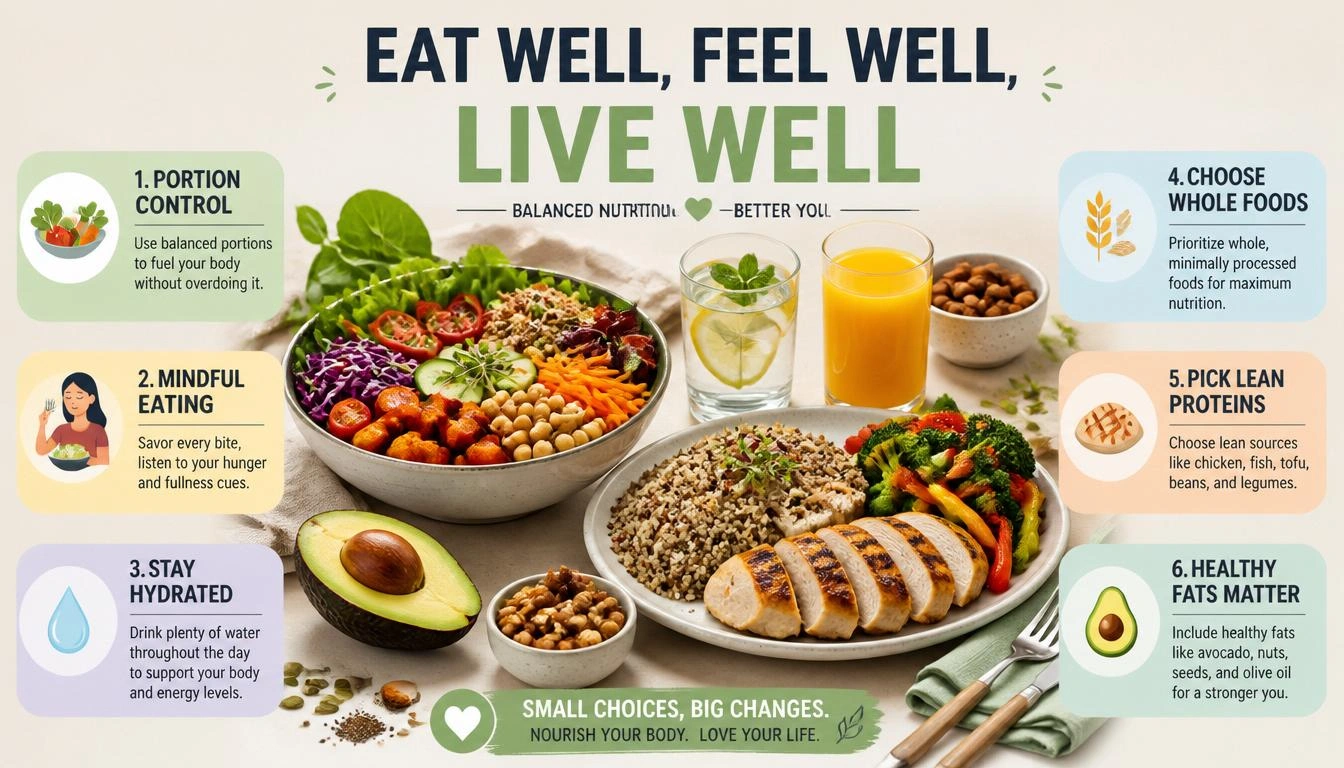
Long-term weight management isn’t about perfection—it’s about consistency. While there are countless diets and fitness trends, research consistently shows that sustainable habits produce the best results. The following ten strategies can help you achieve effective weight loss, improve your health, and maintain your progress for years to come.
One of the biggest reasons people quit their weight loss journey is unrealistic expectations. Losing 20 pounds in a month may sound appealing, but it’s rarely healthy or sustainable.
Instead, create SMART goals that are:
Examples include:
Track more than just body weight. Also monitor:
Learning how to lose weight effectively means celebrating small victories instead of chasing perfection. Consistent progress always beats rapid, unsustainable changes.
Weight loss ultimately requires consuming fewer calories than your body burns. However, creating too large of a calorie deficit often backfires by increasing hunger, reducing energy, and causing muscle loss.
A moderate calorie deficit is usually easier to maintain while supporting fat loss.
Focus your meals around:
Avoid relying on:
These simple weight reducing tips help reduce calories without leaving you constantly hungry.
Among the best tips to reduce weight, choosing foods that provide more nutrition per calorie makes a significant difference over time.
Protein is one of the most important nutrients for successful weight management.
Higher-protein diets can help:
Excellent protein sources include:
Aim to include protein in every meal rather than consuming most of it at dinner.
Making protein a priority is one of the easiest healthy habits to lose weight because it naturally helps control appetite throughout the day.
Exercise supports fat loss while improving heart health, strength, mobility, and mental well-being.
The best routine combines:
Strength training helps:
Aim for two to four sessions weekly.
Cardio burns calories and improves cardiovascular fitness.
Examples include:
Small activities throughout the day matter too.
Examples include:
These simple things to do to lose weight increase daily calorie expenditure without requiring hours in the gym.
Sleep affects nearly every hormone involved in hunger and weight regulation.
Poor sleep may increase:
Sleep deprivation also reduces motivation to exercise.
To improve sleep:
Making sleep a priority is one of the most overlooked lifestyle changes to lose weight and often leads to better food choices during the day.
Crash diets often promise dramatic transformations, but they usually produce short-term results.
Extreme dieting may cause:
People who have lost weight too quickly often struggle to maintain their results because restrictive plans are difficult to sustain.
Instead of eliminating entire food groups, build flexible eating habits that you can maintain for years.
If you’re wondering how fast can you safely lose weight, remember that slower, steady progress is generally healthier and easier to maintain than rapid weight loss.
Water supports nearly every function in the body, including digestion, metabolism, temperature regulation, and exercise performance.
Hydration also helps distinguish thirst from hunger.
Helpful hydration habits include:
Some people experience reduced appetite due to illness, medications, or stress. If you’re wondering how to get your appetite back, focus on:
Good hydration makes healthy eating much easier.
Monitoring progress helps identify what’s working and where adjustments are needed.
Useful tracking methods include:
Don’t become discouraged if the scale doesn’t move every week.
Sometimes you’re gaining weight but losing inches because muscle weighs more than fat by volume. As body fat decreases and muscle increases, clothing may fit better even if body weight changes slowly.
Tracking multiple measurements provides a much more accurate picture of long-term progress.
Many people succeed with additional guidance and accountability.
Helpful options include:
Some people also ask, is Boost good for weight loss or is Boost good for losing weight.
Meal replacement drinks like Boost can be useful in certain situations, such as when recommended by a healthcare professional or used for convenience. However, they should not replace a balanced diet rich in whole foods. Sustainable weight management depends on healthy eating habits, regular exercise, and lifestyle changes—not supplements alone.
Losing weight is only part of the journey. Maintaining your results requires continuing the habits that helped you succeed.
Successful maintenance includes:
Many people regain weight because they return to old habits immediately after reaching their goal.
Instead, think of healthy eating and regular activity as lifelong behaviors rather than temporary solutions.
Ultimately, what is the most effective way to lose weight isn’t following the newest trend—it’s building sustainable routines you can enjoy and maintain. Long-term success comes from consistency, patience, and making healthy choices part of your everyday lifestyle.
Weight gain happens when you consistently consume more calories than your body burns. Extra calories are stored as fat, especially when they come from sugary drinks, processed foods, and oversized portions. Choosing nutrient-dense foods, controlling portion sizes, and staying active can help create a healthy calorie balance. These simple habits support effective weight loss and long-term weight management.
A sedentary lifestyle reduces the number of calories you burn each day. Regular walking, strength training, and cardio help boost metabolism, preserve muscle, and improve overall health. Even small increases in daily movement can make a big difference over time.
Stress can trigger emotional eating, leading to unnecessary calorie intake. Finding healthier ways to manage stress—such as exercise, meditation, or hobbies—can reduce cravings and support lifestyle changes to lose weight.
Poor sleep affects hunger hormones and increases cravings for high-calorie foods. Getting 7–9 hours of quality sleep each night improves energy, appetite control, and supports healthy weight management.
Eating too little doesn’t directly cause fat gain, but extreme dieting can slow metabolism, increase hunger, and make overeating more likely. A moderate calorie deficit is healthier and easier to maintain.
Don’t wait for perfect motivation. Begin with one healthy habit, like walking or drinking more water. Small, consistent actions build lasting momentum.
Focus on improving one habit at a time, such as meal planning, regular exercise, or better sleep. Sustainable routines are easier to maintain than strict diets.
Everyone progresses differently. Focus on your own improvements, celebrate small victories, and stay consistent instead of comparing yourself with others.

Boost is a nutrition drink that provides protein, vitamins, minerals, and calories. It is designed to support nutrition rather than directly promote weight loss.
Boost may help as a meal replacement if it fits within your calorie goals. However, it works best alongside a balanced diet and regular exercise.
Meal replacement drinks are convenient, provide portion control, and can help increase protein intake for busy individuals.
No supplement can replace healthy eating and exercise. Long-term success comes from consistent lifestyle habits, not quick fixes.
Boost can be useful for some people, but whole foods should remain your primary source of nutrition. Consult a healthcare professional if you’re unsure.
Skipping meals often increases hunger later and may lead to overeating. Balanced meals help control appetite.
Crash diets are difficult to maintain and usually lead to weight regain. Choose sustainable eating habits instead.
Healthy weight loss takes time. Aim for steady progress rather than rapid results.
Monitoring your weight, measurements, or workouts helps you stay motivated and identify what’s working.
Strength training helps preserve muscle, supports metabolism, and improves long-term fat loss results.

Most people notice progress within 2–4 weeks with consistent healthy habits.
A realistic goal is about 8–16 pounds, depending on your calorie deficit and activity level.
Most people can safely lose 10–20 pounds with a balanced diet and regular exercise.
Combine a calorie deficit, regular exercise, quality sleep, and consistent healthy habits.
Eat whole foods, stay active, sleep well, drink enough water, and manage stress consistently.