Physical Address
304 North Cardinal St.
Dorchester Center, MA 02124
Physical Address
304 North Cardinal St.
Dorchester Center, MA 02124



Many people believe that losing weight means following strict meal plans, cutting out favorite foods, or surviving on very low-calorie diets. Unfortunately, these approaches often produce short-term results that are difficult to maintain. Once the diet ends, old habits return, and the weight often comes back. That’s why more health professionals now recommend focusing on How to Manage Your Weight Naturally Without Strict Dieting instead of chasing quick fixes.
Natural weight loss is built on small, realistic lifestyle improvements rather than extreme restrictions. Choosing nutritious foods, becoming more active, getting enough sleep, and managing stress can all contribute to healthy weight management without making you feel deprived. Unlike crash diets, these habits are easier to maintain for years, making sustainable weight loss possible.
Successful weight loss lifestyle changes don’t require perfection. They require consistency. Even simple daily improvements—such as walking more, eating more vegetables, and reducing sugary drinks—can make a significant difference over time.
In this guide, you’ll learn how to lose weight naturally, set realistic goals, understand healthy weight-loss timelines, and build habits that support long-term success without following restrictive diets.
Natural weight management means maintaining a healthy body weight through balanced nutrition, regular movement, quality sleep, and sustainable daily habits. Instead of relying on temporary diets, it focuses on building routines that become part of your lifestyle.
Strict diets often promise dramatic results within weeks, but they usually require cutting calories too aggressively or eliminating entire food groups. While this may lead to quick weight loss initially, it can also slow your metabolism, increase hunger hormones, reduce muscle mass, and make long-term success more difficult.
Many people regain the lost weight because restrictive eating isn’t realistic forever. Once normal eating resumes, the body often stores extra calories more efficiently, leading to weight regain.
Healthy simple weight loss is different. It encourages gradual improvements like:
These habits create slow weight loss, which research consistently shows is easier to maintain than rapid weight loss.
Your daily choices have a much greater impact than any short-term diet. Healthy routines become automatic over time, helping you maintain progress without constantly thinking about food.
For individuals living with obesity, lasting obesity lifestyle changes are far more effective than repeated dieting cycles. Building healthy habits allows you to achieve health and weight loss together rather than focusing only on the number on the scale.

Many people hope to lose large amounts of weight within a few weeks. While fast results may seem appealing, they often come with significant drawbacks.
Experts generally recommend aiming for slow weight loss of about 1–2 pounds per week, which equals roughly 4–8 pounds per month. This weight loss slow and steady approach helps preserve muscle, supports healthy metabolism, and improves the chances of maintaining your results.
If you’re wondering what is normal weight loss per week, losing one to two pounds weekly is considered safe for most adults when achieved through healthy eating and regular physical activity.
Similarly, normal weight loss per month kg is approximately 2–4 kilograms, depending on your starting weight, calorie intake, exercise routine, and overall health.
Some people aim for losing two pounds a week, which can be realistic if they consistently maintain a moderate calorie deficit while staying physically active. However, trying to lose much more than this may increase fatigue, muscle loss, nutritional deficiencies, and the risk of regaining weight later.
Remember, lasting success isn’t about how quickly you lose weight—it’s about keeping it off for good.
One of the most common questions people ask is how much weight they can lose naturally without following strict diets.
The answer depends on several important factors, including:
People with higher starting weights often lose weight more quickly during the first few months. As body weight decreases, the rate of loss usually slows naturally.
If you’re asking how much weight can I lose in one month, many people safely lose between 4 and 8 pounds by making healthy lifestyle changes.
Wondering how much weight can I lose in 2 months? A realistic goal for many adults is approximately 8–16 pounds, depending on consistency and individual factors.
Questions like how much weight can you lose in two months, how much weight can you lose in 12 weeks, or how much weight can be lost in 8 weeks don’t have one universal answer. Everyone’s metabolism, activity level, and eating habits are different.
Rather than chasing unrealistic numbers, focus on improving daily habits. Better nutrition, regular exercise, adequate sleep, and stress management often produce steady progress that lasts much longer than rapid dieting.
Healthy expectations are essential for long-term success.
Many experts consider losing 4–8 pounds (about 2–4 kilograms) each month a healthy target for most adults.
If you’re wondering how much weight can you realistically lose in a month, this range allows your body to burn fat while preserving muscle and maintaining energy levels.
People often ask, is losing 5 pounds in a month healthy? In many cases, yes. Losing five pounds over four weeks falls within recommended guidelines for many individuals.
Similarly, is losing 5 pounds a month healthy depends on your starting weight, eating habits, and activity level. For someone beginning a weight-loss journey, it is often considered a realistic and sustainable goal.
Instead of comparing yourself to others, measure success by consistent healthy behaviors rather than weekly scale fluctuations.
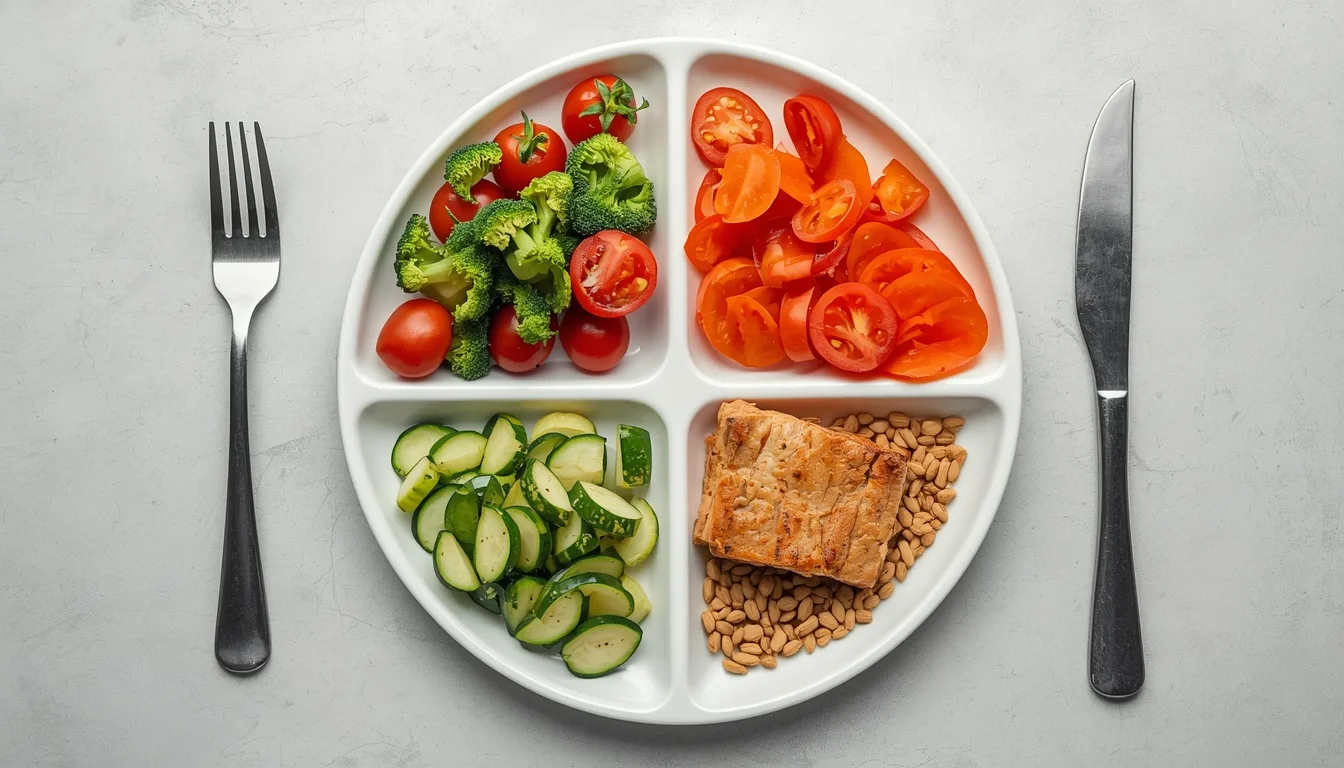
Losing five pounds doesn’t usually require extreme dieting. Small, consistent improvements can produce meaningful results over several weeks.
If you’re searching for how to lose five pounds in a month, begin by reducing portion sizes instead of eliminating favorite foods. Fill half your plate with vegetables, include lean protein at each meal, and choose whole grains over refined carbohydrates whenever possible.
For people wondering how to lose 5 pounds in a month, increasing daily activity is equally important. Walking an extra 30–45 minutes, strength training two or three times weekly, and reducing sedentary time all contribute to a healthy calorie deficit.
Those asking how to lose 5 lbs in a month should also pay attention to beverages. Replacing sugary drinks with water or unsweetened tea can significantly reduce daily calorie intake without increasing hunger.
Additional habits that support natural weight loss include:
These simple changes may seem small individually, but together they create sustainable progress that lasts.
Losing 30–40 pounds is a significant goal that requires patience and consistency rather than extreme dieting.
If you’re searching how to loose 30 lbs, remember that gradual progress is safer and much easier to maintain than rapid weight loss.
Successful long-term weight loss usually combines:
People looking for how to lose 35 lbs often benefit from breaking the goal into smaller milestones. Instead of focusing on the entire journey, celebrate every five-pound improvement.
Those wondering how do I lose 40 pounds in 4 months should understand that this timeline may be achievable for some individuals under medical supervision, especially those with higher starting weights. However, many people require additional time to reach this goal safely.
Remember that sustainable success depends on building habits you can continue for years—not weeks.
Many people search for how to lose 35 lbs in 3 months, but it’s important to approach this goal with realistic expectations.
While individuals with obesity may experience faster weight loss early in their journey, losing 35 pounds within three months isn’t appropriate or achievable for everyone.
A safe weight loss rate generally remains around one to two pounds per week. Faster progress should only occur under the guidance of a qualified healthcare professional.
To maximize healthy progress:
Rather than focusing solely on reaching a specific number within a deadline, aim to create habits that support lifelong health. Sustainable changes almost always outperform restrictive diets in the long run and make maintaining your results much easier.
Losing a significant amount of weight is a journey that requires patience, consistency, and realistic expectations. If you’re searching for how to lose 60 lbs or how to lose 60 pounds, remember that lasting success comes from changing daily habits—not following restrictive diets that are difficult to maintain.
A healthy approach begins by creating a modest calorie deficit through nutritious eating and regular physical activity. Focus on filling your plate with lean protein, vegetables, fruits, whole grains, and healthy fats while limiting ultra-processed foods and sugary drinks. You don’t have to eliminate your favorite foods completely; instead, practice portion control and enjoy treats occasionally.
Regular exercise is equally important. Aim for at least 150 minutes of moderate-intensity activity each week, along with two or three strength-training sessions. Building muscle helps increase calorie expenditure and supports long-term fat loss.
If you’re wondering how long to lose 60 pounds, the answer varies based on your starting weight, age, activity level, and consistency. Most health experts recommend losing about 1–2 pounds per week. At that pace, it may take approximately 7–15 months to safely lose 60 lbs, although some individuals may progress slightly faster or slower.
Maintaining motivation is often the biggest challenge. Instead of focusing only on the scale, celebrate improvements such as increased energy, better sleep, improved fitness, smaller clothing sizes, and healthier eating habits. Tracking these victories helps reinforce positive behavior and keeps you motivated throughout your journey.
The key to keeping the weight off is continuing healthy habits after reaching your goal. Sustainable routines—not temporary diets—are what make long-term success possible.
Many people asking how can I lose 70 pounds feel overwhelmed because the goal seems so large. The good news is that you don’t need an extreme diet to achieve significant weight loss. Breaking your goal into smaller milestones makes the process far more manageable.
If your goal is how to lose 70 pounds naturally, begin by focusing on one healthy habit at a time. Replace sugary beverages with water, increase your daily walking, eat more protein and fiber, and reduce highly processed foods. Small improvements repeated consistently can produce impressive results over time.
People who successfully lose 70 lbs usually adopt a lifestyle rather than a temporary eating plan. Their routine often includes:
Remember that 70lbs weight loss doesn’t happen overnight. Your body adapts gradually, and sustainable progress is healthier than rapid weight loss.
Don’t compare your timeline with someone else’s. Every person’s metabolism, medical history, genetics, and lifestyle are different. Instead, focus on becoming healthier every week while allowing the scale to follow naturally.
One of the most common questions is how long does it take to lose 70 pounds.
For most adults, safe weight loss occurs at approximately one to two pounds per week. At this rate, many people may need anywhere from 8 months to over a year to reach a 70-pound goal.
If you’re searching how long to lose 70 lbs, understand that several factors influence your timeline:
Some individuals wonder how to lose 70 pounds in 6 months or how can I lose 70 pounds in 6 months. While rapid weight loss may occur under close medical supervision for certain individuals with obesity, such aggressive timelines are not appropriate for everyone. Extremely restrictive diets can increase the risk of muscle loss, nutritional deficiencies, fatigue, and eventual weight regain.
Rather than chasing unrealistic deadlines, focus on building habits you can maintain for years. Long-term consistency almost always produces better results than short-term intensity.
Large weight-loss goals can feel intimidating, but they’re much easier to achieve when broken into smaller, manageable milestones. If you’re asking how can I lose 80 pounds or how to lose 80 lbs, remember that every healthy choice moves you closer to your goal.
Instead of thinking about losing 80 or 100 pounds, focus on the first five pounds. Then the next five. Small victories build confidence and make long-term success much more achievable.
Healthy weight loss starts with improving your lifestyle:
If you’re searching how to lose 100 pounds or how can I lose 100 lbs, understand that large transformations often require one to two years of consistent effort. This isn’t a sign of failure—it’s a reflection of healthy, sustainable progress.
For individuals living with severe obesity, working with a physician or registered dietitian may provide additional guidance. In some situations, medical nutrition therapy, prescription medications, or structured weight-management programs may be appropriate alongside lifestyle changes.
Remember that successful people who lose 100 lbs usually don’t rely on perfection. They rely on consistency, patience, and healthy habits repeated every day.
People frequently search how fast can I lose 100 pounds, hoping for a quick answer. However, healthy weight loss doesn’t follow the same timeline for everyone.
For many adults, losing one to two pounds weekly remains the safest recommendation. Based on this guideline, how to lose 100 pounds in a year may be achievable for some highly motivated individuals who consistently follow healthy eating and exercise habits. Others may require longer, and that’s perfectly normal.
Very rapid weight loss often increases the risk of:
Some individuals also search for how to lose 150 pounds or stories about 150 lb weight loss transformations. While these remarkable achievements are possible, they almost always result from long-term lifestyle changes rather than short-term diets.
The healthiest approach is to focus on habits you can maintain permanently. Every nutritious meal, workout, and healthy decision contributes to lasting progress. Instead of obsessing over deadlines, celebrate improvements in your energy, fitness, confidence, and overall health as you move toward your weight-loss goal.
One of the biggest questions people ask during a natural weight loss journey is when do you start to see weight loss results. The answer depends on several factors, including your starting weight, eating habits, activity level, sleep quality, and consistency. While everyone loses weight at a different pace, many people begin noticing small changes within two to four weeks of making healthy lifestyle improvements.
If you’re wondering when will you notice weight loss, remember that the scale isn’t the only measure of progress. Your body often changes internally before visible fat loss becomes obvious. Improved blood sugar control, lower inflammation, better cardiovascular fitness, and increased muscle strength can all occur before dramatic changes in body weight.
People also search when do you start seeing weight loss because they expect immediate results. However, sustainable fat loss takes time. Losing one to two pounds per week is considered a healthy pace for most adults. During this period, you may notice that everyday activities become easier, your clothes fit more comfortably, and your energy levels improve.
If you’re asking how long does it take to notice weight loss, most people begin seeing visible changes after losing approximately 5–10% of their starting body weight. Friends and family may notice changes slightly later than you do because they see you regularly. The key is staying consistent with healthy habits rather than becoming discouraged by temporary plateaus.
Many people become frustrated when the scale doesn’t move quickly enough. Fortunately, there are several signs that you lose weight before the numbers change significantly.
One of the earliest improvements is how your clothes fit. Pants may become looser around the waist, shirts may fit more comfortably, and belts often require a tighter notch. These physical changes frequently appear before large differences on the scale because your body composition is improving.
Another indicator is increased energy throughout the day. Better nutrition and regular exercise improve cardiovascular fitness and reduce fatigue, making daily activities feel easier.
You may also notice:
People often ask how much weight loss is noticeable. For many adults, losing about 5–10 pounds becomes visually noticeable, although this varies depending on height and body composition.
Women frequently search stages of noticing weight loss female because fat loss patterns differ from men. Many women first notice changes in the face, waist, hips, or clothing fit rather than dramatic changes on the scale. The exact pattern depends on genetics and hormone levels.
Instead of relying solely on body weight, consider taking monthly progress photos, body measurements, and fitness assessments. These methods provide a more complete picture of your transformation.

Weight loss involves much more than simply seeing a smaller number on the scale. As your body burns stored fat for energy, several positive changes occur internally and externally.
Many people ask where does the weight go when you lose it. Surprisingly, most fat leaves the body through the lungs as carbon dioxide after stored fat is broken down for energy. The remaining components are eliminated as water through sweat, urine, and other normal body processes.
This is why questions like where does the weight go when you lose weight or when you lose weight where does it go have a scientific answer: fat isn’t simply converted into energy—it is metabolized and eventually leaves your body primarily through breathing and water loss.
As body fat decreases, you may experience:
Your metabolism may also become more efficient when combined with resistance training and adequate protein intake, helping preserve lean muscle while reducing body fat.
Weight loss often improves self-confidence as well. Many people report feeling more motivated, energetic, and capable of participating in activities they previously avoided.
Remember that healthy weight loss is not just about appearance—it’s about improving overall health, reducing disease risk, and increasing quality of life.
Some people wonder do you get short when you lose weight or do you get shorter when you lose weight. The simple answer is no. Losing body fat does not reduce your actual height. However, carrying less abdominal weight may improve posture, making some people appear taller and stand more comfortably.
Another common question is when you lose weight does your head get smaller. While the bones of your skull don’t change size, fat loss from your face and neck can make facial features appear slimmer and more defined.
Body shape changes depend on where your body naturally stores fat. Genetics largely determine fat distribution, meaning everyone loses weight differently.
People frequently ask where women lose weight first. Although individual patterns vary, many women notice changes in the face, upper body, waist, or hips before seeing significant reductions in stubborn areas such as the thighs or lower abdomen. Hormones, age, and genetics all influence this process.
The best strategy is to focus on full-body fat loss rather than trying to target specific areas. Spot reduction is largely a myth, and consistent nutrition combined with strength training produces the most balanced body composition over time.
Tracking progress is an important part of healthy weight management, but body weight alone doesn’t tell the whole story. Monitoring body measurements, fitness improvements, and overall health provides a more accurate picture of long-term success.
One useful method is to calculate percentage of weight lost. This measurement compares how much weight you’ve lost relative to your starting weight. To determine your percentage weight loss, divide the number of pounds lost by your starting weight, then multiply by 100. Understanding how to figure percentage of weight loss helps you recognize meaningful progress even when weekly changes seem small.
In addition to weight, many people monitor wt change over time by recording weekly weigh-ins under similar conditions, such as first thing in the morning after using the restroom. Looking at long-term trends is far more helpful than focusing on daily fluctuations caused by hydration, meals, or hormonal changes.
Another valuable tool is Body Mass Index (BMI), which estimates whether your weight falls within a healthy range based on your height. While BMI has limitations because it doesn’t measure body fat directly, it can still be useful for tracking general health trends.
If you’re wondering how to lower my BMI or BMI how to reduce, the most effective strategy is gradual fat loss through balanced nutrition, regular exercise, adequate sleep, and consistent healthy habits. Combining cardiovascular exercise with strength training helps reduce body fat while preserving muscle mass, leading to healthier body composition over time.
Remember that progress isn’t measured by the scale alone. Improvements in waist circumference, energy levels, blood pressure, fitness performance, and overall well-being are equally important indicators of successful long-term weight management.
Weight loss supplements and structured programs can support your journey, but they should never replace healthy eating, regular physical activity, and long-term lifestyle habits. Many products promise rapid fat loss, yet most work best only when combined with a balanced diet and consistent exercise.
Some meal replacements, protein supplements, and fiber products may help certain people control hunger or meet nutrition goals. However, no supplement can overcome poor eating habits or a sedentary lifestyle. Before purchasing any product, look for scientific evidence, third-party testing, transparent ingredient labels, and realistic claims.
If you’re wondering is Boost good for weight loss or is Boost good for losing weight, the answer depends on how it’s used. Some nutrition drinks can fit into a weight-loss plan as meal replacements or recovery drinks, but they can also add extra calories if consumed in addition to regular meals.
Individuals who need additional guidance may benefit from a registered dietitian, physician, or reputable weight loss helpline. Many evidence-based top wellness programs for weight management provide nutrition education, exercise coaching, and behavioral support to help people build sustainable habits instead of relying on quick fixes.
Some people may qualify for medically supervised weight management, especially if obesity or weight-related health conditions are present. Programs offered through an ozempic clinic, a hospital-based weight loss center, or specialized facilities such as Corona Medical Weight Control Corona CA, UC Health Weight Loss Center West Chester, or Tri Valley Medical Weight Control may include physician supervision, nutrition counseling, physical activity guidance, behavioral therapy, and, when appropriate, prescription medications.
Before enrolling, look for programs that:
The safest program is one that improves your overall health while helping you build lifelong habits.
Many people work hard but unknowingly make mistakes that limit their results. Avoiding these common pitfalls can make your journey much smoother.
Eating too little may slow your metabolism, increase hunger, reduce muscle mass, and make healthy eating difficult to maintain. Sustainable calorie deficits are much more effective than starvation diets.
Questions like will laxatives help me lose weight continue to appear online. While laxatives may temporarily reduce water weight, they do not burn body fat and should never be used as a weight-loss strategy. Misuse can lead to dehydration, electrolyte imbalances, and digestive problems.
Some people worry after losing 6 pounds in a week or attempt to achieve losing 7 pounds in a week intentionally. Rapid changes often reflect water loss rather than body fat and are usually difficult to maintain. Healthy progress is slower but far more sustainable.
Cardio is beneficial, but preserving muscle through resistance training helps maintain metabolism and supports long-term fat loss.
Sleep deprivation and chronic stress can increase hunger hormones, reduce energy levels, and make healthy choices more difficult. Prioritizing recovery is just as important as healthy eating and exercise.

Long-term success isn’t about following the perfect diet—it’s about creating habits you can realistically maintain for years.
Start by setting SMART goals that are specific, measurable, achievable, relevant, and time-based. Instead of focusing only on the number on the scale, set goals such as walking 8,000–10,000 steps daily, strength training three times per week, or preparing healthy meals at home most days.
Tracking your progress can help you stay motivated. Record body measurements, fitness improvements, energy levels, sleep quality, and healthy habits—not just body weight. Remember that progress is rarely perfectly linear.
Joining supportive communities or participating in healthy weight loss challenges can provide accountability and encouragement. Resources like the National Weight Loss Registry have shown that people who maintain weight loss often share common habits, including regular physical activity, consistent meal patterns, self-monitoring, and long-term commitment.
Most importantly, remember the phrase: don’t lose your mind lose your weight. Weight management should improve your quality of life, not create unnecessary stress or guilt.
The goal is sustainable weight loss through healthy routines that fit your lifestyle, allowing you to maintain your results long after reaching your target weight.
For most healthy adults, a realistic goal is approximately 4–8 pounds (2–4 kg) per month through balanced nutrition, regular physical activity, and consistent healthy habits. Individual results vary depending on body weight, metabolism, and lifestyle.
Many people can safely lose 70 pounds in about 8–18 months by following a sustainable plan. The exact timeline depends on starting weight, calorie intake, exercise habits, age, and overall health.
Yes. Natural weight loss is possible by improving food quality, controlling portions, increasing daily movement, exercising regularly, sleeping well, and managing stress. These lifestyle changes are often more effective than restrictive diets.
For many adults, losing about five pounds monthly falls within recommended guidelines and is generally considered a safe, sustainable rate of progress.
Many experts recommend gradually working toward 8,000–10,000 steps daily while combining walking with strength training and healthy eating. The ideal number varies depending on your fitness level and overall activity.