Physical Address
304 North Cardinal St.
Dorchester Center, MA 02124
Physical Address
304 North Cardinal St.
Dorchester Center, MA 02124



Many people begin a weight-loss journey with strict meal plans, extreme calorie restriction, or trendy diets that promise rapid results. While these approaches may produce short-term changes, they are often difficult to maintain and can leave people feeling frustrated when the weight returns. That’s why more experts now recommend natural ways to manage your weight instead of relying on temporary solutions.
Successful weight management is about building habits you can maintain for years—not weeks. Rather than eliminating entire food groups or starving yourself, a sustainable approach focuses on balanced nutrition, regular physical activity, quality sleep, stress management, and consistency. These lifestyle changes help support simple weight loss while protecting your physical and mental health.
Another important point is understanding the difference between losing weight and maintaining a healthy weight. Rapid weight loss usually includes water loss and sometimes muscle loss, while weight loss slow and steady tends to preserve lean muscle and improve long-term fat loss. Small daily improvements often lead to lasting results.
People choose healthier lifestyles for many reasons to lose weight, including improving heart health, increasing energy, reducing the risk of chronic disease, boosting confidence, and enhancing overall quality of life. Whatever your motivation, sustainable habits provide a stronger foundation than restrictive dieting.
In this guide, you’ll learn practical, science-backed strategies that support healthy weight loss without extreme restrictions. You’ll discover how metabolism works, what realistic goals look like, and how to create habits that make long-term success achievable.
One of the most common questions people ask is, weight management involves balancing which two factors? The answer is simple: the balance between calorie intake (the energy you consume through food and drinks) and energy expenditure (the calories your body burns through daily activities, exercise, and basic bodily functions).
When you consistently consume more calories than you burn, weight tends to increase over time. When you burn slightly more calories than you consume, your body begins using stored fat as energy, supporting gradual fat loss. Finding this balance is the foundation of successful weight management.
Weight management is not simply about reaching a certain number on the scale. It includes maintaining an optimal weight that supports overall health while allowing you to enjoy a balanced lifestyle.
Healthy weight management focuses on:
Unlike restrictive diets, these habits improve overall wellness while reducing the likelihood of regaining lost weight.
Your body uses calories every day, even while resting. These calories fuel breathing, circulation, digestion, and countless other essential functions. Additional calories are burned during movement, exercise, and daily activities.
Although calorie balance matters, food quality matters just as much. Two meals with the same calorie count can affect hunger, energy, and health very differently. Foods rich in protein, fiber, vitamins, and healthy fats help you stay satisfied longer than highly processed foods.
Several daily habits influence body weight beyond simply counting calories.
These include:
Poor sleep and chronic stress may increase hunger hormones, making it harder to maintain healthy eating habits. Regular exercise improves calorie expenditure while supporting muscle mass and metabolism.
Maintaining a normal weight offers benefits beyond appearance. Healthy body weight can help reduce the risk of:
Many healthcare providers use Body Mass Index (BMI) as one screening tool. While a BMI calculator can provide an estimate, BMI does not measure muscle mass or body composition. Someone with significant muscle may have a higher BMI while remaining metabolically healthy.
If your BMI falls outside the recommended range, you may wonder how to lower my BMI. The safest approach is gradual fat loss through healthy eating, regular physical activity, and sustainable lifestyle changes rather than crash dieting.
Organizations like the National Weight Control Registry (sometimes searched as the national weight loss registry or weight control registry) have followed thousands of people who successfully maintained significant weight loss for years. Their findings consistently show similar habits among successful participants:
These habits reinforce that lasting success comes from consistency—not perfection.
Many people searching online ask, how much weight can you realistically lose in a month? The answer depends on your starting weight, activity level, nutrition, age, metabolism, and overall health.
For most adults, experts generally recommend losing about 1–2 pounds (0.5–1 kg) per week, which equals approximately 4–8 pounds (2–4 kg) per month. This is considered a healthy and sustainable rate of fat loss.
Although rapid weight loss sounds appealing, it often comes with drawbacks such as:
By comparison, slow weight loss helps preserve lean muscle while allowing your metabolism to adapt more gradually. This makes it easier to maintain results over the long term.
Early in a new diet, people often notice dramatic changes on the scale. However, much of this initial loss comes from water rather than body fat.
As your body continues burning stored fat over time, weight loss may slow—but this slower progress usually reflects healthier, more sustainable fat reduction.
Many people ask questions like:
While individual results vary, a realistic timeline often looks like this:
| Time Frame | Healthy Weight Loss |
| 1 Month | 4–8 pounds (2–4 kg) |
| 2 Months | 8–16 pounds |
| 8 Weeks | 8–16 pounds |
| 12 Weeks | 12–24 pounds |
| 3 Months | 12–24 pounds |
People with higher starting weights may initially lose more weight due to larger calorie deficits and water loss. However, progress typically slows as body weight decreases.
Instead of chasing unrealistic promises, focus on building habits that support long-term health. Sustainable goals might include:
These behaviors contribute to gradual fat loss while improving overall health.
If you’re wondering how to lose weight naturally, remember that healthy weight loss isn’t determined by one specific number. Whether your goal is 5 pounds or 100 pounds, the same core principles apply: nutritious eating, regular movement, quality sleep, and consistency.
Losing your first few pounds can improve energy levels and motivation. Many people ask questions like how to lose five pounds in a month, how to lose 5 pounds in a month, can you lose 5 pounds in a month, or losing 5 pounds in a month.
For most healthy adults, this is a realistic goal when combined with:
Some people also search how to lose 7 pounds, how to lose fifteen pounds, how do you lose 15 pounds, how to lose 15 pounds fast, or even lose 15 pounds in three weeks. While faster results may happen for certain individuals, gradual fat loss is generally healthier and easier to maintain than aggressive dieting.
Larger goals require patience and consistency. If you’re researching how to lose 25 lbs in 3 months, how can I lose 25 lbs in 2 months, how long would it take to lose 25 pounds, how to lose 35 lbs in 3 months, how do I lose 40 pounds in 4 months, or lose 40 lbs in two months, it’s important to understand that individual timelines vary widely.
Rather than focusing on speed, prioritize habits you can maintain for months—not just weeks. Consistent meal planning, regular exercise, resistance training, stress management, and realistic calorie control are far more effective than restrictive diets.
Long-term goals such as how to lose 60 pounds, how can I lose 60 pounds, how to lose 70 pounds, how can I lose 70 pounds, how to lose 70 pounds in 6 months, how long does it take to lose 70 lbs, how to lose 80 pounds, how can I lose 80 pounds, how to lose 100 pounds, how can I lose 100 lbs, how to lose 100 pounds in a year, how to lose 150 pounds, or how to lose 200 pounds require a long-term mindset.
Breaking a large goal into smaller milestones often improves motivation. Celebrating every 5- or 10-pound achievement can make the journey feel more manageable. Individuals with significant weight-loss goals may also benefit from guidance from a registered dietitian or healthcare professional to ensure nutritional needs are met while progressing safely.
Ultimately, sustainable weight loss is built on daily habits—not short-term restrictions. Every healthy meal, workout, and positive choice contributes to lasting success.
Many people wonder, where does the weight go when you lose it? The answer is more interesting than most expect. Fat doesn’t simply disappear or turn into muscle. When your body needs energy, it breaks down stored fat into carbon dioxide, water, and usable energy. Most of the fat leaves your body through your lungs when you breathe out, while the rest exits through urine, sweat, and other body fluids.
If you’ve ever asked, when you lose weight where does it go or where does the fat go when you lose weight, the scientific answer is that fat cells shrink as stored triglycerides are broken down. This process changes your body composition over time.
Many people become frustrated because they’re losing weight but not fat. In reality, early changes on the scale often come from water loss, reduced glycogen stores, or digestive changes rather than body fat. That’s why progress photos, waist measurements, and clothing fit often provide a clearer picture than the scale alone.
Some people also wonder whether can you burn fat without losing weight. The answer is yes. If you’re strength training while eating enough protein, you may lose fat and gain lean muscle simultaneously. This body recomposition can leave your weight relatively unchanged while your physique improves noticeably.
A surprisingly common question is when you lose weight do you get shorter or do you get shorter when you lose weight. No. Healthy weight loss doesn’t reduce your height. However, improved posture and less pressure on your spine and joints may actually help you stand straighter.
The key takeaway is that fat loss is a gradual biological process. Sustainable habits—not crash diets—allow your body to steadily use stored fat while preserving muscle and supporting long-term health.
One of the biggest questions during any weight management journey is when do you start to see weight loss. While everyone loses weight at a different pace, most people notice small changes within two to four weeks when following consistent healthy habits.
If you’re asking when do you start seeing weight loss or when will you notice weight loss, remember that visible progress depends on several factors, including your starting weight, genetics, sleep, exercise routine, stress levels, and nutrition.
A typical timeline looks like this:
Many people ask how much weight loss is noticeable. Research suggests that losing around 5–10% of your starting body weight often leads to visible physical changes and measurable health improvements.
Women sometimes notice changes differently than men because hormonal fluctuations affect water retention. That’s why the stages of noticing weight loss female can vary from person to person.
Instead of focusing only on the scale, track several indicators:
Understanding the different phases of weight loss helps you stay motivated during temporary plateaus. Healthy progress isn’t perfectly linear. Some weeks you may lose more, while others show little change even though fat loss continues internally.
Learning these normal stages of weight loss prevents frustration and encourages long-term consistency.

Many women wonder where women lose weight first, but the answer isn’t the same for everyone. Genetics, hormones, age, and body composition all influence where fat is stored and where it’s lost first.
Some women notice changes in their face and upper body before seeing differences around the hips or thighs. Others experience reductions in waist size first. Unfortunately, there is no reliable way to target fat loss from one specific area.
Hormones play a major role in female fat distribution. Estrogen encourages fat storage around the hips and thighs, while menopause often shifts fat toward the abdomen. This explains why many women struggle with the female belly pooch or belly pouch women, even while maintaining an active lifestyle.
Social media often promotes unrealistic women’s weight loss secrets the unspoken truth, but lasting results rarely come from shortcuts. Sustainable success depends on balanced nutrition, strength training, adequate protein intake, quality sleep, stress management, and consistent physical activity.
Strength training deserves special attention because it helps preserve lean muscle while reducing body fat. Muscle supports metabolism and improves body composition, creating a firmer appearance even without dramatic weight changes.
Women should also avoid comparing their progress with others. Hormonal cycles, pregnancy history, genetics, medications, and age all influence how quickly fat is lost. Tracking monthly progress rather than daily fluctuations provides a much more accurate picture of long-term success.
Many women ask can you lose weight on your period or can you lose weight when you are on your period. The answer is yes, but the number on the scale may not accurately reflect your fat loss during this time.
Hormonal changes before menstruation often cause temporary water retention, bloating, and digestive changes. This can make it seem like you’ve stopped losing weight, even if you’re maintaining a calorie deficit.
Some women even ask can you lose weight from your period because their weight suddenly drops afterward. In many cases, this reflects the loss of retained water rather than rapid fat burning.
To avoid frustration:
Your menstrual cycle is a normal biological process, and temporary weight fluctuations should never be mistaken for failure. Consistency across the entire month matters much more than a few days of water retention.

One of the healthiest goals is learning how to lose fat without losing muscle. Muscle helps maintain metabolism, supports strength, improves insulin sensitivity, and creates a leaner appearance.
The foundation starts with adequate protein. Consuming protein throughout the day supports muscle repair and helps reduce hunger while dieting.
Strength training is equally important. Resistance exercises tell your body to preserve muscle tissue even during fat loss. Cardio remains beneficial, but combining it with resistance training produces better long-term body composition.
Many beginners ask can you lose weight without exercise. While weight loss is possible through nutrition alone, exercise improves cardiovascular health, preserves muscle, boosts mood, and supports sustainable results.
Walking is one of the simplest strategies available. If you’re wondering how many steps should I take to lose weight or how many steps to lose weight, aiming for 7,000–10,000 daily steps is a practical goal for many adults, though individual needs vary.
People also ask do you have to sweat to lose weight. Sweating simply regulates body temperature. Heavy sweating doesn’t necessarily mean more fat loss, and a low-sweat strength workout can still be extremely effective.
Jump rope is another excellent option. If you’re wondering is skipping good for weight loss or can skipping burn belly fat, skipping rope burns calories efficiently and improves cardiovascular fitness. However, it doesn’t specifically burn fat from the belly. Overall body fat reduction occurs through consistent calorie balance and healthy lifestyle habits.
Building muscle while reducing fat takes patience, but combining resistance training, adequate protein, quality sleep, daily movement, and gradual calorie control offers the best chance of long-term success.
Many people search for how to get rid of belly fat naturally, hoping for one exercise or one food that melts abdominal fat. Unfortunately, spot reduction doesn’t work. Your body decides where fat is stored and where it’s lost based largely on genetics and hormones.
Whether you’re concerned about a pooch belly, big belly, spare tire fat, flank fat, jelly fat, body thickness, belly expansion male, or man fupa, the solution is improving overall body composition rather than targeting one area.
Healthy strategies include:
Many people also want how do you get a smaller waist, skinny waist, skinny tummy, lean belly, or even a lean gut. While genetics determine waist shape, reducing overall body fat and strengthening your core can improve appearance and posture.
Others search for how to get a washboard stomach, but visible abdominal muscles require both low body fat and well-developed core muscles. There is no shortcut.
Loose skin and cellulite are another concern. Searches like how to get rid of stomach cellulite, how to remove cellulite from stomach, how to get rid of cellulite on tummy, and stomach apron are increasingly common. While healthy weight loss, strength training, hydration, and gradual fat loss can improve skin appearance, cellulite is extremely common and not a sign of poor health.
If you’re wondering how to get rid of stomach apron, remember that significant loose skin following major weight loss may require time, resistance training, and in some cases medical evaluation. Slow, sustainable fat loss generally provides the best chance for skin to adapt over time.
Ultimately, lasting body transformation comes from consistent habits—not restrictive dieting. Improving nutrition, staying active, sleeping well, and maintaining realistic expectations are the most effective natural ways to build a healthier body.
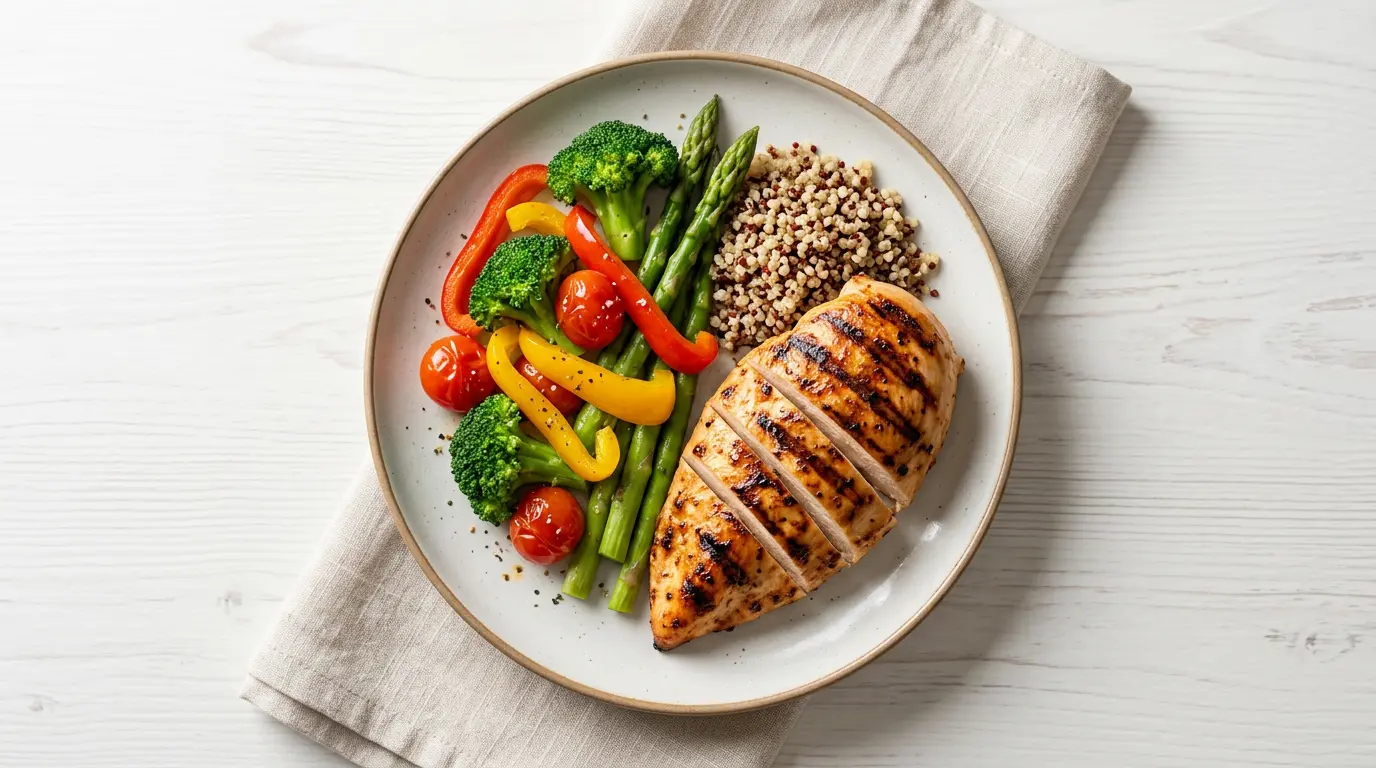
The foods you choose each day have a major impact on long-term weight management. Instead of looking for a single “fat-burning” food, focus on building meals that are rich in protein, fiber, healthy fats, and minimally processed ingredients. These foods help you stay full longer, support muscle maintenance, and make it easier to maintain a calorie deficit without feeling deprived.
Many people wonder, does eating salad help you lose weight? The answer depends on what’s in the salad. A bowl of leafy greens with grilled chicken, beans, vegetables, and a light olive oil dressing can be a satisfying, nutrient-dense meal. However, salads loaded with fried toppings, sugary dressings, and cheese may contain more calories than expected.
Protein-rich foods such as chicken breast, fish, eggs, Greek yogurt, tofu, and legumes help preserve lean muscle while losing fat. Whole grains, fruits, vegetables, nuts, and seeds provide fiber that supports digestion and keeps hunger under control.
When it comes to beverages, water should always be your first choice. Unsweetened tea and black coffee can also fit into a healthy lifestyle. Meal replacement drinks may be helpful for some people when used under professional guidance. Many people ask, is Boost good for weight loss or is Boost good for losing weight? These products can be useful in specific situations, but they are generally designed for balanced nutrition rather than fat loss. Reading nutrition labels is essential.
Some commercial plans, including products like the Optimal Weight 4 & 2 Active Plan Kit, may help certain individuals follow a structured routine. Before purchasing any weight loss supplements, remember that supplements should complement—not replace—a nutritious diet and regular physical activity. Always choose products that have third-party testing, transparent ingredient lists, and realistic claims rather than promises of rapid fat loss.
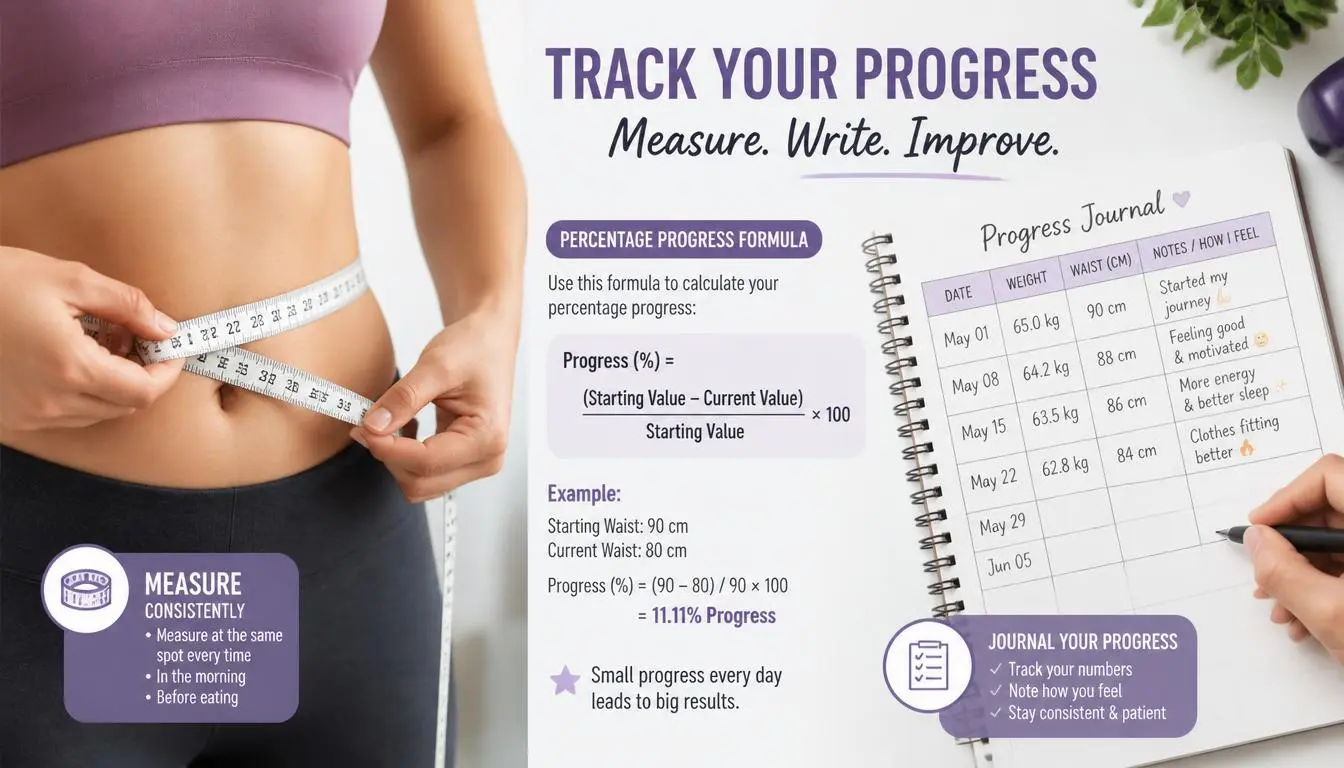
Simply stepping on the scale every morning doesn’t tell the whole story. Successful weight management involves monitoring several indicators instead of focusing on body weight alone.
Body weight naturally fluctuates because of hydration, sodium intake, hormones, and digestive contents. This means a temporary increase doesn’t necessarily indicate fat gain.
Instead, monitor:
These measurements often reveal improvements before the scale changes.
Learning to calculate percentage of weight lost helps you measure meaningful progress.
Formula:
(Weight Lost ÷ Starting Weight) × 100 = Percentage Weight Loss
For example:
22 ÷ 220 × 100 = 10% percent weight loss
Knowing how to find percentage of weight loss or how to figure out percentage of weight loss is especially useful when setting long-term health goals with your healthcare provider.
Daily wt change is normal. Instead of reacting to each day’s number, weigh yourself under similar conditions once or twice per week and look for overall trends over several weeks.
If you use metric units, remember that approximately 2 lb in kg equals about 0.9 kilograms.
Consistency always matters more than perfection.
Every successful weight-loss journey includes obstacles. Understanding these weight loss challenges makes it easier to stay committed.
Many people experience weight loss resistance after several weeks or months. As body weight decreases, calorie needs also decline, meaning the same eating plan may no longer produce the same results.
Solutions include:
Motivation naturally comes and goes. Instead of relying on motivation alone, build habits that become automatic.
Helpful strategies include:
Healthy fat loss often feels slower than expected. Remember that slow weight loss is usually easier to maintain than rapid weight loss.
Don’t compare your progress with social media transformations. Your body, genetics, age, activity level, and health history all influence results.
The internet is full of every imaginable weight loss hack, but many quick fixes fail to produce lasting success. Sustainable habits almost always outperform restrictive diets.
A good reminder is: Don’t lose your mind—lose your weight by focusing on behaviors you can maintain for years.
The most successful people simply get serious about what you eat, remain active, and stay patient.
Professional guidance can make healthy weight loss easier, especially for people with obesity, diabetes, or other medical conditions.
Many top wellness programs for weight management provide:
Programs such as Weight Watchers (including its historical Weight Watchers old point system) have helped many people develop healthier eating habits.
Medical weight-management clinics—including services like Tri Valley Medical Weight Control, Tri Valley Weight Loss Murrieta, or an Ozempic clinic—may be appropriate for individuals who qualify based on their medical history. Prescription medications should always be used under healthcare supervision.
Some digital resources, including apps like USWeight.com Android app, may also help users track calories, exercise, and progress more consistently.
The best program is one that emphasizes education, realistic expectations, balanced nutrition, physical activity, and long-term lifestyle habits rather than quick fixes.
For many adults with overweight or obesity, losing 2 pounds a week may be appropriate early in a structured program under professional guidance. However, for most people, losing about 1–2 pounds per week is considered a safe and sustainable pace.
Healthy weight loss varies by individual. While some people may temporarily lose 5 lbs in a week due to water loss, sustainable fat loss is usually much slower. Rapid losses such as losing 6 pounds in a week or trying to lose 4 lbs a week are generally difficult to maintain and may not represent true fat loss.
No. Questions like do you get short when you lose weight or do you get shorter when you lose weight are common, but losing body fat does not reduce your height. Some people simply appear shorter because of posture changes or age-related spinal compression, which are unrelated to weight loss.