Physical Address
304 North Cardinal St.
Dorchester Center, MA 02124
Physical Address
304 North Cardinal St.
Dorchester Center, MA 02124



If you’ve ever started a new diet on Monday only to abandon it by Friday, you’re far from alone. Millions of Americans try to lose weight every year, yet many regain the weight they worked so hard to lose. The problem usually isn’t a lack of motivation—it’s relying on quick fixes instead of understanding how the body truly works.
A few years ago, a friend of mine proudly showed me she’d lost 12 pounds in just three weeks. At first, it sounded like a huge success. But a month later, most of the weight had returned, leaving her frustrated and convinced that “nothing works.” What actually happened was common: rapid water loss, restrictive eating, and an unsustainable routine.
That’s why Effective Weight Management isn’t about crash diets or skipping meals. It’s about creating healthy habits that support your body over the long term. Science shows that sustainable results come from the right combination of nutrition, physical activity, sleep, stress management, and consistency—not perfection.
Rather than chasing the latest diet trend, a holistic weight loss strategy focuses on improving your overall health while helping you reach and maintain a healthy weight. This weight loss holistic approach supports your metabolism, preserves muscle, improves energy levels, and reduces the likelihood of regaining lost weight.
In this guide, you’ll discover the science behind Effective Weight Management, learn how your body burns fat, understand why plateaus happen, and explore practical strategies you can realistically follow for lasting success.
Many people believe losing weight is simply about eating less and exercising more. While those factors matter, the science behind Effective Weight Management is much more complex.
Your body is constantly balancing the energy you consume with the energy you use. This process is influenced by hormones, metabolism, genetics, daily habits, sleep quality, stress levels, and even age.
Understanding these factors helps explain why two people following the exact same diet may experience very different results.
At its core, weight management involves balancing which two factors?
The answer is:
This relationship is known as energy balance.
When you consistently consume more calories than your body burns, the excess energy is stored as body fat.
Over time, this leads to gradual weight gain.
When you burn more calories than you consume, your body begins using stored fat for energy.
This is called a calorie deficit, the foundation of nearly every successful weight loss management plan.
However, creating an effective calorie deficit doesn’t mean starving yourself. The goal is to reduce calories moderately while still providing your body with the nutrients it needs to function well.
Even while you’re sleeping, your body is working.
It burns calories to:
This baseline energy requirement is known as your Basal Metabolic Rate (BMR).
Many people think metabolism is something you’re born with and can’t change. While genetics play a role, your metabolism is also affected by:
People with more lean muscle generally burn more calories throughout the day, even at rest.
One of the biggest myths surrounding weight loss is that simply eating as little as possible guarantees faster results.
Unfortunately, the human body doesn’t work that way.
When calorie intake drops too low, your body recognizes the shortage of energy and responds by conserving fuel.
It may:
This is why extremely restrictive diets often produce short-term results followed by weight regain.
Instead of severe restriction, Effective Weight Management focuses on creating sustainable habits that support long-term fat loss while preserving muscle and maintaining overall health.

Hormones play a major role in determining how hungry you feel, how satisfied you become after eating, and how efficiently your body stores or burns fat.
Some of the most important hormones include:
Often called the “fullness hormone,” leptin signals your brain that you’ve eaten enough.
People carrying excess body fat may develop leptin resistance, making these signals less effective.
Known as the “hunger hormone,” ghrelin increases before meals and decreases afterward.
Poor sleep, restrictive dieting, and chronic stress can increase ghrelin levels, making you feel hungrier than usual.
Insulin helps move glucose from the bloodstream into cells where it can be used for energy.
While insulin is often misunderstood, healthy insulin function is essential.
Consistently consuming large amounts of highly processed foods may contribute to insulin resistance, making weight loss management more challenging.
Stress increases cortisol production.
Chronically elevated cortisol levels may:
Managing stress is therefore an important part of any holistic weight loss strategy.
Have you ever noticed that some people seem to eat almost anything without gaining weight, while others struggle despite healthy habits?
Genetics partly explain these differences.
Your genes may influence:
However, genetics do not determine your future.
Research consistently shows that healthy eating, regular exercise, quality sleep, and stress management have a far greater impact on long-term success than genetics alone.
Think of genetics as the starting point—not the destination.
Small daily choices often have a bigger impact than occasional intense workouts.
Healthy habits that support Effective Weight Management include:
None of these habits are dramatic on their own.
Together, however, they create lasting changes that support sustainable weight loss.
You may have heard the term metabolic diet used in advertisements or on social media.
In general, a metabolic diet aims to improve how efficiently your body uses energy by emphasizing:
While some programs make exaggerated claims about “resetting” metabolism overnight, there’s no scientific evidence that any single diet can permanently transform your metabolism.
Instead, your metabolism responds gradually to consistent healthy habits.
The most effective metabolic diet is one you can realistically follow for months and years—not just a few weeks.
One reason many people hit a plateau is a process called metabolic adaptation.
As you lose weight:
This doesn’t mean your body has stopped burning fat.
It simply means you may need to:
Weight loss plateaus are a normal biological response—not a sign of failure.
One healthy meal won’t transform your body.
Likewise, one unhealthy meal won’t ruin your progress.
Research consistently shows that long-term success comes from consistent habits rather than perfect ones.
People who maintain weight loss over many years typically:
This mindset is the foundation of Effective Weight Management.
One of the most fascinating questions in nutrition science is:
When you lose weight, where does it go?
Many people assume body fat somehow “melts away” or turns into muscle. Others believe it’s simply burned off as heat. While these ideas are common, they aren’t scientifically accurate.
The truth is far more interesting.
When your body needs extra energy—because you’re eating fewer calories than you burn—it begins breaking down stored fat through a process called lipolysis.
During this process, fat cells don’t disappear. Instead, they shrink as the stored fat inside them is used for energy.
So, where does the weight go when you lose weight?
Most of it actually leaves your body through your lungs.
As your body converts stored fat into usable energy, it produces carbon dioxide and water.
In fact, the majority of fat loss occurs through exhaled carbon dioxide, while the remaining portion is eliminated as water.
This is why breathing is literally part of the fat-loss process—although simply breathing more doesn’t burn extra fat. Your body only uses stored fat when it needs additional energy, typically during a calorie deficit combined with normal daily activity and exercise.
It’s also important to understand the difference between losing fat and losing water weight.
Water Weight
Body Fat Loss
Many people become discouraged when the scale stops dropping rapidly after the first week. In reality, this often means your body has transitioned from losing mostly water to burning stored fat—a much healthier and more sustainable process.
Understanding when you lose weight where does it go helps separate myths from science and reinforces why patience is essential. Sustainable fat loss takes time, but it also creates results that are far more likely to last.

If you’ve ever wondered why the first few weeks of dieting seem easy but progress later slows down, you’re not imagining it. Weight loss isn’t a straight line—it happens in phases as your body adapts.
Understanding the 4 stages of weight loss can help you set realistic expectations and stay motivated when the scale doesn’t move as quickly as you’d like.
The first stage is often the most exciting because results appear quickly.
During the first one to two weeks, most people notice a significant decrease on the scale. However, much of this early weight loss isn’t body fat.
Instead, your body is using stored glycogen (the carbohydrate stored in your muscles and liver) for energy. Since glycogen binds to water, your body also releases a considerable amount of water.
This explains why many people lose several pounds during the first week.
Common changes include:
Although fat loss has begun, water loss accounts for much of the initial change.
Once glycogen stores decrease, your body starts relying more heavily on stored fat for energy.
This is where true fat loss becomes the primary focus.
A consistent calorie deficit, adequate protein intake, regular exercise, and strength training encourage your body to burn fat while preserving lean muscle.
During this phase, you may notice:
This stage often lasts several weeks or even months, depending on your starting weight and lifestyle.
Many people ask, when do you start to see weight loss?
While the scale may change within the first week, visible body changes typically become noticeable after four to eight weeks of consistent healthy habits. Individual timelines vary based on body composition, genetics, and activity level.
Nearly everyone experiences a period where weight loss slows or temporarily stops.
This is called metabolic adaptation, and it’s a normal biological response.
As you lose weight:
This often leads to a weight-loss plateau.
A plateau doesn’t mean your plan has stopped working. It simply means your body has adjusted to its new weight.
To continue making progress, you may need to:
Patience is essential during this stage. Making drastic changes often does more harm than good.
Reaching your goal weight is a major achievement, but maintaining it is where long-term success truly begins.
Many people regain lost weight because they return to old eating habits.
Successful maintenance focuses on:
The habits that helped you lose weight are often the same habits that help you keep it off.
That’s why Effective Weight Management is a lifelong process rather than a temporary program.
One of the most common questions people ask is:
How much weight can be lost in a month?
The answer depends on several factors, including your starting weight, age, activity level, diet quality, metabolism, and overall health.
There isn’t a single number that’s right for everyone.
Health experts generally recommend losing about 1 to 2 pounds (0.5–1 kilogram) per week.
That equals approximately:
This pace allows your body to lose mostly fat while preserving muscle and reducing the risk of nutritional deficiencies.
More rapid weight loss may occur under medical supervision or during the first few weeks because of water loss.
Two people can follow similar meal plans and exercise routines yet experience different results.
Several factors influence how much weight can a person lose in a month, including:
Instead of comparing yourself with others, focus on building habits you can maintain.
For some individuals, especially those with a higher starting weight, losing around 5 kg (11 pounds) in the first month is possible.
However, it’s important to understand that:
The goal should be improving health—not simply seeing a lower number on the scale.
Many advertisements promise dramatic transformations, but losing 10 kg (22 pounds) in one month is generally unrealistic for most people.
Such rapid weight loss often involves:
Unless closely supervised by healthcare professionals for medical reasons, this pace isn’t recommended.
Losing 30 kg (66 pounds) is absolutely possible—but it requires patience.
For most individuals, this journey may take anywhere from several months to more than a year.
People who successfully lose significant amounts of weight usually:
Large goals become much more manageable when broken into smaller milestones.
Many people wonder:
Do obese people lose weight faster?
Often, yes—at least initially.
Individuals with higher body weights generally burn more calories performing everyday activities because moving a larger body requires more energy.
As a result, they may experience faster weight loss during the early stages of a structured program.
However, this advantage usually decreases over time as body weight declines.
Regardless of your starting point, the healthiest approach is to focus on gradual, sustainable fat loss.
Instead of aiming for an unrealistic number every month, try setting behavior-based goals.
Examples include:
These habits improve your chances of achieving long-term success far more than chasing rapid weight loss.

Many people believe the secret to losing weight lies in finding the perfect diet or the best workout.
In reality, sustainable success comes from taking care of your whole body—not just counting calories.
A holistic weight loss plan considers nutrition, physical activity, sleep, stress management, mindset, and daily habits. Instead of treating weight loss as a short-term challenge, it focuses on creating a healthier lifestyle that supports lasting results.
This holistic weight loss strategy is one of the strongest foundations of Effective Weight Management because it addresses the factors that influence both physical and mental well-being.
Healthy eating isn’t about eliminating entire food groups.
A balanced plate should include:
Balanced meals help regulate blood sugar, improve satiety, and provide the nutrients your body needs to function well.
Rather than labeling foods as “good” or “bad,” think about building meals that fuel your body.
Protein is one of the most important nutrients during weight loss.
It helps:
Excellent protein choices include:
Including protein in every meal can make healthy eating much easier to maintain.
Even healthy foods contain calories.
Instead of measuring every bite forever, learn practical portion awareness.
Helpful strategies include:
Mindful eating often reduces calorie intake naturally without making meals feel restrictive.
Exercise burns calories, but its benefits go far beyond weight loss.
Regular physical activity improves:
A balanced routine should include:
Strength Training
Cardio
Examples include:
Aim for at least 150 minutes of moderate-intensity activity each week.
Structured workouts are valuable, but everyday movement matters too.
Simple ways to stay active include:
These small habits can significantly increase daily calorie expenditure.
Sleep is often overlooked in conversations about weight loss.
Poor sleep can:
Adults generally benefit from seven to nine hours of quality sleep each night.
Improving sleep may make healthy choices feel easier throughout the day.
Long-term stress affects both physical and emotional health.
Many people eat in response to stress rather than hunger.
Healthy stress-management techniques include:
Reducing stress doesn’t eliminate life’s challenges, but it can make healthy habits easier to maintain.
Your relationship with food matters just as much as the food itself.
Instead of thinking:
“I ruined my diet.”
Try thinking:
“I had one higher-calorie meal. I’ll get back to my healthy routine at my next meal.”
This shift encourages consistency rather than perfection.
Long-term success comes from self-compassion, resilience, and patience—not guilt.
One of the biggest reasons diets fail is that they’re too difficult to maintain.
Instead of asking,
“What diet should I follow for the next month?”
Ask,
“What healthy habits can I still be doing one year from now?”
That simple change in perspective transforms weight loss from a temporary project into a sustainable lifestyle.
When nutrition, movement, sleep, stress management, and mindset work together, you’ve created the foundation for lifelong Effective Weight Management.
Many people focus only on the number on the scale, but that number doesn’t always tell the full story. Two people can weigh exactly the same yet have very different amounts of muscle and body fat.
That’s why improving your health isn’t just about losing pounds—it’s also about improving your body composition.
As part of Effective Weight Management, reducing excess body fat while preserving lean muscle is a much healthier goal than simply lowering your weight.
Body Mass Index (BMI) is a screening tool that estimates whether your weight falls within a healthy range based on your height.
Generally, BMI categories include:
While BMI is useful for assessing population health, it doesn’t measure muscle mass or body fat directly.
For example, an athlete with significant muscle may have a high BMI despite having very little body fat.
BMI tells you how your weight compares with your height.
Body fat percentage tells you how much of your body is made up of fat tissue.
Because of this, body fat percentage often provides a clearer picture of overall health.
Rather than focusing solely on BMI, consider tracking:
These measurements often show progress even when the scale changes slowly.
Reducing excess body weight may help lower the risk of:
The goal isn’t achieving a perfect BMI—it’s improving overall health.
If you’re wondering BMI how to reduce, the answer isn’t a crash diet.
Healthy strategies include:
Protein supports muscle while helping you stay full longer.
Walking, cycling, swimming, and strength training all contribute to healthier body composition.
Replacing sugary snacks with whole foods naturally lowers calorie intake while improving nutrition.
Small, sustainable calorie reductions work better than extreme restrictions.
Poor sleep can interfere with appetite hormones and increase cravings.
Learning how to decrease BMI naturally takes time, but gradual improvements are more likely to last.
Many people ask whether eating at specific times speeds up weight loss.
While meal timing isn’t as important as total calorie intake and food quality, having a consistent eating schedule can make healthy habits easier to maintain.
A protein-rich breakfast may:
Examples include:
A satisfying lunch should include:
Balanced meals reduce afternoon cravings and help maintain energy.
Dinner doesn’t need to be extremely small.
Instead, focus on quality foods such as:
Frequent mindless snacking can easily add hundreds of calories each day.
Instead of eating out of boredom, ask yourself:
“Am I actually hungry?”
If you need a snack, choose options like:
Keeping a food diary or using food journals for weight loss can help identify eating patterns and improve awareness.
A simple eating schedule to lose weight fast is one that fits your lifestyle, keeps you satisfied, and prevents overeating—not one that requires skipping meals.
Calories provide energy for everything your body does.
To lose weight, you generally need to consume fewer calories than you burn.
This is called a calorie deficit.
However, creating too large of a deficit can work against you.
Most people benefit from reducing intake by about 300–500 calories per day.
This usually supports gradual fat loss without causing excessive hunger or muscle loss.
A 1000 calorie diet is considered very low in calories.
For most adults, it doesn’t provide enough nutrients or energy to support daily needs.
Such diets should only be followed under medical supervision.
Eating only 700 calories a day is generally unsafe for most adults.
It may lead to:
Extreme calorie restriction rarely produces sustainable results.
The answer depends on individual health, activity level, age, and medical history.
Someone who consistently consumes more calories than their body needs may benefit from reducing calorie intake.
However, calorie goals should always be personalized rather than copied from someone else.
Remember: quality matters just as much as quantity.
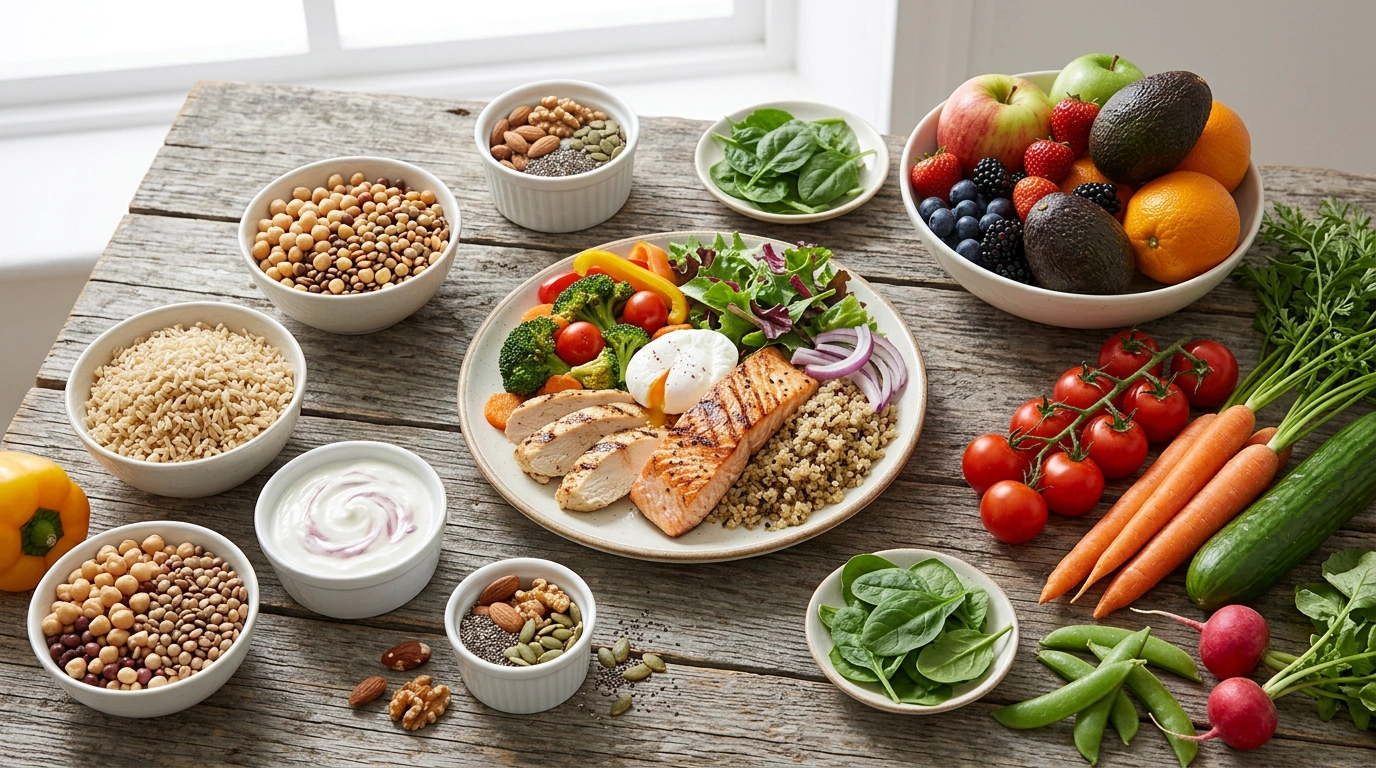
The foods you choose matter just as much as how much you eat.
A nutrient dense diet provides vitamins, minerals, fiber, and protein while keeping calories under control.
Excellent choices include:
Many people ask, what meat is good for losing weight?
Lean meats such as chicken, turkey, and fish are excellent options because they provide high-quality protein with relatively fewer calories.
A common question is:
Is pork good for weight loss?
Yes—lean cuts of pork, such as pork tenderloin, can fit into a healthy eating plan.
Preparation matters.
Grilled or baked pork is generally a healthier choice than heavily processed or fried varieties.
A whole food diet weight loss approach emphasizes:
These foods are naturally filling and nutrient-rich, making it easier to maintain a calorie deficit without feeling deprived.
Many women notice temporary weight changes during their menstrual cycle.
Hormonal fluctuations often cause:
Because of these changes, the scale may increase even if body fat hasn’t changed.
So, can you lose weight when you are on your period?
Yes.
Fat loss can continue during your period if you’re maintaining healthy eating habits and staying active.
The temporary increase on the scale is usually related to water—not fat gain.
The best approach is to:
Patience is key during this phase.
Many people search for how to lose weight without surgery because they want safe, long-term results.
For most individuals, surgery isn’t necessary.
Lifestyle changes remain the first-line treatment for healthy weight loss.
Natural strategies include:
Weight-loss surgery may be appropriate for some individuals with severe obesity and obesity-related health conditions, but it should always be discussed with a qualified healthcare provider.
For the majority of people, consistent lifestyle improvements remain the safest path toward Effective Weight Management.
Every year, new diets promise dramatic results.
Some have scientific support, while others rely more on marketing than evidence.
The Fat Smash Diet encourages healthier eating habits and gradual lifestyle changes.
Its emphasis on fruits, vegetables, and whole foods aligns with many nutrition recommendations.
However, some phases may feel restrictive for certain individuals.
Many people ask:
What is a metabolic diet?
The term generally describes eating plans that claim to “boost metabolism.”
While healthy eating supports metabolism, no single food or diet dramatically speeds it up.
Consistent nutrition, strength training, and physical activity remain the most effective strategies.
Very low-calorie diets often promise rapid weight loss but frequently result in:
A therapeutic diet is designed to manage specific medical conditions.
Examples include diets for diabetes, kidney disease, or heart disease.
These plans should be followed under professional medical guidance.
The real diet truth is surprisingly simple.
The best eating plan is one you can maintain consistently while meeting your nutritional needs.
Sustainable habits outperform temporary restrictions almost every time.
Healthy living doesn’t have to be expensive.
Simple, enjoyable activities often lead to the greatest consistency.
Ideas include:
You can also save money by:
Successful weight loss on a budget is absolutely possible with thoughtful planning.
Tracking progress isn’t only about pounds lost.
Many people like calculating their weight-loss percentage.
Formula:
Weight Loss Percentage = (Weight Lost ÷ Starting Weight) × 100
Example:
If someone started at 200 pounds and lost 20 pounds:
20 ÷ 200 × 100 = 10% weight loss
Some readers also search for:
What is 27/30 as a percent?
Calculation:
27 ÷ 30 × 100 = 90%
Knowing how do you figure out percentage of weight loss provides another useful way to monitor progress over time.
The people who successfully maintain weight loss rarely rely on willpower alone.
Instead, they create routines.
Successful habits include:
Research from the Weight Control Registry has shown that long-term success is strongly associated with consistent healthy behaviors rather than perfect dieting.
If your progress slows, don’t quit.
Simply resume healthy habits and continue moving forward.
That’s the essence of successful weight loss management.
No single plan works for everyone.
Professional support can help personalize your journey based on:
Science-backed programs often include:
Choosing a science-based program for Effective Weight Management can make sustainable weight loss more achievable while helping you build lifelong healthy habits.
Yes. Effective Weight Management focuses on long-term habits rather than temporary diets, making it easier to maintain a healthy weight over time.
Most stored fat leaves the body as carbon dioxide through the lungs, while the rest is eliminated as water through urine, sweat, and other bodily fluids.
For most adults, losing 4–8 pounds (2–4 kg) per month is considered a healthy and sustainable goal.
Yes. Although hormonal changes can cause temporary water retention, fat loss can still occur if you maintain healthy eating and exercise habits.
Improve your diet, exercise regularly, prioritize protein, reduce processed foods, sleep well, and maintain a moderate calorie deficit.
Most adults benefit from getting about 20–35% of their daily calories from healthy fats. Individual needs vary based on age, activity level, and health goals.
People with a higher starting body weight often lose weight more quickly in the beginning because they burn more calories. Over time, the rate of weight loss usually slows.