Physical Address
304 North Cardinal St.
Dorchester Center, MA 02124
Physical Address
304 North Cardinal St.
Dorchester Center, MA 02124


Losing weight doesn’t have to mean following extreme diets or spending hours in the gym. For many people, starting the day with the best morning exercise routine for weight loss is one of the simplest ways to build healthy habits and stay consistent. A well-planned morning workout for weight loss can help increase calorie burn, improve energy levels, and set a positive tone for the rest of the day.
One reason morning workouts are so popular is that they are easier to stick with. Before daily responsibilities begin to pile up, you can complete your exercise session and focus on the rest of your schedule. A consistent morning exercise routine may also help support a more active lifestyle, making it easier to stay on track with your fitness goals.
If your goal is to lose weight naturally, regular physical activity combined with balanced nutrition can make a significant difference. Morning exercise can help activate your muscles, boost metabolism, and contribute to healthy weight loss over time. In this guide, you’ll discover practical workout ideas, expert tips, and an effective fat burning workout plan that can help you achieve lasting results while fitting seamlessly into your daily routine.
Many people struggle with weight loss because they find it difficult to stay consistent with exercise. Establishing a morning fitness routine can make a significant difference by helping you stay committed to your goals and maintain healthier daily habits.
One of the biggest weight loss benefits of exercising in the morning is the potential to increase calorie burning. Physical activity requires energy, and starting your day with movement encourages your body to burn more calories from the moment you wake up. Whether it’s brisk walking, jogging, cycling, or bodyweight exercises, morning workouts can contribute to a greater daily calorie expenditure.
A regular morning workout may provide a natural metabolism boost, helping your body use energy more efficiently. When you exercise, your body continues to burn calories even after the workout is finished, a process often referred to as the afterburn effect. Over time, this can support fat loss and improve overall body composition.
People who exercise in the morning often make healthier choices throughout the day. Starting the day with physical activity can increase energy levels, improve focus, and motivate you to maintain an active lifestyle. This positive momentum may reduce sedentary behavior and encourage additional movement during the day.
Morning workouts are often easier to maintain because they happen before work, family responsibilities, or unexpected events interfere. This consistency helps develop sustainable exercise habits, which are essential for long-term weight management. The more regularly you exercise, the easier it becomes to make fitness a permanent part of your routine.
While no single workout can target a specific area of fat, regular morning exercise combined with healthy eating can support body fat reduction over time. Consistent movement, improved calorie expenditure, and better lifestyle choices work together to create the conditions needed for successful and sustainable weight loss.
By making morning exercise a daily habit, you can enjoy multiple weight loss benefits, including increased calorie burning, a natural metabolism boost, improved energy levels, and long-term fat loss results.
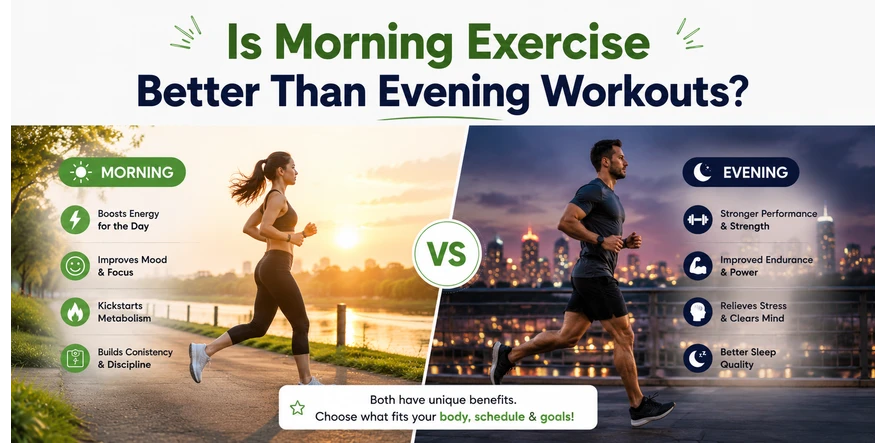
One of the most common fitness questions is whether a morning workout is more effective than exercising later in the day. The truth is that both options can support weight loss and overall health. The best choice often depends on your schedule, energy levels, and ability to stay consistent.
When comparing a morning vs evening workout, each has unique advantages. Morning exercise helps you start the day with a sense of accomplishment and may reduce the chances of skipping workouts due to unexpected commitments. Evening workouts, on the other hand, often allow people to exercise when their muscles are warmer and energy levels are naturally higher.
Many people assume that morning exercise burns more fat, but research suggests that total calorie expenditure and workout consistency matter more than the time of day. A well-structured fat burning workout can be effective whether it is performed in the morning or evening. Weight loss ultimately depends on maintaining a calorie deficit and staying active regularly.
Scientific studies have found benefits for both workout schedules. Morning exercise may help improve routine adherence and encourage healthier choices throughout the day. Evening workouts can sometimes result in better physical performance because body temperature, muscle function, and reaction times tend to peak later in the day. However, there is no universal best time to exercise for everyone.
The ideal workout timing is the one you can maintain consistently. If your mornings are less busy and you enjoy starting the day with movement, morning exercise may be the better option. If you feel stronger and more energized after work or school, evening workouts can be equally beneficial.
For many people, exercising in the morning makes it easier to build a routine and stay committed long term. Morning workouts can also help increase daily activity levels and create positive habits that support weight management.
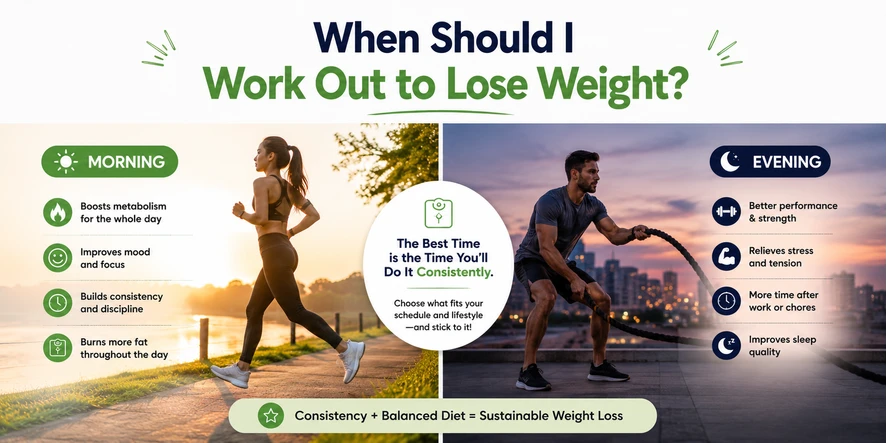
If your goal is weight loss, focus less on finding the perfect time and more on consistency. The best workout timing is whenever you can exercise regularly and give your full effort. Whether you choose a morning or evening routine, combining exercise with proper nutrition will produce the best results.
There is no single winner in the morning vs evening workout debate. The best time to exercise is the time that fits your lifestyle, keeps you motivated, and allows you to stay consistent. For long-term success, regular exercise matters far more than the specific hour you choose to work out.
A successful morning workout starts long before you begin exercising. Proper workout preparation can help improve performance, reduce the risk of injury, and make your fitness routine easier to maintain. By focusing on a few simple habits, you can get the most out of your morning exercise session.
One of the most important aspects of a successful pre workout routine is getting enough rest. Good sleep quality allows your body to recover, restore energy, and prepare for physical activity. Most adults should aim for 7–9 hours of sleep each night to support overall health and fitness goals. Going to bed at a consistent time can also make waking up for exercise much easier.
After several hours of sleep, your body naturally loses fluids. Drinking water soon after waking up helps improve hydration and prepares your body for movement. Proper water intake supports muscle function, energy production, and overall workout performance. A glass or two of water before exercising is often enough for most people, especially for shorter workout sessions.
Setting out your workout gear the night before can eliminate excuses and save time in the morning. Having comfortable clothing and appropriate footwear ready to go makes it easier to start exercising without unnecessary delays. This small habit can significantly improve consistency and motivation.
Some people prefer exercising on an empty stomach, while others perform better with a small snack. If you feel low on energy during workouts, consider eating something light such as a banana, yogurt, or a handful of nuts 30–60 minutes before exercise. The right approach depends on your personal preferences and workout intensity.
A proper warm-up is an essential part of any pre workout routine. Gentle stretching, walking, arm circles, or dynamic movements help increase blood flow to your muscles and prepare your body for exercise. Spending just 5–10 minutes warming up can improve performance and reduce the risk of injury.
Following simple morning fitness tips can make your workouts more enjoyable and sustainable. Set your alarm a little earlier, prepare everything the night before, and create a consistent schedule. Small daily habits often lead to better long-term fitness results than relying solely on motivation.
Before starting any workout, it’s important to prepare your body for movement. Spending just five minutes on warm up exercises can help reduce the risk of injury, improve flexibility, and increase overall workout performance. A proper warm-up gradually raises your heart rate and increases blood circulation, allowing your muscles and joints to work more efficiently during exercise.
One of the biggest benefits of warming up is improved blood flow. As circulation increases, more oxygen and nutrients are delivered to your muscles, helping them perform better during your workout. Incorporating dynamic stretching and light mobility exercises can also improve your range of motion and make movements feel more natural and comfortable.
Here are three simple warm-up exercises you can do before your morning workout:
Arm circles are an effective way to loosen up the shoulders and upper body. Extend your arms to the sides and make small circles for 30 seconds, then reverse the direction for another 30 seconds. This movement helps improve shoulder mobility and prepares your upper body for exercise.
Leg swings help activate the hip flexors, glutes, and hamstrings. Stand next to a wall or sturdy object for support and swing one leg forward and backward in a controlled motion. Complete 10–15 swings per leg before switching sides. This is one of the most effective mobility exercises for preparing the lower body.
Marching in place is a simple way to elevate your heart rate and increase blood circulation throughout the body. Lift your knees comfortably while swinging your arms naturally. This movement helps transition your body from rest to exercise mode and prepares you for more intense activity.
By dedicating just five minutes to warm up exercises, dynamic stretching, and mobility exercises, you’ll improve movement quality, enhance performance, and reduce the likelihood of workout-related injuries.
After completing your warm-up, it’s time to increase the intensity with a cardio workout. Cardio exercises elevate your heart rate, improve cardiovascular health, and help your body burn more calories. A consistent morning cardio routine can be an effective way to support weight-loss goals while boosting energy levels for the rest of the day.
One of the biggest benefits of fat burning cardio is its ability to increase calorie expenditure in a relatively short period. These exercises engage multiple muscle groups simultaneously, helping you maximize results without requiring any special equipment.
Jumping jacks are a full-body exercise that quickly raises your heart rate and improves coordination. They activate both the upper and lower body, making them an excellent addition to any cardio session.
High knees are a simple but effective exercise that combines cardio and lower-body activation. Lift your knees toward your chest while maintaining a steady pace. This movement helps improve endurance and calorie burn.
Mountain climbers engage your core, shoulders, arms, and legs while providing an intense cardiovascular challenge. Perform the movement at a controlled pace while maintaining proper form for maximum effectiveness.
Jump rope is one of the most efficient forms of fat burning cardio. It improves coordination, boosts heart rate, and burns a significant number of calories in a short amount of time. If you don’t have a rope, you can mimic the movement while jumping lightly in place.
Completing this 10-minute morning cardio routine helps increase calorie burn, improve endurance, and prepare your body for the next phase of the workout.
Strength Exercises
While cardio helps burn calories during exercise, strength training supports long-term weight loss by building lean muscle. Muscle tissue requires more energy than fat tissue, which means your body continues burning calories even while resting.
Adding bodyweight exercises to your routine is a practical way to improve strength without needing gym equipment. These movements also function as a form of resistance training, helping develop muscle tone and overall fitness.
Squats target the quadriceps, hamstrings, glutes, and core. They are one of the most effective lower-body exercises for building strength and supporting fat loss.
Lunges improve balance, coordination, and lower-body strength. They engage multiple muscle groups simultaneously, making them highly effective for overall fitness.
Push-ups strengthen the chest, shoulders, triceps, and core. Beginners can modify the movement by performing push-ups on their knees.
Glute bridges activate the glutes, hamstrings, and lower back while improving hip stability and posture.
Planks are excellent bodyweight exercises for developing core strength and stability. A strong core supports better movement and exercise performance.
This 15-minute strength training session combines effective resistance training techniques with simple exercises that can be performed at home, making it ideal for sustainable weight loss.
After completing your workout, spending a few minutes on cool down exercises is essential for recovery. Cooling down gradually lowers your heart rate, reduces muscle tightness, and helps your body transition back to a resting state.
A proper stretching routine can improve flexibility, reduce post-workout discomfort, and support long-term mobility. It also encourages relaxation after a physically demanding session.
These cool down exercises help improve flexibility, support muscle recovery, and complete your recovery workout in a safe and effective way. Consistently cooling down after exercise can contribute to better movement quality and reduced muscle stiffness over time.
If you’re looking for the best morning exercise routine for weight loss, adding a variety of cardio, strength, and flexibility exercises can help maximize results. Below are ten highly effective exercises that support calorie burning, fat loss, and overall fitness.
Walking is a simple cardiovascular activity that can be done almost anywhere. For better results, focus on brisk walking rather than a casual stroll.
Approximately 150–300 calories per hour, depending on pace and body weight.
Start with 20–30 minutes of walking for weight loss and gradually increase your speed and duration.
Running is a high-calorie-burning exercise that elevates heart rate and improves endurance.
Approximately 400–700 calories per hour.
Alternate between walking and jogging for weight loss until your endurance improves. A structured running workout can help prevent injuries.
Jump rope is a full-body cardio exercise that combines coordination and endurance training.
Approximately 500–800 calories per hour.
Begin with short intervals of a jump rope workout and focus on maintaining a steady rhythm before increasing speed.
Burpees combine squats, planks, and jumps into one powerful movement.
Approximately 300–500 calories in 30 minutes.
Modify the movement by stepping back instead of jumping until you build confidence with the burpees workout.
Squats are one of the most effective lower-body exercises for building strength and muscle.
Approximately 200–300 calories per hour.
Focus on proper form before adding speed or repetitions. Squats for fat loss work best when performed consistently.
Lunges target the legs and glutes while improving balance and stability.
Approximately 200–350 calories per hour.
Start with stationary bodyweight lunges before progressing to walking lunges or weighted variations.
Push-ups are a classic bodyweight exercise that strengthens the upper body and core.
Approximately 150–250 calories per hour.
Perform knee push-ups if standard push-ups feel challenging. The push up benefits increase as strength improves.
8. Planks
Planks are static holds that develop core stability and strength.
Approximately 120–200 calories per hour.
Begin with 20–30 second holds and gradually increase duration. Planks are among the most effective core exercises for beginners.
Cycling is a cardiovascular exercise that can be performed outdoors or on a stationary bike.
Approximately 400–700 calories per hour.
A moderate-paced cycling workout is a great form of low impact cardio for individuals who prefer less stress on the joints.
Yoga combines movement, breathing techniques, and mindfulness to improve physical and mental well-being.
Approximately 180–400 calories per hour, depending on style and intensity.
Choose beginner-friendly routines and focus on learning proper form. Consistent yoga for weight loss can complement cardio and strength training while improving overall flexibility.
The most effective weight-loss routine combines multiple types of exercise rather than relying on a single activity. Mixing cardio workouts, strength training, and flexibility exercises can help you burn more calories, build lean muscle, and maintain long-term results. Choose the exercises you enjoy most and stay consistent to achieve sustainable weight loss.
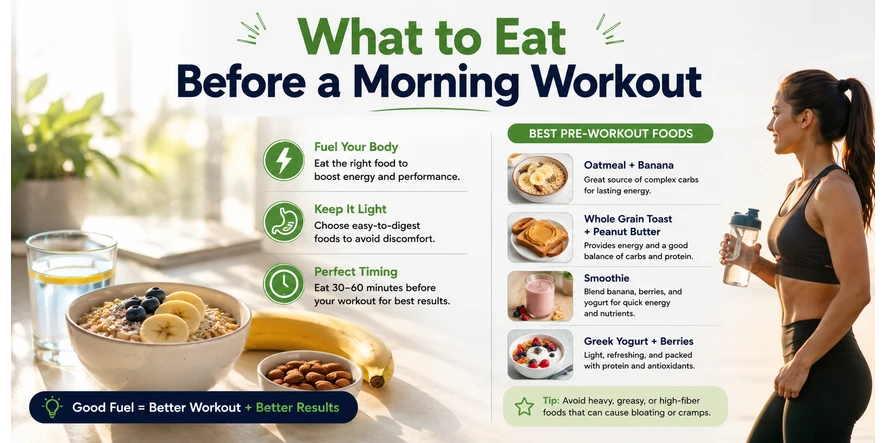
Nutrition plays an important role in workout performance, especially when exercising early in the morning. While some people prefer training on an empty stomach, others feel stronger and more energized after eating a light snack. Understanding your body’s energy needs can help you choose the right approach and improve your overall workout nutrition strategy.
A fasted workout means exercising without eating beforehand, typically after an overnight fast. Some studies suggest that fasted exercise may increase fat utilization during workouts. However, this does not necessarily lead to greater long-term weight loss compared to exercising after eating.
For low- to moderate-intensity activities such as walking, light jogging, or yoga, many people perform well in a fasted state. However, if you’re planning a high-intensity session involving cardio, strength training, or HIIT, having a small pre workout meal may help improve performance and energy levels.
During sleep, your body uses stored energy to support essential functions. By morning, glycogen stores may be lower than usual, which can affect workout performance. Eating a light snack before exercise provides your muscles with fuel, helping you maintain intensity and avoid early fatigue.
A balanced healthy snack before workout should contain easily digestible carbohydrates and a small amount of protein. This combination provides quick energy while supporting muscle function.
Bananas are one of the most popular pre-workout foods because they are rich in natural carbohydrates and potassium.
Benefits:
Best Time to Eat:
15–30 minutes before exercise.
Oatmeal provides complex carbohydrates that release energy gradually throughout your workout.
Benefits:
Best Time to Eat:
45–60 minutes before exercise.
Greek yogurt contains protein and carbohydrates, making it an excellent option for supporting workout performance.
Benefits:
Best Time to Eat:
30–60 minutes before exercise.
Whole-grain toast with peanut butter offers a balanced combination of carbohydrates, healthy fats, and a small amount of protein.
Benefits:
Best Time to Eat:
45–60 minutes before exercise.
What you eat after exercising is just as important as the workout itself. A nutritious post workout meal helps replenish energy stores, support muscle recovery, and prepare your body for the rest of the day. After a morning workout, your muscles need nutrients to recover efficiently, making breakfast an ideal opportunity to fuel your body properly.
During exercise, your body uses stored carbohydrates for energy and places stress on muscle tissues. After your workout, the recovery process begins. Consuming a balanced healthy breakfast that includes protein and carbohydrates can help restore energy levels and support muscle repair.
Protein is especially important because it provides the amino acids your body needs to rebuild and strengthen muscle tissue. Pairing protein with quality carbohydrates can also help replenish glycogen stores that were depleted during exercise.
A protein breakfast can help maximize recovery and keep you feeling satisfied throughout the morning. Adequate protein intake supports muscle maintenance, reduces muscle breakdown, and contributes to long-term fitness progress.
Experts generally recommend including a source of protein within one to two hours after exercise to optimize recovery and muscle repair.
Eggs are one of the most complete sources of protein and contain essential nutrients that support recovery.
Benefits:
Serving Idea:
Scrambled eggs with whole-grain toast and vegetables.
Oatmeal provides complex carbohydrates that help replenish energy stores after exercise.
Benefits:
Serving Idea:
Oatmeal topped with berries, nuts, and a drizzle of honey.
A protein smoothie is a convenient option for people who need a quick and nutritious meal after exercising.
Benefits:
Serving Idea:
Blend protein powder, banana, berries, spinach, and milk or a dairy-free alternative.
Greek yogurt is packed with protein and pairs well with nutrient-dense toppings.
Benefits:
Serving Idea:
Greek yogurt topped with fresh fruit, granola, chia seeds, and nuts.
Many people follow a workout routine for weeks or even months without seeing the results they expected. If you’re wondering, “Why am I not losing weight?” or “Why isn’t my workout working?”, the answer may be linked to a few common weight loss mistakes. Identifying and correcting these issues can help you make better progress and achieve your fitness goals more effectively.
One of the most common workout mistakes is believing that more exercise always leads to faster results. While regular physical activity is important, excessive training without enough recovery can increase fatigue, reduce performance, and even raise the risk of injury.
Signs of Overtraining:
Solution:
Schedule rest days and allow your body enough time to recover between intense workouts.
Exercise alone is rarely enough to achieve significant weight loss. Many people underestimate how much they eat or overestimate the calories they burn during workouts. Poor food choices can easily cancel out the benefits of exercise.
Common Nutrition Mistakes:
Solution:
Focus on balanced meals that include lean protein, vegetables, fruits, healthy fats, and whole grains.
Consistency is one of the most important factors in successful weight loss. Exercising intensely for a few days and then skipping workouts for long periods can slow progress significantly.
Why Consistency Matters:
Solution:
Create a realistic workout schedule that you can follow consistently rather than relying on motivation alone.
Lack of sleep is one of the most overlooked fitness mistakes. Poor sleep can affect hormones that regulate hunger, energy, and recovery, making weight loss more difficult.
Effects of Poor Sleep:
Solution:
Aim for 7–9 hours of quality sleep each night to support recovery and healthy weight management.
Many people focus only on cardio and neglect resistance exercises. While cardio burns calories, strength training helps build lean muscle, which can increase calorie burn over time.
Solution:
Include a combination of cardio and strength exercises in your weekly routine for better long-term results.
Weight loss is a gradual process. Unrealistic expectations often lead to frustration and cause people to quit before seeing meaningful progress.
Solution:
Focus on long-term lifestyle changes instead of quick fixes. Small improvements made consistently can produce significant results over time.
If you’re exercising regularly but not losing weight, the issue is often related to calorie intake, inconsistent habits, poor recovery, or unrealistic expectations. Tracking your food intake, improving sleep, and maintaining a consistent exercise routine can help identify the problem.
Why Isn’t My Workout Working?
Your workout may not be producing results if you’re not challenging yourself appropriately, recovering properly, or supporting your training with good nutrition. Avoiding common workout mistakes and maintaining a balanced approach to fitness can significantly improve your progress.
One of the most common questions people ask when starting a fitness journey is, “How long will it take before I notice results?” The answer depends on several factors, including your diet, exercise routine, starting weight, and overall lifestyle. While everyone progresses at a different pace, setting realistic expectations is essential for long-term success.
Many people expect dramatic changes within a few days or weeks, but sustainable weight loss takes time. Healthy progress is usually gradual and consistent rather than rapid. Small improvements in energy, endurance, and workout performance often appear before noticeable physical changes.
The key factor behind successful weight loss is maintaining a calorie deficit, which occurs when your body burns more calories than it consumes. Combined with regular exercise and healthy eating habits, a calorie deficit encourages your body to use stored fat for energy.
Most health experts recommend a healthy weight loss rate of approximately 1–2 pounds (0.5–1 kilogram) per week. Losing weight at this pace is generally considered safer, more sustainable, and easier to maintain over the long term.
Faster weight loss can sometimes occur during the first few weeks due to water weight changes, but long-term fat loss is usually slower and steadier.
Many people focus only on body weight, but body composition is often a better indicator of progress. Body composition refers to the ratio of fat, muscle, bone, and water in your body.
For example, someone who is strength training may gain muscle while losing fat. In this case, the scale might not change significantly even though their appearance and health improve.
BMI (Body Mass Index) is a screening tool that compares weight to height. While BMI can provide a general health estimate, it does not distinguish between muscle and fat. Because of this, BMI should be viewed as one measurement among many rather than the sole indicator of progress.
Tracking waist measurements, progress photos, fitness improvements, and body composition changes can provide a more complete picture of your results.
Several factors influence your fat loss timeline, including:
People with more weight to lose often see changes faster during the early stages compared to individuals who are already close to their goal weight.
When starting a new fitness routine, one of the first questions people ask is how quickly they will see results. The truth is that sustainable weight loss takes time, and the timeline varies from person to person. Factors such as diet, exercise consistency, age, sleep quality, and starting weight all influence your progress. Setting realistic expectations can help you stay motivated and avoid frustration during your journey.
Many people expect dramatic changes within the first week. While you may notice slight changes in energy levels and water weight, significant fat loss requires patience and consistency. Healthy weight loss is a gradual process that involves creating a calorie deficit, meaning your body burns more calories than it consumes.
The goal should not be rapid weight loss but sustainable progress that you can maintain long term.
Most experts consider a healthy weight loss rate to be around 1–2 pounds (0.5–1 kg) per week. This pace allows your body to lose fat while preserving muscle mass and maintaining overall health.
Losing weight too quickly can sometimes lead to:
For this reason, gradual progress is generally more effective and sustainable.
During the first couple of weeks, many people experience:
At this stage, you may begin noticing:
This is often when visible weight loss results start becoming more noticeable:
Long-term consistency typically leads to:
Many people judge progress solely by body weight, but body composition often provides a more accurate picture. Body composition measures the proportion of fat, muscle, water, and bone in your body.
For example, if you’re performing strength training, you may gain muscle while losing fat. In this situation, the scale may not change dramatically even though your physique and health are improving.
This is why tracking measurements, progress photos, and fitness performance can be more useful than relying only on body weight.
BMI (Body Mass Index) is commonly used to estimate whether a person’s weight falls within a healthy range based on height and weight. While BMI can be a helpful screening tool, it does not account for muscle mass or body composition.
Athletes and physically active individuals may have a higher BMI despite having low body fat levels. Therefore, BMI should be viewed as one indicator among several rather than the only measure of health.
Losing weight is one thing, but maintaining your results is often the bigger challenge. Many people achieve short-term success only to regain the weight months later. The key to lasting results is focusing on sustainable weight loss rather than quick fixes. Building a healthy lifestyle that you can maintain for years is far more effective than following extreme diets or intense workout programs for a few weeks.
Successful weight loss starts with creating small, realistic healthy habits that fit naturally into your daily routine. Instead of trying to change everything at once, focus on one habit at a time.
Examples of healthy habits include:
Small habits may seem insignificant, but they create the foundation for long-term success.
One of the biggest mistakes people make is expecting perfection. Missing a workout or enjoying an occasional treat does not ruin your progress. What matters most is consistency over weeks, months, and years.
A simple workout performed regularly will often produce better results than an intense routine that is difficult to maintain. Remember that lasting transformation comes from repeated actions, not occasional bursts of motivation.
Motivation can help you get started, but it won’t always be there when you need it. That’s why it’s important to identify your deeper reasons for wanting to lose weight.
Your fitness motivation might be:
When challenges arise, reconnecting with your personal goals can help you stay committed.
Many people become discouraged when the number on the scale doesn’t change quickly. However, progress can show up in many different ways.
Consider tracking:
Monitoring multiple indicators helps you recognize improvements that the scale may not reflect.
Setting achievable goals can keep you motivated and prevent frustration. Rather than focusing only on a large end goal, break your journey into smaller milestones.
For example:
Small victories create momentum and make long-term success feel more attainable.
The best workout plan is the one you can stick with consistently. Choose activities you genuinely enjoy, whether that’s walking, running, cycling, strength training, yoga, or group fitness classes.
When exercise feels enjoyable rather than like a punishment, maintaining an active lifestyle becomes much easier.
Sustainable change takes time. Weight loss rarely happens in a perfectly straight line, and temporary plateaus are normal. Stay focused on your habits and trust the process.
People who achieve sustainable weight loss are not necessarily the ones who lose weight the fastest—they are the ones who remain consistent long enough to see lasting results.