Physical Address
304 North Cardinal St.
Dorchester Center, MA 02124
Physical Address
304 North Cardinal St.
Dorchester Center, MA 02124


Medically reviewed by the Health Rise Daily Medical Board. This content is for informational purposes only.
How long will it take you to drop those extra pounds? That is the golden question. Walk into almost any clinic in the United States, and you will hear someone ask this exact thing. Everyone wants a fast, clean answer. We live in a world of instant deliveries and overnight results, so it is only natural to want your body to change just as quickly.
But your body does not care about modern speed. It operates on biological rules that have kept humans alive for thousands of years. When you try to force fast changes, your biology fights back. To lose weight safely, you need to work with your body instead of against it. Let us look at the actual science behind how your body sheds fat, how long it honestly takes, and how you can set up a plan for long-term weight loss without ruining your health.
To understand the timeline, you must understand what safety means in the context of fat loss. Losing weight is not just about seeing a smaller number when you step on the bathroom scale. It is about losing the right kind of weight while keeping your organs, muscles, and hormones working perfectly.
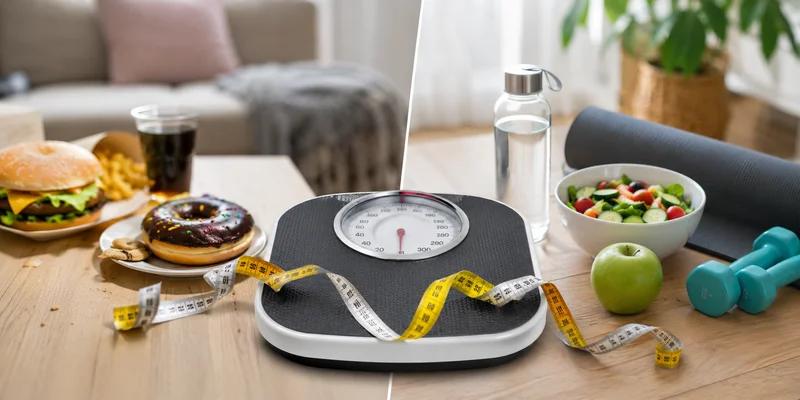
According to major health organizations like the Centers for Disease Control and Prevention (CDC), a healthy weight loss rate is about 1 to 2 pounds per week[1]. This range is not just a random number. It represents a pace that your metabolic and hormonal systems can handle without going into a state of panic.
When you aim for this steady weight loss rate, you are usually cutting about 500 to 1,000 calories from your daily energy balance. This size of deficit is small enough that your body can easily make up the difference by burning stored fat, rather than breaking down lean tissue or slowing your heart rate to save energy.
What happens when you go faster? Let us say you slash your calories down to almost nothing. Yes, the scale drops. But a massive chunk of that early loss is not fat at all. It is water, stored carbohydrates (glycogen), and muscle tissue.
Losing weight too fast also increases your risk of developing gallstones. When the body breaks down fat too rapidly, the liver secretes extra cholesterol into the bile, which can form painful crystals. Additionally, aggressive dieting can lead to chronic fatigue, hair loss, and a weakened immune system because your body does not have the fuel it needs to run its basic repair work.
While rapid weight loss may produce faster short-term results, research suggests that slower, steady progress is more likely to preserve lean muscle mass and support long-term weight management.
When people say they want to lose weight, they usually mean they want to lose fat. This distinction is critical. If you lose 10 pounds through extreme starvation, you might lose 5 pounds of fat and 5 pounds of pure muscle tissue.
Losing muscle is bad news for your metabolism. Muscle is active tissue that burns calories even when you are sitting on the couch. If you lose muscle, your daily calorie-burning capacity drops. This makes it incredibly easy to gain all the weight back—and then some—the moment you start eating normally again. A focus on healthy fat loss ensures that you protect your muscles while targetting fat reserves.
To lose fat, you have to create an energy deficit. Your body needs a certain amount of fuel to stay alive and move around. If you give it slightly less fuel than it needs, it has to tap into its backup gas tanks (your fat cells) to get the energy.
This is basic thermodynamics. If you eat more calories than your body burns, you store energy. If you eat fewer, you burn stored energy. But while the math is simple, the human body is not a static calculator.
Your “calories out” side is made of several parts: your resting metabolic rate (the energy needed just to keep your heart beating and lungs working), the energy used to digest food, and the energy used during movement. Because these factors change daily based on what you eat and how you move, calculating an exact calorie balance can be tricky. It requires consistent tracking and mild adjustments over time.
Think of your metabolism as a car engine. If you keep the gas tank full and drive at a normal speed, the engine runs efficiently. If you suddenly cut off the fuel supply to a tiny trickle, the car does not just keep driving at 80 miles per hour. It slows down, shuts down non-essential systems like the air conditioning, and tries to stretch every drop of fuel as far as possible.
Your body does the exact same thing. If you starve it, your metabolism slows down to match the low energy intake. This is why aggressive diets always stop working after a few weeks. Your “engine” has simply downsized its daily fuel needs to survive.
Many people talk about “starvation mode” as if your body completely stops losing weight if you eat too little. That is not true; if you stop eating, you will lose weight, but at a terrible cost to your health. What actually happens is called adaptive thermogenesis.
This is a natural process where your thyroid hormones drop, your nervous system slows down, and you unconsciously start moving less throughout the day. You might fidget less, sit more, or feel too tired to take the stairs. Your body is quietly saving energy to protect you from what it thinks is a famine. This is why a gradual weight loss plan is so much more effective; it keeps these survival alarms from going off.
| Feature | Safe, Steady Weight Loss | Unsafe, Rapid Weight Loss |
|---|---|---|
| Typical Weekly Rate | 0.5 to 2 pounds per week | 3+ pounds per week |
| Primary Fuel Lost | Mostly body fat (stored energy) | Water, muscle tissue, and glycogen |
| Metabolic Impact | Maintains muscle and metabolic rate | Slows metabolism, causes muscle loss |
| Hormonal Response | Keeps hunger hormones stable | Spikes ghrelin (hunger), lowers leptin (fullness) |
| Long-Term Success | High likelihood of keeping weight off | High risk of rapid weight rebound |
No two bodies are identical. If you and your friend follow the exact same diet and exercise routine, your weight loss progress will still look completely different. Understanding these variables will save you from comparing your progress to others and getting frustrated.
Your starting point plays a massive role in how fast you will see changes on the scale. A person who has 100 pounds of excess fat to lose will generally lose weight much faster at the beginning than someone who only wants to lose 10 pounds.
Why does this happen? Because a larger body requires more energy just to move around and stay alive. If a heavy person cuts their calories down, they instantly create a much larger energy deficit than a smaller person doing the exact same thing. As you get leaner, your rate of loss will naturally slow down because your body requires fewer calories to run its daily operations.
Men and women lose weight differently due to genetics, muscle mass, and hormone profiles. Men generally have more lean muscle tissue, which burns more calories throughout the day. They also have higher levels of testosterone, which supports muscle growth and fat burning.
Women, on the other hand, carry more essential fat for reproductive health. Estrogen and progesterone can affect water retention, meaning a woman’s weight might fluctuate by several pounds throughout her monthly cycle. This water weight can easily hide actual fat loss on the scale, making it look like progress has stalled when it actually has not.
As we get older, our bodies undergo a gradual loss of muscle tissue known as sarcopenia. Because muscle is metabolic currency, losing it means your resting metabolism slows down over the decades. This makes weight management harder as you age.
Additionally, hormonal shifts like menopause in women and lower testosterone in men can alter where your body prefers to store fat. While you can absolutely achieve a sustainable weight loss at any age, older adults usually need to pay closer attention to getting enough protein and doing strength exercises to keep their metabolism active.
If you set yourself up with unrealistic expectations, you are setting yourself up to quit. To succeed, you need to set milestones that recognize how your body actually changes.
It is easy to focus entirely on a final goal weight. But if you have 50 pounds to lose, looking at that massive number every day can feel overwhelming. Instead, break it down into smaller, highly manageable steps.
A fantastic first target is to lose 5% to 10% of your current body weight. Research published by the National Institutes of Health (NIH) shows that losing just 5% of your body weight can dramatically improve your blood pressure, cholesterol levels, and blood sugar control[2]. That is a massive win for your health, even if you still have a long way to go to reach your ultimate goal.
The scale is a useful tool, but it is also a bit of a liar. It cannot tell the difference between fat, muscle, water, and waste. If you start lifting weights, you might gain a pound of muscle while losing a pound of fat. The scale will show zero change, leaving you feeling defeated.
To avoid this trap, pay attention to other signs of progress. These are called non-scale victories. Are your pants fitting looser around your waist? Do you have more energy in the afternoon? Are you sleeping better at night? Can you climb a flight of stairs without getting winded? These are all proof that your healthy lifestyle changes are working, regardless of what the scale says.
Your weight loss plan should not be set in stone. As you lose weight, your body changes, and your plan must change too. What worked for you in the first month might not work in month four.
If you have lost 20 pounds, your daily calorie needs are now lower than when you started. You may need to slightly decrease your calorie intake or increase your physical activity to keep making progress. Expect these adjustments. They are a normal part of the process, not a sign of failure.
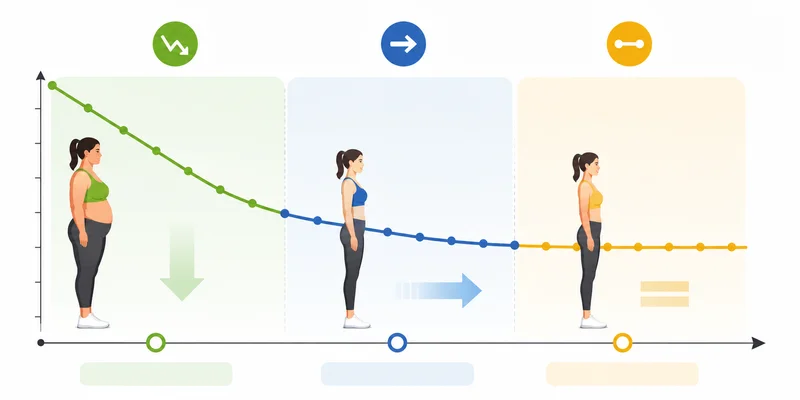
To keep you grounded, let us walk through what a typical, healthy fat loss timeline actually looks like. This is what you should expect to see if you are doing things the right way.
During the first couple of weeks, you might see a surprisingly large drop on the scale. It is not uncommon to lose 5 to 8 pounds in this first month. But do not get too excited; this is mostly water weight and stored glycogen.
When you start eating fewer calories, especially fewer processed carbohydrates, your body burns through its glycogen stores. Glycogen holds onto a lot of water in your tissues. As you use up this glycogen, your body flushes out that excess water. It is a great psychological boost, but keep in mind that true safe fat loss is just starting to warm up.
This is where the real work happens. From month two onward, your weight loss will likely settle into that classic 1 to 2 pounds per week pace. This is the steady weight loss phase.
By this point, your body has adapted to your new eating habits. You are no longer losing rapid amounts of water. Instead, your body is steadily tapping into fat stores for fuel. This is the phase where you will start to notice your clothes fitting much better and your body shape visibly changing.
Almost everyone hits a weight loss plateau around the six-month mark. This is completely normal. Your body is highly adaptable, and it has figured out how to run on fewer calories.
When you hit a plateau, do not panic and do not starve yourself. Instead, take it as an opportunity to reassess. You can slightly tweak your activity levels, pay closer attention to your food portions, or even take a week-long “diet break” where you eat at maintenance calories to let your hormones reset. The goal is to keep making long-term weight loss progress without hurting your metabolic rate.
| Timeline Phase | Expected Scale Change | What is Actually Happening | Main Focus Area |
|---|---|---|---|
| Weeks 1 – 4 | 4 to 8+ pounds (highest drop) | Glycogen depletion and water loss | Building consistent daily routines |
| Months 2 – 3 | 1 to 2 pounds per week | Active fat burning, tissue remodeling | Maintaining energy levels and strength |
| Months 4 – 5 | 0.5 to 1.5 pounds per week | Slower fat loss as body mass decreases | Tracking non-scale measurements |
| Month 6+ | Plateau or very slow loss | Metabolic adaptation to lower weight | Recalculating calories or taking breaks |
Now that you know how your body behaves, you need a realistic plan to get moving. An effective weight loss plan does not require you to live on kale and celery water. It is about simple, repeatable changes.
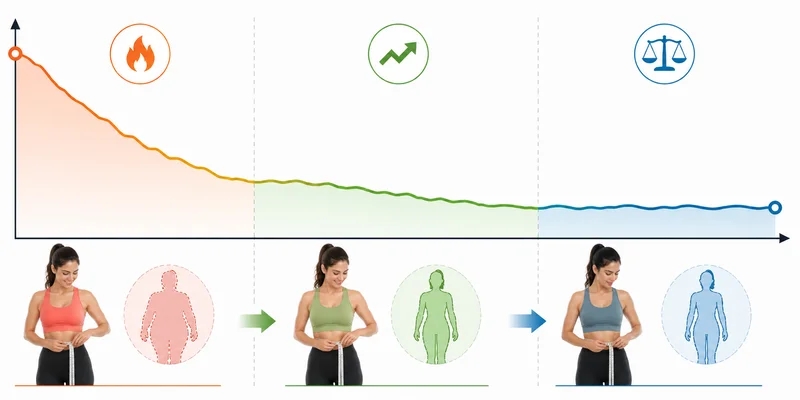
Start small. Do not try to cut your daily intake in half overnight. A small, manageable calorie deficit of 300 to 500 calories below your maintenance level is usually the sweet spot.
You can easily achieve this by making swap-outs. Drink water or sparkling water instead of soda. Use a little less oil when cooking. Reduce your portion sizes of starch (like rice or pasta) slightly and double up on vegetables. These tiny changes add up over the course of a week without leaving you feeling starved or miserable.
If you want to protect your muscles while losing fat, you must prioritize protein. Protein requires more energy for your body to digest than carbs or fats do, a phenomenon known as the thermic effect of food. It also keeps you feeling full for much longer.
Aim to include a quality source of protein in every single meal. Think eggs, chicken, fish, tofu, Greek yogurt, or lean beef. Combine these with plenty of fiber-rich whole foods like vegetables, beans, and whole grains. Fiber slows down digestion, preventing blood sugar spikes and crashes that lead to intense cravings.

Exercise is great, but do not think of it purely as a way to “burn off” your dinner. Think of exercise as a way to tell your body that its muscles are needed. When you do strength training (like lifting weights or doing bodyweight exercises), you signal to your brain that it must keep your muscle tissue, forcing it to burn fat instead.
In addition to structured workouts, focus on increasing your general daily movement. Take a short walk after lunch. Use a standing desk. Clean the house. This type of activity is called Non-Exercise Activity Thermogenesis (NEAT), and it actually accounts for a much larger portion of your daily calorie burn than your actual workouts do!
Weight loss is not just about what you eat and how you move. It is deeply connected to how you live your life. If your lifestyle is a mess, your weight loss will stall no matter how hard you diet.

When you do not get enough sleep, your body goes into survival mode. It produces higher levels of cortisol, a stress hormone that encourages fat storage, especially around your belly. Research shows that sleep deprivation also messes with your hunger hormones[3].
It causes levels of ghrelin (the hormone that makes you hungry) to spike, while lowering levels of leptin (the hormone that tells you you are full). This is why you crave sugary, fatty foods after a poor night of sleep. Aiming for 7 to 9 hours of quality sleep each night is just as important as your diet.
Drinking enough water is critical for metabolic health. If you are dehydrated, your kidneys cannot function properly, which puts extra stress on your liver. Your liver is responsible for metabolizing stored fat into energy; if it has to help your kidneys do their job, it cannot burn fat as efficiently.
And yes, drinking water can actually help reduce water retention! When your body is dehydrated, it holds onto every drop of water it can find, making you look bloated. Drinking plenty of water tells your body it is safe to let go of that fluid, which can quickly drop your scale weight.
Chronic daily stress is a major enemy of fat loss. When you are constantly stressed about work, money, or life, your body is in a persistent fight-or-flight state. This keeps cortisol levels high, which can slow down digestion and make it incredibly difficult to burn fat.
Find simple ways to manage your stress every day. It does not have to be complicated. A 10-minute walk outside in nature, some light stretching, or just sitting quietly without your phone can help calm your nervous system. Lowering your stress levels makes your body much more willing to release stored fat.

While managing your weight on your own is possible, sometimes you need expert guidance. Knowing when to ask for help can save you months of frustration and prevent health complications.
How do you know if your current plan is unsafe? There are several warning signs to watch out for. If you are constantly feeling lightheaded, losing large amounts of hair, experiencing brain fog, or have stopped menstruating, your diet is likely far too aggressive.
These are signs of severe nutritional deficiencies and hormonal disruptions. If you experience any of these symptoms, you need to stop your diet immediately and consult a healthcare professional. Your health should never be sacrificed for a smaller pants size.
A registered dietitian or a physician specializing in obesity medicine can help you build a personalized, highly effective weight loss plan. They can look at your medical history, check your blood work, and make sure your targets are safe for your specific body.
They can also help you identify any hidden issues that might be slowing you down. Having a professional guide you means you do not have to guess about your calorie targets, protein needs, or exercise routines. It provides an extra level of safety and accountability.
Sometimes, weight loss resistance is not a matter of willpower or diet. It can be caused by underlying medical conditions. Issues like hypothyroidism, Polycystic Ovary Syndrome (PCOS), and insulin resistance can significantly slow down your metabolic rate and alter how your body stores fat.
If you have been consistently eating in a calorie deficit and exercising for several weeks without seeing any change in your weight or measurements, it is a good idea to visit your doctor. Simple blood tests can check your thyroid function and hormone levels, helping you get the treatment you need to support your health and weight goals.
How much weight can you lose safely in a month?
You can safely lose about 4 to 8 pounds in a month by maintaining a steady, healthy calorie deficit. While you might lose slightly more during your very first month due to shedding excess water weight, this 1 to 2 pounds per week rate is the gold standard for long-term success.
Can you lose 10 pounds in a week safely?
No, losing 10 pounds in a single week is generally not safe or sustainable. To lose that much weight so quickly, you would have to severely restrict your food and water intake, which means almost all of the lost weight would be water and muscle tissue rather than fat.
Why did my weight loss stop after two weeks?
Your weight loss likely stalled because your body has shed its initial water weight and is now adapting to your new habits. This is a very common phase where your body reorganizes its fluid balance before starting to steadily burn fat, so you should keep going with your plan.
Does drinking more water help you lose weight safely?
Yes, staying well-hydrated supports your metabolism, helps control your appetite, and assists your kidneys in processing waste. Drinking water before meals can also help you feel more satisfied, making it easier to maintain your calorie deficit naturally.
Is a keto diet a safe way to lose weight long-term?
The ketogenic diet can produce fast initial results, but many people find it difficult to maintain and it may not be suitable for everyone over long periods. For most individuals, a balanced approach that includes a variety of whole foods, lean proteins, and complex carbohydrates is much easier to sustain for life.