Physical Address
304 North Cardinal St.
Dorchester Center, MA 02124
Physical Address
304 North Cardinal St.
Dorchester Center, MA 02124

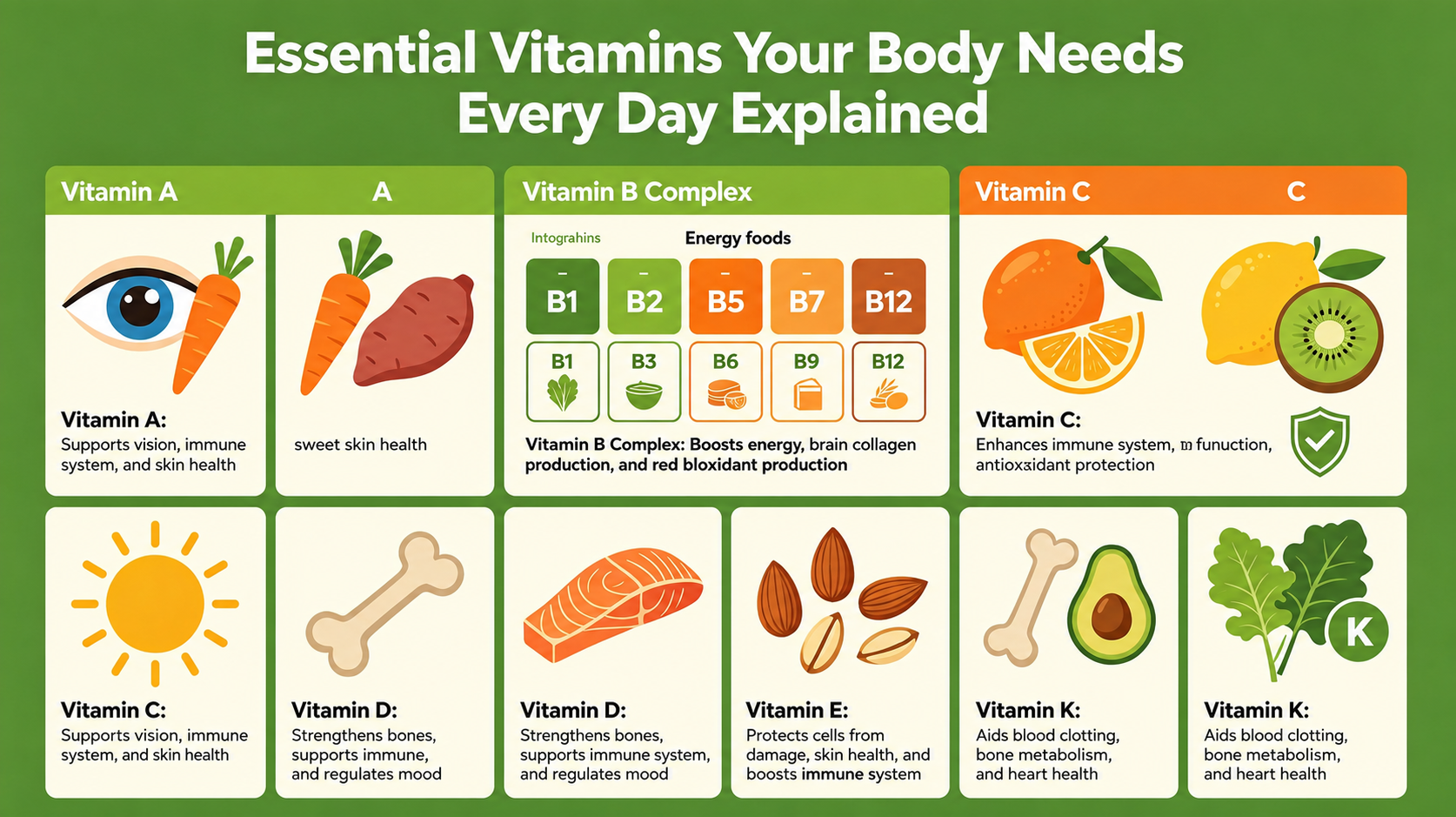
Essential Vitamins Your Body Needs Every Day play a crucial role in maintaining overall health and supporting vital body functions. From boosting energy levels to strengthening the immune system, these nutrients help your body perform at its best every day. Whether you’re focused on improving wellness, increasing productivity, or preventing common health issues, understanding the importance of vitamins is essential.
The Essential Vitamins Your Body Needs Every Day contribute to energy production, brain function, heart health, and disease prevention. Vitamins such as A, C, D, E, and the B-complex group work together to support healthy cells, protect against oxidative stress, and enhance overall well-being. Without adequate vitamin intake, your body may experience fatigue, weakened immunity, poor concentration, and other health concerns.
While many people obtain these nutrients through a balanced diet, vitamin supplements have become increasingly popular for filling nutritional gaps. Choosing the right source of Essential Vitamins Your Body Needs Every Day can help ensure your body receives the nutrients it needs for optimal performance and long-term health.
In this complete guide, you’ll discover the Essential Vitamins Your Body Needs Every Day, their health benefits, the best food sources, signs of deficiency, and how to make informed decisions about supplementation. Whether you’re looking to improve your daily nutrition or support specific health goals, this guide will provide practical and reliable information to help you stay healthy.
Understanding the Essential Vitamins Your Body Needs Every Day is crucial for maintaining good health and preventing nutritional deficiencies. These vitamins support important functions such as energy production, immune system health, brain performance, and cell repair. The Essential Vitamins Your Body Needs Every Day include Vitamin A, Vitamin C, Vitamin D, Vitamin E, Vitamin K, and the B-complex vitamins, each serving a unique purpose in the body.
Getting the Essential Vitamins Your Body Needs Every Day through a balanced diet rich in fruits, vegetables, whole grains, and lean proteins is the best approach for most people. However, nutrition supplements can help fill dietary gaps when needed. By ensuring you receive the Essential Vitamins Your Body Needs Every Day, you can support long-term wellness, improve daily energy levels, and promote overall physical and mental health.
Vitamins are essential nutrients that play a critical role in keeping your body healthy and functioning properly. From supporting the immune system to helping convert food into energy, vitamins are involved in nearly every biological process. The Essential Vitamins Your Body Needs Every Day help maintain healthy skin, strong bones, proper brain function, and overall well-being. Since the body cannot produce most vitamins in sufficient amounts, they must be obtained through a balanced diet or high-quality nutrition supplements.
A lack of important vitamins can lead to nutritional deficiencies, fatigue, weakened immunity, poor concentration, and other health problems. Understanding the Essential Vitamins Your Body Needs Every Day is the first step toward making better nutritional choices and maintaining long-term health.
Vitamins are organic compounds that the body requires in small amounts to support growth, development, and normal body functions. Unlike proteins, fats, and carbohydrates, vitamins do not provide energy directly, but they help the body use energy efficiently. The Essential Vitamins Your Body Needs Every Day work together to support metabolism, immune defense, cell repair, and disease prevention.
Many people obtain vitamins from fruits, vegetables, whole grains, dairy products, and lean proteins. However, some individuals use nutrition supplements to fill nutritional gaps when dietary intake is insufficient.
There are two primary categories of vitamins: water-soluble vitamins and fat-soluble vitamins.
Water-soluble vitamins include Vitamin C and the B-complex family. These vitamins dissolve in water and are not stored in large amounts by the body. As a result, they need to be consumed regularly through food or supplements.
Fat-soluble vitamins include Vitamins A, D, E, and K. These nutrients are absorbed with dietary fats and stored in the liver and body tissues, allowing them to remain available for future use.
Knowing the Essential Vitamins Your Body Needs Every Day and their classifications can help you better understand how your body absorbs and utilizes nutrients.
The main difference between water-soluble and fat-soluble vitamins is how they are absorbed, stored, and eliminated by the body. Water-soluble vitamins are used quickly and excess amounts are usually excreted through urine. Fat-soluble vitamins can be stored for longer periods, making it possible for excessive intake to accumulate over time.
Because of these differences, proper dosage is important. Both vitamin groups are part of the Essential Vitamins Your Body Needs Every Day, and maintaining the right balance helps support optimal health, energy levels, immune function, and overall wellness. Understanding these distinctions can help you make informed decisions about your diet and supplement choices.
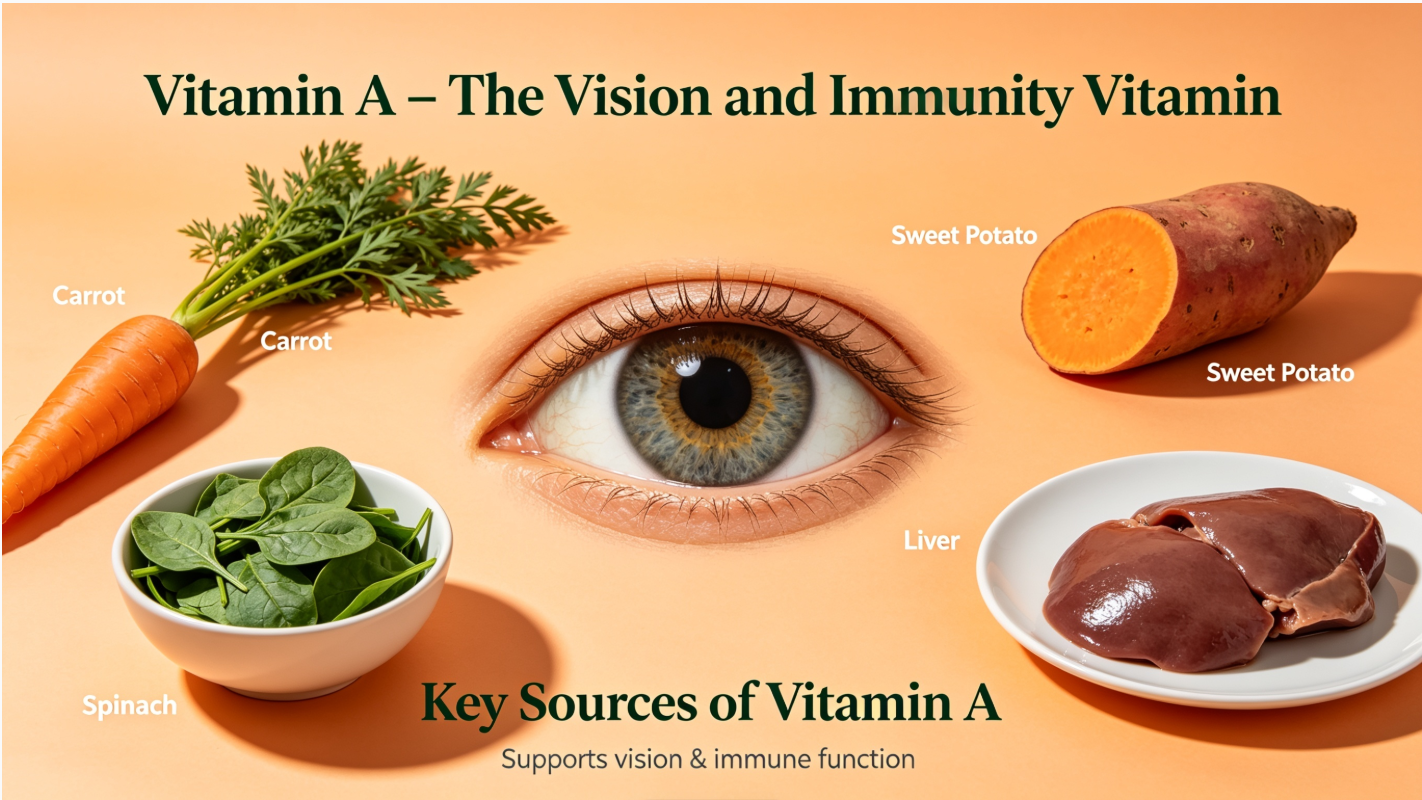
Vitamin A is one of the Essential Vitamins Your Body Needs Every Day for maintaining healthy vision, supporting a strong immune system, and promoting healthy cell growth. This important fat-soluble vitamin plays a key role in protecting the body from infections while supporting overall wellness. Because of its wide range of health benefits, Vitamin A is considered one of the most important nutrients for long-term health.
One of the biggest benefits of Vitamin A is its ability to support eye health and maintain clear vision, especially in low-light conditions. It also helps strengthen the immune system, allowing the body to fight harmful bacteria and viruses more effectively. In addition, Vitamin A supports healthy skin, tissue repair, and proper cell development. As one of the Essential Vitamins Your Body Needs Every Day, it contributes to overall health and vitality.
A lack of Vitamin A can lead to several health concerns. Common symptoms include night blindness, dry eyes, weakened immunity, dry skin, frequent infections, and slow wound healing. Severe deficiency may increase the risk of vision problems and immune-related disorders.
Many foods naturally contain Vitamin A or beta-carotene, which the body converts into Vitamin A. Excellent sources include carrots, sweet potatoes, pumpkin, spinach, kale, eggs, milk, cheese, fish, and liver. Adding these nutrient-rich foods to your diet can help you obtain the Essential Vitamins Your Body Needs Every Day naturally.
Most people can get enough Vitamin A from a balanced diet. However, individuals with nutrient deficiencies or specific dietary restrictions may benefit from vitamin supplements. Since excessive intake of this fat-soluble vitamin can be harmful, it is important to follow recommended dosages and seek professional advice when considering supplementation. Getting the Essential Vitamins Your Body Needs Every Day through food should always be the primary goal whenever possible.
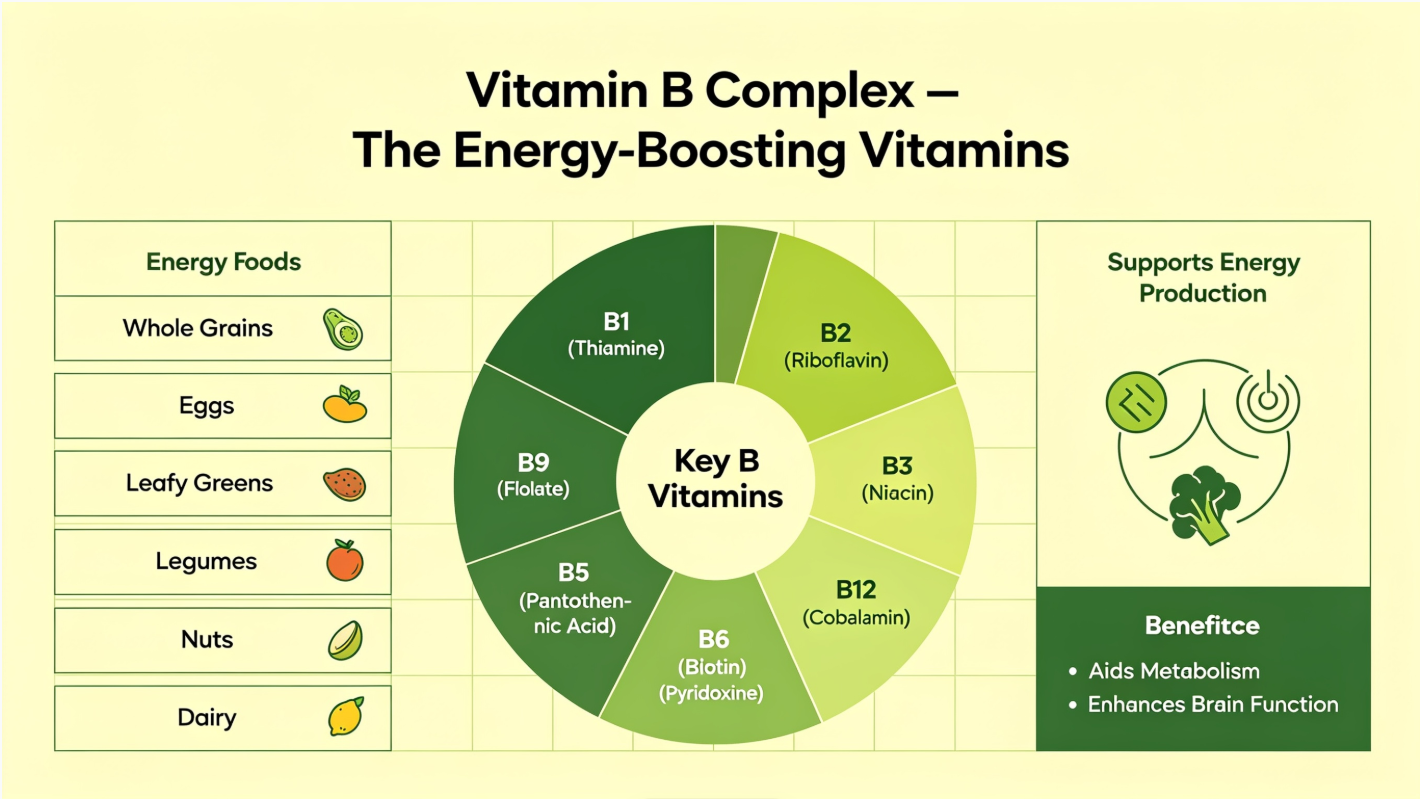
Vitamin B Complex refers to a group of eight essential B vitamins that work together to support energy production, brain function, nervous system health, and overall wellness. These vitamins help the body convert food into usable energy while supporting healthy cells, metabolism, and cognitive performance. Since most B vitamins are water-soluble, they need to be consumed regularly through food or vitamin supplements.
The Vitamin B Complex includes eight different B vitamins that play unique roles in maintaining health. Together, they support metabolism, red blood cell formation, DNA synthesis, and proper nerve function. A deficiency in one or more B vitamins can lead to fatigue, weakness, poor concentration, and other health concerns.
The benefits of B vitamins extend far beyond energy support. They are essential for many important functions throughout the body.
B vitamins help convert carbohydrates, fats, and proteins into energy, making them vital for maintaining daily activity levels.
Several B vitamins support cognitive health, memory, focus, and mental performance.
B vitamins help maintain healthy nerves and support communication between the brain and body.
Certain B vitamins are required for producing healthy red blood cells that transport oxygen throughout the body.
Vitamin B1 helps convert food into energy and supports proper nerve and muscle function.
Vitamin B2 plays a role in energy metabolism and helps protect cells from oxidative stress.
Vitamin B3 supports healthy skin, digestion, and nervous system function while assisting with energy production.
Vitamin B5 is essential for hormone production and the metabolism of fats and carbohydrates.
Vitamin B6 supports brain development, immune function, and the production of neurotransmitters that regulate mood.
Biotin is well known for promoting healthy hair, skin, and nails while supporting metabolism.
Folate is crucial for DNA formation, cell growth, and healthy fetal development during pregnancy.
Vitamin B12 helps maintain healthy nerve cells, supports red blood cell production, and contributes to energy levels. A Vitamin B12 deficiency can cause fatigue, weakness, and neurological issues.
During pregnancy, both Vitamin B12 and Folate are important for fetal brain development and healthy red blood cell formation. Adequate intake helps reduce the risk of certain birth defects and supports maternal health.
No, Vitamin B Complex and Vitamin B12 are not the same. Vitamin B12 is only one of the eight vitamins found in a Vitamin B Complex supplement. While B12 has specific functions, the entire complex provides broader nutritional support.
Some of the best food sources of B vitamins include:
A balanced diet rich in these foods can help meet your daily B-vitamin needs naturally.
The best Vitamin B supplements typically contain all eight B vitamins in balanced amounts. When choosing a supplement, look for products that include Vitamin B12, Folate, Biotin, and Vitamin B6. High-quality supplements can help fill nutritional gaps and support energy, brain health, and overall wellness when dietary intake is insufficient.
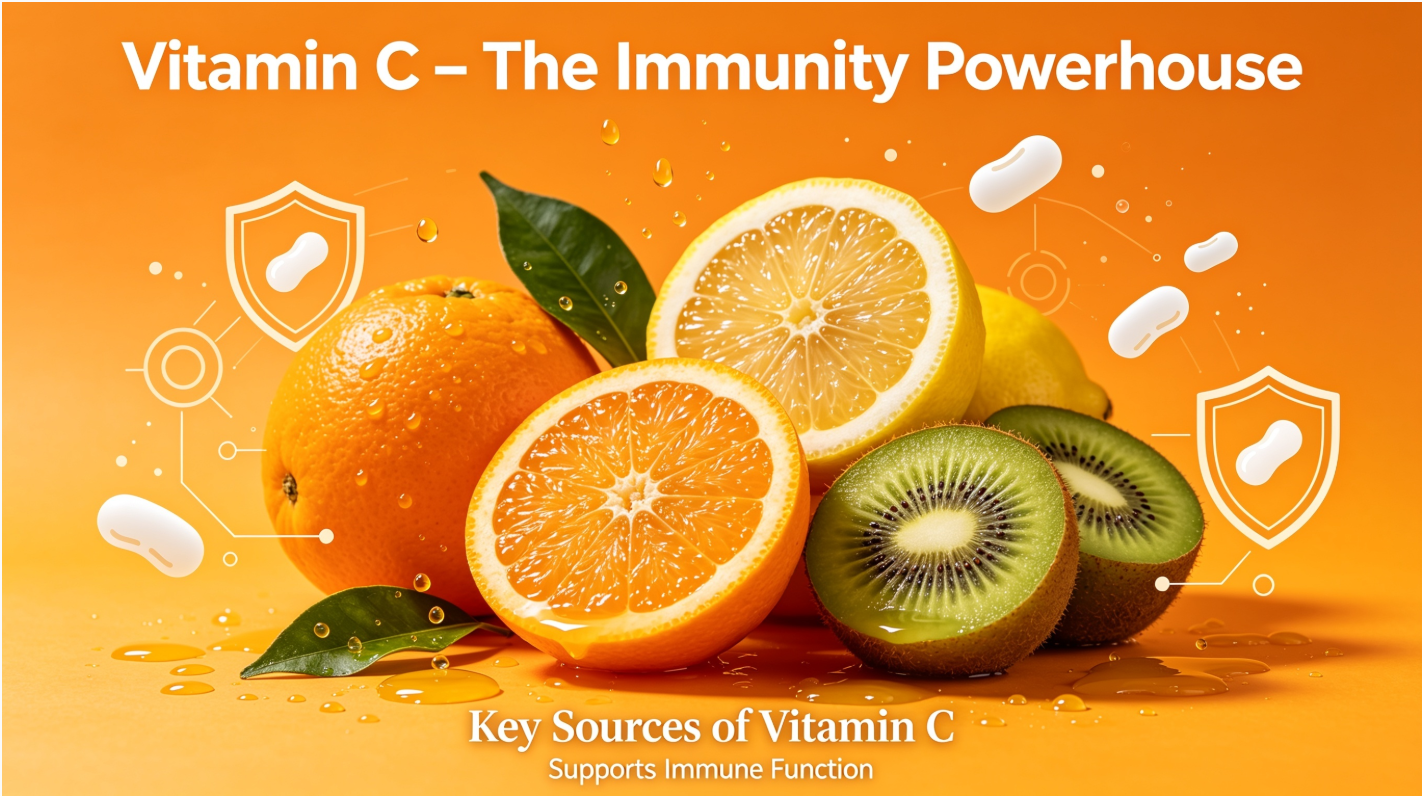
Among the Essential Vitamins Your Body Needs Every Day, Vitamin C stands out as one of the most important nutrients for maintaining overall health. Often called the immunity powerhouse, Vitamin C supports the immune system, promotes collagen production, and provides powerful antioxidant protection. Whether obtained through food or supplements, Vitamin C plays a vital role in helping the body fight infections, repair tissues, and maintain healthy skin.
The health benefits of Vitamin C go far beyond immune support. It helps strengthen the body’s natural defenses against bacteria, viruses, and environmental stressors. One of its most important functions is supporting collagen production, which is essential for healthy skin, bones, blood vessels, and connective tissues.
As a powerful antioxidant, Vitamin C protects cells from damage caused by free radicals. This protection may help reduce oxidative stress and support long-term health. In addition, Vitamin C contributes to faster wound healing, allowing the body to repair damaged tissues more efficiently. Because of these benefits, Vitamin C remains one of the Essential Vitamins Your Body Needs Every Day for optimal wellness.
Many people compare Vitamin C vs Calcium, but both nutrients serve different purposes. Vitamin C primarily supports immunity, collagen synthesis, antioxidant protection, and skin health. In contrast, Calcium is responsible for maintaining strong bones, teeth, muscle contractions, and nerve function.
Rather than choosing one over the other, a healthy diet should include both nutrients. Together, Vitamin C and Calcium contribute to better overall health and support several important bodily functions.
A deficiency in Vitamin C can negatively affect many areas of health. Common signs of Vitamin C deficiency include fatigue, weakened immunity, slow wound healing, dry skin, bleeding gums, easy bruising, and frequent infections.
In severe cases, long-term deficiency can lead to scurvy, a condition caused by insufficient intake of Vitamin C. Since Vitamin C is one of the Essential Vitamins Your Body Needs Every Day, maintaining adequate levels is important for preventing nutritional deficiencies and supporting overall well-being.
Many delicious foods are naturally rich in Vitamin C and can help you meet your daily nutritional requirements. Some of the best Vitamin C-rich foods include:
Adding these nutrient-dense foods to your diet is one of the easiest ways to obtain the Essential Vitamins Your Body Needs Every Day while supporting immunity and overall health.
Although whole foods are the best source of nutrients, Vitamin C supplements can help individuals who have difficulty meeting their daily needs through diet alone. These supplements are available in tablets, capsules, powders, chewables, and liquid Vitamin C forms.
When choosing Vitamin C supplements, look for high-quality products from trusted brands and follow the recommended dosage guidelines. Combined with a balanced diet, supplements can help ensure you receive adequate amounts of Vitamin C, one of the most important Essential Vitamins Your Body Needs Every Day.

Vitamin D is one of the Essential Vitamins Your Body Needs Every Day because it plays a vital role in maintaining overall health. Often called the Sunshine Vitamin, Vitamin D is produced when your skin is exposed to sunlight. It helps the body absorb calcium and phosphorus, which are essential for strong bones, healthy muscles, and proper immune function. Despite its importance, Vitamin D deficiency remains a common nutritional concern worldwide.
Among the Essential Vitamins Your Body Needs Every Day, Vitamin D stands out for its role in supporting multiple body systems. It helps regulate calcium levels, supports bone density, and contributes to normal muscle performance.
Bone Health: Vitamin D improves calcium absorption, helping maintain strong bones and reducing the risk of osteoporosis.
Immune Support: Adequate Vitamin D levels help strengthen the immune system and support the body’s natural defense mechanisms.
Muscle Function: Vitamin D contributes to muscle strength, balance, and physical performance.
Common signs of Vitamin D deficiency include fatigue, muscle weakness, frequent illness, bone pain, mood changes, and low energy levels.
Excellent sources include sunlight exposure, fatty fish, egg yolks, fortified milk, fortified cereals, and mushrooms.
For people with limited sun exposure or dietary intake, Vitamin D supplements can help maintain healthy levels. Since Vitamin D is one of the Essential Vitamins Your Body Needs Every Day, choosing the right dosage can support long-term health, immunity, and overall wellness.
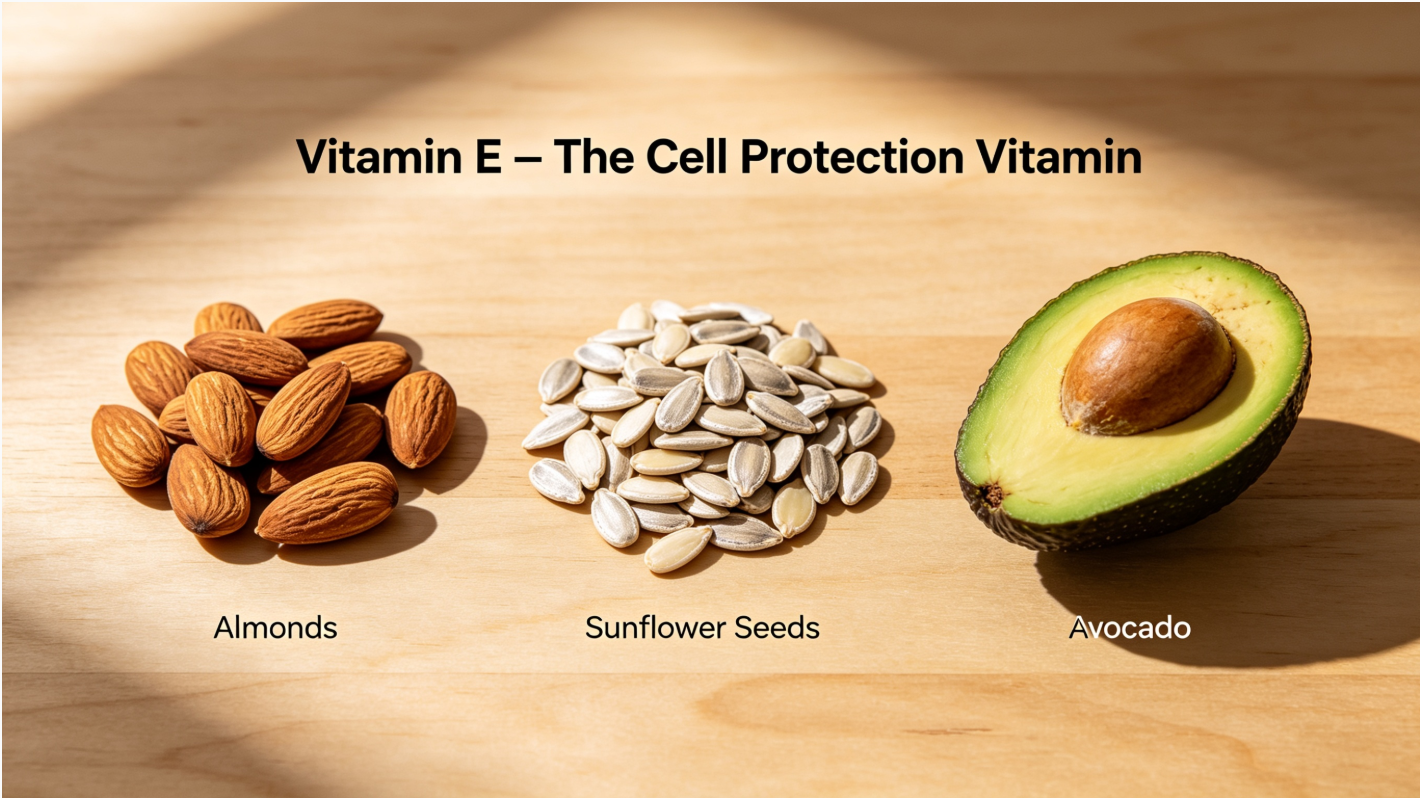
Vitamin E is a powerful antioxidant vitamin that helps protect cells from damage caused by free radicals. It plays an important role in supporting the immune system, maintaining healthy skin, and promoting overall wellness. As one of the Essential Vitamins Your Body Needs Every Day, Vitamin E helps reduce oxidative stress and supports long-term health.
The benefits of Vitamin E extend beyond basic nutrition. This essential nutrient helps strengthen the immune system, supports heart health, and protects cells from oxidative damage. Many studies suggest that adequate Vitamin E intake may contribute to healthy aging and improved overall well-being. Because of its antioxidant properties, Vitamin E is often included in many nutrition supplements and wellness products.
One of the most popular benefits of Vitamin E is its role in skin health. It helps maintain skin moisture, supports the skin’s natural barrier, and protects against environmental stressors. Many skincare products contain Vitamin E because it may help reduce dryness and promote smoother-looking skin. Maintaining adequate levels of Vitamin E can contribute to a healthier complexion and overall skin wellness.
Wheat germ oil is considered one of the richest natural sources of Vitamin E. Just a small serving provides a significant amount of this essential nutrient. Many people use wheat germ oil as part of a healthy diet to increase their intake of antioxidants and support cellular health naturally.
Some of the best food sources of Vitamin E include:
Including these Vitamin E-rich foods in your daily diet can help you meet your nutritional needs and support overall health naturally.
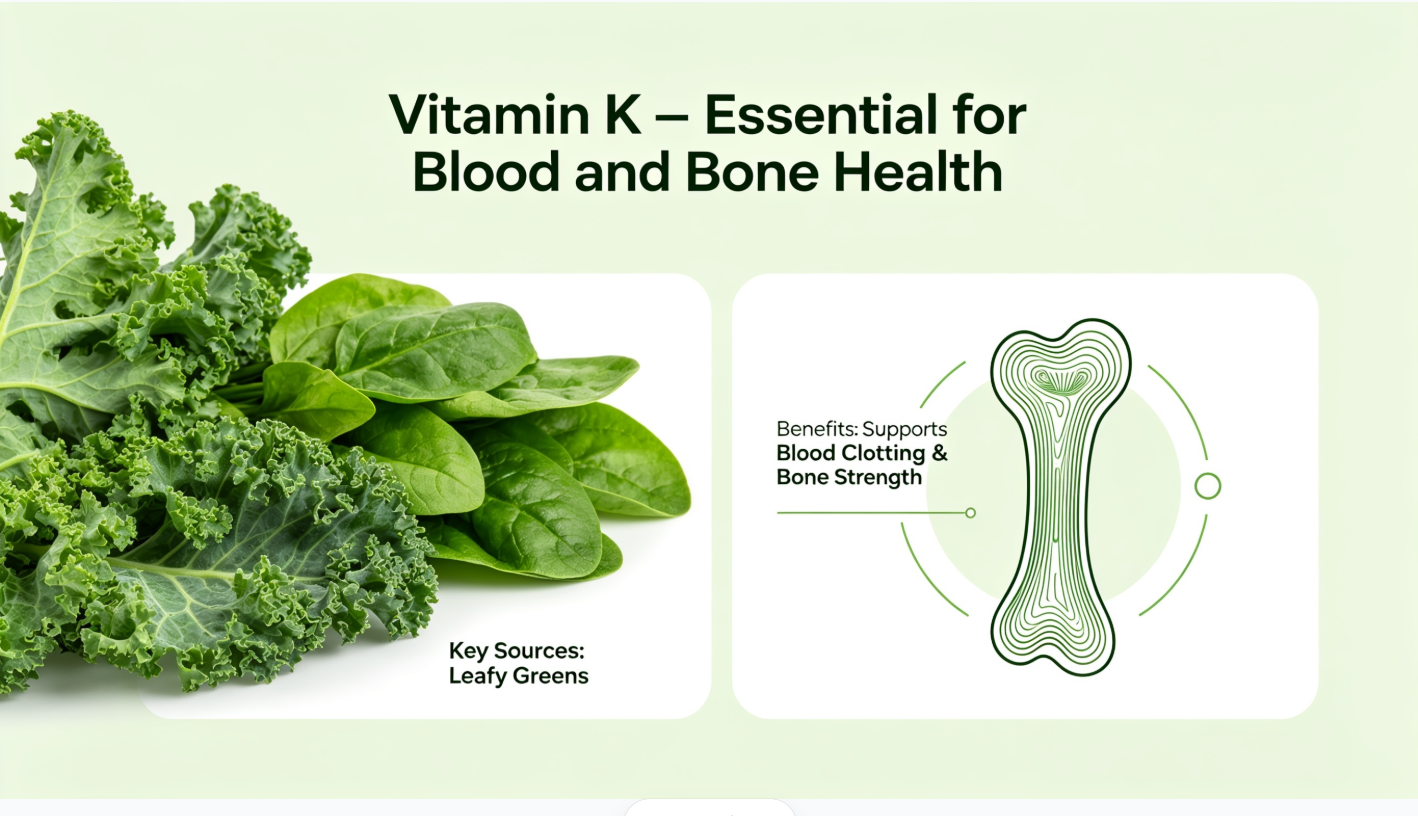
Vitamin K is one of the most important nutrients for maintaining healthy blood clotting and strong bones. This fat-soluble vitamin helps the body produce proteins that are essential for wound healing and preventing excessive bleeding. In addition to its role in blood health, Vitamin K supports bone density, calcium regulation, and overall skeletal strength. Getting enough Vitamin K-rich foods in your diet can contribute to long-term health and reduce the risk of certain bone-related conditions.
Vitamin K plays a key role in blood clotting, a process that helps stop bleeding after an injury. Without adequate Vitamin K, the body may struggle to form blood clots properly. This nutrient also activates proteins that support bone metabolism, helping calcium bind to bones and teeth. Research suggests that maintaining healthy Vitamin K levels may support stronger bones and improve overall cardiovascular health.
Many people confuse Vitamin K with Potassium, but they are completely different nutrients. Vitamin K is a fat-soluble vitamin responsible for blood coagulation and bone health, while Potassium is a mineral that helps regulate muscle function, nerve signals, fluid balance, and blood pressure. Although both nutrients are essential for health, they perform very different functions in the body.
Some of the best foods high in Vitamin K include:
Adding these Vitamin K-rich foods to your daily meals can help support healthy bones and proper blood clotting.
Foods naturally low in Vitamin K include:
People who are taking certain blood-thinning medications may need to monitor their Vitamin K intake and follow their healthcare provider’s recommendations.
One of the most important benefits of Vitamin K is its role in bone health. This nutrient helps activate proteins that improve calcium absorption and support bone mineralization. Adequate Vitamin K intake may contribute to stronger bones, better bone density, and a lower risk of fractures as you age. Combined with Vitamin D, calcium, and a balanced diet, Vitamin K can be an important part of maintaining lifelong skeletal health.Vitamin K – Essential for Blood and Bone Health
Vitamin K is a vital nutrient that plays an important role in blood clotting, bone health, and overall wellness. Without enough Vitamin K, the body may struggle to stop bleeding properly and maintain strong bones. This essential vitamin works alongside minerals like calcium and vitamin D to support healthy bone density and reduce the risk of fractures.
Vitamin K helps activate proteins that are responsible for blood coagulation, allowing wounds to heal properly. It also supports bone mineralization by helping the body use calcium effectively. Research suggests that adequate Vitamin K intake may contribute to stronger bones and better cardiovascular health.
Many people confuse Vitamin K with potassium, but they are completely different nutrients. Vitamin K is a fat-soluble vitamin that supports blood clotting and bone strength, while potassium is a mineral that helps regulate blood pressure, muscle contractions, and fluid balance. Both are essential for good health, but they serve different functions in the body.
Some of the best foods high in Vitamin K include:
Adding these leafy green vegetables to your diet can help you meet your daily Vitamin K requirements naturally.
Foods that are generally low in Vitamin K include:
People taking blood-thinning medications may need to monitor their Vitamin K intake and consult a healthcare professional before making major dietary changes.
One of the most important Healthy Bones Benefits of Vitamin K is its ability to help activate proteins involved in bone formation. Adequate Vitamin K intake supports bone density, improves calcium utilization, and may reduce the risk of osteoporosis and fractures. When combined with Vitamin D, calcium, and a healthy lifestyle, Vitamin K can play a key role in maintaining strong and healthy bones throughout life.
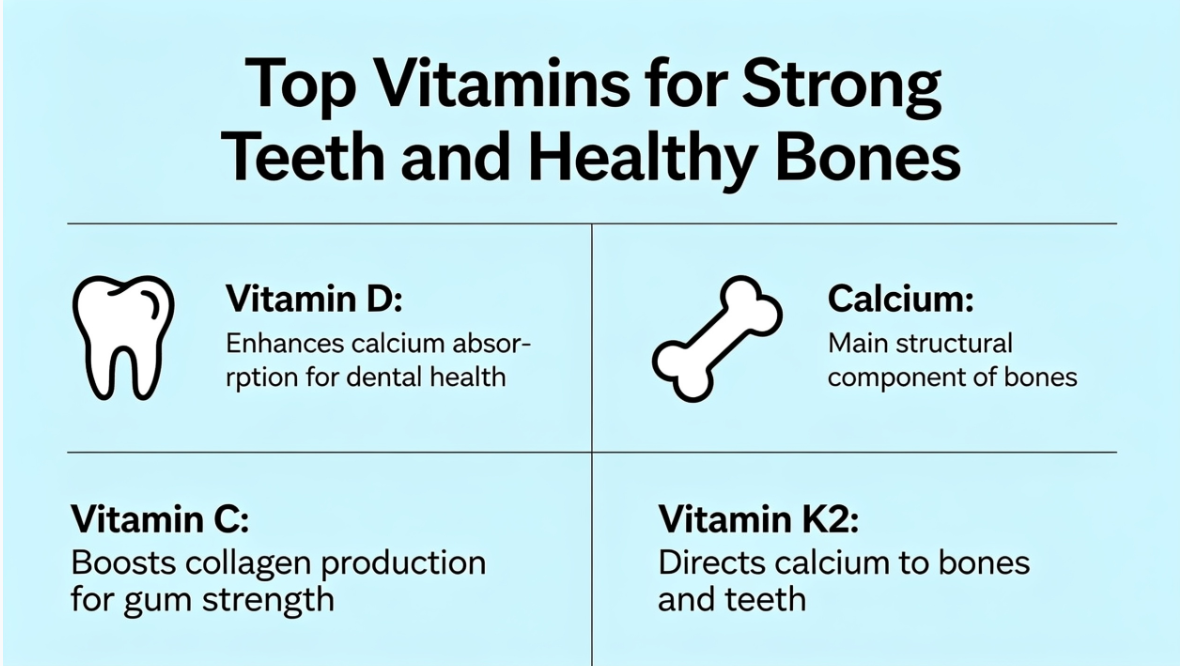
Maintaining strong teeth and healthy bones requires more than just good oral hygiene. The Essential Vitamins Your Body Needs Every Day play a key role in supporting bone density, tooth enamel strength, and overall skeletal health. Getting the right combination of vitamins and minerals can help reduce the risk of bone loss, dental problems, and age-related health issues.
Several nutrients are essential for maintaining healthy teeth and gums. Among the Essential Vitamins Your Body Needs Every Day, Vitamin D helps the body absorb calcium efficiently, supporting stronger teeth and jawbones. Vitamin K works alongside calcium to promote proper mineralization and maintain healthy tooth structure.
Vitamin C is another important nutrient that supports gum health, collagen production, and tissue repair. In addition, calcium-related nutrients such as phosphorus, magnesium, and calcium help strengthen tooth enamel and support long-term dental health. Consuming the Essential Vitamins Your Body Needs Every Day can contribute to healthier teeth and a stronger smile.
Strong bones depend on a steady supply of nutrients that support bone formation and maintenance. The Essential Vitamins Your Body Needs Every Day help regulate calcium absorption, bone remodeling, and mineral balance. Vitamin D, Vitamin K, and magnesium work together to improve bone density, reduce bone loss, and support overall skeletal strength.
A deficiency in these nutrients may increase the risk of weakened bones and fractures over time. Maintaining adequate vitamin intake is essential for lifelong bone health.
Your spine relies on strong bones, healthy connective tissues, and proper nutrient support. The Essential Vitamins Your Body Needs Every Day help maintain spinal health, support vertebral strength, and promote healthy movement. Vitamin D, Vitamin K, Vitamin C, and B vitamins contribute to bone maintenance, nerve function, and tissue repair.
Combined with a balanced diet and regular physical activity, these nutrients can help support a healthy spine, improve posture, and reduce the risk of age-related skeletal issues.
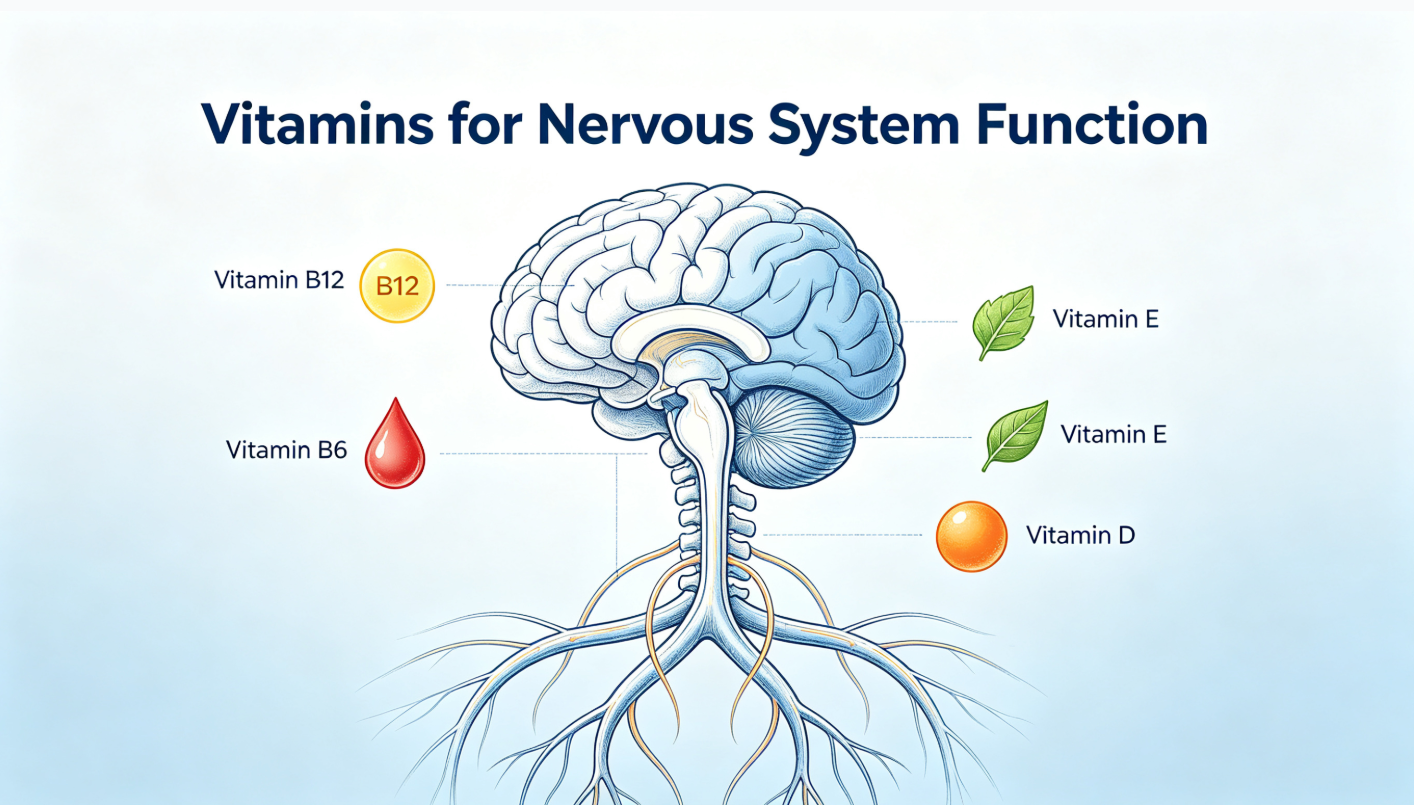
The nervous system controls communication between the brain, spinal cord, and the rest of the body. The Essential Vitamins Your Body Needs Every Day play a vital role in supporting nerve function, brain health, and cognitive performance. Without adequate vitamin intake, the nervous system may struggle to function efficiently, leading to fatigue, poor concentration, and neurological issues.
Vitamins help protect nerve cells, support neurotransmitter production, and maintain healthy brain function. The Essential Vitamins Your Body Needs Every Day contribute to memory, focus, mood regulation, and overall neurological health.
Vitamin B1 (Thiamine)
Supports energy metabolism and helps nerve cells communicate effectively.
Vitamin B6 (Pyridoxine)
Essential for neurotransmitter production and healthy brain development.
Vitamin B12 (Cobalamin)
Supports nerve protection, red blood cell formation, and cognitive function.
Vitamin D
Helps maintain brain health, mood balance, and proper nervous system function.
A deficiency in important vitamins may cause:
Many people have questions about vitamins, and misinformation can often lead to confusion. Understanding the facts about the Essential Vitamins Your Body Needs Every Day can help you make better health and nutrition decisions. Let’s clear up some of the most common vitamin myths and misconceptions.
No, there is currently no officially recognized Vitamin G. In the past, some scientists used the term to describe certain B vitamins before modern vitamin classifications were established. Today, the recognized Essential Vitamins Your Body Needs Every Day include vitamins such as A, C, D, E, K, and the B-complex family.
Vitamin L is not considered an essential vitamin in modern nutrition science. The term was once used in early research, but it is not part of the officially recognized Essential Vitamins Your Body Needs Every Day.
No. Vitamin C and Calcium are completely different nutrients. Vitamin C supports immunity and collagen production, while calcium is a mineral that helps maintain strong bones and teeth.
Yes. Magnesium and Vitamin C can generally be taken together safely. In fact, both nutrients support various bodily functions and may complement a healthy diet.
Some vitamin waters contain beneficial nutrients, but many also include added sugars and artificial ingredients. While they may provide some of the Essential Vitamins Your Body Needs Every Day, whole foods and balanced nutrition remain the best sources for long-term health and wellness.
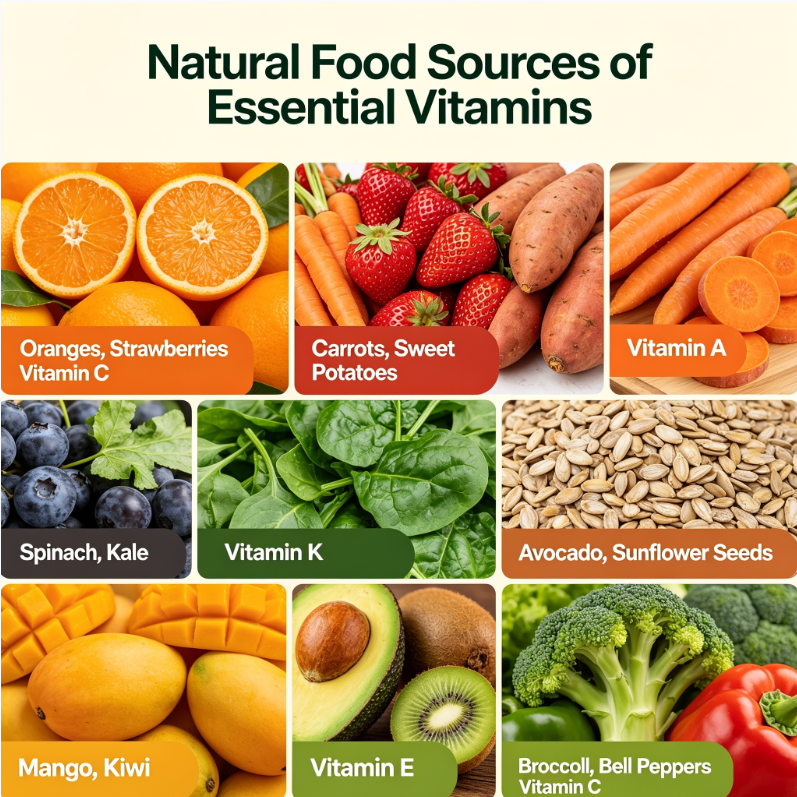
Getting the Essential Vitamins Your Body Needs Every Day from whole foods is one of the most effective ways to maintain good health. A balanced diet provides a wide range of nutrients that support immunity, energy production, and overall wellness.
Many fruits are excellent sources of essential nutrients, including:
Vegetables provide many of the Essential Vitamins Your Body Needs Every Day.
Fortified foods can help individuals meet daily nutrient requirements.
Iron-Fortified Cereals
Provide iron and often contain added B vitamins.
Iron-Fortified Bread
Supports healthy red blood cell production and energy levels.
Animal foods are among the richest sources of essential nutrients.
Beef Liver Benefits
One of the most nutrient-dense foods, rich in Vitamin A, Vitamin B12, iron, and folate.
Eggs
Contain Vitamin D, B vitamins, and high-quality protein.
Fish
Provides Vitamin D, Omega-3 Fatty Acids, and B vitamins.
Dairy Products
Offer calcium, Vitamin D, and Vitamin B12 for bone and nerve health.
Many people wonder how quickly vitamins can improve health. The answer depends on several factors, including the type of vitamin, your current deficiency level, and overall health condition.
Several factors influence how fast vitamins work:
Different vitamins remain in the body for different periods. Water-soluble vitamins are used quickly and excess amounts are excreted, while fat-soluble vitamins can be stored in body tissues for weeks or months.
Most multivitamins begin supplying nutrients within hours of consumption. However, noticeable benefits may take several weeks depending on nutritional status and lifestyle habits.
Most B Vitamins are water-soluble and typically stay in the body for a short time. Regular intake is important because the body does not store large amounts of these nutrients.
Biotin (Vitamin B7) may take several weeks to a few months to show noticeable results, particularly when used to support hair, skin, and nail health. Consistent use and proper nutrition help maximize its benefits.
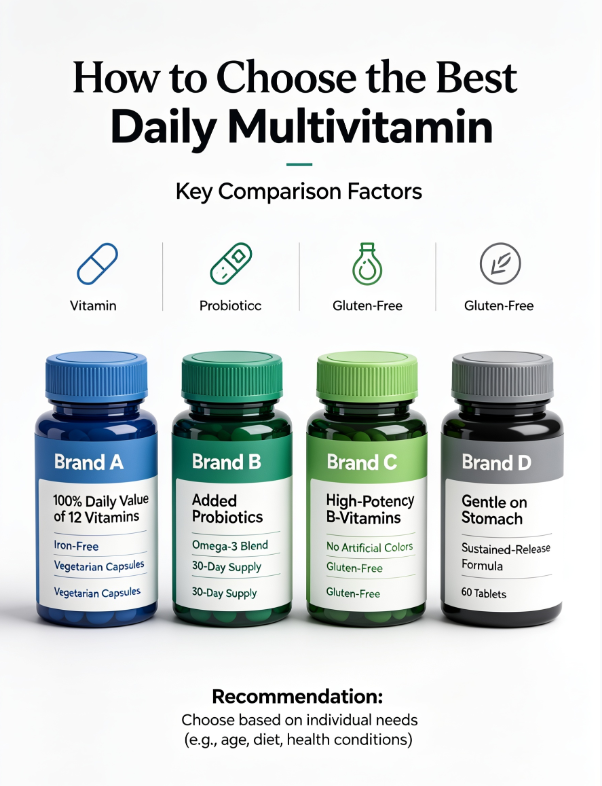
Choosing the right daily multivitamin can help fill nutritional gaps and support overall wellness. With so many options available, it is important to select a product that matches your age, gender, lifestyle, and specific health goals. The best multivitamins contain a balanced blend of the Essential Vitamins Your Body Needs Every Day, including Vitamin A, Vitamin C, Vitamin D, Vitamin E, Vitamin K, and B-complex vitamins. Understanding your nutritional needs can help you make a smarter purchasing decision.
Not everyone requires a multivitamin, but certain groups may benefit significantly. People with restrictive diets, busy lifestyles, nutritional deficiencies, or increased nutrient needs often use multivitamin supplements to maintain optimal health. Individuals who struggle to get the Essential Vitamins Your Body Needs Every Day from food alone may find supplementation helpful.
Many people choose multivitamins for energy because they contain important nutrients such as Vitamin B12, Vitamin B6, and iron, which support energy production and help reduce fatigue. A quality multivitamin can help maintain energy levels and support daily performance.
Women’s multivitamins are formulated to support specific nutritional needs, often including folic acid, calcium, iron, and Vitamin D. These nutrients contribute to bone health, hormonal balance, and overall wellness.
Men’s multivitamins typically focus on nutrients that support muscle function, heart health, and energy metabolism. Ingredients such as Vitamin D, magnesium, and zinc are commonly included.
Growing children require adequate nutrition for healthy development. Children’s vitamin supplements can help support immunity, growth, and cognitive function when dietary intake is not sufficient.
Before purchasing a multivitamin, check the ingredient list, dosage, quality certifications, and nutrient content. Look for products that provide the Essential Vitamins Your Body Needs Every Day without unnecessary additives. Choosing a trusted supplement brand can help ensure safety, effectiveness, and long-term health benefits.
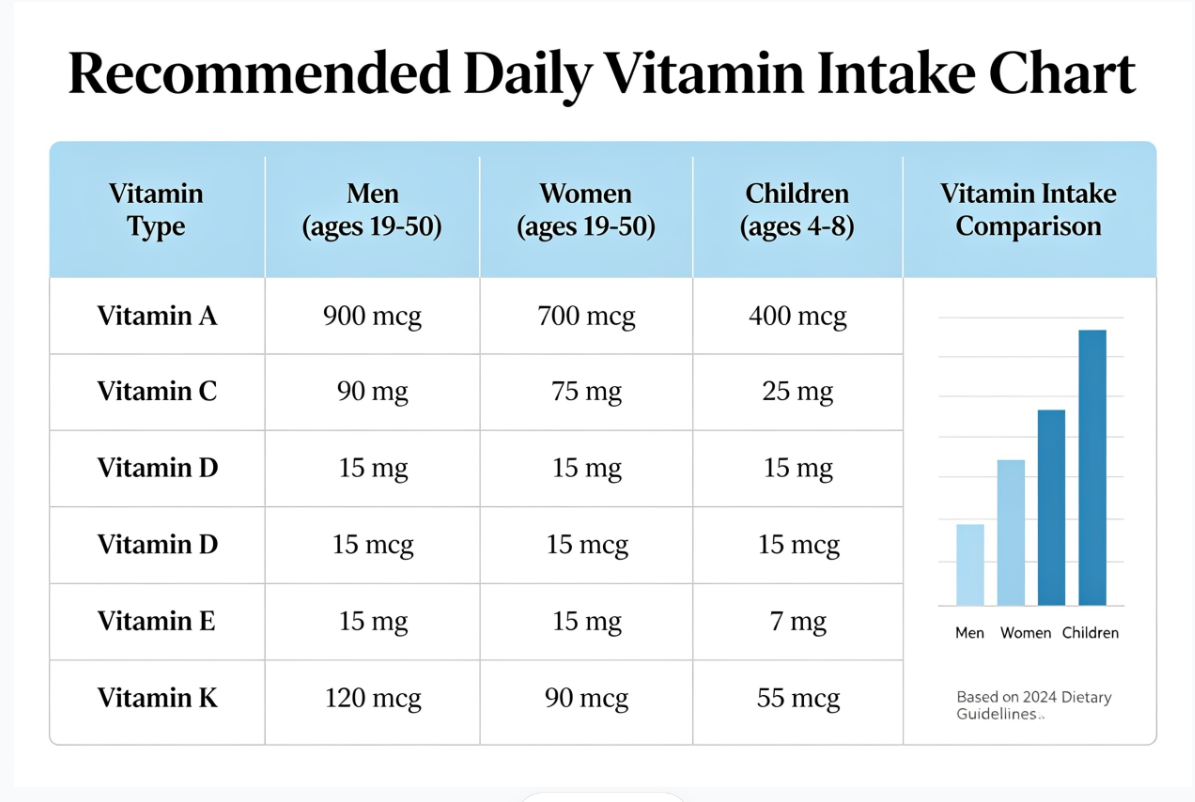
Getting the right amount of Essential Vitamins Your Body Needs Every Day is important for maintaining energy, supporting immune function, and promoting overall wellness. Daily vitamin requirements vary based on age, gender, and life stage. Understanding the recommended intake can help prevent vitamin deficiencies and support long-term health.
Adults need a balanced intake of Essential Vitamins Your Body Needs Every Day to support metabolism, brain function, heart health, and immune defense. Key nutrients such as Vitamin D, Vitamin C, Vitamin B12, and Vitamin A play a vital role in maintaining optimal health. A nutrient-rich diet combined with proper lifestyle habits can help meet these daily requirements.
Children require adequate amounts of vitamins to support healthy growth, strong bones, cognitive development, and immune system function. The Essential Vitamins Your Body Needs Every Day are especially important during childhood because the body is rapidly developing. Parents should focus on providing a balanced diet rich in fruits, vegetables, dairy products, and whole grains.
Pregnant women have increased nutritional needs to support both maternal health and fetal development. Important nutrients such as Folic Acid, Vitamin D, Vitamin B12, and Iron are often recommended during pregnancy. Ensuring the right intake of Essential Vitamins Your Body Needs Every Day can help support healthy pregnancy outcomes and reduce the risk of nutrient deficiencies.
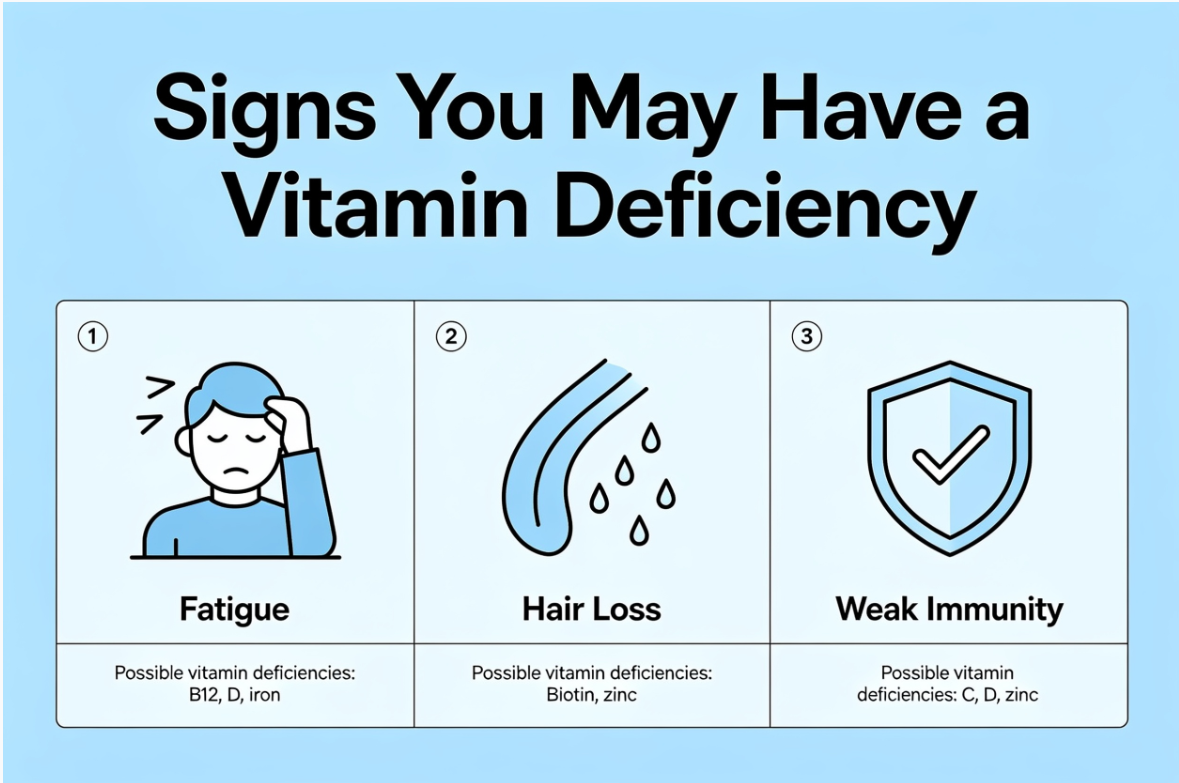
A lack of the Essential Vitamins Your Body Needs Every Day can affect multiple systems in the body and lead to noticeable health problems. While symptoms vary depending on the nutrient deficiency, recognizing the early warning signs can help you take action before more serious issues develop.
Persistent tiredness and low energy levels are common signs that your body may not be getting the Essential Vitamins Your Body Needs Every Day. Deficiencies in B vitamins, Vitamin D, and iron-related nutrients can reduce energy production and leave you feeling exhausted.
Frequent colds, infections, or slow recovery from illness may indicate a weakened immune system. Vitamins such as Vitamin C, Vitamin D, and Vitamin A play a crucial role in supporting immune function and overall wellness.
Unexpected hair thinning or excessive shedding can sometimes be linked to nutritional deficiencies. A lack of essential nutrients, including B vitamins, Vitamin D, and Vitamin E, may affect healthy hair growth.
Weak, brittle, or easily broken nails can be a sign that you’re missing some of the Essential Vitamins Your Body Needs Every Day. Proper nutrition helps maintain strong nails and healthy skin.
Vitamin D deficiency is often associated with bone discomfort, muscle weakness, and an increased risk of fractures. Strong bones require adequate nutrient intake throughout life.
Difficulty focusing, memory issues, and mental fatigue may be related to inadequate vitamin intake. Getting the Essential Vitamins Your Body Needs Every Day can help support brain function, cognitive performance, and long-term health.
The Essential Vitamins Your Body Needs Every Day include Vitamin A, Vitamin C, Vitamin D, Vitamin E, Vitamin K, Vitamin B1, Vitamin B2, Vitamin B3, Vitamin B6, and Vitamin B12. These nutrients support immunity, energy production, brain health, and overall wellness.
B-complex vitamins, especially Vitamin B12 and Vitamin B6, play a key role in converting food into energy and supporting healthy metabolism.
In many cases, yes. A balanced diet rich in fruits, vegetables, whole grains, dairy products, and lean proteins can provide the Essential Vitamins Your Body Needs Every Day. However, some people may benefit from nutrition supplements.
The effects vary depending on the vitamin and your deficiency level. Some people notice improvements within a few days, while others may need several weeks.
A vitamin deficiency can lead to fatigue, weakened immunity, poor concentration, low energy, and other health concerns.
For most healthy adults, daily multivitamins are generally safe when taken as directed. Always follow recommended dosages.
Vitamin D, Vitamin K, and Vitamin C help support strong bones, healthy teeth, and proper calcium absorption.
Whole foods are usually the best source of nutrients because they contain fiber, minerals, and antioxidants. Supplements should complement, not replace, a healthy diet.
Vitamin B1, Vitamin B6, Vitamin B12, and Vitamin E are important for maintaining a healthy nervous system and brain function.
Common signs include tiredness, hair loss, weak immunity, muscle weakness, and poor concentration. A healthcare professional can confirm a deficiency through testing.