Physical Address
304 North Cardinal St.
Dorchester Center, MA 02124
Physical Address
304 North Cardinal St.
Dorchester Center, MA 02124

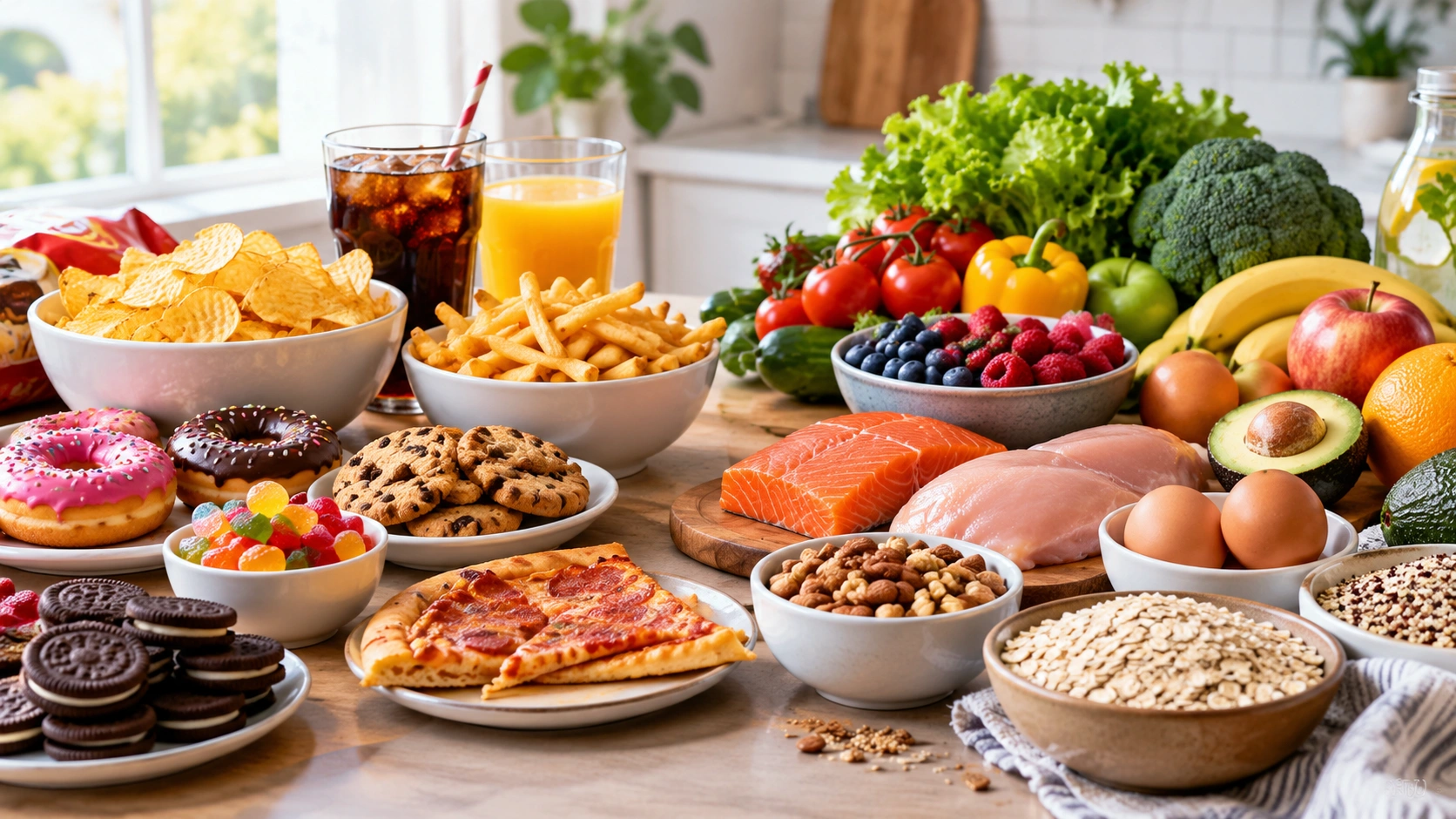
Trying to lose weight does not mean you have to create a long list of foods you can never eat again. A more practical approach is to understand which foods are easier to overeat, which provide fewer nutrients for their calories, and which foods can make it harder to maintain a calorie deficit.
When people search for what not to eat when trying to lose weight, they often expect a simple list of “good” and “bad” foods. In reality, weight management depends on your overall eating pattern, portion sizes, calorie intake, physical activity, sleep, and individual needs.
That is why foods to avoid for better health and weight management are better understood as foods to limit or eat less frequently rather than foods that must always be eliminated.
A food does not automatically cause belly fat or thigh fat. Body-fat distribution is influenced by genetics, hormones, overall energy balance, and other factors. The goal is to build an eating pattern that makes it easier to manage calories while providing enough protein, fiber, vitamins, minerals, and other nutrients.
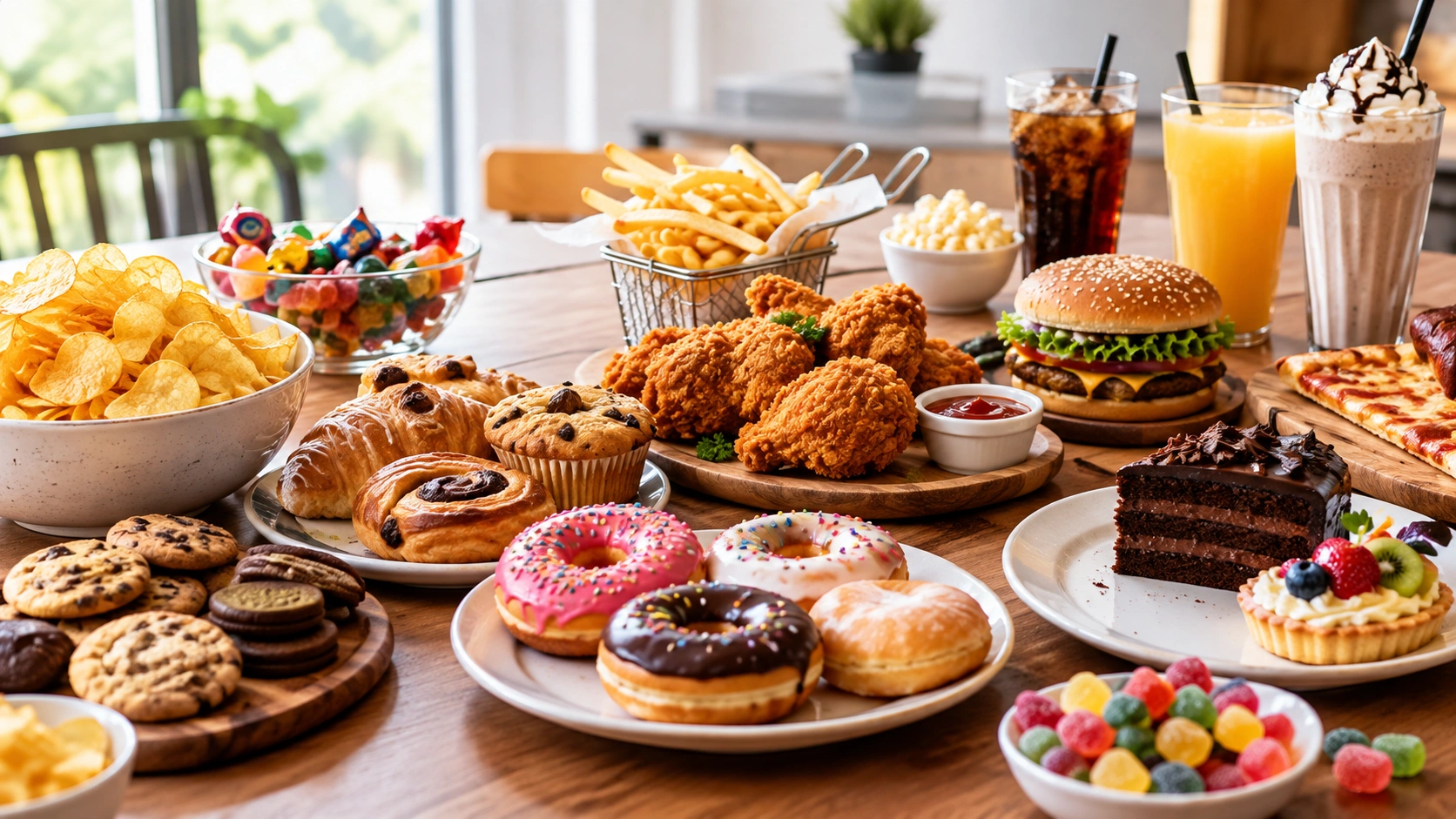
If you are wondering what should I avoid eating when trying to lose weight, start with foods that provide a lot of calories without making you feel satisfied for very long.
Highly processed foods can include packaged snacks, many fast-food items, sugary cereals, cookies, pastries, and other convenience foods. Not every processed food is unhealthy, but many highly processed options are designed to be easy to eat quickly and in large amounts.
A snack can contain several hundred calories while providing relatively little protein or fiber. Because it may not be very filling, you may still feel hungry soon afterward.
Common examples include:
Instead of asking what foods should you not eat, consider asking which foods make portion control difficult for you.
Foods and drinks high in added sugar can contribute significant calories without providing much protein or fiber.
Common examples include:
Liquid calories can be particularly easy to overlook. Drinking a large sugary beverage may add substantial calories without creating the same sense of fullness as a balanced meal.
You do not necessarily need to eliminate dessert completely. Instead, consider smaller portions and less frequent consumption while prioritizing foods that provide more nutritional value.
Frying can significantly increase the calorie content of foods because oil adds fat and therefore energy.
Examples include:
The issue is not that fried food instantly becomes body fat. Rather, fried foods can be highly calorie-dense, meaning a relatively small amount can contain a substantial number of calories.
For weight management, preparation method matters. Grilled, baked, roasted, steamed, or air-fried options can sometimes make portion and calorie management easier.
People often search for what foods to stay away from to lose weight because certain foods seem to repeatedly interfere with their progress.
Instead of creating an absolute forbidden-food list, identify foods that are particularly easy for you to overeat.
Some foods are convenient, tasty, and calorie-dense enough that eating a small amount can quickly turn into a large serving.
These may include:
Eating directly from a large package can make portion control harder because you may continue eating without noticing how much you have consumed.
A simple strategy is to place one serving into a bowl or plate rather than eating directly from the package.
Calories are not the only factor that matters. How filling a food is can also influence how easy it is to maintain your eating plan.
Foods containing protein and fiber generally tend to provide more satiety than many low-protein, low-fiber snack foods.
For example, a meal containing grilled chicken, vegetables, beans, and a whole grain may keep you satisfied longer than a snack consisting primarily of refined carbohydrates and added sugar.
This does not mean carbohydrates or fats are automatically bad. It means the overall combination of nutrients and portion size matters.
The phrase negative foods is sometimes used online to describe foods that supposedly require more calories to digest than they contain.
There is no practical list of foods that create a meaningful “negative calorie” effect. Foods such as celery or cucumber are low in calories, but that does not mean your body burns more calories digesting them than the foods provide.
A better way to think about weight management is overall energy balance.
If you consistently consume more energy than your body uses, weight can increase over time. If you consume less energy than your body uses, weight generally decreases over time.
The quality of your food still matters because nutrient-dense foods can help you meet protein, fiber, vitamin, and mineral needs while managing calories.
Bread, rice, and pasta are often placed on lists of foods to stay away from for weight loss, but they do not automatically prevent fat loss.
Portion size, preparation, toppings, sauces, and your overall calorie intake matter.
The answer to is bread healthy for weight loss depends on the type, portion, and what you eat with it.
Bread is not automatically fattening. A slice of bread can fit into a balanced eating pattern, particularly when paired with protein, vegetables, or other nutrient-dense foods.
Whole-grain bread can provide more fiber than many refined white breads. Fiber can contribute to fullness and support digestive health.
When comparing bread options, consider:
What you put on the bread matters too. A simple slice of toast can have very different calories depending on whether it is topped with vegetables and lean protein or large amounts of butter, cheese, or sugary spreads.
So, is bread bad for losing weight? Not necessarily. Bread can be included when the portion and overall meal fit your goals.
Is pita bread good for losing weight? Pita can fit into a weight-management diet, especially when you choose a reasonable portion and fill it with protein and vegetables.
For example, a pita containing grilled chicken, lettuce, tomato, cucumber, and a moderate amount of hummus can provide a more balanced meal than pita chips eaten as a snack.
Whole-grain pita may provide more fiber than refined varieties.
Pita chips are different because they are often made with added oil and can be much easier to overeat.
Is potato bread fattening? Potato bread is not inherently fattening. The calorie content depends on the specific product and serving size.
Some potato breads are relatively refined and may provide less fiber than whole-grain bread.
If you enjoy potato bread, check the nutrition label and consider pairing it with eggs, lean protein, vegetables, or another filling food.
Is pasta bad for losing weight? Pasta can absolutely be part of a weight-management diet.
The biggest issue is often portion size and what is added to the pasta.
A moderate serving of pasta with vegetables and lean protein can be quite different from a large restaurant portion covered in a calorie-dense cream sauce, cheese, and oil.
Whole-grain pasta may provide more fiber, while adding chicken, seafood, beans, vegetables, or another protein source can make the meal more satisfying.
Does rice make your belly fat? Rice itself does not selectively create belly fat.
Eating more total calories than your body uses over time can contribute to increased body fat, but your body does not simply direct the calories from rice specifically to your abdomen.
White and brown rice can both fit into a balanced diet. Brown rice generally contains more fiber because the bran layer remains intact.
The important factors include:
Is Rice Krispies fattening? A cereal such as Rice Krispies can fit into your diet, but portion size and what you add to it matter.
A large bowl combined with whole milk, sugar, or calorie-dense toppings can provide considerably more calories than the serving shown on the package.
If breakfast cereal is part of your routine, consider pairing it with a protein source and fruit or choosing a higher-fiber cereal when appropriate.
Fruit is sometimes placed on lists of foods to avoid for weight loss because it contains natural sugar. However, whole fruit also provides fiber, water, vitamins, minerals, and other beneficial plant compounds.
For most people, the issue is not that fruit is inherently fattening. Instead, the overall amount consumed, the form of the fruit, and the rest of the diet matter.
Whole fruit is generally more filling than juice because it takes longer to eat and contains fiber. Dried fruit is more calorie-dense because much of its water has been removed, so portion size becomes more important.
The phrase worst fruits for weight loss can be misleading because no whole fruit needs to be universally classified as a “bad” food.
Whole fruits can be part of a balanced weight-management diet. Some forms, however, can make calorie control more difficult.
For example, fruit juice can be consumed quickly and may provide less fiber than whole fruit. Dried fruit can also contain a concentrated amount of calories in a relatively small serving.
Instead of completely avoiding certain fruits, consider:
Do grapes cause belly fat? Grapes do not selectively cause abdominal fat.
Grapes contain natural sugar, but the sugar naturally present in whole fruit is different from added sugar commonly found in soda, candy, and desserts.
Because grapes are small and easy to eat quickly, however, it can be easy to consume a large serving without noticing.
A reasonable serving of whole grapes can fit into a balanced diet. Grape juice is different because it is easier to consume a large amount without the same chewing and fiber benefits.
Can bananas make you fat? Eating bananas does not automatically cause weight gain or belly fat.
Bananas provide carbohydrates, fiber, potassium, and other nutrients. They can also be a convenient option before or after exercise.
If you are managing calories, consider the portion and what you eat with the banana.
For example, combining a banana with Greek yogurt, cottage cheese, or another protein-rich food can create a more balanced snack than eating several bananas alone.
The important point is that bananas do not need to be placed on a universal list of foods to stay away from to lose weight.
Are Halos fattening? Halos and other small citrus fruits can easily fit into a weight-management diet.
They provide relatively few calories per small fruit and contain vitamin C, water, and other nutrients.
As with any food, eating very large quantities can increase total calorie intake. However, there is no nutritional reason for most people to automatically eliminate whole citrus fruits when trying to manage their weight.
Is butter good for weight loss? Butter is calorie-dense, so the main consideration is portion size and how frequently it is used.
Butter is not automatically a food that must be completely eliminated, but using large amounts can make calorie control more difficult.
Fat contains more calories per gram than protein or carbohydrates. As a result, even a relatively small amount of butter can add a meaningful number of calories.
Butter is commonly added to:
The challenge is that a serving can easily become larger than intended.
For example, spreading a little butter on toast may contribute a modest amount of calories, while adding several tablespoons to cooking, bread, potatoes, and vegetables throughout the day can significantly increase total intake.
Yes, butter can fit into a weight-loss diet when used in moderation.
You do not necessarily have to eliminate butter completely. Instead, consider measuring portions or using smaller amounts when you are trying to reduce calories.
Other sources of unsaturated fats, such as olive oil, nuts, seeds, and avocado, can also be part of a balanced diet.
The goal is not to label every fat source as bad. It is to understand that calorie-dense foods require more attention to portion size.
Is milk bad for weight loss? Milk does not automatically prevent weight loss.
Milk can provide protein, calcium, and other nutrients. The main difference between varieties is often the amount of fat and therefore calories.
Whole milk contains more fat and calories than lower-fat varieties.
Depending on your calorie needs and dietary preferences, you may choose:
The choice can depend on your overall diet and personal preferences.
If you regularly drink several servings of milk each day, choosing a lower-calorie option may help reduce total calorie intake without eliminating milk entirely.
Flavored milk and sweetened milk products can contain added sugar, which increases their calorie content.
The same issue can occur with specialty coffee beverages. A drink that starts with coffee and milk can become much higher in calories after adding:
If you are trying to manage your weight, check the serving size and nutrition information rather than assuming a beverage is low in calories.
Yes. Milk can be part of a balanced diet while trying to lose weight.
It can provide protein and nutrients and may work well with breakfast, oatmeal, smoothies, or other meals.
If you do not consume dairy, fortified dairy alternatives may also be options depending on your nutritional needs. Compare nutrition labels because protein, calcium, vitamin D, and calorie content can vary considerably between products.
Is gravy bad for you? Gravy is not automatically unhealthy, but some varieties can be high in calories depending on the ingredients and serving size.
Some gravies may contain significant amounts of:
The calories can increase further when gravy is served in a large portion alongside mashed potatoes, fried foods, biscuits, or other calorie-dense sides.
Restaurant meals may also contain larger portions than you would normally serve at home.
You can still enjoy gravy while paying attention to portions.
Try:
This approach allows you to enjoy foods you like without turning them into forbidden foods.
Snacks can play an important role in your overall calorie intake. Foods that are highly processed, calorie-dense, and easy to eat quickly may be especially difficult to portion.
Are chips fattening? Chips can make weight management harder because they are calorie-dense and easy to overeat.
Do chips make you fat? Chips do not automatically cause weight gain. However, eating large portions frequently can add a substantial amount of calories to your diet.
Potato chips are often high in fat and sodium, and their crunchy texture can make it easy to continue eating after you are no longer hungry.
Are potato chips fattening? They can be challenging for weight management when portions are large or consumption is frequent.
One useful strategy is to take a serving out of the bag and put the rest away instead of eating directly from a large package.
Also remember that baked chips are not automatically a food you can eat without limits. They can still contain substantial calories depending on the product and serving size.
Are pita chips fattening? Pita chips can be calorie-dense because they are often prepared with added oil.
Regular pita and pita chips should not be treated as nutritionally identical.
A regular pita can be used as part of a balanced meal with lean protein and vegetables, while pita chips may be easier to snack on in large amounts.
If you enjoy pita chips, consider serving a moderate portion alongside hummus and vegetables.
Are sweet potato chips fattening? Sweet potatoes themselves can be a nutritious food, but turning them into fried chips can significantly increase calorie density.
The difference is largely related to preparation method, added oil, and serving size.
A baked or roasted sweet potato can provide carbohydrates and fiber while being easier to incorporate into a balanced meal.
If you enjoy sweet potato chips, portion control can help them fit into an overall healthy eating pattern.
Do Takis make you fat? Eating Takis does not automatically cause weight gain.
However, Takis are a highly processed snack and can be easy to consume in large quantities. If you regularly eat several servings, the calories can add up.
The distinction between occasional consumption and frequent large portions is important.
You do not necessarily need to eliminate one snack from your diet. Instead, consider how often you eat it and whether it makes it harder for you to stay within your overall calorie needs.
Are crackers fattening? Crackers can fit into a balanced diet, but many varieties are relatively low in protein and fiber.
This means that crackers eaten alone may not provide much fullness.
A more satisfying snack may combine crackers with protein or fiber-rich foods, such as:
Reading the nutrition label can help you compare fiber, protein, sodium, and calories between products.
Are rice cakes good for losing weight? Rice cakes can be a convenient low-calorie snack, but low calories per piece do not necessarily mean they will keep you full.
Rice cakes are light and often relatively low in calories per piece.
However, many varieties contain limited amounts of protein and fiber.
This can mean that you eat several rice cakes and still feel hungry soon afterward.
Another issue is toppings. A plain rice cake may contain few calories, but large amounts of peanut butter, chocolate spread, cheese, or other calorie-dense toppings can substantially increase the total.
If you enjoy rice cakes, pair them with foods that provide protein, fiber, or healthy fats.
Good options include:
For example, a rice cake topped with cottage cheese and sliced vegetables can be more satisfying than several plain rice cakes.
Are croutons fattening? Croutons are not automatically a problem, but they can add more calories to a salad than people realize.
Croutons are commonly made from bread and may contain added oil, seasonings, cheese, or other ingredients.
A restaurant salad can become surprisingly calorie-dense when it combines:
The salad itself may contain plenty of vegetables, but the toppings can significantly change the total calorie content.
You can still enjoy croutons. Consider using a smaller portion and focusing on vegetables and a protein source to make the salad more filling.
Are Slim Jims unhealthy? Slim Jims are processed meat snacks, so they are generally better treated as an occasional convenience food rather than a major source of protein.
Depending on the product, processed meat snacks can contain significant amounts of:
Questions such as are Slim Jims bad for you and how bad are Slim Jims for you cannot be answered solely by looking at one serving.
Frequency matters.
Having a processed meat snack occasionally is different from relying on processed meat snacks every day as a major part of your diet.
For people who want more nutrient-dense snack options, alternatives can include:
These options can provide protein along with other nutrients.
Questions such as will ice cream make you fat, does ice cream make you fat, and can ice cream make you fat are common when people start trying to lose weight.
The answer depends primarily on overall calorie intake, portion size, and frequency.
Eating ice cream occasionally does not automatically cause weight gain.
Ice cream combines several characteristics that can make it calorie-dense:
A small serving may fit comfortably into your daily calorie intake, while eating directly from a large container can make it easy to consume several servings.
Yes. Ice cream can fit into a weight-loss diet when consumed in an appropriate portion and frequency.
Instead of eating directly from the container, place a serving into a bowl.
You can also enjoy a smaller portion alongside fruit or another food that provides additional nutrients.
The goal is not to create a diet where you can never enjoy dessert. A sustainable approach allows occasional foods while keeping your overall eating pattern balanced.
Is bruschetta fattening? Traditional bruschetta can fit into a balanced diet.
A typical version may include toasted bread, tomatoes, herbs, garlic, and olive oil.
The calories depend heavily on:
Traditional homemade bruschetta may be relatively simple, while restaurant versions can contain larger portions or additional calorie-dense toppings.
If you are trying to manage your weight, focus on portion size and consider bruschetta as part of the overall meal rather than judging it as an isolated “good” or “bad” food.
Searches for foods worst for belly fat often make it seem like certain foods automatically send fat to your stomach. In reality, body-fat distribution is more complicated.
There is no single food that selectively creates belly fat. Overall calorie intake, genetics, age, hormones, physical activity, sleep, and body composition can all influence how and where the body stores fat.
Instead of focusing only on what foods to avoid to lose belly fat, it is more useful to identify foods that make maintaining a calorie deficit difficult.
A single food does not automatically cause abdominal fat.
For example, eating rice does not mean the calories will specifically become belly fat. Similarly, eating a banana or a slice of bread does not automatically increase abdominal fat.
Body fat generally increases when energy intake consistently exceeds energy expenditure over time.
Genetics also influence where an individual tends to store body fat. Some people naturally carry more fat around the abdomen, while others may store more around the hips or thighs.
This is why trying to eliminate one particular food to target belly fat is usually less useful than improving your overall eating pattern.
Some foods can make weight management more challenging because they are calorie-dense, highly processed, easy to consume quickly, or relatively low in satiety.
Examples include:
Sugary beverages deserve particular attention because liquid calories can be consumed quickly without creating the same level of fullness as a solid, balanced meal.
Restaurant portions can also be substantially larger than the amount you might normally serve yourself at home.
The question what foods cause thigh fat has a similar answer.
Food does not selectively determine whether you gain fat on your thighs, stomach, arms, or another specific area.
Genetics and individual body composition influence fat distribution.
If your goal is to reduce thigh fat, the practical approach is overall sustainable fat loss through an appropriate calorie intake, regular physical activity, adequate protein, and habits you can maintain.
Holiday meals can make calorie management more difficult because several calorie-dense foods may appear together.
However, you do not need to avoid celebrations or completely eliminate traditional holiday foods.
Some holiday foods that can become calorie-dense include:
The challenge is often the combination of multiple foods rather than one particular dish.
For example, a meal containing fried appetizers, creamy sides, sweet drinks, dessert, and large portions can contain significantly more calories than a meal built around lean protein, vegetables, and moderate portions of richer foods.
You can enjoy holiday meals while still supporting your health and weight-management goals.
Try these practical strategies:
You do not need to make every holiday meal perfect. Your overall eating pattern across days and weeks matters much more than one celebration.
A vegetarian diet can absolutely support weight management. However, vegetarian does not automatically mean low-calorie or highly nutritious.
Some vegetarian foods can be extremely calorie-dense depending on preparation.
Examples include:
For example, a vegetarian meal containing fried foods, refined grains, cheese, creamy sauce, and a sugary beverage may contain far more calories than expected.
This is why the question should not simply be whether a food is vegetarian.
Consider the overall nutrition, portion size, preparation method, and calorie density.
A weight-management-friendly vegetarian diet can include foods such as:
Beans and lentils are particularly useful because they provide both protein and fiber.
Combining plant-based protein with vegetables and whole grains can help create satisfying meals without relying heavily on highly processed foods.
A bland diet is different from a weight-loss diet.
Some people may temporarily follow a bland diet because of digestive symptoms or a specific medical recommendation. The foods that should be limited can vary depending on the reason for the diet.
Depending on individual recommendations, commonly limited foods may include:
Bland diets are not intended to be universal long-term eating plans.
Depending on individual tolerance and professional guidance, options may include:
If you are following a bland diet for a medical reason, follow the recommendations from your healthcare professional because your specific requirements may differ from a general bland-diet food list.
The phrase bad calories is commonly used in discussions about dieting, but calories themselves are simply a measurement of energy.
The nutritional quality of the food providing those calories can be very different.
A calorie is not inherently good or bad.
However, 200 calories from different foods can have very different effects on fullness, nutrient intake, and your overall eating pattern.
For example, a food providing 200 calories along with protein and fiber may help you feel more satisfied than a 200-calorie sugary snack.
This does not mean you can never eat the sugary snack.
It simply means that nutrient density and satiety are useful considerations when deciding what foods to eat regularly.
Rather than categorizing foods as “good calories” and “bad calories,” focus on foods that provide useful nutrients.
A balanced diet can emphasize:
This approach can help you manage calories while still meeting your nutritional needs.
Trying to lose weight too quickly can create problems, particularly when the diet becomes excessively restrictive.
Very restrictive eating plans may contribute to:
If your diet requires you to eliminate a very large number of foods, it may become difficult to follow consistently.
A sustainable approach is usually more practical than trying to lose weight as quickly as possible.
A sustainable weight-management approach may include:
You should not need to feel constantly hungry to make progress.
The purpose of identifying foods to avoid for better health and weight management is to recognize foods that may make your goals harder—not to create a diet based on fear or unnecessary restriction.
A healthy weight-loss diet does not have to eliminate every food that contains carbohydrates, fat, or sugar.
Many foods people commonly label as “fattening” can fit into an appropriate eating pattern.
Bread can be part of a balanced diet.
Consider the serving size, fiber content, and what you put on it.
Whole-grain bread may be a useful option when you want more fiber.
Rice can easily fit into a balanced meal.
Pairing rice with vegetables and a protein source can create a more satisfying meal than eating a large serving of rice alone.
Pasta is not automatically a weight-gain food.
A moderate serving combined with vegetables and lean protein can fit into a calorie-controlled diet.
The biggest issue may be the portion size and calorie-dense sauces.
Whole fruits provide nutrients and fiber and can be included in a weight-management diet.
You generally do not need to avoid bananas or grapes simply because they contain natural sugar.
Milk can provide protein and nutrients.
Depending on your dietary needs, lower-fat varieties may make calorie management easier, but there is no universal requirement to eliminate milk.
Butter is calorie-dense, but small amounts can fit into a balanced diet.
If you regularly use large amounts, reducing the portion can help lower overall calorie intake.
Ice cream can occasionally fit into a healthy eating pattern.
The key considerations are serving size, frequency, and your total daily calorie intake.
Food swaps can help you reduce calories without making your diet feel overly restrictive.
| Instead of | Try |
| Potato chips | Popcorn or roasted chickpeas |
| Sugary dessert | Fruit and Greek yogurt |
| Refined crackers | Whole-grain crackers with protein |
| Processed meat snacks | Eggs or lean protein |
| Sugary drinks | Water or unsweetened beverages |
These are not rules that you must follow every day. They are simply examples of how you can choose foods that provide more protein, fiber, or volume.
Simple preparation changes can also reduce calorie density.
Try:
The goal is not perfection.
Small changes repeated consistently can have a greater impact than following an extremely restrictive diet for a short period.
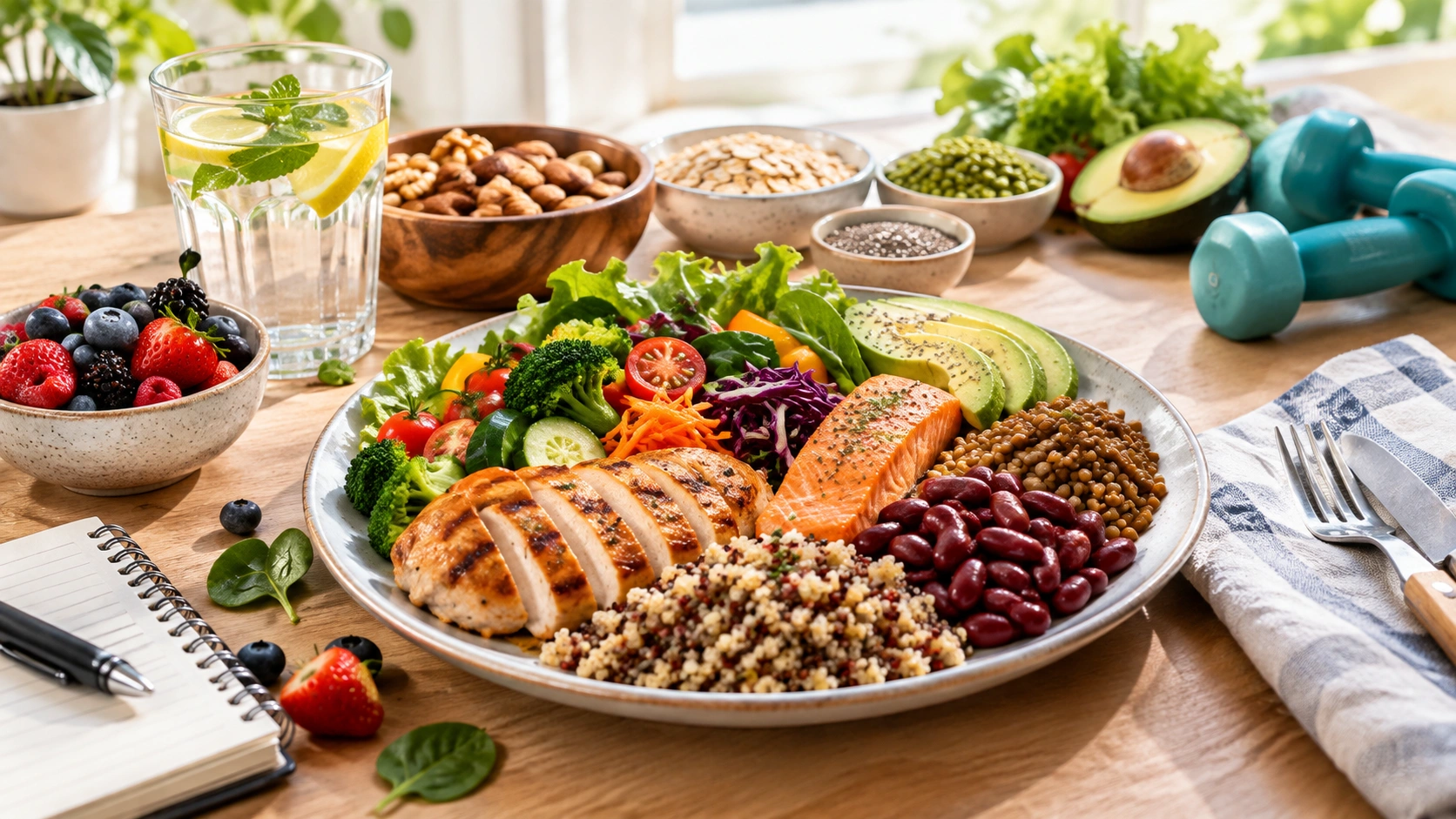
Instead of constantly asking what can I not eat, focus on building meals that help control hunger.
Include a protein source at most meals when appropriate.
Examples include:
Protein can help support fullness and is particularly important for maintaining muscle during weight loss.
Fiber-rich foods can add volume and help meals feel more satisfying.
Good choices include:
Try to include vegetables or fruit regularly rather than relying heavily on low-fiber processed foods.
Healthy fat sources can provide useful nutrients, but they are also calorie-dense.
Examples include:
Because these foods are calorie-dense, measuring portions can be helpful if you are struggling to control your calorie intake.
You can make portion control easier by:
Portion control allows you to enjoy a wider range of foods without turning your diet into a strict list of forbidden foods.
There is no universal list of foods to stay away from for weight loss that works exactly the same way for everyone.
Your food preferences, activity level, calorie needs, health goals, and lifestyle all matter.
1. Is it easy for me to overeat?
If you regularly lose track of portions with a particular food, you may benefit from buying smaller packages or pre-portioning it.
2. Does it keep me full?
Foods containing protein and fiber often provide more satiety than foods that are primarily refined carbohydrates or added sugar.
3. Is it high in added sugar or saturated fat?
Foods high in these components do not automatically need to be eliminated, but frequent large portions may not fit well into your overall eating pattern.
4. Does it provide useful nutrients?
Ask whether the food contributes protein, fiber, vitamins, minerals, or other nutrients.
5. Can I control my portion?
If you can comfortably eat a small amount and stop, you may not need to completely remove the food.
When evaluating your diet, consider:
Looking at the entire pattern is more useful than blaming one particular food.
There is no universal list of foods that everyone must avoid. Consider limiting foods that are highly calorie-dense, high in added sugar, heavily processed, or particularly easy for you to overeat. Your overall calorie intake and eating pattern matter more than one individual food.
No specific food needs to be completely eliminated to target belly fat. Instead, focus on overall calorie balance, protein, fiber, vegetables, whole foods, physical activity, and sustainable habits.
No. Bread can fit into a weight-loss diet. Whole-grain bread may provide more fiber, while serving size and toppings can affect the total calories.
No. Pasta can be included in a weight-management diet. Watch portions and calorie-dense sauces, and consider adding vegetables and protein.
Rice does not specifically create belly fat. Overall energy balance and individual factors influence changes in body fat.
Bananas do not automatically cause weight gain. They provide carbohydrates, fiber, potassium, and other nutrients and can fit into a balanced diet.
Butter is calorie-dense, so portion control is important. Small amounts can fit into a balanced diet, but large amounts can make calorie management more difficult.
Milk can be included in a weight-loss diet. Consider the type, serving size, added sugar, and how it fits into your total calorie and protein intake.
Chips can make weight management difficult because they are calorie-dense and easy to overeat. Portion control and frequency are more important than treating chips as completely forbidden.
Rice cakes can be a low-calorie snack, but they may not be very filling on their own. Pairing them with protein or healthy fats can make them more satisfying.
Rather than avoiding every food considered “fattening,” focus on limiting foods that consistently make it difficult to control calories, such as sugary drinks, large portions of fried foods, highly processed snacks, and calorie-dense foods that you tend to overeat.