Physical Address
304 North Cardinal St.
Dorchester Center, MA 02124
Physical Address
304 North Cardinal St.
Dorchester Center, MA 02124

A Total Gym exercise routine is a convenient way to perform resistance training using body weight and an adjustable glideboard system. Depending on the model and attachments, Total Gym workouts can target the chest, back, shoulders, arms, legs, glutes, and core while also supporting muscular endurance, balance, coordination, and functional fitness.
A well-designed Total Gym routine can be used for full-body strength training, weight management, muscle development, cardiovascular conditioning, and general physical fitness. The key is to combine appropriate exercises with progressive resistance, adequate recovery, balanced nutrition, hydration, and sufficient sleep.
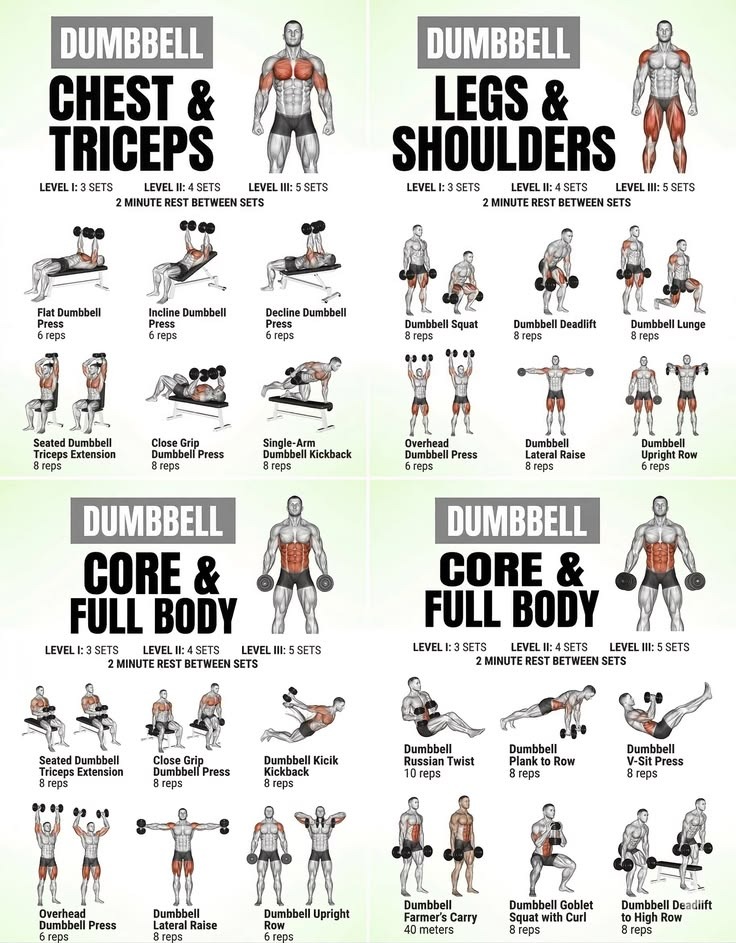
A balanced Total Gym workout should train the major muscle groups rather than focusing on only one area.
Upper-body exercises can target the chest, back, shoulders, biceps, and triceps. Examples include Total Gym chest presses, pull-ups, rows, shoulder presses, and arm exercises.
These movements can improve muscular strength, muscular endurance, upper-body stability, and functional movement.
Lower-body exercises can focus on the quadriceps, hamstrings, glutes, and calves. Squats, lunges, leg presses, and hip-focused movements can be incorporated into a Total Gym routine.
Strong lower-body muscles can support balance, mobility, posture, and everyday functional activities.
Core training targets muscles around the abdomen, lower back, hips, and pelvis. Planks, crunch variations, and controlled knee movements can help improve core stability and movement control.
Compound exercises involve multiple joints and muscle groups simultaneously. Full-body movements can increase training efficiency and develop coordination, muscular endurance, and overall physical conditioning.
Total Gym equipment uses an adjustable body-weight resistance system. The angle of the glideboard changes the amount of resistance experienced during an exercise, allowing users to modify workout difficulty.
Total Gym workouts can support resistance training, muscular endurance, balance, coordination, flexibility, and general fitness. They may be useful for beginners, recreational exercisers, and people who prefer home-based workouts.
However, Total Gym equipment has limitations. Advanced strength athletes seeking very high external loads may require free weights, barbells, or specialized resistance machines. The most appropriate equipment depends on an individual’s goals, experience, physical abilities, and training preferences.
The “3-3-3 rule” is not one universally standardized exercise method. Different fitness programs may use the term to describe different combinations of exercises, sets, repetitions, or training sessions.
For a Total Gym routine, a simple 3-3-3 approach could be organized around three exercises, three sets, and a predetermined repetition range, depending on the training goal.
Beginners should prioritize proper exercise technique, controlled movement, appropriate resistance, and gradual progression rather than simply increasing workout intensity.
A good weekly Total Gym routine should balance resistance training, cardiovascular exercise, mobility work, and recovery.
An example schedule could be:
This structure allows different muscle groups to receive training while providing opportunities for recovery.
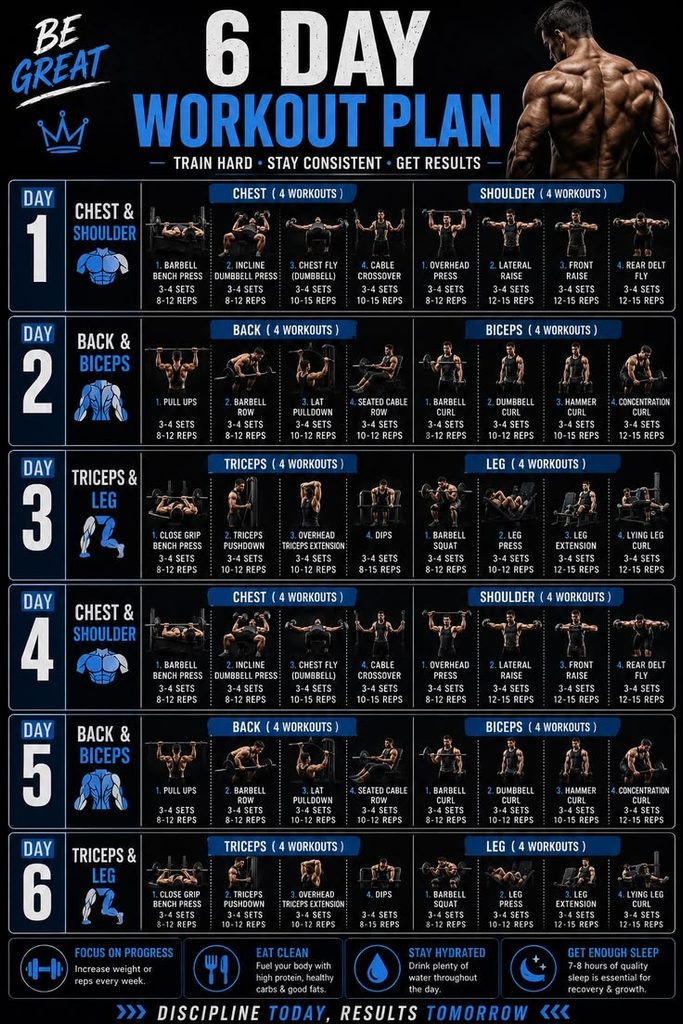
Perform chest presses, chest fly variations, and triceps exercises. Focus on controlled repetitions and proper range of motion.
Rows and pulling exercises can target the latissimus dorsi, rhomboids, trapezius, and biceps. Strong back muscles can support posture and upper-body stability.
Include squats, leg presses, lunges, and glute-focused exercises. These movements can develop lower-body strength, muscular endurance, and balance.
Combine shoulder presses and other shoulder movements with planks and abdominal exercises. Core stability can improve control during many other exercises.
Use compound movements to train several major muscle groups in one session. Maintain moderate resistance if the previous days involved substantial training volume.
Add moderate cardiovascular exercise such as brisk walking, cycling, jogging, or another aerobic activity. Cardio can support cardiovascular endurance and energy expenditure.
Use the seventh day for recovery. Prioritize sleep, hydration, balanced nutrition, adequate protein intake, and light mobility if desired.
Training seven days per week does not mean performing intense resistance workouts every day. A safer approach is to vary workout intensity and activity type.
For example, demanding strength sessions can be alternated with walking, mobility exercises, stretching, or low-intensity cardio.
Active recovery can encourage movement while reducing the physical stress placed on heavily trained muscles. If persistent fatigue, declining exercise performance, unusual soreness, or poor recovery occurs, reducing training volume and taking additional rest may be appropriate.
Frequent physical activity can be compatible with good health when exercise intensity and recovery are appropriately managed.
Beginners should increase training frequency gradually. Starting with three or four sessions per week may be more manageable before progressing to a higher frequency.
Recovery remains important because muscles and connective tissues need time to adapt to resistance training. Adequate sleep, nutrition, hydration, and rest all contribute to physical recovery.
“7-7-7 workout” can refer to different fitness formats, so it does not have one universal definition.
One possible approach is to perform seven exercises, for seven repetitions, for seven rounds. Another program may use the term differently.
If using a 7-7-7 structure with Total Gym exercises, choose movements that match your fitness level and avoid excessive training volume. Beginners should start with a manageable workload and focus on exercise quality.
Not every exercise should be performed at high intensity every day. However, several movements can be incorporated regularly when performed at an appropriate intensity.
Squats train the quadriceps, hamstrings, glutes, and core while supporting functional lower-body strength.
Push-ups target the chest, shoulders, triceps, and core. They can be modified according to fitness level.
Rows strengthen the upper back and biceps and can contribute to improved posture and shoulder stability.
Lunges work the legs and glutes while challenging balance and coordination.
Glute bridges target the gluteal muscles and can support hip strength and pelvic stability.
Planks develop isometric core strength and improve trunk stability.
Walking, gentle cycling, and other low-intensity aerobic activities can increase daily movement without placing the same training stress as intense resistance exercise.
A balanced seven-day schedule could alternate demanding workouts with lower-intensity activities:
Day 1: Upper-body resistance training
Day 2: Lower-body and core training
Day 3: Moderate cardio and mobility
Day 4: Upper-body resistance training
Day 5: Lower-body strength training
Day 6: Full-body Total Gym workout
Day 7: Rest or active recovery
The schedule should be adjusted according to training experience, fitness goals, recovery capacity, and overall physical condition.
You can begin an exercise habit within seven days, but significant changes in muscle mass, cardiovascular fitness, or body composition generally require longer-term consistency.
During the first week, you may become more familiar with exercise technique and establish healthier habits. Long-term improvements require progressive training, adequate nutrition, regular physical activity, sufficient sleep, and recovery.
Instead of focusing on rapid transformation, concentrate on building sustainable fitness behaviors.
Start with manageable resistance and learn proper exercise technique. Focus on mobility, movement quality, cardiovascular conditioning, and basic muscular strength.
Gradually increase repetitions, sets, or training frequency when recovery is adequate. Continue emphasizing proper form.
Introduce progressive overload by gradually increasing resistance, repetitions, training volume, or exercise difficulty.
Review strength, endurance, workout consistency, recovery, and overall progress. Adjust the training program according to your results and fitness goals.
Select exercises according to whether your primary objective is muscle building, weight management, cardiovascular fitness, muscular endurance, or general health.
Training variables should match your fitness level and goal. Beginners should generally use manageable resistance and controlled repetitions before progressing.
A warm-up prepares the body for exercise by increasing body temperature and encouraging movement. A cool-down can gradually reduce exercise intensity and provide an opportunity for gentle stretching and mobility work.
Record exercises, resistance, repetitions, sets, workout duration, and perceived effort. Tracking can help identify progression and determine when adjustments are needed.
For weight management, combine resistance training with cardiovascular activity and a nutritious eating pattern.
Total Gym strength exercises can support lean muscle mass, while walking, cycling, or other cardio can increase energy expenditure. Calorie intake, protein consumption, sleep, and overall lifestyle habits also influence body composition.
Muscle development requires progressive resistance training combined with adequate protein, calories, recovery, and sleep.
Use exercises that target major muscle groups and gradually increase training demands while maintaining proper technique.
For general health, combine full-body resistance training, aerobic exercise, mobility work, balance exercises, and recreational physical activity.
This approach can support cardiovascular health, muscular strength, flexibility, coordination, functional fitness, and overall well-being.
A Total Gym exercise routine can provide an effective and convenient approach to full-body fitness. By combining upper-body exercises, lower-body movements, core training, compound exercises, cardiovascular conditioning, and mobility work, you can create a balanced training program.
Consistency and progressive training are important for long-term results. However, exercise should be balanced with adequate recovery, sleep, hydration, nutritious food, sufficient protein, and appropriate training intensity.
Whether your goal is weight management, muscle development, improved cardiovascular endurance, greater strength, or general wellness, a sustainable Total Gym routine can help you build healthier exercise habits and support long-term physical fitness.