Physical Address
304 North Cardinal St.
Dorchester Center, MA 02124
Physical Address
304 North Cardinal St.
Dorchester Center, MA 02124


Your immune system is your body’s first line of defense against bacteria, viruses, fungi, and other harmful pathogens. Every day, it works around the clock to identify threats, repair damaged tissues, and help keep you healthy. While no vitamin, mineral, or supplement can guarantee that you’ll never get sick, giving your immune system the nutrients it needs can help it function at its best.
In recent years, millions of Americans have started taking best immune boosting vitamins and dietary supplements as part of their daily wellness routine. Increased awareness of seasonal illnesses, changing lifestyles, busy work schedules, and nutritional deficiencies have encouraged many adults to look for reliable ways to support their immune health year-round. As a result, the immune supplement market has grown rapidly, offering everything from multivitamins and probiotics to herbal extracts and specialized immune system supplements.
However, with thousands of products available, choosing the right immune supplement can be confusing. Many products make bold marketing claims, but not all are supported by scientific evidence. Ingredients, dosage, manufacturing quality, third-party testing, and overall safety should always be considered before purchasing any supplement.
It’s also important to remember that supplements are designed to support—not replace—a healthy lifestyle. Regular exercise, quality sleep, a balanced diet rich in fruits and vegetables, stress management, and proper hydration remain the foundation of a strong immune system. Supplements simply help fill nutritional gaps when dietary intake is insufficient or specific deficiencies exist.
Many people search for products marketed as immune armor, immunity plus, essential immune, immune builder, or immune nutrition support, hoping for a quick solution. While certain vitamins, minerals, and herbs have been studied for their role in immune function, the effectiveness of a product depends on its ingredients, quality, and whether your body actually needs additional nutrients.
In this comprehensive guide, you’ll learn which vitamins, minerals, herbal ingredients, and probiotics have the strongest scientific evidence for supporting immunity. We’ll also explain who may benefit from supplements, how to choose high-quality products, possible safety concerns, and practical ways to strengthen your immune system naturally.
Finding the Best Immune-Boosting Vitamins and Supplements for Adults involves more than buying the most popular product on the shelf. An effective supplement should provide evidence-based nutrients in appropriate dosages while meeting high manufacturing and quality standards.
Not every supplement supports immune health equally. Products backed by clinical research often contain nutrients that play direct roles in immune cell production, inflammation control, antioxidant defense, and antibody function.
Some of the most researched immune-support ingredients include:
These nutrients help maintain normal immune function rather than “supercharge” the immune system. In healthy adults with adequate nutrition, additional supplementation may offer limited benefits unless a deficiency exists.
Research consistently shows that nutritional deficiencies can weaken immune function. For example:
While these nutrients contribute to normal immunity, no supplement has been proven to prevent every infection or completely eliminate the risk of illness.
Many adults take supplements year-round for daily immune support, especially if their diets lack important nutrients or they have limited sun exposure.
Seasonal immune support products are often used during colder months or periods of increased illness. These formulas frequently combine:
Whether you need year-round supplementation depends on your overall diet, lifestyle, age, and medical history.
A best immune support supplement may be appropriate for:
For these groups, choosing the best immune booster for adults may help correct nutritional gaps and support normal immune function.
If you eat a balanced diet rich in fruits, vegetables, whole grains, lean proteins, healthy fats, and dairy or fortified alternatives, you may already meet your daily nutrient requirements.
Supplements should never replace healthy eating habits.
Many healthy adults receive enough nutrients through:
Before adding supplements, it’s worth evaluating whether your diet already provides sufficient nutrition.
Even the best supplements for immune function should be used responsibly.
Keep these safety tips in mind:
Remember, more isn’t always better. Excessive intake of fat-soluble vitamins such as A, D, E, and K can become harmful over time.
Your immune system is an incredibly complex network of cells, tissues, organs, and signaling molecules that work together to defend your body against disease. Every second, immune cells patrol your bloodstream and tissues, identifying and responding to harmful microorganisms before they can cause serious illness.
Without adequate nutrition, these immune cells cannot function efficiently.
The immune system has two primary components:
This is your body’s immediate defense system.
It includes:
Innate immunity reacts quickly whenever harmful pathogens enter the body.
Adaptive immunity develops more slowly but provides long-term protection.
It relies on:
Vaccinations work by training this adaptive immune system to recognize future threats.
Many vitamins and minerals play essential roles in immune function.
Deficiencies can reduce:
Even mild nutrient deficiencies may reduce your body’s ability to respond effectively to infections.
That’s why maintaining immune nutrition support through healthy eating—and supplementation when medically appropriate—is so important.
Nutrition is only one part of immune health.
Other major influences include:
Improving these habits often provides greater long-term benefits than relying on supplements alone.
Products marketed as immune builder, immune system plus, or immunity power work best when combined with healthy lifestyle choices.
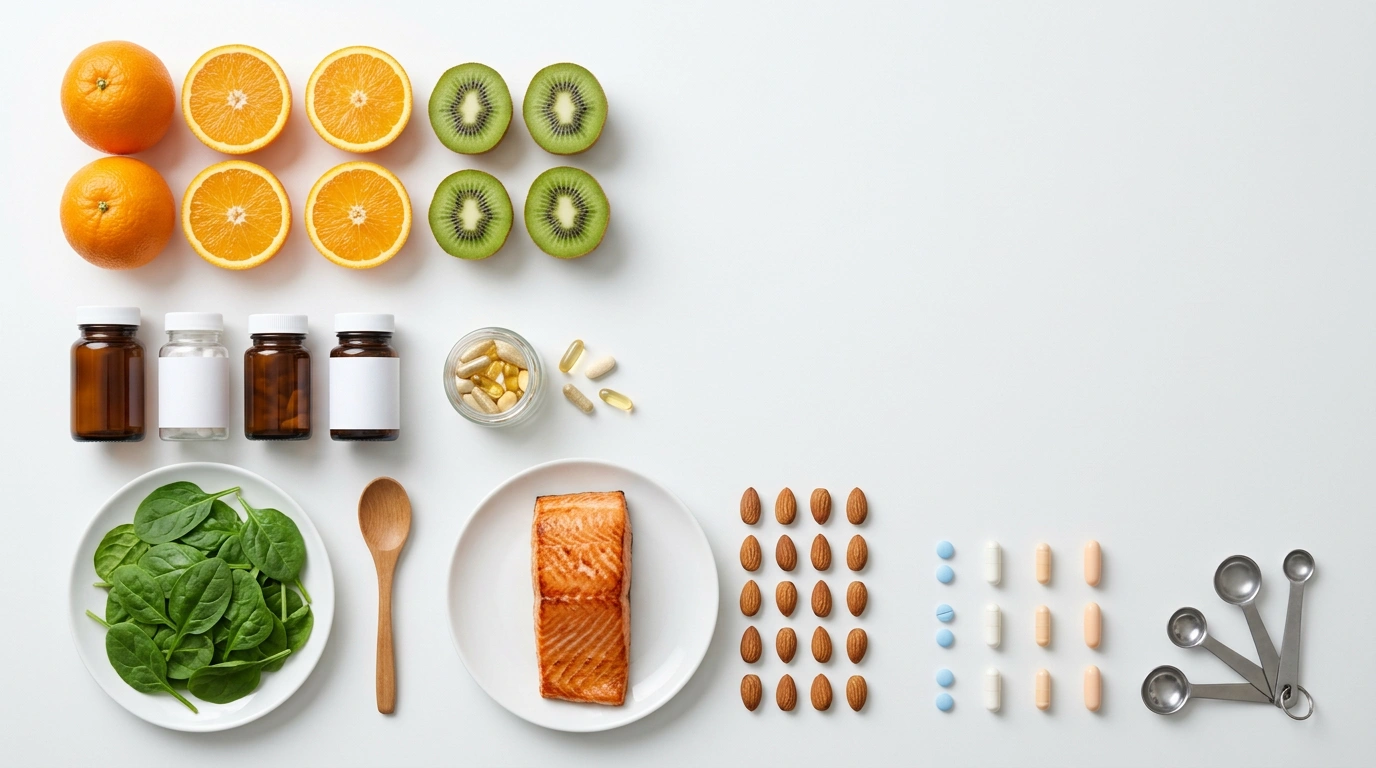
Certain vitamins play direct roles in maintaining normal immune function. While no single vitamin prevents illness, deficiencies may weaken your body’s natural defenses.
Vitamin C is one of the best-known nutrients for immune support.
It helps:
Excellent food sources include:
Many experts consider Vitamin C one of the best vitamin for immune support, especially for individuals with inadequate dietary intake.
Vitamin D influences both innate and adaptive immunity.
It helps regulate:
Many Americans have low vitamin D levels, particularly during winter or when spending little time outdoors.
Common sources include:
People with confirmed deficiencies may benefit from vitamin supplements for immune system support under healthcare supervision.
Vitamin A supports the body’s physical barriers against infection.
Its functions include:
Good food sources include:
Because excessive vitamin A intake can be harmful, supplementation should stay within recommended daily limits.
Vitamin E is a powerful antioxidant that helps protect immune cells from oxidative damage.
Benefits include:
Dietary sources include:
These B vitamins contribute to healthy immune function by supporting:
Vitamin B6 is found in:
Vitamin B12 is naturally present in:
Vegans often require B12 supplementation because plant foods provide very little of this vitamin.
Folate (Vitamin B9) plays an important role in DNA synthesis and the production of new immune cells.
Adequate folate supports:
Natural food sources include:
Individuals with low dietary intake or increased nutritional needs may require supplementation as recommended by a healthcare professional.
While vitamins receive much of the attention, minerals are equally important for maintaining a healthy immune system. They support immune cell production, regulate inflammation, protect cells from oxidative damage, and help the body respond effectively to infections. Even mild mineral deficiencies can reduce your body’s ability to fight off bacteria and viruses.
Zinc is one of the most researched minerals for immune health. It plays a key role in the development and function of immune cells, supports wound healing, and helps regulate inflammation.
Research suggests that zinc may help reduce the duration of the common cold when taken shortly after symptoms begin, although results vary depending on the dosage and formulation.
Good food sources include:
Adults should avoid taking excessive amounts of zinc for long periods, as too much zinc may interfere with copper absorption.
Selenium is a trace mineral that supports antioxidant enzymes, helping protect immune cells from oxidative stress.
Benefits include:
Excellent food sources include:
Since Brazil nuts contain very high amounts of selenium, moderation is important.
Magnesium is involved in more than 300 biochemical reactions throughout the body.
For immunity, magnesium helps:
Because poor sleep and chronic stress weaken immunity, adequate magnesium intake indirectly supports immune health.
Dietary sources include:
Iron is essential for carrying oxygen throughout the body and producing healthy immune cells.
Iron deficiency may lead to:
Rich dietary sources include:
People with diagnosed iron deficiency should only take supplements under medical supervision, as excessive iron can be harmful.
Combining these minerals with supplements to strengthen immune system, supplements immune, or supplements to build your immune system may help individuals with confirmed deficiencies, but supplementation should always match actual nutritional needs.
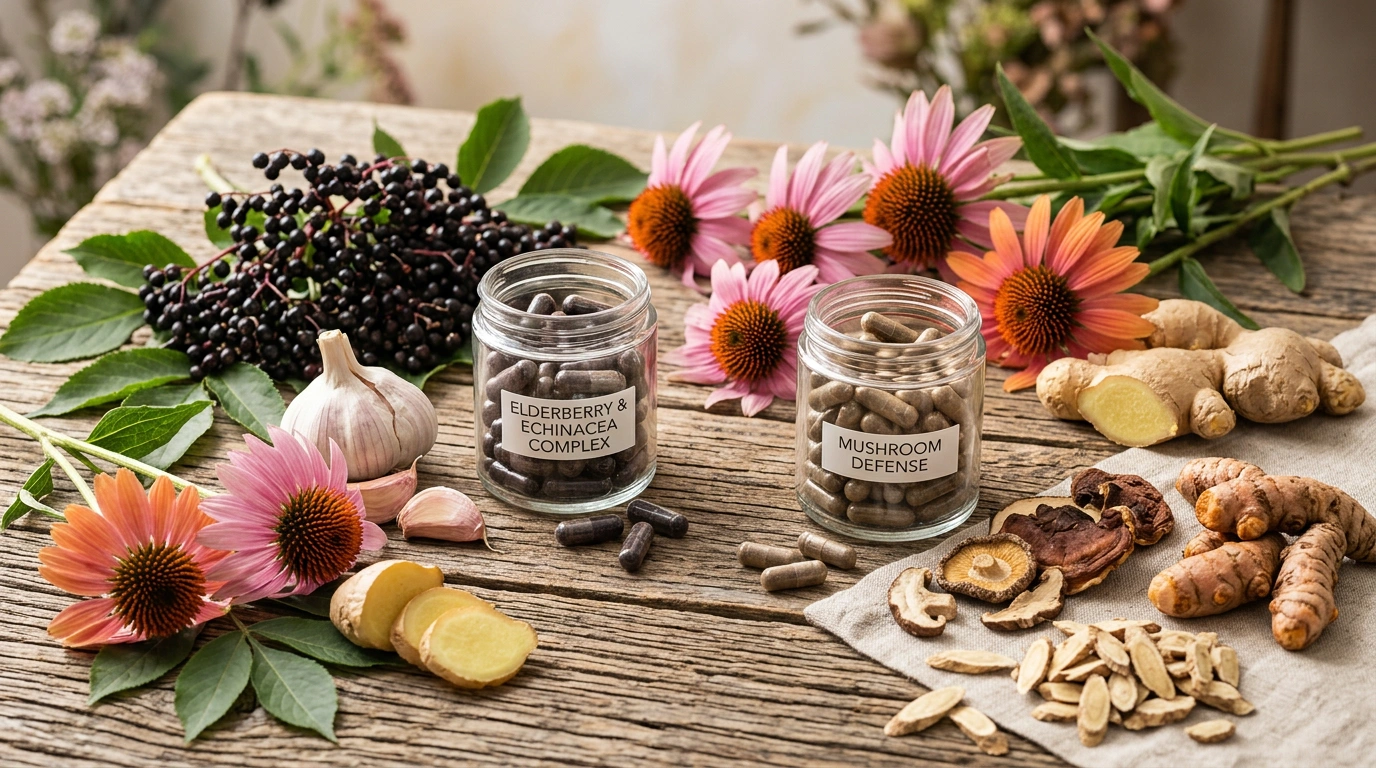
Herbal medicine has been used for centuries to support overall wellness. Today, researchers continue studying numerous plant-based ingredients that may help support normal immune function.
Although herbal products cannot prevent disease, several have shown promising results in laboratory studies and clinical research.
Elderberry is among the most popular herbal immune supplements available today.
It contains:
Potential benefits include:
Elderberry is commonly found in syrups, gummies, capsules, and liquid extracts.
Echinacea has long been used as an herbal immune support ingredient.
Research suggests it may:
Scientific results remain mixed, but some individuals choose echinacea during cold and flu season.
Astragalus is a traditional herb used in Chinese medicine.
It may help:
While research is ongoing, astragalus continues to gain popularity in immune-support formulas.
Garlic contains sulfur compounds such as allicin that possess antimicrobial properties.
Potential benefits include:
Fresh garlic offers the highest concentration of beneficial compounds, although supplements are also available.
Ginger is widely recognized for its anti-inflammatory and antioxidant properties.
It may help:
Fresh ginger tea remains one of the easiest ways to include ginger in your daily routine.
Turmeric contains curcumin, a natural compound studied for its anti-inflammatory effects.
Research suggests curcumin may help:
Because curcumin is poorly absorbed alone, many supplements include black pepper extract (piperine) to improve absorption.
Several medicinal mushrooms have gained attention for their immune-supporting properties.
Often called the “mushroom of immortality,” reishi contains beta-glucans that may help regulate immune activity.
Shiitake mushrooms provide compounds that may support healthy immune responses while offering valuable vitamins and minerals.
Maitake mushrooms also contain beta-glucans that researchers continue studying for their role in immune regulation.
Many products marketed as immune defense supplement, rapid immune boost, nature’s immune, immunol supplement, immuno aid, and gaia quick defense include combinations of these herbal ingredients.
Many people don’t realize that approximately 70% of the immune system is closely connected to the gastrointestinal tract.
A healthy gut microbiome helps:
Probiotics are beneficial bacteria that help maintain a balanced gut microbiome.
Common probiotic strains include:
Certain probiotic supplements may reduce the frequency of some digestive and respiratory infections, although results depend on the strain used.
Prebiotics feed beneficial gut bacteria.
Natural sources include:
Excellent probiotic-rich foods include:
Combining probiotics with immune nutrition support may contribute to better overall immune function as part of a balanced diet.
Today’s supplement market offers many different delivery forms. Choosing the right option depends on convenience, personal preference, dosage accuracy, and ingredient stability.
Gummies are popular because they’re easy to take and taste pleasant.
Advantages:
Disadvantages:
Many consumers choose immune gummies for adults or best immune gummies for adults for daily use.
Capsules remain one of the most common supplement forms.
Benefits include:
Capsules are widely used for herbal extracts and probiotics.
Tablets are generally the most affordable option.
Advantages:
Some individuals may find tablets harder to swallow than capsules.
Powders allow flexible dosing and can easily be mixed into smoothies or water.
They’re commonly used for:
Liquid formulas offer fast absorption and are especially useful for people who struggle swallowing pills.
Examples include:
Effervescent tablets dissolve in water, creating flavored immune-support beverages.
Many contain:
Products similar to mary ruth’s immunity support, immune support colibrim, immune support supplements colibrim, and other immune boost supplement formulas are available in multiple delivery forms, allowing consumers to choose whichever best fits their lifestyle.
Seasonal illnesses often increase during fall and winter months.
Although supplements cannot prevent viral infections, maintaining adequate nutrient levels supports normal immune function during these periods.
Common nutrients used for seasonal immune support include:
Adults searching for the best vitamins for flu often benefit most from maintaining consistent healthy habits throughout the year rather than waiting until symptoms begin.
During illness, remember to prioritize:
Some people also choose products marketed as rapid immune boost, though scientific evidence varies by ingredient.
Recovering from viral infections sometimes takes weeks or even months. Nutrition may play a supportive role during recovery, although supplements should never replace medical care.
Researchers continue studying supplements for long covid and long covid supplements.
Some healthcare providers may recommend nutrients such as:
Recommendations vary depending on individual nutritional status and symptoms.
Persistent fatigue following illness may improve gradually with:
Some clinicians may recommend supplements for post viral fatigue when deficiencies are identified.
Individuals recovering from mononucleosis often require:
Certain supplements for mono or supplements for mononucleosis may be considered when recommended by a healthcare provider.
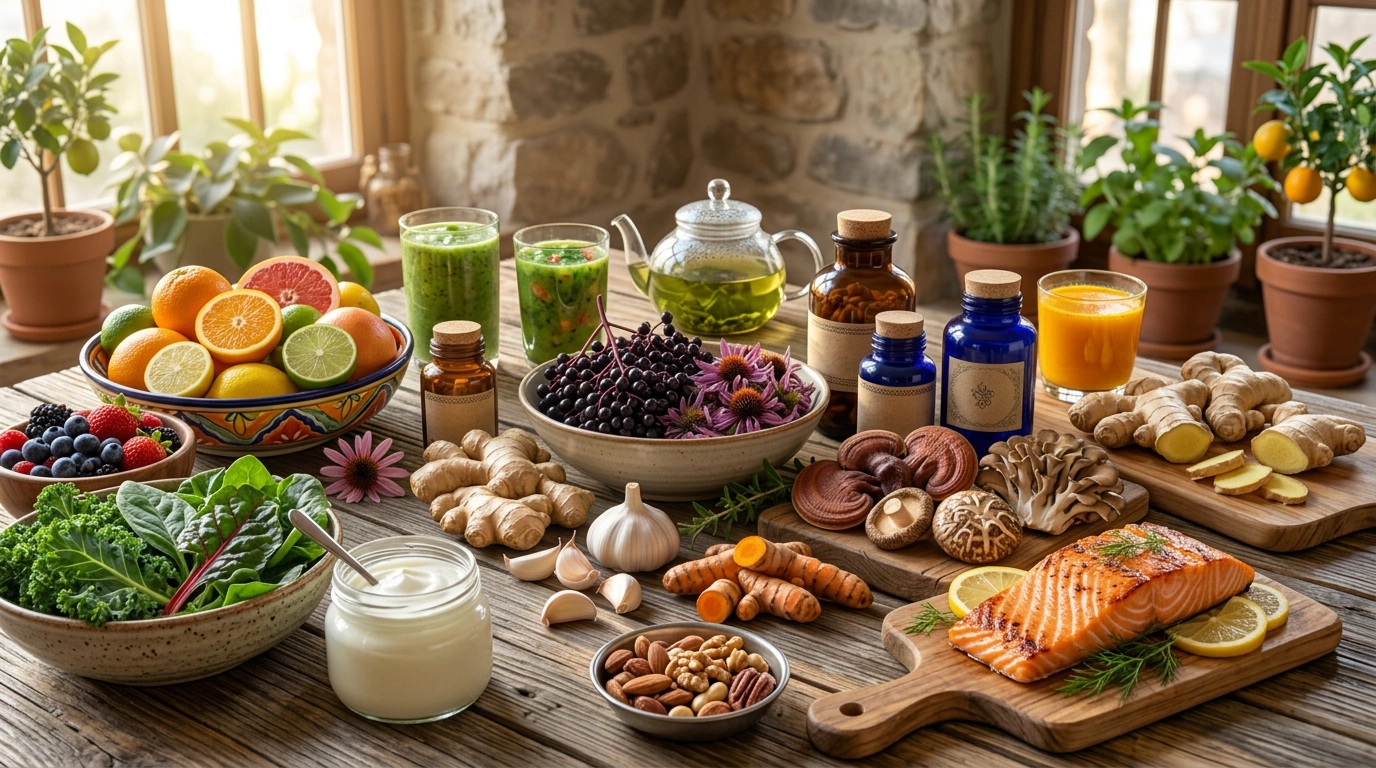
Whole foods remain the best long-term strategy for maintaining a healthy immune system.
A balanced diet supplies vitamins, minerals, antioxidants, fiber, and beneficial plant compounds that supplements alone cannot fully replicate.
Rich in vitamin C.
Examples include:
Packed with antioxidants that help protect immune cells.
Popular choices include:
Contains natural sulfur compounds that support immune health.
Provides probiotics that promote healthy gut bacteria.
Choose plain yogurt with live active cultures whenever possible.
Excellent sources of:
Examples:
Salmon, sardines, trout, and mackerel provide:
Rich in:
Green tea contains polyphenols and catechins with antioxidant properties that support overall health.
Many nutrition experts also recommend including natural antiviral foods, foods with antiviral properties, and other antiviral foods as part of a varied, nutrient-rich diet instead of relying on any single “superfood.”
While supplements can help fill nutritional gaps, homemade immune-support drinks are an easy way to increase your intake of vitamins, antioxidants, and hydration. Combined with a balanced diet, these beverages can support normal immune function and overall wellness.
This refreshing immune booster juice combines fruits and vegetables rich in vitamin C and antioxidants.
Ingredients
Benefits include:
A nutritious immune boosting smoothie makes an excellent breakfast or post-workout snack.
Blend together:
This smoothie provides protein, probiotics, fiber, vitamins, and healthy fats that support overall health.
Many people enjoy starting the day with a simple morning drink to boost immune system.
Mix:
This refreshing drink helps with hydration while providing vitamin C and beneficial plant compounds.
Fresh ginger and lemon create a soothing beverage that contains antioxidants and natural anti-inflammatory compounds.
Mix turmeric with warm milk or a dairy-free alternative along with black pepper to improve curcumin absorption.
This drink may help support healthy inflammatory responses.
People searching for immune boosting juice, immunity juice recipes, immune boosting smoothie, immune system booster drink, organic immunity shots, or immunity drink recipe can enjoy these homemade alternatives while limiting added sugars found in many commercial beverages.
White blood cells are essential components of the immune system because they identify and destroy harmful microorganisms.
While no single food instantly raises white blood cell levels, eating a nutrient-rich diet supports healthy blood cell production.
Protein provides amino acids needed to build immune cells.
Excellent choices include:
Vitamin C supports white blood cell function.
Choose foods such as:
Zinc supports immune cell development.
Good sources include:
Folate supports healthy blood cell production.
Include:
Selenium protects immune cells from oxidative stress.
Choose:
People often search what foods help with white blood cells, foods to boost white cell count, foods that increase white blood cells, food to increase WBC count, or food for white blood cells. A varied diet containing these nutrient-rich foods is the healthiest long-term approach.
Children generally develop healthy immune systems through balanced nutrition, adequate sleep, regular physical activity, proper vaccinations, and good hygiene.
Parents should prioritize:
Certain children may require supplements if deficiencies are confirmed by a pediatrician.
Parents looking for the best immune booster for kids should avoid products making unrealistic promises and instead choose age-appropriate products recommended by healthcare professionals.
Healthy eating remains the best way to increase immunity in child naturally.
Many people assume boosting the immune system is always beneficial. However, this is not true for individuals living with autoimmune diseases.
In autoimmune disorders, the immune system mistakenly attacks healthy tissues.
Examples include:
For these individuals, stimulating immune activity may not always be appropriate.
Instead, healthcare providers often focus on regulating immune function rather than boosting it.
People with autoimmune conditions should consult their physician before taking immune supplements or herbs.
Nutrition also matters. Following a balanced eating pattern that includes the best foods for autoimmune disease may help support overall health, although no specific diet cures autoimmune disorders.
Supplements work best when combined with healthy daily habits.
Adults should aim for 7–9 hours of quality sleep every night.
Sleep helps:
Moderate exercise supports immune health by improving circulation and reducing chronic inflammation.
Aim for:
Long-term stress increases cortisol levels, which may weaken immune function.
Helpful strategies include:
Water supports nutrient transport, circulation, and normal body functions.
Most adults benefit from drinking fluids consistently throughout the day.
Obesity is associated with chronic inflammation and may negatively affect immune function.
A balanced diet and regular physical activity help support a healthy weight.
Smoking damages lung tissue and weakens several aspects of immune function.
Quitting smoking offers significant health benefits at any age.
Many people searching I keep getting sick, immune builder, immunity power, cruise immunity, or wondering how can you tell if your immune system is strong often benefit more from improving these lifestyle habits than from relying solely on supplements.
Essential oils are commonly used in aromatherapy, although research supporting direct immune benefits remains limited.
Popular oils include:
Known for antimicrobial properties when used externally.
Often used to promote comfortable breathing.
Provides a refreshing citrus aroma.
Frequently used to create an invigorating environment.
People interested in immune building essential oils or essential oils for immune system support should remember:
Consumers often encounter products such as:
Rather than choosing products based solely on advertising, evaluate them by looking for:
Products marketed as airborne immune system, mary ruth’s immunity support, gaia quick defense, immune support supplements colibrim, nature’s immune, immunol supplement, and immuno aid should be evaluated using these same quality criteria.
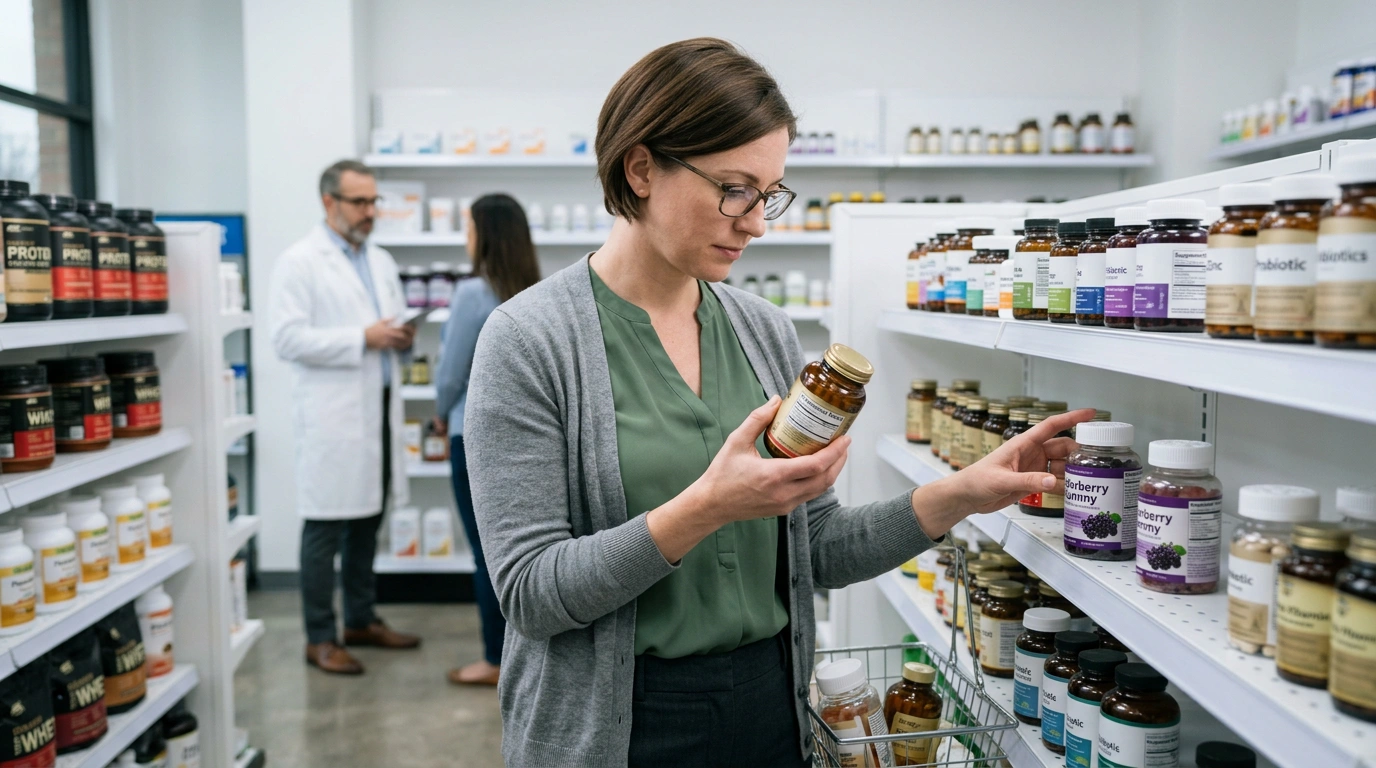
The best supplement isn’t necessarily the most expensive one.
Before purchasing, consider:
Choose products certified by independent organizations such as USP, NSF, or ConsumerLab whenever possible.
Avoid proprietary blends that hide ingredient amounts.
Select products providing clinically appropriate nutrient levels rather than megadoses.
Look for:
Choose companies with:
The cheapest product isn’t always the best value.
Instead, compare:
When in doubt, consult your physician, pharmacist, or registered dietitian before beginning any supplement regimen.
Although vitamins and supplements are generally safe when used correctly, excessive intake may cause problems.
Possible risks include:
Certain individuals—including pregnant women, older adults, and people with chronic medical conditions—should seek medical advice before taking new supplements.
Common questions include:
Some antibiotics interact with minerals like calcium, magnesium, zinc, and iron. Taking these supplements too close to certain antibiotics may reduce medication absorption. Your healthcare provider or pharmacist can recommend appropriate timing if supplementation is needed.
Many vitamins and minerals are safe when taken at recommended dosages, but not everyone needs daily supplementation. Consult your healthcare provider if you’re unsure.
No supplement works instantly. Correcting nutritional deficiencies with nutrients such as vitamin D, vitamin C, zinc, or probiotics may help support normal immune function over time.
The best choice depends on your nutritional status, diet, age, and health needs. Products containing evidence-based ingredients from reputable manufacturers are generally preferred.
Vitamin C, Vitamin D, Vitamin A, Vitamin E, Vitamin B6, Vitamin B12, and folate all contribute to normal immune function.
Sometimes yes, but certain minerals can interfere with antibiotic absorption. Follow your healthcare provider’s instructions regarding timing.
They can help provide nutrients if formulated appropriately, although some contain added sugars and lower nutrient concentrations than capsules or tablets.
Not necessarily. Herbal supplements and vitamins serve different purposes and may complement one another depending on your health needs.
A diet rich in fruits, vegetables, lean proteins, whole grains, healthy fats, yogurt, nuts, seeds, and fatty fish supports long-term immune health.
Homemade smoothies, citrus juices, ginger-lemon drinks, turmeric beverages, and adequate water intake are excellent choices for supporting overall wellness.
No supplement can completely prevent viral infections. Vaccination, good hygiene, healthy eating, regular exercise, quality sleep, and appropriate supplementation when needed provide the best overall protection.