Physical Address
304 North Cardinal St.
Dorchester Center, MA 02124
Physical Address
304 North Cardinal St.
Dorchester Center, MA 02124


Walk into any pharmacy, grocery store, or online health marketplace in the United States, and you’ll find thousands of products promising to support immunity, improve energy, strengthen bones, promote healthy aging, and enhance overall wellness. From multivitamins and vitamin D capsules to collagen powders, probiotics, fish oil, and herbal extracts, the dietary supplement industry has become a multi-billion-dollar market. Yet despite their popularity, many consumers still don’t fully understand the difference between vitamins vs supplements.
Millions of Americans take one or more dietary supplements every day. Some use them to fill nutritional gaps caused by restrictive diets or medical conditions, while others hope to improve athletic performance, support heart health, or maintain healthy skin and hair. Because vitamin products and dietary supplements are often displayed together on store shelves, many people assume they are exactly the same. In reality, vitamins represent only one category within the much larger world of dietary supplements.
Understanding this distinction is important before spending money on products or adding them to your daily routine. While certain supplements are backed by strong scientific evidence, others have limited research or may not provide the benefits advertised. Questions like is it ok to take multivitamins, are vitamins a scam, and the truth about supplements are becoming increasingly common as consumers seek reliable, evidence-based health information.
Choosing the right product involves more than reading marketing claims on the label. Product quality, ingredient purity, proper dosage, third-party testing, and your individual health needs all influence whether a vitamin or supplement is likely to benefit you. Some people may require supplements because of nutrient deficiencies, pregnancy, aging, or specific medical conditions, while others can meet most of their nutritional needs through a balanced diet.
In this comprehensive guide, you’ll learn the key differences between vitamins and dietary supplements, how they work, how they’re regulated in the United States, and what to look for before making a purchase. By understanding the science behind these products, you’ll be better equipped to make informed decisions that support your long-term health.
Vitamins are essential micronutrients that your body needs in small amounts to carry out hundreds of biological functions. Unlike carbohydrates, fats, and proteins—which provide energy—vitamins help regulate the body’s metabolic processes, support growth and development, maintain healthy tissues, and keep organs functioning properly.
Because the human body either cannot produce most vitamins or produces them in insufficient amounts, they must be obtained through food or, when necessary, vitamin supplements. A varied diet rich in fruits, vegetables, whole grains, lean proteins, dairy products, nuts, and seeds typically supplies the vitamins needed for good health.
Every vitamin performs a unique function. Some help convert food into energy, while others strengthen the immune system, maintain healthy vision, support blood clotting, or protect cells from oxidative stress. Even a mild deficiency in certain vitamins can gradually affect your health, leading to fatigue, weakened immunity, poor wound healing, or other symptoms.
Vitamins fall into two main categories based on how they dissolve and are stored in the body.
Fat-soluble vitamins dissolve in fat and are stored in the liver and fatty tissues. Because they remain in the body longer, taking excessive amounts over time can increase the risk of toxicity.
The fat-soluble vitamins include:
These vitamins play essential roles in vision, bone health, immune function, antioxidant protection, and normal blood clotting.
Water-soluble vitamins dissolve in water and are not stored in significant amounts. Excess quantities are generally eliminated through urine, meaning they must be consumed regularly.
Water-soluble vitamins include:
These nutrients are especially important for energy production, nervous system function, red blood cell formation, and DNA synthesis.
Health experts generally recommend obtaining vitamins from whole foods whenever possible because foods provide additional nutrients such as fiber, antioxidants, and beneficial plant compounds.
Common vitamin-rich foods include:
A balanced eating pattern often provides better overall nutrition than relying solely on supplements.
Not every vitamin found in a supplement comes directly from food. Many manufacturers produce synthetic vitamins, which are created in laboratories to match the chemical structure of naturally occurring vitamins.
Scientific research has shown that many synthetic vitamins are absorbed and used effectively by the body. However, bioavailability may differ depending on the specific nutrient and formulation. Factors such as age, digestive health, medications, and overall diet can also influence absorption.
For most healthy adults, synthetic vitamins can be an effective option when dietary intake is inadequate or when recommended by a healthcare professional.
Each vitamin has its own specialized function, and deficiencies can lead to different health problems.
Vitamin A supports healthy vision, immune defenses, skin health, and normal cell growth. Rich sources include liver, dairy products, carrots, spinach, and sweet potatoes.
The B-complex vitamins work together to help convert food into energy while supporting nerve function and red blood cell production. Because they participate in numerous metabolic reactions, deficiencies may contribute to fatigue and neurological symptoms.
Vitamin C functions as a powerful antioxidant that helps protect cells from oxidative damage. It also supports collagen production, wound healing, and immune function. Excellent food sources include oranges, strawberries, kiwi, broccoli, and bell peppers.
Vitamin D plays an essential role in calcium absorption, bone strength, muscle function, and immune health. While sunlight enables the body to produce Vitamin D naturally, many Americans have insufficient levels due to limited sun exposure.
Vitamin E helps protect cells from free radical damage and supports immune function. Nuts, seeds, vegetable oils, and leafy green vegetables are excellent dietary sources.
Vitamin K is required for normal blood clotting and contributes to bone health. Green leafy vegetables such as kale, spinach, broccoli, and Brussels sprouts provide abundant amounts.
Most vitamins sold in stores are available over the counter and are intended to support general nutrition. However, some individuals require prescription vitamins under medical supervision.
Prescription vitamins are often recommended when laboratory testing confirms a deficiency or when higher therapeutic doses are necessary.
Examples include:
Unlike regular multivitamins, prescription formulations are designed to treat specific medical conditions rather than simply support general wellness. Because excessive intake of certain vitamins can be harmful, therapeutic doses should only be taken under professional guidance.
Many consumers wonder what are vitamin capsules made of before purchasing supplements.
The active vitamin ingredients are only one part of a finished product. Manufacturers also use additional ingredients to protect nutrients, improve stability, and make capsules easier to swallow.
Common capsule materials include:
Manufacturers may also include inactive ingredients such as:
These ingredients help prevent clumping, improve manufacturing consistency, and extend shelf life. People with dietary restrictions should always review ingredient labels carefully, especially when looking for vegan, vegetarian, gluten-free, or allergen-free products.
Many supplement labels list nutrients using abbreviations that can be confusing. One of the most common is mcg.
If you’ve ever asked mcg vitamins what does it mean or what does mcg mean in vitamins, the answer is straightforward:
These units measure different amounts of a nutrient.
For example:
Understanding these measurements helps you compare products accurately and avoid taking excessive doses. Always check the Percent Daily Value (%DV) on the label and follow the recommended serving size unless your healthcare provider advises otherwise.
While all vitamins are dietary supplements, not all dietary supplements are vitamins. This is one of the biggest misconceptions among consumers. Dietary supplements include a much broader range of products designed to supplement the diet by providing nutrients or other substances that may support overall health.
According to the U.S. Food and Drug Administration (FDA), a dietary supplement is a product intended to supplement the diet that contains one or more dietary ingredients. These ingredients may include:
Unlike prescription medications, dietary supplements are generally intended to support normal body functions rather than diagnose, treat, cure, or prevent diseases.
People use supplements for many different reasons. Some take protein powder to support muscle growth, while others use probiotics for digestive health, fish oil for heart health, collagen for skin, or magnesium for better sleep. The right supplement depends on individual nutritional needs, lifestyle, age, and medical history.
Dietary supplements are available in many convenient forms, allowing consumers to choose the option that best fits their preferences and lifestyle.
Capsules remain one of the most popular delivery methods because they are easy to swallow and protect ingredients from moisture and air.
Tablets are often less expensive than capsules and usually have a longer shelf life. Many multivitamins are sold in tablet form.
Gummy supplements have become increasingly popular, especially among adults who dislike swallowing pills. They often contain added flavors and sweeteners but may include lower amounts of certain nutrients.
Powders mix easily into water, smoothies, or shakes and are commonly used for:
Liquid supplements may be absorbed quickly and are often recommended for children, older adults, or individuals who have difficulty swallowing capsules.
Supplement drops provide concentrated nutrients in liquid form and are commonly used for:
Because they are measured with droppers, supplement drops allow flexible dosing under professional guidance.
One rapidly growing category includes botanical dietary supplements, which are made from plants or plant extracts.
Unlike traditional vitamin supplements, botanical products often contain naturally occurring compounds believed to support health through various biological mechanisms.
Popular botanical supplements include:
Some botanical dietary supplements have encouraging scientific evidence, while others require additional high-quality clinical research. Product quality can also vary significantly because herbal extracts may differ in concentration and purity.
Consumers should always purchase botanical supplements from reputable manufacturers that perform third-party testing.
The dietary supplement market extends far beyond traditional vitamins.
Some of today’s most popular products include:
Protein supplements help individuals increase daily protein intake to support muscle growth, recovery, and healthy aging.
Common varieties include:
Greens powders typically contain concentrated vegetables, fruits, algae, probiotics, digestive enzymes, and antioxidants. They are marketed as a convenient way to increase plant nutrient intake but should not replace whole fruits and vegetables.
Electrolyte supplements provide minerals such as:
These products are especially useful for athletes, individuals exercising in hot environments, or people recovering from illness that causes significant fluid loss.
Meal replacement shakes combine protein, carbohydrates, healthy fats, vitamins, and minerals into a single product designed to replace one or more meals.
Although convenient, they generally should not replace a balanced diet long term unless recommended by a healthcare professional.
The term supplement feed refers to products formulated for livestock and pets rather than humans. These supplements help provide essential nutrients that support healthy growth, reproduction, and overall animal health.
Because these products are regulated differently, they should never be used by humans.
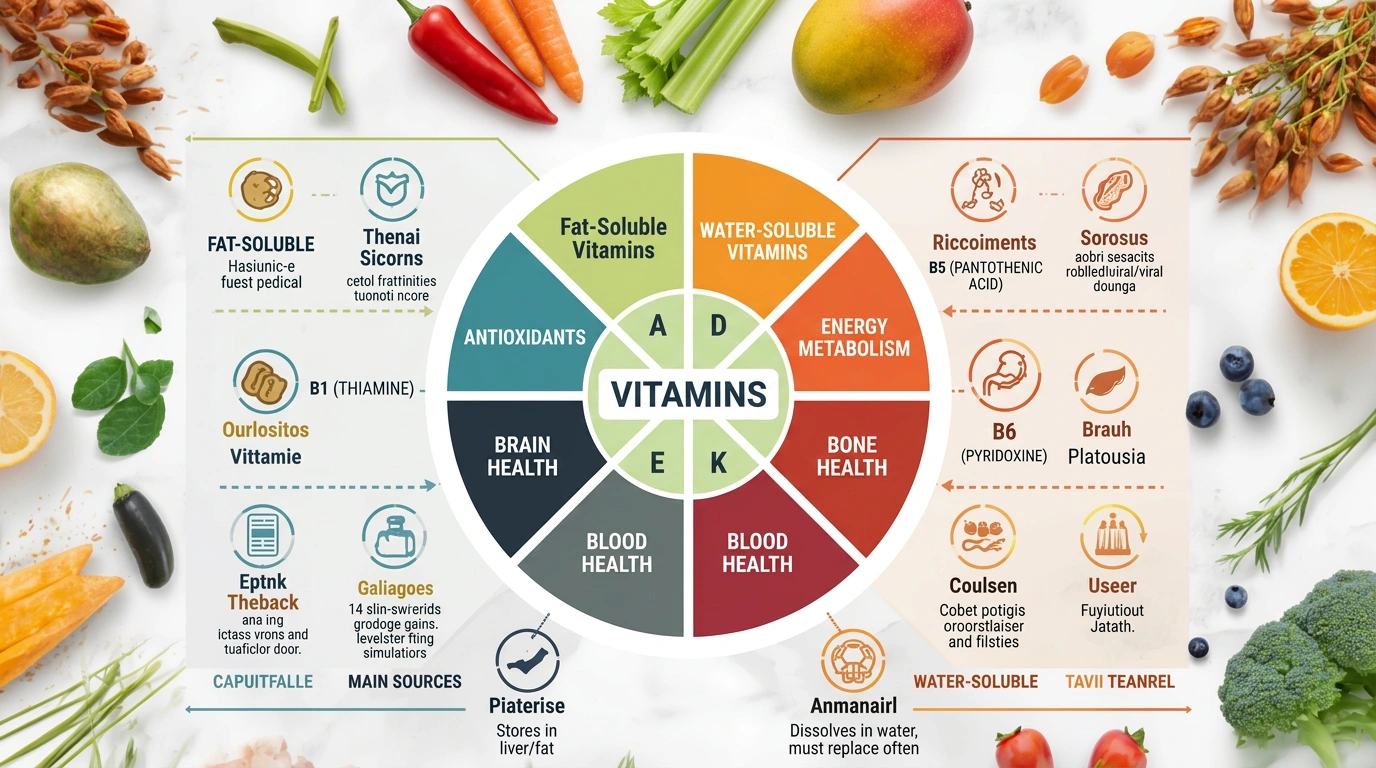
Understanding Vitamins vs Supplements becomes much easier once you recognize that vitamins are only one category within dietary supplements.
A vitamin is an essential nutrient required for normal body function. A dietary supplement is a much broader product category that may contain vitamins, minerals, herbs, amino acids, probiotics, enzymes, proteins, or combinations of these ingredients.
For example:
Another important distinction is purpose.
Vitamins primarily help prevent or correct vitamin deficiencies and support essential physiological processes. Dietary supplements may be designed for many additional purposes, including:
While both vitamins and supplements may improve health when used appropriately, neither should replace a nutritious diet.
| Feature | Vitamins | Dietary Supplements |
| Purpose | Prevent or correct vitamin deficiencies | Support overall health and specific wellness goals |
| Ingredients | Essential vitamins only | Vitamins, minerals, herbs, amino acids, probiotics, protein, enzymes, and more |
| Food Sources | Naturally found in foods | May be natural, synthetic, or a combination |
| Medical Uses | Treat deficiencies and support normal body function | May support nutrition, fitness, recovery, or targeted health needs |
| Regulation | Regulated as dietary supplements in the U.S. | Regulated under the Dietary Supplement Health and Education Act (DSHEA) |
| Daily Requirement | Many vitamins have Recommended Daily Allowances (RDAs) | Usage depends on ingredient and intended purpose |
| Examples | Vitamin C, Vitamin D, Vitamin B12 | Fish oil, collagen, creatine, probiotics, protein powder, multivitamins |
Many people confuse the words supplement and complement, but they have completely different meanings.
A supplement is something added to improve, complete, or enhance another thing.
Example:
A complement, on the other hand, means something that completes or goes well with something else.
Example:
Remember this simple rule:
Although they sound similar, they are not interchangeable.
Every dietary supplement sold in the United States should include a Supplement Facts label. Learning how to read this label helps consumers compare products and avoid unnecessary or excessive nutrient intake.
Important sections include:
This tells you how much of the product equals one serving.
Some bottles contain:
Always calculate nutrient intake based on the serving size—not simply one pill.
These are the nutrients or compounds responsible for the product’s intended purpose.
Examples include:
These inactive ingredients help manufacture and preserve the product.
Examples:
Manufacturers should disclose common allergens such as:
Many high-quality products display certifications such as:
These certifications may indicate additional quality testing beyond minimum regulatory requirements.
Vitamin labels often display nutrients using different units.
The most common include:
A product containing 100% Daily Value doesn’t necessarily mean it’s the best option. Individual nutrient needs vary based on age, sex, medical conditions, pregnancy, and overall health.
Consumers can also research products using reliable dietary supplement database resources before making a purchase.
Trusted resources include:
These databases help consumers:
Using evidence-based resources is one of the best ways to separate scientifically supported products from marketing claims.
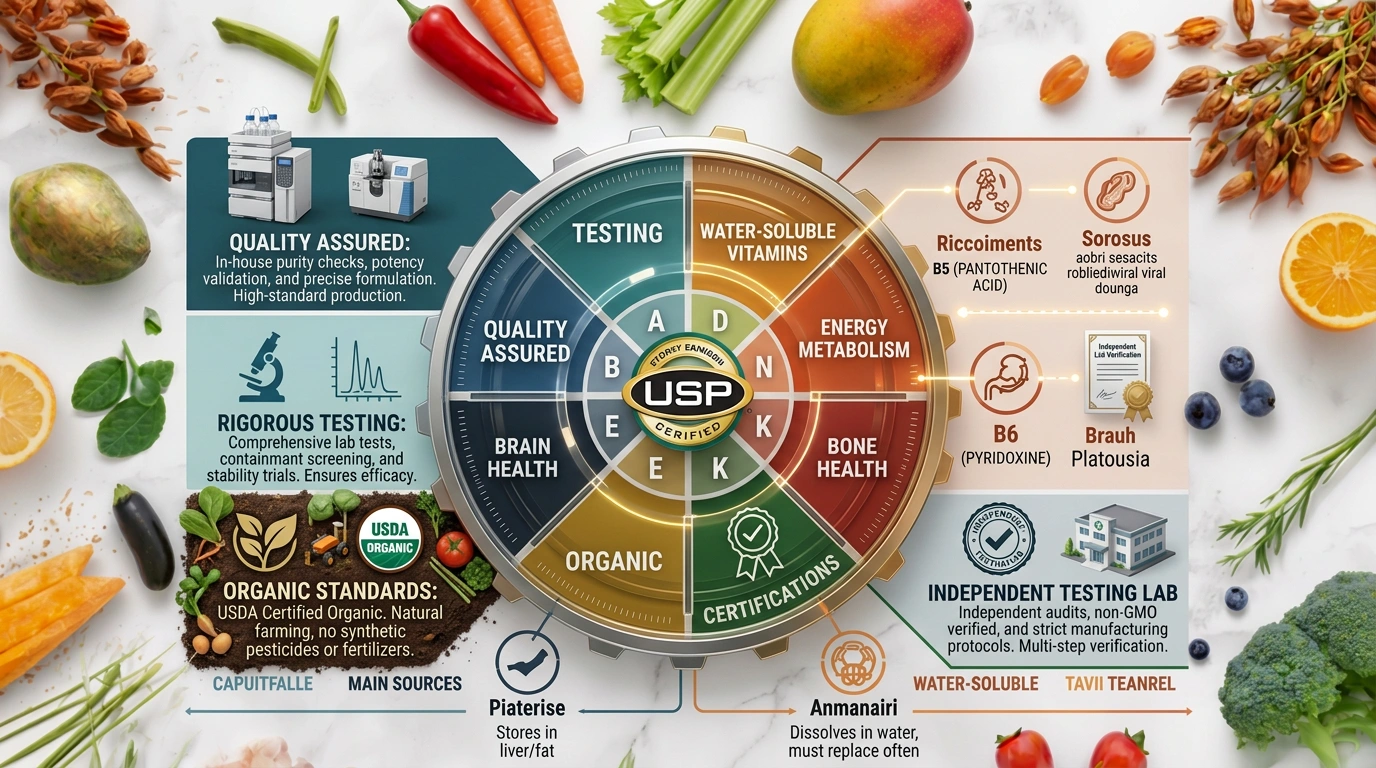
When shopping for vitamins, you’ve probably seen labels claiming “pharmaceutical grade,” “professional strength,” or “clinically tested.” These terms often suggest higher quality, but it’s important to understand what they actually mean before paying a premium price.
Generally, pharmaceutical grade vitamins are manufactured under stricter quality-control standards than many conventional supplements. They often undergo additional purity testing, ingredient verification, and contamination screening. However, the term “pharmaceutical grade” is not universally regulated by the FDA for dietary supplements, so consumers should look for reputable manufacturers and third-party certifications rather than relying solely on marketing language.
Pharmaceutical grade vitamins are supplements produced using high-quality raw materials and strict manufacturing practices. Many healthcare professionals recommend these products for patients who require consistent potency and purity.
Potential characteristics include:
Although these products may cost more, higher price alone does not always guarantee better quality.
The term pharmaceutical grade supplements can apply to vitamins, minerals, amino acids, probiotics, fish oil, and herbal products.
Many companies emphasize:
Consumers should still verify these claims through recognized certification organizations.
One quality mark consumers may encounter is USP Verified.
USP (United States Pharmacopeia) is an independent organization that tests selected dietary supplements for quality.
A USP Verified product has been evaluated for:
While not every high-quality supplement carries the USP seal, it provides additional confidence that the product contains what the label claims.
Some multivitamins are marketed as USDA Organic Multivitamin products.
Organic certification generally means qualifying agricultural ingredients were produced according to USDA organic standards.
Potential benefits include:
However, organic certification does not necessarily make a vitamin more effective than a non-organic product. Consumers should still evaluate dosage, formulation, and scientific evidence.
Unlike prescription drugs, dietary supplements follow a different regulatory pathway in the United States.
The FDA regulates dietary supplements under the Dietary Supplement Health and Education Act (DSHEA) of 1994.
Manufacturers are responsible for ensuring their products are:
Unlike medications, supplements are generally not approved by the FDA before they reach the market.
If a supplement is later found to be unsafe or falsely marketed, the FDA can take enforcement action.
Many consumers wonder whether supplements require expiration dates.
Interestingly, FDA dietary supplements expiration date not required is a topic that often causes confusion.
Manufacturers are not always legally required to print an expiration date unless they choose to make shelf-life claims.
When expiration dates are included, companies should have stability data supporting those claims.
To maximize shelf life:
A new dietary ingredient (NDI) refers to an ingredient that was not marketed in dietary supplements before October 15, 1994.
Before marketing products containing a new dietary ingredient, manufacturers generally should notify the FDA and provide evidence that the ingredient is reasonably expected to be safe under recommended conditions of use.
Although this guide focuses on U.S. consumers, some readers may encounter products manufactured overseas.
India regulates supplements through FSSAI multivitamin standards established by the Food Safety and Standards Authority of India (FSSAI).
If purchasing imported supplements, verify that products comply with the regulations applicable in your country.
Although many supplements are beneficial when used correctly, they are not completely risk-free.
Why is the consumption of dietary supplements considered risky?
The answer depends on several factors.
Potential risks include:
For example, excessive Vitamin A intake may damage the liver, while high doses of iron can become toxic if taken unnecessarily.
Certain herbal supplements may also interact with:
Always discuss supplements with your healthcare provider if you take prescription medications.
A common misconception is that synthetic vitamins are automatically harmful.
Current scientific evidence suggests that many synthetic vitamins effectively prevent or treat deficiencies.
Some nutrients are nearly identical to their natural counterparts, while others may differ slightly in absorption or biological activity.
The most important considerations are:
Rather than focusing solely on whether a vitamin is natural or synthetic, choose products supported by quality manufacturing and scientific evidence.
Instead of relying on marketing claims, watch for warning signs.
Avoid brands that:
Trustworthy companies openly share testing information and ingredient sourcing.
Many people ask how long do supplements stay in your system after they stop taking them.
The answer varies by ingredient.
Water-soluble vitamins such as Vitamin C and many B vitamins leave the body relatively quickly because excess amounts are excreted in urine.
Fat-soluble vitamins—including Vitamins A, D, E, and K—are stored in body fat and the liver, allowing them to remain in the body for weeks or even months.
Minerals such as calcium and magnesium follow different metabolic pathways depending on body needs.
Herbal supplements also vary considerably because each plant contains unique active compounds.
Individual factors affecting supplement duration include:
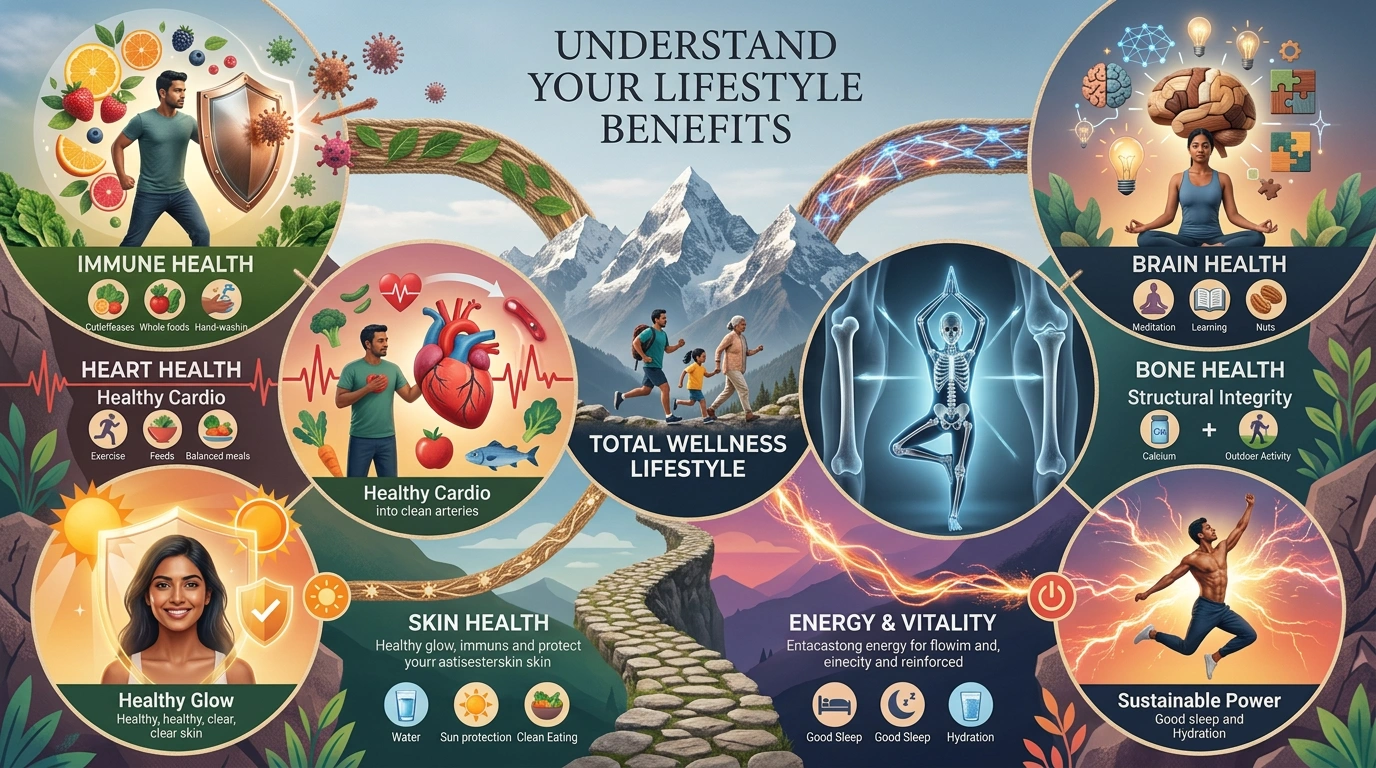
When used appropriately, vitamins and dietary supplements can support many aspects of health.
Potential benefits include:
Supplements work best when they fill nutritional gaps rather than replace healthy eating habits.
Certain nutrients may help support skin health.
Examples include:
People with persistent skin conditions should consult a healthcare professional before starting supplements.
Many people expect immediate results after starting vitamins, but improvements often occur gradually.
Week 1
Month 1
Long Term
Consistent supplementation—when appropriate—may support better overall nutritional status alongside a healthy diet and lifestyle.
Technology has introduced personalized vitamins, which customize nutrient recommendations using health questionnaires, lifestyle information, and sometimes genetic testing.
Advantages may include:
However, personalized products are often more expensive than traditional multivitamins, and research is still evolving regarding the added value of DNA-based recommendations.
Many healthy adults ask, is it OK to take multivitamins every day?
For some people, a daily multivitamin may help fill small nutritional gaps.
However:
Consumers frequently encounter bold marketing claims online.
Before purchasing any supplement:
When researching products such as Dr. Bryan Ardis supplements, Immuno 150, Bio Laden, Super Supplementa, or websites like menerals.com, focus on transparency, published evidence, third-party testing, and qualified healthcare guidance rather than testimonials alone.
Buying supplements online is convenient, but consumers should purchase from trusted retailers.
Look for:
Many retailers offer:
Subscriptions may save money for products you use consistently, while bundle discounts work well for occasional purchases.
Some vitamins and supplements may qualify as FSA eligible if recommended for a specific medical condition.
General wellness vitamins usually do not qualify unless medical necessity requirements are met.
Check your FSA administrator’s current eligibility guidelines before purchasing.
One of the biggest questions consumers ask is are vitamins a scam?
The answer is no—but not every supplement provides meaningful benefits.
The truth about supplements is that high-quality products supported by scientific evidence can be beneficial for individuals with nutrient deficiencies or specific health needs.
However, marketing often exaggerates benefits.
Supplements work best when they:
No supplement can replace balanced nutrition, regular exercise, quality sleep, and preventive healthcare.

Before purchasing any vitamin or supplement, consider these factors:
Taking a few extra minutes to research products can help you avoid low-quality supplements and invest in options backed by better evidence and quality standards.
Vitamins are essential nutrients, while dietary supplements include vitamins, minerals, herbs, amino acids, probiotics, protein powders, and many other ingredients.
They often undergo stricter quality control, but consumers should still look for third-party testing and reputable manufacturers.
Many healthy adults can safely take a daily multivitamin when appropriate, but individual needs vary. Consult a healthcare professional if you have medical conditions or take medications.
mcg stands for microgram, which is one-thousandth of a milligram.
It depends on the nutrient. Water-soluble vitamins leave the body relatively quickly, while fat-soluble vitamins may remain stored for weeks or months.
Potential risks include excessive doses, medication interactions, contamination, and poor-quality manufacturing.
Some may qualify when medically necessary, but most general wellness vitamins are not automatically FSA eligible.
No. Supplements are intended to complement a healthy diet, not replace nutrient-rich whole foods.
Most synthetic vitamins are considered safe and effective when used at appropriate doses and manufactured to high-quality standards.
Look for third-party testing, transparent labeling, clinically appropriate dosages, GMP-certified manufacturing, and reputable brands supported by scientific evidence.