Physical Address
304 North Cardinal St.
Dorchester Center, MA 02124
Physical Address
304 North Cardinal St.
Dorchester Center, MA 02124



Maintaining good health has become more challenging than ever. Busy schedules, processed foods, stress, and changing lifestyles can make it difficult to get all the nutrients your body needs from food alone. As a result, millions of Americans turn to the best vitamins and supplements to help support their daily wellness, fill nutritional gaps, and maintain long-term health.
While supplements can be beneficial, choosing the right product isn’t as simple as buying the first bottle on the shelf. The quality of ingredients, proper dosage, manufacturing standards, and your individual health needs all play an important role. A vitamin and mineral supplement that works well for one person may not be the best choice for another.
It’s also important to remember that supplementing should complement a balanced diet—not replace it. Whole foods remain the best source of nutrients, but supplements may provide additional support when dietary intake is insufficient or specific deficiencies exist.
In this guide, you’ll learn how vitamins and minerals work in the body, the significance of vitamins, how to compare multivitamins with individual supplements, what makes a high-quality supplement, and how to make informed decisions before purchasing. Whether you’re looking to improve your energy, strengthen your immune system, support bone health, or simply maintain overall wellness, understanding the basics can help you choose supplements with confidence.

Vitamins are essential micronutrients that help your body perform hundreds of biological processes every day. Although they are required in relatively small amounts, they have a major impact on nearly every organ system. Understanding the function in the body of vitamins helps explain why maintaining adequate intake is important for long-term health.
Some vitamins help convert food into energy, while others support healthy skin, eyesight, immune defenses, blood clotting, nerve function, and cell repair. For example:
One of the most important facts about vitamins is that most of them cannot be produced by the body in sufficient amounts. They must come from food or, when appropriate, dietary supplements.
Poor nutrition, digestive disorders, aging, certain medications, and restrictive diets can all increase the risk of vitamin deficiencies. Over time, low vitamin intake may contribute to fatigue, poor immunity, slower wound healing, weakened bones, and reduced overall wellness.
Understanding the significance of vitamins isn’t just about avoiding deficiencies—it is about supporting optimal health throughout every stage of life.
While vitamins are organic compounds, minerals are naturally occurring inorganic elements that the body requires for normal function. Together, vitamins and minerals work as partners in countless biological processes.
Unlike vitamins, minerals become part of your body’s structure. Calcium strengthens bones and teeth, magnesium supports muscle and nerve function, iron transports oxygen in the blood, and zinc contributes to immune health and wound healing.
Some of the most important minerals include:
Many people consider taking a good mineral supplement when dietary intake is inadequate. Others choose the best multi mineral formula that combines several important minerals in one convenient serving.
A quality vitamin and mineral supplement can help fill nutritional gaps, especially for individuals with restricted diets, food allergies, pregnancy, aging-related nutritional needs, or certain medical conditions. However, supplements should always be selected carefully to avoid excessive intake.
A common question people ask is: Are vitamins organic or inorganic compounds?
The answer is simple.
Vitamins are organic compounds, meaning they contain carbon and are produced by living organisms such as plants and animals. Minerals, on the other hand, are inorganic elements that originate from soil, water, and rocks before entering the food chain.
Another important distinction is how the body stores different vitamins.
These include:
Water-soluble vitamins are not stored in large amounts. Excess quantities are generally excreted in urine, so regular intake is necessary.
These include:
Fat-soluble vitamins are stored in the liver and body fat. Because they accumulate over time, taking extremely high doses without medical supervision may increase the risk of toxicity.
One of the more interesting facts about vitamins is that scientists discovered them gradually over many decades while investigating diseases such as scurvy, rickets, beriberi, and pellagra. These discoveries dramatically improved public health worldwide.
Another fun facts vitamins enthusiasts enjoy is that the body needs only tiny amounts of vitamins compared with carbohydrates, proteins, and fats, yet their absence can have serious health consequences.
Understanding these differences makes it easier to choose supplements wisely and avoid unnecessary megadoses.
Choosing between a multivitamin and individual vitamin supplements depends on your nutritional status, lifestyle, and personal health goals.
There is no universal answer because each option has unique advantages.
For many adults, a daily multivitamin provides convenient nutritional insurance by supplying a broad range of vitamins and minerals in one product.
A multivitamin may be beneficial if you:
Many people ask, is it better to take multivitamins or individual vitamins? If your goal is to cover minor nutritional gaps, a balanced multivitamin may be a practical option.
However, multivitamins are not intended to replace healthy eating. They work best alongside a nutritious diet rich in fruits, vegetables, whole grains, lean proteins, and healthy fats.
Sometimes targeted supplementation is more appropriate than taking a broad multivitamin.
Healthcare professionals may recommend individual vitamin supplements when laboratory testing identifies a specific deficiency.
Examples include:
Certain prescription vitamins are also used to treat diagnosed deficiencies that require higher therapeutic doses than those found in over-the-counter products.
If you’re asking is it better to take a multivitamin or individual vitamins, the answer depends largely on whether you’re preventing deficiencies or treating one that’s already been identified.
The multivitamin mechanism of action involves supplying multiple essential nutrients that participate in hundreds of metabolic reactions simultaneously.
Rather than acting as stimulants, multivitamins support normal physiological functions by:
Different nutrients often work together. For example, vitamin D improves calcium absorption, while vitamin C increases iron absorption from plant foods. Because of these interactions, balanced formulations may provide more comprehensive nutritional support than isolated nutrients in some situations.
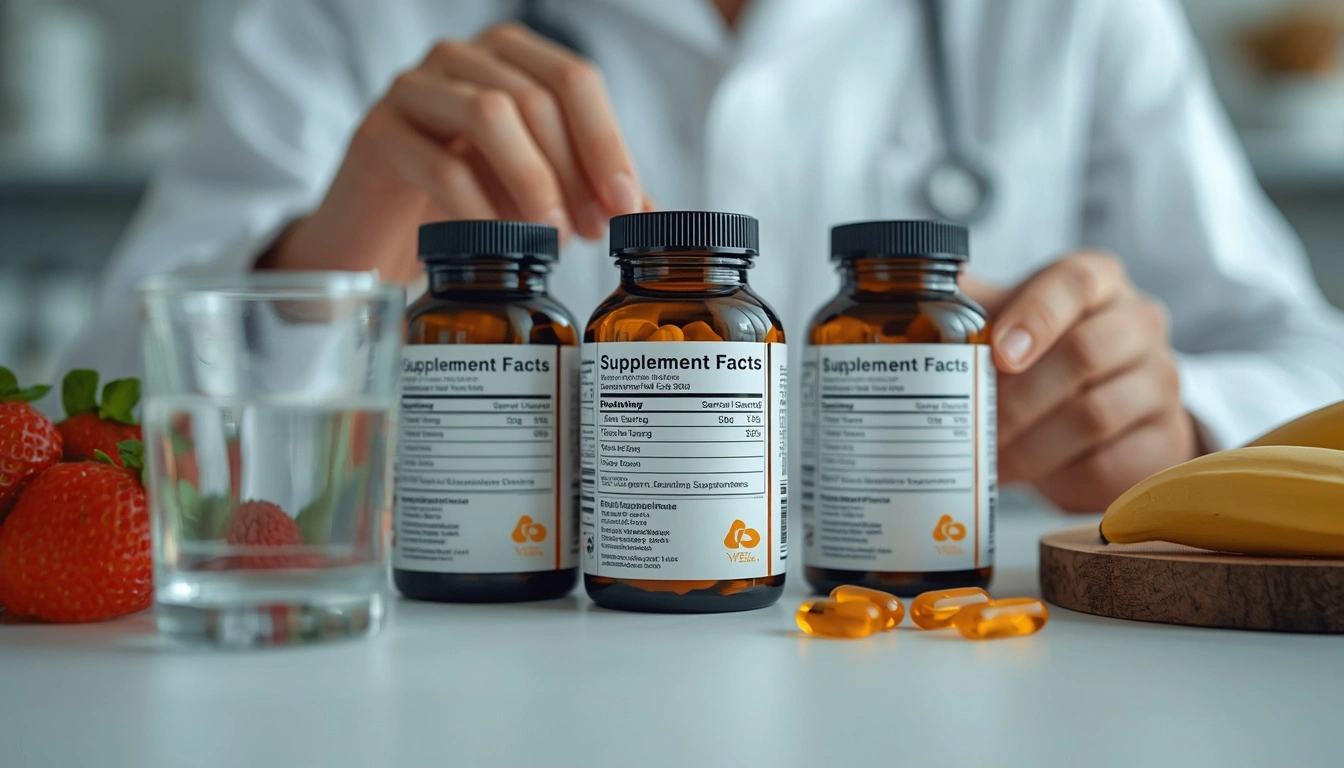
Not all supplements are created equal. Two products with similar labels may differ significantly in ingredient quality, purity, potency, and manufacturing practices.
Choosing a trusted vitamin and mineral supplement begins with understanding what separates high-quality products from lower-quality alternatives.
Before purchasing any supplement, read the ingredient list carefully.
Look for products that contain:
Always review the Supplement Facts panel to understand serving size, nutrient amounts, and percentage of Daily Value. Products with straightforward ingredient lists are often easier to evaluate.
Avoid assuming that higher doses are automatically better. More isn’t always beneficial, and excessive intake of certain vitamins or minerals can be harmful.
Independent quality testing provides additional confidence that a supplement contains what the label claims.
Third-party organizations evaluate supplements for:
When comparing products, look for certifications such as USP Verified dietary supplements or other recognized quality programs. Some premium manufacturers also produce pharmaceutical grade supplements, which typically follow stricter manufacturing and quality-control standards.
Although certification does not guarantee that a supplement is right for everyone, it can help consumers identify products that meet higher quality benchmarks.
Choosing supplements from reputable companies with transparent manufacturing practices is one of the best ways to support safe and informed supplementation.
Many shoppers come across the term pharmaceutical grade supplements and assume it automatically means a product is superior. While the phrase suggests a high standard of quality, it’s important to understand what it actually means.
Generally, pharmaceutical-grade supplements are manufactured under strict quality-control practices. They often use carefully selected ingredients, rigorous purity testing, and precise manufacturing procedures to help ensure consistency from batch to batch. Some companies also perform additional testing for contaminants such as heavy metals, microbes, and unwanted chemicals.
However, there is no single universally regulated definition of “pharmaceutical grade” for dietary supplements in the United States. Because of this, consumers should avoid relying solely on marketing claims. Instead, evaluate products based on ingredient transparency, manufacturing quality, third-party certifications, and scientific evidence.
High-quality supplements should provide:
Rather than focusing only on premium labels, choose supplements that demonstrate quality through transparency and testing.
One of the most trusted quality indicators available is the USP Verified Dietary Supplements mark.
USP stands for the United States Pharmacopeia, an independent nonprofit organization that develops quality standards for medicines, foods, and dietary supplements.
A product carrying the USP Verified mark has been evaluated to confirm several important factors, including:
While USP verification does not prove that a supplement is effective for every health condition, it provides added confidence regarding quality and consistency.
Consumers can also use reputable online resources and a trusted supplement database to compare products, review ingredients, and verify certifications before making a purchase.
Understanding supplement labels helps you make smarter purchasing decisions.
Every dietary supplement should include a Supplement Facts panel. This label provides valuable information about what’s inside the product.
Pay attention to:
The Daily Value percentage shows how much one serving contributes to the recommended daily intake for most healthy adults. A very high percentage isn’t always better—some nutrients can become harmful in excessive amounts.
Also review the ingredient list carefully. Fewer unnecessary additives often indicate a cleaner product.
Many consumers wonder, mcg vitamins what does it mean?
Supplement labels commonly use several measurement units:
One milligram equals 1,000 micrograms.
For example:
Understanding these units helps prevent accidental overconsumption, especially if you’re taking multiple supplements containing the same nutrient.
Always compare dosages with current Recommended Dietary Allowances (RDAs) or your healthcare provider’s recommendations.

Many shoppers assume natural supplements are automatically safer or more effective than synthetic versions. The reality is more nuanced.
Natural supplements are derived from food, plants, algae, yeast, or other naturally occurring sources. Examples include fish oil, botanical extracts, and certain fermented vitamins.
Synthetic supplements are manufactured through carefully controlled chemical processes that create compounds identical—or very similar—to naturally occurring nutrients.
For most vitamins, your body absorbs natural and synthetic forms similarly, although some nutrients have differences in bioavailability.
For example:
Some consumers also ask, is cholecalciferol synthetic?
Cholecalciferol is vitamin D3. It may come from natural sources such as lanolin or be manufactured using controlled production methods. Both forms can effectively increase vitamin D levels when used appropriately.
Instead of focusing solely on whether a supplement is natural or synthetic, consider:
Botanical dietary supplements contain ingredients derived from plants, herbs, flowers, roots, seeds, or leaves.
Popular botanical ingredients include:
Many people choose natural supplements because they prefer plant-based wellness products. Botanical supplements have a long history of traditional use, but effectiveness varies depending on the specific ingredient and available scientific research.
When selecting botanical dietary supplements, consider:
Keep in mind that “natural” does not always mean risk-free. Some herbs may interact with medications or be unsuitable during pregnancy or certain medical conditions.
If you’re considering herbal suplementos, consult a healthcare professional if you take prescription medications or have chronic health conditions.
One of the most common questions is: Should you take vitamins with food?
The answer depends on the type of vitamin.
Fat-soluble vitamins—including vitamins A, D, E, and K—are absorbed more efficiently when consumed with meals containing healthy fats such as olive oil, avocado, nuts, or eggs.
Water-soluble vitamins—including vitamin C and the B vitamins—can usually be taken with or without food. However, taking them with meals may reduce stomach discomfort for some people.
Minerals such as iron may also have special considerations. Iron is often absorbed better on an empty stomach but may cause stomach irritation. Many people tolerate it better with food.
General recommendations include:
People often ask, how long do vitamin supplements stay in your system?
The answer varies depending on the nutrient.
Water-soluble vitamins such as vitamin C and most B vitamins are not stored extensively. Excess amounts are generally eliminated through urine within hours to days, making regular intake important.
Fat-soluble vitamins behave differently.
These vitamins are stored in body fat and the liver. Their levels may remain elevated for weeks or even months after supplementation.
Several factors influence how long vitamin supplements remain in your body:
Maintaining consistent daily intake is usually more beneficial than taking very large doses occasionally unless prescribed by a healthcare provider.

The best supplement depends on your personal health objectives rather than advertising claims.
For everyday nutritional support, many healthy adults choose one of the best vitamins and supplements that includes:
These nutrients help support normal immune function, energy metabolism, and overall wellness.
If fatigue is related to nutritional deficiencies, certain vitamin supplements may help restore normal function.
Common nutrients involved in energy production include:
Remember that persistent fatigue has many possible causes. Supplements should not replace proper medical evaluation.
Mineral intake is sometimes overlooked, yet it is equally important.
Many adults benefit from focusing on:
Some individuals prefer the best multi mineral products, while others choose a good mineral supplement targeting one specific nutrient based on laboratory testing or healthcare recommendations.
The ideal supplement is one that addresses your actual nutritional needs—not simply the product with the longest ingredient list.
Even high-quality supplements should be used responsibly.
Keep these safety guidelines in mind:
More is not always better. Excessive intake of fat-soluble vitamins or certain minerals can lead to toxicity over time.
Special populations require additional caution.
Pregnant and breastfeeding individuals often have increased nutritional needs, but supplementation should be personalized. Healthcare professionals consider several nursing considerations multivitamin recommendations, including:
Older adults, individuals with kidney or liver disease, and people taking long-term medications may also require customized supplement plans.
The safest approach is to choose supplements based on evidence, individual health status, laboratory testing when appropriate, and guidance from a qualified healthcare professional.
Vitamins and minerals have fascinated scientists for more than a century, and research continues to reveal new insights into how these nutrients support human health. Learning a few interesting fact about vitamins can help you appreciate why a balanced diet remains the foundation of good nutrition.
Here are some fun facts about vitamins:
Among the most important facts about vitamins is that more isn’t always better. Both deficiencies and excessive intake can negatively affect health. Supplements work best when they address genuine nutritional needs rather than replacing a balanced diet.
The supplement market includes thousands of products, making it difficult to know what each ingredient actually does.
Supplement drops are liquid formulations often used for infants, children, older adults, or individuals who have difficulty swallowing pills. Common examples include vitamin D and vitamin B12 drops.
Many consumers purchase plant-based wellness products such as:
You may also encounter products marketed under names such as natural supplements colibrim, but always evaluate the ingredients and supporting scientific evidence rather than relying on branding alone.
A typical multivitamin may include:
Some specialty products also advertise proprietary blends like daily 5 supplement ingredients. Before purchasing, verify the actual nutrient amounts listed on the Supplement Facts panel.
You may come across products or ingredient names such as glucomend, paragon supplement, or bio laden. Since brand formulations can vary, always review ingredient lists, dosage, manufacturer reputation, and available evidence before use.
Many people assume dietary supplements undergo the same approval process as prescription medications, but that’s not how the U.S. regulatory system works.
In general, dietary supplements are not FDA-approved before they are sold. Instead, manufacturers are responsible for ensuring that their products are safe and accurately labeled.
The U.S. Food and Drug Administration (FDA):
For example, consumers often ask, is goli fda approved? Like many dietary supplements, Goli products are not individually FDA-approved before marketing. However, manufacturers are expected to comply with applicable federal regulations and Good Manufacturing Practices (GMP).
To research products:
No single supplement is ideal for everyone.
Consider these examples:
Case 1:
A vegetarian develops fatigue due to vitamin B12 deficiency. Laboratory testing confirms low B12 levels, and targeted supplementation restores normal levels.
Case 2:
An older adult has low vitamin D levels after limited sun exposure. A healthcare provider recommends vitamin D supplementation alongside calcium to support bone health.
Case 3:
A woman planning pregnancy begins folic acid supplementation before conception to reduce the risk of neural tube defects.
These examples illustrate why vitamin and mineral supplement recommendations should be individualized rather than based solely on advertising or social media trends.
Healthcare professionals frequently use real-world vitamin and mineral case studies patient b–style scenarios to emphasize the importance of personalized nutrition, appropriate testing, and evidence-based supplementation.
With thousands of products available, comparing supplements can feel overwhelming. A simple checklist can help narrow your options.
✔ Choose products from reputable manufacturers.
✔ Look for transparent ingredient lists.
✔ Select clinically researched nutrients when available.
✔ Verify appropriate dosages instead of extremely high amounts.
✔ Prefer products tested by independent organizations.
✔ Consider USP Verified dietary supplements when available.
✔ Review manufacturing standards, including GMP compliance.
✔ Compare ingredient quality rather than price alone.
✔ Avoid unnecessary artificial colors, fillers, or proprietary blends that don’t disclose ingredient amounts.
✔ Choose supplements based on your personal nutritional needs—not current trends.
The best vitamins and supplements are those that combine quality ingredients, appropriate dosages, evidence-based formulations, and reliable manufacturing practices. In some situations, pharmaceutical grade supplements or independently tested products may provide additional confidence regarding quality and consistency.
The table below summarizes common nutrients, general adult recommendations, food sources, supplement forms, and suggested timing. Individual needs vary based on age, sex, pregnancy, medical conditions, and healthcare guidance.
| Nutrient | General Daily Intake* | Best Food Sources | Common Supplement Form | Best Time to Take |
| Vitamin D | 600–800 IU | Fatty fish, fortified milk | Vitamin D3 | With a meal containing fat |
| Vitamin C | 75–90 mg | Citrus fruits, berries, peppers | Ascorbic acid | Morning or with meals |
| B Vitamins | Varies | Whole grains, meat, eggs | B-Complex | Morning |
| Calcium | 1,000–1,200 mg | Dairy, fortified foods | Calcium citrate | Split with meals |
| Magnesium | 310–420 mg | Nuts, legumes, leafy greens | Magnesium glycinate/citrate | Evening |
| Zinc | 8–11 mg | Meat, seafood, beans | Zinc gluconate | With food |
| Omega-3 (if needed) | Varies | Salmon, sardines | Fish oil or algae oil | With meals |
General recommendations vary according to age, sex, and health status.
There isn’t one formula that fits everyone. Many healthy adults benefit from a balanced multivitamin, vitamin D (when intake or sun exposure is low), omega-3s if they rarely eat fish, and other nutrients based on their diet and medical history.
A multivitamin may help fill general nutritional gaps, while individual vitamins are usually more appropriate for treating confirmed deficiencies identified through laboratory testing or medical evaluation.
Look for products with transparent labeling, evidence-based dosages, GMP manufacturing, independent testing, and certifications such as USP Verified when available.
Micrograms (mcg) are a unit of measurement equal to one-thousandth of a milligram (mg). Many vitamins, including vitamin D, vitamin B12, and folate, are measured in micrograms.
Some should. Fat-soluble vitamins A, D, E, and K absorb best with meals containing healthy fats, while many water-soluble vitamins can be taken with or without food unless otherwise directed.
Some pharmaceutical grade supplements follow stricter quality-control standards, but consumers should also consider third-party testing, ingredient transparency, and manufacturer reputation rather than relying solely on marketing terms.
Water-soluble vitamins generally leave the body within days, whereas fat-soluble vitamins may remain stored for weeks or months depending on the nutrient and your overall health.
Not necessarily. Both natural and synthetic supplements can be safe and effective when manufactured properly and used as directed. Product quality, dosage, and individual health needs are more important than whether a nutrient is labeled natural or synthetic.