Physical Address
304 North Cardinal St.
Dorchester Center, MA 02124
Physical Address
304 North Cardinal St.
Dorchester Center, MA 02124


Meditation has become one of the fastest-growing wellness habits in the world, and for good reason. From busy professionals and college students to athletes and retirees, millions of people are discovering that spending just a few quiet minutes each day can improve their mental and physical well-being. If you’ve ever wondered why do people meditate or does meditation really work, you’re not alone. These are some of the most common questions beginners ask before starting their mindfulness journey.
Years ago, meditation was often viewed as a spiritual practice reserved for monks or people seeking enlightenment. Today, modern science tells a different story. Researchers have found that regular meditation may help reduce stress, improve focus, support emotional balance, enhance sleep quality, and even contribute to better overall health. Because of these findings, psychologists, therapists, physicians, and wellness experts increasingly recommend meditation as part of a healthy lifestyle.
If you’re new to meditation, it’s normal to feel overwhelmed. There are many styles, techniques, and opinions online, making it difficult to know where to begin. The good news is that meditation doesn’t require expensive equipment, years of experience, or hours of practice each day. Anyone can start with just a few minutes of focused breathing and gradually build a sustainable habit.
In the simplest sentence of meditation, you could say:
Meditation is the practice of training the mind to become more focused, calm, and aware.
This comprehensive guide explores the benefits of meditation for beginners, explains the science behind mindfulness, and shows how even short daily sessions can positively influence your mind and body. You’ll also learn practical techniques, common beginner mistakes, and helpful resources to support your journey.
Many people believe meditation means “emptying your mind,” but that’s a common misconception. The real purpose isn’t to eliminate thoughts. Instead, meditation teaches you to observe your thoughts without becoming controlled by them.
Thousands of years ago, meditation developed within several cultures as a way to cultivate awareness, compassion, and inner peace. While those traditions remain valuable today, modern research has expanded our understanding of meditation’s practical health benefits.
Meditation is different from simply relaxing on the couch or taking a nap. Relaxation calms the body temporarily, while meditation actively trains the brain to respond differently to stress, emotions, and everyday challenges.
Over time, consistent meditation helps strengthen your attention, emotional resilience, and self-awareness, making daily life feel more manageable.
The purpose of meditation extends beyond stress relief. It helps people build a healthier relationship with their thoughts, emotions, and surroundings.
For many beginners, meditation offers practical daily benefits such as:
Others practice meditation for spiritual growth, gratitude, compassion, or self-discovery. Regardless of your reason, meditation creates an opportunity to slow down and reconnect with yourself.
People often ask about the goal of meditation, expecting a single answer. In reality, the goal varies depending on the individual.
For most beginners, meditation aims to help you:
Instead of chasing perfection, meditation encourages progress through consistent practice.
There are countless reasons why do people meditate, but several motivations appear consistently across scientific studies.
Many people meditate because they want to:
Some beginners wonder, does meditation work or meditation does it work for everyone.
Research suggests meditation isn’t a magic solution, but regular practice can provide meaningful improvements for many people when combined with healthy lifestyle habits.
So, does meditation really work?
Current scientific evidence indicates that mindfulness meditation may help reduce stress hormones, improve emotional regulation, and strengthen attention over time. Results vary between individuals, but consistency matters far more than perfection.
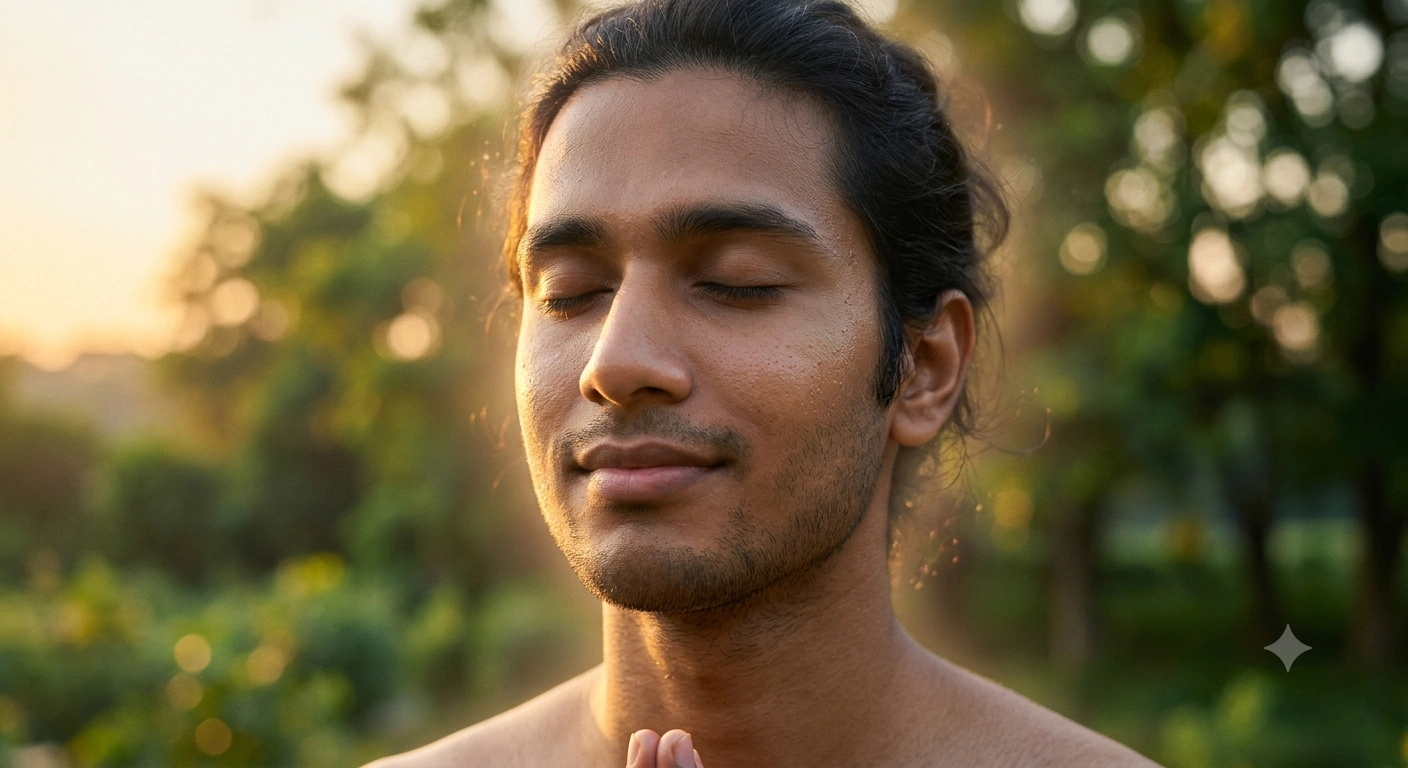
One reason scientists continue studying meditation is because modern brain imaging has revealed measurable changes associated with regular mindfulness practice.
Researchers have discovered that meditation may influence several important brain functions.
One key area is neuroplasticity, the brain’s remarkable ability to adapt and create new neural connections throughout life. Meditation appears to encourage these positive changes by strengthening regions involved in attention, emotional regulation, and self-awareness.
Another important effect involves cortisol, commonly known as the body’s primary stress hormone. Chronic stress keeps cortisol levels elevated, which may contribute to anxiety, poor sleep, fatigue, and reduced immune function. Regular meditation has been associated with healthier cortisol regulation, helping many people feel calmer under pressure.
Studies have also observed increased gray matter density in brain regions responsible for learning, memory, and emotional processing among experienced meditators. While beginners won’t experience dramatic changes overnight, consistent daily practice may gradually support these improvements.
Meditation also activates the parasympathetic nervous system, often called the “rest and digest” system. This helps slow heart rate, relax muscles, improve breathing patterns, and create a greater sense of calm.
These scientific findings explain why meditation has become an increasingly popular recommendation among healthcare professionals.
Now let’s explore the first science-backed benefits.
One of the greatest benefits of meditation for beginners is developing meditation for mental strength.
Mental strength isn’t about ignoring emotions or pretending life is easy. Instead, it involves responding thoughtfully rather than reacting impulsively.
Meditation strengthens this ability by teaching you to pause before responding to stressful situations.
Imagine receiving criticism at work.
Without mindfulness, you might immediately become defensive or anxious.
With regular meditation practice, you’re more likely to recognize your emotional response, take a deep breath, and choose a calmer, more productive reaction.
Scientific studies suggest mindfulness training may improve emotional resilience by strengthening areas of the brain responsible for self-control and emotional regulation.
Over time, beginners often notice:
Mental strength isn’t built overnight, but consistent meditation provides daily opportunities to practice it.
Many beginners expect meditation to make them sleepy.
Surprisingly, many people experience the opposite.
The connection between meditation and energy comes from reducing mental exhaustion rather than providing a temporary caffeine-like boost.
Stress constantly consumes mental resources. Racing thoughts, worry, multitasking, and information overload leave many people mentally drained even when they’ve done little physical activity.
Meditation interrupts this cycle.
By calming the nervous system, your brain spends less energy processing unnecessary stress, leaving more mental capacity for work, creativity, and relationships.
Meditation may also improve sleep quality, allowing your body to recover more effectively overnight.
People who meditate regularly often report:
Instead of stimulating your body artificially, meditation helps restore energy naturally.
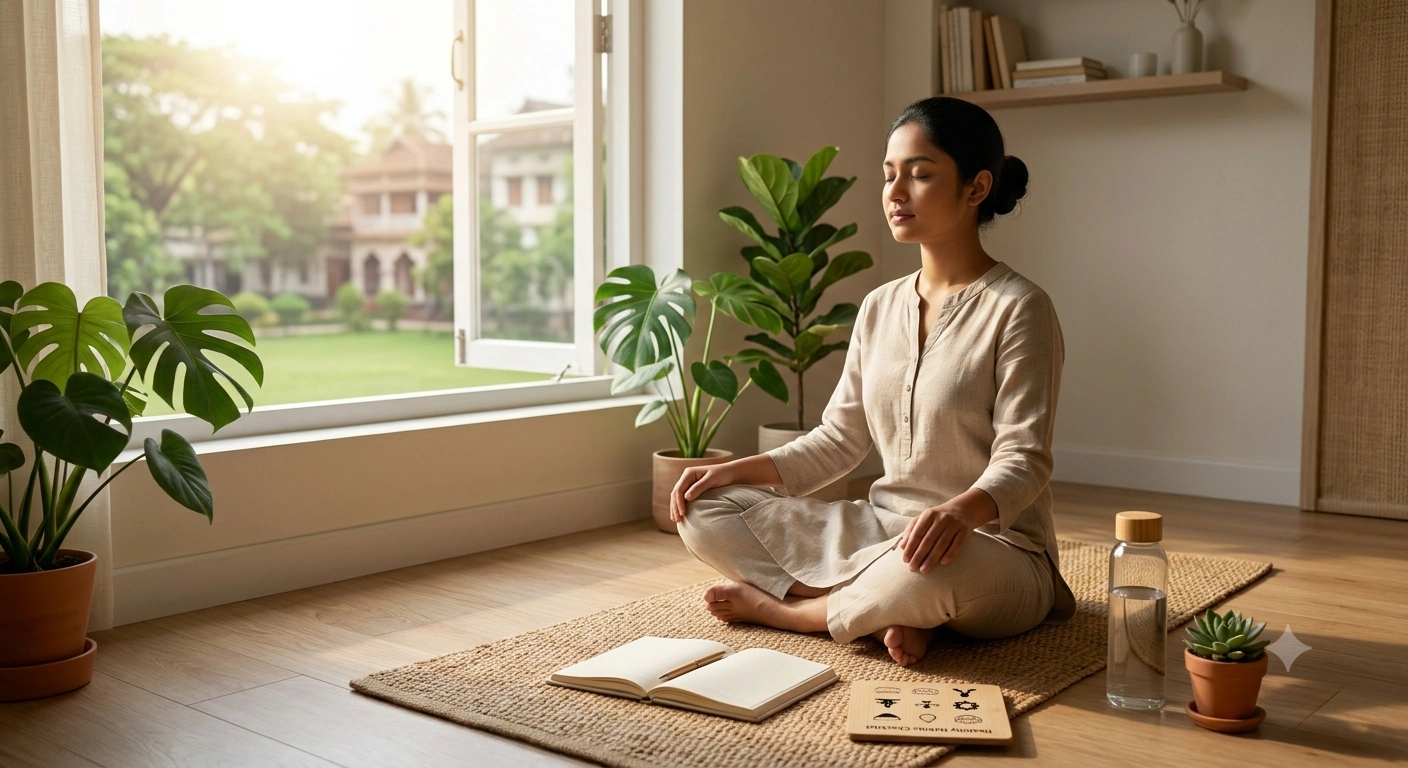
Building new habits isn’t easy.
Whether your goal is exercising consistently, eating healthier, saving money, or limiting screen time, success depends largely on self-discipline.
Fortunately, meditation helps strengthen that internal discipline.
The relationship between meditation and discipline begins with awareness.
Meditation teaches you to notice distractions without immediately acting on them.
For example, during meditation your mind may suddenly think about emails, social media, dinner plans, or tomorrow’s meeting.
Rather than following every thought, you gently return your attention to your breathing.
This simple action—repeated hundreds of times—trains the same mental “muscle” responsible for resisting distractions in everyday life.
Over weeks and months, this practice often carries over into other healthy habits.
People frequently find it easier to:
Closely connected to discipline is meditation and willpower.
Willpower isn’t limitless.
Stress, fatigue, and emotional overload gradually drain it throughout the day.
Meditation helps preserve mental energy by reducing unnecessary emotional reactions.
This allows you to make healthier decisions even during challenging situations.
Beginners often notice improved self-control when facing temptations such as emotional eating, procrastination, excessive phone use, or negative thinking.
The more consistently you meditate, the easier it becomes to choose long-term goals over short-term impulses.
Success means different things to different people. For some, it’s advancing in their career. For others, it’s building stronger relationships, achieving better health, or finding greater peace of mind. One of the lesser-known benefits of meditation for beginners is its potential to support long-term success by improving the mental skills behind good decision-making.
The connection between meditation and success comes from strengthening focus, emotional intelligence, and consistency rather than providing instant results.
Research suggests mindfulness practice may improve:
Imagine beginning your workday with a calm, focused mind instead of feeling overwhelmed by emails and deadlines. A brief meditation session may help you prioritize tasks more effectively and reduce unnecessary stress.
Many entrepreneurs, executives, athletes, and creative professionals include meditation in their daily routines because better mental clarity often leads to better decisions.
Life naturally includes challenges, but meditation may help people respond to them with greater emotional balance.
One important benefit is meditation for mood swings.
Mood fluctuations often result from stress, poor sleep, emotional overload, or daily pressures. Meditation encourages awareness of emotions before they become overwhelming.
Regular practice may help beginners:
While meditation isn’t a replacement for professional mental health treatment, many people find it to be a valuable complement to therapy and healthy lifestyle habits.
The relationship between meditation and happiness is supported by growing scientific evidence.
Rather than creating constant excitement, meditation encourages a deeper sense of contentment.
Daily mindfulness practice often promotes:
People frequently discover they become less reactive to everyday frustrations and more appreciative of small positive moments.
Instead of chasing happiness, meditation helps cultivate it from within.

Starting meditation alone can feel intimidating.
That’s where guided meditation for healing becomes especially helpful.
Guided meditation involves listening to an instructor who gently leads you through breathing exercises, visualization, body awareness, or relaxation techniques.
Guided sessions may support:
Many beginners appreciate guided meditation because it removes the pressure of wondering whether they’re “doing it correctly.”
Popular guided meditation topics include:
Many trusted meditation apps, podcasts, and online videos offer beginner-friendly sessions ranging from 5 to 30 minutes.
Perhaps the most widely recognized benefit is calming meditation.
Stress activates the body’s “fight-or-flight” response, increasing heart rate, muscle tension, and stress hormone production.
Calming meditation helps activate the opposite response—the parasympathetic nervous system.
As your breathing slows, your body begins to relax naturally.
Possible benefits include:
Even five to ten minutes of calm breathing each day can become a valuable reset during busy schedules.
One misconception is that meditation requires sitting silently for an hour.
In reality, a ten minute meditation can be surprisingly effective for beginners.
Minute 1–2
Sit comfortably and notice your breathing.
Minute 3–5
Focus gently on each inhale and exhale.
Minute 6–8
Observe thoughts without judging them.
Minute 9
Practice gratitude by thinking of three positive things.
Minute 10
Take several deep breaths before returning to your day.
This simple routine fits into almost any schedule and may improve focus, patience, and emotional balance throughout the day.
Many beginners discover that consistency matters far more than session length.
For many people, prayer meditation combines mindfulness with personal faith.
Prayer meditation can involve:
This form of meditation is practiced across many cultures and religious traditions.
Whether someone follows Christianity, Islam, Buddhism, Hinduism, Judaism, or another belief system, moments of quiet reflection may strengthen emotional comfort and resilience.
Even individuals without religious beliefs can practice gratitude meditation, which shares many of the same calming principles.
The goal isn’t to force specific thoughts but to create space for peace, hope, and reflection.
One of the most rewarding long-term outcomes of meditation is greater self-awareness.
The idea behind meditation and power isn’t about controlling others.
Instead, it refers to developing inner strength.
Regular meditation may improve:
Over time, many people notice they’re less distracted by unnecessary worries and more focused on meaningful goals.
A common beginner question is during meditation what to think.
The answer is surprisingly simple.
You don’t need to think about anything special.
Instead, gently focus on:
When distracting meditation thoughts appear—and they will—simply notice them without frustration and return your attention to your breathing.
The goal isn’t an empty mind.
The goal is awareness.
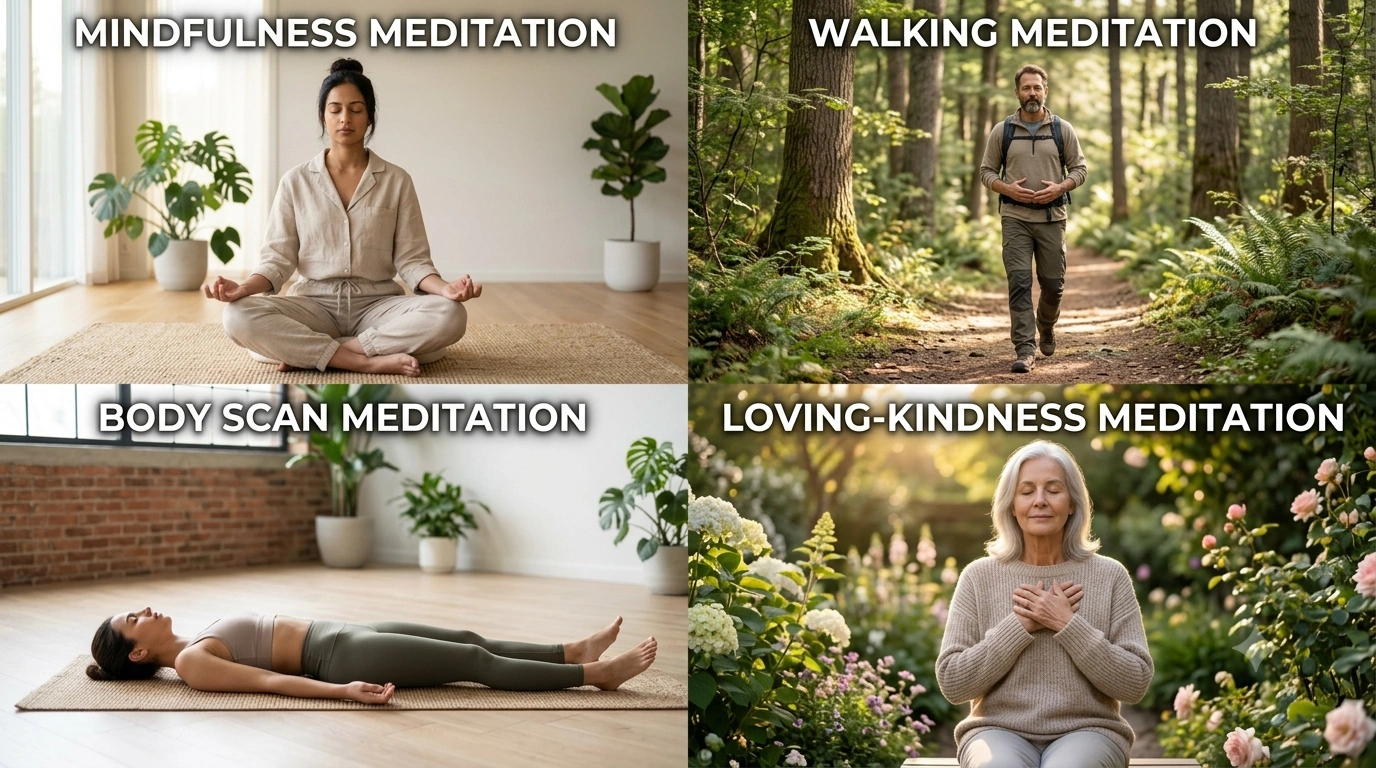
There isn’t just one way to meditate.
Exploring different styles helps you discover what fits your personality and goals.
Several buddhist meditations have influenced modern mindfulness practices.
Popular examples include:
Each emphasizes awareness, compassion, and present-moment attention.
Meditation in Buddhism has been practiced for more than two thousand years.
Its purpose extends beyond relaxation.
Traditional Buddhist meditation encourages wisdom, compassion, mindfulness, and freedom from unnecessary suffering.
Many modern meditation techniques are inspired by these teachings while remaining accessible to people of all backgrounds.
Buddhist mindfulness focuses on paying attention to the present moment without judgment.
This simple practice can be applied throughout daily life.
Examples include:
These small moments gradually strengthen awareness beyond formal meditation sessions.
When people search for meditation Buddha, they’re often interested in the teachings of Siddhartha Gautama, commonly known as the Buddha.
His teachings emphasized:
Modern mindfulness programs borrow many of these principles while presenting them in a secular, science-supported format suitable for beginners.
One of the biggest misconceptions about meditation is that it only happens while sitting quietly with your eyes closed. In reality, mindfulness can become part of your everyday routine. The benefits of meditation for beginners become even more noticeable when you apply mindfulness to daily activities such as eating, walking, working, or even having conversations.
The goal isn’t to escape life—it’s to become more present while living it.
Some wellness enthusiasts combine meditation in sauna sessions with mindful breathing. The warm environment may help relax muscles and reduce tension, making it easier to focus. However, meditation in a sauna isn’t suitable for everyone.
If you choose to try it:
Many people also explore fasting and meditation together because both encourage greater awareness and self-discipline.
Some practitioners report improved mental clarity during short fasting periods. However, fasting affects everyone differently. If you feel weak, dehydrated, or unable to concentrate, prioritize your health and stop fasting if necessary.
Beginners should avoid combining extended fasting with long meditation sessions until they understand how their body responds.
You may hear stories about people meditating for days during silent retreats. While these experiences can be meaningful for experienced practitioners, they’re not necessary for beginners.
Most experts recommend starting with:
Remember, consistency always beats intensity.
Every beginner experiences obstacles. Fortunately, they’re completely normal.
Many newcomers think meditation boring after only a few sessions.
Usually, this happens because of unrealistic expectations.
People often expect:
Meditation rarely works that way.
Instead, it’s like exercising a muscle. Progress happens gradually through repetition.
If meditation feels boring:
Most people notice the biggest improvements after several weeks of regular practice.
Questions about meditation and spirits often appear online.
Different cultures and religions interpret meditation differently.
From a scientific perspective, meditation primarily influences:
Some individuals describe deeply spiritual experiences, while others simply enjoy feeling calmer and more focused.
Both experiences are personal and deserve respect.
There is no scientific evidence that meditation automatically causes supernatural experiences, but personal beliefs vary widely.
If you’re wondering how to meditate properly, remember that simplicity is usually best.
A basic beginner routine looks like this:
Don’t worry about doing everything perfectly.
Progress comes from regular practice.
These interesting mindfulness facts for social media posts also highlight why meditation has become so popular worldwide.
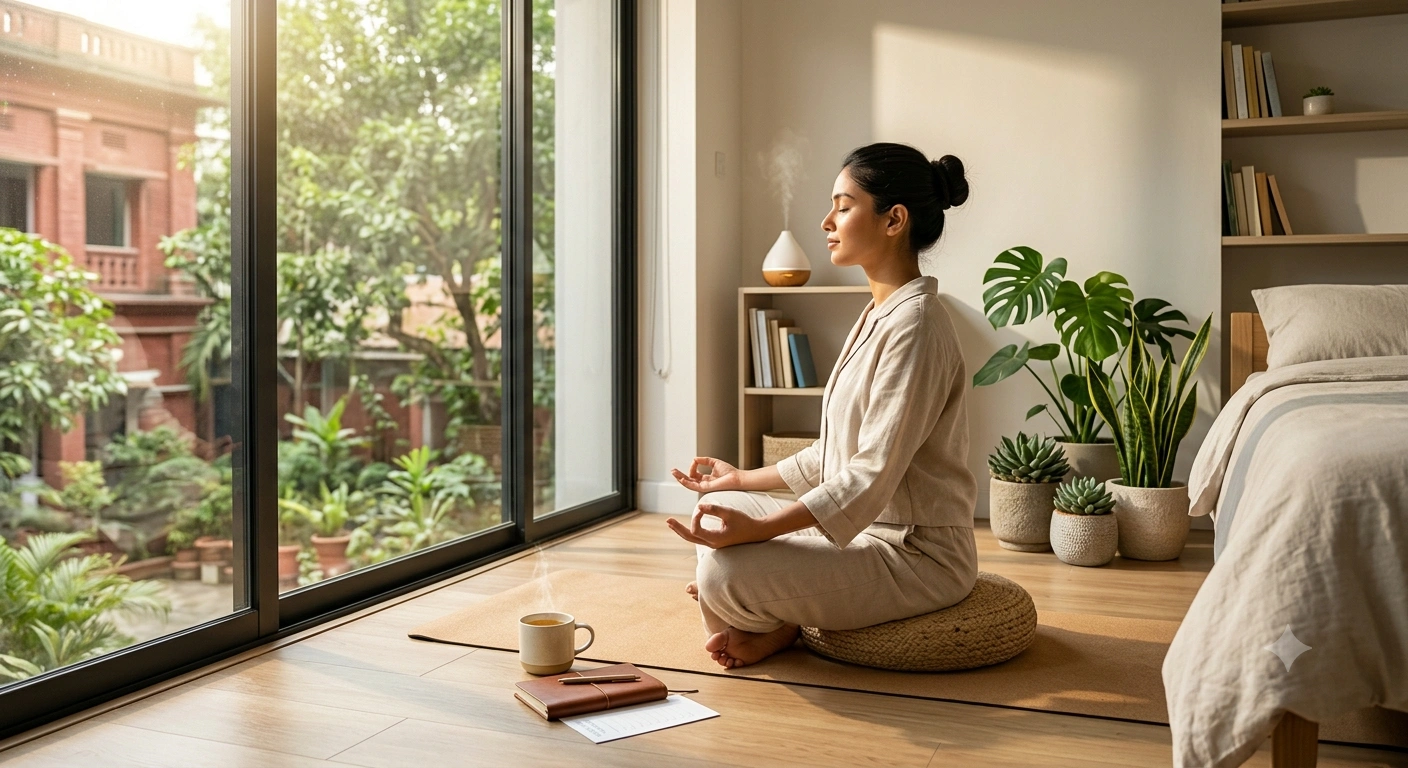
Creating a routine is one of the easiest ways to experience the long-term benefits of meditation for beginners.
Perfect for complete beginners.
Ideal after you’ve practiced consistently for a week or two.
Suitable for people ready to deepen their practice.
Monday–Friday
10 minutes every morning
Saturday
20-minute guided meditation
Sunday
Mindful walk plus gratitude meditation
The best routine is the one you’ll actually maintain.
Although meditation requires nothing more than your attention, beginner-friendly tools can make learning much easier.
Look for apps that include:
Compare free and premium versions before subscribing to determine which features match your goals.
A quality cushion supports better posture and makes longer sessions more comfortable.
Helpful for meditation, stretching, and gentle yoga practice.
A dedicated timer prevents you from checking your phone repeatedly during meditation.
Excellent for guided meditation in noisy environments.
Many beginner-friendly mindfulness books explain meditation step by step and include practical daily exercises. Choose books written by experienced meditation teachers or mental health professionals.
Before purchasing any meditation products, compare reviews, features, durability, comfort, and overall value to find the option that best fits your needs and budget.
Research suggests meditation can reduce stress, improve attention, support emotional regulation, and enhance overall well-being when practiced consistently. Results vary from person to person.
The point of meditation is to develop greater awareness, improve focus, reduce stress, and create a healthier relationship with your thoughts and emotions.
The goal isn’t to stop thinking. Instead, meditation helps you become more present, calm, and emotionally balanced.
Focus on your breathing, body sensations, gratitude, or simple awareness. When thoughts arise, notice them without judgment and gently return your attention to your breath.
Many people meditate daily to improve focus, reduce stress, sleep better, strengthen emotional resilience, and maintain overall mental wellness.
Yes. A consistent 10-minute practice can provide meaningful benefits for many beginners. Building a daily habit is more important than meditating for long periods occasionally.
Yes. Regular meditation may strengthen emotional resilience, improve self-control, and help you respond more calmly during stressful situations.
Absolutely. Guided meditation provides clear instructions, making it easier for beginners to stay focused and build confidence.
For most healthy adults, short meditation sessions during light fasting are generally well tolerated. Stay hydrated, pay attention to how you feel, and consult a healthcare professional if you have medical conditions or concerns.
Meditation may increase feelings of gratitude, emotional balance, and overall life satisfaction. While it isn’t a cure for unhappiness, many people report improved well-being with consistent practice.