Physical Address
304 North Cardinal St.
Dorchester Center, MA 02124
Physical Address
304 North Cardinal St.
Dorchester Center, MA 02124


Have you ever told yourself, “I’ll start eating healthier next Monday” or “I’ll begin exercising once life gets less busy”? If so, you’re not alone. Many people want to live healthier lives, but the idea of changing everything at once can feel overwhelming. The good news is that building a healthy lifestyle doesn’t require strict diets, expensive gym memberships, or giving up all your favorite foods.
In reality, lasting health is built through small, consistent choices. Swapping sugary drinks for water, taking a 20-minute walk after dinner, adding more vegetables to your plate, or getting an extra hour of sleep may seem like minor changes, but together they create powerful long-term results.
A healthy lifestyle guide isn’t about perfection—it’s about progress. Whether your goal is to have more energy, improve your nutrition, lose weight, strengthen your immune system, or simply feel better every day, starting with simple habits makes success much more achievable.
This beginner-friendly guide will walk you through the foundations of healthy living habits, balanced nutrition, smart food choices, exercise, and realistic routines that fit into everyday life. You’ll also learn practical nutrition advice that can help you create a beginner healthy routine without feeling restricted.
Remember, every healthier choice you make today is an investment in a stronger, happier, and healthier future.

Many people associate a healthy lifestyle with eating salads every day or spending hours in the gym. While nutrition and exercise are certainly important, true health is much broader than that.
A healthy lifestyle guide focuses on taking care of your body and mind through daily habits that improve your overall well-being. It’s about making choices that help you feel your best—not chasing unrealistic standards.
So, what does it really mean to be healthy?
A healthy lifestyle combines physical health, mental wellness, balanced nutrition, quality sleep, regular movement, and positive daily habits. These elements work together to support long-term health and reduce the risk of chronic diseases.
Let’s break these areas down.
Physical health is often the first thing people think about when discussing wellness.
Maintaining a healthy body doesn’t require becoming an athlete. Instead, it means giving your body the movement, nourishment, and care it needs to function properly.
Some signs of good physical health include:
Regular exercise is one of the most effective ways to improve physical health.
You don’t have to spend hours at the gym to experience benefits. Activities like walking, cycling, swimming, dancing, or even gardening can improve heart health, strengthen muscles, and boost overall fitness.
For beginners, aiming for at least 150 minutes of moderate physical activity each week is a realistic and sustainable goal.
Good health isn’t only about your body.
Your emotional and mental well-being affect almost every aspect of your life, including your eating habits, motivation, sleep quality, and relationships.
Stress, anxiety, and lack of sleep can make healthy choices much harder.
Supporting mental wellness may include:
Even five to ten minutes of deep breathing or meditation each day can help reduce stress levels and improve focus.
Remember, asking for professional help when you’re struggling with your mental health is also part of living a healthy lifestyle.
Food is the fuel your body uses every single day.
Healthy nutrition isn’t about eliminating every treat or following restrictive diets.
Instead, it’s about eating balanced meals that provide the nutrients your body needs to perform its best.
Healthy meals generally include:
Choosing nutrient-rich foods most of the time supports better energy, stronger immunity, healthier digestion, and improved overall wellness.
One unhealthy meal won’t ruin your health, just as one healthy meal won’t transform it overnight.
Consistency matters far more than perfection.
The choices you make every day have a greater impact than occasional big efforts.
Simple habits like:
may seem small individually, but together they create lasting improvements.
Healthy people aren’t perfect—they’re simply consistent.
One common misconception is that living healthy means never eating dessert or always choosing the “perfect” meal.
That’s simply not true.
A balanced lifestyle allows room for celebrations, vacations, family dinners, and occasional treats without guilt.
Healthy eating isn’t about strict rules.
It’s about making good choices most of the time.
This balanced approach makes healthy habits easier to maintain for years rather than just a few weeks.
Many people wonder how to know your healthy beyond looking at the number on a scale.
While weight can provide some information, it’s only one piece of the puzzle.
Signs of good health often include:
Regular checkups with your healthcare provider can also help monitor important health markers and catch potential issues early.
Being good and healthy isn’t about achieving perfection—it’s about continuously making choices that support your physical and mental well-being.
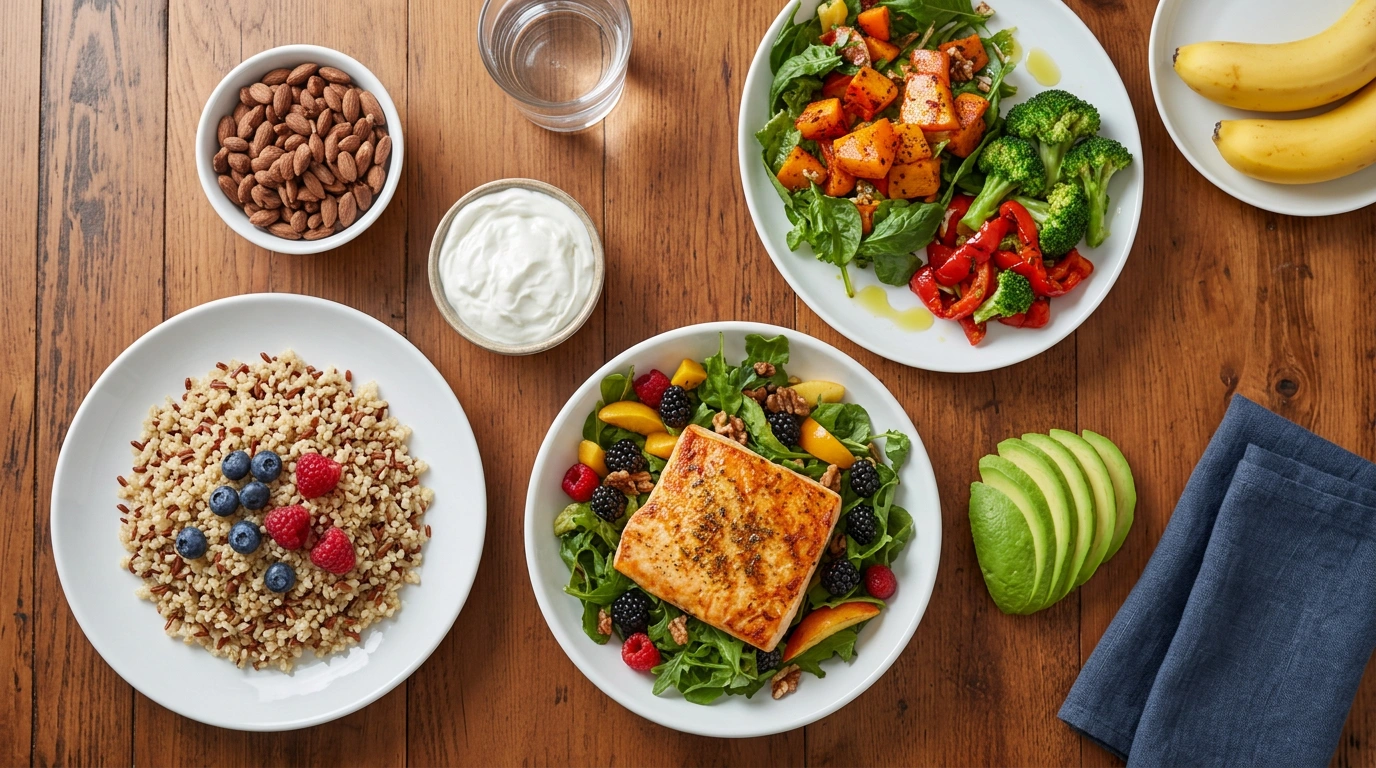
Nutrition can seem confusing when you’re first starting.
One day carbohydrates are labeled as unhealthy. The next day fats are getting the blame. Social media is full of conflicting advice, making it difficult to know what to believe.
Fortunately, the principles of nutrition are much simpler than many headlines suggest.
Good nutrition focuses on giving your body the right balance of nutrients to support growth, energy, recovery, and overall health.
Think of your body like a car.
A high-performance vehicle won’t run well on poor-quality fuel, and neither will your body.
Understanding Nutrition 101 can help you make informed food choices without following restrictive trends.
Macronutrients are nutrients your body needs in relatively large amounts.
There are three primary macronutrients.
Protein is essential for:
Excellent protein sources include:
Including protein with each meal can improve satiety and help preserve muscle during weight loss.
Carbohydrates often receive unnecessary criticism.
In reality, they’re your body’s preferred source of energy.
Healthy carbohydrate choices include:
Rather than avoiding carbohydrates completely, focus on choosing whole, minimally processed options.
Dietary fat plays an important role in overall health.
Healthy fats support:
Good sources include:
The key is choosing healthy fats in appropriate portions.
While needed in smaller amounts, micronutrients are just as important.
They include:
Vitamins help support:
Important minerals include:
These nutrients help regulate muscle contractions, nerve function, hydration, and many other essential processes.
Antioxidants protect your body’s cells from damage caused by free radicals.
Foods rich in antioxidants include:
Eating a variety of colorful fruits and vegetables naturally increases antioxidant intake.
Balanced nutrition supports nearly every system in your body.
Benefits include:
Instead of searching for the “perfect” diet, focus on eating a variety of whole foods that work together to nourish your body.
Many nutrition experts refer to this concept as shaping nutrition—building eating habits that fit your lifestyle while meeting your body’s needs.
Reliable food databases like FoodStruct can also help you compare the nutritional value of different foods if you want to make more informed choices.
One of the most common beginner questions is:
The simple answer is that nutrients provide the energy and building blocks your body needs to survive and thrive.
Every cell, organ, and tissue depends on nutrients to function properly.
Your body needs nutrients because they:
For example, after a workout, protein helps repair tiny muscle fibers, carbohydrates replenish energy stores, and healthy fats support hormone production. Without these nutrients, your body would struggle to recover and perform everyday functions.
Rather than thinking of food as simply calories, think of it as information your body uses to build, repair, and protect itself.
When you consistently choose nutrient-rich foods, you’re giving your body the tools it needs to stay strong, energized, and resilient.
Knowing what to eat is one thing—turning that knowledge into daily habits is another.
A practical guide to good food starts with small, manageable changes instead of completely overhauling your diet overnight.
Rather than focusing on what you should avoid, begin by adding more nutritious foods to your meals.
Aim to include:
At the same time, gradually reduce foods that offer lots of calories but few nutrients, such as:
This doesn’t mean you can never enjoy pizza, burgers, or dessert. A balanced lifestyle allows room for favorite foods while making healthier choices most of the time.
Many people discover that when they consistently eat yourself healthy food to change your life, they notice improvements in energy, digestion, mood, and overall well-being within just a few weeks.
Choosing foods that are both healthy but good in taste makes healthy eating much easier to maintain over the long term.
One of the most important skills you can develop is recognizing the difference between healthy and unhealthy food choices.
Healthy foods are generally closer to their natural state and provide vitamins, minerals, fiber, protein, and healthy fats.
Examples include:
Less nutritious foods often contain large amounts of added sugar, refined grains, unhealthy fats, and sodium.
Examples include:
However, remember that nutrition isn’t about labeling foods as strictly “good” or “bad.” The healthiest eating pattern is one that emphasizes whole, nutrient-dense foods while allowing occasional treats in moderation.
Learning to make good food choices consistently is far more effective than trying to eat perfectly every day.
Healthy eating isn’t about memorizing hundreds of nutrition facts or following the latest food trends. It’s about making informed decisions every time you shop, cook, or order a meal.
Many people improve their health simply by making one better choice at a time. For example, choosing grilled chicken instead of fried, drinking water instead of soda, or adding a serving of vegetables to dinner may seem small, but these habits add up over weeks and months.
Making smart food choices becomes easier when you have a simple system to follow.
One of the easiest ways to improve your diet is by reading nutrition labels before buying packaged foods.
Pay attention to:
Calories provide energy, but they should come from nutritious foods whenever possible.
Two products may contain the same number of calories, yet one may provide far more vitamins, minerals, fiber, and protein than the other.
Protein helps maintain muscle, supports recovery, and keeps you feeling full longer.
Choose foods that contain a good amount of protein, especially for breakfast and lunch.
Many packaged foods contain hidden sugars—even products marketed as “healthy.”
Compare labels and choose options with less added sugar whenever possible.
A simple ingredients list is often a good sign.
Foods made with recognizable, whole-food ingredients are generally healthier than products filled with artificial additives and preservatives.
A common nutrition question is:
What information should be considered when making smart food choices?
The answer involves looking beyond calories alone.
Consider:
For example, if you’re physically active, your nutrition needs may differ from someone with a sedentary lifestyle. Likewise, someone managing diabetes or high blood pressure may need to pay closer attention to carbohydrates or sodium.
Understanding your daily food consumption patterns can also help you identify opportunities to improve your eating habits.
Instead of asking only, “What do you eat?”, ask yourself, “Is this meal helping my body stay healthy and energized?”
Making thoughtful healthy food choices consistently is one of the most effective ways to improve your overall health.
Grocery shopping without a list often leads to impulse purchases.
Before heading to the store:
Most of your cart should include:
Planning ahead saves money while making healthy eating much easier.
Preparing meals at home gives you greater control over ingredients, portion sizes, and cooking methods.
Simple cooking techniques include:
Cooking doesn’t have to be complicated.
Even basic meals made from whole ingredients are often healthier than heavily processed restaurant foods.
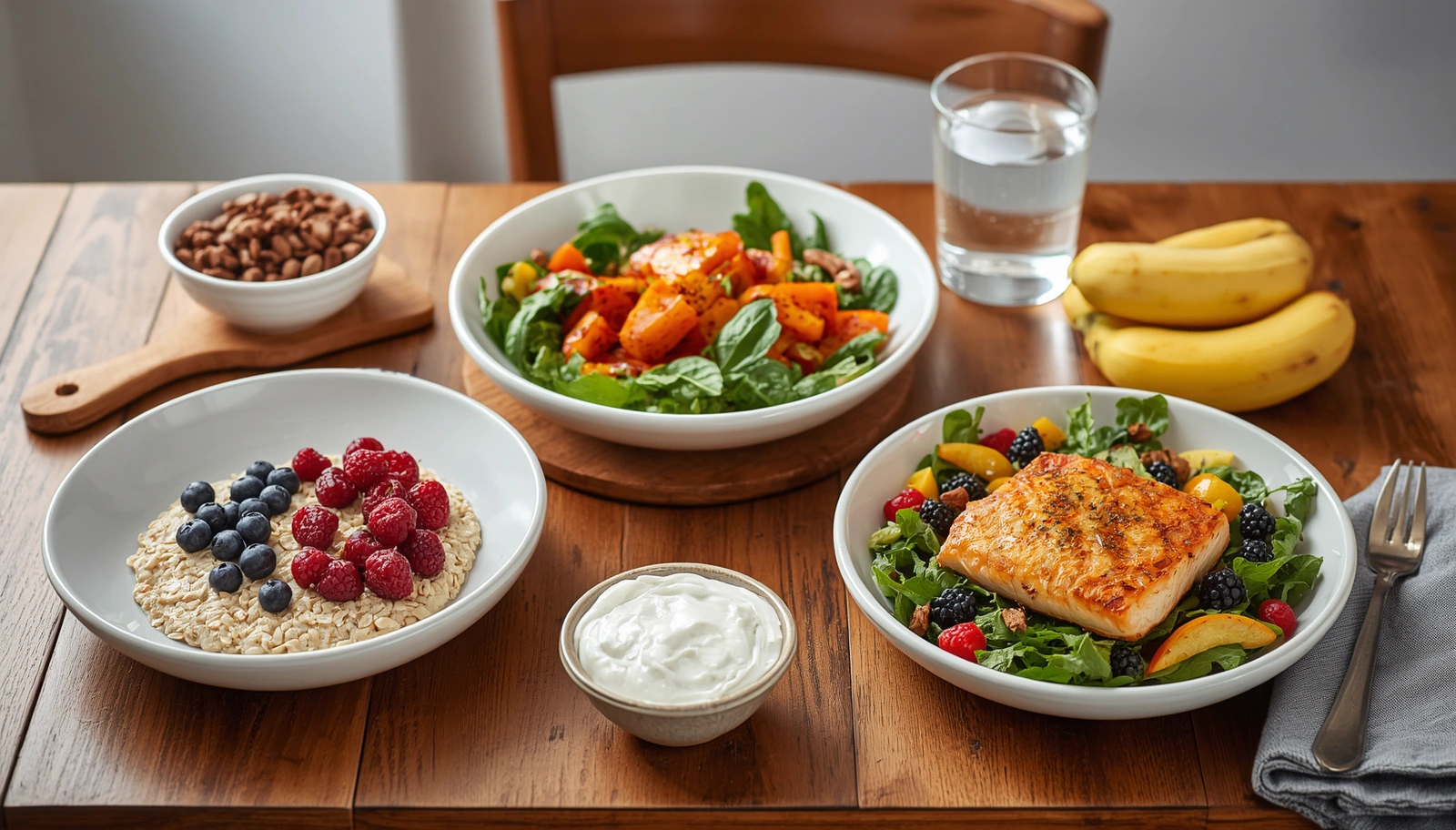
One of the most common questions families ask every day is:
The answer doesn’t need to be complicated.
Aim to build meals around lean protein, vegetables, whole grains, and healthy fats.
Here are a few beginner-friendly ideas.
Starting your day with a balanced breakfast helps provide steady energy and may reduce cravings later in the day.
Healthy ideas include:
Lunch should keep you satisfied without leaving you feeling sluggish.
Options include:
The healthy tuna fish sandwich is a great choice because it provides lean protein, heart-healthy fats, and fiber when made with whole-grain bread and fresh vegetables.
Dinner doesn’t need to be heavy to be satisfying.
Try meals such as:
When hunger strikes between meals, choose snacks that combine protein and fiber.
Examples include:
Small, balanced snacks help maintain energy while preventing overeating during meals.
Many people begin their health journey feeling motivated, only to lose momentum after a few weeks.
One reason is the lack of clear goals.
Having specific nutrition goals provides direction and helps transform good intentions into lasting habits.
Rather than saying,
“I want to eat healthier,”
set measurable goals that you can track.
Examples include:
Specific goals are easier to achieve than vague resolutions.
Well-defined goals help you:
Even small achievements create momentum.
Successfully drinking more water for one week may encourage you to improve another habit the following week.
No one eats perfectly every day.
Birthdays, vacations, holidays, and special events are all part of life.
Healthy living means returning to your routine afterward rather than giving up entirely.
Progress always beats perfection.
Many people set goals that are far too ambitious.
Examples include:
These goals often become difficult to maintain.
Instead, successful healthy eating goals focus on gradual improvement.
Choose one habit to improve first.
Examples include:
Once that habit becomes automatic, build another one.
Meal planning reduces stress and helps prevent unhealthy last-minute decisions.
Even planning just three or four dinners each week can make a big difference.
You don’t need to count every calorie forever.
Simple tracking methods include:
Seeing progress helps maintain motivation.
Completely banning favorite foods often increases cravings.
Instead, practice moderation.
Enjoy treats occasionally while making nutritious foods the foundation of your eating pattern.
A flexible healthy eating plan is much easier to maintain over time.
Healthy lifestyle changes happen gradually.
Celebrate achievements like:
These victories build confidence and encourage long-term consistency.
Many people begin eating healthier because they want to lose weight.
While weight management is an important benefit, nutritious food influences nearly every aspect of your health.
The phrase “eat yourself healthy food to change your life” isn’t just a slogan.
Food truly affects how you feel physically and mentally.
Balanced meals provide steady energy throughout the day.
Instead of experiencing afternoon crashes from sugary snacks, whole foods help maintain more consistent energy levels.
Research suggests that nutritious eating patterns may support mental well-being.
Foods rich in omega-3 fats, whole grains, fruits, vegetables, and lean proteins help provide nutrients the brain needs to function effectively.
Fiber-rich foods promote healthy digestion and support beneficial gut bacteria.
Excellent sources include:
Healthy digestion contributes to overall wellness.
Nutritious foods are generally more filling than highly processed foods.
As a result, you naturally consume fewer calories while feeling satisfied.
This makes maintaining a healthy weight much easier over time.
Your immune system depends on vitamins, minerals, antioxidants, protein, and healthy fats.
Eating a variety of colorful whole foods supports your body’s natural defenses.
Many beginners worry that healthy meals will be boring.
Fortunately, that’s far from the truth.
Fresh herbs, spices, citrus, garlic, and healthy cooking methods can make nutritious meals incredibly flavorful.
Healthy eating isn’t about giving up delicious food.
It’s about discovering meals that are both healthy but good enough to enjoy regularly.
Being good and healthy becomes much easier when your meals are satisfying, colorful, and enjoyable.
One of the biggest nutrition questions isn’t only what to eat.
It’s also how much.
Portion size plays a major role in overall food consumption and long-term health.
Even healthy foods can contribute to excess calorie intake if portions become too large.
Your body naturally tells you when it needs food.
Learn to recognize the difference between:
Eating because you’re truly hungry often leads to healthier decisions.
Helpful strategies include:
These habits help prevent overeating without requiring strict calorie counting.
Mindful eating means paying attention during meals.
Try to:
This simple habit often improves satisfaction while reducing unnecessary calories.
There isn’t one perfect amount of food for everyone.
Your needs depend on factors such as:
Instead of comparing yourself with others, focus on building eating habits that support your own health.
The better question isn’t simply “What do you eat?”
It’s:
“Am I eating enough nutritious foods to support my body while avoiding unnecessary excess?”
Finding that balance is one of the most valuable skills you can develop on your journey toward lifelong health.
Starting a healthier lifestyle is exciting, but it’s also easy to fall into habits that slow your progress. Many beginners expect immediate results or try to change everything overnight. Unfortunately, these approaches often lead to frustration rather than long-term success.
The good news is that most mistakes are easy to avoid once you understand what truly works.
One of the biggest beginner mistakes is believing that the fastest diet will produce the best results.
Very restrictive diets may lead to quick weight loss at first, but they are often difficult to maintain. They can also increase the risk of nutrient deficiencies, fatigue, muscle loss, and weight regain.
Instead of eliminating entire food groups, focus on eating balanced meals that include lean protein, whole grains, fruits, vegetables, and healthy fats.
A sustainable eating pattern will always outperform a short-term crash diet.
Some people think eating fewer meals automatically leads to weight loss.
In reality, skipping meals often causes excessive hunger later in the day, making overeating much more likely.
Regular, balanced meals help maintain energy levels and support healthy eating habits.
If your schedule is busy, prepare simple meals or healthy snacks ahead of time so you always have nutritious options available.
Carbohydrates have gained an unfair reputation over the years.
While highly processed carbohydrates should be limited, healthy carbohydrate sources provide important nutrients and energy.
Good choices include:
Completely avoiding carbohydrates isn’t necessary for most people.
Focus on choosing high-quality carbohydrates in appropriate portions.
Protein plays an essential role in maintaining muscle, supporting recovery, and helping you feel satisfied after meals.
Without enough protein, you may feel hungrier throughout the day and struggle to maintain muscle during weight loss.
Include quality protein sources such as:
Adding protein to each meal is one of the simplest improvements you can make.
Many beginners become discouraged when they don’t see dramatic changes within the first few weeks.
Healthy lifestyle improvements happen gradually.
Some benefits—such as better sleep, improved mood, and increased energy—often appear before significant changes on the scale.
Instead of chasing rapid results, focus on building habits you can maintain for years.
Consistency always beats perfection.

Living a healthy lifestyle isn’t about following strict rules for a few weeks. It’s about creating routines that become part of your everyday life.
The best nutrition advice focuses on consistency rather than perfection.
Meal preparation saves time, reduces stress, and makes healthy eating much easier.
You don’t need to prepare every meal for the week.
Even cooking extra portions for tomorrow’s lunch can help reduce reliance on fast food or processed snacks.
Simple meal-prep ideas include:
Having healthy foods ready makes better decisions easier.
Water supports digestion, circulation, temperature regulation, and overall body function.
Sometimes thirst is mistaken for hunger.
Keeping a reusable water bottle nearby can help you stay hydrated throughout the day.
A practical goal for many adults is to drink water consistently throughout the day, adjusting intake based on activity level, climate, and individual needs.
Exercise doesn’t have to be complicated.
Activities like:
all contribute to better health.
Choose activities you genuinely enjoy because you’re more likely to stick with them over the long term.
Sleep is often overlooked, yet it’s one of the most important pillars of health.
Adults generally benefit from 7–9 hours of quality sleep each night.
Good sleep supports:
Creating a consistent bedtime routine can significantly improve sleep quality.
Stress is a normal part of life, but chronic stress can affect eating habits, sleep, and overall health.
Healthy stress-management strategies include:
Finding healthy ways to manage stress makes maintaining good habits much easier.
One of the most valuable pieces of nutrition advice is to avoid trying to change everything at once.
Instead, build one habit at a time.
For example:
Week 1:
Drink more water.
Week 2:
Add vegetables to lunch.
Week 3:
Walk for 20 minutes after dinner.
Week 4:
Improve your breakfast.
Small habits eventually become automatic.
That’s how lasting lifestyle improvement happens.

Starting a healthier life doesn’t have to be complicated.
Use this simple checklist as a daily reminder of the habits that matter most.
Think of this checklist as a roadmap rather than a set of strict rules.
Missing one day doesn’t mean you’ve failed. Simply return to your healthy habits at the next opportunity.
Start with small, manageable changes. Improve your food choices, add regular physical activity, drink more water, prioritize sleep, and build healthy daily routines one habit at a time. Small, consistent improvements lead to lasting results.
A balanced daily menu should include vegetables, fruits, lean protein, whole grains, and healthy fats.
For example:
Breakfast: Oatmeal with berries and Greek yogurt
Lunch: Grilled chicken salad or a healthy tuna fish sandwich on whole-grain bread
Dinner: Baked salmon, roasted vegetables, and brown rice
Healthy meals don’t have to be complicated—they simply need to provide balanced nutrition.
A healthy diet:
If you feel energized, maintain healthy eating habits, and meet your nutritional needs, you’re moving in the right direction.
The basic principles of nutrition include:
These principles form the foundation of lifelong healthy eating.