Physical Address
304 North Cardinal St.
Dorchester Center, MA 02124
Physical Address
304 North Cardinal St.
Dorchester Center, MA 02124

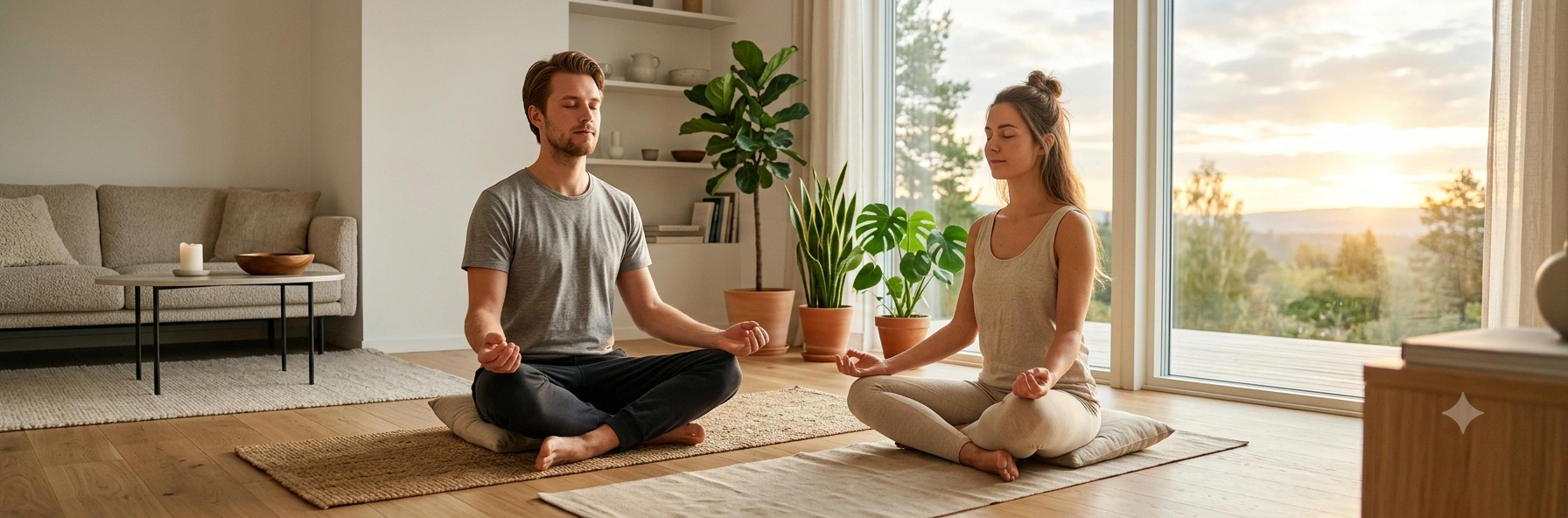
Life moves fast. Between work, school, family responsibilities, social media, and constant notifications, it’s easy to feel mentally exhausted. That’s one reason mindfulness meditation for beginners has become one of the fastest-growing wellness practices around the world. More people are discovering that spending just a few minutes each day in quiet awareness can improve focus, reduce stress, and create a greater sense of balance.
If you’re new to meditation, you may wonder where to start. You might think meditation requires sitting perfectly still for an hour, clearing every thought from your mind, or buying expensive equipment. The truth is much simpler. Meditation for beginners is about learning to pay attention to the present moment without judging yourself. You don’t need to be an expert, follow a specific religion, or own special accessories to begin.
Many beginners struggle because they expect instant results. After just one session, they may think they’re “doing it wrong” because their mind keeps wandering. In reality, wandering thoughts are completely normal. Learning to meditate is a skill, just like learning to play an instrument or exercising your muscles. Every practice session strengthens your ability to stay present.
This comprehensive guide to meditation explains everything you need to know before getting started. You’ll discover how mindfulness works, why science supports meditation, how to build a simple daily habit, the best beginner-friendly meditation techniques, common mistakes to avoid, and practical tools that can make your journey easier.
Along the way, you’ll also learn about useful resources such as guided meditation apps, beginner-friendly books, meditation cushions, yoga mats, and mindfulness journals. While these accessories can enhance your experience, remember that the most important tool is your willingness to practice consistently.
Whether your goal is reducing stress, improving concentration, sleeping better, managing anxiety, or simply becoming more present in everyday life, this meditation guide for beginners will help you take your first confident steps toward mindfulness for beginners and build a healthy habit that supports mindfulness for life.
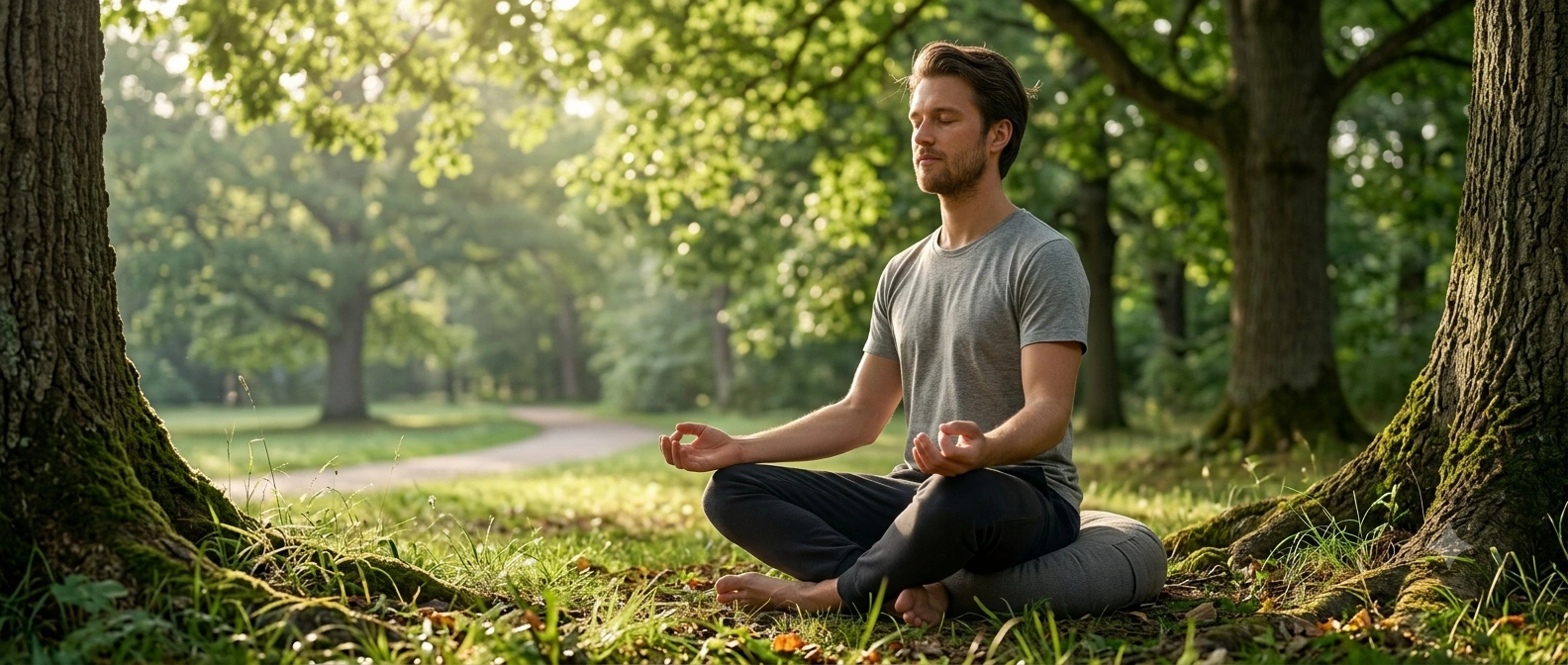
At its core, mindfulness meditation is the practice of paying full attention to the present moment. Instead of worrying about yesterday or planning tomorrow, you gently focus on what is happening right now—your breathing, body sensations, emotions, or surroundings.
A simple introduction to mindfulness begins with one idea: notice your experience without trying to change it. When thoughts appear, you don’t fight them or judge yourself. Instead, you acknowledge them and gently return your attention to your breath or another point of focus.
This approach trains the brain to become more aware, calm, and emotionally balanced over time.
People often ask, what does it mean to practice mindfulness? It means intentionally bringing your attention to the present with curiosity and acceptance. Whether you’re drinking coffee, walking outside, or listening to someone speak, mindfulness encourages you to be fully engaged instead of operating on autopilot.
Although meditation has existed for thousands of years, modern mindfulness has become increasingly popular because scientific research continues to highlight its benefits for mental and physical health. Today, psychologists, healthcare professionals, athletes, business leaders, and educators recommend mindfulness practices to improve well-being.
The purpose of meditation isn’t to stop thinking completely. Instead, meditation helps you develop a healthier relationship with your thoughts. Rather than becoming overwhelmed by stress, worry, or negative emotions, you learn to observe them without immediately reacting.
Many beginners ask, what is the purpose of meditation?
The answer depends on the individual, but common goals include:
Ultimately, the goal of meditation is greater awareness. Instead of living on autopilot, you become more conscious of your thoughts, emotions, and behaviors, allowing you to respond thoughtfully instead of reacting impulsively.
Over time, this creates what many experts call a mindful mindset—a way of living with greater patience, compassion, and clarity.
This transformation has inspired countless books, including the classic The Miracle of Mindfulness, which demonstrates how simple awareness can improve everyday experiences, relationships, and emotional health.
One of the biggest misconceptions beginners have is believing mindfulness and meditation are exactly the same thing. While they are closely connected, they are not identical.
Understanding the difference between mindfulness and meditation makes learning much easier.
Meditation is the structured practice you intentionally set aside time for. You might spend five, ten, or twenty minutes focusing on your breathing, body sensations, or guided instructions.
Mindfulness, on the other hand, is a state of awareness that you can practice throughout your day.
For example:
These are examples of mindfulness even though you’re not formally meditating.
A helpful way to understand the difference between meditation and mindfulness is this:
Think of meditation like going to the gym. During your workout, you strengthen specific muscles. Mindfulness is similar to using those stronger muscles throughout your daily activities.
Without meditation, mindfulness can be difficult because your attention hasn’t been trained. Without mindfulness, meditation stays limited to the few minutes you spend sitting quietly.
Together, they create a powerful combination that supports better mental clarity, emotional balance, healthier relationships, improved focus, and long-term well-being.
For beginners, it’s best not to overcomplicate the process. Simply practice meditation for a few minutes every day, then gradually bring that same awareness into ordinary activities like walking, eating, working, or talking with others.
Over time, mindfulness becomes less of an exercise and more of a natural way of experiencing life.
In today’s fast-paced world, distractions are everywhere. We wake up to phone notifications, rush through our daily routines, juggle multiple responsibilities, and often go to bed with our minds still racing. It’s no surprise that stress, anxiety, poor sleep, and difficulty concentrating have become common challenges for people of all ages.
This is exactly why mindfulness meditation for beginners has become one of the most recommended wellness habits by psychologists, doctors, coaches, and productivity experts. Learning mindfulness isn’t about escaping reality—it’s about becoming fully present so you can respond to life’s challenges with greater clarity and confidence.
Unlike many wellness trends, mindfulness requires very little to get started. You don’t need expensive equipment, a gym membership, or years of training. Just a few quiet minutes each day can gradually create meaningful changes in the way you think, feel, and respond to everyday situations.
One of the biggest reasons people begin meditating is to improve their mental well-being. Daily mindfulness practice helps calm an overactive mind, making it easier to manage stress and anxious thoughts.
When you sit quietly and focus on your breathing, your nervous system gradually shifts from a “fight or flight” state into a more relaxed mode. Over time, this can help reduce emotional overwhelm and improve your ability to cope with life’s ups and downs.
Everyone experiences frustration, disappointment, and difficult emotions. Mindfulness doesn’t eliminate these feelings—it teaches you how to experience them without becoming controlled by them.
This increased emotional awareness supports mindfulness for emotional balance, allowing you to pause before reacting impulsively. Instead of responding with anger or panic, you become more capable of making thoughtful decisions.
Modern life constantly competes for your attention. Emails, social media, messages, and endless notifications make sustained focus difficult.
Mindfulness trains your attention like a muscle. The more consistently you practice, the easier it becomes to stay focused on one task at a time. Many professionals, entrepreneurs, and students report increased productivity after making meditation part of their daily routine.
A busy mind often leads to restless nights. Many beginners notice that regular meditation helps quiet racing thoughts before bedtime, making it easier to relax and fall asleep naturally.
Instead of replaying stressful conversations or worrying about tomorrow’s schedule, mindfulness encourages you to remain grounded in the present moment.
Mindfulness also improves communication. When you’re fully present during conversations, you naturally become a better listener.
Rather than thinking about your response while someone else is speaking, you learn to pay genuine attention. This simple habit strengthens trust, empathy, and connection with family, friends, and coworkers.
Stress often leads to impulsive decisions. Mindfulness creates a small pause between an event and your reaction. That pause allows you to think more clearly before responding.
Whether you’re making career decisions, managing finances, or handling conflicts, this increased awareness often leads to better outcomes.
Many people associate happiness with achieving major goals, but mindfulness teaches that joy can also be found in ordinary moments.
Enjoying your morning coffee, watching a sunset, listening to birds, or spending time with loved ones becomes more meaningful when you’re fully present.
This explains why researchers frequently connect mindfulness and happiness. Rather than constantly chasing the next achievement, mindfulness helps you appreciate the life you’re already living.
Over time, consistent meditation supports:
Meditation has been practiced for thousands of years, but in recent decades scientists have begun studying its effects using advanced brain imaging and clinical research. The findings are impressive. Regular meditation doesn’t simply make people “feel relaxed”—it can create measurable changes in both the brain and body.
Researchers have found that consistent mindfulness practice can strengthen areas of the brain associated with attention, learning, memory, and emotional regulation.
This process, known as neuroplasticity, shows that the brain can adapt and grow throughout life. Just as exercise strengthens muscles, meditation strengthens the brain’s ability to remain calm and focused.
Many people wonder, what happens when you meditate?
During meditation:
These changes explain why many beginners report feeling mentally refreshed after even a short meditation session.
One of meditation’s most researched benefits is its ability to reduce stress.
When you’re under pressure, your body releases cortisol, commonly known as the stress hormone. Chronic stress can contribute to poor sleep, fatigue, anxiety, headaches, digestive issues, and reduced immune function.
Mindfulness meditation encourages relaxation, helping lower cortisol levels and allowing the body to recover more effectively.
Mindfulness teaches you to observe anxious thoughts without immediately believing or reacting to them.
Instead of becoming trapped in cycles of worry, you learn to acknowledge anxious thoughts, let them pass, and gently return your attention to your breathing.
Over time, this skill can reduce the intensity and frequency of anxious thinking.
Our attention is constantly interrupted by technology and multitasking.
Meditation strengthens mindfulness concentration, helping you remain focused for longer periods without becoming distracted.
Many students, professionals, and athletes use meditation to improve learning, productivity, and performance.
Developing better concentration and mindfulness also supports creativity and problem-solving because your mind becomes less cluttered by unnecessary mental noise.
Meditation doesn’t prevent difficult emotions, but it changes how you respond to them.
Instead of reacting automatically, you become more aware of emotional triggers. This awareness allows you to choose healthier responses.
As a result, many practitioners experience fewer emotional outbursts, greater patience, and increased resilience during stressful situations.
Although meditation should never replace medical treatment, research suggests that regular mindfulness practice may support healthy blood pressure by reducing stress and encouraging relaxation.
Combined with exercise, balanced nutrition, and quality sleep, meditation becomes part of a healthy lifestyle.
People who meditate consistently often report:
Because meditation calms the nervous system, it becomes easier to transition into restful sleep.
One of the most noticeable benefits for beginners is meditation for mental clarity.
Rather than feeling mentally scattered, many people notice:
This improved clarity supports work performance, academic success, and everyday problem-solving.
Modern self-care is about more than vacations or spa days. True self-care includes caring for your mental and emotional health.
Mindfulness encourages healthy daily habits, making mindfulness self care a practical routine rather than an occasional activity.
Simple practices such as mindful breathing, gratitude journaling, and five-minute meditation sessions can significantly improve overall well-being.
One of the biggest myths is that meditation only works if you practice for an hour every day.
Research suggests consistency matters far more than duration.
Even 5–10 minutes of mindfulness practiced regularly can produce meaningful improvements in stress management, attention, emotional regulation, and overall quality of life.
If you’re just beginning, don’t worry about perfection. Focus on showing up every day.
Following simple mindfulness tips—such as meditating at the same time each morning, starting with short sessions, and being patient with yourself—will help you build a habit that lasts.
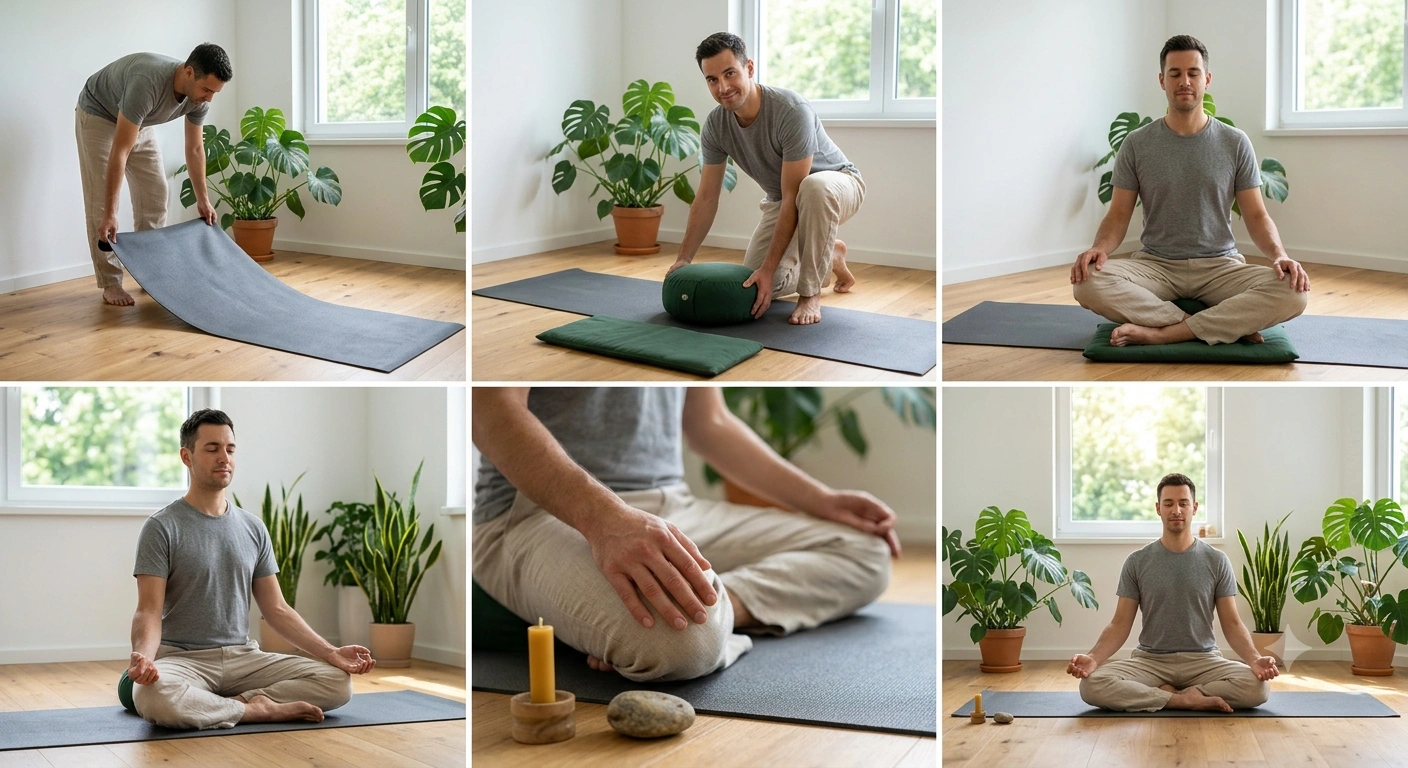
Starting a meditation practice doesn’t have to be complicated. Many people believe they need a silent mountain retreat, years of training, or a naturally calm mind before they can begin. In reality, mindfulness meditation for beginners is about learning to pay attention to the present moment with curiosity rather than judgment. Even five minutes a day can become the foundation of a lifelong habit.
If you’ve been wondering how to start meditating, how to start meditation, or how to start a meditation practice, the following beginner-friendly steps will help you build confidence without feeling overwhelmed.
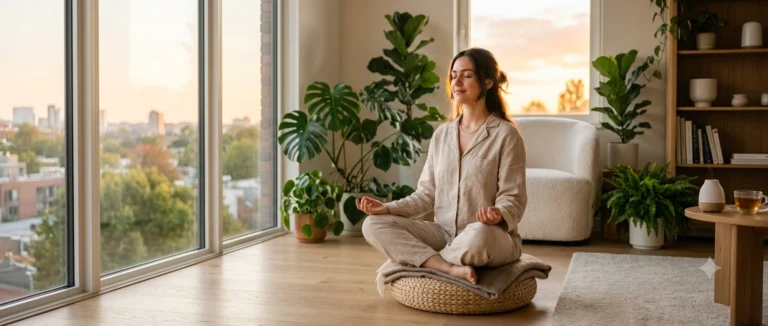
Your environment plays an important role in helping you focus, especially during your first few weeks of practice. Although experienced meditators can meditate almost anywhere, beginners benefit from a peaceful setting with fewer distractions.
Good places to meditate include:
You don’t need perfect silence. Background sounds like birds, rainfall, or distant traffic are completely normal. Instead of resisting them, simply notice them and return your attention to your breath.
One useful mindfulness skill is to be aware of your surroundings without becoming distracted by them. Notice sounds, smells, temperature, and light without labeling them as good or bad.
Creating a consistent meditation space also trains your brain to associate that location with relaxation and focus.
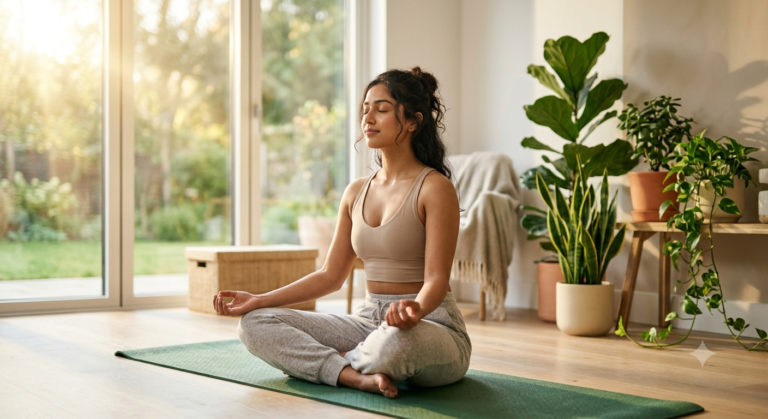
One of the biggest myths about meditation is that you must sit cross-legged in the lotus position. While that’s one option, it’s certainly not required.
Comfort is much more important than appearance.
You can sit:
Keep your back naturally straight but relaxed. Rest your hands comfortably on your knees or lap. Relax your shoulders and gently tuck your chin.
The goal isn’t perfect posture—it’s staying alert while remaining comfortable.
Although meditation requires very little equipment, a few affordable accessories can make your sessions more enjoyable.
Recommended beginner tools include:
A supportive meditation cushion helps maintain proper posture during longer sessions while reducing pressure on your hips and knees.
Breathing is the foundation of nearly every mindfulness meditation for beginners practice.
You don’t need to change your breathing. Simply observe it.
Notice:
Whenever your attention wanders—and it absolutely will—gently guide it back to your breathing.
A simple breathing rhythm for beginners is:
Longer exhalations naturally activate your parasympathetic nervous system, helping your body relax.
Some beginners enjoy following guided breathing videos. If you’ve seen long videos with a guy saying breathe in breathe out 3 hours, they simply provide slow breathing cues to help maintain focus. However, even five to ten minutes of guided breathing is usually enough to experience noticeable benefits.
Remember that your breath is always available. It becomes an anchor that keeps bringing your attention back to the present whenever your mind drifts.
Perhaps the biggest surprise for new meditators is realizing how busy the mind really is.
Within seconds you might think about:
This is completely normal.
Many beginners ask what to think about when meditating.
The answer is surprisingly simple:
You don’t have to think about anything specific.
Instead:
Imagine sitting beside a river. Every thought is like a leaf floating past on the water. You don’t jump into the river to chase the leaf—you simply watch it pass.
The goal of meditation isn’t to stop thinking.
The goal is changing your relationship with your thoughts.
Over time, you’ll notice that thoughts become less overwhelming, allowing you to respond more calmly to everyday challenges.
Consistency matters far more than duration.
Many people quit meditation because they expect immediate transformation after one long session. In reality, meditation works like physical exercise. Small, regular practice produces lasting results.
If you’re wondering how to start a daily meditation habit, begin with realistic expectations.
A beginner-friendly schedule might look like this:
Week 1
Week 2
Week 3
Week 4
Choose a regular time such as:
Pair meditation with an existing habit, such as brushing your teeth or making coffee. This technique, known as habit stacking, makes your new routine much easier to maintain.
Remember, missing one day isn’t failure. Simply begin again the next day.
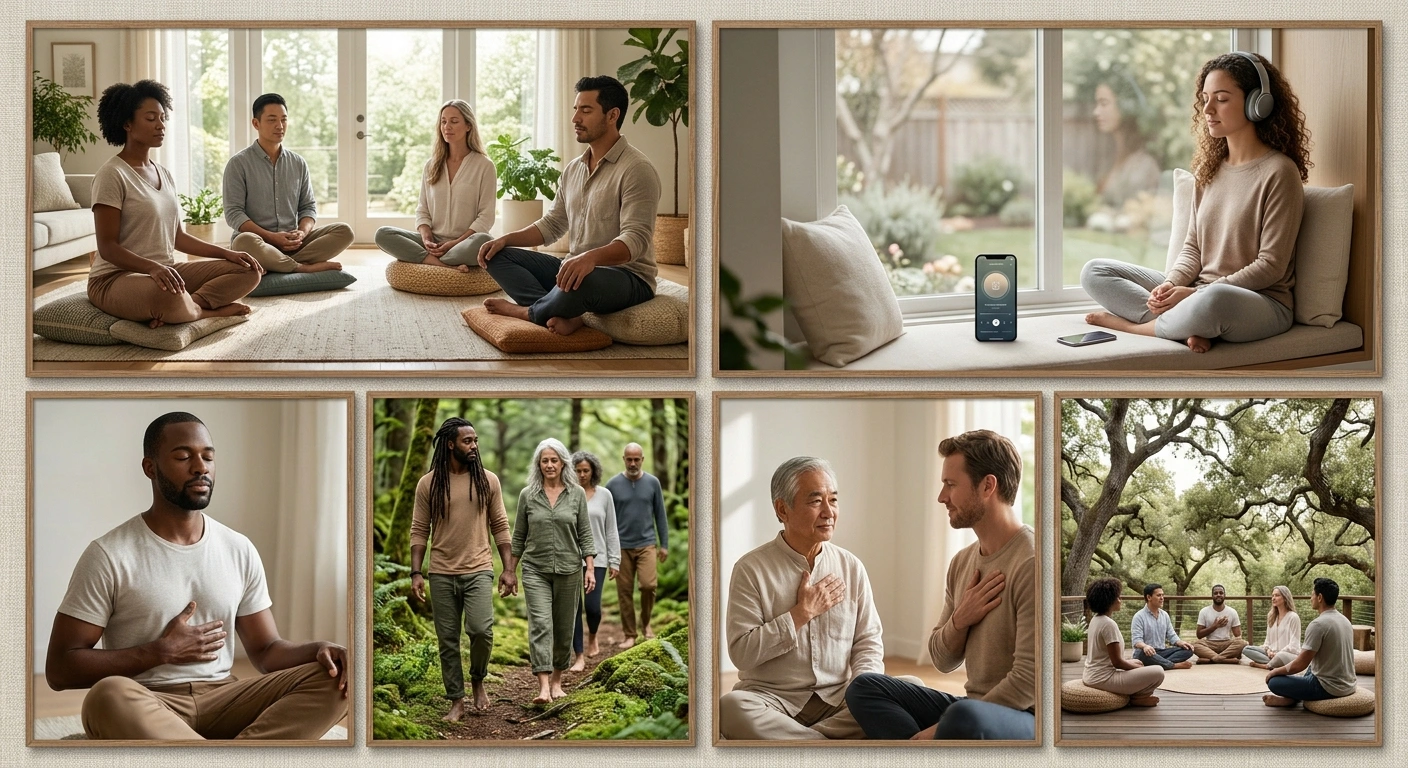
Once you’re comfortable with the basics, exploring different meditation styles can help you discover what works best for your personality and goals. There isn’t a single “perfect” technique. Some people enjoy silent awareness, while others prefer guided audio sessions or gentle movement.
The best meditation techniques are the ones you’ll actually practice consistently.
Mindfulness meditation is one of the most researched and beginner-friendly approaches available.
During this practice, you simply pay attention to the present moment by observing:
Rather than trying to control your experience, you learn to observe it with curiosity and acceptance.
Benefits include:
Because of its simplicity, mindfulness meditation is often recommended as the first technique for beginners.
Many beginners find it difficult to meditate in complete silence. That’s where guided meditation becomes extremely helpful.
A teacher, narrator, or meditation app gently talks you through the session, offering instructions on breathing, relaxation, visualization, and mindfulness.
If you’re searching for the best guided meditation for beginners, look for sessions lasting between 5 and 15 minutes. These shorter practices make it easier to stay engaged without feeling overwhelmed.
Popular guided meditation apps often include features such as:
Guided meditation removes much of the uncertainty beginners experience, making it easier to develop confidence and consistency.
Meditation doesn’t always require sitting still.
Walking meditation combines gentle movement with mindful awareness, making it an excellent option for people who struggle with long periods of sitting.
Instead of walking to reach a destination, slow your pace and pay close attention to:
Walking meditation works well in parks, gardens, quiet sidewalks, or even indoors.
It also fits naturally into a healthy lifestyle by combining meditation and exercise in a gentle, accessible way.
Many people assume meditation always means sitting quietly with your eyes closed. While that’s one effective approach, active meditation offers another path that’s especially helpful for beginners who find it difficult to sit still.
Active meditation combines mindfulness with movement. Instead of focusing on your breath while sitting, you stay fully present while performing gentle physical activities. This method helps bridge the gap between meditation and everyday life, making it easier to maintain awareness throughout the day.
Examples of active meditation include:
The goal isn’t to exercise harder—it’s to become fully aware of every movement, sensation, and breath.
Practicing active meditation regularly may help:
Many athletes also combine meditation and exercise to improve recovery, concentration, and performance. Taking a few mindful breaths before or after a workout can enhance both physical and mental well-being.
If you’re new to meditation, active meditation can feel more natural than sitting silently because your body has a gentle task to focus on.
Breath meditation is one of the oldest and simplest meditation practices in the world. Since your breath is always with you, it provides a reliable anchor for attention wherever you are.
Here’s a simple beginner practice:
You don’t need to force deep breaths. Natural breathing is perfectly fine. The objective is awareness, not control.
Practicing breath meditation for just 5–10 minutes each day can gradually improve focus, patience, and emotional resilience.
One of the most common questions beginners ask is, “How do I stop thinking during meditation?”
The truth is—you don’t.
Trying to eliminate every thought usually creates more frustration. Instead, meditation teaches you to notice thoughts without becoming attached to them.
If you’re wondering how to clear your mind for meditation, think of it as calming the mind rather than emptying it.
Before meditation, your mind may race with thoughts about:
This is completely normal. Every meditator experiences distractions.
Before beginning your session:
Even professional meditation teachers experience wandering thoughts. The practice lies in gently returning your attention each time you become distracted.
Avoid these common habits:
Meditation is a skill developed through repetition, not perfection.
Mindfulness isn’t limited to formal meditation sessions. Throughout the day, small mindfulness exercises can help reduce stress, improve concentration, and increase self-awareness.
Here are several beginner-friendly practices you can start today.
This exercise helps bring your attention back to the present moment whenever you feel overwhelmed or anxious.
Notice:
This simple practice interrupts racing thoughts and helps ground you in your surroundings.
A body scan is a gentle mindfulness exercise that develops awareness of physical sensations.
Start at the top of your head and slowly move your attention downward.
Notice:
Don’t try to change anything. Simply observe sensations like warmth, tension, tingling, or relaxation.
Many people use body scan meditation before bedtime because it promotes deep relaxation.
Walking can become a moving meditation.
Instead of rushing toward your destination:
Even a 10-minute mindful walk during lunch can improve mood and reduce stress.
Gratitude is one of the easiest mindfulness habits to develop.
Each day, pause for a few minutes and think of three things you’re thankful for.
Examples include:
Regular gratitude practice has been linked to increased optimism, emotional resilience, and overall life satisfaction.
Mindfulness isn’t a one-size-fits-all practice. Different groups face unique challenges, and meditation can be adapted to meet their specific needs.
Students often deal with academic pressure, exams, and constant digital distractions.
Regular mindfulness practice may help students:
Simple breathing exercises before studying can help prepare the brain for learning.
Teenagers experience rapid emotional, social, and physical changes.
Age-appropriate mindfulness exercises can help teens:
Short guided meditations of 5–10 minutes are usually the most effective for younger practitioners.
Busy adults often juggle careers, finances, parenting, and countless daily responsibilities.
Practicing mindfulness may help adults:
Even a brief meditation during a lunch break can help reset your mind for the rest of the day.
Although meditation was once viewed by some as a niche wellness activity, more men are embracing mindfulness to improve both mental and physical performance.
Benefits include:
Mindfulness isn’t about becoming passive—it’s about becoming more aware, intentional, and mentally strong in everyday life.
One of the biggest reasons people begin mindfulness meditation for beginners is to manage anxiety, fear, and constant overthinking. While meditation is not a cure for anxiety disorders or other mental health conditions, research suggests it can be an effective tool for reducing stress, improving emotional regulation, and helping people respond more calmly to difficult situations.
Instead of trying to eliminate anxious thoughts, mindfulness teaches you to notice them without immediately reacting. Over time, this can reduce the emotional intensity of worries and help you regain a sense of control.
When you’re anxious, your brain often stays in “fight-or-flight” mode. Stress hormones such as cortisol and adrenaline remain elevated, making it difficult to relax, concentrate, or sleep.
Regular mindfulness meditation may help by:
Even a 10-minute daily practice can make a noticeable difference over time.
If you’re experiencing anxious thoughts, try these mindfulness techniques:
Mindful Breathing
Focus on slow, steady breaths. Count each inhale and exhale from one to ten, then repeat.
Name Your Emotions
Instead of saying, “I’m anxious,” try, “I’m noticing anxiety.” This small shift creates emotional distance and reduces automatic reactions.
Ground Yourself
Use the Five Senses Exercise to reconnect with your surroundings whenever you feel overwhelmed.
Practice Self-Compassion
Speak to yourself as kindly as you would speak to a close friend.
Fear is a natural human emotion, but constant fear can interfere with daily life.
Mindfulness helps you:
Similarly, mindfulness can support people dealing with emotional pain by encouraging acceptance rather than suppression of difficult emotions.
People experiencing chronic stress may become overly alert to potential threats, a state sometimes called hypervigilance.
Mindfulness techniques for hypervigilance include:
For rumination, gently redirect your attention to your breathing whenever repetitive thoughts appear.
Athletes, students, musicians, and professionals often experience performance anxiety.
Before an important event:
This simple routine can improve concentration and reduce nervousness.
Many people procrastinate because tasks feel overwhelming.
Mindfulness helps by teaching you to:
Instead of worrying about completing everything, simply begin with the first small step.
Meditation is most effective when combined with other healthy lifestyle habits. Rather than replacing exercise, nutritious eating, or quality sleep, mindfulness complements each of these practices.
Exercise strengthens the body, while meditation strengthens the mind. Together, they create a powerful foundation for overall wellness.
Benefits of combining meditation and exercise include:
Many athletes meditate before training to improve concentration and after workouts to support recovery.
Quality sleep is essential for physical and mental health.
Meditation before bedtime may help:
Body scan meditation and guided sleep meditations are especially popular evening practices.
Mindfulness also encourages healthier eating habits.
Mindful eating involves:
Many people discover they naturally make healthier food choices when they become more mindful during meals.
Practicing mindfulness regularly can support emotional well-being by helping you:
Small daily habits—such as five minutes of meditation, regular exercise, healthy meals, and adequate sleep—work together to improve overall health.
Although meditation is often practiced alone, many people enjoy meditating with others. Group sessions provide accountability, motivation, and a shared sense of community.
Workplaces are increasingly incorporating mindfulness into employee wellness programs.
Simple workplace activities include:
These practices can reduce stress and improve workplace productivity.
Teachers can introduce mindfulness through:
Short mindfulness sessions may improve attention and classroom behavior.
Families can practice together by:
These activities encourage stronger communication and emotional connection.
Sports teams and organizations increasingly use meditation to improve performance.
Benefits include:
Group mindfulness doesn’t require long sessions. Even 10 minutes before practice or meetings can produce meaningful benefits.
Reading high-quality books can help reinforce your meditation practice by providing expert guidance, practical exercises, and long-term motivation.
An excellent introduction to mindfulness written in simple, approachable language.
A timeless classic filled with practical mindfulness exercises for everyday life.
Ideal for readers who want a structured, step-by-step meditation roadmap.
A practical 28-day meditation program designed specifically for beginners.
A relatable story for skeptical beginners interested in the science behind meditation.
Clear, practical, and widely recommended for those learning mindfulness meditation.
Focuses on present-moment awareness and reducing unnecessary mental suffering.
Teaches readers how to practice mindfulness throughout everyday activities.
A lighthearted, beginner-friendly guide for people who think meditation is difficult.
Explores meditation through psychology, neuroscience, and evolutionary science.
If your primary goal is developing mindfulness rather than learning advanced meditation techniques, consider:
These books are practical, easy to understand, and suitable for complete beginners.
If you prefer learning through structured programs, guided meditation books are an excellent choice. Many include daily exercises, reflection prompts, breathing techniques, and QR codes or links to audio sessions.
Some beginner-friendly guided meditation books include:
A practical 28-day meditation program with daily lessons and guided exercises.
Best for: Complete beginners
Written by the founder of Headspace, this book explains meditation in simple language and provides practical techniques you can use immediately.
Best for: Busy professionals and first-time meditators
A short, easy-to-read guide filled with breathing exercises and mindfulness practices for daily life.
Best for: Quick daily inspiration
This book focuses on bringing mindfulness into everyday routines, relationships, and work.
Best for: People wanting practical lifestyle changes
You don’t have to spend a lot of money to start meditating. Many excellent books are affordable, and public libraries often carry popular mindfulness titles.
If you’re on a budget:
The most valuable investment isn’t the most expensive book—it’s the one you’ll actually read and apply.
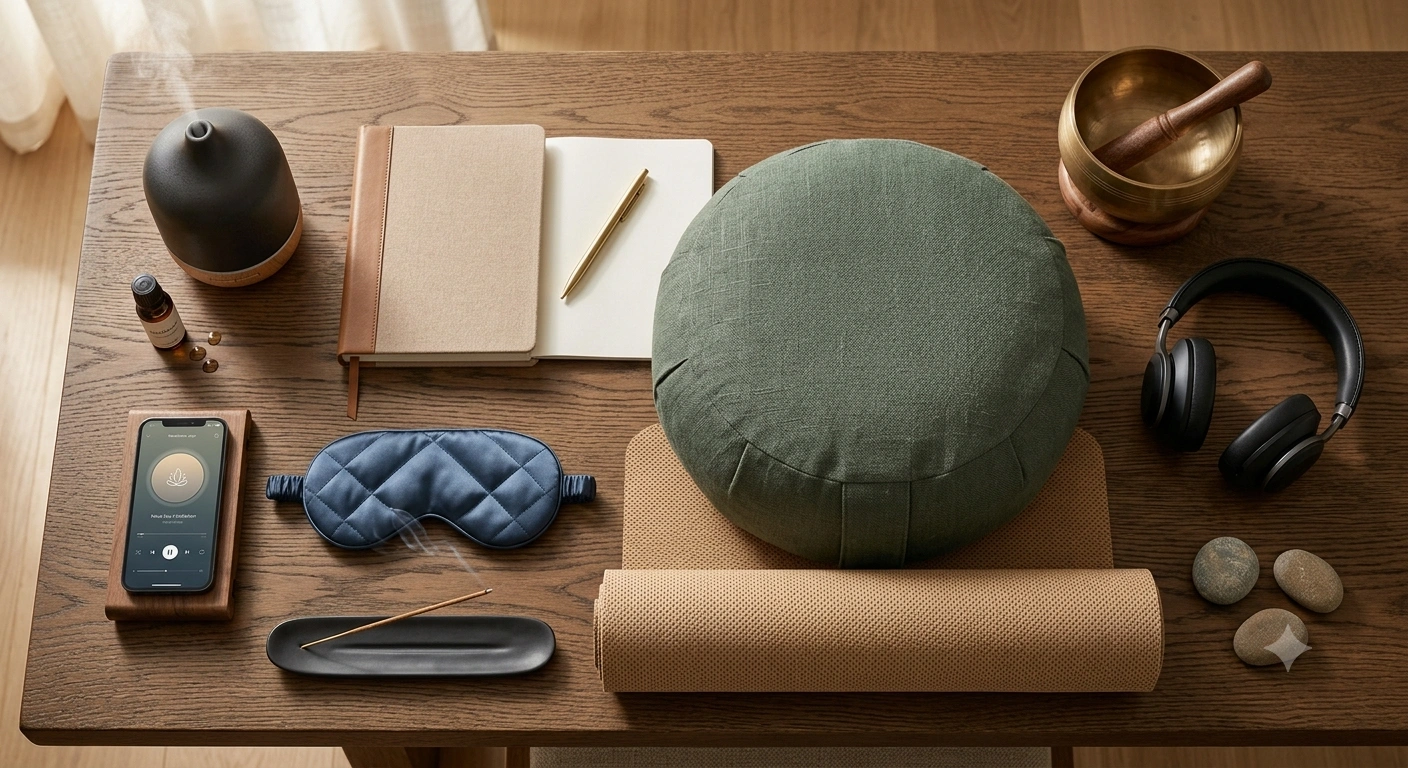
For many people, smartphone apps make meditation easier by providing guided sessions, reminders, progress tracking, and structured learning paths.
Here are some of the best beginner-friendly meditation apps.
One of the world’s most popular meditation apps.
Free version available, with premium plans offering additional features.
Designed specifically for beginners.
Free trial with premium membership options.
A favorite among experienced meditators because of its enormous free library.
Extensive free content with optional premium membership.
Balance creates personalized meditation plans based on your experience and goals.
Free trial available.
Created by neuroscientist Sam Harris, this app combines meditation instruction with lessons on psychology and philosophy.
Subscription-based, with financial assistance available for eligible users.
Before subscribing, consider:
Many beginners benefit from trying free versions before deciding on a premium subscription.
Meditation doesn’t require expensive equipment, but a few carefully chosen accessories can improve comfort and consistency.
A meditation cushion supports proper posture, reduces pressure on your hips and knees, and helps maintain spinal alignment during longer sessions.
Best for:
A yoga mat provides a clean, comfortable surface for meditation, stretching, and mindful movement.
Ideal for:
Meditation benches reduce knee strain and are excellent for people who prefer kneeling instead of sitting cross-legged.
Pleasant natural scents can help create a relaxing meditation environment.
Popular options include:
If you’re sensitive to fragrances, ensure the room is well ventilated or skip incense altogether.
Essential oil diffusers release calming aromas throughout your meditation space.
Popular oils include:
While pleasant scents can enhance relaxation, they are optional—not essential for an effective meditation practice.
If you live in a noisy environment, quality headphones can make guided meditation much more enjoyable.
They’re especially useful for:
Using a dedicated meditation timer prevents the temptation to keep checking the clock.
Many meditation apps include:
A singing bowl produces calming vibrations often used to begin and end meditation sessions.
Many practitioners enjoy its soothing sound as a signal to settle into the present moment.
Blocking light can help reduce distractions during meditation or guided relaxation sessions, especially in bright environments.
Writing after meditation helps reinforce your practice.
You might record:
Tracking progress over several months often reveals improvements that are easy to overlook day to day.
Absolutely. Many experienced practitioners eventually choose to teach mindfulness to others.
However, becoming an effective instructor requires more than personal practice. It also involves communication skills, empathy, and ongoing learning.
Most professional teachers:
Certification programs vary, so research organizations carefully before enrolling.
Children respond best to short, engaging mindfulness activities.
Examples include:
Sessions of 3–10 minutes are usually enough for younger children.
Adults often appreciate practical, science-based instruction.
Helpful topics include:
Creating a welcoming, judgment-free environment encourages long-term success.
Every beginner encounters challenges. Fortunately, most are easy to overcome with realistic expectations.
Meditation is a skill that develops gradually. Some sessions will feel peaceful, while others may feel distracted—and both are normal.
The goal isn’t to empty your mind. Instead, notice thoughts without getting carried away by them.
Starting with 30-minute sessions often leads to frustration.
Begin with:
Medititating once a week is less effective than practicing five minutes every day.
Consistency builds lasting results.
Everyone’s meditation journey is unique.
Avoid comparing your experience with friends, teachers, or people on social media.
Focus on your own progress.

Start with five to ten minutes of guided mindfulness meditation each day. Focus on your breathing, practice consistently, and gradually increase your session length as you become more comfortable.
Sit comfortably, keep your spine naturally straight, breathe normally, observe your thoughts without judgment, and gently return your attention to your breath whenever your mind wanders.
Bring your full attention to ordinary activities like eating, walking, working, or talking with others. Short breathing exercises and gratitude practices also help build mindfulness.
Daily meditation may improve focus, emotional balance, stress management, sleep quality, and self-awareness. Consistency is more important than long sessions.
Most mindfulness practices encourage focusing on your breathing or body sensations. When thoughts arise, simply notice them and gently return your attention to the present moment.
Take a few slow breaths, silence distractions, relax your body, and allow thoughts to settle naturally instead of forcing them away.
Yes. Meditation is a practice, while mindfulness is the quality of present-moment awareness that meditation helps develop. The two work together but are not exactly the same.
Research suggests regular meditation can strengthen attention, reduce mental fatigue, and improve concentration, making it easier to stay productive throughout the day.
Start with 5–10 minutes each day. As meditation becomes a habit, gradually increase to 15–20 minutes if it fits your schedule.
Mindfulness meditation and guided meditation are generally the easiest techniques for beginners because they are simple, flexible, and supported by extensive scientific research.