Physical Address
304 North Cardinal St.
Dorchester Center, MA 02124
Physical Address
304 North Cardinal St.
Dorchester Center, MA 02124

Meditation for beginners is one of the simplest and most effective ways to improve mental clarity, reduce stress, and build a healthier relationship with your thoughts. Although meditation has been practiced for thousands of years, it has become increasingly popular as people look for natural ways to manage anxiety, improve focus, and support emotional well-being. You don’t need special equipment or years of experience—just a few quiet minutes each day can help you begin your mindfulness journey.
Many people believe meditation is difficult or that they must completely empty their minds. In reality, beginner meditation is about learning to observe your thoughts without judgment and gently bringing your attention back to your breath or another point of focus. It’s completely normal for your mind to wander, especially when you’re just starting. With patience and consistency, meditation becomes easier and more rewarding over time.
This beginners meditation guide will walk you through everything you need to know to start a sustainable meditation practice. You’ll learn what meditation is, its proven health benefits, different meditation techniques, common beginner mistakes, and practical tips for creating a daily habit. Whether your goal is to reduce stress, improve concentration, sleep better, or simply feel calmer, this guide provides an easy-to-follow path designed specifically for beginners.
By the end of this beginners guide to meditation, you’ll have the confidence to start meditating at home and build a practice that fits your lifestyle. Remember, meditation isn’t about being perfect—it’s about showing up consistently and giving your mind the opportunity to rest, reset, and grow stronger every day.

Meditation is a simple mental practice that helps you train your attention, become more aware of your thoughts, and create a sense of inner calm. Although it has been practiced for thousands of years in many cultures, meditation is now widely recognized as an effective tool for reducing stress, improving focus, and supporting emotional well-being. If you’re looking for meditation for beginners, understanding the basics is the first step toward building a consistent and rewarding practice. This section serves as an easy guide to meditation, making it simple for anyone to get started.
For those searching for meditation for dummies, meditation does not mean stopping your thoughts or completely emptying your mind. Instead, it involves paying attention to the present moment with curiosity and without judgment. Most beginners start by focusing on their breathing, physical sensations, or a calming word or phrase.
Learning meditation is like training a muscle. Your mind will naturally wander, especially in the beginning, and that’s completely normal. Every time you gently bring your attention back to your breath or chosen focus, you’re strengthening your awareness and concentration. The more you practice learning to meditate, the easier it becomes to remain calm and present during everyday life.
The primary goal of meditation is not perfection—it’s awareness. Meditation helps you notice your thoughts and emotions without reacting to them automatically. Over time, regular practice can improve mindfulness, increase mental clarity, reduce emotional stress, and strengthen your ability to stay focused.
Many people also use meditation to support better sleep, improve productivity, reduce anxiety, and build emotional resilience. Whether your goal is relaxation or personal growth, following a structured guide to meditation helps create healthy habits that benefit both your mind and body.
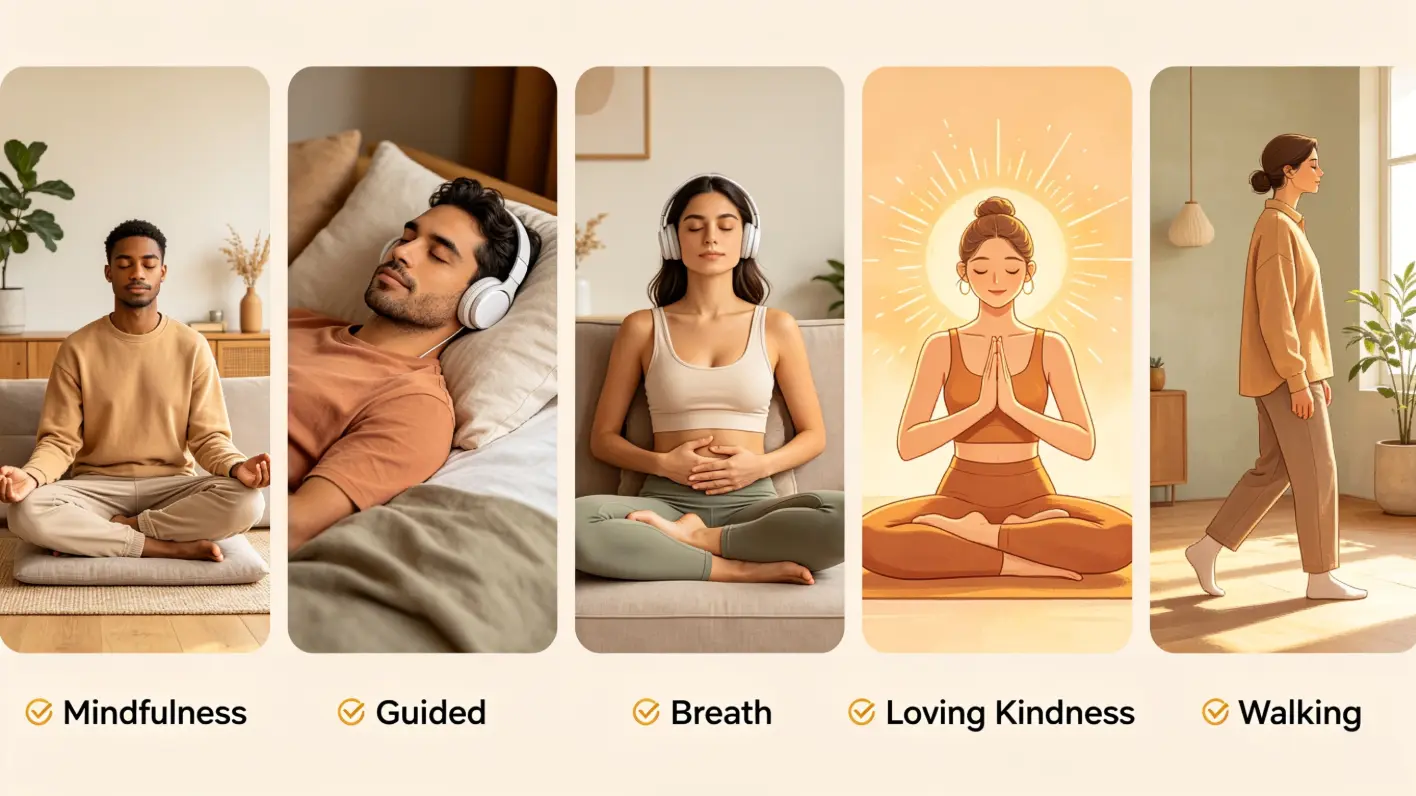
There are many meditation styles, and beginners should choose the one that feels most comfortable.
Exploring different techniques is one of the best ways of learning meditation because everyone responds differently. As you continue learning to meditate, you’ll discover which method best fits your personality, lifestyle, and wellness goals. The most important step is to practice consistently and enjoy the journey rather than striving for perfection.
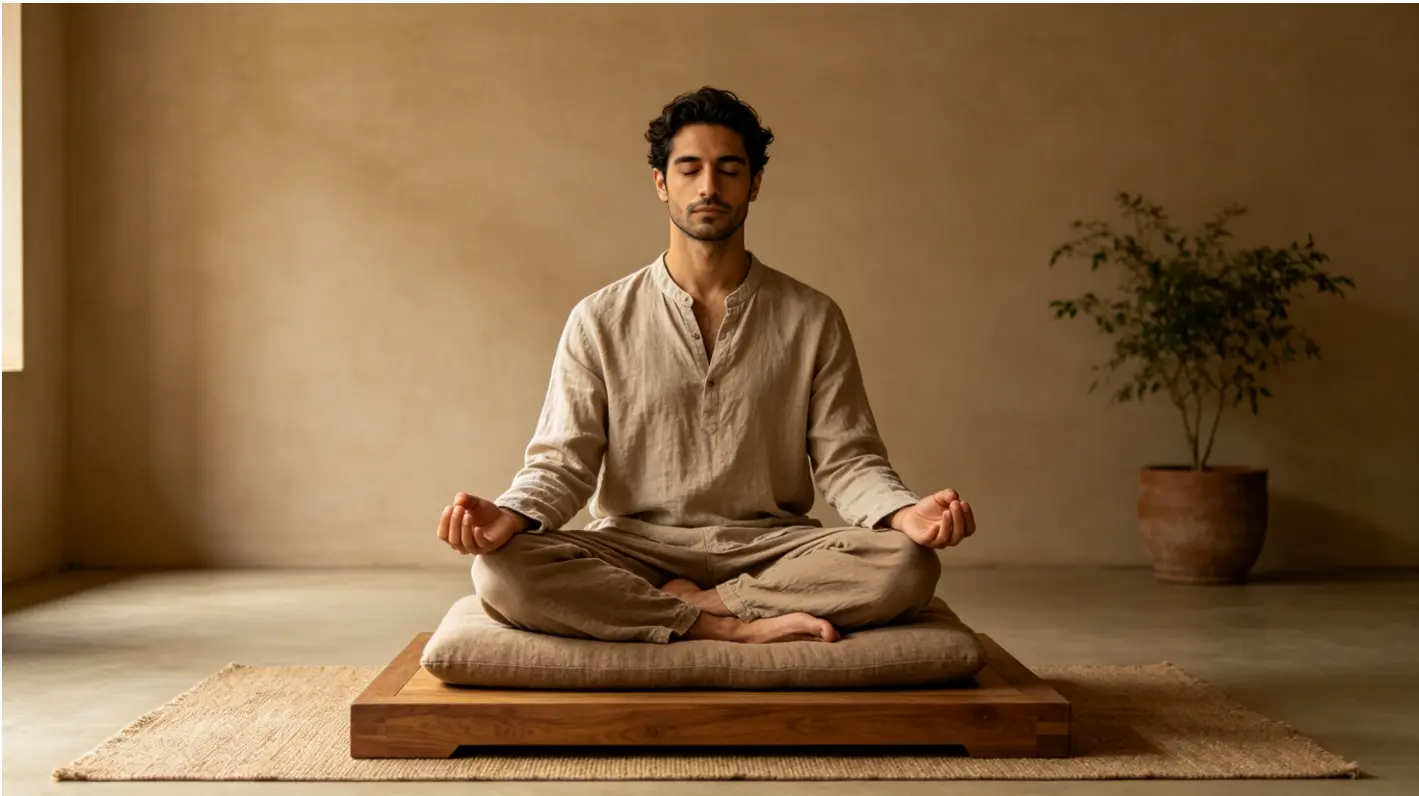
Starting a regular meditation for beginners practice offers far more than a few moments of relaxation. Scientific research suggests that meditation can improve both mental and physical well-being by helping you manage stress, sharpen concentration, regulate emotions, and develop healthier daily habits. Even spending 5–10 minutes a day practicing meditation exercise can lead to noticeable improvements over time. As you continue your journey, you’ll discover that meditation is not about escaping your thoughts—it’s about understanding them with greater awareness and clarity.
One of the biggest reasons people begin meditating is to reduce stress. Meditation encourages slow, mindful breathing and helps calm the nervous system, allowing your body to shift into a more relaxed state. Regular practice may lower stress hormones, reduce feelings of anxiety, and help you respond more calmly to challenging situations. For beginners, even a few quiet minutes each day can make daily stress easier to manage and improve overall emotional balance.
Meditation trains your mind to stay focused on a single point of attention, such as your breath or a simple sound. Each time your mind wanders and you gently bring it back, you’re strengthening your ability to concentrate. This improved attention can make everyday tasks feel easier, increase productivity, and support meditation for mental clarity by reducing mental distractions and improving decision-making.
Regular meditation helps you become more aware of your thoughts and emotions without immediately reacting to them. Over time, this mindfulness can increase emotional resilience, reduce negative thinking, and promote greater patience, gratitude, and self-compassion. Many beginners report feeling calmer, happier, and more emotionally balanced after developing a consistent meditation routine.
A busy mind often makes it difficult to fall asleep. Meditation encourages deep relaxation by slowing breathing, reducing racing thoughts, and easing physical tension. Practicing a short meditation exercise before bedtime may help you fall asleep faster, improve sleep quality, and wake up feeling more refreshed. Pairing meditation with healthy sleep habits creates an effective evening wellness routine.
Meditation encourages you to observe your thoughts, emotions, and behaviors with curiosity instead of judgment. This growing self-awareness helps you recognize unhealthy habits, understand emotional triggers, and make more intentional decisions. As you continue practicing, you’ll develop a stronger connection with yourself and build greater confidence in handling life’s challenges.
Meditation is especially beneficial for students who want to improve concentration, memory, and academic performance. Practicing meditation for students before studying or attending classes can reduce exam stress, improve focus during learning sessions, and increase information retention. Short mindfulness breaks also help prevent mental fatigue, making it easier to stay productive throughout the day. By improving attention and supporting meditation for mental clarity, students can create healthier study habits and achieve better long-term results.
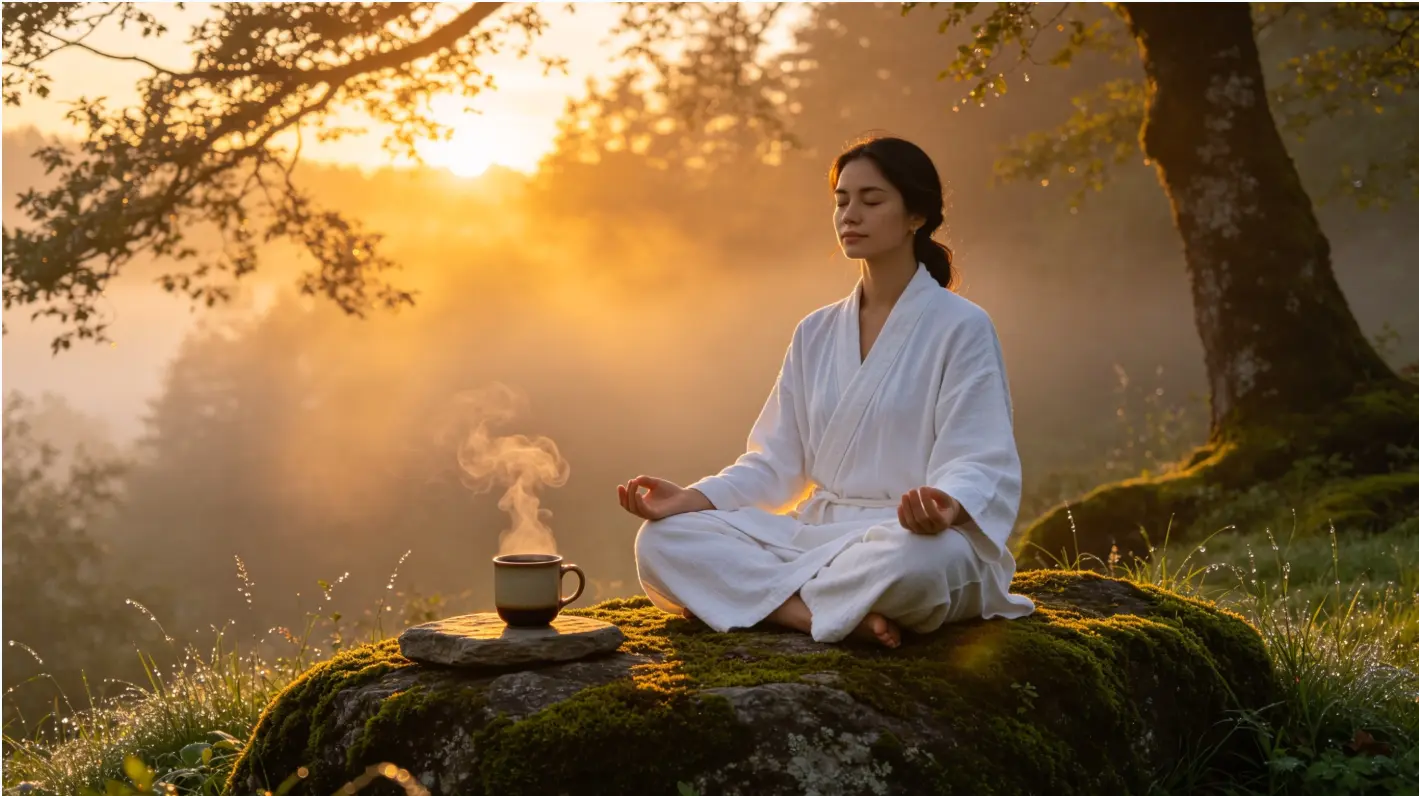
Starting meditation for beginners doesn’t have to be complicated. You don’t need special equipment, expensive classes, or years of experience to enjoy the benefits of meditation. The key is to begin with a simple routine and practice consistently. If you’re wondering how to start meditating, the following step-by-step guide will help you build a comfortable and sustainable meditation habit that fits your daily life.
The first step in how to start meditation is finding a peaceful place where you’re less likely to be interrupted. It doesn’t have to be completely silent—a quiet bedroom, living room, garden, or even a park can work well. Turn off notifications, minimize distractions, and create a calming environment that helps you stay present. A quiet space makes it much easier for beginners to relax and focus.
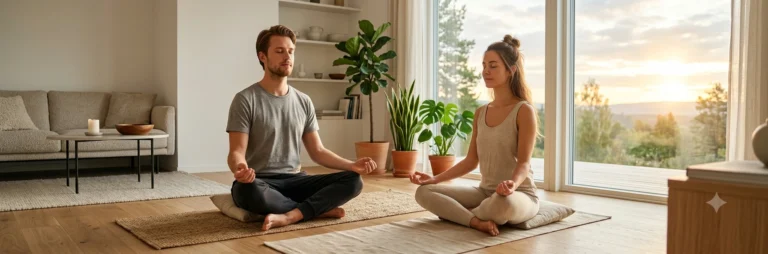
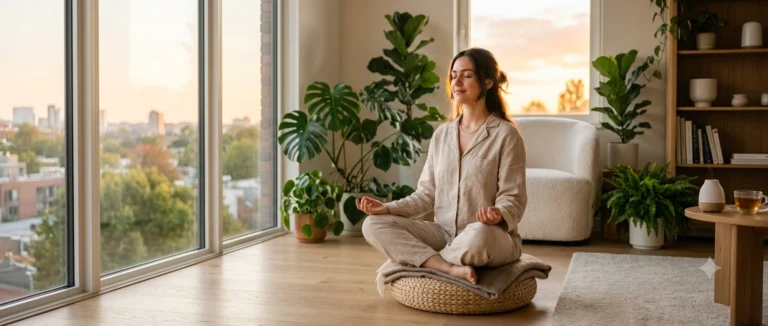
Many people ask, “How can I start meditation if I’m not flexible?” The answer is simple—you don’t need to sit cross-legged on the floor. Choose a comfortable position that allows you to stay relaxed while keeping your back naturally straight. You can sit on a chair, a cushion, or the floor with proper support. Rest your hands comfortably on your knees or lap and allow your shoulders to relax.
If you’re wondering how do I begin to meditate, start with short sessions rather than long ones. Beginners often find that 5 to 10 minutes is enough to build consistency without feeling overwhelmed. As meditation becomes part of your routine, you can gradually increase your practice to 15 or 20 minutes. Consistency is much more important than duration when beginning meditation.
One of the easiest ways to begin meditation is by paying attention to your natural breathing. Notice the sensation of each inhale and exhale without trying to change your breathing pattern. If your mind wanders—which is completely normal—gently bring your attention back to your breath. This simple breathing practice strengthens mindfulness, improves concentration, and helps calm both the mind and body.
A common misconception is that meditation requires an empty mind. In reality, thoughts will naturally appear during your practice. Instead of fighting them or becoming frustrated, simply notice them and let them pass without judgment. This is one of the most valuable skills you’ll develop while learning how to begin meditating, as it encourages emotional awareness, patience, and mental clarity.
When your meditation session ends, avoid rushing back into your daily activities. Take a few slow, deep breaths, gently move your fingers and shoulders, and notice how your body and mind feel. Spend a moment appreciating your effort before continuing with your day. This mindful transition helps reinforce your beginning meditation practice and makes it easier to build a long-term habit. Remember, the goal isn’t perfection—it’s showing up consistently and allowing yourself to improve one session at a time.
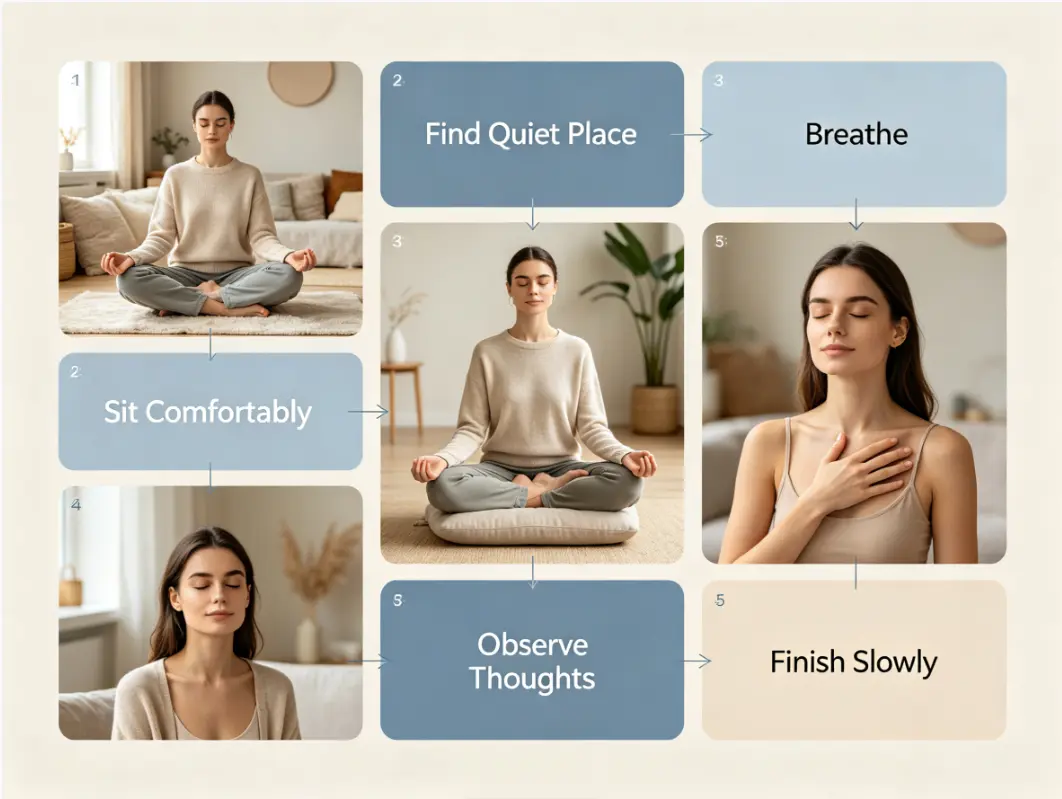
Learning how to meditate step by step is the easiest way to build a consistent meditation habit. Meditation doesn’t require perfection—it simply asks you to be present with your thoughts, breath, and body. Following these simple meditation steps will help beginners feel more confident and make daily practice enjoyable. With just a few minutes each day, you can develop greater mindfulness, reduce stress, and improve emotional well-being.
The first step in step by step meditation is choosing a quiet, comfortable location where you can relax without interruptions. This could be a peaceful corner of your home, a garden, or any calm environment where you feel safe and comfortable. Reduce distractions by silencing your phone and creating a space that encourages focus and relaxation.
Sit in a comfortable position with your back naturally straight but not stiff. Rest your hands on your lap or knees, relax your shoulders, and gently close your eyes if it feels comfortable. Before focusing on your breath, take a moment to release tension from your neck, face, arms, and legs. Relaxing your body prepares your mind for a more peaceful meditation session.
One of the most important meditation steps is paying attention to your breathing. Notice each inhale and exhale without trying to control your breath. Feel the air moving through your nose and the gentle rise and fall of your chest or abdomen. Your breath becomes your anchor, helping you stay connected to the present moment throughout the practice.
As you meditate, your mind will naturally drift toward memories, plans, or everyday concerns. This is completely normal and happens to everyone, including experienced meditators. Instead of becoming frustrated, simply observe these thoughts with curiosity and without judgment. Recognizing wandering thoughts is an essential part of how to meditate step by step because it strengthens mindfulness and emotional awareness.
Each time you notice your mind wandering, gently return your attention to your breathing. There’s no need to criticize yourself or force concentration. Every time you refocus, you’re training your mind to become calmer and more attentive. This repeated practice is what makes step by step meditation so effective for improving focus, reducing stress, and developing mental clarity.
When your meditation session comes to an end, don’t rush to stand up. Take two or three slow, deep breaths and notice how your body and mind feel. Spend a few moments appreciating yourself for taking time to practice. You may silently express gratitude for your health, your breath, or simply the opportunity to pause during a busy day. Ending your practice with gratitude creates a positive mindset and makes it easier to maintain a consistent meditation routine over time.
By following these simple meditation steps, beginners can gradually develop confidence and build a sustainable meditation habit. Remember that progress comes through regular practice, not perfection. Even a few mindful minutes each day can lead to lasting improvements in focus, emotional balance, and overall well-being.
Many beginners wonder how to meditate properly and whether there’s a “perfect” way to meditate. The truth is that meditation isn’t about forcing your mind to become completely quiet—it’s about developing awareness, patience, and consistency. By practicing proper posture, mindful breathing, and a gentle attitude toward distractions, anyone can build a rewarding meditation habit. Whether you’re exploring how to meditate beginners techniques or simply looking to improve your current practice, these fundamentals will help you meditate with greater confidence and comfort.
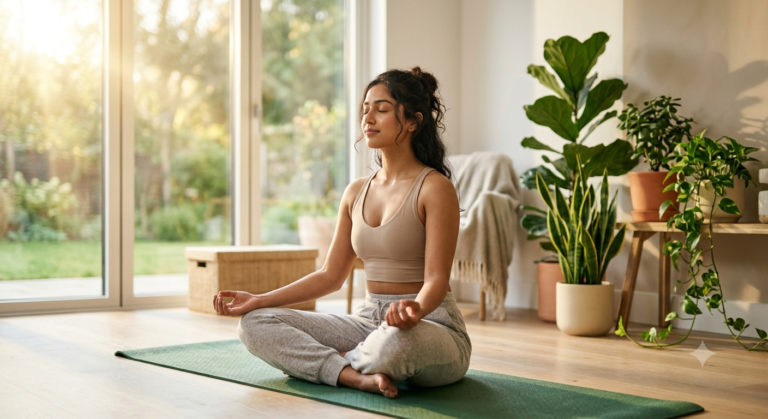
A comfortable and stable posture is essential for effective meditation. You can sit on a chair, a meditation cushion, or the floor with your legs crossed—choose the position that feels most natural for your body. Keep your spine straight but relaxed, rest your shoulders, and place your hands gently on your lap or knees. Relax your jaw and neck while allowing your body to remain still but comfortable. Maintaining good posture helps you stay alert while preventing unnecessary tension during meditation.
One of the easiest ways to learn how to meditate for beginners is by focusing on natural breathing. There’s no need to force deep breaths or follow complicated breathing patterns. Simply inhale slowly through your nose and exhale naturally while paying attention to the sensation of each breath. If it feels helpful, you can count your breaths from one to ten before starting again. This simple technique improves concentration, reduces stress, and creates a stronger connection between the mind and body.
Distractions are a normal part of meditation, especially for beginners. External sounds, physical sensations, or passing thoughts may interrupt your focus, but they don’t mean you’re meditating incorrectly. Instead of resisting distractions, simply notice them without judgment and gently return your attention to your breathing. Learning to respond calmly to distractions is an important part of how do you meditate properly, as it strengthens mindfulness both during meditation and in everyday life.
Every meditator experiences wandering thoughts, regardless of experience level. If your mind drifts toward work, family, or daily responsibilities, don’t become frustrated. Acknowledge the thought, let it pass naturally, and redirect your attention back to your breath. This repeated process is the heart of meditation and helps improve focus, emotional balance, and self-awareness. Understanding this concept is one of the most valuable lessons for anyone asking how do you meditate for beginners.
Consistency is far more important than long meditation sessions. Begin with 5–10 minutes each day and gradually increase your practice as it becomes more comfortable. Try meditating at the same time every morning or evening to build a lasting habit. Using a meditation timer or guided meditation app can also help you stay committed. Whether you’re learning how to meditate properly or just beginning your mindfulness journey, regular practice is what leads to lasting improvements in mental clarity, emotional well-being, and overall health. Remember, successful meditation isn’t about achieving perfection—it’s about returning to your practice, one breath at a time.
One of the most common questions beginners ask is what to think about while meditating. Many people believe they need to completely empty their minds, but that’s a misconception. Meditation isn’t about stopping your thoughts—it’s about becoming aware of them without getting caught up in them. If you’re wondering what to think about when meditating, the answer depends on your meditation style and personal goals. The following techniques can help you stay focused while developing mindfulness, emotional balance, and mental clarity.
For most beginners, the easiest answer to what to think about while meditating is your breath. Pay attention to the natural rhythm of each inhale and exhale without trying to control it. Notice how the air feels as it enters and leaves your body, or observe the gentle movement of your chest and abdomen. Using your breath as an anchor keeps your attention in the present moment and helps reduce distractions.
Thoughts will naturally appear during meditation, and that’s completely normal. Instead of trying to block them, simply notice each thought as it comes and let it pass without judging it. Imagine your thoughts floating by like clouds in the sky or leaves drifting along a river. Practicing this mindful awareness helps reduce overthinking, strengthens emotional resilience, and teaches you not to become attached to every thought that enters your mind.
Repeating a short, positive affirmation can help maintain focus and encourage a calm mindset. Simple phrases such as “I am calm,” “I am present,” “I am grateful,” or “I choose peace” can gently guide your attention when your mind starts to wander. Positive affirmations are especially helpful for beginners who find silent meditation challenging and want a meaningful point of focus.
Gratitude meditation encourages you to reflect on the positive aspects of your life. You might think about supportive relationships, good health, personal achievements, or simple everyday moments that bring you joy. Taking time to appreciate what you already have can improve emotional well-being, reduce stress, and create a more positive outlook. This practice also makes it easier to understand what to think about when meditating if your goal is greater happiness and inner peace.
At its core, meditation is about being fully present. Instead of dwelling on the past or worrying about the future, gently bring your awareness to what’s happening right now. Notice your breathing, the sensations in your body, the sounds around you, or the feeling of sitting quietly. The more often you return your attention to the present moment, the stronger your mindfulness becomes. Remember, there is no single “correct” answer to what to think about while meditating—the goal is simply to stay aware, accept your experience without judgment, and return your focus whenever your mind wanders.
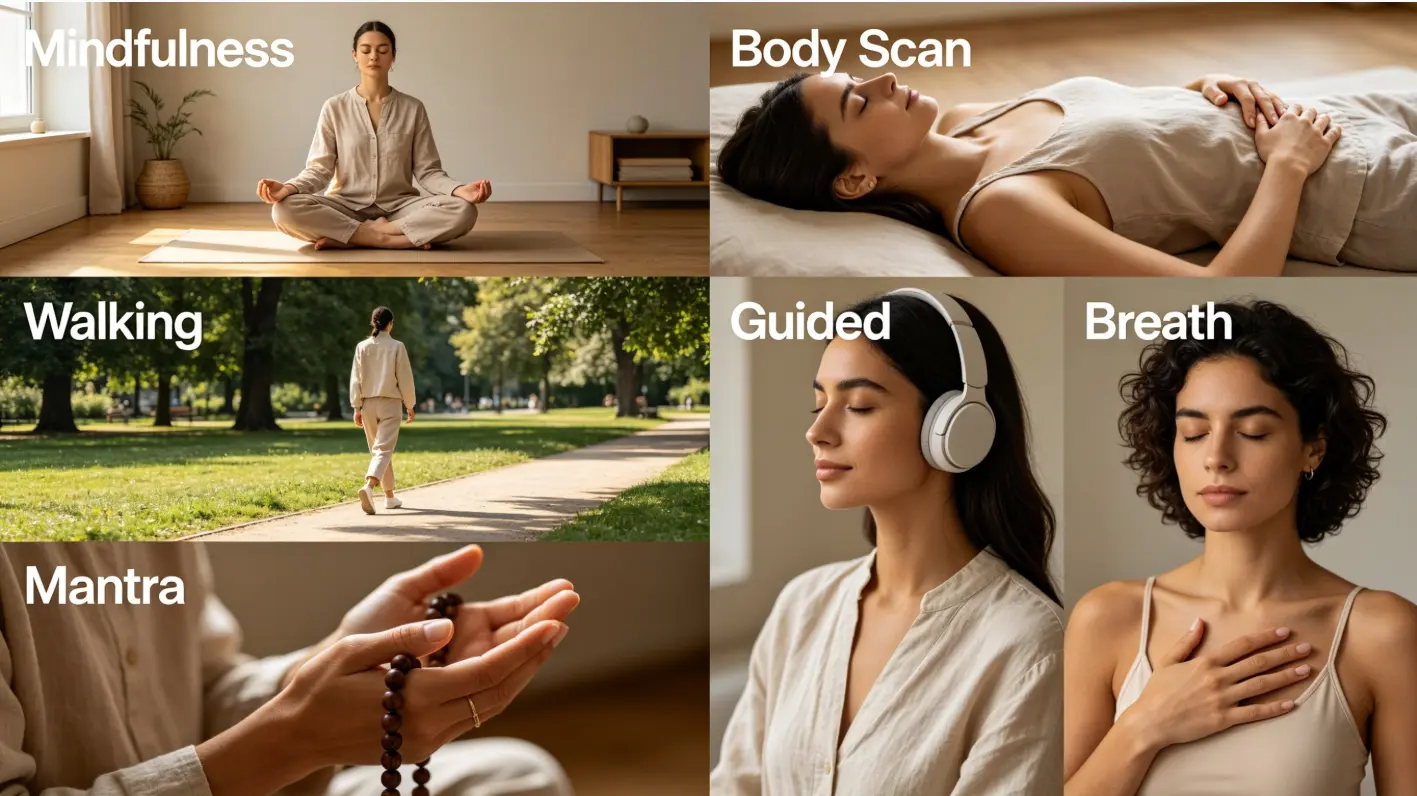
Choosing the right meditation style can make it much easier to build a consistent practice. There isn’t one technique that’s perfect for everyone, so beginners should explore different methods to find what feels most comfortable. These meditation techniques for beginners are simple, effective, and supported by mindfulness practices used around the world. Whether your goal is reducing stress, improving focus, sleeping better, or increasing self-awareness, these beginner meditation techniques provide an excellent place to start.
Mindfulness meditation is one of the most popular meditation techniques for beginners. It involves paying attention to the present moment by observing your thoughts, emotions, breathing, and physical sensations without judgment. When your mind wanders, gently bring your attention back to your breath. Practicing mindfulness regularly can improve concentration, reduce stress, and strengthen emotional resilience.
Breath awareness is one of the simplest ways to meditate because your breath is always available as a point of focus. Sit comfortably, breathe naturally, and observe each inhale and exhale. Don’t try to control your breathing—simply notice its rhythm. Every time your attention drifts, calmly return your focus to your breath. This technique is highly effective for calming the mind and improving mental clarity.
Guided meditation is an excellent choice for beginners who find it difficult to meditate alone. During a guided session, an instructor or meditation app provides step-by-step instructions, breathing exercises, relaxation techniques, or visualization practices. These sessions make meditation feel less overwhelming and help new meditators stay focused while developing confidence in their practice.
Body scan meditation encourages you to slowly move your attention through different parts of your body, beginning at your feet and gradually working upward to your head. As you focus on each area, notice sensations, tightness, warmth, or tension without trying to change them. This method promotes deep relaxation, improves body awareness, and helps release physical stress accumulated throughout the day.
Walking meditation combines mindful awareness with gentle movement, making it one of the easiest ways to meditate for people who struggle with sitting still. Walk slowly and deliberately while paying attention to each step, your breathing, and the sensations in your feet and legs. Walking meditation is ideal for practicing mindfulness outdoors and integrating meditation into your daily routine.
Loving-kindness meditation, also known as Metta meditation, focuses on developing compassion and kindness toward yourself and others. During the practice, silently repeat positive phrases such as “May I be healthy,” “May I be peaceful,” or “May others be safe and happy.” This technique helps reduce negative emotions, strengthen empathy, and improve emotional well-being while encouraging healthier relationships.
Mantra meditation involves repeating a calming word, phrase, or sound silently or aloud throughout your meditation session. Popular mantras include words like “peace,” “calm,” “love,” or traditional sounds such as “Om.” Repeating a mantra helps reduce distractions, quiet mental chatter, and improve concentration. Many beginners find this to be one of the great meditation techniques because it provides a clear point of focus and makes it easier to stay present.
These beginner meditation techniques each offer unique benefits, and there is no right or wrong choice. Try different meditation techniques, practice consistently, and discover which method best supports your lifestyle and personal wellness goals. The best meditation practice is the one you enjoy enough to continue every day.
If you’re new to meditation, guided sessions can make the learning process much easier. The best guided meditation for beginners provides step-by-step instructions, helping you stay focused without worrying about what to do next. Instead of trying to meditate on your own, you simply listen to a calm voice that offers guidance for meditation, breathing exercises, relaxation techniques, and mindfulness prompts. Guided meditation is an excellent way to build confidence and establish a consistent daily practice.
Many beginners struggle because their minds wander or they aren’t sure if they’re meditating correctly. Guided meditation solves this problem by giving you clear directions throughout the session. A teacher or narrator reminds you when to breathe, relax your body, and gently return your attention whenever your mind drifts. This structured guidance for meditation reduces distractions, makes meditation less intimidating, and helps beginners develop healthy mindfulness habits more quickly.
When choosing the best guided meditation for beginners, look for sessions that are simple, easy to follow, and designed specifically for new meditators. Helpful features include:
Starting with shorter sessions makes it easier to stay consistent and gradually increase your meditation time.
There are many excellent free resources available online for beginners. You can find high-quality guided meditation sessions on platforms such as YouTube, meditation podcasts, and nonprofit mindfulness organizations. Many experienced meditation teachers also provide free audio recordings and beginner-friendly courses through their websites. These resources offer an affordable way to explore different meditation styles before investing in a paid program.
If you want a more structured learning experience, premium meditation programs provide organized courses, personalized plans, and progress tracking. Many include guided sessions for stress management, better sleep, improved focus, emotional resilience, and mindfulness training. Paid programs often feature expert instructors, higher-quality audio, offline access, and new content added regularly, making them a worthwhile investment for people committed to developing a long-term meditation habit.
Meditation apps make it convenient to practice anytime and anywhere. Many apps offer beginner courses, daily meditation plans, sleep stories, breathing exercises, reminders, and progress tracking. Some of the most popular options include Headspace, Calm, Insight Timer, Balance, and Smiling Mind. Most provide free introductory content along with optional premium subscriptions for additional features. Choosing the best guided meditation for beginners ultimately depends on your personal goals, preferred teaching style, and daily routine. The most important step is finding a resource that motivates you to practice consistently and enjoy the journey of mindfulness.
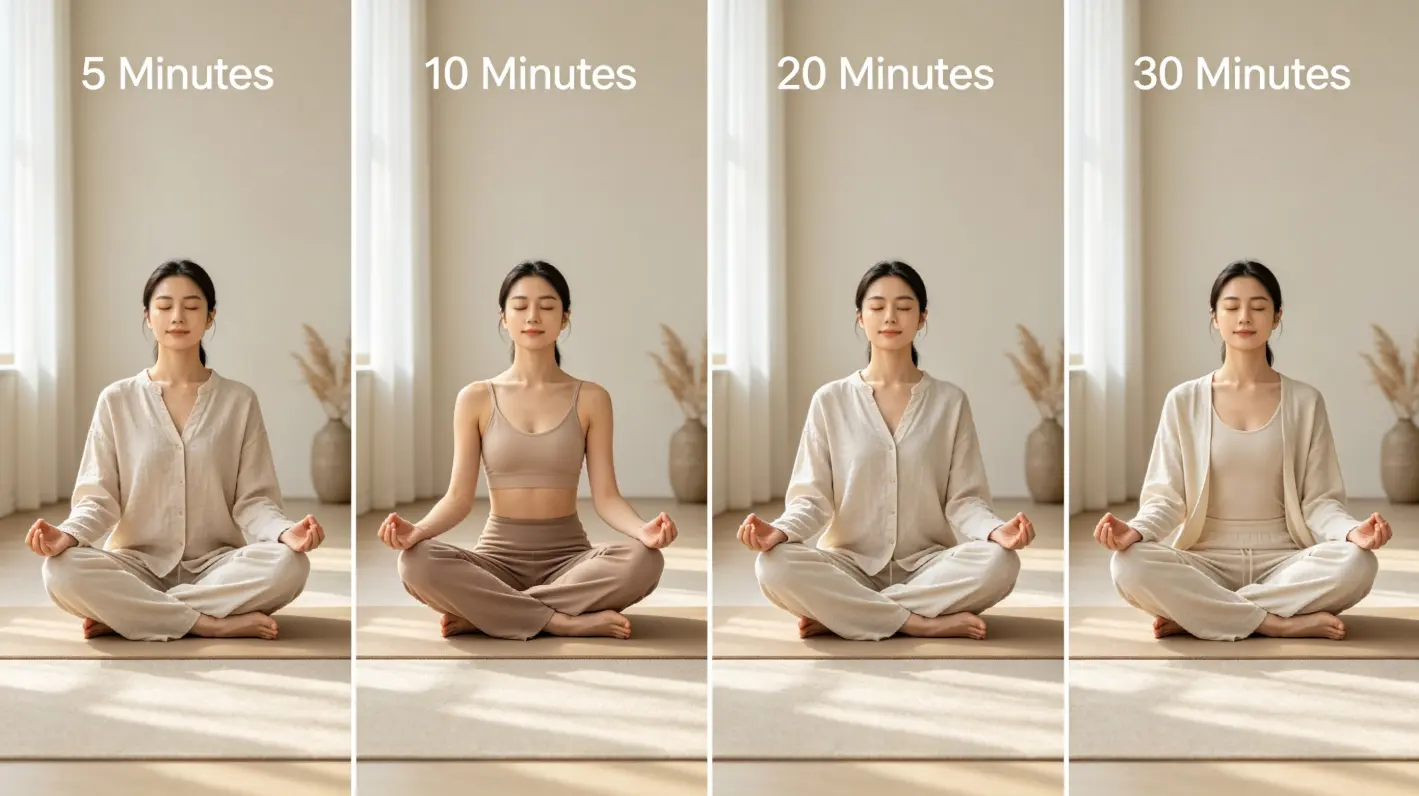
One of the most common questions new meditators ask is how long should I meditate for. The good news is that you don’t need long meditation sessions to experience meaningful benefits. Consistency is far more important than duration, especially in the beginning. Starting with just a few minutes each day allows you to build confidence and create a sustainable habit. As your focus and comfort improve, you can gradually increase your meditation time without feeling overwhelmed.
For most beginners, 5 minutes is the perfect place to start. A short session helps you learn the basics of mindful breathing, body awareness, and staying present without becoming frustrated. Practicing for five minutes every day is much more effective than trying to meditate for thirty minutes once a week. This small commitment makes meditation easier to fit into even the busiest schedule.
After practicing consistently for a few weeks, many people feel comfortable increasing their sessions to a ten minute meditation. Ten minutes provides more time to settle your mind, deepen your breathing, and strengthen your concentration. At this stage, you’ll likely notice improvements in stress management, emotional balance, and mental clarity while making meditation a natural part of your daily routine.
Once 10-minute sessions feel comfortable and you can remain focused without constantly checking the time, you may be ready for a 20 minute meditation. Longer sessions allow for deeper mindfulness, greater emotional awareness, and improved relaxation. However, there’s no need to rush. Extending your meditation time should feel natural rather than forced.
You may be ready to increase your meditation time if:
These signs suggest your mind is adapting well to regular practice and may benefit from longer sessions.
When asking how long should I meditate for, remember that quality always matters more than quantity. Five focused minutes are often more valuable than twenty distracted minutes. The goal isn’t simply to sit longer—it’s to remain present, aware, and consistent. As your experience grows, longer sessions will feel more comfortable, but steady daily practice will always produce the greatest long-term benefits.
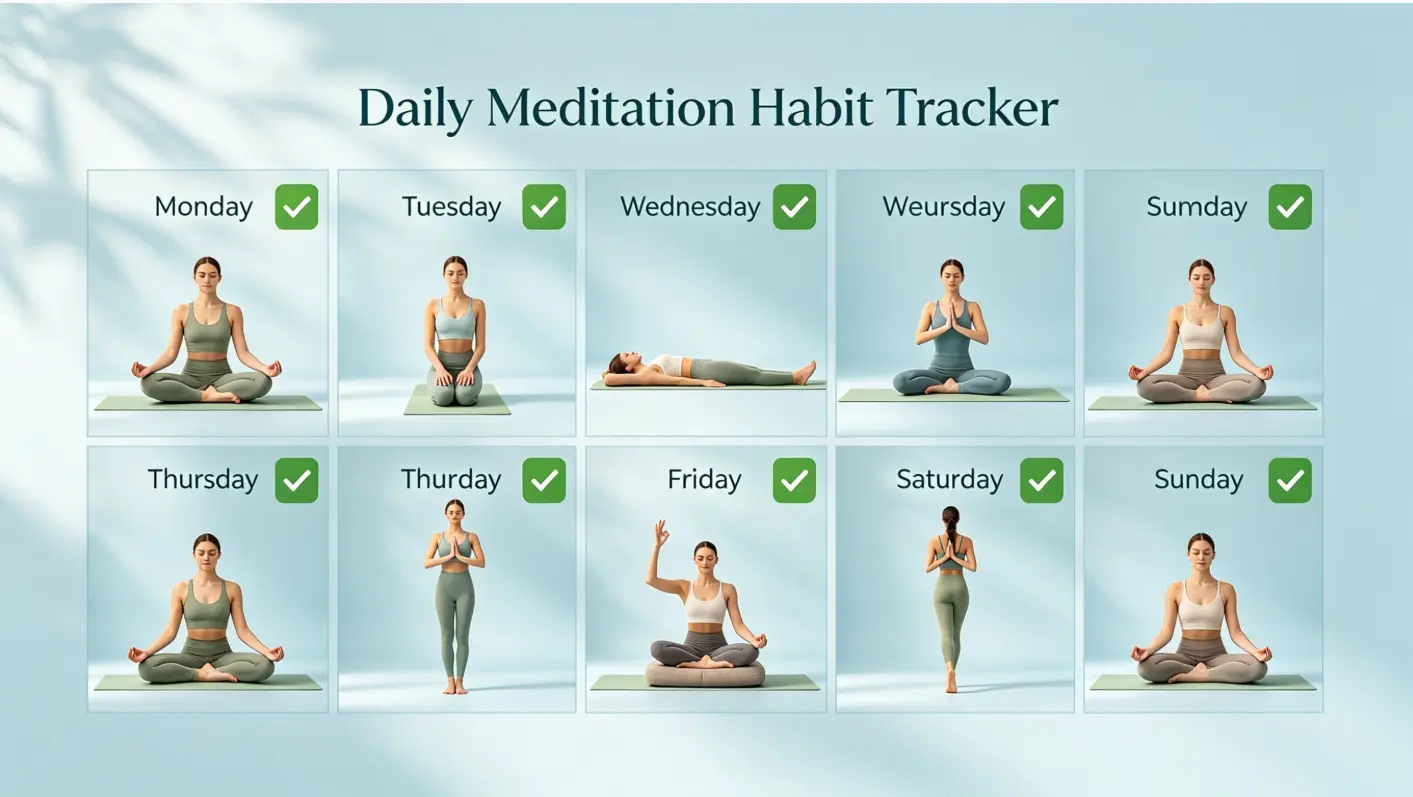
Meditation becomes most effective when it’s practiced consistently. Building a daily routine doesn’t require a major lifestyle change—it simply requires commitment and repetition. If you’re wondering how to meditate daily, the key is to make meditation a natural part of your everyday schedule. Small, consistent actions lead to lasting habits and long-term improvements in mental well-being.
One of the easiest ways to how to start a daily meditation habit is by meditating at the same time every day. Many people prefer meditating in the morning to begin the day with a clear mind, while others choose the evening to unwind before bed. Pick a time that fits your lifestyle and stick with it as consistently as possible.
Having a quiet, comfortable space makes it easier to develop a regular meditation routine. Your meditation area doesn’t need to be large or elaborate. A comfortable chair, cushion, soft lighting, or a peaceful corner of your home is enough to create an environment that encourages relaxation and focus. Using the same space each day also helps train your brain to associate that area with mindfulness.
Keeping track of your meditation sessions helps maintain motivation and accountability. You can use a journal, calendar, habit tracker, or meditation app to record how long you meditate and how you feel afterward. Seeing your progress over time reinforces positive habits and makes it easier to stay committed to your practice.
Many beginners try to meditate for long periods right away, but this often leads to frustration. If you’re learning how to start a daily meditation practice, begin with just 5–10 minutes each day. Once meditation becomes part of your routine, you can gradually increase the duration. Remember that consistency is more important than meditating for long periods.
Meditation apps and simple timers can make daily practice easier and more enjoyable. Guided sessions, calming background sounds, breathing exercises, reminders, and progress tracking help you stay motivated while building your habit. Whether you use a dedicated meditation app or a basic timer, these tools can support your goal of learning how to meditate daily and maintaining a sustainable mindfulness practice for years to come.
Starting your day with meditation is one of the most effective ways to improve focus, reduce stress, and create a positive mindset. If you’re wondering how to meditate in the morning, the key is to keep your routine simple and consistent. Even five minutes of quiet mindfulness can help you feel calmer, more energized, and better prepared for the day ahead. Morning meditation also reduces mental clutter, allowing you to approach work, school, or personal responsibilities with greater clarity.
Morning is often the quietest part of the day, making it an ideal time to meditate. Your mind is generally less distracted, allowing you to develop mindfulness before daily responsibilities begin. People who practice morning meditation regularly often experience improved concentration, lower stress levels, and better emotional balance throughout the day.
If you’re learning how do you meditate in the morning, start with this simple routine:
This short routine is easy to maintain and helps build consistency.
Once you’re comfortable with five-minute sessions, extend your practice to ten minutes.
This routine improves focus while preparing your mind for daily challenges.
Avoid checking your phone before meditating, expecting immediate results, rushing through your session, or skipping practice after missing one day. Building a lasting meditation habit is about consistency rather than perfection.
One of the greatest benefits of meditation is its ability to sharpen attention and improve mental performance. Regular meditation for mental clarity helps reduce distractions, organize your thoughts, and increase productivity. Whether you’re working, studying, or managing daily responsibilities, meditation helps your brain stay calm and focused.
Meditation strengthens attention, memory, and problem-solving skills by training your brain to remain present. Regular mindfulness practice also reduces mental fatigue and improves information processing, making it easier to stay productive throughout the day.
A short meditation session before work can improve concentration, reduce stress, and increase creativity. Taking mindful breathing breaks throughout the day also helps prevent burnout and improves decision-making during demanding tasks.
Meditation for students can improve concentration, memory, and learning efficiency. Meditating before studying or exams helps reduce anxiety while increasing focus and information retention. Even ten minutes of mindfulness each day can support better academic performance and healthier study habits.
A calm mind makes better decisions. Meditation encourages thoughtful responses instead of impulsive reactions by increasing self-awareness and emotional regulation. Over time, this leads to better judgment in both personal and professional life.
Beyond relaxation, meditation can also become a meaningful path toward self-discovery and inner peace. If you’re interested in how to meditate spiritually, the goal isn’t to follow a specific religion but to develop a deeper connection with yourself, your values, and the present moment.
Spiritual meditation focuses on inner awareness rather than simply relaxing the mind. It encourages reflection, gratitude, compassion, and a deeper understanding of your thoughts and emotions.
Spend a few quiet minutes observing your breathing and noticing your emotions without judgment. This gentle awareness helps you understand yourself more clearly while promoting emotional balance.
Many spiritual meditation sessions include silently expressing gratitude for life’s blessings or sending kindness to yourself and others. These practices improve emotional well-being and strengthen empathy.
Choose a quiet place, meditate at the same time each day, and include mindfulness, gratitude, or inspirational reading in your routine. The most meaningful spiritual practice is one that feels authentic and sustainable for your lifestyle.
Guided meditation is an excellent option for beginners who want structured support while practicing mindfulness. Guided meditation for healing combines calming instructions, breathing techniques, and visualization exercises to help reduce stress, promote emotional healing, and encourage deep relaxation. Whether you’re recovering from a stressful period or simply looking for a peaceful way to unwind, guided meditation can become an important part of your daily wellness routine.
Emotional healing meditation helps you process difficult emotions with kindness and self-awareness. During these sessions, you’re encouraged to acknowledge your feelings without judging them. Gentle breathing, mindfulness, and positive affirmations can help reduce emotional tension while building resilience and inner peace. Regular practice supports healthier emotional balance and greater self-compassion.
Stress relief meditation focuses on calming the nervous system through slow breathing and mindful awareness. Guided sessions often encourage you to relax each part of your body while letting go of daily worries. Practicing for just 10–15 minutes a day may reduce stress, improve mood, and help you respond more calmly to challenging situations.
Sleep meditation is designed to quiet a busy mind before bedtime. Guided sessions usually combine slow breathing, body scan techniques, and calming visualizations that help relax both the body and mind. Listening to sleep meditation regularly may help you fall asleep faster, improve sleep quality, and wake up feeling more refreshed.
If you’re new to meditation, try these simple relaxation techniques:
These beginner-friendly techniques make guided meditation for healing easier to follow and support long-term emotional well-being.
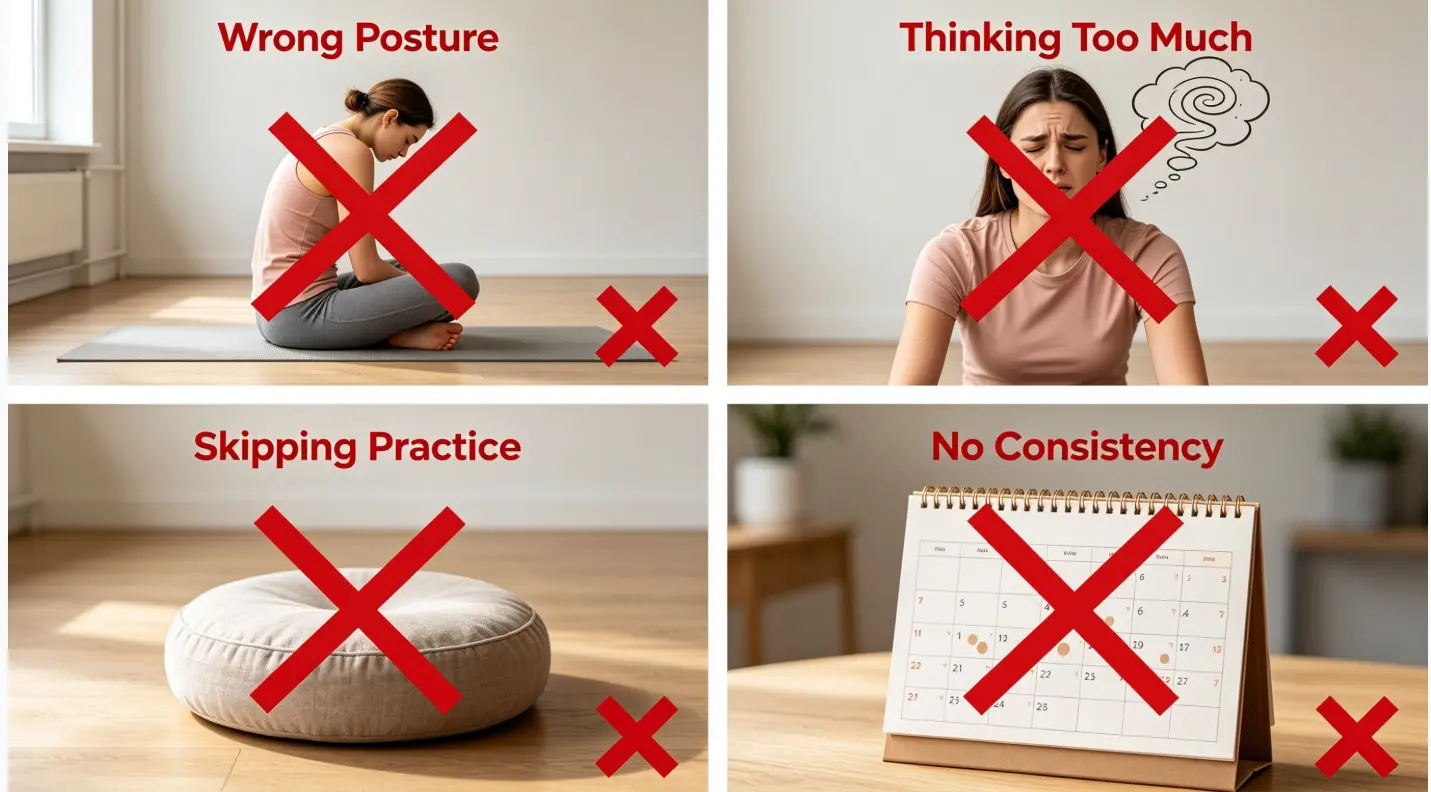
Every beginner faces challenges while learning to meditate, and making mistakes is completely normal. Understanding these common issues will help you build a more enjoyable and sustainable practice. Following these meditation tips can improve your experience and help you stay motivated.
Meditation is a skill that develops over time. Many beginners expect immediate improvements in focus or stress relief, but meaningful changes usually come through regular practice. Be patient and celebrate small improvements along the way.
One of the biggest misconceptions is believing your mind must become completely empty. Thoughts are a natural part of meditation. Instead of trying to eliminate them, simply notice them and gently return your attention to your breathing.
Meditating occasionally is less effective than practicing a few minutes every day. Building consistency is more important than meditating for long periods once in a while. Even five minutes of daily practice can produce lasting benefits.
Sitting in an uncomfortable position can create unnecessary tension and make meditation more difficult. Keep your spine naturally straight, relax your shoulders, and choose a comfortable seat that allows you to remain still without discomfort.
Everyone’s meditation journey is different. Avoid comparing your progress with experienced meditators or expecting the same results. Focus on your own growth and enjoy the process of learning at your own pace.
Many beginners jump directly into advanced techniques without mastering mindful breathing and present-moment awareness. Start with the fundamentals before exploring more advanced meditation practices. These simple meditation tips for beginners create a stronger foundation for long-term success.
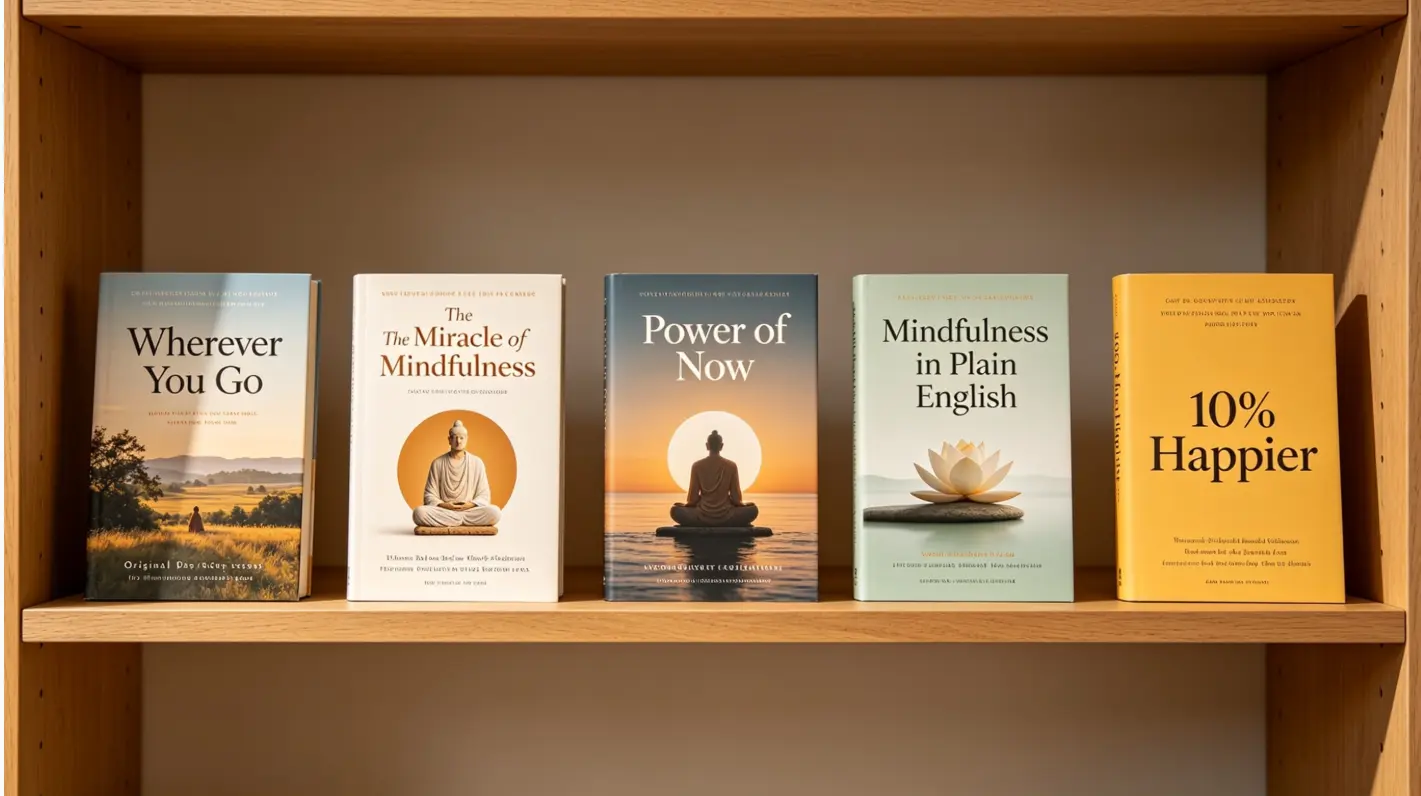
Reading a quality meditation book can deepen your understanding of mindfulness while providing practical exercises you can use every day. The best meditation books for beginners explain complex ideas in simple language and help build confidence as you develop a regular meditation practice.
Meditation books offer expert guidance, structured lessons, and practical exercises that complement daily practice. They also help answer common beginner questions while providing motivation to stay consistent.
Written by Jon Kabat-Zinn, this classic introduces mindfulness through simple, practical lessons. It’s one of the best books on meditation for beginners because it focuses on bringing mindfulness into everyday life.
In this timeless book, Thích Nhất Hạnh teaches mindfulness through breathing exercises, daily awareness, and gentle reflections. It’s an excellent choice for readers seeking calmness and inner peace.
Authored by Bhante Henepola Gunaratana, this beginner-friendly guide explains meditation clearly while addressing common challenges such as distractions, wandering thoughts, and consistency.
Eckhart Tolle explores the importance of living fully in the present moment. Although broader than a traditional meditation manual, it provides valuable insights into mindfulness and emotional awareness.
Written by Dan Harris, this engaging book shares the author’s personal journey from skepticism to discovering the benefits of meditation. Its practical advice and relatable storytelling make it one of the most recommended meditation books for beginners.
When selecting a meditation book, look for one that matches your goals and learning style. If you’re completely new to meditation, choose books with simple language, step-by-step exercises, and practical examples. Readers interested in mindfulness, stress management, spiritual growth, or emotional well-being may prefer different approaches, so don’t hesitate to explore several authors. The best meditation books for beginners are the ones that encourage consistent practice, answer your questions clearly, and inspire you to make meditation part of your everyday life.
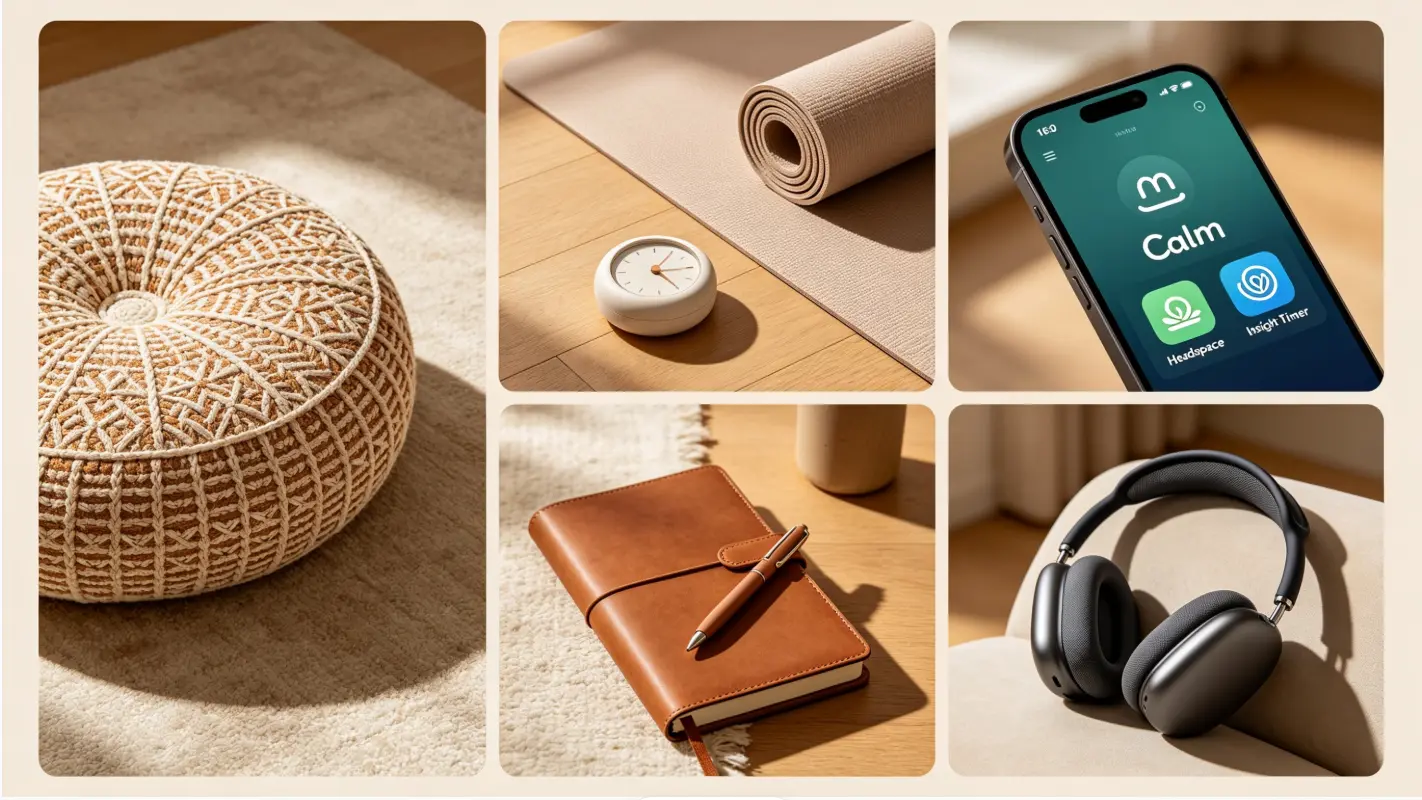
While meditation for beginners doesn’t require expensive equipment, the right tools can make your practice more comfortable, enjoyable, and consistent. Investing in a few high-quality meditation accessories can help you maintain proper posture, reduce distractions, and create a peaceful environment for mindfulness. If you’re building your first meditation setup, these beginner-friendly essentials are worth considering.
A meditation cushion (often called a zafu) provides better support for your hips and spine, making it easier to sit comfortably during longer sessions. It promotes proper posture, reduces pressure on your knees, and helps prevent back discomfort. For anyone starting beginner meditation, a supportive cushion is one of the best investments you can make.
A yoga mat creates a clean, comfortable surface for seated meditation, stretching, or mindful movement. Many beginners combine gentle yoga with meditation to improve flexibility and relaxation. Look for a non-slip, well-cushioned mat that offers stability and comfort during your daily practice.
Using a meditation timer allows you to focus completely on your practice without checking the clock. Most meditation timers include gentle chimes that signal the beginning and end of your session without interrupting your concentration. This simple tool helps you build consistency and gradually increase your meditation time.
Guided meditation apps are among the most valuable resources for beginners. They provide step-by-step instruction, breathing exercises, mindfulness courses, sleep meditations, and daily reminders that help you stay motivated. Many apps also include progress tracking, making it easier to develop a long-term meditation habit.
Keeping a meditation journal helps you record your thoughts, emotions, session length, and personal progress. Writing a few notes after each meditation session allows you to identify patterns, celebrate improvements, and stay committed to your mindfulness journey. A journal can also become a source of motivation as you look back on your growth.
If you meditate in a busy environment, noise-canceling headphones can significantly improve your focus by reducing background distractions. They’re especially useful when listening to guided meditations, calming music, or nature sounds. Comfortable headphones with clear audio can help create a more immersive and relaxing meditation experience.
Before purchasing meditation accessories, consider your personal needs, budget, and meditation style. Beginners don’t need to buy everything at once. Start with the essentials, such as a comfortable cushion, a meditation timer or app, and a journal. As your practice grows, you can gradually add other tools that support your routine.
High-quality meditation products should be:
The best meditation tools are the ones that encourage you to practice consistently. Combined with regular mindfulness, these simple resources can help you stay focused, reduce stress, and make meditation a lasting part of your daily wellness routine.
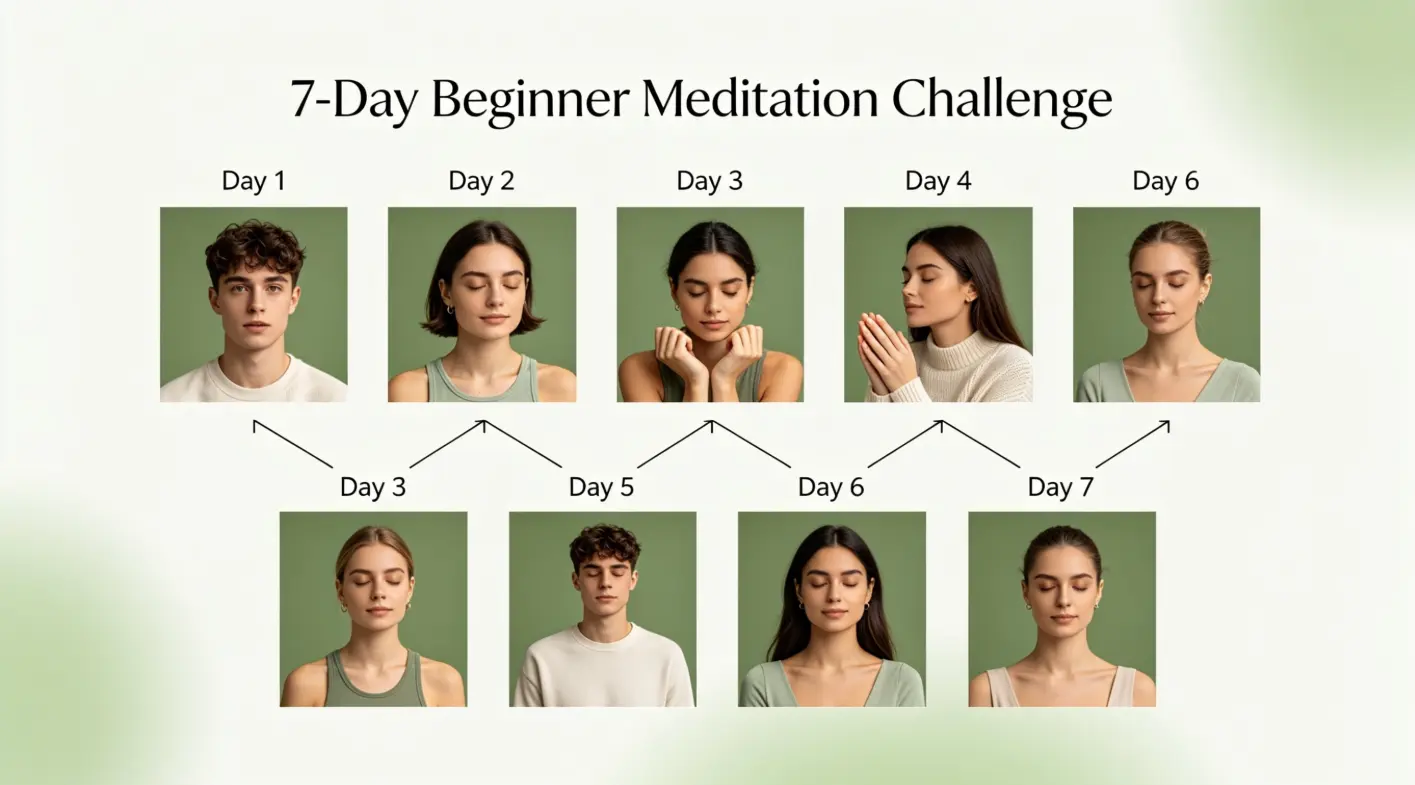
Starting a meditation habit is easier when you have a clear plan to follow. This meditation for beginners challenge is designed to help you build confidence, improve mindfulness, and create a consistent daily routine in just one week. Each session takes only 5–10 minutes, making it easy to fit into even the busiest schedule. By the end of these seven days, you’ll have experienced several beginner meditation techniques and discovered which methods work best for you.
Begin your journey by focusing on your natural breathing. Sit comfortably, close your eyes, and observe each inhale and exhale without trying to change your breathing pattern. Whenever your mind wanders, gently bring your attention back to your breath. This simple exercise builds concentration and lays the foundation for all future meditation practices.
Today’s goal is to practice mindfulness by paying attention to the present moment. Notice your breathing, body sensations, and the sounds around you without judging them. If distracting thoughts appear, simply acknowledge them and return your focus to the present. This exercise strengthens awareness and helps reduce mental distractions.
Spend today’s session reflecting on the positive aspects of your life. Think about people, experiences, or opportunities you’re grateful for. Slowly repeat phrases such as, “I am thankful for today,” or “I appreciate the good in my life.” Gratitude meditation encourages a more positive mindset while improving emotional well-being and resilience.
Try a guided meditation using a trusted meditation app, audio recording, or video. Follow the instructor’s breathing exercises and mindfulness guidance from beginning to end. Guided sessions are especially helpful for anyone new to meditation for beginners because they provide clear direction and help maintain focus throughout the practice.
Instead of sitting, practice mindfulness while walking slowly. Pay attention to each step, your breathing, and the sensation of your feet touching the ground. Walking meditation is one of the easiest ways to meditate and is ideal for people who find it difficult to sit still for extended periods.
Today’s practice focuses on compassion. Silently repeat kind wishes such as, “May I be happy,” “May I be healthy,” and “May others live with peace and happiness.” This meditation develops empathy, reduces negative emotions, and encourages healthier relationships with yourself and others.
On the final day, spend a few minutes reflecting on your meditation journey. Think about which techniques felt most comfortable, how your mood or focus has changed, and what challenges you experienced. Write your thoughts in a journal and set a goal for continuing your beginner meditation practice. Completing this 7-day meditation challenge is only the beginning. By practicing consistently, you’ll continue developing mindfulness, reducing stress, improving concentration, and enjoying the long-term benefits of meditation in your everyday life.
Start by sitting in a quiet place, focusing on your breathing for 5–10 minutes, and gently returning your attention whenever your mind wanders. Meditation for beginners is all about consistency, not perfection.
Sit comfortably with a straight back, relax your body, breathe naturally, and stay focused on the present moment. Don’t try to stop your thoughts—simply observe them and return to your breath.
Focus on your breathing, a positive affirmation, gratitude, or simply observe your thoughts without judgment. Mindfulness is about awareness, not having an empty mind.
Most beginners should meditate for 5–10 minutes daily. As your concentration improves, gradually increase your practice to 15 or 20 minutes.
Yes, especially for relaxation or sleep meditation. However, sitting upright helps you stay alert and focused.
Absolutely. You can practice at home using simple breathing exercises, although guided meditation is helpful when you’re just starting.
Mindfulness meditation, breath awareness, guided meditation, and body scan meditation are among the best meditation techniques for beginners.
Morning meditation improves focus and energy, while evening meditation promotes relaxation and better sleep. Choose the time that fits your routine.
Yes. The best meditation books for beginners explain mindfulness clearly and provide practical exercises for daily practice.
Many people notice positive changes within 2–8 weeks of practicing meditation for beginners consistently every day.