Physical Address
304 North Cardinal St.
Dorchester Center, MA 02124
Physical Address
304 North Cardinal St.
Dorchester Center, MA 02124


Almost everyone experiences a cold or cough at some point during the year. In the United States, adults typically catch two to three colds annually, while children may experience even more. Although the common cold is usually mild, symptoms like a sore throat, runny nose, nasal congestion, sneezing, and persistent coughing can make everyday activities feel exhausting.
When you’re sick, it’s natural to want relief as quickly as possible. While there isn’t an instant cure for the common cold, many Best Home Remedies for Cold and Cough That Really Work can help ease symptoms, support your body’s natural healing process, and make you feel more comfortable while you recover.
Simple habits such as drinking plenty of fluids, getting adequate rest, using honey to soothe a sore throat, enjoying warm herbal teas, inhaling steam, and maintaining healthy nutrition have been used for generations—and many are supported by scientific research for symptom relief.
It’s important to remember that these natural remedies for cold aren’t meant to replace medical treatment when it’s necessary. Instead, they work by reducing discomfort, helping loosen mucus, calming throat irritation, and keeping your body hydrated while your immune system fights the infection.
Throughout this guide, you’ll discover practical home remedies for cough and cold, learn which remedies have the strongest scientific support, and explore safe ways to manage symptoms at home. Whether you’re dealing with a mild sore throat or looking for effective ways to feel better when sick, these natural strategies can help you recover more comfortably.
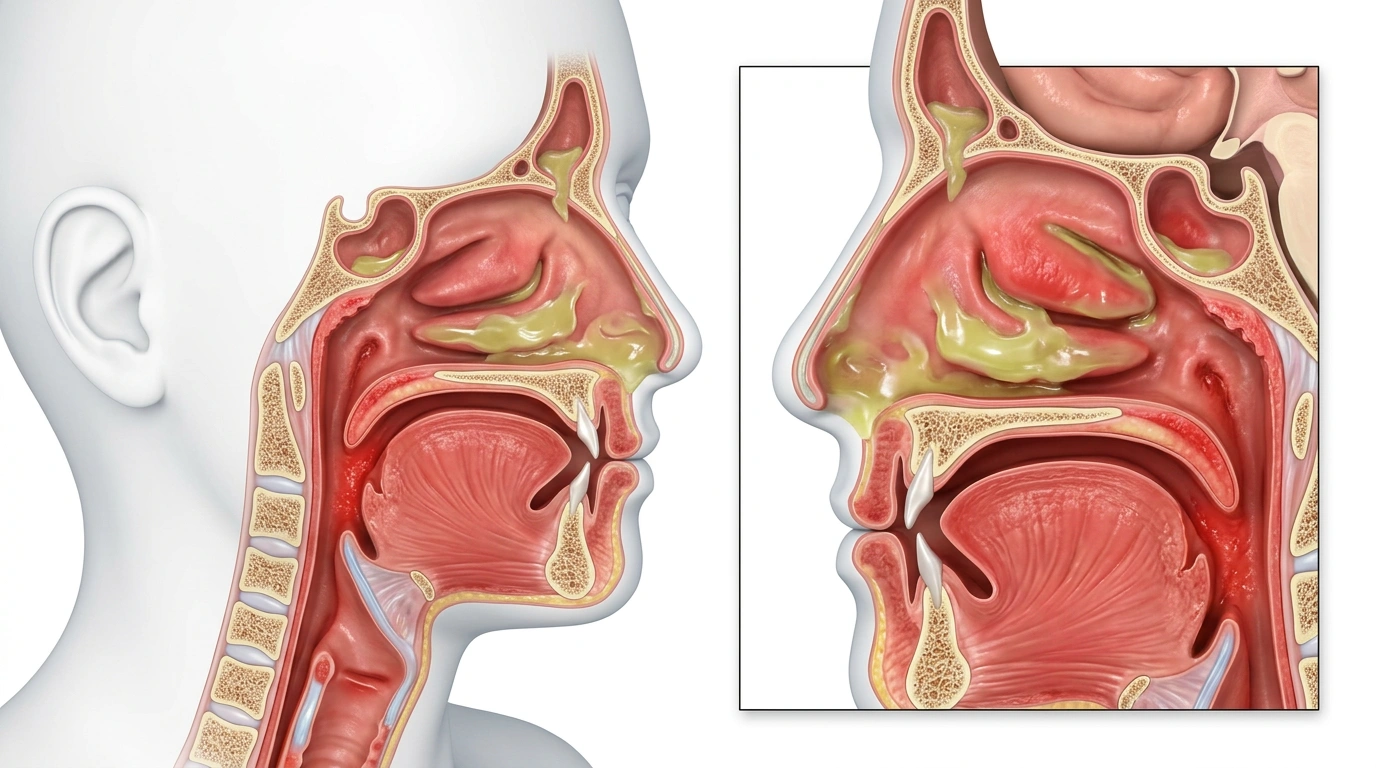
Before choosing the best treatment, it helps to understand what’s happening inside your body.
The common cold is a viral infection that primarily affects the upper respiratory tract, including your nose and throat. More than 200 different viruses can cause a cold, with rhinoviruses being the most common.
Once a virus enters your body, your immune system immediately begins fighting back. This response creates inflammation, which leads to many familiar cold symptoms.
Common symptoms include:
These symptoms are actually signs that your immune system is working to eliminate the virus.
Coughing is one of your body’s natural defense mechanisms.
As mucus builds up in your airways, coughing helps clear irritants and secretions from your lungs and throat.
Sometimes a cough develops because mucus drips down the back of your throat—a condition known as postnasal drip. In other cases, inflammation directly irritates the airways.
Understanding the type of cough you have helps determine which home remedy may work best.
A dry cough produces little or no mucus.
It’s often caused by:
Dry coughs can feel especially irritating because repeated coughing further inflames the throat.
A wet cough produces mucus or phlegm.
This type of cough helps remove mucus from your respiratory system.
Although it may sound worse than a dry cough, a productive cough often serves an important purpose by clearing the lungs.
Unlike viral infections, allergy-related coughs occur when your immune system reacts to allergens such as:
An allergy cough is often accompanied by:
Because allergies aren’t caused by viruses, treatment focuses on reducing exposure to allergens rather than fighting infection.
Although colds and influenza share similar symptoms, the flu usually develops more suddenly.
A cough from flu is often accompanied by:
Some people continue experiencing a post flu cough for several weeks after other symptoms disappear. This lingering inflammation usually improves gradually as the airways heal.
Many people notice that coughing becomes much more frequent after lying down.
Several factors contribute to nighttime coughing:
Sleeping with your head slightly elevated and keeping the air comfortably humid may help reduce nighttime coughing.
Most colds improve within seven to ten days.
However, some people experience a lingering cold or a continuous coughing after cold that lasts several weeks.
This doesn’t necessarily mean the infection is still active.
Often, your airways remain sensitive even after the virus has been eliminated.
You may also notice:
If your cold won’t go away, symptoms become significantly worse, or they last longer than two weeks, it’s important to consult a healthcare provider to rule out other conditions such as sinus infections, pneumonia, asthma, or allergies.
Natural remedies cannot eliminate the virus that causes a cold, but they can reduce discomfort, soothe irritated airways, and support your body’s recovery.
Many of these remedies have been used for generations and are supported by research for relieving common cold symptoms.

Honey is one of the most popular and well-studied natural remedies for coughs.
If you’ve ever wondered, is honey good for a cold?, the answer is yes—for many people, it can provide temporary symptom relief.
Honey works by coating the throat, reducing irritation, and calming the cough reflex.
Some studies suggest that honey may help reduce nighttime coughing and improve sleep quality in children over one year of age and adults.
Never give honey to infants younger than 12 months because of the risk of infant botulism.
While honey won’t cure the virus itself, it may help relieve:
This makes it one of the simplest natural cough remedies available at home.
A warm honey drink is easy to prepare.
Ingredients:
Stir well and sip slowly.
Warm liquids help soothe the throat, while honey provides additional comfort.
You can also prepare a simple homemade mixture.
Ingredients:
Mix thoroughly and take one teaspoon as needed throughout the day.
This traditional honey cough syrup is often used as a homemade cough mixture with honey to soothe throat irritation.
Ginger and garlic have long been used in traditional medicine to support immune health and relieve respiratory symptoms.
Although they won’t instantly cure a cold, they contain natural compounds that may help reduce inflammation and provide soothing relief.
Ginger contains bioactive compounds called gingerols and shogaols, which have anti-inflammatory and antioxidant properties.
Many people use ginger and honey for cough because the combination provides both warmth and throat-soothing effects.
Simple ginger tea recipe:
Ingredients:
Steep fresh ginger in hot water for about 10 minutes.
Add honey after the tea cools slightly.
Drink one to three cups daily for comfort.
Garlic has been used for centuries as a natural wellness food.
Some laboratory research suggests that garlic contains compounds with antimicrobial properties.
While evidence for treating colds is still limited, adding garlic to soups, broths, and meals can be part of a healthy diet during illness.
If you’re searching for how to use garlic for cough and cold, the simplest methods include:
Raw garlic may irritate the stomach in some individuals, so moderation is important.
Several herbs are traditionally used to ease cough symptoms.
Popular options include:
These herbs good for cough may help soothe the throat and encourage relaxation when consumed as warm herbal teas.
A simple herbal cough mixture combining ginger, honey, lemon, and warm water is a comforting choice during cold season.

One of the easiest ways to feel better during a cold is to stay hydrated with warm liquids.
Warm beverages can:
Although hot drinks don’t cure infections, they often provide immediate comfort.
Several herbal teas are excellent choices.
Supports hydration while providing natural anti-inflammatory compounds.
Helps promote relaxation and may improve sleep quality during illness.
Contains menthol, which creates a cooling sensation that may temporarily make breathing feel easier.
Rich in antioxidants that support overall health while keeping you hydrated.
If you’re wondering does hot tea help with cough?, many people find that warm tea temporarily reduces throat irritation and makes coughing less uncomfortable.
Likewise, can tea help cough? Yes—primarily by keeping the throat moist and supporting hydration rather than directly treating the virus.
Choosing the best teas for cough, such as ginger, chamomile, peppermint, or green tea, is a simple, comforting addition to your home care routine.
By combining warm beverages with adequate rest, proper hydration, and other evidence-based home remedies, you can often manage cold symptoms more comfortably while your body recovers naturally.
Staying hydrated is one of the most effective ways to support your body while recovering from a cold. When you’re sick, you lose fluids through fever, sweating, mucus production, and even faster breathing. Replacing those fluids helps keep your throat moist, thin mucus, and support your immune system.
If you’re wondering what to drink when sick, focus on beverages that provide hydration without excessive sugar or alcohol.
Plain water should be your first choice.
Drinking water throughout the day helps:
Many people ask if cold or room-temperature water is better. The answer depends on what feels comfortable. Some people prefer cool water, while others find warm drinks more soothing.
Herbal teas remain among the best drinks when sick because they provide hydration while helping soothe irritated airways.
Excellent options include:
These warm beverages can be especially comforting when you’re dealing with congestion or a sore throat.
Warm lemon water provides hydration while adding a refreshing flavor.
Although lemon isn’t a cure for colds, many people enjoy warm lemon water because it encourages them to drink more fluids throughout the day.
Adding a teaspoon of honey may provide additional throat comfort.
If you’ve been sweating heavily or have a fever, coconut water can help replace fluids and some electrolytes.
Choose varieties without added sugar whenever possible.
Warm chicken broth or vegetable broth provides hydration while being easy to consume when your appetite is low.
Chicken soup has long been considered one of the most comforting hot drinks for colds, although technically it’s a light meal rather than a beverage.
Small amounts of 100% fruit juice can contribute to hydration, but avoid drinking large quantities because natural sugars can add unnecessary calories.
Water should still remain your primary drink.
Overall, the best drink when sick is whichever healthy fluid helps you stay hydrated consistently.
Coffee is one of America’s favorite beverages, but many people wonder whether they should continue drinking it during a cold.
So, is coffee good for a cough?
The answer depends on your symptoms.
Coffee doesn’t directly treat coughing, and there’s no evidence that coffee for a cough speeds recovery.
However, moderate coffee intake is generally safe if:
On the other hand, excessive caffeine may contribute to dehydration if you’re not drinking enough water.
Some people also notice that hot coffee temporarily irritates an already inflamed throat.
If you’re asking will coffee help a cold, the answer is no—it won’t shorten the illness. Drinking plenty of water and warm herbal beverages is usually a better choice while recovering.
This is one of the most common myths.
Many people believe cold drinks are bad for sore throat, but research doesn’t support a universal rule.
For some individuals:
Others find that warm drinks feel more soothing.
If you’re wondering, can I drink cold water with a sore throat? Yes, if it feels comfortable.
Likewise, deciding between hot or cold drinks for sore throat often comes down to personal preference.
The most important goal is staying hydrated.
Coughing is your body’s way of clearing mucus and irritants from your airways.
Rather than trying to stop every cough immediately, focus on reducing unnecessary irritation while allowing productive coughing to clear mucus naturally.
If you’re looking for how to stop coughing naturally, these strategies can help.
Keeping your throat moist reduces irritation and may decrease coughing frequency.
Honey coats the throat and helps calm mild coughs.
Moist air helps soothe irritated airways.
Cigarette smoke, perfumes, dust, and chemical fumes may trigger additional coughing.
Talking less allows irritated throat tissues to recover.
Saltwater may temporarily soothe throat irritation.
If you experience a sudden coughing episode and wonder how to stop a cough attack, try these steps:
These methods may also help if you’re searching for home remedies to stop coughing or how to remove dry cough fast.
An itchy throat often triggers repeated coughing.
Common causes include:
A simple itchy throat cough remedy includes:
If you’re looking for a home remedy for itchy throat and cough, combining warm fluids with adequate humidity is often one of the most effective approaches.
Learning how to stop itchy throat and coughing usually involves identifying and avoiding the underlying trigger whenever possible.
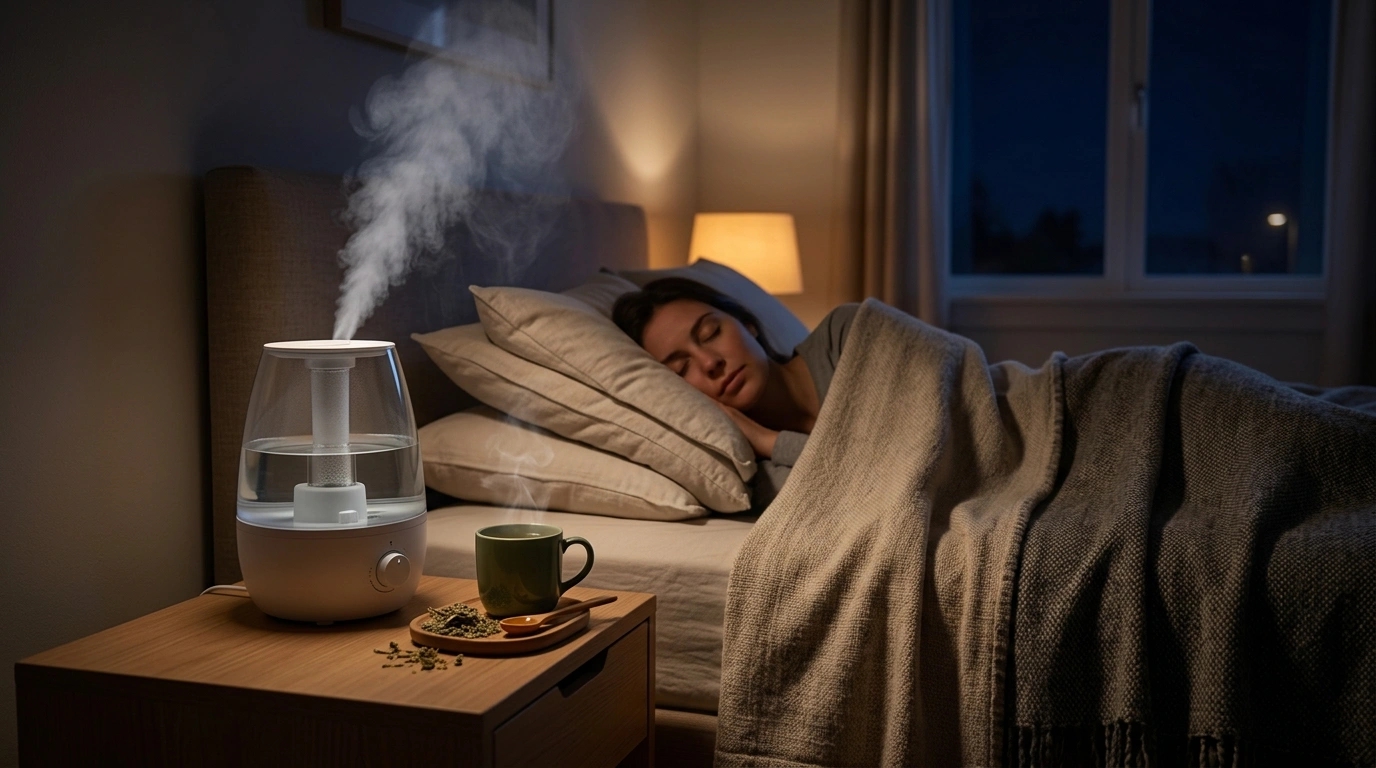
Many people say nighttime is the worst part of having a cold.
As soon as they lie down, coughing suddenly becomes more frequent.
Why does this happen?
When you lie flat:
If you’re wondering how to stop coughing at night, try these strategies.
Use an extra pillow to reduce postnasal drainage.
Warm herbal tea or honey water may soothe your throat before sleeping.
Avoid extremely dry air.
Proper hydration helps thin mucus before bedtime.
Acid reflux can worsen nighttime coughing in some people.
These methods may help if you’re searching for:
If you can’t stop coughing at night for several nights or develop breathing difficulty, seek medical evaluation.
Many people purchase humidifiers during cold season.
So, will a humidifier help with a cough?
It can.
A humidifier adds moisture to dry indoor air, which may reduce throat irritation and make coughing feel less severe.
Humidifiers may be particularly helpful during winter when indoor heating dries out the air.
When choosing between warm or cold humidifier for cough, both types can provide moisture.
Many healthcare professionals recommend cool-mist humidifiers because they reduce burn risks around children.
Regardless of which type you choose:
A dirty humidifier may spread mold or bacteria into the air.
One of the simplest home remedies requires nothing more than your bathroom.
Many people wonder, do hot showers help colds?
The answer is yes—for temporary symptom relief.
Warm steam helps:
While hot showers help with colds, they don’t eliminate the virus itself.
Instead, they temporarily reduce discomfort.
Keep the shower warm rather than extremely hot to avoid dizziness or dry skin.
If you ask, is a hot shower good for a cold? the answer is yes, especially when combined with hydration and adequate rest.
Not every cough is caused by a virus.
An allergy cough often develops after exposure to:
Unlike a cold, allergies usually don’t cause fever or body aches.
Signs of an allergy cough include:
If you’re searching for how to stop coughing from allergies, reducing exposure is the first step.
Helpful strategies include:
These methods may provide effective allergy cough relief while reducing future flare-ups.
Postnasal drip occurs when excess mucus flows down the back of your throat.
This constant drainage often triggers coughing, throat clearing, and irritation.
If you’re looking for home remedies for post nasal drip cough, consider these natural approaches.
Water helps thin mucus, making it easier to clear.
Saline rinses help remove excess mucus and allergens from the nasal passages.
Warm steam temporarily loosens thick mucus.
Saltwater can soothe irritated throat tissues.
Warm beverages help keep mucus moving comfortably.
If you’re wondering how to get rid of phlegm in throat, patience is important.
Your body naturally removes mucus over time, especially when supported by hydration and gentle symptom relief.
These simple strategies are among the safest natural ways to get rid of congestion while helping you breathe more comfortably during recovery.
Have you ever stepped outside on a cold winter morning and immediately started coughing? You’re not alone. Cold, dry air can irritate sensitive airways, especially if you’re recovering from a cold or have asthma or allergies.
If you’ve ever asked, why does cold air make me cough?, the answer is that cold air contains less moisture than warm air. Dry air can dry out the lining of your throat and airways, triggering your cough reflex.
Common weather-related cough triggers include:
Some people also notice a cold weather cough after exercising outdoors during winter.
People often ask, can cold air cause sore throat? Yes, dry cold air may irritate throat tissues, especially if you’re already sick.
Likewise, if you’re wondering why do cold things make me cough, very cold drinks or air can temporarily trigger sensitive airways in some individuals.
Even a summer cough may occur due to air conditioning, allergies, or viral infections rather than cold weather itself.
Cough drops are a common over-the-counter remedy for sore throats and mild coughs.
But do cough drops help?
Yes, they can provide temporary relief by stimulating saliva production and soothing throat irritation.
Many cough drops contain ingredients such as:
These ingredients don’t cure the infection, but they can make swallowing and coughing more comfortable.
If you’ve wondered how does cough drops work, the answer is simple: they keep the throat moist and may create a cooling or numbing sensation that temporarily reduces irritation.
When choosing the best cough drops for sore throat or the best cough drops for dry cough, look for products that match your symptoms and always follow the directions on the package.
Because cough drops are easy to use, some people consume more than recommended.
If you’re asking how often can you take cough drops, always follow the dosage instructions provided by the manufacturer.
Taking too many cough drops may cause:
If you’ve been wondering how many cough drops per day are safe, the answer depends on the specific product and its ingredients.
Always read the label carefully.
If you accidentally consume far more than recommended or experience unusual symptoms, contact your healthcare provider or your local poison center.
A sore throat often accompanies a cold and can make swallowing uncomfortable. Fortunately, several natural remedies may provide temporary relief.
Mix ½ teaspoon of salt into a glass of warm water and gargle for several seconds before spitting it out.
This simple remedy may help reduce throat irritation and loosen mucus.
Honey coats the throat and may calm coughing in adults and children over one year of age.
Warm chamomile, ginger, or peppermint tea can soothe an irritated throat while helping you stay hydrated.
Your immune system works best when you’re getting enough sleep and allowing your body time to recover.
These natural remedies for sore throat and cough don’t eliminate the virus, but they often make recovery much more comfortable.
If you’re looking for sore throat home remedies for adults, combining hydration, rest, honey, and warm saltwater gargles is one of the most effective approaches.
Pregnancy changes the immune system, making some women more susceptible to colds. At the same time, many medications are not recommended during pregnancy without medical guidance.
Safe home remedies for cold during pregnancy often include:
Honey may help soothe a cough for most adults, but always discuss persistent symptoms with your prenatal care provider.
If you’re searching for home remedies for cough during pregnancy or a homemade remedy for cough during pregnancy, remember that natural doesn’t always mean safe during pregnancy. Always consult your healthcare provider before trying herbal supplements or essential oils.
Many people have heard that whiskey or a hot toddy can cure a cold.
Unfortunately, that’s a myth.
If you’re wondering does alcohol help a cold?, current evidence says no.
Alcohol does not kill the cold virus inside your body or shorten the duration of illness.
In fact, drinking alcohol while sick may:
Some people believe whiskey for cold and cough temporarily soothes the throat because of its warming sensation, but the relief is short-lived.
Instead of drinking alcohol with a cold, choose healthier options such as:
These choices support recovery without increasing dehydration.

Although no single food cures a cold, eating nutritious meals helps your immune system function at its best.
Excellent foods to help a cold include:
A classic comfort food that provides fluids, protein, and warmth.
Oranges, grapefruit, and strawberries provide vitamin C as part of a balanced diet.
Contains protein and, in some varieties, probiotics that support gut health.
Soft, filling, and easy to eat with a sore throat.
An excellent source of high-quality protein and essential nutrients.
Spinach and kale provide vitamins and antioxidants.
Easy to digest while helping maintain hydration.
If you’re wondering what foods help a cold or what to eat or drink when sick, focus on foods that are nourishing, easy to swallow, and help you stay hydrated.
Most colds improve within 7–10 days with rest and supportive care.
However, some symptoms require prompt medical attention.
Contact a healthcare provider if you experience:
A lingering cough may simply be part of recovery, but persistent symptoms should always be evaluated to rule out pneumonia, asthma, bronchitis, COVID-19, or other medical conditions.
If you’ve had cold symptoms for two weeks without improvement, it’s time to seek medical advice.
Yes. If you’ve wondered, does drinking water help with sore throat?, staying hydrated keeps throat tissues moist, reduces dryness, and supports your body’s natural recovery. While water won’t cure the infection, it often makes swallowing more comfortable.
If you’re searching for how to stop sneezing from a cold, try getting plenty of rest, drinking fluids, using saline nasal spray, and avoiding smoke or other irritants. Sneezing usually improves as the viral infection resolves.
Yes, many people find that warm tea provides temporary relief. If you’ve asked does tea help cough or is tea good for cough, the answer is that warm tea helps soothe the throat, keeps you hydrated, and may reduce irritation that triggers coughing.
If you experience a sudden coughing episode and wonder how to stop a coughing fit, try these steps:
If coughing fits are frequent, severe, or interfere with breathing, seek medical evaluation.
There isn’t one remedy that works for everyone, but the most effective natural cough remedy often includes:
These approaches can soothe the throat and help relieve symptoms while your immune system fights the infection.