Physical Address
304 North Cardinal St.
Dorchester Center, MA 02124
Physical Address
304 North Cardinal St.
Dorchester Center, MA 02124

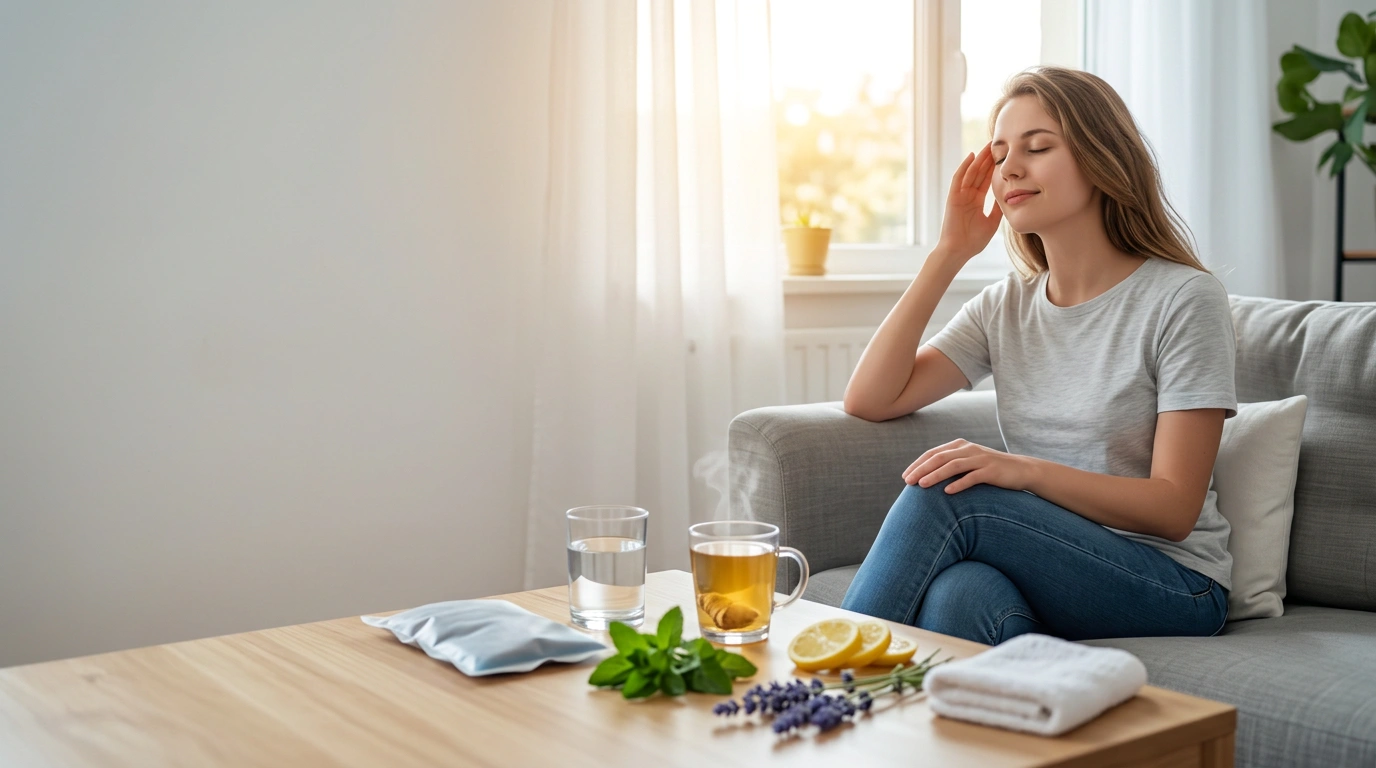
Headaches are one of the most common health problems affecting adults worldwide. Whether it’s a dull ache after a stressful workday, a pounding migraine that makes it difficult to look at light, or a sinus headache during allergy season, almost everyone experiences headaches at some point. While most headaches aren’t dangerous, they can interfere with work, family time, exercise, and sleep, making even simple daily tasks feel overwhelming.
Because of this, many people look for 15 Effective Home Remedies for Headache Relief before taking medication. Natural approaches are often inexpensive, easy to try at home, and may help relieve mild to moderate headaches caused by dehydration, stress, muscle tension, or poor sleep. For some people, simple lifestyle changes such as drinking more water, getting enough rest, or applying a cold compress can make a noticeable difference.
A natural remedy for headaches works best when the underlying cause is temporary and not related to a serious medical condition. For example, dehydration headaches often improve after drinking fluids, while tension headaches may ease with relaxation techniques or gentle stretching. Learning these natural ways to treat headache symptoms can help you feel better while reducing your reliance on medication for occasional discomfort.
If you’ve ever wondered what helps with headaches, the answer depends on the type of headache you’re experiencing. A migraine may require a different approach than a sinus headache or a tension headache. Understanding the cause is the first step toward choosing the most effective remedy.
Although home care can be very helpful, it’s important to recognize when medical attention is needed. Seek immediate care if you experience a sudden, severe headache unlike anything you’ve had before, headache with confusion, vision changes, weakness, high fever, persistent vomiting, or after a head injury. These symptoms may indicate a medical emergency that requires prompt evaluation.
Throughout this guide, you’ll learn quick ways to get rid of headaches, discover how do you cure a headache naturally, and explore evidence-based strategies that may help relieve migraines, tension headaches, sinus headaches, and dehydration headaches from the comfort of your home.
Not every headache feels the same. Different types of headaches have different causes, symptoms, and treatment approaches. Understanding what kind of headache you’re experiencing can help you choose the most appropriate home remedy.
Tension headaches are the most common type of headache among adults.
Instead of severe throbbing pain, they usually produce:
Many people describe it as feeling like a tight band wrapped around their head.
Common triggers include:
Fortunately, tension headaches often respond well to hydration, stretching, massage, relaxation techniques, and adequate rest.
Migraines are much more than severe headaches.
They are neurological conditions that often include additional symptoms such as:
Some people experience migraines with an aura.
An aura may include:
Others experience migraines without aura, which are actually more common.
There is also a condition known as a silent migraine. In these cases, neurological symptoms occur without significant head pain.
Many women also experience hormonal migraines related to menstrual cycles or hormonal changes.
Because migraines affect each person differently, identifying personal triggers is an important part of long-term management.
Sinus headaches develop when the sinuses become inflamed due to allergies or infections.
Symptoms often include:
Bending forward often increases sinus pressure.
Many headaches that people believe are sinus headaches are actually migraines, so proper diagnosis is important if symptoms occur frequently.
Hot summer weather, strenuous exercise, and inadequate fluid intake can all trigger headaches.
Heat-related headaches often develop because the body loses fluids and electrolytes through sweating.
Common symptoms include:
Replacing fluids early can often prevent symptoms from becoming more severe.
Headaches rarely happen without a reason.
Sometimes the cause is obvious, while other times several factors combine to trigger pain.
Understanding your personal triggers can help reduce future headaches.
Daily habits play a major role in headache development.
Stress causes muscles in the neck, shoulders, and scalp to tighten, contributing to tension headaches.
Practicing relaxation techniques regularly may reduce headache frequency.
Both too little and too much sleep can trigger headaches.
Maintaining a consistent sleep schedule supports healthy brain function and reduces migraine risk.
Spending hours looking at phones, tablets, or computer screens forces your eye muscles to work continuously.
Poor lighting and incorrect screen positioning can make symptoms worse.
When blood sugar drops, the brain receives less fuel.
Many people develop headaches after missing breakfast or delaying meals for long periods.
Eating balanced meals regularly helps stabilize blood sugar throughout the day.
The environment around you can also contribute to headaches.
Common triggers include:
Some individuals notice headaches before storms because of shifting barometric pressure.
Sometimes headaches develop because of underlying health conditions.
Examples include:
Persistent or worsening headaches should always be evaluated by a healthcare professional.
Natural remedies can often provide meaningful relief for mild headaches while supporting your body’s normal recovery process.
The following remedies are among the most widely recommended approaches for relieving headache symptoms at home.

One of the simplest—and most overlooked—headache remedies is proper hydration.
Many headaches occur because the brain temporarily loses fluid when the body becomes dehydrated.
If you’ve ever asked, does dehydration cause headaches?, the answer is yes.
Even mild dehydration may cause:
Aim to drink water consistently throughout the day instead of waiting until you feel thirsty.
If you’ve been sweating heavily during exercise or hot weather, replacing electrolytes may also help.
Helpful drinks include:
Many people also wonder whether coconut water for headaches works.
Because coconut water naturally contains electrolytes such as potassium, it may support hydration, particularly after prolonged sweating. However, plain water remains the best choice for most mild dehydration headaches.
If you’re looking for drinks that help headaches, focus on beverages that promote hydration rather than sugary drinks or excessive caffeine.

Cold therapy is one of the most effective home remedies for migraines.
Applying a cold compress to the forehead, temples, or back of the neck may temporarily reduce pain by narrowing blood vessels and decreasing inflammation.
Options include:
Many people ask whether to use ice or heat for headache.
For migraines, cold therapy often provides the greatest relief.
If you’re unsure between a cold or hot compress for headache, consider the type of headache you’re experiencing. Cold is generally preferred for migraines, while heat may be better for muscle-related tension headaches.
While cold compresses are popular for migraines, heat therapy can be particularly helpful for tension headaches caused by tight muscles.
Warmth increases blood flow and helps relax muscles in the neck and shoulders.
Effective heat therapy options include:
If you’ve been wondering whether heating pads for migraines are helpful, they may benefit individuals whose migraines are accompanied by neck muscle tightness.
People often ask, does heat help headaches?
The answer depends on the cause.
Muscle-related headaches often improve with warmth, whereas classic migraines usually respond better to cold.
Understanding heat vs ice for migraine treatment helps you choose the option that feels most effective for your symptoms.
A warm shower may do more than help you relax after a long day.
Warm water and steam can:
Many people notice that their headache feels less intense after standing under a warm shower for 10 to 15 minutes.
If you’ve asked, do hot showers help headaches?, the answer is yes—for some headache types, particularly tension headaches and sinus headaches.
Likewise, does a warm shower help a headache? It can, especially when combined with hydration and rest.

Ginger has been used in traditional medicine for centuries and is one of the most promising natural remedies for migraine-related nausea and inflammation.
Research suggests that ginger may help reduce migraine symptoms in some individuals, particularly when taken early during an attack.
If you’re wondering how to use ginger for migraines, consider these simple options:
To prepare ginger tea:
Although ginger isn’t a guaranteed cure, many people consider it one of the fastest remedies for migraine symptom relief when used alongside hydration, rest, and other supportive measures.
Turmeric is a bright yellow spice that has been used in traditional medicine for centuries. Its active compound, curcumin, has anti-inflammatory and antioxidant properties that researchers continue to study for various health conditions, including headaches and migraines.
Although more high-quality research is needed, some people find that turmeric becomes a helpful part of their overall headache management routine.
If you’re interested in using turmeric powder for migraines, you can:
Adding a pinch of black pepper may improve curcumin absorption because black pepper contains piperine, a compound that increases bioavailability.
Remember that turmeric is not an instant headache cure. It works best as part of a healthy lifestyle rather than as an emergency treatment.
Apple cider vinegar (ACV) is often promoted online as a remedy for countless health concerns, including headaches.
However, scientific evidence supporting apple cider for headache relief is limited.
Some people believe ACV may help headaches related to blood sugar fluctuations or digestion, but there is no strong clinical evidence proving it treats migraines or tension headaches.
If you choose to try apple cider vinegar:
People with stomach ulcers, chronic acid reflux, or certain digestive disorders should consult their healthcare provider before using apple cider vinegar regularly.
Plants have been used for headache relief for thousands of years. While herbal remedies aren’t a replacement for medical treatment, several herbs have shown potential benefits for certain individuals.
If you’re searching for herbs for headache relief, consider the following options.
Peppermint oil applied (properly diluted) to the temples may create a cooling sensation that temporarily eases tension headaches.
Avoid getting peppermint oil near your eyes.
Chamomile tea promotes relaxation and may help people whose headaches are triggered by stress or poor sleep.
Feverfew has been studied as a preventive option for migraines.
Some research suggests it may reduce migraine frequency in certain people, although results remain mixed.
Butterbur has also been studied for migraine prevention.
However, only purified, certified PA-free butterbur products should ever be considered because unprocessed butterbur contains compounds that may damage the liver.
Always discuss supplements with your healthcare provider before use.
These remain some of the best herbs for headaches, although individual results vary.
Overall, a herbal remedy for headaches works best when combined with healthy lifestyle habits rather than used alone.
Certain nutrient deficiencies may increase headache frequency in some people.
Among the most researched natural supplements for headaches are magnesium, riboflavin (vitamin B2), and coenzyme Q10.
Low magnesium levels have been associated with migraines in some individuals.
Foods rich in magnesium include:
Some people benefit from magnesium supplements under medical guidance.
Vitamin B2 has shown promise in reducing migraine frequency when taken consistently over time.
CoQ10 plays a role in cellular energy production and has been studied as a migraine prevention supplement.
Interest in ashwagandha migraines has increased because the herb may help lower stress levels.
While stress reduction can indirectly reduce tension headaches for some individuals, research specifically linking ashwagandha to migraine prevention remains limited.
Always consult your healthcare provider before starting supplements, particularly if you’re pregnant, breastfeeding, or taking prescription medications.
Poor sleep and headaches often create a frustrating cycle.
Lack of sleep increases headache risk, while headaches make it harder to sleep.
Many people ask, does sleeping help a headache?
Often, yes.
A short nap or a full night’s sleep may reduce headaches caused by fatigue or migraines.
To improve sleep quality:
Better sleep supports brain health and may reduce the frequency of recurring headaches.
Modern life requires many people to spend hours staring at digital screens.
Unfortunately, prolonged screen use may contribute to:
Protect yourself by following the 20-20-20 rule:
Every 20 minutes, look at something about 20 feet away for at least 20 seconds.
Additional tips include:
Some individuals also benefit from blue-light filtering or specially designed headache spectacles if eye strain is a frequent trigger.

Stress is one of the most common headache triggers.
Learning healthy coping strategies may reduce both headache frequency and intensity.
Helpful relaxation techniques for headaches include:
Slow breathing may reduce muscle tension and activate the body’s relaxation response.
Mindfulness meditation helps many people manage chronic stress.
Gentle yoga combines stretching, breathing, and relaxation, making it particularly useful for tension headaches.
This technique involves tightening and relaxing different muscle groups throughout the body.
Even spending 10–15 minutes each day practicing relaxation may improve overall well-being while reducing headache triggers.
When congestion builds inside the sinuses, pressure can produce facial pain and headaches.
If you’re looking for sinus migraine relief, reducing congestion is often the first priority.
Helpful home remedies include:
Although many people search for sinus migraine treatment, true sinus headaches are less common than migraines. If headaches repeatedly occur with sinus symptoms, consult a healthcare provider for an accurate diagnosis.
One of the most effective long-term strategies is identifying personal migraine triggers.
Common triggers include:
Keeping a headache diary can help identify patterns.
Record:
Over time, these notes may reveal consistent triggers that can often be reduced or avoided.
Skipping meals causes blood sugar levels to fluctuate, increasing headache risk for many people.
Instead of waiting until you’re extremely hungry:
Healthy snack ideas include:
Consistent nutrition provides your brain with the energy it needs while helping prevent headaches triggered by low blood sugar.
Many migraine sufferers hope to avoid medication whenever possible.
If you’ve wondered how can I get rid of a migraine without medicine, combining several natural strategies often provides the best chance of relief.
Start by moving to a quiet, dark room where light and noise won’t worsen symptoms.
Next:
Some individuals also benefit from magnesium-rich foods or supplements under professional guidance.
Although there is no guaranteed cure for migraine at home, these approaches may reduce symptom severity for many people.
If you’re searching for what helps with migraines at home, consistency is key. Managing sleep, hydration, nutrition, and stress often produces better long-term results than relying on a single remedy.
During a migraine attack, quick action may help reduce symptoms before they become severe.
If you’re looking for quick migraine relief or how to get rid of a migraine fast, try these immediate steps:
Some people experience immediate migraine headache relief by combining hydration, cold therapy, and rest early in an attack.
There is no true instant migraine relief, but acting quickly may shorten the duration or reduce the intensity of symptoms.
If you’re wondering how to stop a migraine fast or looking for tricks to get rid of migraines, remember that identifying your personal triggers and beginning treatment as soon as symptoms appear often produces the best results.
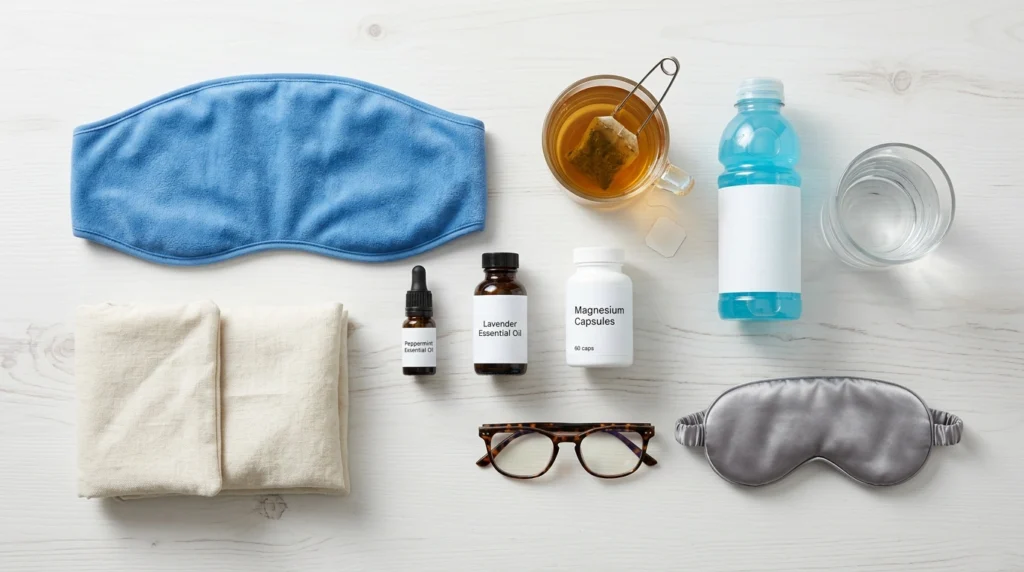
While healthy habits are the foundation of long-term headache prevention, certain wellness products may provide additional support. These products are not cures, but many people find them helpful when combined with lifestyle changes and professional medical advice.
Magnesium is one of the most researched supplements for migraine prevention. Some studies suggest that people with frequent migraines may have lower magnesium levels.
Magnesium supplements may help:
Food sources of magnesium include spinach, pumpkin seeds, almonds, black beans, and whole grains. If you’re considering a supplement, talk with your healthcare provider about the appropriate form and dosage.
Dehydration is a common headache trigger, especially during hot weather, intense exercise, or illness.
Electrolyte drinks may help replace minerals lost through sweating, including:
Choose products that are low in added sugar whenever possible. For mild dehydration, plain water is still the best first choice.
Some people find aromatherapy relaxing during headache episodes.
Popular essential oils include:
Essential oils should always be diluted before applying to the skin, and they should never be ingested unless specifically directed by a qualified healthcare professional.
Heating pads can be especially useful for tension headaches caused by tight muscles in the neck and shoulders.
Benefits include:
Use moderate heat for 15–20 minutes at a time to avoid burns.
Cooling gel sheets provide a convenient alternative to traditional ice packs.
Many migraine sufferers appreciate them because they:
People who spend long hours on computers may benefit from blue-light filtering glasses if digital eye strain contributes to headaches.
They may help reduce:
Although research is still evolving, maintaining proper screen habits remains the most important strategy.
Several additional products may support headache management, including:
Choosing products supported by quality research and good customer reviews is generally more beneficial than purchasing expensive products that make unrealistic claims.
The internet is full of natural headache remedies, but not all of them are backed by strong scientific evidence.
Some popular remedies deserve additional research before healthcare professionals can confidently recommend them.
Although many online articles claim apple cider vinegar cures headaches, current research does not support these claims.
Cream of tartar is sometimes promoted on social media as a headache remedy, but there is no reliable evidence showing it relieves headaches or migraines.
Traditional Chinese Medicine, including acupuncture and herbal therapies, has shown promising results for some headache sufferers.
However, results vary, and treatment should always be provided by qualified practitioners.
Homeopathic treatments remain controversial because scientific studies have not consistently demonstrated benefits beyond placebo effects.
Some natural health websites recommend cayenne pepper products for headaches because capsaicin affects pain pathways.
More research is needed before it can be recommended as a routine home treatment.
When evaluating any natural remedy, remember that “natural” does not always mean “safe” or “effective.”
Although this guide focuses on natural remedies, many people have questions about common headache medications.
Ibuprofen is a nonsteroidal anti-inflammatory drug (NSAID) that may help relieve occasional headaches and migraines.
However, frequent use can contribute to medication-overuse headaches.
People with stomach ulcers, kidney disease, or certain other medical conditions should consult a healthcare professional before using NSAIDs.
Benadryl (diphenhydramine) is an antihistamine.
It is not a standard headache treatment, although healthcare professionals sometimes use it in combination with other medications in specific medical settings.
Because it commonly causes drowsiness, it should only be used according to its approved labeling or a healthcare provider’s recommendation.
Muscle relaxants are occasionally prescribed for headaches related to severe neck muscle tension.
These medications require medical supervision because they may cause drowsiness and other side effects.
If your headaches occur frequently, self-medicating without understanding the underlying cause is not recommended. A healthcare provider can determine whether medication, lifestyle changes, physical therapy, or another treatment is most appropriate.
Most headaches improve with rest, hydration, and simple home remedies.
However, some headaches require immediate medical evaluation.
Seek emergency medical care if you experience:
Schedule an appointment with your healthcare provider if:
People living with frequent migraines may benefit from preventive treatment plans developed by a neurologist or headache specialist.
Many headaches improve naturally by drinking water, resting in a quiet room, applying a cold or warm compress depending on the headache type, eating a balanced meal, practicing relaxation techniques, and getting enough sleep. The best natural remedy for headaches depends on the underlying cause.
Many people find relief by resting in a dark, quiet room, staying hydrated, applying a cold compress, drinking ginger tea, practicing deep breathing, and avoiding bright lights or loud noises. These strategies may reduce symptoms but may not completely stop every migraine.
Migraine attacks commonly last between 4 and 72 hours if left untreated, although duration varies from person to person.
There is no scientifically proven way to eliminate a migraine in two minutes. However, applying a cold compress, moving to a dark room, practicing slow breathing, and beginning treatment early may help reduce symptoms more quickly.
Cold therapy is generally preferred for migraines because it may reduce inflammation and numb pain. Heat therapy is often more helpful for tension headaches caused by tight neck and shoulder muscles.
Warm showers may relieve tension headaches by relaxing muscles and improving circulation. They may also help sinus headaches by loosening congestion.
Yes. Even mild dehydration can trigger headaches in many people. Drinking enough water throughout the day is one of the simplest ways to reduce this risk.
Peppermint, chamomile, feverfew, and butterbur are among the most commonly discussed herbs for headache relief. While some show promise, evidence varies, and herbal supplements should be used with guidance from a healthcare professional.
Coconut water may support hydration and replace electrolytes lost through sweating. If dehydration is contributing to your headache, it may be helpful alongside adequate water intake.
Seek immediate medical care if you experience a sudden severe headache, headache with fever, confusion, vision changes, weakness, persistent vomiting, seizures, or symptoms after a head injury. Recurrent or worsening headaches also deserve medical evaluation.