Physical Address
304 North Cardinal St.
Dorchester Center, MA 02124
Physical Address
304 North Cardinal St.
Dorchester Center, MA 02124

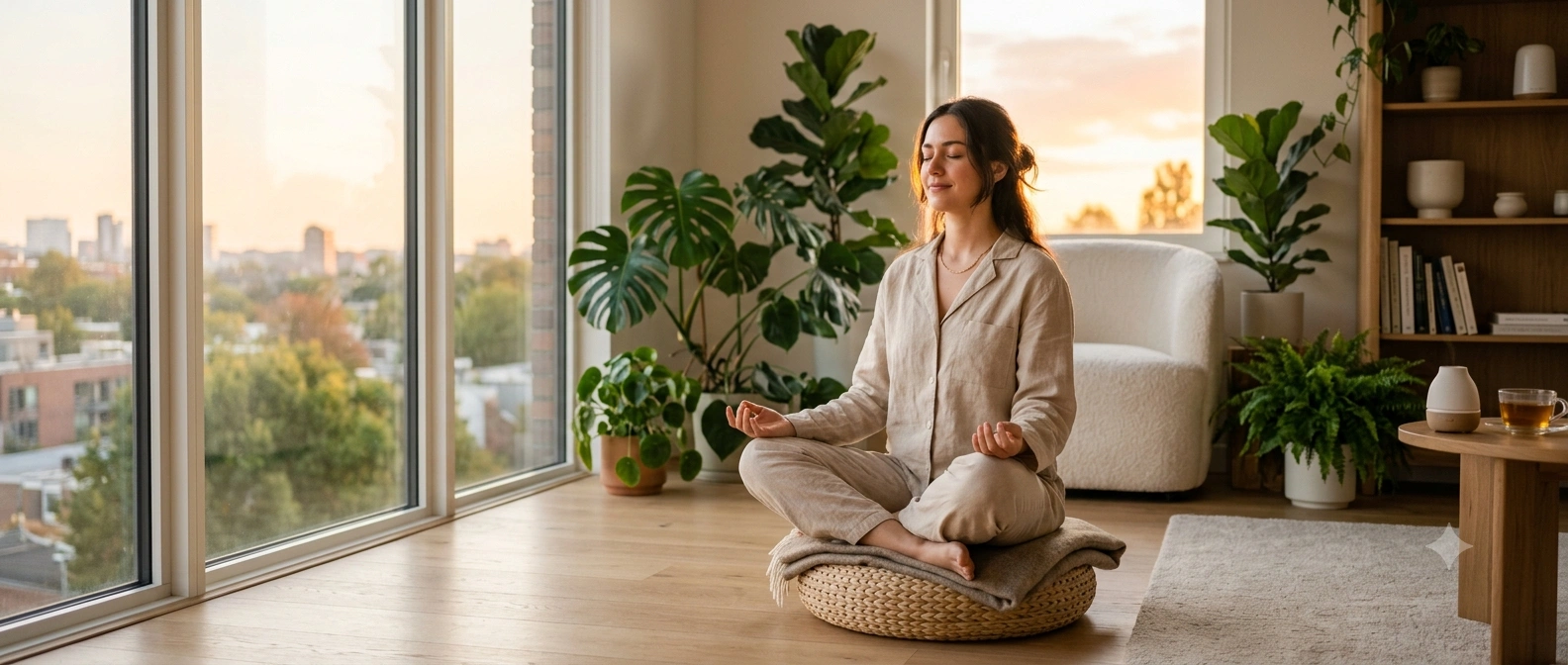
If you’ve ever wondered how to meditate for beginners, you’re not alone. Millions of people around the world are turning to meditation to reduce stress, improve focus, sleep better, and feel more connected to themselves. In today’s busy world, constant notifications, work pressure, and mental overload can leave the mind feeling exhausted. Meditation offers a simple and natural way to slow down, breathe, and regain clarity.
The good news is that meditation is not reserved for monks, spiritual teachers, or experienced practitioners. Meditation for beginners can be incredibly simple. You don’t need expensive equipment, years of training, or the ability to stop every thought in your mind. All you need is a few minutes, a willingness to practice, and an understanding of the basics.
Learning how to meditate can help you develop better emotional balance, improve concentration, build self-awareness, and support overall well-being. Many people also use meditation for mental clarity, stress management, productivity, and personal growth. Others discover that meditation helps them better understand the purpose of meditation, which is not to escape life but to become more present within it.
This complete beginner meditation guide will teach you exactly how to start, what to expect, different meditation techniques to try, how long to meditate, and how to build a daily practice that lasts.
Meditation is the practice of intentionally focusing your attention. It involves training your mind to become more aware, calm, and present.
If someone asked for meditation in a sentence, you could say:
Meditation is the practice of paying attention to the present moment with awareness and without judgment.
You may also see terms like meditatio or miditation, which are simply variations or misspellings of meditation. Regardless of the spelling, the concept remains the same: learning to observe your mind rather than constantly being controlled by it.
Meditation doesn’t mean emptying your mind completely. Thoughts will still appear. Meditation teaches you to notice those thoughts and gently return your attention to your chosen focus, such as breathing.
Many beginners ask about the purpose of meditation.
Meditation has different purposes depending on the individual:
The goal of meditation is not perfection. It is awareness.
Some people describe this idea with phrases like life is meditation or living meditation, meaning mindfulness can eventually become part of everyday life rather than something practiced only while sitting quietly.
Meditation is not about becoming someone else. It’s about becoming more aware of who you already are.
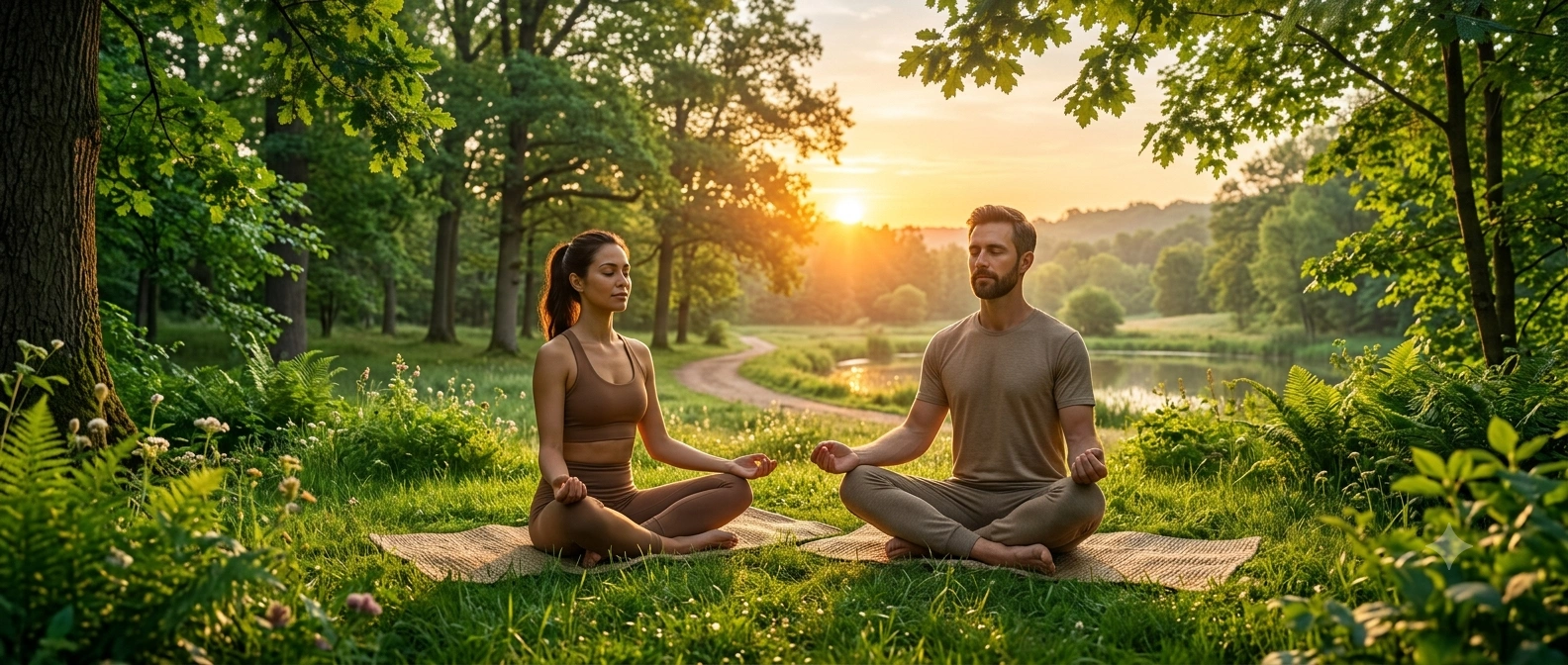
One of the biggest reasons people start meditating is meditation for mental clarity.
Modern life creates constant mental noise. Emails, social media, responsibilities, and stress can make it difficult to focus.
Meditation helps by:
Even five to ten minutes of daily practice can help your mind feel calmer and clearer.
Many people begin meditation because they want meditation to control mind.
Meditation doesn’t control the mind through force. Instead, it teaches awareness.
You learn to:
Over time, meditation helps you respond thoughtfully rather than react automatically.
Meditation is also a powerful tool for personal growth.
Meditation for self discovery encourages you to observe your beliefs, emotions, habits, and patterns with honesty and compassion.
Benefits may include:
Many people combine meditation with journaling and self improvement meditation practices to deepen self-understanding.
Students often use meditation for studying because it can improve concentration and reduce anxiety.
Meditation may help students:
A short breathing meditation before studying can often improve attention and learning efficiency.
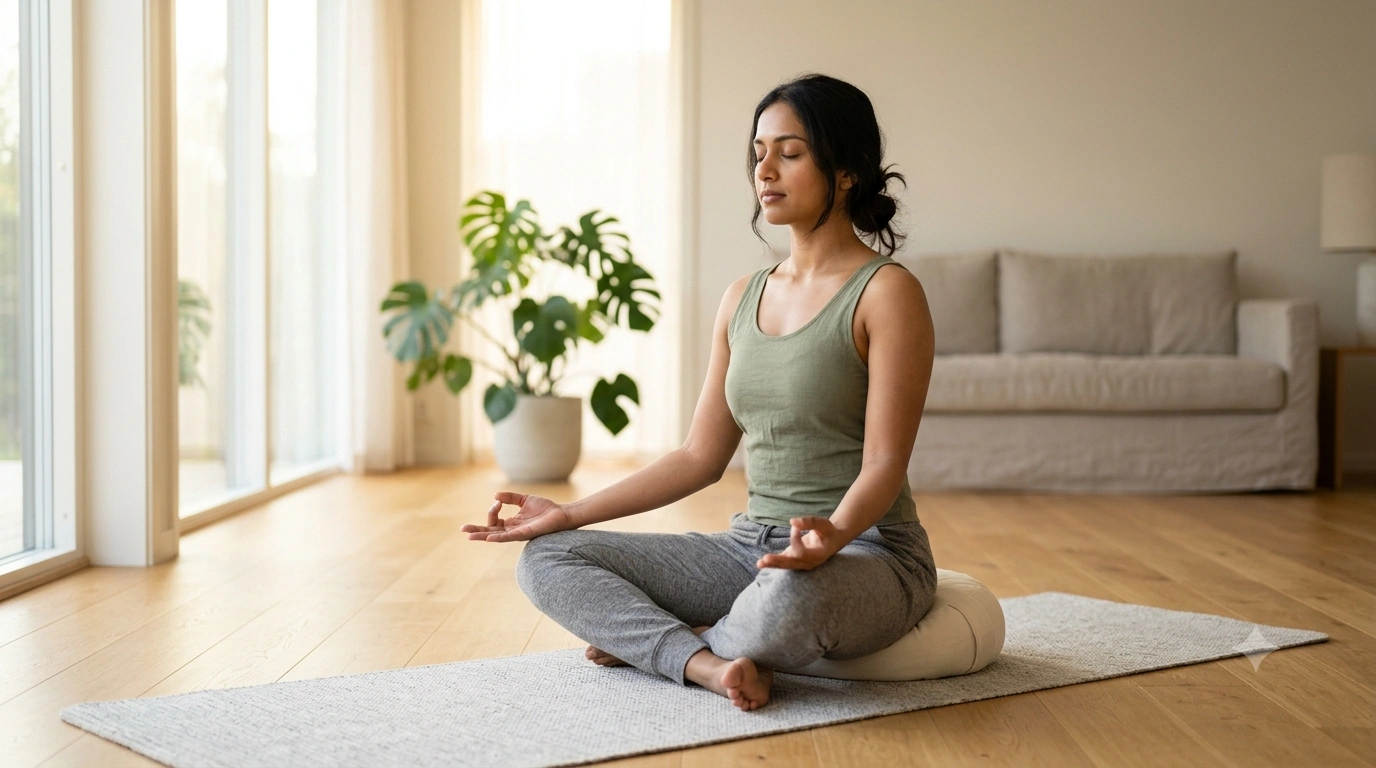
Learning how to meditate for beginners is easier than most people think.
Choose a location where you are less likely to be interrupted.
You don’t need complete silence. A reasonably calm environment is enough.
Some helpful tools for meditation include:
The goal is comfort and consistency rather than perfection.
You do not need to sit cross-legged unless you want to.
You can sit:
Your spine should remain relaxed yet upright.
Practices such as yoga meditation often combine posture with mindful breathing. Different traditions also use different style meditation approaches, so choose what feels comfortable.
Bring your attention to your breath.
Notice:
Many beginners ask how to clear your mind for meditation.
You do not need to clear your mind completely.
Your job is simply to notice when your attention wanders and gently bring it back to your breath.
One of the most common beginner questions is:
What do you think about during meditation?
The answer depends on the meditation style.
You can focus on:
Many beginners ask:
The truth is that you don’t need to force specific thoughts. Meditation often involves observing thoughts rather than actively creating them.
Thoughts are normal.
Awareness is the practice.
When your meditation ends:
Avoid immediately grabbing your phone or jumping into stressful tasks.
Meditation works best when you carry that calm awareness into the rest of your day.
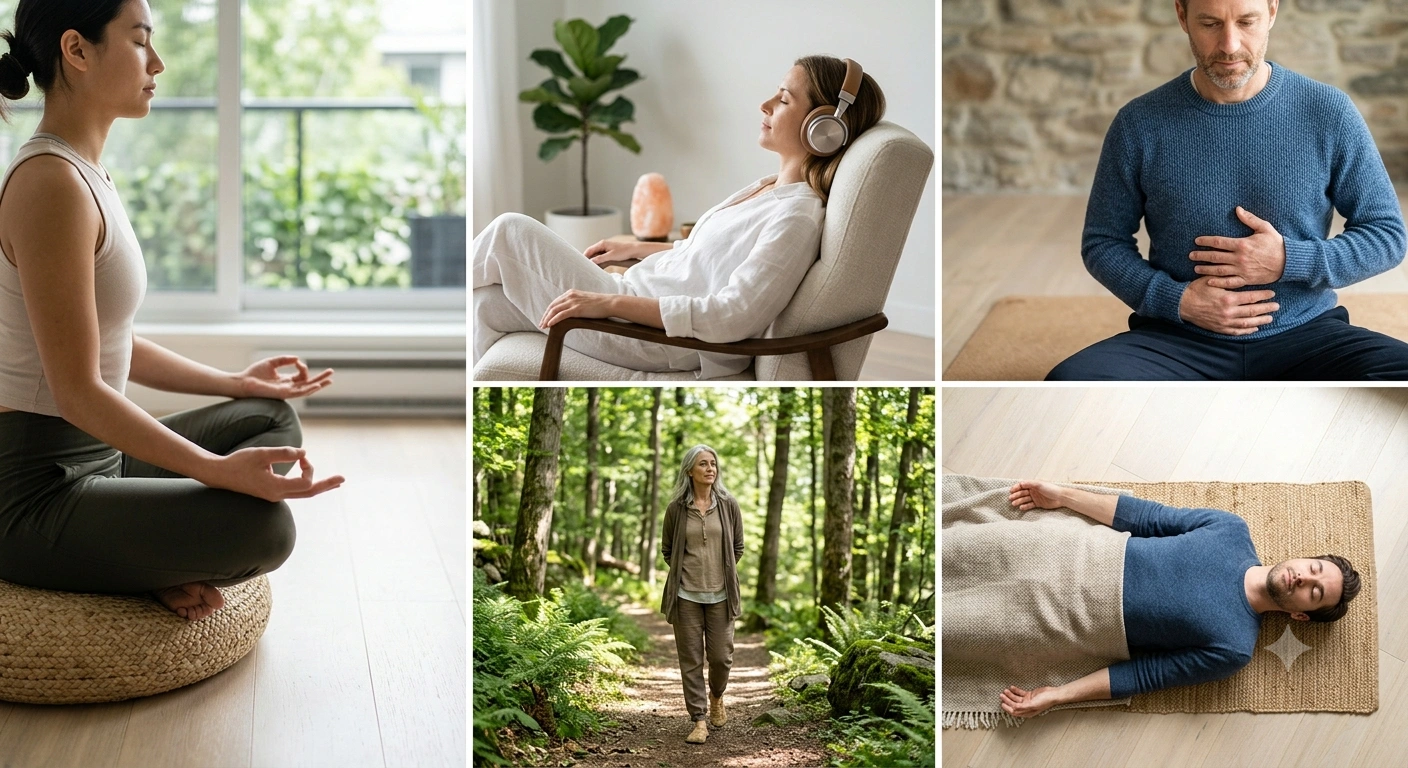
One of the best parts about meditation is that there’s no single “right” way to practice. As you become more comfortable with how to meditate for beginners, you’ll discover that different techniques offer different benefits. Trying several methods can help you find one that matches your personality, lifestyle, and goals.
Mindfulness meditation is one of the most popular forms of meditation for beginners. It focuses on paying attention to the present moment without judging your thoughts or feelings.
During mindfulness meditation, you simply observe your breathing, body sensations, sounds, or thoughts as they come and go. Instead of trying to stop your mind from thinking, you practice noticing thoughts without becoming attached to them.
Benefits include:
Because it’s simple and flexible, mindfulness meditation is often recommended as the best starting point for beginners.
Many beginners find guided meditation easier than silent meditation.
If you’ve ever wondered what are guided meditations, they are meditation sessions led by an instructor through audio or video. The guide gives you instructions on breathing, visualization, relaxation, or mindfulness throughout the session.
Guided meditation helps because:
You can find excellent guided meditations through meditation apps, podcasts, YouTube channels, and online wellness platforms.
Breathing meditation is one of the simplest techniques and an excellent choice for beginners.
The process is straightforward:
Even five minutes of breathing meditation can calm your nervous system and reduce anxiety.
Meditation doesn’t always require sitting still.
Walking meditation combines slow movement with mindfulness.
During this practice:
Walking meditation is especially helpful for people who find sitting difficult.
Body scan meditation helps improve awareness of physical sensations.
Starting from your toes and moving upward, slowly focus on each part of your body.
Notice:
This technique is often used before bedtime because it encourages deep relaxation.
Some people enjoy soul meditation, which focuses on spiritual awareness, gratitude, compassion, or connecting with a deeper sense of purpose.
While every tradition approaches this differently, soul meditation generally encourages:
You may occasionally hear the phrase set meditation, which can refer to establishing a specific meditation routine or using a structured sequence during practice.
Creating a consistent routine often helps beginners build long-term success.
Learning meditation is only the beginning. Building consistency is what creates lasting benefits.
If you’re wondering how to start a daily meditation habit, remember that success comes from practicing regularly rather than meditating for long periods.
Many beginners believe they need to meditate for 30 or 60 minutes.
That’s unnecessary.
Start with:
A short daily practice is much more effective than one long session once a week.
Consistency trains your brain.
Popular meditation times include:
Keeping the same schedule helps meditation become automatic.
Habit stacking works well.
For example:
Connecting meditation with an existing routine increases consistency.
You don’t need a dedicated meditation room.
Simply choose a quiet corner with:
Keeping your meditation space inviting encourages daily practice.
Some sessions feel peaceful.
Others feel busy.
Both are normal.
The goal isn’t to eliminate thoughts.
The goal is to keep showing up.
Your beginner meditation journey will improve naturally through repetition.
Keeping a simple journal can help.
Record:
Tracking progress keeps motivation high.
Many beginners ask whether morning or evening meditation is better.
The truth is that the best time is the time you’ll practice consistently.
Learning how to meditate in the morning is an excellent way to begin your day with clarity.
Morning meditation can:
A simple morning routine might look like this:
Morning meditation often feels easier because your mind hasn’t yet filled with daily distractions.
There isn’t a universal answer for when to meditate.
Different times offer different benefits.
Morning
Afternoon
Evening
Choose the time that fits your schedule and stick with it.
Another common question is how long to meditate.
The answer depends on your experience.
Perfect for absolute beginners.
Benefits include:
Once five minutes feels comfortable, increase to ten minutes.
This length allows:
Many experienced meditators eventually practice for around twenty minutes once or twice daily.
Longer sessions can support:
However, consistency matters more than duration.
Meditating for 10 minutes every day is generally more beneficial than meditating for one hour once a week.
Understanding the stages of meditation helps beginners recognize that progress happens gradually.
At first, your mind may feel extremely busy.
You’ll notice:
This is completely normal.
With practice, you’ll notice longer periods of concentration.
Your breathing becomes steadier, and distractions become easier to recognize.
You begin observing thoughts without reacting immediately.
This stage develops mindfulness in everyday life.
Many practitioners experience:
With regular practice, meditation becomes more natural.
Instead of forcing concentration, awareness begins to arise effortlessly.
Remember that progress isn’t linear.
Some days will feel easier than others.
That’s completely normal.
One of the biggest misconceptions is believing you must completely empty your mind before meditating.
If you’re wondering how to clear your mind for meditation, the answer is simple:
You don’t need to.
Instead, prepare your mind by reducing distractions.
Helpful techniques include:
If racing thoughts appear, don’t fight them.
Notice them, let them pass, and gently return your attention to your breathing.
The mind naturally produces thoughts.
Meditation teaches you how to observe them peacefully rather than becoming overwhelmed by them.
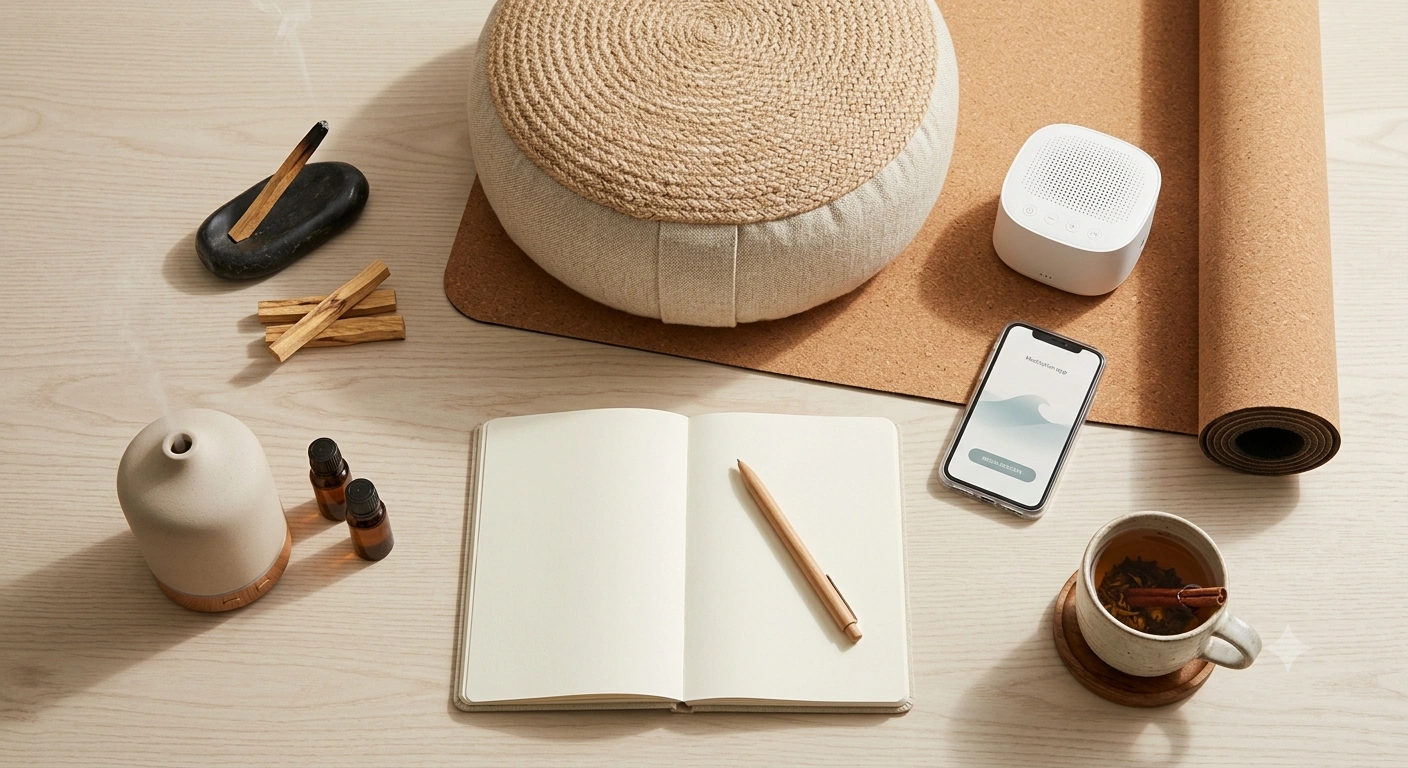
While meditation requires very little equipment, a few simple tools for meditation can make your practice more comfortable and consistent. These products are optional, but many beginners find them helpful as they build a daily habit.
A meditation cushion supports proper posture by slightly elevating your hips above your knees. This helps reduce pressure on your back and legs during longer sessions.
Look for:
A yoga mat provides a comfortable surface for seated meditation, stretching, or mindful movement before your session.
Benefits include:
Using a timer allows you to focus completely without checking the clock.
Many meditation timers include:
Some people enjoy incense because certain scents create a relaxing atmosphere.
Popular options include:
If you’re sensitive to fragrances, skip incense and keep your room well ventilated.
Background noise can easily interrupt meditation. A white noise machine helps mask distracting sounds with gentle ambient audio such as rainfall, ocean waves, or forest sounds.
Meditation apps are especially helpful for beginners because they provide structured lessons and guided sessions.
Features often include:
Keeping a journal after each session helps reinforce your progress.
Record:
Even writing one or two sentences each day can strengthen your meditation habit.
Reading can deepen your understanding of meditation beyond daily practice. If you’re searching for the best meditation books for beginners, consider books that explain mindfulness in simple language with practical exercises.
Good beginner books typically include:
Many readers also enjoy meditation books for beginners, best books on meditation, and good books on meditation that focus on everyday mindfulness rather than advanced spiritual concepts.
If you prefer a lighter introduction, books similar in style to Meditation for Dummies can make the subject approachable and easy to understand.
Many beginners ask, what are guided meditations?
Guided meditation is a practice where a teacher or recorded voice leads you through each step of the session. Instructions may include breathing exercises, visualization, body awareness, or relaxation techniques.
Benefits include:
Both guided and self-directed meditation have advantages.
Guided Meditation
Self Meditation
Many people begin with guided sessions and gradually transition to silent meditation as they gain confidence.
Once you’ve developed a regular practice, you may want to explore how to teach meditation to others.
Children benefit from short, playful sessions.
Keep practices:
Visualization exercises and mindful listening games work well for younger children.
Adults often appreciate practical explanations rather than abstract ideas.
When teaching meditation, encourage participants to:
Remind them that there is no perfect meditation session.
If you’re learning how to lead a guided meditation, keep your instructions calm and simple.
A basic structure includes:
Speak slowly, leave pauses between instructions, and avoid rushing the experience.
Meditation is practiced across many cultures and languages.
Many people search for how to meditate Buddhism because Buddhist traditions have influenced many modern mindfulness practices.
Common Buddhist meditation methods include:
Although rooted in Buddhist teachings, many of these techniques can be practiced by people of any background.
The French phrase Comment Commencer à Méditer means “How to Start Meditating.”
French-speaking beginners typically begin with:
The Spanish phrase Como Empezar a Meditar translates to “How to Begin Meditating.”
Like English-speaking beginners, Spanish learners often start with:
Meditation is a universal practice that can be adapted to different cultures, languages, and lifestyles.
Learning from experienced teachers can help deepen your understanding and keep you motivated.
Some well-known meditation teachers include:
You can also explore certified mindfulness instructors, local meditation groups, or reputable online courses to find a teaching style that resonates with you.
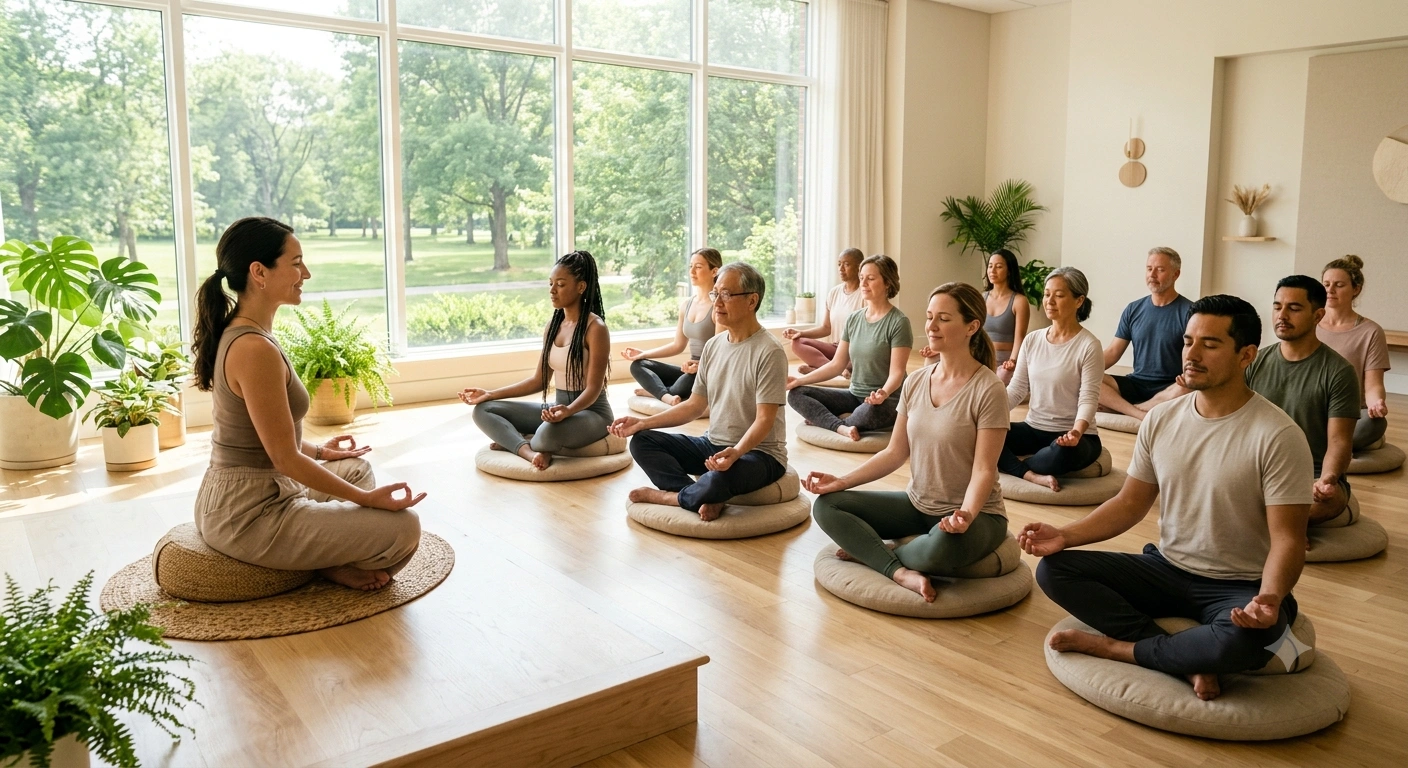
Many people search for meditation classes near me when starting their journey.
Classes can provide:
Options include:
Free classes are great for exploring meditation, while paid programs often offer personalized instruction and deeper learning.
Avoiding these common mistakes can make your meditation practice more enjoyable and sustainable.
Meditation is a skill that develops over time. Don’t expect dramatic changes after one session.
Starting with 30–60 minutes can feel overwhelming.
Begin with 5–10 minutes and gradually increase your practice.
Trying to eliminate thoughts often creates more frustration.
Instead, notice thoughts and gently return your attention to your breath.
Consistency matters more than duration.
Daily practice—even for a few minutes—is more effective than occasional long sessions.
Everyone’s meditation journey is unique.
Focus on your own progress rather than comparing experiences with others.
Most people focus on their breathing, body sensations, gratitude, or simply observe thoughts without judgment.
You don’t need to force specific thoughts. The goal is to remain present and gently return your attention whenever your mind wanders.
Five to ten minutes per day is an excellent starting point. As your comfort grows, you can gradually extend your sessions.
Morning is ideal for many people because it sets a calm tone for the day, but the best time is whenever you can practice consistently.
Meditation helps you become more aware of your thoughts and emotions, making it easier to respond calmly instead of reacting automatically.
Yes. Meditation may improve concentration, reduce stress, and increase mental clarity, making study sessions more productive.
The purpose of meditation is to cultivate awareness, emotional balance, inner peace, and mindfulness. Many people also use it to reduce stress and improve overall well-being.
Guided meditations are sessions led by an instructor or audio recording that provides step-by-step instructions, making them especially helpful for beginners.
Mindfulness meditation and guided meditation are generally considered the easiest techniques for beginners because they are simple, flexible, and easy to follow.