Physical Address
304 North Cardinal St.
Dorchester Center, MA 02124
Physical Address
304 North Cardinal St.
Dorchester Center, MA 02124


Almost everyone experiences stomach discomfort from time to time. Whether it’s a bloated feeling after a large meal, a burning sensation in your chest, stomach cramps, or nausea after eating, digestive problems are among the most common health complaints in the United States. While many episodes are mild and temporary, they can still interfere with work, sleep, and everyday activities.
This is why so many people search for Natural Home Remedies for Stomach Pain and Indigestion before reaching for medication. Simple remedies such as ginger tea, warm water, herbal drinks, gentle movement, and healthy eating habits have been used for generations to ease mild digestive discomfort. Many of these approaches can help relieve symptoms while supporting your body’s natural digestive process.
Indigestion, also called dyspepsia, isn’t a disease itself. Instead, it’s a group of symptoms that may include:
For some people, an upset stomach happens after eating too quickly. Others notice that their tummy hurts after eating spicy foods, greasy meals, or large portions. You may also feel as though your stomach feels tight because of trapped gas or temporary digestive irritation.
Although natural remedies can be very helpful for mild symptoms, it’s important to understand their limits. Persistent pain, severe abdominal tenderness, vomiting blood, black stools, unexplained weight loss, or symptoms that continue for several days require medical evaluation.
Throughout this guide, you’ll discover evidence-based ways to relieve stomach pain, reduce indigestion and gas, manage acid reflux naturally, and support better digestive health through simple lifestyle habits.

Before treating digestive discomfort, it’s helpful to understand what may be causing it.
Many people ask, what causes stomach cramps after eating? The answer isn’t always the same. Sometimes the cause is simply eating too much or too quickly. In other cases, digestive conditions such as acid reflux, constipation, food intolerance, or irritable bowel syndrome (IBS) may play a role.
Fortunately, many mild digestive issues improve with healthier eating habits and simple home care.
The way you eat can affect digestion just as much as what you eat.
When meals are rushed, you swallow more air while giving your stomach less time to signal fullness. This can lead to bloating, gas, and stomach discomfort.
If you’ve ever wondered, why do I get stomach cramps after I eat, eating too quickly may be one reason.
Slow down, chew your food thoroughly, and enjoy meals without distractions whenever possible.
Large portions stretch the stomach and require more digestive effort.
Many people notice:
Eating smaller meals throughout the day often reduces these symptoms.
Spicy peppers, fried foods, heavy sauces, and high-fat meals can slow digestion and increase acid production.
Some people find that when I eat my stomach hurts, especially after consuming greasy takeout meals or rich restaurant foods.
Keeping a food diary can help identify personal trigger foods.
Gravity helps keep stomach contents where they belong.
Lying down too soon after eating may increase acid reflux and heartburn.
Try waiting at least two to three hours before going to bed after your evening meal.
Certain foods trigger digestive discomfort in some individuals.
Common examples include:
If your stomach hurts for hours after eating certain foods repeatedly, consider discussing possible food sensitivities with your healthcare provider.
Some people even ask, why does my belly hurt every time I eat? Persistent pain after meals should always be evaluated by a medical professional.
Not every stomach ache is related to food choices alone.
Several digestive conditions commonly contribute to abdominal discomfort.
Gas naturally forms during digestion, but excessive gas can cause:
Walking after meals and avoiding carbonated beverages may help reduce gas.
Acid reflux occurs when stomach acid flows backward into the esophagus.
Common symptoms include:
Certain foods, excess body weight, and lying down after meals may increase reflux symptoms.
When stool moves slowly through the digestive tract, pressure builds inside the abdomen.
Constipation often causes:
Increasing fiber intake, staying hydrated, and regular physical activity often improve mild constipation.
Unlike food allergies, food intolerance mainly affects digestion.
Lactose intolerance, for example, may cause:
Symptoms usually appear within several hours after eating the triggering food.
Sometimes persistent stomach cramps and abdominal pain may be related to conditions such as:
If your abdominal pain is worse after eating and continues despite lifestyle changes, it’s important to seek medical advice.
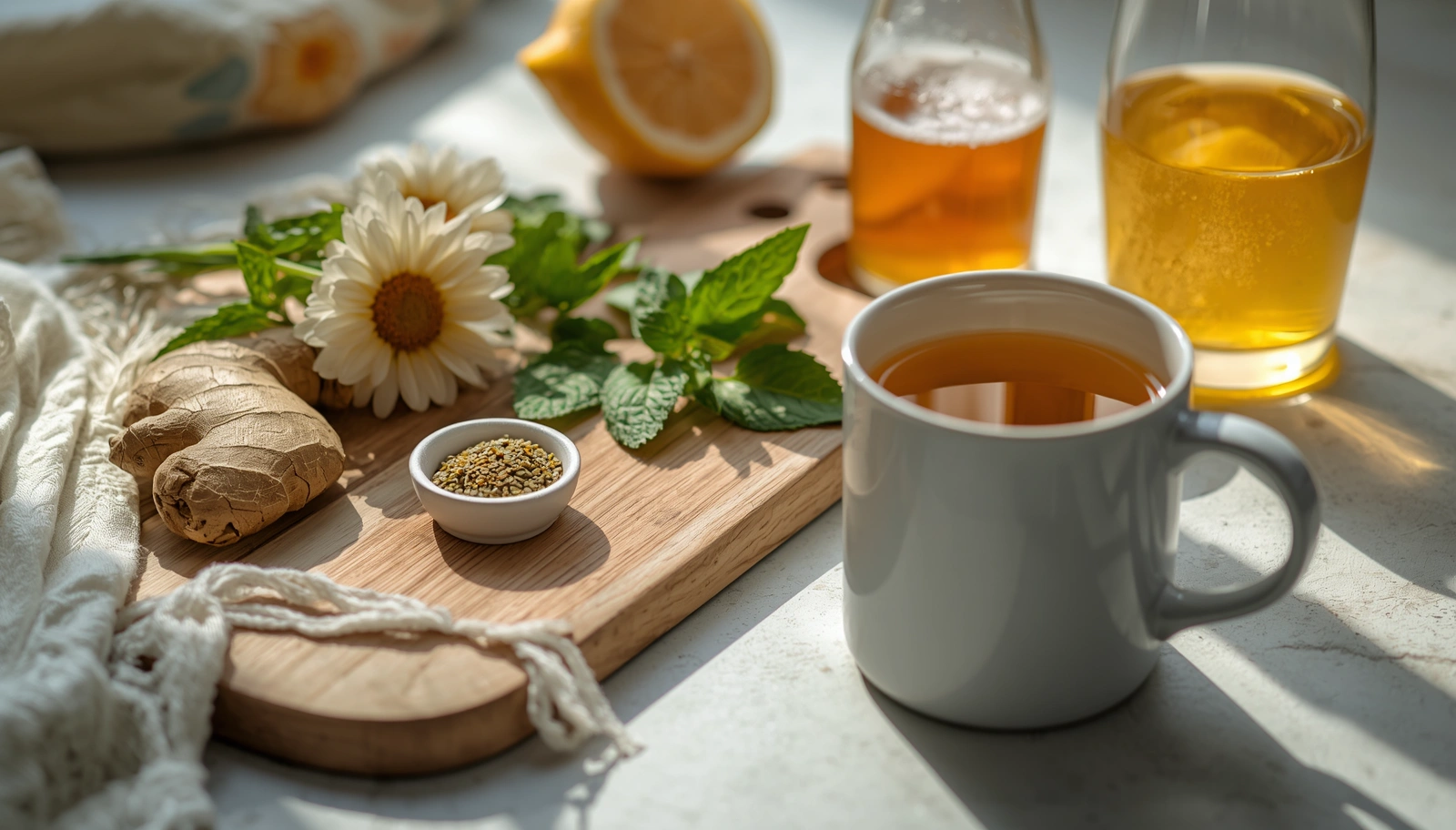
For mild digestive discomfort, natural approaches often provide noticeable relief without medication.
These remedies work best alongside healthy eating habits, proper hydration, and adequate rest.
Among the most effective home remedies for indigestion and gas are ginger, warm water, gentle movement, and heat therapy.
Ginger has been used for centuries to support digestive health.
Modern research suggests that ginger may help promote stomach emptying, reduce nausea, and calm mild digestive discomfort.
Many people use ginger for indigestion because it naturally supports healthy digestion while providing anti-inflammatory compounds.
Ingredients:
Allow the ginger to steep for about 10 minutes before drinking.
Many people enjoy ginger tea after meals or when mild nausea develops.
If you’re searching for the best tea to drink for stomach pain, ginger tea is often one of the first recommendations.
Another excellent option is chamomile tea, which may help relax digestive muscles.
Both are excellent choices if you’re looking for tea to relieve stomach pain naturally.
Some people also ask about apple cider vinegar for nausea. While a small number of people report symptom relief, scientific evidence remains limited, and vinegar may worsen symptoms for people with acid reflux.
Hydration plays a surprisingly important role in digestion.
Water helps move food through the digestive system while supporting nutrient absorption and preventing constipation.
Many people find that drinking warm water after meals feels more soothing than very cold beverages.
Warm water may help by:
Some individuals wonder about warm water for acid reflux. While warm water won’t cure reflux, staying hydrated may help reduce throat irritation caused by stomach acid.
Yes.
Even mild dehydration may contribute to:
If you’ve ever asked, can dehydration cause stomach pain?, the answer is yes—particularly when constipation develops as a result.
Occasionally people notice a stomach ache when drinking water or ask, why does water hurt my stomach?
Possible explanations include:
Persistent pain after drinking water should always be evaluated by a healthcare professional.
Heat therapy is one of the oldest and simplest methods for relieving abdominal discomfort.
If you’re wondering, will a heating pad help stomach pain?, it often can.
A warm heating pad may help relax abdominal muscles while reducing the sensation of cramping.
Apply gentle heat for about 15 to 20 minutes at a time, avoiding temperatures that could burn your skin.
Gentle stretching may also help reduce gas-related discomfort.
Simple movements include:
These stretches for abdominal cramps may encourage trapped gas to move through the digestive tract.
Some people also use essential oils for stomach cramps, such as diluted peppermint or ginger oil during massage. While some individuals find them relaxing, they should never be applied directly to the skin without proper dilution, and they should not replace medical treatment for persistent pain.
When indigestion strikes, most people want relief as quickly as possible.
If you’re searching for how to get rid of indigestion fast at home, remember that there isn’t an instant cure. However, several simple strategies can often reduce discomfort within a short period.
Walking for 10 to 20 minutes after meals encourages digestion and may reduce bloating.
Warm ginger or chamomile tea can soothe the stomach while helping maintain hydration.
Instead of three very large meals, consider eating smaller portions throughout the day.
Temporarily avoid:
Stress can worsen digestive symptoms.
Try:
If you’re wondering what helps indigestion fast, combining hydration, light movement, and avoiding trigger foods is often more effective than relying on a single remedy.
While many people search for how to cure indigestion instantly, digestion simply takes time. The safest approach is to support your body’s natural digestive process with healthy habits rather than expecting immediate results.
These simple strategies can help get rid of indigestion more comfortably while reducing the likelihood of future digestive discomfort.

Heartburn and indigestion are often confused because they can occur after eating and cause discomfort in the upper abdomen. However, they are different conditions.
Heartburn is a burning sensation that usually starts behind the breastbone and may move upward toward the throat. It occurs when stomach acid flows back into the esophagus. Indigestion, on the other hand, generally refers to discomfort in the upper stomach, bloating, nausea, and feeling overly full after meals.
Many people look for home remedies for heartburn before using medication, especially when symptoms are mild or occur only occasionally.
Common heartburn triggers include:
Learning your personal triggers is one of the best ways to prevent future episodes.
Several foods and lifestyle habits may help reduce mild heartburn symptoms naturally.
Some commonly used natural antacids include:
Bananas are naturally low in acid and may help coat the lining of the esophagus for some individuals.
A bowl of plain oatmeal is rich in fiber and gentle on the digestive system, making it a good breakfast choice for people with occasional reflux.
Ginger has anti-inflammatory properties and has long been used to ease digestive discomfort.
Some people drink small amounts of purified aloe vera juice designed for digestive use. However, not every product is appropriate for consumption, so choose products specifically labeled for internal use.
Sometimes the best antacid home remedy isn’t food at all.
Helpful habits include:
These simple adjustments often provide effective household heartburn relief without medication.
If heartburn appears suddenly, several practical strategies may help reduce discomfort.
Gravity helps keep stomach acid where it belongs.
Avoid lying flat immediately after eating.
Small sips may help wash acid back toward the stomach, although drinking excessive amounts at once may worsen symptoms in some people.
Overfilling the stomach increases pressure and may trigger reflux.
Finish dinner at least two to three hours before bedtime.
Warm herbal tea, ginger tea, or plain warm water may provide comfort.
If you’re wondering how to quickly relieve heartburn, remember that these techniques work best for mild symptoms. Frequent or severe heartburn should always be evaluated by a healthcare provider.
Occasional reflux is common, but frequent acid reflux may indicate gastroesophageal reflux disease (GERD).
Fortunately, several acid reflux home remedies can help reduce symptoms while supporting long-term digestive health.
Large meals increase stomach pressure and make reflux more likely.
Eating five or six smaller meals throughout the day often reduces symptoms.
Even modest weight loss may reduce pressure on the stomach and decrease reflux episodes.
If reflux mainly occurs at night, raising the head of your bed by several inches may help prevent stomach acid from traveling upward.
Common triggers include:
Keeping a food journal helps identify personal trigger foods.
Tight waistbands can increase pressure on the stomach and worsen reflux.
Smoking weakens the lower esophageal sphincter, making acid reflux more likely.
Many people search for natural acid reflux cures, but it’s important to understand that lifestyle management provides the strongest scientific support.
These natural remedies for GERD in adults are most effective when practiced consistently rather than occasionally.
If you’re looking for acid reflux at night home remedies, eating an earlier dinner, sleeping on your left side, and elevating your upper body are among the most effective approaches.
Food choices can significantly affect reflux symptoms.
Instead of skipping meals, focus on selecting best snacks for acid reflux that are gentle on the stomach.
Healthy snack ideas include:
Eating smaller portions throughout the day often works better than consuming very large meals.
If you have frequent reflux, consider these GERD-friendly snacks:
These acid reflux friendly snacks are generally easier on the digestive system than heavily processed snack foods.
Remember that everyone’s digestive system is unique, so keep track of foods that work best for you.
Many people reach for crackers when they experience mild nausea or reflux.
So, are saltine crackers good for acid reflux?
Sometimes.
Plain crackers are low in fat and easy to digest, making them a reasonable option for mild symptoms.
Many people find that saltine crackers help acid reflux by absorbing excess stomach acid temporarily.
Similarly, soda crackers and acid reflux are commonly associated because these bland foods rarely trigger symptoms.
However, crackers should not replace balanced meals or long-term reflux management.
Fermented dairy products may benefit some people by supporting a healthy gut microbiome.
Options include:
Many people ask, does kefir help acid reflux?
Research remains limited, but some individuals report symptom improvement after including fermented dairy products in a balanced diet.
If you have GERD, choose low-fat yogurt for GERD, as high-fat dairy products may trigger reflux in some people.

Warm beverages often provide comfort during digestive discomfort.
If you’re searching for the best tea for stomach pain, several herbal options may help soothe mild symptoms.
Ginger tea supports digestion and may reduce nausea.
Chamomile is traditionally used to promote relaxation and ease mild digestive discomfort.
Peppermint may relax digestive muscles and reduce bloating.
However, people with GERD should use caution because peppermint can worsen acid reflux in some individuals.
Fennel has long been used to support healthy digestion and reduce gas.
Certain beverages may worsen symptoms, including:
Many people also ask, what tea is best for heartburn?
Chamomile and ginger tea are often better tolerated than peppermint tea for individuals with reflux.
Although some people recommend apple cider vinegar tea, evidence supporting its effectiveness is limited, and it may aggravate reflux in sensitive individuals.
The internet is filled with popular digestive remedies, but not all are backed by strong scientific evidence.
Some believe apple cider vinegar helps individuals with low stomach acid.
However, research remains limited.
If you have acid reflux, vinegar may actually worsen symptoms.
Questions such as apple cider vinegar and low stomach acid or is apple cider vinegar alkalizing or acidic are common online, but current evidence does not support vinegar as a universal digestive remedy.
People with ulcers should avoid self-treating with vinegar because it may increase irritation.
Coconut water provides hydration and electrolytes.
Some individuals find coconut water for acid reflux soothing, although research is still limited.
Choose varieties without added sugar whenever possible.
Fermented drinks such as kombucha contain probiotics.
Many people wonder:
The answer varies.
Because kombucha is acidic and carbonated, it may actually worsen symptoms for some individuals.
If you choose to try it, introduce it slowly and monitor your symptoms.
Traditional remedies remain popular for mild digestive discomfort.
Some individuals use homeopathic remedies for stomach pain or essential oils alongside healthy lifestyle habits.
Diluted peppermint oil is sometimes used during abdominal massage.
Enteric-coated peppermint capsules have shown potential benefits for some people with irritable bowel syndrome, but they are different from essential oils.
Ginger essential oil may be used in aromatherapy or diluted massage oil.
Lavender promotes relaxation, which may indirectly help stress-related digestive symptoms.
Some individuals seek homeopathic remedies for indigestion and gas or homeopathic remedies for abdominal pain.
While some people report positive experiences, scientific evidence supporting homeopathy remains limited.
Always discuss persistent digestive symptoms with your healthcare provider rather than relying solely on alternative therapies.
If using essential oils:
Natural therapies can complement healthy digestive habits, but they should never replace professional medical care for severe or ongoing abdominal pain.
Not all stomach pain feels the same. The location, intensity, and timing of your symptoms often provide important clues about the possible cause.
A mild ache after eating may simply be indigestion, while a sharp stabbing pain in stomach could indicate a more serious condition that requires medical attention.
Although it’s impossible to diagnose yourself based on symptoms alone, understanding the different types of abdominal pain can help you decide when home care is appropriate and when it’s time to seek medical help.
Pain in the lower abdomen may result from digestive issues, urinary problems, muscle strain, or reproductive conditions.
Common causes include:
People may experience:
Women sometimes search for sharp pain lower abdomen female or lower stomach pain and no period, which may be related to hormonal changes, ovarian cysts, pregnancy, or other gynecological conditions.
Likewise, cramps and abdominal pain but no period should be evaluated if symptoms are severe, persistent, or accompanied by fever or unusual bleeding.
Pain in the upper abdomen often involves the stomach, liver, gallbladder, or pancreas.
Possible causes include:
Symptoms may include:
Some people experience upper right abdominal pain after eating, especially after consuming fatty meals, which may indicate gallbladder problems.
Others describe pain from abdomen to chest, often associated with acid reflux or severe heartburn.
If your stomach pain radiates to the back, especially with vomiting or fever, seek medical care immediately.
Although uncommon, some individuals report discomfort immediately after drinking water.
Possible reasons include:
If you frequently experience stomach hurts when drinking water, abdominal pain drinking water, or stomach pain when I drink water, discuss your symptoms with a healthcare provider to identify the underlying cause.
Digestive discomfort can affect people of all ages, but the safest approach often depends on age, medical history, and the underlying cause.
Children occasionally develop stomach aches from overeating, constipation, mild viral infections, or temporary digestive upset.
Safe stomach ache remedies for kids may include:
Never give medications or herbal supplements without guidance from a pediatric healthcare provider.
If a child has severe pain, repeated vomiting, blood in the stool, high fever, or signs of dehydration, seek medical attention promptly.
Women may experience abdominal discomfort related to:
Persistent female abdominal pain and back pain or ongoing woman pain in lower abdomen should always be evaluated by a healthcare professional.
Men commonly experience abdominal pain due to digestive conditions, kidney stones, hernias, or urinary problems.
Persistent pain in lower abdomen in men should not be ignored, particularly if accompanied by fever, vomiting, or difficulty urinating.
Many mild digestive problems improve with natural care, but over-the-counter medications may be appropriate in certain situations.
Understanding when each option is helpful allows you to make informed decisions.
Natural approaches are often useful for mild, temporary digestive discomfort.
Examples include:
These methods address symptoms while supporting healthy digestion.
For more persistent symptoms, over the counter medicine for stomach cramps may provide short-term relief.
Examples include:
Many people search for OTC drugs for stomach pain, but these medications should always be used according to label directions.
If symptoms occur frequently, self-treating without medical evaluation may delay diagnosis of an underlying condition.
Many people ask about the ingredients of Pepto-Bismol tablets.
The active ingredient is bismuth subsalicylate, which may help relieve:
However, it isn’t appropriate for everyone, including certain children and individuals allergic to aspirin.

A balanced diet plays an important role in managing digestive symptoms.
This sample 7-day meal plan for acid reflux emphasizes foods that are generally gentle on the stomach while limiting common reflux triggers.
Breakfast: Oatmeal with sliced bananas
Lunch: Grilled chicken, brown rice, steamed broccoli
Dinner: Baked salmon with sweet potato
Snack: Low-fat yogurt
Breakfast: Whole-grain toast with almond butter
Lunch: Turkey sandwich on whole-grain bread
Dinner: Grilled chicken with quinoa
Snack: Pear slices
Breakfast: Scrambled eggs with whole-grain toast
Lunch: Vegetable soup
Dinner: Baked cod with green beans
Snack: Rice cakes
Breakfast: Greek yogurt with blueberries
Lunch: Grilled turkey wrap
Dinner: Brown rice with roasted vegetables
Snack: Banana
Breakfast: Oatmeal with strawberries
Lunch: Chicken salad with mixed greens
Dinner: Baked tilapia with steamed carrots
Snack: Whole-grain crackers
Breakfast: Smoothie made with banana, spinach, and low-fat yogurt
Lunch: Turkey and avocado sandwich
Dinner: Grilled chicken with roasted sweet potatoes
Snack: Cucumber slices
Breakfast: Whole-grain cereal with low-fat milk
Lunch: Chicken vegetable soup
Dinner: Brown rice with grilled fish
Snack: Melon
Healthy evening snacks for GERD include bananas, oatmeal, low-fat yogurt, or plain whole-grain crackers.
When preparing fruit smoothies for acid reflux, avoid citrus fruits and use lower-acid ingredients such as bananas, melons, oats, spinach, and unsweetened almond milk.
Most mild stomach aches improve within a day or two with rest, hydration, and simple home remedies.
However, certain symptoms require immediate medical attention.
Seek emergency care if you experience:
Schedule an appointment with your healthcare provider if:
If you’re wondering when to go to hospital for stomach pain, severe, sudden, or persistent symptoms should never be ignored.
A lower abdomen pain doctor or gastroenterologist can evaluate digestive symptoms and recommend appropriate testing or treatment.
Gentle walking, ginger tea, warm water, eating smaller meals, avoiding fatty foods, and staying hydrated may help relieve mild indigestion naturally.
If you’re wondering how to get rid of indigestion fast at home, try drinking warm herbal tea, avoiding heavy meals, taking a short walk, and allowing your digestive system time to settle. While there’s no instant cure, these steps often reduce discomfort.
Yes. Ginger has long been used to ease nausea and support digestion. Many people find ginger tea helpful for mild stomach discomfort and indigestion.
The best tea for stomach pain often depends on your symptoms. Ginger tea is excellent for nausea, chamomile tea may promote relaxation, and fennel tea can help relieve gas and bloating.
Plain crackers may help some people with mild reflux because they’re bland and easy to digest. However, they are not a treatment for GERD and should be part of an overall balanced diet.
Warm water won’t cure acid reflux, but staying hydrated may soothe the throat and support healthy digestion. Many people find warm water more comfortable than very cold drinks during reflux episodes.
Foods such as bananas, oatmeal, ginger, and certain low-fat dairy products may help some people manage mild heartburn symptoms naturally. Lifestyle changes like eating smaller meals and avoiding trigger foods are equally important.
Seek medical care if stomach pain is severe, lasts more than a few days, is accompanied by fever, vomiting, bloody stools, chest pain, difficulty breathing, or sudden sharp abdominal pain.