Physical Address
304 North Cardinal St.
Dorchester Center, MA 02124
Physical Address
304 North Cardinal St.
Dorchester Center, MA 02124


In today’s fast-paced world, maintaining good health has become more important than ever. Busy work schedules, processed foods, lack of physical activity, and increased stress make it easy to put our well-being on the back burner. Yet, more Americans are realizing that true health isn’t achieved through quick fixes or fad diets—it’s built through consistent, healthy lifestyle choices.
So, what is a healthy lifestyle? It’s a way of living that supports your physical, mental, and emotional well-being through balanced nutrition, regular exercise, quality sleep, stress management, and positive daily habits. A healthy life isn’t about being perfect or following strict rules. Instead, it’s about making sustainable decisions that help you feel your best every day.
Think about someone who starts walking for 30 minutes each morning, replaces sugary drinks with water, and adds more fruits and vegetables to their meals. Within a few months, they often notice increased energy, improved mood, better sleep, and greater confidence. These small habits may seem simple, but together they create lasting improvements.
The benefits of a healthy lifestyle go far beyond maintaining a healthy weight. Living healthy can reduce the risk of chronic diseases, strengthen your immune system, improve mental clarity, and increase your overall quality of life. Every healthy decision—from choosing a nutritious breakfast to getting enough sleep—helps build a stronger foundation for long-term wellness.
Throughout this guide, you’ll discover practical, science-based strategies for creating a healthier life, understand why health and wellness matter, and learn how simple daily habits can transform your physical and mental well-being.

Many people associate being healthy with simply not getting sick. While avoiding illness is certainly important, true health is much more than the absence of disease.
What is a healthy lifestyle?
A healthy lifestyle is a combination of everyday habits that help your body and mind function at their best. It includes nourishing your body with wholesome foods, staying physically active, getting enough sleep, managing stress, maintaining positive relationships, and taking preventive steps to protect your health.
Rather than focusing on temporary changes, healthy living is about creating routines that support your well-being for years to come.
When people ask, what does healthy mean, the answer goes beyond physical appearance.
Being healthy means having the energy to enjoy your daily activities, maintaining emotional balance, thinking clearly, and supporting your body’s natural ability to recover and perform.
In other words, what does being healthy mean?
It means:
Good health allows you to spend more quality time with family, stay productive at work, and enjoy hobbies without constantly feeling tired or unwell.
People often use the terms health and wellness interchangeably, but they have different meanings.
Health refers to your overall physical, mental, and social condition.
Wellness is the ongoing process of making choices that improve your health.
For example:
Someone may not have any diagnosed medical conditions but still experience poor wellness because they eat unhealthy foods, rarely exercise, or don’t manage stress effectively.
On the other hand, a person managing a chronic health condition can still practice excellent wellness by eating nutritious meals, exercising regularly, sleeping well, and following medical advice.
Understanding health vs wellness helps you realize that healthy living is an ongoing journey—not a destination.
Many people don’t think much about their health until they experience problems.
However, prevention is far easier than treatment.
Understanding why health and wellness is important can motivate you to make better daily choices.
Healthy habits can help:
These benefits accumulate over time, making each healthy decision an investment in your future.
The importance of health becomes clear in everyday situations.
Imagine waking up feeling rested, having enough energy to play with your children, perform well at work, exercise after dinner, and still enjoy time with family.
Now compare that with constantly feeling exhausted, struggling with poor sleep, relying on processed foods for energy, and dealing with frequent illness.
The difference often comes down to daily lifestyle habits.
Your body responds to the choices you make every day—not just occasionally.
A healthy body isn’t defined by a specific clothing size or number on the scale.
Instead, it reflects how well your body functions.
A healthy body typically includes:
These qualities allow you to stay active and independent throughout life.
Healthy living doesn’t require dramatic changes overnight.
Small, consistent habits often produce the greatest results.
Examples include:
Over time, these behaviors become part of your routine and contribute significantly to the benefits of a healthy lifestyle.
Food is much more than something we eat to satisfy hunger.
It provides the fuel that keeps every cell in your body functioning properly.
If you’ve ever wondered why do we need food, the answer is simple: without it, the body cannot survive or perform essential functions.
Every heartbeat, breath, movement, and thought depends on the nutrients you consume each day.
Many people ask:
Why do we eat food?
Food provides energy that powers your body throughout the day.
Whether you’re walking the dog, working in an office, studying, exercising, or simply sleeping, your body continuously uses energy.
Calories from food fuel these activities while supporting critical functions such as:
Without adequate nutrition, these systems cannot operate efficiently.
Besides satisfying hunger, why do people eat?
People eat because food:
Sharing meals also plays an important role in family traditions, celebrations, and social connections.
Food nourishes both the body and many aspects of daily life.
Understanding why is food important helps us appreciate the value of making nutritious choices.
The nutrients found in healthy foods support nearly every function in the human body.
Protein helps:
Good sources include:
Carbohydrates are the body’s preferred source of energy.
Healthy options include:
Choosing complex carbohydrates provides longer-lasting energy than highly processed sugars.
Healthy fats support:
Excellent sources include:
Micronutrients may be needed in small amounts, but they have a significant impact on health.
They support:
Eating a colorful variety of fruits and vegetables helps ensure you’re getting these essential nutrients.
The food you daily consume directly affects how you feel.
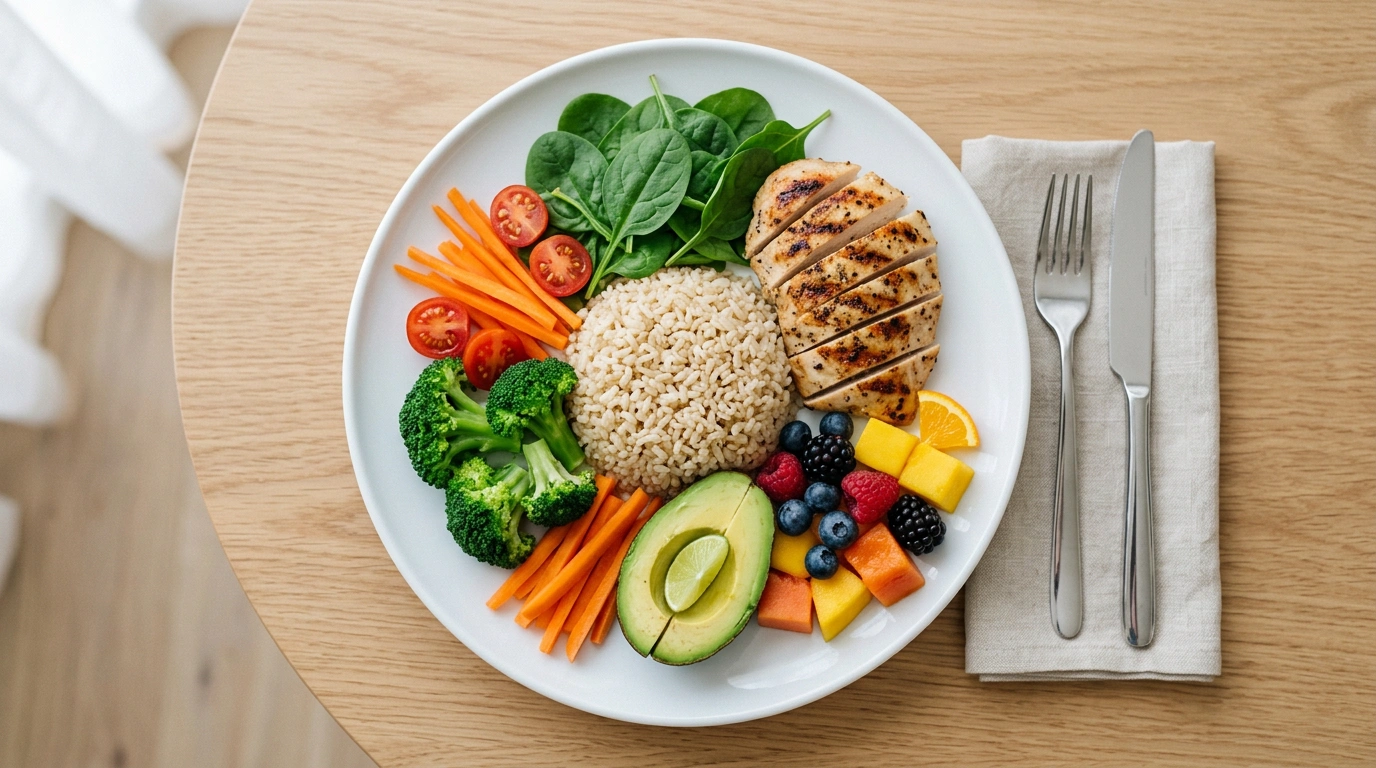
A balanced plate of food should generally include:
This simple approach provides the nutrients needed to support energy, muscle function, and overall wellness.
Many people think nutrition is only about calories, but that’s only part of the picture.
The quality of your food matters just as much as the quantity.
For example:
A 300-calorie meal of grilled chicken, vegetables, and brown rice provides significantly more nutrients than 300 calories of sugary snacks.
Choosing nutrient-rich foods helps you feel fuller, supports digestion, and provides steady energy throughout the day.
Good nutrition also reduces the risk of chronic diseases while supporting a longer, healthier life.
Clean eating has become one of the most popular approaches to improving overall health—but what does it actually mean?
Contrary to common myths, clean eating isn’t about eliminating entire food groups or following complicated rules. Instead, it’s about choosing foods that are as close to their natural state as possible.
Whole, minimally processed foods provide the nutrients your body needs without excessive added sugars, unhealthy fats, or artificial ingredients.
One of the greatest benefits of clean eating is that it encourages long-term healthy habits rather than temporary dieting.
People who adopt clean eating often notice:
A clean eating pattern typically includes:
These foods naturally provide fiber, vitamins, minerals, and antioxidants that support overall health and wellness.
Compared with highly processed foods, whole foods are generally more filling, making it easier to maintain healthy eating habits without constantly feeling hungry.
One simple way to start is by replacing sugary drinks with water, choosing fruit instead of candy for snacks, and preparing more meals at home.
These small changes may seem modest, but over time they contribute significantly to the benefits of a healthy lifestyle.
Healthy eating isn’t about avoiding every treat or following strict diet rules. It’s about creating balance.
Balanced nutrition means providing your body with the right combination of macronutrients and micronutrients to support daily activities, recovery, and long-term health.
Protein helps maintain muscles, carbohydrates provide energy for both the brain and body, and healthy fats support hormone production and brain function. Meanwhile, vitamins and minerals contribute to immune health, bone strength, and countless other essential processes.
Good health nutrition also supports better focus, improved athletic performance, healthier aging, and stronger immunity.
Simple health wellness tips include:
These habits don’t require perfection—they require consistency.
When balanced nutrition becomes part of your routine, you’ll likely notice higher energy levels, improved mood, better digestion, and increased productivity.
More importantly, you’ll be building the foundation for lifelong health and wellness, allowing you to enjoy the lasting benefits of a healthy lifestyle while supporting both your body and mind.

Living a healthy lifestyle isn’t about following strict diets or spending hours at the gym every day. It’s about making small, consistent choices that improve your physical health, mental well-being, and overall quality of life.
The benefits of a healthy lifestyle extend far beyond looking good. Healthy habits help you feel stronger, think more clearly, reduce your risk of chronic diseases, and enjoy everyday activities with greater energy and confidence.
Let’s explore some of the most important advantages.
Do you ever feel tired before the day is even halfway over?
Often, the problem isn’t that you’re too busy—it’s that your body isn’t getting the fuel and care it needs.
Eating balanced meals, staying hydrated, exercising regularly, and getting enough sleep all help improve energy production.
Unlike sugary snacks that provide a quick burst of energy followed by a crash, nutrient-rich foods supply steady energy throughout the day.
Healthy habits that boost energy include:
When your body receives proper nutrition, it works more efficiently, helping you stay productive and active.
One of the greatest lifestyle benefits is improved physical health.
Healthy living supports nearly every system in your body.
Regular exercise and nutritious eating can help:
Even moderate physical activity, such as brisk walking for 30 minutes most days of the week, provides significant health benefits.
You don’t have to become an athlete to improve your health.
Consistency matters far more than perfection.
A healthy body and a healthy mind work together.
Research continues to show that physical activity, nutritious eating, and quality sleep have powerful effects on mental health.
Healthy living may help:
Exercise encourages your brain to release endorphins—natural chemicals that promote positive feelings.
Even a short walk outdoors after work can improve your mood and reduce stress.
This connection between physical and emotional health is one of the most valuable benefits of a healthy lifestyle.
Your immune system protects you from illness every day.
While no lifestyle can prevent every infection, healthy habits strengthen your body’s natural defenses.
Supporting your immune system includes:
These habits help your body respond more effectively to illness and recover more quickly.
Heart disease remains one of the leading causes of death in the United States.
Fortunately, many risk factors are influenced by lifestyle.
Healthy choices may help:
Activities like walking, cycling, swimming, and strength training all contribute to cardiovascular health.
Maintaining a healthy weight becomes much easier when your focus shifts from dieting to building sustainable habits.
Balanced nutrition combined with regular movement supports healthy weight without relying on extreme restrictions.
Instead of constantly starting over with new diets, healthy living encourages long-term consistency.
Good sleep is one of the foundations of good health.
People who eat balanced diets and exercise regularly often experience:
Quality sleep also supports hormone balance, memory, and immune function.
Healthy habits don’t just add years to your life—they can add life to your years.
People who practice healthy behaviors often enjoy:
That’s why living well isn’t simply about longevity—it’s about enjoying every stage of life.
The true health of life is measured by how well you can live, move, work, and spend time with the people you love.

Healthy habits form the foundation of wellness, but quality health products can provide additional support when used appropriately.
Today’s market offers a wide variety of healthy living products, including nutritional supplements, fitness equipment, wellness apps, and recovery tools.
While these products aren’t magic solutions, they can complement a healthy lifestyle when chosen carefully.
Most nutrients should come from food first.
However, certain individuals may benefit from supplements, especially when recommended by a healthcare professional.
Common supplements include:
Supplements should fill nutritional gaps rather than replace healthy eating.
You don’t need an expensive gym membership to stay active.
Many people build effective home workout routines using:
These tools make regular exercise more convenient and consistent.
Other wellness products that may support healthy living include:
These simple tools help reinforce healthy daily habits.
Not every health product delivers on its promises.
Before purchasing:
Quality matters far more than marketing.
The greatest benefits of health products come when they’re used alongside balanced nutrition, regular exercise, and healthy routines—not as substitutes for them.
A well-designed healthy lifestyle program often combines education, nutrition guidance, exercise planning, and progress tracking to help individuals achieve sustainable results.
People often ask,
What is the healthiest cuisine in the world?
There isn’t one perfect answer because many traditional eating patterns offer excellent nutritional benefits.
What they have in common is a focus on fresh, minimally processed ingredients.
The Mediterranean diet is consistently recognized as one of the healthiest eating patterns.
It emphasizes:
Research has linked this eating style with improved heart health and reduced risk of chronic diseases.
Plant-based diets focus on:
These foods provide fiber, vitamins, antioxidants, and healthy fats that support long-term wellness.
Plant-based eating doesn’t necessarily mean becoming vegetarian.
Many people simply choose to eat more plant foods while still including lean animal proteins.
Many cultures naturally follow balanced eating patterns by combining:
Whether inspired by Mediterranean, Japanese, or other traditional cuisines, healthy eating is less about following trends and more about choosing nutrient-rich foods consistently.
The healthiest cuisine is ultimately one that fits your culture, preferences, and health goals while providing balanced nutrition.
One common question is:
“What do healthy people actually eat?”
The answer isn’t expensive superfoods or complicated recipes.
Healthy eaters typically build meals around whole, nutritious foods.
A healthy plate of food often includes:
This simple approach naturally supports balanced nutrition.
Healthy people often include:
Examples include:
Fresh fruit provides:
Popular choices include:
Protein-rich foods include:
Healthy grain options include:
Nutritious snacks may include:
Instead of asking what do the rich eat, a better question is:
“What foods consistently support good health?”
Fortunately, many healthy foods are affordable and widely available.
Developing good eating habits is far more important than purchasing expensive specialty products.
Healthy living isn’t built on one perfect decision.
It’s created through hundreds of small choices repeated over time.
These healthy behaviors improve both physical and mental well-being.
Aim for at least:
Choose activities you enjoy so they’re easier to maintain.
Water supports:
Carry a reusable water bottle to make hydration a daily habit.
Adults generally need:
Good sleep improves recovery, memory, mood, and immune health.
Healthy stress-management strategies include:
Reducing stress benefits both physical and emotional health.
Healthy lifestyle choices also include limiting or avoiding:
Replacing unhealthy habits with healthier alternatives leads to lasting improvements.
Strong relationships contribute to emotional well-being.
Spending time with family, friends, and supportive communities helps reduce stress and improve overall happiness.
Human connection is an often-overlooked part of wellness.
If you’re wondering what are healthy behaviors, remember that they don’t have to be complicated.
Simple habits like taking a daily walk, preparing healthy meals, drinking more water, and getting enough sleep create meaningful changes over time.
Living healthy isn’t about achieving perfection.
It’s about making choices today that help you live healthy, feel stronger, and enjoy a happier future.
Women’s nutritional and wellness needs change throughout life. From adolescence and pregnancy to menopause and older adulthood, the body requires different levels of nutrients, physical activity, and self-care.
While the fundamentals of healthy living apply to everyone, adopting a healthy lifestyle for women can help support hormonal balance, bone health, heart health, and emotional well-being.
Many women spend so much time caring for their families and careers that they neglect their own health. However, taking care of yourself isn’t selfish—it’s essential.
Women benefit from eating a variety of nutrient-rich foods that provide:
Important nutrients for women include:
Iron helps transport oxygen throughout the body.
Women of childbearing age often need more iron because of menstruation.
Good sources include:
These nutrients help maintain strong bones and reduce the risk of osteoporosis.
Excellent sources include:
Omega-3 fatty acids support:
Good sources include:
Regular movement offers numerous benefits.
Exercise helps:
A balanced routine should include:
These habits support lifelong women wellness.
Women often balance multiple responsibilities, including careers, parenting, caregiving, and household responsibilities.
Managing stress is just as important as eating well.
Healthy coping strategies include:
Taking care of mental health contributes to becoming a healthier, happier, and more confident woman.
Understanding basic health and wellness facts helps you make informed decisions about your lifestyle.
Here are some evidence-based facts that demonstrate why healthy habits matter.
Physical activity benefits:
Even moderate exercise performed consistently provides measurable health improvements.
Many people underestimate sleep.
Adults who consistently sleep seven to nine hours each night often experience:
Poor sleep can increase hunger and reduce motivation to exercise.
Conditions such as:
are strongly influenced by everyday habits.
Healthy eating, regular movement, maintaining a healthy weight, and avoiding smoking significantly reduce these risks.
Water helps:
Drinking enough water each day supports overall wellness.
Routine medical checkups allow healthcare providers to detect health concerns before they become serious.
Preventive care may include:
Early detection often leads to better outcomes.
Let’s clear up a few common misconceptions.
Reality:
Many affordable foods—such as beans, oats, frozen vegetables, eggs, and seasonal fruit—are highly nutritious.
Reality:
Consistency matters more than perfection.
Even 150 minutes of moderate activity each week provides meaningful health benefits.
Reality:
Whole-grain carbohydrates, fruits, vegetables, and legumes are excellent sources of fiber, vitamins, and long-lasting energy.
Understanding these wellness facts helps separate science from popular myths.

Starting healthy habits is relatively easy.
Maintaining them is where long-term success happens.
Instead of chasing perfection, focus on creating routines that fit your daily life.
A successful healthy lifestyle program is built one habit at a time.
Avoid unrealistic expectations.
Instead of saying:
“I’m going to completely change my life this week.”
Try:
Small victories create momentum.
Healthy eating doesn’t require giving up your favorite foods forever.
Instead:
Consistency matters far more than perfection.
Choose activities you genuinely enjoy.
Examples include:
You’re much more likely to stay active when exercise feels enjoyable rather than like a chore.
Progress isn’t measured only by the number on the scale.
Also monitor:
These indicators often show meaningful progress before dramatic weight changes occur.
Everyone experiences setbacks.
Missing one workout or enjoying a slice of birthday cake doesn’t erase weeks of healthy choices.
Instead of giving up, simply return to your healthy routine at your next meal or the next day.
Healthy living is about persistence—not perfection.
The most successful healthy living program is one you can realistically maintain.
Ask yourself:
If the answer is yes, you’ve found a sustainable approach.
These everyday choices gradually become part of your identity, helping you build healthier, happier, and more fulfilling healthy lives.
Being healthy means maintaining physical, mental, and emotional well-being. It’s not simply avoiding illness—it involves having enough energy for daily activities, managing stress effectively, eating nutritious foods, staying active, sleeping well, and caring for your overall wellness. Understanding what does healthy mean helps you focus on long-term habits instead of short-term results.
Why health and wellness is important comes down to quality of life. Good health allows you to stay active, reduce the risk of chronic diseases, improve mental well-being, increase productivity, and enjoy meaningful experiences with family and friends. Investing in your health today supports a healthier future.
Absolutely.
The advantages of eating nutritious foods include:
These are just some of the many benefits of eating a balanced diet filled with whole, nutrient-rich foods.
Healthy habits significantly lower the risk of many chronic diseases, but they cannot prevent every illness.
Regular exercise, balanced nutrition, quality sleep, stress management, avoiding tobacco, and maintaining a healthy weight all reduce the likelihood of developing conditions such as heart disease, type 2 diabetes, and high blood pressure.
While making good lifestyle choices will prevent all diseases is a common misconception, healthy behaviors greatly improve your chances of living a longer and healthier life.