Physical Address
304 North Cardinal St.
Dorchester Center, MA 02124
Physical Address
304 North Cardinal St.
Dorchester Center, MA 02124


Have you ever promised yourself that this Monday would be different? Maybe you planned to eat healthier, exercise regularly, drink more water, or finally get enough sleep. Like many Americans, you probably started with good intentions but found yourself slipping back into old routines after a few busy days.
The truth is, living a healthier life isn’t about chasing perfection or following the latest social media trend. It’s about making small, consistent choices that gradually become part of your everyday routine. These choices may seem insignificant at first, but over time, they have the power to completely transform your physical health, mental well-being, and overall happiness.
Modern life makes healthy living more challenging than ever. Long work hours, endless screen time, processed foods, chronic stress, and lack of sleep have become common parts of everyday life. Many people search for quick fixes—crash diets, detox drinks, or miracle supplements—but lasting improving health doesn’t come from temporary solutions. It comes from building sustainable habits that support your body and mind every single day.
That’s why focusing on 10 healthy lifestyle habits is one of the smartest investments you can make for your future. Healthy routines don’t just help you lose weight or look better—they improve your energy levels, strengthen your immune system, reduce stress, support heart health, improve brain function, and even increase your overall quality of life.
Think about someone you know who always seems energetic, positive, and healthy. Chances are they didn’t achieve that overnight. Instead, they likely built a series of small daily habits that eventually became second nature. That’s the real secret behind lifelong wellness.
Every healthy action you take today creates a stronger foundation for tomorrow. Whether it’s choosing a nutritious breakfast, taking a 20-minute walk after work, drinking another glass of water, or going to bed 30 minutes earlier, these simple decisions add up in remarkable ways.
Learning how to take care of your health isn’t about making your life more complicated. In fact, it’s often about simplifying your choices and becoming more intentional with your daily routines. Small improvements practiced consistently are far more effective than dramatic lifestyle overhauls that are impossible to maintain.
In this guide, you’ll discover 10 healthy lifestyle habits backed by health experts and supported by practical, real-world strategies. You’ll also learn how to make these habits stick, recognize the signs of good health in humans, and explore useful wellness tools that can help you stay on track for years to come.
By the end of this article, you’ll have a clear roadmap for creating healthier routines that fit your lifestyle—not someone else’s.
Healthy lifestyle habits are the daily behaviors that consistently support your physical, mental, and emotional well-being. Unlike temporary challenges or short-term diets, these routines become part of your normal life. They don’t rely on motivation alone—they become automatic through repetition.
Many people think getting healthy requires making massive changes overnight. In reality, lasting wellness is built one small decision at a time. Choosing water over soda, walking during your lunch break, preparing meals at home, or prioritizing sleep may seem minor individually, but together they create powerful long-term results.
A single good habit rarely changes your life overnight. However, several healthy habits practiced consistently can dramatically improve your overall health over months and years.
Researchers have repeatedly found that daily routines influence nearly every aspect of wellness, including:
This idea is often described as health by habit—your everyday choices shape your future health more than occasional efforts.
Healthy routines also reduce decision fatigue. Once positive behaviors become automatic, you no longer need to rely on willpower every day. Instead of debating whether to exercise or eat healthy, those actions simply become part of your lifestyle.
Another important benefit is balance. True good wellness isn’t only about avoiding illness. It also means feeling energetic throughout the day, sleeping well, maintaining emotional stability, managing stress effectively, and enjoying a better quality of life.
Developing a healthy personal lifestyle doesn’t require perfection. Everyone has busy days, stressful weeks, or occasional setbacks. What matters most is consistency over time rather than being perfect every single day.
Instead of asking yourself, “How can I become healthier overnight?” a better question is:
“What small habit can I improve today that I’ll still be doing a year from now?”
That’s where real transformation begins.
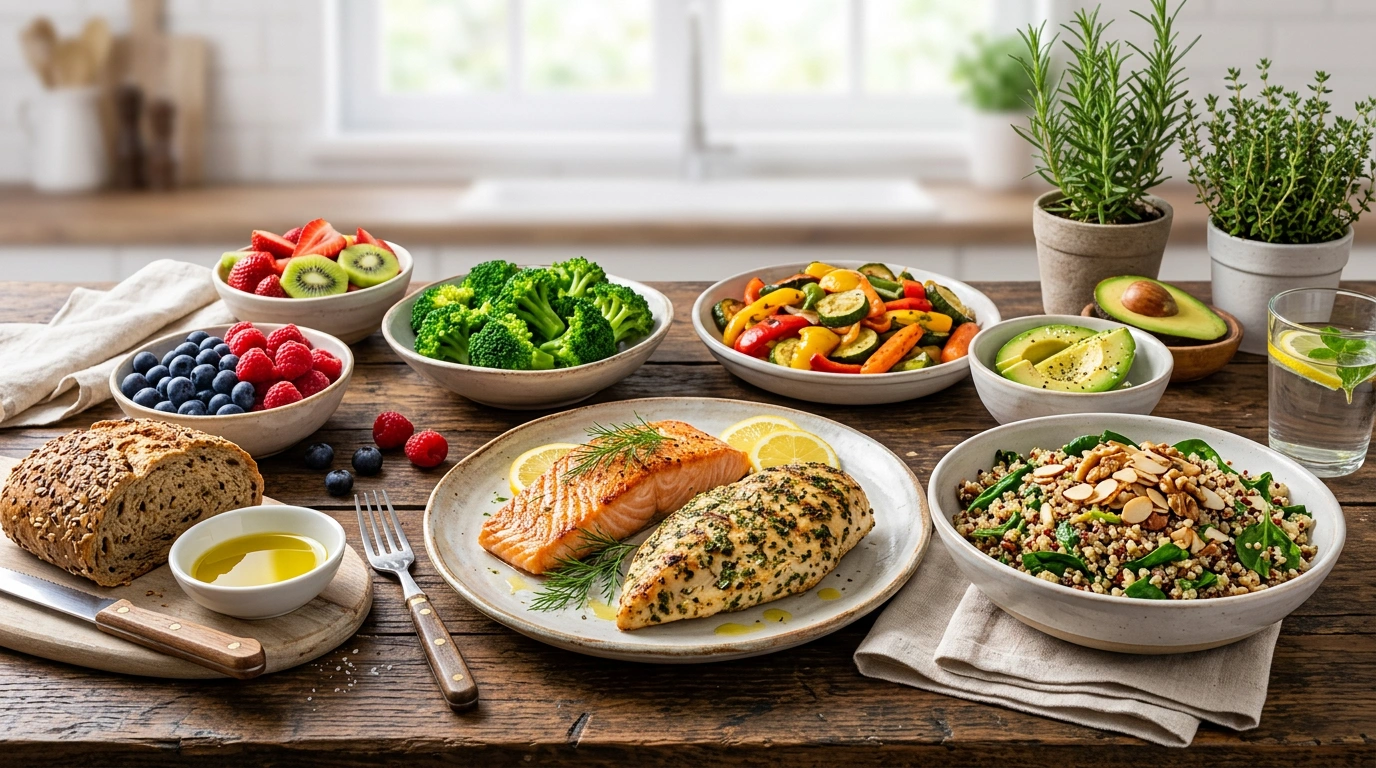
Food is much more than fuel—it’s information for your body. Every meal you eat provides nutrients that influence your energy, immune system, brain function, metabolism, and long-term health.
Unfortunately, many modern diets are filled with highly processed foods that are convenient but often lacking in essential nutrients. While enjoying your favorite comfort foods occasionally is perfectly normal, building your everyday meals around whole, nutrient-dense foods can significantly improve your overall well-being.
A balanced diet should include:
Instead of following restrictive diets, focus on creating meals that are balanced and satisfying. This approach makes healthy eating easier to maintain over the long run.
One practical strategy is to fill half your plate with vegetables, one-quarter with lean protein, and the remaining quarter with whole grains or healthy carbohydrates. It’s a simple visual guide that works for most people without requiring constant calorie counting.
These 10 healthy habits begin with nourishing your body consistently rather than aiming for perfection. Remember, every healthy meal is another opportunity to be good to your body.
If your schedule is hectic, technology can help. Meal planning apps, grocery delivery services, and healthy meal subscription programs make nutritious eating more convenient than ever. Nutrition tracking apps can also help you understand your eating patterns without becoming overly restrictive.
Among the best good habits examples, preparing meals at home even three or four nights per week can reduce processed food intake while saving money over time.
Healthy eating isn’t about eliminating every treat. It’s about creating a foundation where nutritious choices become your default most of the time.

Exercise is one of the most effective ways to improve both physical and mental health. Yet many people believe they need expensive gym memberships or intense workout programs to see results.
Fortunately, that’s simply not true.
Consistent movement matters far more than perfection. Even a brisk 30-minute walk most days of the week can lower the risk of chronic diseases, improve cardiovascular health, increase energy, and reduce stress.
Regular physical activity supports nearly every system in your body by:
If you’re just getting started, choose activities you genuinely enjoy. Walking with a friend, cycling through your neighborhood, swimming, dancing, yoga, or beginner strength training are all excellent options.
These small steps become powerful healthy action habits when practiced consistently.
One of the best healthy lifestyle hacks is scheduling exercise like an important appointment. Putting workouts on your calendar increases the likelihood that you’ll actually complete them.
Remember that improving health doesn’t require hours in the gym. Consistency always beats intensity when building lifelong fitness habits.
Many beginners find success by starting with just 15–20 minutes of daily movement and gradually increasing duration as their confidence grows.
Exercise should never feel like punishment. Instead, think of it as a daily investment in your future health.

Many people underestimate how important sleep is until they begin sleeping well consistently.
Sleep isn’t simply a period of rest—it’s when your body repairs muscles, strengthens your immune system, balances hormones, processes memories, and restores your brain for the next day.
Adults generally need between seven and nine hours of quality sleep each night. Unfortunately, millions of Americans regularly fall short due to busy schedules, excessive screen time, or chronic stress.
Poor sleep affects far more than morning fatigue. It can increase cravings for unhealthy foods, reduce concentration, weaken the immune system, slow recovery after exercise, and negatively impact mood.
One of the often-overlooked signs of good health in humans is waking up feeling refreshed most mornings without relying heavily on caffeine.
Healthy sleep habits include:
Improving sleep quality also supports good wellness, making it easier to maintain other healthy habits such as exercise, balanced eating, and effective stress management.
Rather than treating sleep as optional, think of it as one of the most important forms of preventive healthcare available.

Stress is a natural part of life, but chronic stress can quietly affect nearly every aspect of your health.
Long-term stress may contribute to high blood pressure, digestive issues, weakened immunity, anxiety, depression, sleep problems, and unhealthy eating habits.
While you can’t eliminate every stressful situation, you can develop healthy skills that help your body and mind respond more effectively.
Simple stress-management techniques include:
These practices don’t require expensive equipment or large amounts of time. Even five to ten minutes of mindful breathing can help reduce tension and improve emotional balance.
One effective healthy lifestyle hacks strategy is creating a short evening routine that helps you disconnect from work and prepare your mind for restful sleep.
Many people also discover that spending time in nature, limiting unnecessary screen time, and maintaining healthy relationships helps them vibe well even during challenging periods.
Managing stress doesn’t mean avoiding problems—it means developing healthier ways to respond to them.
When emotional wellness improves, every other healthy habit becomes easier to maintain because your mind and body are working together instead of against each other.

Water is one of the simplest yet most overlooked tools for maintaining good health. Since the human body is made up of about 60% water, every organ depends on proper hydration to function efficiently. From regulating body temperature to supporting digestion and transporting nutrients, water plays a vital role in your daily wellness.
Unfortunately, many people don’t realize they’re mildly dehydrated. A busy schedule, frequent coffee breaks, or simply forgetting to drink enough water can leave your body running below its full potential.
Common signs of dehydration include:
Making hydration a daily priority is one of the easiest ways to take care of your health. Most healthy adults should aim to drink enough fluids throughout the day, though individual needs vary depending on age, activity level, climate, and overall health.
A few practical ways to stay hydrated include:
Proper hydration offers benefits far beyond quenching your thirst. It helps improve digestion, supports healthy skin, maintains energy levels, and allows your muscles and joints to function properly.
When you consistently drink enough water, you’re choosing to be good to your body in one of the most natural ways possible.

Good health isn’t only about nutrition and exercise. Humans are social by nature, and meaningful relationships have a powerful impact on both mental and physical well-being.
Research consistently shows that people with strong social connections often experience lower stress levels, better emotional resilience, and even longer life expectancy. Whether it’s spending time with family, talking with close friends, volunteering, or joining community groups, healthy relationships contribute significantly to your overall quality of life.
A supportive network provides encouragement during difficult times and celebrates your successes, helping you maintain motivation for your health goals.
Simple ways to strengthen your social wellness include:
These relationships create a stronger sense of belonging while improving your emotional well-being.
Living a healthy personal lifestyle means caring for both your body and your relationships. Strong social bonds often improve qol (quality of life) by reducing loneliness, increasing happiness, and creating emotional stability.
Good relationships are also an important part of good wellness, reminding us that health is about much more than physical fitness alone.

Life moves quickly. Between work responsibilities, family obligations, and constant digital distractions, many people spend their days on autopilot.
Mindfulness encourages you to slow down and become more aware of your thoughts, emotions, and daily choices. It isn’t about ignoring problems or pretending everything is perfect. Instead, it’s about responding thoughtfully rather than reacting automatically.
One of the biggest benefits of mindfulness is that it helps you make better decisions throughout the day. When you’re more aware, you’re more likely to choose nutritious foods, stay active, manage stress effectively, and maintain other healthy habits.
Simple mindfulness practices include:
Positive thinking doesn’t mean avoiding challenges. It means developing resilience and believing that setbacks are opportunities to learn rather than reasons to quit.
Over time, these daily practices become another powerful good habit that supports emotional health and long-term wellness.
Every mindful decision is a small healthy action that moves you closer to a healthier lifestyle.

Building healthy habits is only one side of the equation. Protecting your health also means reducing behaviors that increase your risk of disease.
Many chronic health conditions are linked to lifestyle choices that develop gradually over time.
Some of the most harmful habits include:
The good news is that positive changes don’t have to happen overnight.
If you currently have unhealthy routines, start by replacing one behavior at a time. For example:
This gradual approach makes healthy habits easier to maintain than trying to change everything at once.
Each healthier choice contributes to improving health, lowers your long-term disease risk, and increases your overall quality of life.
Remember, progress always matters more than perfection.

Feeling healthy doesn’t always mean everything is functioning perfectly inside your body.
Many serious conditions—including high blood pressure, diabetes, high cholesterol, and certain cancers—can develop silently without noticeable symptoms.
That’s why preventive healthcare is one of the smartest investments you can make.
Routine checkups help healthcare providers identify potential problems early, when they’re often easier to treat.
Regular preventive care may include:
Preventive care isn’t only about finding illness—it’s also about confirming that your body is functioning well.
Many people wonder about the signs of good health in humans, but only regular medical evaluations can provide a complete picture of your overall health.
If you’ve ever asked yourself, how do you know if your healthy, routine screenings combined with healthy daily habits provide the most reliable answer.
Think of preventive healthcare as maintenance for your body—just like servicing your car before major problems develop.

The biggest difference between people who successfully transform their health and those who struggle isn’t motivation.
It’s consistency.
Motivation comes and goes. Busy schedules, vacations, holidays, illnesses, and stressful periods happen to everyone. The key is returning to your healthy routines instead of giving up completely.
Many people expect dramatic results within a few weeks, but lasting wellness develops gradually through repeated daily actions.
If you’re wondering how to sustain healthy habits over the long run, start by focusing on small, realistic goals instead of trying to change your entire lifestyle overnight.
Some proven strategies include:
One useful strategy is habit stacking. Pair a new habit with an existing one.
For example:
These small routines gradually become automatic.
Many wellness experts also recommend focusing on the seven healthy habits often associated with long-term health:
Together, these practices form an excellent good habits list that supports lifelong wellness.
Remember, healthy living isn’t about being perfect every day.
It’s about making more healthy choices than unhealthy ones—week after week, month after month, and year after year.

Many people judge their health simply by looking at the number on the scale. While maintaining a healthy weight is important, true wellness involves much more than body size.
So, what are the signs of good health in humans?
Although every individual is different, healthcare professionals often look for several common indicators that suggest your body and mind are functioning well.
Some of the most reliable signs include:
Mental wellness is equally important. Feeling motivated, managing everyday stress effectively, and maintaining positive relationships are all valuable indicators of overall health.
If you’ve ever wondered how do you know if your healthy, the answer involves looking at both physical and emotional well-being rather than focusing on just one measurement.
Regular preventive checkups, combined with healthy daily routines, provide the clearest picture of your overall health.
Living a healthier life doesn’t require complicated routines. Often, it’s the simplest actions that produce the biggest long-term results.
Use this good habits list as an easy daily checklist:
These are practical examples of good habits that almost anyone can incorporate into daily life. Instead of trying to follow every tip at once, choose two or three habits that feel manageable and gradually build from there.
Creating your own habit list helps turn healthy choices into lifelong routines that support better physical health, mental wellness, and overall quality of life.
Building healthier routines doesn’t have to feel overwhelming. In fact, the easiest way to create lasting change is to simplify the process. Instead of relying on willpower every day, set up your environment so healthy choices become the easiest choices.
Many people fail because they try to change everything at once. A better strategy is to make one small improvement, stick with it, and then build on that success.
Here are practical healthy lifestyle hacks that can help you stay consistent:
Rather than committing to an hour-long workout immediately, begin with a 15-minute walk. Instead of completely changing your diet overnight, add one extra serving of vegetables to your lunch.
Small wins build confidence.
Meal prepping reduces the temptation to order fast food after a busy day. Spend an hour on the weekend preparing healthy lunches or chopping vegetables for quick dinners.
This is one of the best good habits examples because it saves time while supporting healthier eating.
Habit-tracking apps, calendar reminders, and smartwatch notifications can encourage consistency without requiring constant motivation.
Keep fresh fruit on your kitchen counter.
Store water bottles where you’ll see them.
Leave your walking shoes near the front door.
Small environmental changes often lead to better decisions.
Instead of focusing on what you can’t have, replace unhealthy behaviors with better alternatives.
For example:
Replacing habits is usually easier than trying to eliminate them completely.
Every healthy decision matters.
Reward yourself for consistency—not perfection.
The goal isn’t to build a perfect habbit overnight. It’s to create a healthier lifestyle that you can maintain for years.
Starting a healthy routine is exciting.
Maintaining it is where real transformation happens.
Many people begin the year with ambitious fitness goals, but only a small percentage continue those routines months later. The difference usually isn’t discipline—it’s sustainability.
If you’re wondering how to sustain healthy habits over the long run, the answer is surprisingly simple: make your habits fit your life instead of trying to fit your life around your habits.
Here are several strategies that actually work.
Avoid setting impossible expectations.
Instead of saying, “I’ll never eat dessert again,” aim to cook healthy dinners four nights each week.
Realistic goals create lasting success.
Trying to change your sleep schedule, diet, exercise routine, and stress management all at once usually leads to burnout.
Focus on one habit until it becomes automatic before adding another.
This approach reflects the idea of health by habit—small daily improvements that create meaningful long-term results.
Vacations, holidays, work deadlines, and family responsibilities happen.
Missing one workout or eating one unhealthy meal doesn’t erase your progress.
Simply return to your routine at the next opportunity.
Healthy living looks different for everyone.
Your motivation might be:
Knowing your “why” makes consistency easier.
Every month, ask yourself:
Healthy routines should evolve as your lifestyle changes.
Long-term wellness isn’t about following strict rules forever.
It’s about building habits you genuinely enjoy and can maintain for life.
Healthy habits always come first, but the right tools can make your wellness journey more convenient, organized, and enjoyable.
Technology continues to provide new ways to monitor progress, stay motivated, and simplify healthy living.
Helpful wellness products include:
These devices help monitor:
Seeing your progress often increases motivation.
Simple equipment such as:
makes it easier to stay active without traveling to a gym.
Food logging apps help users:
Guided meditation, breathing exercises, and sleep stories help reduce stress while supporting emotional health.
If you’re looking to vibe well, these tools can make mindfulness easier to practice consistently.
While supplements shouldn’t replace healthy eating, they may help fill nutritional gaps when recommended by a healthcare professional.
Always choose products that have undergone third-party quality testing.
Busy professionals often struggle to cook every evening.
Healthy meal delivery services can reduce reliance on fast food while supporting balanced nutrition.
Some workplace wellness programs—including resources similar to Kaiser Permanente Positive Choice—also encourage sustainable lifestyle improvements through nutrition education, physical activity, and behavior change rather than quick fixes.
Remember, no product can replace healthy daily habits.
The best tools simply make healthy living more convenient.

Every lifestyle is different.
The habits that work for a college student may not work for a busy parent or healthcare professional.
The key is adapting healthy routines to fit your daily responsibilities.
Long workdays don’t have to prevent healthy living.
Try:
Small changes throughout the workday can have a significant impact.
Healthy habits become easier when everyone participates.
Ideas include:
Children often develop lifelong habits by watching their parents.
If you’re just getting started, don’t focus on all ten habits immediately.
Instead, begin with 2 habits:
Once those become automatic, gradually add new habits.
Some local organizations and wellness initiatives—such as community-based programs similar to Healthy Habits Frankenmuth—encourage residents to improve health through small, consistent lifestyle changes and community support.
Regardless of your age, career, or background, healthy living begins with one small decision repeated consistently.
The ten healthy lifestyle habits include:
Together, these habits support long-term physical health, mental wellness, and overall quality of life.
Some excellent examples of good habits include:
These habits contribute to both physical and emotional well-being.
Many people ask, how do you know if your healthy?
While only a healthcare provider can fully evaluate your health, common indicators include:
Regular medical checkups remain the best way to monitor your overall health.
There isn’t a single timeline that works for everyone.
Research suggests that building lasting habits depends on consistency, repetition, and the complexity of the behavior.
The most important factor in how to sustain healthy habits over the long run is continuing even after occasional setbacks.
Healthy living is a lifelong journey—not a short-term challenge.