Physical Address
304 North Cardinal St.
Dorchester Center, MA 02124
Physical Address
304 North Cardinal St.
Dorchester Center, MA 02124


Modern life has made it harder than ever to meet daily nutrient needs through food alone. Busy schedules, processed meals, restrictive diets, and changing food habits mean many adults may not consistently get the vitamins and minerals their bodies require. Even people who try to eat a balanced diet can occasionally fall short of important nutrients like vitamin D, magnesium, vitamin B12, iron, or zinc.
This is one reason why the daily multivitamins benefits have become a popular topic among health-conscious adults. A quality multivitamin combines essential vitamins and multiminerals into one convenient supplement, helping support overall wellness when used alongside a healthy diet—not as a replacement for nutritious food.
Today’s multi daily formulas often contain vitamins A, C, D, E, K, B-complex vitamins, and important minerals that work together to support energy production, immune function, bone health, brain performance, and healthy aging. Many people also choose multi mineral supplements or complete supplements designed for specific needs such as men, women, seniors, or active individuals.
Whether you’re considering an all in one supplement for convenience or researching all in supplements that fit your lifestyle, understanding how multivitamins work can help you make informed decisions.
In this guide, you’ll learn what daily multivitamins are, who may benefit from them, whether they should be taken every day, and the science behind the top health benefits of modern all in 1 supplements.
Many people ask, should you take a multivitamin everyday? The answer depends on your diet, age, lifestyle, health status, and nutritional needs. For healthy adults who regularly eat a wide variety of nutrient-rich foods, a multivitamin may not always be necessary. However, many healthcare professionals recognize that modern eating habits often make it difficult to obtain every essential nutrient consistently.
Several factors increase the risk of nutrient deficiencies, including:
Even mild deficiencies can gradually affect energy levels, immunity, concentration, and overall health before obvious symptoms appear.
No.
One of the biggest misconceptions is that complete supplements can replace nutritious meals. They cannot.
Whole foods provide fiber, antioxidants, phytonutrients, healthy fats, and thousands of beneficial plant compounds that supplements simply cannot replicate. A multivitamin should be viewed as nutritional insurance rather than a substitute for fruits, vegetables, lean protein, healthy fats, and whole grains.
Taking a multi daily supplement consistently generally provides more reliable nutritional support than using one only occasionally. Water-soluble vitamins such as vitamin C and many B vitamins are not stored in large amounts, making regular intake important for people who struggle to meet dietary recommendations.
Fat-soluble vitamins (A, D, E, and K) remain in the body longer, so more isn’t always better. Always follow label directions and avoid exceeding recommended amounts unless advised by a healthcare provider.
Daily multivitamins may be helpful for:
People who consistently eat a balanced diet rich in fruits, vegetables, whole grains, lean proteins, dairy, nuts, and seeds may receive sufficient nutrients from food alone.
More vitamins do not automatically mean better health.
Excessive intake of vitamin A, iron, or certain minerals may become harmful over time. Some supplements can also interact with medications such as blood thinners, thyroid medication, or certain antibiotics.
If you have chronic medical conditions or take prescription medications, consult your healthcare provider before beginning supplementation.
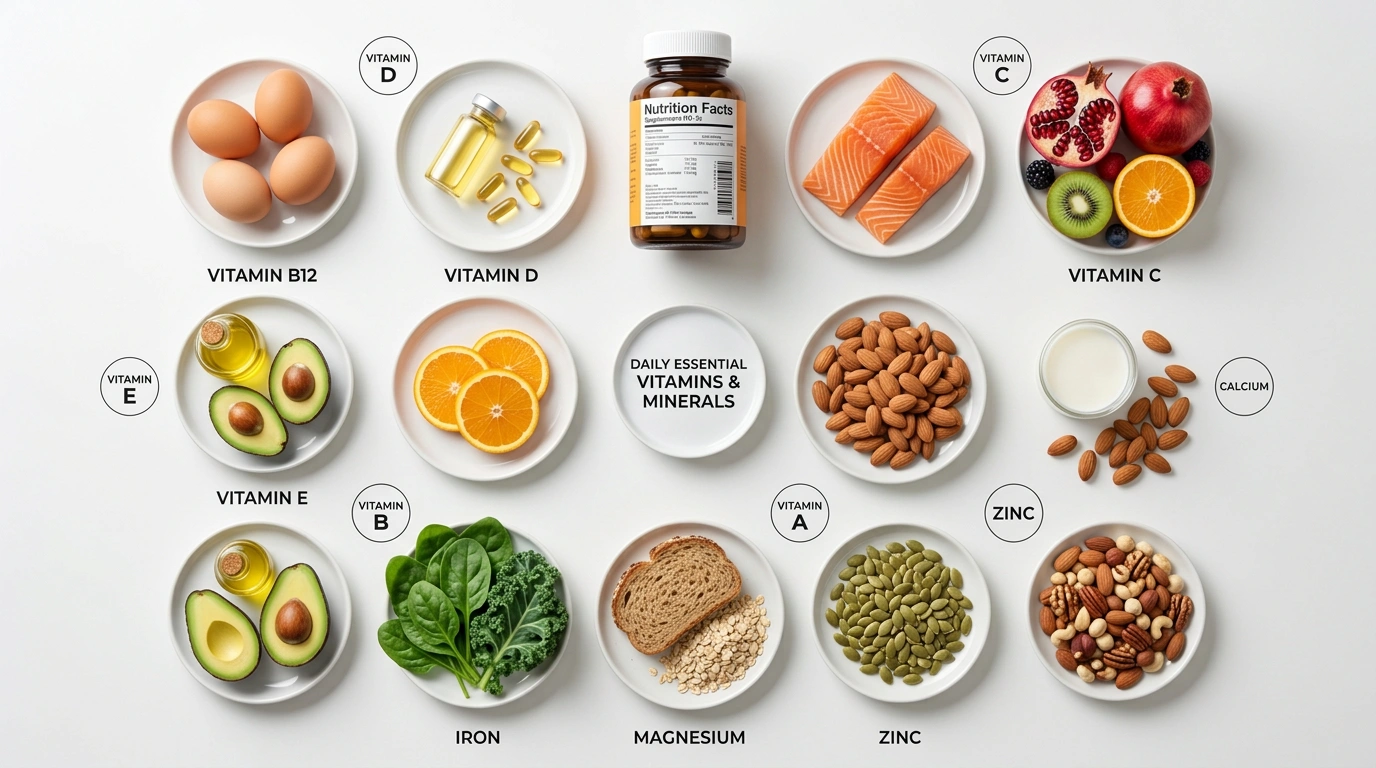
A daily multivitamin is a dietary supplement that combines multiple essential vitamins and minerals into one convenient serving. These products are designed to help fill nutritional gaps rather than treat disease.
Although formulas vary between brands, most contain a combination of essential nutrients required for normal body function.
Many people confuse vitamins with minerals, but they perform different roles.
Vitamins are organic compounds the body needs in small amounts for energy production, immune function, metabolism, vision, skin health, and cellular repair.
Minerals are inorganic nutrients that support bone strength, muscle contraction, nerve signaling, fluid balance, and enzyme activity.
Because both nutrient groups work together, many multiminerals, multi mineral supplements, or multimineral supplement formulas include calcium, magnesium, zinc, selenium, iodine, chromium, copper, manganese, and potassium alongside vitamins.
Most quality multivitamins provide:
The exact amounts vary depending on whether the product is formulated for men, women, seniors, or children.
Understanding this difference helps explain why supplement dosing matters.
Water-soluble vitamins include vitamin C and the B-complex vitamins. These dissolve in water, are not stored extensively, and excess amounts are generally excreted through urine.
Fat-soluble vitamins include vitamins A, D, E, and K. These are stored in body fat and the liver, making it important to avoid excessive supplementation.
While vitamins often receive most of the attention, minerals are equally important. Magnesium helps muscles relax, calcium supports strong bones, zinc contributes to immune health, and iron carries oxygen throughout the body.
Together, vitamins and minerals illustrate the multivitamin mechanism of action by supporting hundreds of biochemical reactions every day. Understanding the function of vitamins in the body highlights why balanced nutrition—not megadoses—is essential for long-term wellness.

Even people who eat reasonably well may occasionally miss important nutrients. Long work hours, skipped meals, dieting, food intolerances, and limited access to fresh produce can all contribute to nutritional gaps.
Quality complete supplements or an all in one supplement provide a broad spectrum of vitamins and minerals that help complement—not replace—a balanced diet. They offer convenient nutritional support for people whose food intake varies from day to day.
Although no supplement can match the complexity of whole foods, consistent use may help reduce the likelihood of minor nutrient deficiencies.
A healthy immune system depends on many nutrients working together.
Vitamin C supports white blood cell function, vitamin D helps regulate immune responses, zinc contributes to wound healing and infection defense, while antioxidants help reduce oxidative stress that can damage immune cells.
Many vitamin high potency formulas include these nutrients in carefully balanced amounts. While high potency vitamins do not guarantee immunity against illness, maintaining adequate nutrient levels helps your immune system function normally throughout the year.
Feeling tired doesn’t always mean you need more caffeine.
B-complex vitamins help convert carbohydrates, fats, and proteins into usable cellular energy. Iron supports oxygen transport, while magnesium contributes to hundreds of energy-producing enzyme reactions.
People often ask, do multivitamins give you energy?
Multivitamins don’t contain stimulants, but correcting nutrient deficiencies may improve normal energy production, reduce fatigue caused by low vitamin intake, and support healthier metabolism.
A consistent multi daily routine works best when combined with nutritious meals, adequate sleep, hydration, and regular physical activity.
Your brain requires a continuous supply of nutrients to maintain memory, concentration, and cognitive performance.
B vitamins support healthy nerve signaling, vitamin B12 contributes to neurological health, while folate assists DNA synthesis and normal brain function.
The multivitamin mechanism of action includes supplying nutrients required for neurotransmitter production and cellular metabolism. Although multivitamins cannot prevent cognitive diseases, maintaining adequate nutrient intake supports normal brain health throughout adulthood.
The cardiovascular system relies on multiple nutrients working together.
B vitamins help regulate homocysteine metabolism, magnesium supports healthy muscle contraction, potassium contributes to normal blood pressure regulation, and antioxidants help protect blood vessels from oxidative stress.
Although no supplement replaces exercise and a heart-healthy diet, choosing the best multivitamin for heart health may help ensure adequate intake of nutrients involved in normal cardiovascular function.
Healthy bones require much more than calcium alone.
Vitamin D improves calcium absorption, vitamin K supports bone metabolism, magnesium contributes to bone structure, and phosphorus helps strengthen teeth and skeletal tissue.
Many calcium multivitamin products combine these nutrients because they work synergistically rather than independently.
Some people also choose a magnesium and multivitamin combination when dietary magnesium intake is low. Proper nutrient balance supports bone health throughout every stage of life.
Muscles depend on vitamins, minerals, and electrolytes for normal contraction and recovery.
Magnesium helps regulate muscle function, potassium supports nerve communication, while B vitamins contribute to energy metabolism during physical activity.
Some active adults combine a multivitamin and magnesium supplement to support exercise recovery, though individual needs vary.
Parents may also encounter products such as kids multivitamin with magnesium, formulated specifically for children’s nutritional requirements rather than adult use.
Maintaining sufficient nutrient intake may help support healthy muscle performance as part of an active lifestyle.
Healthy skin, shiny hair, and strong nails begin with proper nutrition.
Biotin supports keratin production, vitamin C assists collagen formation, while vitamin E helps protect cells from oxidative stress. Zinc also contributes to normal skin repair and wound healing.
Many products marketed for beauty combine these nutrients, including benefits of women’s multivitamin formulas and women multivitamin gummies or women’s multivitamin gummies designed for adult women.
While supplements cannot replace healthy eating or treat underlying medical conditions, correcting nutritional deficiencies may help support healthier skin, stronger nails, and normal hair growth over time.
Your eyes require a steady supply of nutrients to function properly throughout life. Vitamin A plays a vital role in maintaining normal vision, especially in low-light conditions, while lutein and zeaxanthin help protect the retina from oxidative stress caused by sunlight and aging. Vitamin C, vitamin E, and zinc also contribute to long-term eye health by supporting healthy eye tissues.
Many vitamin high potency multivitamins include these nutrients in balanced amounts. Although supplements cannot correct vision problems like nearsightedness or replace regular eye exams, they may help support normal eye function when combined with a nutrient-rich diet. People who eat few colorful vegetables or fruits may particularly benefit from ensuring they meet recommended vitamin and mineral intakes.
Healthy aging isn’t about stopping the aging process—it’s about maintaining strength, mobility, cognitive function, and overall wellness as you grow older.
As we age, nutrient absorption may decline, appetite often changes, and chronic health conditions become more common. Vitamins C and E, selenium, zinc, and other antioxidants help protect cells from oxidative damage caused by free radicals. B vitamins support healthy nerve function, while vitamin D and calcium contribute to bone strength.
Many high potency multi vitamins are specifically formulated for adults over 50 with adjusted nutrient levels that better match changing nutritional needs. When combined with regular exercise, quality sleep, and a balanced diet, multivitamins may support healthier aging.
Metabolism refers to all the chemical reactions that convert food into energy, repair tissues, and maintain normal body function.
B-complex vitamins act as coenzymes in numerous metabolic pathways. Magnesium, zinc, chromium, and iron also help enzymes function efficiently. Without enough of these nutrients, the body cannot process carbohydrates, proteins, and fats effectively.
Many supplement labels list nutrients in milligrams (mg) or micrograms (mcg), making it important to understand mcg vs mg in vitamins. One milligram equals 1,000 micrograms, so reading supplement labels carefully helps prevent confusion and supports safe supplementation.
Remember that multivitamins support normal metabolism—they do not “boost” metabolism enough to cause significant weight loss on their own.
Hormones regulate nearly every system in the body, including metabolism, reproduction, mood, sleep, and stress response.
While no multivitamin directly “balances hormones,” several nutrients are essential for healthy hormone production and regulation. Vitamin D, zinc, magnesium, selenium, iodine, and B vitamins all play important roles in endocrine function.
Women may require additional iron before menopause, while men generally benefit from formulas emphasizing zinc and magnesium. Products marketed as daily mens supplements or male vitamin packs often adjust nutrient levels to reflect these differences.
Anyone experiencing significant hormonal symptoms should seek medical evaluation rather than relying solely on supplements.
Exercise places temporary stress on muscles, requiring nutrients for recovery and adaptation.
Protein remains the primary nutrient for muscle repair, but vitamins and minerals also contribute significantly. Magnesium supports muscle relaxation, B vitamins assist energy production, vitamin C contributes to collagen formation, and antioxidants help manage exercise-induced oxidative stress.
Athletes sometimes choose specialized products such as the Pure Encapsulations Athletic Pack, which combines multiple nutrients for active lifestyles. However, recreational exercisers usually meet their needs with a quality multivitamin and a balanced diet rich in protein, fruits, vegetables, and whole grains.
Proper hydration, adequate sleep, and sufficient calories remain more important than supplements alone for optimal recovery.
Pregnancy significantly increases nutritional requirements.
Developing babies depend on adequate maternal intake of folate, iron, iodine, vitamin D, calcium, choline, and other essential nutrients. Folate is especially important before conception and during early pregnancy because it supports normal neural tube development.
Although regular multivitamins provide many nutrients, pregnant women should generally use prenatal vitamins formulated specifically for pregnancy. Healthcare providers often discuss nursing implications for multivitamin use during pregnancy and breastfeeding to ensure appropriate nutrient intake without excessive doses.
Women planning pregnancy should consult their healthcare provider before beginning supplementation.
One of the greatest advantages of multivitamins is convenience.
Instead of purchasing numerous separate supplements, many adults prefer all in supplements that combine multiple vitamins and minerals into one serving. An all in one supplement simplifies daily routines, encourages consistency, and may reduce overall supplement costs.
Whether available as capsules, tablets, gummies, or powders, all in 1 supplements help many people maintain better nutritional habits when paired with healthy eating—not as a substitute for it.
One of the most common questions is how long do multivitamins take to work?
The answer depends on your existing nutrient status, overall health, diet, absorption, and which vitamins you’re lacking.
After swallowing a multivitamin, digestion begins within minutes. Nutrients are released in the stomach and absorbed primarily in the small intestine. Water-soluble vitamins enter the bloodstream relatively quickly, while fat-soluble vitamins are absorbed alongside dietary fats.
People often ask how long does it take for a vitamin to digest. Most vitamins begin absorbing within several hours, but this does not mean noticeable benefits appear immediately.
Individuals correcting a true deficiency may notice improved energy, mood, or reduced fatigue within several weeks.
Others taking multivitamins simply to maintain adequate nutrition may not notice dramatic day-to-day changes because supplements primarily help prevent deficiencies rather than create immediate effects.
Questions like how long does a multivitamin take to work, how long does it take for vitamins to work, or how long does it take for vitamins to start working all have similar answers—consistent daily use over weeks or months provides the greatest benefit.
Bone health, immune support, and healthy aging depend on long-term nutritional consistency rather than overnight results.
Many people also wonder how long does a multivitamin stay in your system. Water-soluble vitamins are typically used or excreted within days, while fat-soluble vitamins may remain stored much longer.
Many people worry, does multivitamin cause weight gain?
Current scientific evidence says no.
Multivitamins contain vitamins and minerals—not calories capable of causing fat gain. Weight gain occurs when calorie intake consistently exceeds calorie expenditure.
Some people believe do multivitamins cause weight gain because they notice appetite improvements after correcting nutritional deficiencies. Others experience slight fluid fluctuations that are unrelated to body fat.
Questions like can multivitamins make you gain weight, will multivitamins make you gain weight, do multi vitamins make you gain weight, or does a multivitamin cause weight gain all have the same general answer: multivitamins themselves do not directly increase body fat.
Maintaining a balanced diet and regular exercise remains the key to healthy weight management.
Many adults ask, is it good to take vitamins at night?
In most cases, the best time is simply the time you’ll remember consistently.
Some people prefer taking vitamins with breakfast because B vitamins may support normal energy metabolism. Others successfully take a multivitamin at night with dinner without any problems.
For certain individuals, taking supplements on an empty stomach may cause mild stomach discomfort. Taking them with food often improves absorption of fat-soluble vitamins A, D, E, and K.
Whether you’re taking multivitamin at night or in the morning, consistency is usually more important than exact timing.
Yes—but careful planning matters.
Many adults safely combine multivitamins with vitamin D, magnesium, omega-3 fish oil, or probiotics.
For example, can you take a multivitamin and vitamin D together? Often yes, particularly if vitamin D levels are low, but total intake should remain within recommended limits.
Similarly, combining magnesium and multivitamin products may be appropriate when dietary magnesium intake is inadequate.
Questions like can I take multiple vitamins at once or should I take all my vitamins at once depend on the specific supplements involved. Too much iron, vitamin A, calcium, or zinc may become excessive if several products contain the same nutrients.
Always review supplement labels carefully and consult a healthcare professional when combining multiple products.
Many shoppers wonder whether they should buy one multivitamin or separate nutrients.
People frequently ask multivitamin vs individual vitamins, is it better to take a multivitamin or individual vitamins, or are multivitamins better than individual vitamins.
For most healthy adults seeking nutritional support, a quality multivitamin provides an excellent starting point. Individuals with medically confirmed deficiencies often benefit from targeted supplementation under medical guidance.

Although many nutrients overlap, men’s and women’s nutritional requirements differ.
Women’s multivitamins typically contain more iron before menopause and may include higher folate levels for reproductive health. Products such as women multivitamin gummies or women’s multivitamin gummies often focus on bone health, skin support, and reproductive nutrition.
Men’s formulas usually reduce or eliminate iron while emphasizing zinc, magnesium, and nutrients that support muscle and prostate health. Products marketed as men’s multivitamin, daily mens, or male vitamin packs reflect these differences.
People often ask:
Occasional use is unlikely to be harmful for most healthy adults, but long-term use of gender-specific formulas may not provide the most appropriate nutrient balance.
Questions such as are one a day vitamins good for men or concerns about one a day women’s multivitamin side effects should be discussed with a healthcare provider if individual medical conditions exist.
Parents sometimes wonder, can adults take kids vitamins?
While children’s vitamins are generally safe for adults, they are not designed to meet adult nutritional requirements.
Kids’ formulas often contain lower amounts of vitamins and minerals because children’s needs differ significantly from adults. Even products like kids multivitamin with magnesium usually provide nutrient levels intended for growing children rather than mature adults.
Adults who regularly rely on children’s vitamins may fail to meet recommended daily intakes for nutrients such as vitamin D, vitamin B12, calcium, magnesium, and zinc.
Unless advised by a healthcare professional, adults should choose multivitamins formulated specifically for their age, sex, and health needs. This helps ensure more appropriate nutrient amounts and better long-term nutritional support.

Choosing the best vitamins and supplements can feel overwhelming because hundreds of products claim to be the best. Instead of relying on marketing, focus on quality, safety, and whether a product matches your age, sex, diet, and health needs.
A quality multivitamin should contain essential vitamins (A, C, D, E, K, and B-complex) along with important minerals such as calcium, magnesium, zinc, selenium, iodine, and chromium. Avoid products with unnecessary herbal blends unless they are supported by reliable scientific evidence.
When selecting a multivitamin what information should be considered, always review:
The goal is balanced nutrition—not extremely high doses.
Supplement labels often list nutrients in milligrams (mg) or micrograms (mcg).
Understanding mcg vs mg in vitamins helps you compare products accurately.
Independent quality testing helps confirm that products contain the ingredients listed on the label and are free from unacceptable contaminants.
Look for certifications from reputable third-party organizations whenever possible.
Many consumers prefer a non GMO multivitamin, although GMO status alone does not determine supplement quality. Ingredient quality, manufacturing standards, and accurate labeling remain more important considerations.
More is not always better.
Some vitamin high potency or high potency vitamins contain nutrient levels well above recommended daily amounts. High-dose supplements may be appropriate for certain medical conditions but should generally be taken under professional guidance.
People frequently ask, are liquid vitamins better than pills?
Each form has advantages:
The best option is the one you’ll take consistently.
Before purchasing, check:
Learning how to read supplement labels is one of the best ways to choose safe, effective products.
Many shoppers ask, are Centrum vitamins good?
Centrum is one of the most widely recognized multivitamin brands in the United States and offers formulas for men, women, seniors, and children.
Many people research Centrum multivitamin benefits, which commonly include nutritional support for immunity, energy metabolism, and overall wellness.
Like any brand, Centrum may not be ideal for everyone. Some people require higher or lower amounts of certain nutrients depending on their medical history, medications, or dietary patterns.
If you’re wondering are Centrum vitamins good for you, the answer depends on your personal nutritional needs. No single multivitamin is best for everyone.
| Feature | Gummies | Tablets | Capsules |
| Taste | Excellent | Neutral | Neutral |
| Convenience | High | High | High |
| Added Sugar | Sometimes | Usually No | Usually No |
| Shelf Life | Shorter | Longer | Longer |
| Cost | Higher | Lower | Moderate |
| Swallowing | Easy | Moderate | Easy |
Multivitamin gummies have become extremely popular because they taste good and are easy to take. Products like women multivitamin gummies and women’s multivitamin gummies are especially common.
However, gummies sometimes contain added sugars and may include fewer minerals because certain nutrients are difficult to incorporate into gummy formulations.
Tablets are often the most economical option and usually contain the widest range of vitamins and minerals.
Capsules may dissolve more easily for some individuals and often contain fewer binders or fillers than tablets.
Ultimately, the best form is the one you can take consistently while meeting your nutritional needs.
Most healthy adults tolerate multivitamins well when taken according to label directions.
Possible side effects include:
Some individuals report that multivitamins make me feel like I have a cold, although scientific evidence linking multivitamins directly to cold symptoms is limited. Allergic reactions usually result from inactive ingredients rather than vitamins themselves.
Women occasionally ask about One A Day Women’s Multivitamin side effects. As with any supplement, side effects vary by person and may include mild digestive symptoms if taken without food.
Seek medical attention immediately if you experience:
Never exceed recommended doses unless instructed by a healthcare professional.
The following brands are frequently searched online. Availability, formulations, and ingredients may change over time.
Rather than selecting a product based solely on popularity, compare ingredients, dosage, third-party testing, quality certifications, and your own nutritional requirements.

No. Multivitamins are legitimate dietary supplements that can help fill nutritional gaps. However, they are not miracle products and cannot replace a healthy diet or cure diseases.
Many people ask, does a multivitamin work? Research suggests multivitamins are most beneficial for correcting or preventing nutrient deficiencies. Benefits are generally greater in individuals with inadequate dietary intake than in those already meeting nutrient needs.
Most vitamins begin absorbing within hours, but noticeable improvements—if you’re correcting a deficiency—may take several weeks. Long-term benefits depend on consistent daily use.
No. Multivitamins contain negligible calories and do not directly increase body fat. Weight gain results from consuming more calories than your body uses over time.
Some vitamin waters contain useful nutrients, but many also include added sugars. Always read the nutrition label and choose lower-sugar options when possible.
Not necessarily. Adults who consistently eat a balanced, nutrient-rich diet may not need one. Others—such as older adults, people with restrictive diets, or those with certain medical conditions—may benefit after discussing supplementation with a healthcare provider.
In many cases, yes. However, taking several supplements simultaneously can increase the risk of consuming excessive amounts of certain nutrients. Always review ingredient labels and seek professional guidance if combining multiple products.