Physical Address
304 North Cardinal St.
Dorchester Center, MA 02124
Physical Address
304 North Cardinal St.
Dorchester Center, MA 02124


Most people expect a vitamin deficiency to cause obvious health problems, but that’s rarely how it starts. In many cases, the earliest vitamin deficiency symptoms are subtle and easy to dismiss. Feeling tired after a full night’s sleep, noticing more hair in the shower drain, struggling with dry skin, frequent headaches, muscle cramps, or occasional dizziness may seem unrelated. However, these everyday issues can sometimes be a sign of vitamin deficiency rather than simply stress or a busy lifestyle.
Millions of Americans don’t meet their daily nutrient needs consistently, often because of highly processed diets, restrictive eating plans, medical conditions, or increased nutritional demands during different stages of life. This can lead to what’s often called hidden hunger symptoms, where the body lacks essential vitamins and minerals even though enough calories are being consumed. Likewise, not eating enough symptoms may include fatigue, poor concentration, weakened immunity, and slower recovery after illness or exercise.
Understanding the opposite of deficiency means giving your body the nutrients it needs to function at its best. When you be deficient in key vitamins or minerals, your body often sends warning signals long before serious health problems develop.
In this guide, you’ll learn how to recognize common vitamin deficiency symptoms, understand which nutrients may be responsible, discover who’s most at risk, and explore practical ways to improve your nutrition so you can protect your long-term health and overall well-being.
Many people assume a vitamin deficiency develops overnight, but that’s rarely the case. In reality, vitamin deficiency symptoms often appear gradually, making them easy to mistake for stress, aging, poor sleep, or a busy lifestyle. Feeling tired more often, struggling to concentrate, experiencing dry skin, brittle nails, muscle cramps, or frequent illnesses may all be your body’s way of signaling that something is missing.
A vitamin deficiency occurs when your body doesn’t receive enough essential vitamins to perform normal functions. Every vitamin has a unique role, and even a small shortage over time can affect your health. While some deficiencies develop because of poor eating habits, others may result from digestive disorders, certain medications, aging, pregnancy, or medical conditions that reduce nutrient absorption.
Unlike injuries that cause immediate pain, nutrient deficiencies usually progress slowly. Your body often uses stored vitamins before symptoms become noticeable. By the time obvious signs appear, your vitamin levels may have been low for weeks or even months. That’s why learning to recognize a sign of vitamin deficiency early is one of the best ways to protect your long-term health.
Many people search for a chart vitamin deficiency symptoms guide or a deficiency vitamin chart because different deficiencies can produce very different warning signs. For example:
Each vitamin supports different organs and body systems. Some nutrients primarily protect your brain and nervous system, while others are essential for healthy skin, strong bones, immune function, heart health, or energy production. Because of this, two people with different deficiencies may experience completely different symptoms.
If you’ve ever wondered, how do I know if I have a vitamin deficiency, the answer usually starts with paying attention to persistent symptoms rather than isolated ones. Feeling exhausted after getting enough sleep, noticing ongoing hair loss, frequent infections, poor concentration, or slow recovery from workouts shouldn’t be ignored.
Similarly, if you’re asking how to tell if you have a vitamin deficiency, consider whether your symptoms have lasted for several weeks despite healthy lifestyle changes. A healthcare provider can evaluate your diet, review your medical history, perform a physical examination, and order blood tests when appropriate to identify possible deficiencies.
In more severe cases, nutrient shortages may also contribute to weight loss, muscle wasting, weakened immunity, and other changes that make people wonder how to tell you’re malnourished. While malnutrition is more than just vitamin deficiency, long-term inadequate nutrition often affects both vitamin and mineral levels.
The good news is that most vitamin deficiencies are highly treatable once they’re identified. Early diagnosis allows you to improve your diet, correct underlying health issues, and use supplements when medically recommended—helping prevent more serious complications before they develop.

Many people assume that eating enough food automatically means they’re getting enough nutrition. Unfortunately, that’s not always true. One of the biggest yet least recognized nutrition problems is hidden hunger symptoms. Hidden hunger occurs when your body receives enough calories to meet its energy needs but doesn’t get enough essential vitamins and minerals to function properly.
This means someone can eat three meals a day, maintain a normal body weight, or even be overweight while still experiencing nutrient deficiencies. Diets high in fast food, sugary drinks, refined grains, and ultra-processed snacks often provide plenty of calories but very little nutritional value. Over time, this imbalance can affect energy levels, immunity, brain function, skin health, and overall wellness.
A healthy body needs more than calories. Vitamins, minerals, protein, healthy fats, and fiber all work together to support hundreds of biological processes. When these nutrients are missing, your body begins to show warning signs—even if you’re eating enough food.
Some of the most common hidden hunger symptoms include:
Many of these symptoms overlap with not eating enough symptoms, which is why it’s important to look at your overall eating pattern rather than calorie intake alone. Skipping meals, following highly restrictive diets, or regularly eating nutrient-poor foods can all increase the risk of deficiencies.
Another issue that may contribute is what’s often described as signs of nutrient lockout. Although this isn’t an official medical diagnosis, it generally refers to situations where the body has difficulty absorbing or using nutrients effectively. Digestive disorders, certain medications, excessive alcohol use, chronic stress, or imbalances between nutrients can all interfere with normal absorption, leaving the body short on important vitamins and minerals even when the diet appears adequate.
People also search for step 1 vitamin deficiencies, often referring to the earliest stage of nutrient depletion. During this initial phase, the body’s vitamin stores begin to decline, but symptoms may be mild or easy to overlook. Fatigue, reduced focus, lower exercise performance, or subtle changes in skin and hair health may be among the first clues that nutritional intake needs attention.
The best way to prevent hidden hunger is to focus on nutrient-dense foods rather than calories alone. Filling your plate with colorful vegetables, fruits, whole grains, lean proteins, healthy fats, dairy or fortified alternatives, and plenty of water helps ensure your body receives the vitamins and minerals it needs every day. When combined with regular health checkups and blood tests when appropriate, these habits can help identify nutrient deficiencies early and support long-term health.
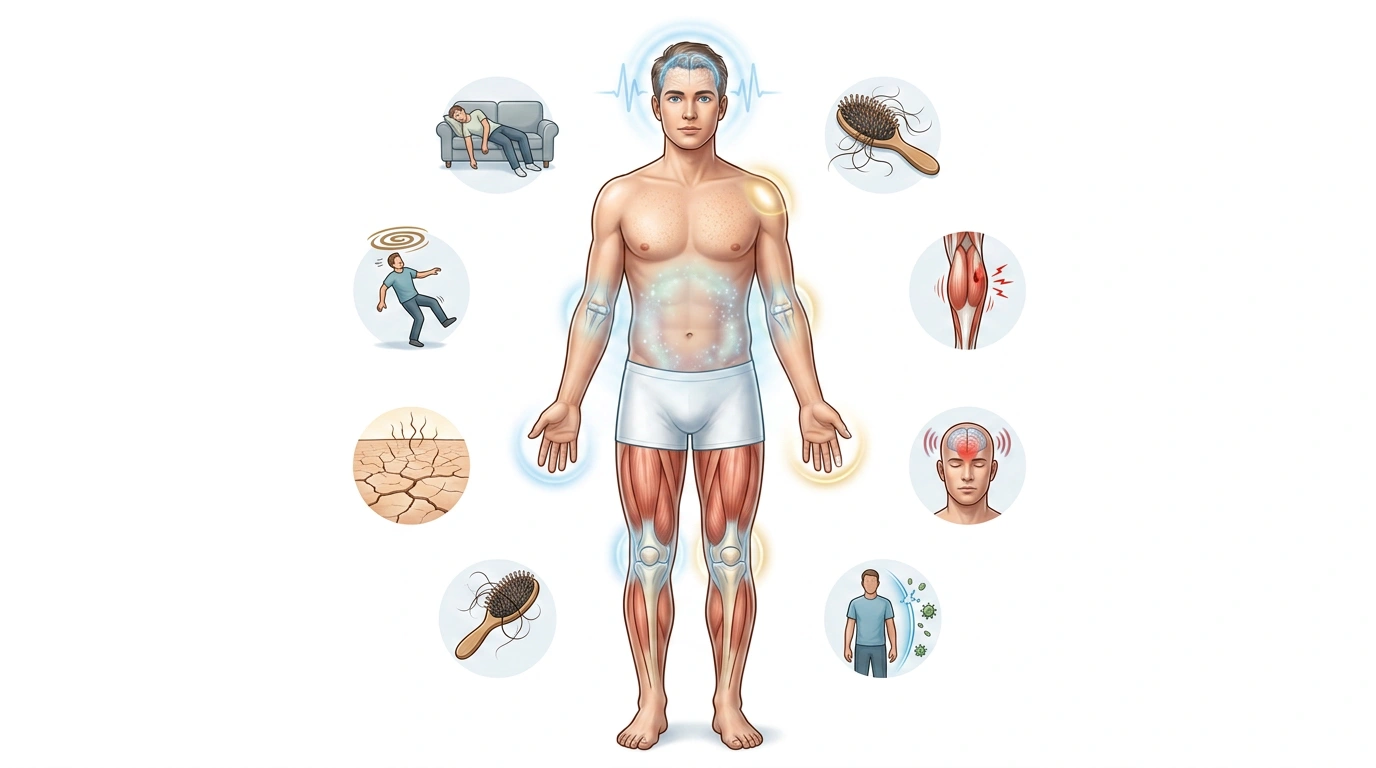
Vitamin deficiency symptoms can affect nearly every part of your body, from your brain and eyes to your skin, muscles, bones, and immune system. Early signs are often subtle and may include fatigue, headaches, dry skin, hair loss, muscle cramps, brittle nails, dizziness, or poor concentration. As deficiencies become more severe, symptoms may interfere with daily life and overall health. Because different vitamins support different organs, the warning signs can vary from person to person. In the following sections, you’ll learn the most common head-to-toe symptoms and the vitamin deficiencies that may be responsible for each one.
One of the earliest and most common vitamin deficiency symptoms is persistent fatigue that doesn’t improve with rest. If you wake up feeling exhausted every morning or struggle to stay focused throughout the day, your body may not be getting the nutrients it needs to produce energy efficiently. Many people search what vitamin deficiency causes extreme fatigue because tiredness is often linked to low levels of vitamin B12, vitamin B6, folate, iron, or vitamin D.
B vitamins help convert the food you eat into usable energy. When these vitamins are lacking, your cells can’t produce energy as efficiently, leaving you feeling drained and mentally sluggish. Iron is equally important because it helps red blood cells carry oxygen throughout the body. Without enough oxygen reaching your muscles and brain, even simple daily tasks can feel exhausting.
Mental fatigue is another common complaint. You may experience brain fog, forgetfulness, slower thinking, or difficulty concentrating during work or school. These symptoms can reduce productivity and make everyday responsibilities more challenging. While searches like middle aged woman tired all the time often point to hormonal changes, nutritional deficiencies should also be considered, especially when fatigue persists despite adequate sleep.
Many people also look for products such as fatigue supplements colibrim, healthy brain all day focus, or optimal focus seeking health to improve energy and concentration. Although some supplements may help when recommended by a healthcare professional, identifying and correcting the underlying nutrient deficiency is usually the most effective long-term solution.
Occasional dizziness can happen for many reasons, but frequent episodes may be related to nutritional deficiencies. Searches such as vitamin deficiency dizziness, vitamin deficiency that causes dizziness, dizziness caused by vitamin deficiency, can vitamin deficiency cause dizziness, and what vitamin deficiency causes dizziness are increasingly common because low vitamin B12, iron, folate, and vitamin D can all contribute to balance problems or lightheadedness.
Vitamin B12 supports healthy nerve function and red blood cell production. When levels drop, less oxygen reaches the brain, which may cause dizziness, weakness, or poor balance. Iron deficiency anemia can produce similar symptoms by reducing oxygen delivery throughout the body.
Headaches are another possible warning sign. Many people ask about vitamin deficiency headaches, can vitamin deficiency cause headaches, or what vitamin deficiency causes headaches because deficiencies in vitamin D, B12, folate, or magnesium may contribute to recurring headaches in some individuals. Staying hydrated, eating balanced meals, and addressing nutrient deficiencies can often reduce these symptoms, but persistent headaches should always be evaluated by a healthcare provider.
Your skin reflects your overall nutritional health. Vitamins A and E help maintain a strong skin barrier, while healthy fats keep skin soft, hydrated, and resilient. Without enough of these nutrients, the skin may become dry, rough, flaky, or irritated.
Many people search dry skin vitamin deficiency, dry skin and vitamin deficiency, itchy skin vitamin deficiency, itchy skin and vitamin deficiency, vitamin deficiency itching, or what vitamin deficiency causes itchy skin after noticing persistent skin discomfort. Although skin conditions have many possible causes, deficiencies in vitamins A, D, E, and certain B vitamins can sometimes contribute.
Some individuals also wonder what vitamin deficiency causes sagging skin. While aging naturally reduces collagen production, vitamin C plays an essential role in collagen formation, and inadequate intake may affect skin firmness over time. Likewise, extremely dry feet vitamin deficiency searches often relate to deficiencies in vitamin A, essential fatty acids, or dehydration. Eating nutrient-rich foods alongside proper skin care supports healthier, more resilient skin.
Healthy hair and nails require adequate protein, vitamins, and minerals. When the body lacks these nutrients, it often prioritizes essential organs over hair and nail growth. As a result, hair may become thinner, nails may split more easily, and growth may slow.
Iron deficiency, low biotin intake, vitamin D deficiency, inadequate protein, and low zinc are among the most common nutritional causes of hair thinning. Many people searching brittle toenails and hair loss are looking for answers because these symptoms frequently occur together.
Easy bruising may also signal nutritional problems. Vitamin C helps strengthen blood vessels and supports collagen production, while vitamin K plays a key role in blood clotting. Searches such as vitamin deficiencies and bruising or bruising nutritional deficiency often relate to inadequate vitamin C, vitamin K, or certain other nutrients. If bruising appears suddenly or becomes severe, medical evaluation is important to rule out other underlying conditions.
Do you often feel cold when everyone else seems comfortable? Persistent sensitivity to cold may be more than just personal preference. People commonly search what vitamin deficiency causes you to feel cold or what vitamin deficiency causes you to feel cold and tired because iron deficiency and vitamin B12 deficiency can reduce oxygen delivery throughout the body, making it harder to stay warm.
Iron deficiency anemia is one of the most common causes of feeling cold, especially in women of reproductive age. Low vitamin B12 may produce similar symptoms while also causing fatigue and numbness. Thyroid disorders can also contribute, and since thyroid function depends partly on adequate nutrition, persistent cold intolerance should be discussed with a healthcare professional for proper testing.
Frequent muscle cramps, stiffness, or unexplained aches may indicate that your muscles and bones aren’t receiving the nutrients they need. Many people ask what vitamin deficiency causes cramps because deficiencies in magnesium, calcium, potassium, and vitamin D are commonly associated with muscle discomfort.
Magnesium supports normal muscle contraction and relaxation, while calcium and potassium help regulate nerve signals. Vitamin D improves calcium absorption and supports bone strength, making it essential for healthy movement and physical performance.
Some people also search gout and vitamin deficiency when experiencing joint pain. Although gout is primarily caused by elevated uric acid levels rather than vitamin deficiency, maintaining adequate vitamin C and a balanced diet may support overall joint health. Persistent joint pain, swelling, or severe symptoms should always be evaluated by a healthcare provider.
The mouth often provides some of the earliest visible signs of nutrient deficiencies. A swollen, smooth, or painful tongue—known as glossitis—can develop when vitamin B12, folate, or iron levels become too low. Likewise, recurring mouth sores, cracked corners of the lips, and burning sensations inside the mouth may also indicate nutritional problems.
Many people search sore tongue vitamin deficiency after noticing persistent tongue discomfort. Zinc deficiency may also affect taste and wound healing, while vitamin B12 deficiency can damage nerves involved in taste and sensation.
Another less common but important symptom is a reduced or altered sense of smell. Searches such as what vitamin deficiency causes loss of smell often relate to zinc deficiency, which plays a key role in maintaining healthy smell and taste receptors. While infections and nasal conditions are more common causes, long-term nutrient deficiencies should also be considered if symptoms persist. Paying attention to these oral changes can help identify deficiencies before more serious health problems develop.
Vitamin B5, also known as pantothenic acid, is a water-soluble vitamin that helps your body convert carbohydrates, fats, and proteins into energy. It also plays an important role in producing hormones, supporting the nervous system, and maintaining healthy skin. Because pantothenic acid is found in many foods—including poultry, eggs, whole grains, mushrooms, avocados, and legumes—a true deficiency is uncommon. However, it can still occur in people with severe malnutrition, alcohol use disorder, digestive diseases that reduce nutrient absorption, or those following extremely restrictive diets.
Although rare, b5 deficiency symptoms can affect both physical and mental well-being. Early b5 vitamin deficiency symptoms may include persistent fatigue, headaches, irritability, poor concentration, numbness or tingling in the hands and feet, muscle cramps, and digestive discomfort. Some individuals also report burning feet syndrome, difficulty sleeping, or reduced energy levels. Severe vitamin b5 deficiency diseases are uncommon, but long-term deficiency may interfere with normal metabolism and nervous system function. If you experience several pantothenic acid deficiency symptoms along with other nutritional concerns, consult a healthcare provider for a proper evaluation rather than self-diagnosing.
While vitamins and minerals are both essential nutrients, they serve different purposes in the body. Vitamins help regulate many biological processes, whereas minerals provide structural support, maintain fluid balance, transmit nerve signals, and assist muscle contraction. A deficiency of minerals symptoms can develop gradually and may include muscle cramps, weakness, brittle nails, fatigue, irregular heartbeat, poor concentration, or weakened bones. When people search symptoms of deficiency of minerals or ask what is a mineral deficiency, they’re usually referring to low levels of minerals such as magnesium, calcium, potassium, iron, or zinc. Some individuals also search mineral deficiencies and burning urine. Although burning during urination is more commonly caused by infections or urinary conditions, certain mineral imbalances and dehydration may contribute to urinary discomfort in some cases and should be medically evaluated.
If you’ve wondered what are the two important minerals for the nervous system or what are two important minerals for the nervous system, the answer is magnesium and calcium. Magnesium helps regulate nerve communication, supports muscle relaxation, and contributes to hundreds of enzyme reactions throughout the body. Calcium is equally important because it enables nerve cells to send signals and allows muscles to contract properly. When either mineral is too low, symptoms such as muscle cramps, numbness, tingling, weakness, or abnormal nerve function may develop. Eating leafy greens, dairy products, nuts, seeds, and fortified foods can help maintain healthy levels of both minerals.
Yes. Certain nutrient deficiencies can affect memory, learning, and overall brain performance. One of the most researched examples is vitamin B12 deficiency, which can contribute to brain fog, poor concentration, numbness, and memory decline if left untreated. Folate and vitamin D also support normal brain function, while omega-3 fatty acids help maintain healthy nerve cells and cognitive performance.
Many people ask what nutrient deficiency is associated with dementia or dementia-like symptoms because low vitamin B12, folate deficiency, and, in some cases, severe vitamin D deficiency may produce symptoms that resemble cognitive decline. These conditions are sometimes reversible when identified early. You may also come across unusual searches like mineral period of a thinking man, but there is no recognized medical concept by that name. Instead, maintaining a balanced diet rich in vitamins, minerals, healthy fats, and protein remains one of the most effective ways to support lifelong brain health and cognitive function.
Some symptoms that seem like seasonal allergies may actually be linked to nutrient deficiencies. While allergies are caused by an immune response to allergens, low levels of certain vitamins and minerals can weaken the skin barrier and immune system, leading to irritation that resembles allergic reactions. For example, allergies and vitamin deficiency are sometimes connected through low vitamin D, vitamin C, zinc, or essential fatty acids, which help regulate immune function. People with itchy skin and vitamin deficiency may notice dry, flaky skin, redness, or persistent itching instead of true allergic hives. However, these symptoms can have many causes, so they should not be used to diagnose a deficiency on their own. If skin irritation continues despite avoiding common allergens, discuss your symptoms with a healthcare professional to determine whether nutritional deficiencies or another condition may be contributing.

Recognizing possible nutrient deficiencies starts with paying attention to your body. Persistent fatigue, frequent illness, hair loss, dry skin, mouth sores, muscle cramps, or poor concentration may be early warning signs. Learning how to check vitamin deficiency begins with reviewing your diet and symptoms, but self-assessment cannot confirm a diagnosis.
Doctors often recommend checking for vitamin deficiencies by reviewing your medical history, medications, and eating habits before ordering laboratory tests. If you’re wondering how to test for vitamin deficiency, the most reliable method is a healthcare evaluation followed by appropriate blood work. Many people search for ways to check vitamin levels at home, but home kits are generally less comprehensive than clinical testing. A professional vitamin test, vitamins test, or nutritional deficiency test provides more accurate information and helps identify which nutrients require attention.
Blood testing is the most reliable way to confirm many vitamin and mineral deficiencies. A physician may recommend a blood test for vitamin deficiency if you have ongoing symptoms or belong to a higher-risk group, such as older adults, pregnant women, or people with digestive disorders.
Common laboratory evaluations include a blood vitamin deficiency test for vitamin B12, vitamin D, folate, ferritin (iron stores), calcium, magnesium, and zinc. Some providers order a blood test for vitamins and minerals deficiencies or a blood test for vitamin and mineral deficiency when multiple deficiencies are suspected. More comprehensive options, such as a blood test for nutrient deficiency, blood test for minerals and vitamins, or a micronutrient panel blood test, may evaluate a broader range of nutrients. A vitamin and mineral deficiency test should always be interpreted alongside symptoms and medical history to guide treatment safely.
You should consider seeing a vitamin deficiency doctor if symptoms such as extreme fatigue, unexplained hair loss, dizziness, numbness, muscle weakness, frequent infections, or poor wound healing last for several weeks. If you’re asking yourself, how do i know if i have a vitamin deficiency, persistent symptoms despite a balanced diet are a good reason to seek medical advice.
A healthcare professional can evaluate your symptoms, review medications and dietary habits, perform a physical examination, and recommend appropriate testing. Early diagnosis can prevent complications and help identify whether symptoms are caused by vitamin deficiencies, another medical condition, or both.

Before starting any supplement, speak with a healthcare provider, especially if you are pregnant, have chronic medical conditions, or take prescription medications.
A quality multivitamin can help fill small nutritional gaps in your diet. Look for products that provide around 100% of the Daily Value for most essential vitamins and minerals rather than extremely high doses. They can support overall wellness, energy support, and immune support when combined with a balanced diet.
Vitamin D is important for bone health, immune function, and muscle performance. People who receive little sunlight or have low blood levels may benefit from supplementation under medical guidance. Adequate vitamin D also contributes to immune support.
A vitamin B-complex supplement contains several B vitamins that help convert food into energy and support healthy nerve function. It may be appropriate for individuals with increased needs or confirmed deficiencies and can promote healthy brain all day focus and daily energy support.
Magnesium supports muscle contraction, nerve signaling, sleep quality, and hundreds of enzymatic reactions in the body. Supplements may be helpful for people with documented low magnesium levels or inadequate dietary intake.
Iron supplements should only be taken after confirming deficiency with laboratory testing, as excess iron can be harmful. They are commonly prescribed for iron-deficiency anemia and may improve fatigue, weakness, and exercise tolerance.
Zinc plays an essential role in wound healing, immune health, and skin repair. Individuals with low zinc intake or absorption problems may benefit from supplementation under professional supervision. Zinc can contribute to skin support and immune support.
Omega-3 fatty acids from fish oil or algae-based supplements support heart and brain health. While supplements are not a substitute for a healthy diet, they may help people who rarely eat fatty fish. Adequate omega-3 intake supports cognitive function, healthy brain all day focus, and overall wellness.

Preventing vitamin deficiencies starts with healthy daily habits rather than relying only on supplements. Eat a balanced diet that includes colorful fruits, vegetables, whole grains, lean proteins, healthy fats, dairy or fortified alternatives, nuts, and seeds. Choosing whole foods regularly provides a wide variety of vitamins, minerals, fiber, and antioxidants that work together to support overall health.
Safe sun exposure can help your body produce vitamin D, although the amount needed varies depending on skin tone, location, season, and sunscreen use. If you are at risk of deficiency, talk to your healthcare provider about testing and supplementation.
Stay well hydrated throughout the day to support digestion, nutrient transport, and overall body function. Getting 7–9 hours of quality sleep each night also helps your body repair tissues and maintain healthy immune and metabolic function.
Regular physical activity improves circulation, supports bone and muscle health, and contributes to better overall wellness. Finally, consider regular blood testing if you have ongoing symptoms, restrictive diets, digestive disorders, are pregnant, or have medical conditions that increase the risk of nutrient deficiencies. Early detection allows deficiencies to be treated before they become more serious.
Low levels of vitamin B12, iron, folate, or sometimes vitamin D may contribute to dizziness, but many other medical conditions can also cause this symptom.
Yes. Certain vitamin and mineral deficiencies can affect red blood cell production and nerve function, leading to dizziness or lightheadedness.
Vitamin B12, vitamin D, magnesium, and iron deficiencies have been associated with headaches in some people.
Yes. Nutrient deficiencies may contribute to headaches, although dehydration, stress, poor sleep, and other conditions are also common causes.
Vitamin A, vitamin D, vitamin E, zinc, and essential fatty acid deficiencies may contribute to dry or itchy skin.
Low vitamin C, vitamin A, and protein intake may affect collagen production and skin elasticity over time.
Zinc deficiency is one possible nutritional cause of reduced sense of smell, although infections and neurological conditions are more common causes.
Low magnesium, calcium, potassium, or vitamin D levels may increase the risk of muscle cramps.
Iron deficiency is the most common nutritional cause, while vitamin B12 deficiency may also contribute.
Iron deficiency anemia and vitamin B12 deficiency are common causes of feeling both cold and fatigued.
Persistent fatigue, hair loss, dry skin, muscle weakness, frequent infections, or mouth sores may be warning signs, but laboratory testing is needed for confirmation.
Schedule an appointment with a healthcare provider, who can recommend the appropriate blood tests based on your symptoms and medical history.
Doctors commonly order blood tests for vitamin B12, vitamin D, folate, ferritin (iron stores), calcium, magnesium, and zinc when deficiencies are suspected.
A micronutrient panel is a comprehensive laboratory test that measures multiple vitamins and minerals to help identify nutritional deficiencies. It should be interpreted by a qualified healthcare professional alongside your symptoms and medical history.