Physical Address
304 North Cardinal St.
Dorchester Center, MA 02124
Physical Address
304 North Cardinal St.
Dorchester Center, MA 02124


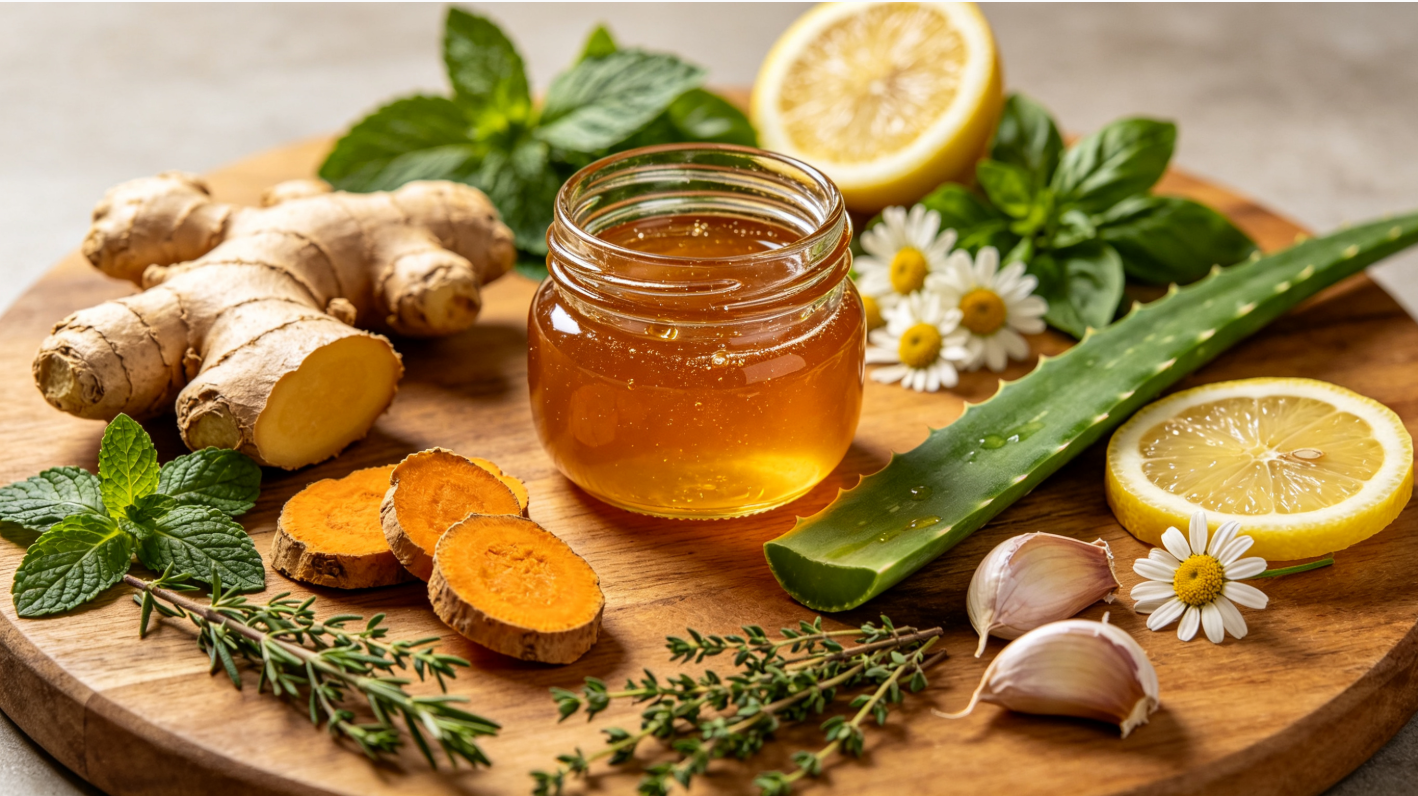
Home Remedies have been trusted for generations as a simple, affordable, and natural way to relieve common health problems. From easing a sore throat and calming a cough to improving digestion and reducing minor aches, many Home Remedies use everyday ingredients such as honey, ginger, turmeric, garlic, and lemon. These natural solutions are easy to prepare at home and continue to be a popular choice for people looking to support their overall well-being.
The growing popularity of Natural Remedies reflects a shift toward healthier, more holistic lifestyles. Many people prefer natural ingredients because they are widely available, cost-effective, and often have fewer side effects when used appropriately. While Home Remedies can provide relief for minor health concerns, they work best as part of a healthy lifestyle that includes balanced nutrition, regular exercise, quality sleep, and proper hydration.
In this guide, you’ll discover the Top 10 Home Remedies for Common Health Problems that may help manage everyday health issues naturally. These proven Natural Remedies are easy to follow and are based on traditional practices supported by modern wellness principles. Whether you’re dealing with a cold, headache, indigestion, or minor skin irritation, these remedies can offer gentle relief and promote your body’s natural healing process.
Although Home Remedies are helpful for many mild conditions, they should never replace professional medical care. If your symptoms become severe, last for several days, or are accompanied by high fever, difficulty breathing, or severe pain, seek medical attention immediately. Combining Natural Remedies with professional healthcare is the safest way to protect your long-term health.
Home Remedies have been an essential part of healthcare for centuries, offering simple, natural solutions for managing common health problems. These remedies are typically made from everyday ingredients such as honey, ginger, turmeric, garlic, lemon, aloe vera, and various herbs known for their traditional healing properties. Today, Home Remedies continue to gain popularity as more people embrace Natural Remedies and holistic wellness practices that support the body’s natural healing process. While they can provide relief for minor ailments, they should be used responsibly and should never replace professional medical care for serious illnesses.
Home Remedies are treatments prepared at home using natural ingredients that may help relieve mild health conditions such as coughs, colds, headaches, indigestion, sore throats, and minor skin irritations. These homely remedies are rooted in traditional healing practices that have been passed down through generations across different cultures. Unlike many synthetic products, Natural Remedies often rely on herbs, spices, fruits, and plant-based ingredients that contain beneficial compounds known to support overall health and wellness. Although scientific evidence varies for different remedies, many continue to be valued as complementary approaches to everyday self-care.
Long before modern medicine became widely available, families relied on trusted Home Remedies to care for everyday illnesses. Many grandma home remedies—such as drinking warm honey and lemon for a sore throat, ginger tea for nausea, turmeric milk for inflammation, or aloe vera for minor burns—are still commonly used today. These traditional household treatments represent valuable family wellness traditions that have been shared from one generation to the next. While not every remedy is supported by strong clinical research, many have remained popular because they are simple, practical, and use ingredients commonly found in most homes.
One of the biggest reasons people choose Natural Remedies is their affordability and accessibility. Most remedies require inexpensive kitchen ingredients that are readily available, making them a cost-effective option for managing minor health concerns. Compared with some commercial products, many Natural Remedies contain fewer synthetic chemicals and artificial additives, making them appealing to individuals seeking a more natural approach to wellness. When combined with a balanced diet, regular exercise, quality sleep, proper hydration, and healthy lifestyle habits, Home Remedies can support everyday health and promote overall well-being. However, it’s always important to seek medical advice if symptoms persist, worsen, or become severe.

Honey and lemon are among the most trusted Home Remedies for relieving the symptoms of colds and sore throats. This simple Natural Mixture has been used for generations as one of the most effective Folk Remedies to soothe throat irritation, reduce coughing, and provide temporary comfort. While it does not cure viral infections such as the common cold, it can help ease discomfort and support the body’s natural recovery process.
Honey has natural soothing properties that coat the throat, helping reduce irritation and calm persistent coughing. It also contains antioxidants and naturally occurring compounds that may support the immune system. Lemon is rich in vitamin C and antioxidants, which contribute to overall immune health and help loosen mucus. Together, this Natural Mixture hydrates the throat, reduces irritation, and provides gentle symptom relief, making it one of the most popular Home Remedies for seasonal illnesses.
Mix 1 tablespoon of raw honey with the juice of half a fresh lemon in a cup of warm (not boiling) water. Stir well and drink slowly once or twice a day while symptoms persist. You can also add a few slices of fresh ginger for additional soothing benefits. Always use warm water instead of hot water to help preserve the beneficial properties of honey.
This traditional Folk Remedy offers several potential benefits for mild cold symptoms:
As one of the easiest Home Remedies, honey and lemon are widely appreciated for their convenience and comforting effects.
Although this remedy is safe for most adults and older children, never give honey to infants under one year of age because of the risk of infant botulism. People with honey allergies or those managing diabetes should consult a healthcare professional before using this remedy regularly. If you develop a high fever, difficulty breathing, severe throat pain, or symptoms that last longer than a week, seek medical advice promptly instead of relying solely on Natural Remedies.

Ginger tea is one of the most trusted Home Remedies for relieving nausea, indigestion, bloating, and mild stomach discomfort. Used for centuries in traditional medicine, ginger is valued for its natural compounds that support digestion and help calm the stomach. Whether you’re experiencing motion sickness, morning sickness (with medical guidance), or occasional digestive upset, this simple drink is a popular Natural Healing solution. It also deserves a place in every Home Remedies A to Z guide because of its versatility and long history of safe use for common digestive issues.
Ginger contains bioactive compounds such as gingerol and shogaol, which have anti-inflammatory and antioxidant properties. These compounds help relax the digestive tract, reduce nausea, and promote smoother digestion. Ginger may also help reduce gas, ease bloating, and support healthy stomach emptying, making it one of the most effective Natural Healing options for mild digestive discomfort. While it is not a cure for serious gastrointestinal conditions, it can provide gentle relief for everyday digestive problems.
Making fresh ginger tea at home is quick and simple.
Ingredients:
Instructions:
This homemade tea is one of the easiest Home Remedies to prepare using ingredients available in most kitchens.
In addition to supporting digestion, ginger tea offers several other wellness benefits. It may help reduce inflammation, support immune function, improve blood circulation, and ease mild muscle soreness after physical activity. Thanks to its antioxidant properties, ginger also contributes to overall health and wellness. Its wide range of uses makes it one of the most valuable remedies in any Home Remedies A to Z collection. However, if nausea, vomiting, severe abdominal pain, or digestive problems persist, consult a healthcare professional for proper evaluation and treatment.
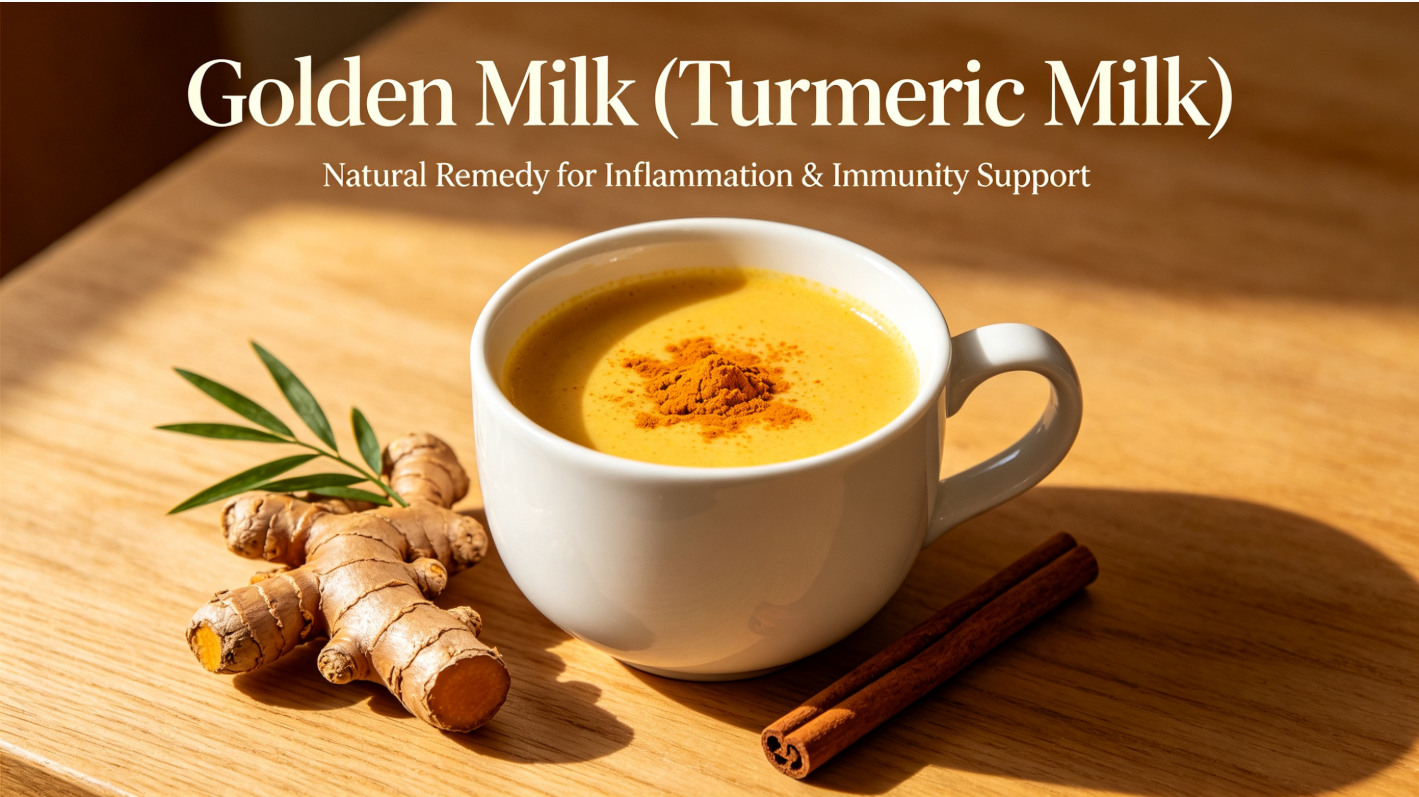
Turmeric milk, also known as golden milk, is one of the most effective Home Remedies for reducing inflammation and strengthening the immune system. Used for centuries in traditional medicine, this comforting drink combines the healing properties of turmeric with warm milk to create one of the most trusted Natures Remedies for everyday wellness. Rich in antioxidants and anti-inflammatory compounds, turmeric milk supports recovery, promotes better health, and fits perfectly into a Healthy Living routine.
Turmeric contains curcumin, a powerful natural compound recognized for its anti-inflammatory and antioxidant effects. Curcumin helps combat oxidative stress, supports joint health, and may reduce mild inflammation caused by physical activity or daily wear and tear. It also supports immune function by helping the body defend itself against harmful free radicals. While turmeric milk is not a cure for medical conditions, incorporating this traditional Home Remedy into a balanced diet may contribute to better overall health and long-term Healthy Living.
Making turmeric milk at home is quick, easy, and requires only a few natural ingredients.
Ingredients:
Directions:
Black pepper contains piperine, which can significantly improve the body’s absorption of curcumin, making this one of the most effective Natures Remedies for supporting natural wellness.
For most people, the best time to drink turmeric milk is 30 to 60 minutes before bedtime. The warm beverage may promote relaxation, support muscle recovery, and encourage better sleep quality. It can also be enjoyed after exercise to help reduce post-workout soreness or in the morning as part of a balanced Healthy Living routine. Although turmeric milk is one of the most popular Home Remedies, people who take blood-thinning medications, have gallbladder disease, or are pregnant should consult a healthcare professional before consuming it regularly.
A salt water gargle is one of the simplest and most effective Home Remedies for soothing a sore throat and reducing irritation. This traditional remedy has been recommended for generations because it helps cleanse the throat, loosen mucus, and temporarily relieve discomfort caused by colds, allergies, or mild infections. While it does not cure the underlying illness, it can support the body’s natural healing process and improve comfort.
Salt water works by drawing excess fluid from swollen throat tissues, helping reduce inflammation and discomfort. It also helps loosen mucus, wash away irritants, and create a cleaner environment inside the mouth and throat. This makes salt water gargling one of the easiest Natural Remedies for relieving mild throat irritation and supporting oral hygiene.
Preparing a salt water gargle is quick and inexpensive.
Ingredients:
Directions:
Using warm water instead of hot water makes the gargle more comfortable and effective.
Avoid using excessive salt, as it can dry out the throat and cause additional irritation. Never swallow the salt water, and avoid using water that is too hot. If your sore throat lasts more than a week, is accompanied by a high fever, or causes difficulty swallowing or breathing, seek medical attention instead of relying only on Home Remedies.
Peppermint is one of the most popular Home Remedies for relieving mild headaches and muscle tension. Its cooling sensation and refreshing aroma make it a trusted Natural Pain Reliever that may help reduce discomfort caused by stress, tension, or fatigue. Peppermint is also considered a convenient Quick Wellness Fix Homemade because it is easy to use and widely available.
Peppermint contains menthol, a natural compound that creates a cooling effect and may help relax muscles, improve blood flow, and reduce headache discomfort. Its soothing aroma can also promote relaxation and reduce stress, which are common headache triggers. While peppermint may help with mild tension headaches, it is not intended to treat severe migraines or persistent neurological conditions.
Peppermint can be used in several ways:
These simple methods make peppermint one of the easiest Natural Pain Reliever options available at home.
A natural pain reliever is a substance derived from plants or other natural sources that may help ease mild discomfort without relying on synthetic medications. Examples include peppermint, ginger, turmeric, and lavender. Although these remedies can provide temporary relief, persistent or severe headaches require evaluation by a healthcare professional rather than depending solely on Home Remedies.
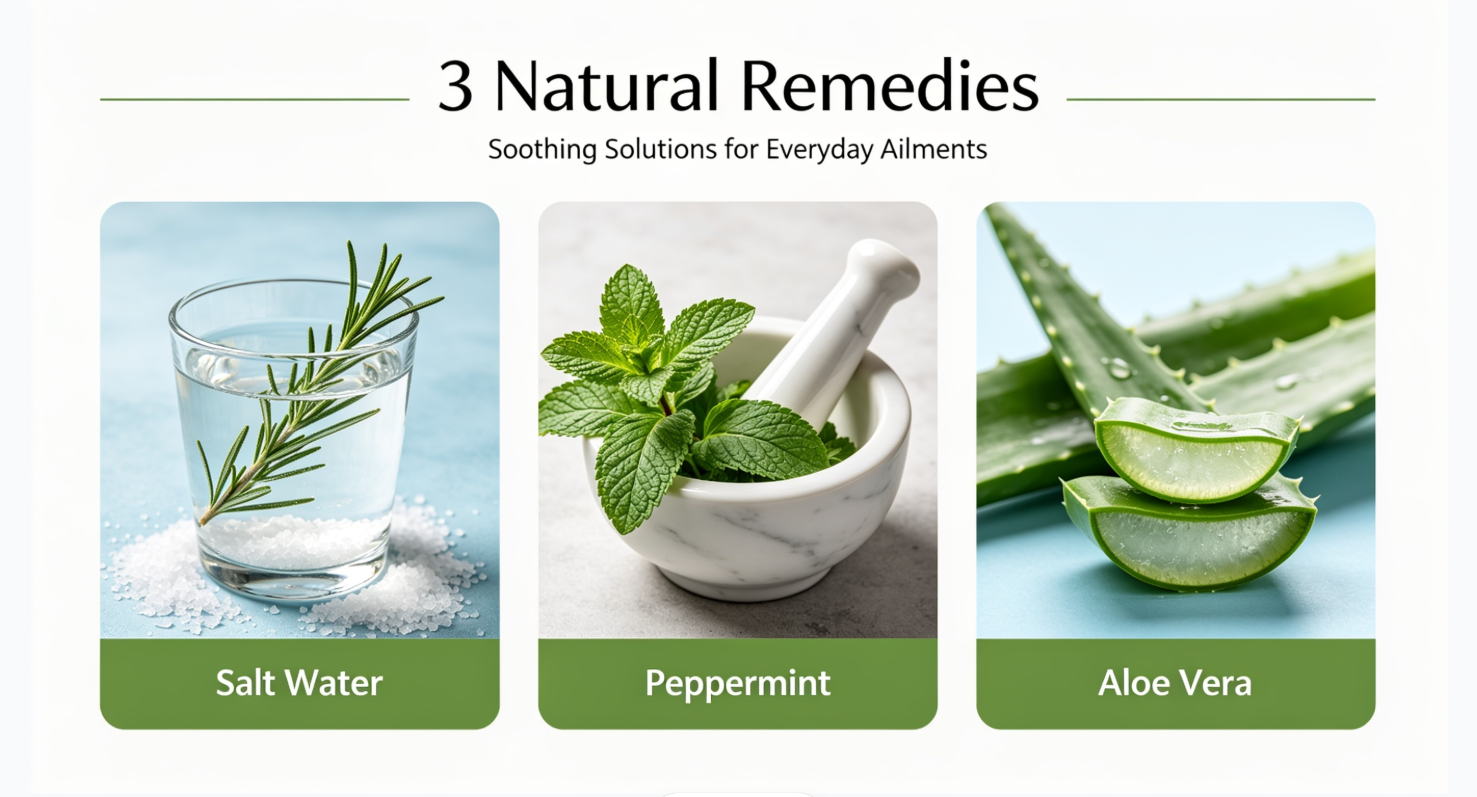
Aloe vera is one of the most widely recommended Home Remedies for soothing minor burns, sunburns, and skin irritation. The clear gel found inside aloe vera leaves contains natural compounds that hydrate the skin, reduce inflammation, and support the healing process. It is also commonly used as one of the best Home Remedies for Hot Spots and other minor skin discomforts caused by friction or heat.
Aloe vera is rich in vitamins, minerals, antioxidants, and moisturizing compounds that help calm irritated skin. Its cooling effect may reduce redness, itching, and mild inflammation while keeping the affected area hydrated. These properties make aloe vera one of the most trusted Natural Remedies for everyday skin care and minor injuries.
Wash the affected area gently with cool water and pat it dry. Apply a thin layer of pure aloe vera gel directly to the skin and allow it to absorb naturally. Repeat the application two or three times daily until the skin begins to heal. For the best results, use fresh aloe vera gel or a high-quality product with minimal added ingredients.
Use aloe vera only on minor burns and mild skin irritation. Avoid applying it to deep wounds, severe burns, infected skin, or serious injuries that require immediate medical attention. Before using aloe vera for the first time, perform a small patch test to check for allergic reactions. If redness, swelling, severe pain, or signs of infection develop, discontinue use and consult a healthcare professional. While aloe vera is one of the safest Home Remedies, proper medical care is essential for serious skin conditions.
An oatmeal bath is one of the most soothing Home Remedies for relieving itchy, dry, and irritated skin. Finely ground colloidal oatmeal contains natural compounds that help calm inflammation, moisturize the skin, and strengthen the skin’s protective barrier. This gentle remedy is often recommended as part of a natural skincare routine for people looking for safe Natural Remedies for mild skin discomfort.
Oatmeal contains antioxidants, beta-glucans, and anti-inflammatory compounds that help reduce itching, redness, and skin irritation. It also forms a protective layer that locks in moisture and prevents excessive dryness. These properties make oatmeal one of the most trusted Home Remedies for sensitive skin.
Grind one cup of plain, unflavored oats into a fine powder using a blender or food processor. Add the powder to a bathtub filled with lukewarm water and stir until the water becomes milky. Soak for 15–20 minutes, then gently pat your skin dry with a soft towel. Apply a fragrance-free moisturizer immediately after bathing to lock in moisture.
An oatmeal bath may help relieve itching caused by dry skin, eczema, mild rashes, insect bites, sunburn, and chickenpox. Although this remedy provides temporary comfort, persistent or severe skin conditions should always be evaluated by a healthcare professional.
Apple cider vinegar (ACV) is one of the most popular Home Remedies for supporting healthy digestion. Many people use it to help with occasional bloating, indigestion, and feelings of fullness after meals. While research on its digestive benefits is still developing, apple cider vinegar remains a widely used Natural Remedy when consumed safely and in moderation.
Apple cider vinegar contains acetic acid, which may support digestion by increasing stomach acidity in some individuals and promoting normal digestive function. It may also help improve feelings of fullness after meals and support healthy blood sugar regulation when combined with a balanced diet. However, these benefits should be viewed as supportive rather than guaranteed medical treatments.
Mix 1–2 teaspoons of apple cider vinegar into a large glass of water and drink it before or during a meal. Never consume apple cider vinegar undiluted, as its high acidity can damage tooth enamel and irritate the throat. Choosing raw, unfiltered apple cider vinegar with “the mother” is often preferred by those following natural wellness practices.
Apple cider vinegar is not suitable for everyone. Excessive consumption may cause digestive discomfort, interact with certain medications, or worsen acid reflux in some people. Individuals with stomach ulcers, kidney disease, or diabetes should consult a healthcare provider before using it regularly. Home Remedies should always complement—not replace—professional medical care.

Steam inhalation is a traditional Home Remedy used to relieve nasal congestion caused by colds, allergies, or sinus irritation. Warm steam helps loosen mucus, moisturize dry nasal passages, and make breathing feel more comfortable. Although it does not cure infections, it can provide temporary relief from congestion and support respiratory comfort.
Breathing warm, moist air helps thin mucus and reduce dryness inside the nose and sinuses. This makes it easier to clear blocked nasal passages and may temporarily reduce pressure caused by congestion. Steam inhalation is often combined with proper hydration and rest as part of a comprehensive natural wellness routine.
Fill a large bowl with hot—but not boiling—water. Sit comfortably, keep your face at a safe distance above the bowl, and place a towel over your head to trap the steam. Breathe slowly through your nose for 5–10 minutes. Alternatively, a warm shower can provide a similar effect with a lower risk of burns. Always supervise children and never allow them to use hot steam without adult assistance.
Steam inhalation should be performed carefully to avoid burns from hot water or steam. It should not replace medical treatment for severe sinus infections, high fever, persistent breathing difficulties, or asthma attacks. If symptoms worsen or continue for several days, seek professional medical advice instead of relying only on Home Remedies.
Chamomile tea is one of the most relaxing Home Remedies for reducing stress and promoting better sleep. Used for centuries as a gentle Natural Remedy, chamomile contains plant compounds that encourage relaxation and help calm the nervous system. Adding chamomile tea to your evening routine supports Lifestyle Wellness and Spa practices and contributes to a Healthier Life through better rest and emotional well-being.
Chamomile contains antioxidants such as apigenin, which may promote relaxation by interacting with receptors in the brain associated with sleep and calmness. Drinking chamomile tea may help reduce mild anxiety, ease daily stress, and support emotional balance. Combined with mindfulness, deep breathing, and healthy sleep habits, it can become part of a complete wellness routine.
Add one chamomile tea bag or 1 tablespoon of dried chamomile flowers to a cup of hot water. Cover and steep for 5–10 minutes, then strain if necessary. For extra flavor, add a teaspoon of honey or a slice of lemon after the tea has cooled slightly. Enjoy it warm without added sugar for the best wellness benefits.
For optimal results, drink chamomile tea 30–60 minutes before bedtime while limiting screen time and creating a relaxing sleep environment. Pairing this calming drink with consistent sleep habits, regular exercise, and stress management supports both Lifestyle Wellness and Spa routines and a Healthier Life. Although chamomile is generally safe, individuals with allergies to plants in the daisy family or those taking blood-thinning medications should consult a healthcare professional before regular use.

As we age, maintaining good health becomes even more important. Simple Home Remedies for Seniors can help manage minor health concerns while supporting comfort, mobility, and overall well-being. Natural approaches such as staying hydrated, drinking herbal teas, eating nutrient-rich foods, and practicing gentle physical activity can complement a healthy lifestyle. Although these Home Remedies may provide relief for common age-related discomforts, they should never replace professional medical advice or prescribed treatments.
Older adults should choose Simple Home Remedies for Seniors that are gentle, safe, and easy to follow. Drinking warm ginger tea may help ease mild digestive discomfort, while honey and lemon can temporarily soothe a sore throat (except for individuals with medical restrictions). Oatmeal baths can calm dry, itchy skin, and aloe vera gel may provide relief for minor skin irritation. Staying hydrated, eating a balanced diet, and engaging in light activities such as walking or stretching also contribute to healthy aging and support overall wellness.
Daily habits play a vital role in maintaining health during the senior years. A nutritious diet rich in fruits, vegetables, whole grains, lean protein, and healthy fats supports heart health and immunity. Regular hydration, quality sleep, stress management, and light exercise improve energy levels, mobility, and mental well-being. These healthy habits work alongside Simple Home Remedies for Seniors to promote independence, improve quality of life, and encourage long-term Healthy Living.
While many Home Remedies are generally safe, older adults should use extra caution because certain natural ingredients can interact with prescription medications or existing medical conditions. Always follow recommended amounts and avoid trying multiple remedies at the same time without guidance. If symptoms are severe, persistent, or accompanied by fever, chest pain, difficulty breathing, sudden weakness, or confusion, seek immediate medical attention. Consulting a healthcare professional before using new Simple Home Remedies for Seniors is the safest way to protect long-term health and ensure the remedies are appropriate for individual needs.
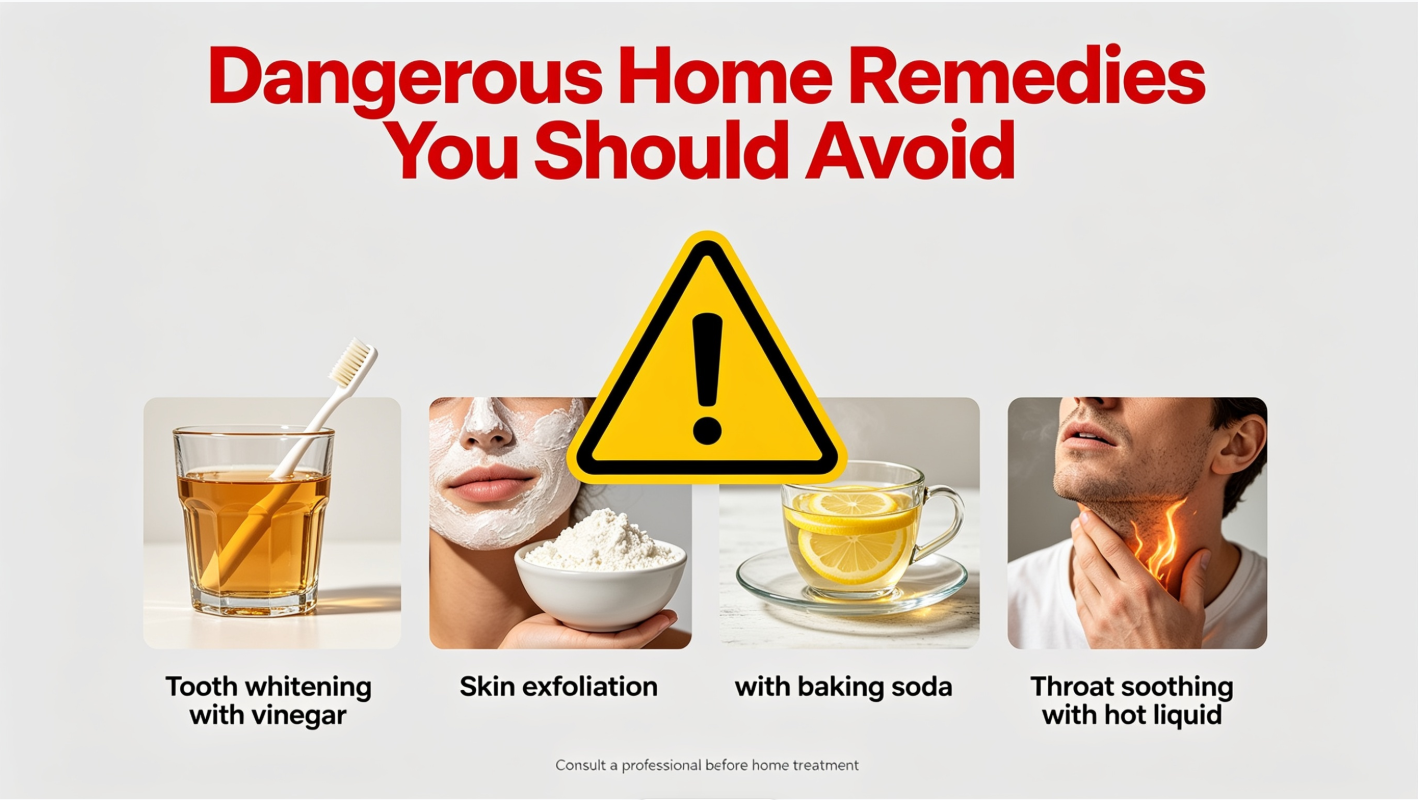
While many Home Remedies can provide temporary relief for minor health concerns, not every traditional treatment is safe or effective. Some Dangerous Home Remedies have been passed down through generations without scientific evidence, and a few can even cause serious harm. Understanding the difference between safe Natural Remedies and unsafe practices is essential for protecting your health. Always choose evidence-informed home care and seek professional medical advice when symptoms are severe or persistent.
Many health myths continue to circulate despite lacking medical support. For example, some people believe that taking large amounts of vitamin C can cure the common cold or that antibiotics are effective against viral infections. Others think every herbal remedy is automatically safe because it is “natural.” In reality, natural ingredients can still cause allergic reactions, side effects, or interact with prescription medications. Relying on accurate health information instead of myths helps you make safer decisions about Home Remedies.
Certain traditional treatments should be avoided because they may cause more harm than good. Applying butter or toothpaste to burns can trap heat and increase the risk of infection. Putting essential oils directly on the skin without dilution may cause irritation or allergic reactions. Drinking excessive amounts of apple cider vinegar or herbal supplements can damage the digestive system or interfere with medications. These Dangerous Home Remedies may seem harmless, but they can delay proper treatment and worsen existing health problems.
Home Remedies are appropriate only for mild, short-term conditions. If you experience high fever, severe pain, difficulty breathing, chest pain, heavy bleeding, allergic reactions, persistent vomiting, dehydration, or symptoms that continue for several days, home treatment is no longer enough. Delaying medical care by depending on Dangerous Home Remedies can increase the risk of serious complications. The safest approach is to use natural remedies responsibly for minor issues while seeking prompt medical attention whenever symptoms become severe or do not improve.

While Home Remedies can help relieve minor health concerns, they work best when combined with healthy daily habits. Your body has an amazing ability to heal itself, but it needs proper nutrition, hydration, physical activity, and rest to function at its best. Following a balanced Healthy Lifestyle Program not only supports recovery but also strengthens your immune system, improves energy levels, and helps you Take Care of Your Health for the long term. These simple habits are the foundation of Living Healthy and maintaining a sustainable Fit Lifestyle.
Water is essential for nearly every function in the body. Staying hydrated helps regulate body temperature, transport nutrients, support digestion, lubricate joints, and remove waste products. Drinking enough water also helps your body recover more efficiently when you’re sick. Aim to drink water consistently throughout the day, and increase your intake during hot weather, exercise, or illness. Proper hydration is one of the easiest ways to Take Care of Your Health naturally.
A nutrient-rich diet provides your body with the vitamins, minerals, antioxidants, and fiber it needs to support natural healing. Focus on eating whole foods such as fresh fruits, vegetables, whole grains, lean proteins, legumes, nuts, and healthy fats while limiting highly processed foods and added sugars. A balanced diet strengthens the immune system, supports healthy digestion, and forms an essential part of any Healthy Lifestyle Program designed for long-term wellness.
Regular physical activity improves blood circulation, strengthens the heart, builds muscle, and supports mental well-being. Activities such as walking, cycling, swimming, yoga, or strength training contribute to a healthy body and a positive mindset. You don’t need intense workouts to experience benefits—consistent movement is the key to building a sustainable Fit Lifestyle and supporting your body’s natural healing abilities.
Sleep is one of the most powerful natural recovery tools. During sleep, your body repairs tissues, strengthens the immune system, regulates hormones, and restores energy. Most adults should aim for 7–9 hours of quality sleep each night. Creating a consistent bedtime routine and limiting screen time before bed can improve sleep quality and support Living Healthy for years to come.
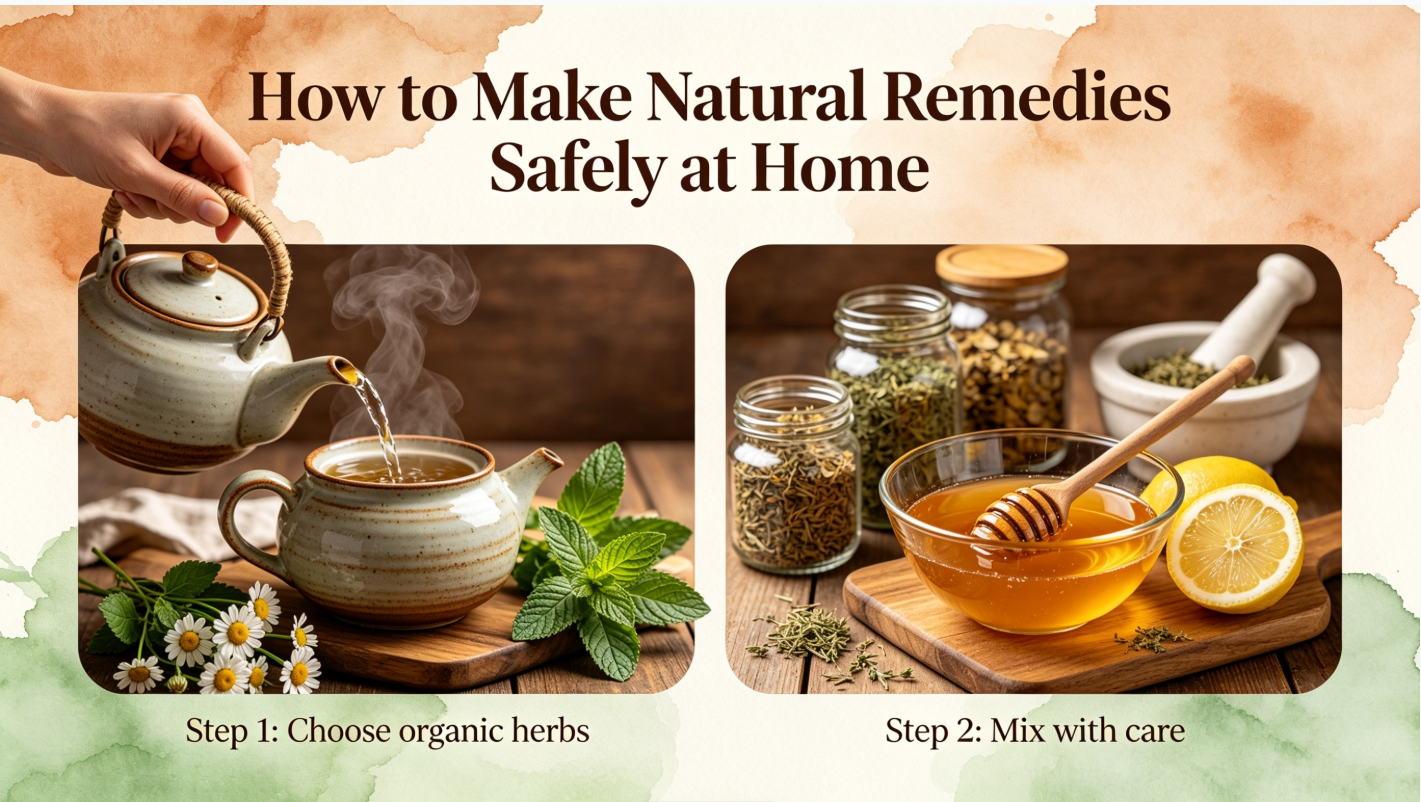
Preparing Home Remedies at home can be a practical way to support everyday wellness, but safety should always come first. Although many natural ingredients have traditional uses, they are not all suitable for everyone. Understanding proper preparation methods, ingredient quality, and safe amounts helps ensure that homemade remedies are both effective and responsible.
Before preparing any natural remedy, wash your hands and use clean utensils and containers. Follow trusted recipes from reputable health sources rather than relying on unverified information online. If you have chronic medical conditions, are pregnant, breastfeeding, or taking prescription medications, consult a healthcare professional before trying new remedies. Learning How to Make Medicine safely begins with understanding that homemade remedies are designed to support minor health concerns—not replace professional treatment.
The quality of your ingredients plays an important role in both safety and effectiveness. Choose fresh herbs, fruits, vegetables, spices, and other natural ingredients from reliable sources whenever possible. Check expiration dates, store ingredients properly, and avoid products that show signs of mold or contamination. High-quality ingredients are essential when learning How to Make a Medicine at home using natural methods.
Even natural ingredients should be used in appropriate amounts. Consuming excessive quantities of herbs, spices, or supplements may lead to unwanted side effects or interactions with medications. Always follow recommended serving sizes and avoid combining multiple remedies without professional guidance. The goal when you Make a Medicine at home is to support your body’s natural healing process safely and responsibly. If symptoms persist, worsen, or become severe, seek medical care instead of depending solely on homemade remedies.
Some of the most effective Home Remedies include honey and lemon for sore throats, ginger tea for nausea, turmeric milk for inflammation, salt water gargles for throat irritation, aloe vera for minor burns, oatmeal baths for itchy skin, and chamomile tea for relaxation. These Natural Remedies may help relieve mild symptoms but are not a substitute for professional medical treatment.
No. While many Home Remedies are generally safe for healthy adults, they may not be suitable for infants, older adults, pregnant women, or people with allergies or chronic medical conditions. Certain herbs and natural ingredients can also interact with prescription medications. Always consult a healthcare professional if you’re unsure whether a remedy is appropriate for you.
A natural pain reliever is a plant-based or naturally derived substance that may help reduce mild pain and inflammation. Examples include peppermint, ginger, turmeric, clove, and chamomile. These Natural Remedies can provide temporary relief for minor discomfort, but persistent or severe pain should always be evaluated by a medical professional.
Yes, many Simple Home Remedies for Seniors can support everyday wellness when used correctly. Gentle remedies such as ginger tea, oatmeal baths, aloe vera gel, and honey with lemon may help with minor health concerns. However, older adults should consult their healthcare provider before trying new remedies because some natural ingredients can interact with medications or existing medical conditions.
Most Home Remedies are intended for mild, short-term symptoms. If your condition does not improve within 48–72 hours, becomes worse, or is accompanied by high fever, severe pain, difficulty breathing, chest pain, dehydration, or persistent vomiting, seek medical attention immediately instead of continuing home treatment.
Avoid applying butter or toothpaste to burns, drinking excessive amounts of apple cider vinegar, using undiluted essential oils directly on the skin, or relying on unverified herbal treatments for serious illnesses. These Dangerous Home Remedies may cause additional harm or delay proper medical care.
Some grandma home remedies are supported by scientific research, while others rely mainly on traditional experience. For example, honey may help soothe coughs, ginger can relieve nausea, and aloe vera may support minor burn healing. However, not every traditional remedy has been clinically proven, so it’s important to use evidence-based information whenever possible.
No. Natural Remedies can complement healthy lifestyle habits and provide temporary relief for minor conditions, but they should never replace professional medical diagnosis or treatment for serious illnesses, infections, injuries, or chronic diseases. The safest approach is to combine responsible home care with guidance from qualified healthcare professionals whenever necessary.