Physical Address
304 North Cardinal St.
Dorchester Center, MA 02124
Physical Address
304 North Cardinal St.
Dorchester Center, MA 02124


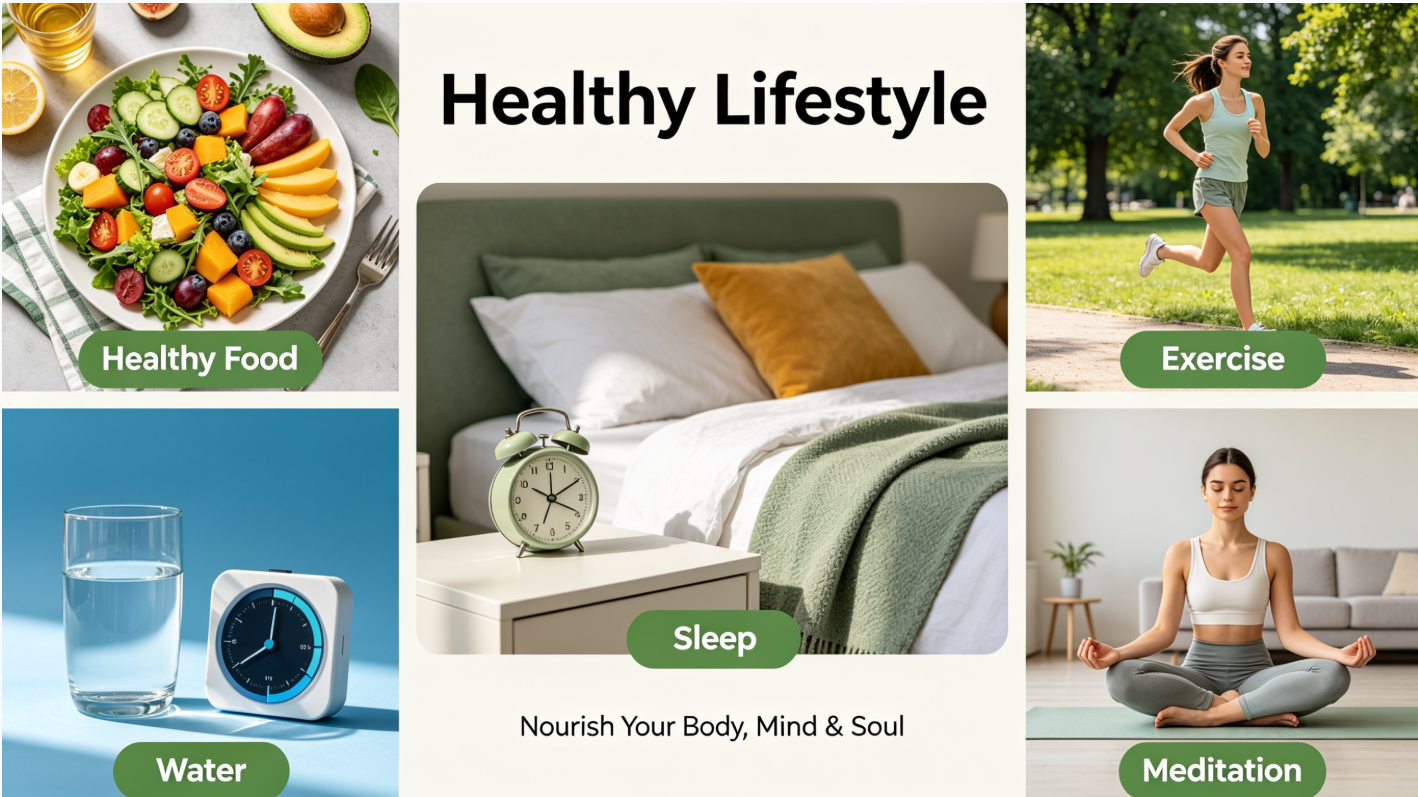
Healthy Lifestyle choices have a powerful impact on your overall well-being, making them more important than ever in today’s fast-paced world. From the food you eat to the amount of sleep you get and how often you exercise, every daily habit plays a role in your physical, mental, and emotional health. Adopting a Healthy Lifestyle isn’t about following strict rules—it’s about making consistent, sustainable choices that improve your quality of life.
Living a Healthy Lifestyle offers countless long-term benefits, including increased energy, better heart health, improved immunity, enhanced mental clarity, and a lower risk of chronic diseases. Simple changes, such as eating nutritious meals, staying physically active, managing stress, and maintaining healthy sleep patterns, can lead to lasting improvements. Whether your goal is to lose weight, boost productivity, or simply feel better every day, healthy habits create the foundation for long-term success.
In this comprehensive guide, you’ll discover practical strategies to build a Healthy Lifestyle that fits your daily routine. We’ll cover healthy eating, exercise, sleep, stress management, hydration, and other essential habits backed by expert recommendations. Whether you’re just starting your wellness journey or looking to improve your current routine, this guide will help you make informed decisions that support a healthier, happier, and more balanced life.
A Healthy Lifestyle is a way of living that supports your physical, mental, and emotional well-being through positive daily habits. It includes eating nutritious foods, staying physically active, getting enough sleep, managing stress, and avoiding harmful behaviors such as smoking or excessive alcohol consumption. Rather than following temporary diets or fitness trends, a Healthy Lifestyle focuses on making sustainable choices that improve your overall quality of life.
A healthy lifestyle means consistently making decisions that protect and improve your health. Being healthy is more than the absence of illness—it also includes having the energy to perform daily activities, maintaining a positive mindset, and enjoying emotional balance. Your lifestyle refers to the habits, routines, and behaviors that shape your everyday life. Lifestyle factors such as nutrition, physical activity, sleep quality, stress management, hydration, and social relationships all play a major role in determining your long-term health.
Your daily habits directly influence both your health and your quality of life. Following a Healthy Lifestyle can reduce the risk of heart disease, diabetes, obesity, and other chronic conditions while improving energy, productivity, and mental well-being. On the other hand, unhealthy habits can gradually lead to serious health problems over time. By making smart lifestyle choices today, you invest in a healthier future, greater independence, and a better overall quality of life for years to come.
Living a Healthy Lifestyle is one of the most effective ways to improve your overall well-being and enjoy a better quality of life. Every choice you make—from eating balanced meals and staying active to getting enough sleep and managing stress—has a direct impact on your health. Developing healthy habits today can help you stay energized, productive, and resilient for years to come.
The benefits of a Healthy Lifestyle extend far beyond looking fit. Regular physical activity, a nutritious diet, proper hydration, and quality sleep contribute to better heart health, stronger muscles and bones, and improved brain function. These healthy lifestyle habits also support mental wellness by reducing stress, improving mood, and increasing focus. As a result, many people experience higher energy levels, greater productivity, a stronger immune system, and a lower risk of chronic diseases. Following a balanced wellness routine can also promote healthy aging and increase life expectancy while helping you maintain a healthier body and mind.
There are many important health and wellness facts that highlight the value of making smart daily choices. One of the most significant facts about health is that lifestyle habits influence nearly every aspect of your physical and mental well-being. Nutrition, exercise, sleep quality, hydration, stress management, and regular health checkups are all essential lifestyle factors that determine long-term wellness. Understanding these healthy aspects empowers you to prevent illness, improve your quality of life, and build sustainable habits that support lifelong health. By embracing a Healthy Lifestyle, you can enjoy better overall health, increased confidence, and long-lasting well-being.

Building a Healthy Lifestyle starts with a strong foundation of healthy habits that support your body and mind every day. While fitness and exercise are important, nutrition plays an even bigger role in maintaining long-term wellness. A balanced approach to eating, hydration, and mindful food choices helps improve energy levels, strengthen immunity, and reduce the risk of chronic diseases. By following healthy nutrition practices consistently, you can create a sustainable lifestyle that supports overall health and well-being.
Healthy eating is about nourishing your body with the right foods rather than following restrictive diets. A nutrient-rich eating pattern provides the vitamins, minerals, protein, healthy fats, and carbohydrates your body needs to function properly. Choosing fresh, whole foods over highly processed options can improve digestion, support weight management, and enhance overall health. Developing consistent healthy eating habits is one of the most effective ways to maintain a Healthy Lifestyle for years to come.
A balanced diet includes the right combination of macronutrients—protein, carbohydrates, and healthy fats—and micronutrients such as vitamins and minerals. Protein supports muscle growth and repair, carbohydrates provide energy, and healthy fats promote brain and heart health. Fruits and vegetables are rich in fiber, antioxidants, and essential nutrients that strengthen the immune system and protect against disease. Choosing whole grains, lean proteins, healthy fats, and fresh produce instead of processed foods helps your body perform at its best while supporting long-term wellness.
Simple nutrition habits can make a significant difference in your overall health. Practice portion control to avoid overeating, drink plenty of water throughout the day to stay hydrated, and choose nutrient-dense foods whenever possible. Limiting added sugar, sugary drinks, trans fats, and highly processed foods can lower your risk of obesity, heart disease, and type 2 diabetes. These practical nutrition tips make it easier to maintain a Healthy Lifestyle, improve daily energy, and support lasting health goals.
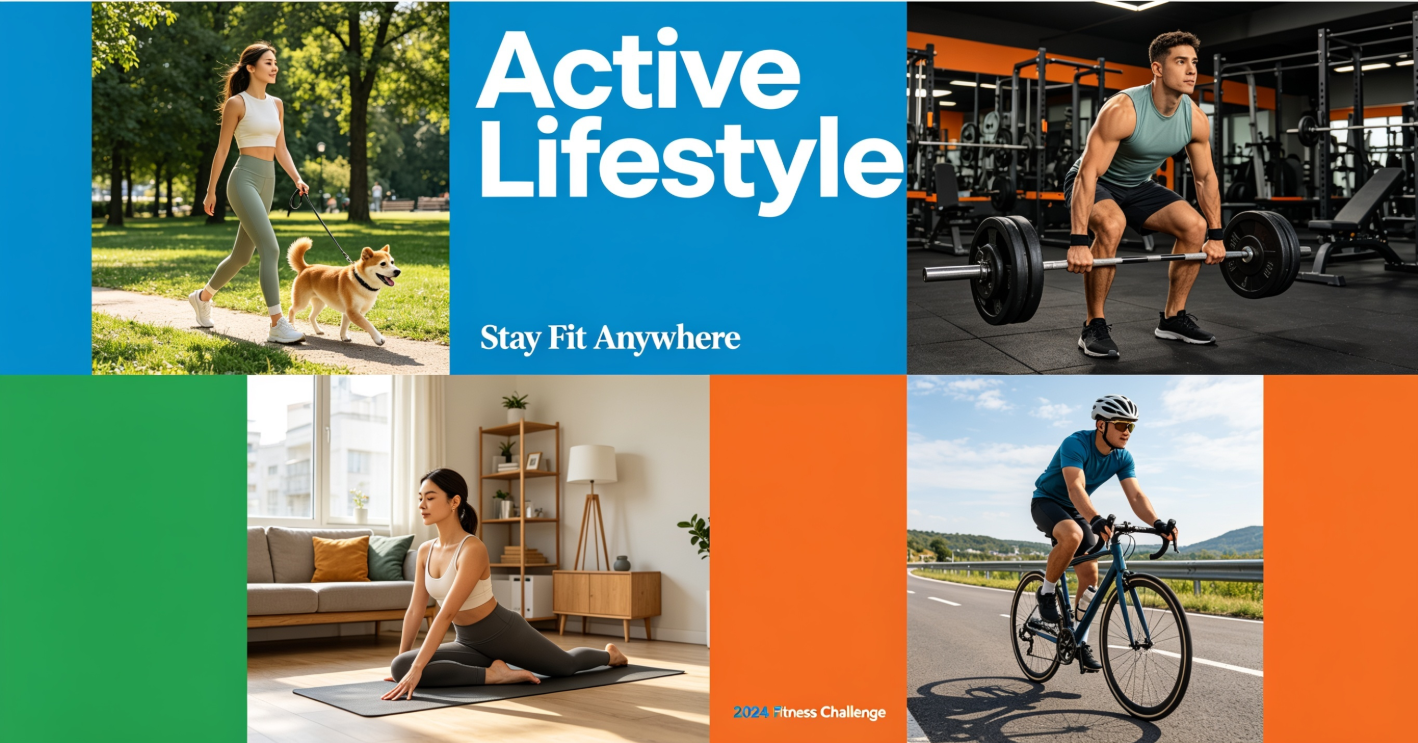
Regular physical activity is a key pillar of a Healthy Lifestyle and plays a vital role in improving both physical and mental well-being. Staying active helps your body function efficiently, increases energy levels, and supports long-term health. Whether you prefer outdoor activities, gym workouts, or exercising at home, making movement a daily habit can significantly improve your overall fitness and quality of life.
Exercise provides countless health benefits beyond weight loss. Regular workouts strengthen the heart, improve blood circulation, and reduce the risk of cardiovascular disease. Physical activity also supports weight management by burning calories and boosting metabolism. In addition, strength training and flexibility exercises help build muscle, improve posture, strengthen bones, and reduce the risk of injury. Consistent exercise also improves mood, lowers stress, enhances sleep quality, and supports better mental health, making it an essential part of a balanced wellness routine.
You don’t need an expensive gym membership to stay fit. Simple activities like walking, cycling, home workouts, and bodyweight exercises can help you maintain an active lifestyle. Strength training with resistance bands, dumbbells, or your own body weight builds muscle and increases endurance. Even small daily habits, such as taking the stairs, stretching during work breaks, or going for a short walk after meals, contribute to better health and support an active, Healthy Lifestyle.
Building a fit lifestyle starts with setting realistic and achievable fitness goals. Begin with manageable workouts and gradually increase intensity as your strength and endurance improve. Consistency is more important than perfection, so create a workout schedule you can maintain over time. Tracking your progress through a fitness journal or mobile app can keep you motivated and help you celebrate milestones. By combining regular exercise with healthy nutrition and proper recovery, you can create a sustainable Healthy Lifestyle that delivers long-term fitness and wellness benefits.
Quality sleep is one of the most important yet often overlooked components of a Healthy Lifestyle. While nutrition and exercise are essential, your body also needs enough time to recover and repair itself. Good sleep supports physical performance, mental clarity, hormone balance, and immune function. Prioritizing rest helps you wake up refreshed, stay productive, and maintain better overall health.
Getting enough sleep has a direct impact on both physical and mental well-being. During sleep, your body repairs muscles, restores energy, and strengthens the immune system. Quality sleep also supports heart health, regulates metabolism, and helps maintain a healthy weight. From a mental health perspective, adequate rest improves memory, concentration, mood, and emotional balance while reducing stress and anxiety. Poor sleep, on the other hand, can increase the risk of chronic diseases, fatigue, depression, and reduced daily performance.
Developing healthy sleep habits can significantly improve your overall wellness. Try to maintain a consistent sleep schedule by going to bed and waking up at the same time every day. Reduce screen time before bedtime, as the blue light from phones, tablets, and computers can interfere with your natural sleep cycle. Creating a quiet, dark, and comfortable bedroom environment also promotes deeper, more restful sleep. These simple habits support a Healthy Lifestyle, improve recovery, boost energy levels, and help you perform your best both physically and mentally.

Mental and emotional well-being are essential parts of a Healthy Lifestyle. Taking care of your mind is just as important as caring for your body. A healthy mindset helps you cope with daily challenges, build resilience, improve focus, and enjoy a better quality of life. By practicing self-care and maintaining emotional balance, you can reduce stress, strengthen relationships, and support your overall health and wellness.
Learning to manage stress is a key step toward living a healthier life. Simple techniques such as meditation, deep breathing exercises, and mindfulness can calm the mind, lower stress hormones, and improve emotional well-being. Regular physical activity, quality sleep, and spending time in nature also contribute to better stress management. Making these practices part of your daily routine helps create a balanced Healthy Lifestyle while improving mental clarity and emotional resilience.
Strong social connections play a major role in long-term happiness and overall wellness. Spending quality time with family, friends, and supportive communities provides emotional support during difficult times and helps reduce feelings of loneliness. Healthy relationships encourage positive communication, build self-confidence, and contribute to better mental health. Maintaining meaningful connections is one of the most valuable lifestyle factors for achieving lasting well-being.
True happiness comes from creating healthy habits that support both your body and mind. A Healthy Lifestyle built on balanced nutrition, regular exercise, quality sleep, gratitude, and self-care can improve your mood and increase life satisfaction. Practicing positive thinking, setting realistic goals, celebrating small achievements, and focusing on personal growth are powerful healthy mindset practices. These habits promote healthy happiness, helping you enjoy greater emotional wellness, inner peace, and a more fulfilling life every day.
Building a Healthy Lifestyle is not about making drastic changes overnight. Instead, it’s about developing small, consistent habits that improve your physical health, mental well-being, and overall quality of life. Simple lifestyle changes practiced every day can reduce the risk of chronic diseases, boost energy levels, and help you maintain long-term health and wellness.
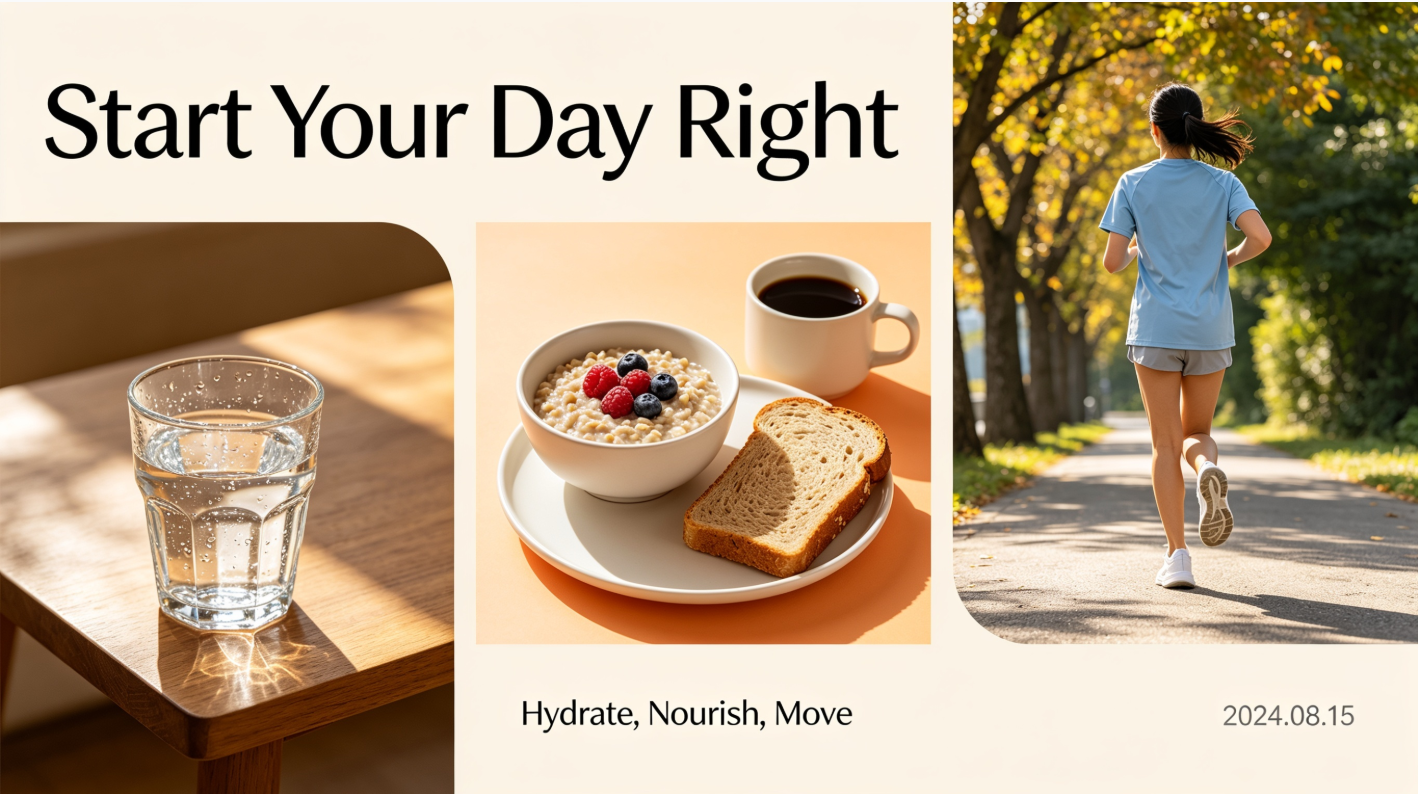
Healthy daily habits create the foundation for lifelong wellness. Start your day by drinking enough water to stay hydrated and support essential body functions. Choose nutritious, balanced meals that include lean protein, whole grains, healthy fats, fruits, and vegetables to fuel your body with essential nutrients. Staying physically active through walking, strength training, stretching, or other forms of exercise improves cardiovascular health and fitness. Managing stress with mindfulness, meditation, or relaxation techniques also supports better emotional well-being. These everyday habits are the building blocks of a sustainable Healthy Lifestyle.
Positive behaviors play a significant role in protecting your long-term health. Avoiding smoking and tobacco products helps reduce the risk of heart disease, lung disease, and cancer. Limiting alcohol consumption supports liver health, brain function, and overall wellness. Practicing self-care through adequate sleep, regular exercise, and mental relaxation improves both physical and emotional health. Maintaining good personal hygiene, including proper handwashing and oral care, helps prevent infections and promotes a healthier lifestyle. These healthy behaviors contribute to stronger immunity and better daily living.
Taking care of your health requires consistent attention and preventive care. Scheduling regular medical checkups allows healthcare professionals to detect potential health problems early and recommend appropriate treatments. Monitoring important health indicators such as blood pressure, blood sugar, cholesterol, body weight, and body mass index (BMI) helps you stay informed about your overall condition. Preventive healthcare, combined with healthy habits, makes it easier to maintain a Healthy Lifestyle, prevent illness, and enjoy a longer, more active, and fulfilling life.
Maintaining a Healthy Lifestyle doesn’t require major life changes. Instead, it’s built on small, consistent habits that improve your physical health, mental well-being, and overall quality of life. A balanced daily routine helps increase energy, strengthen immunity, reduce stress, and support long-term wellness. By making healthy choices every day, you can create lasting habits that benefit both your body and mind.
A productive day begins with a healthy morning routine. Start by drinking a glass of water to rehydrate your body after sleep and support healthy digestion. Follow this with 5–10 minutes of stretching or light exercise to improve flexibility, increase circulation, and wake up your muscles. Eating a nutritious breakfast rich in protein, whole grains, fruits, and healthy fats provides sustained energy and improves concentration throughout the day. These simple morning habits lay the foundation for a successful Healthy Lifestyle.
Health and productivity go hand in hand. Maintaining a healthy work-life balance helps reduce stress, improve focus, and prevent burnout. If you work at a desk, take short movement breaks every hour by walking, stretching, or performing simple mobility exercises. These small actions improve posture, reduce muscle tension, and boost energy levels. Prioritizing both wellness and productivity allows you to perform better while protecting your physical and mental health.
A relaxing evening routine prepares your body and mind for quality sleep. Reduce screen time before bed, practice deep breathing or meditation, and create a calm sleeping environment. Reading a book, listening to relaxing music, or taking a warm shower can help your body unwind naturally. Quality sleep is an essential part of a Healthy Lifestyle, supporting recovery, hormone balance, brain function, and overall well-being.
The lifestyle you choose has a significant influence on your physical health, emotional well-being, and long-term quality of life. Daily habits affect your energy levels, disease risk, fitness, and mental wellness. Understanding different lifestyle patterns can help you make informed choices that support lifelong health.
There are several common lifestyle patterns that influence health outcomes. An active lifestyle includes regular exercise, balanced nutrition, and healthy daily habits that improve cardiovascular health and overall fitness. A sedentary lifestyle, characterized by prolonged sitting and limited physical activity, increases the risk of obesity, diabetes, and heart disease. A wellness-focused lifestyle prioritizes healthy eating, stress management, adequate sleep, and preventive healthcare. Meanwhile, a minimalist lifestyle encourages reducing unnecessary stress, simplifying daily routines, and focusing on overall well-being.
Choosing the right lifestyle depends on your personal goals, age, health condition, and daily responsibilities. Instead of following temporary trends, focus on building sustainable habits that fit your routine. The best Healthy Lifestyle is one that combines balanced nutrition, regular physical activity, quality sleep, mental wellness, and preventive healthcare. Small improvements made consistently often lead to better long-term health outcomes than drastic short-term changes.
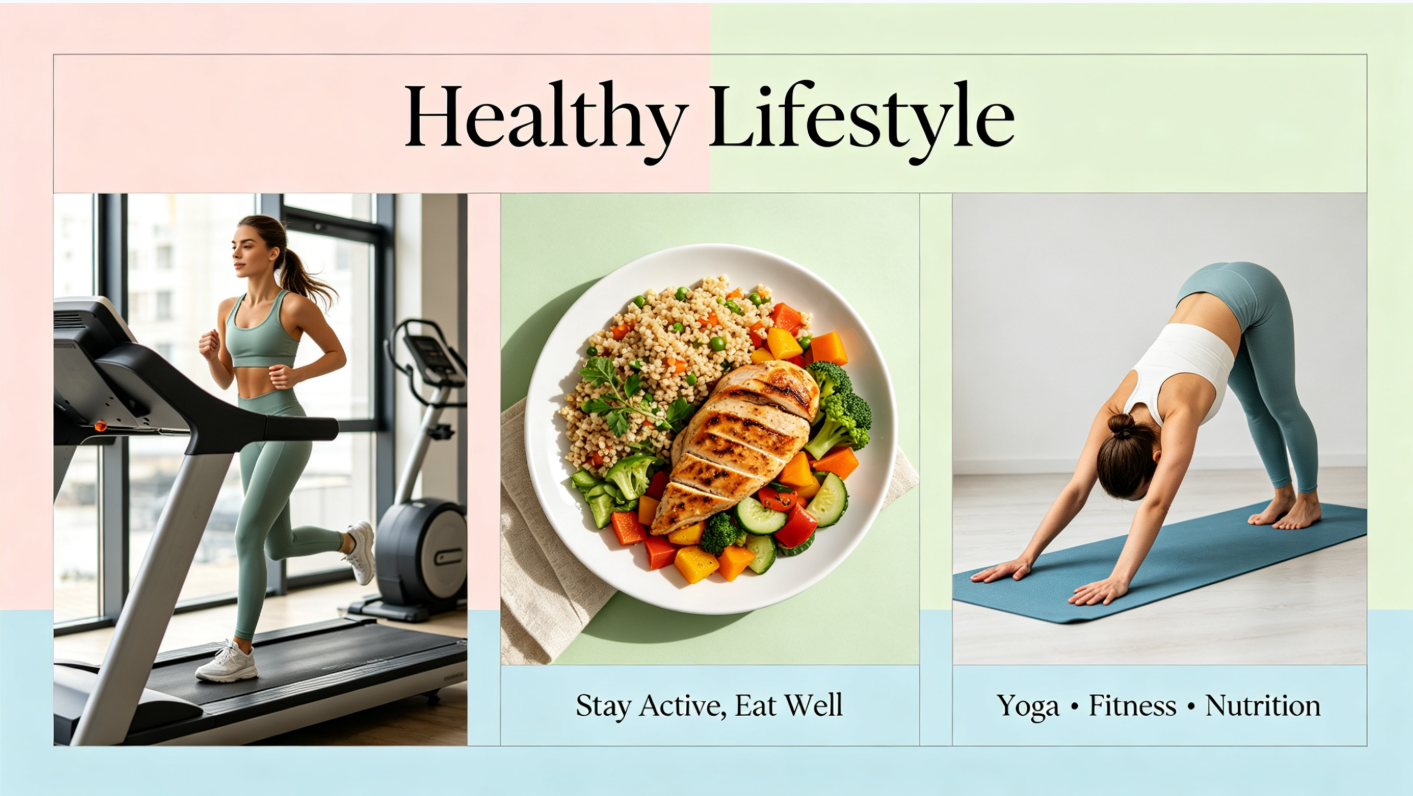
Women have unique health needs that change throughout different stages of life. Following a Healthy Lifestyle supports hormonal balance, reproductive health, bone strength, heart health, and emotional well-being. A combination of healthy nutrition, regular exercise, stress management, and preventive healthcare helps women stay active and healthy for years to come.
Women’s nutritional requirements vary depending on age, pregnancy, menopause, and activity level. Essential nutrients such as calcium, iron, vitamin D, protein, and folate support bone health, hormone function, muscle maintenance, and overall wellness. Regular health screenings and preventive care are also important for detecting health issues early and maintaining long-term health.
An effective fitness routine should include strength training, cardiovascular exercise, and flexibility workouts. Strength training builds lean muscle, supports bone density, and boosts metabolism. Cardio exercises such as brisk walking, cycling, swimming, or jogging improve heart health and endurance. Yoga and stretching enhance flexibility, mobility, and stress relief. Together, these activities create a balanced fitness program that supports a healthier body and mind.
Self-care is an essential part of maintaining a Healthy Lifestyle. Prioritize quality sleep, manage stress through mindfulness or meditation, stay hydrated, and maintain strong social connections. Taking time for hobbies, relaxation, and regular medical checkups contributes to better emotional health and overall wellness. Consistent self-care habits help women improve resilience, reduce stress, and enjoy a healthier, more balanced life.
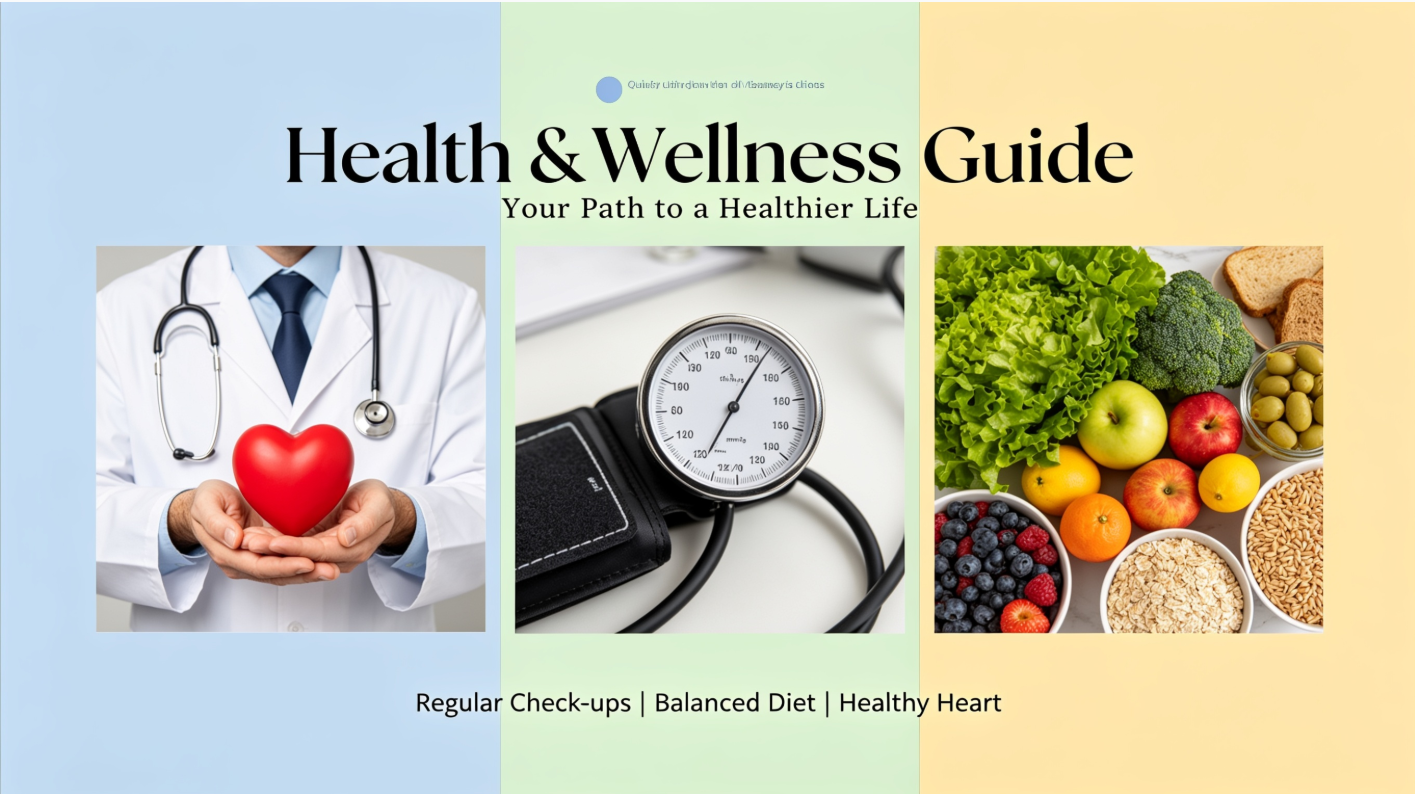
Following a Healthy Lifestyle is one of the most effective ways to reduce the risk of many chronic diseases. While no lifestyle can completely eliminate the possibility of illness, healthy daily habits strengthen your body, improve immune function, and support long-term wellness. Combining balanced nutrition, regular exercise, quality sleep, and stress management creates a strong foundation for disease prevention and better overall health.
Your everyday choices directly affect your health outcomes. Poor nutrition, physical inactivity, smoking, excessive alcohol consumption, and chronic stress increase the risk of heart disease, type 2 diabetes, obesity, and high blood pressure. On the other hand, maintaining a balanced diet, staying physically active, and managing stress help regulate blood sugar, cholesterol, and blood pressure while improving heart health and metabolic function. These positive lifestyle factors also support mental well-being and increase life expectancy.
Simple daily habits can make a significant difference in your long-term health. Eating nutrient-rich foods such as fruits, vegetables, whole grains, lean proteins, and healthy fats provides essential vitamins and minerals your body needs. Regular physical activity strengthens the heart, improves muscle function, and supports healthy weight management. Getting adequate sleep allows the body to recover, while effective stress management helps maintain hormonal balance and emotional wellness. Together, these habits form the foundation of a sustainable Healthy Lifestyle.
Many people believe that living healthily guarantees they will never become sick. In reality, genetics, age, environmental factors, and medical conditions also influence disease risk. A Healthy Lifestyle cannot guarantee complete disease prevention, but it can significantly reduce risk, improve recovery, and enhance overall quality of life. The goal is to lower health risks and build a stronger, healthier body over time.
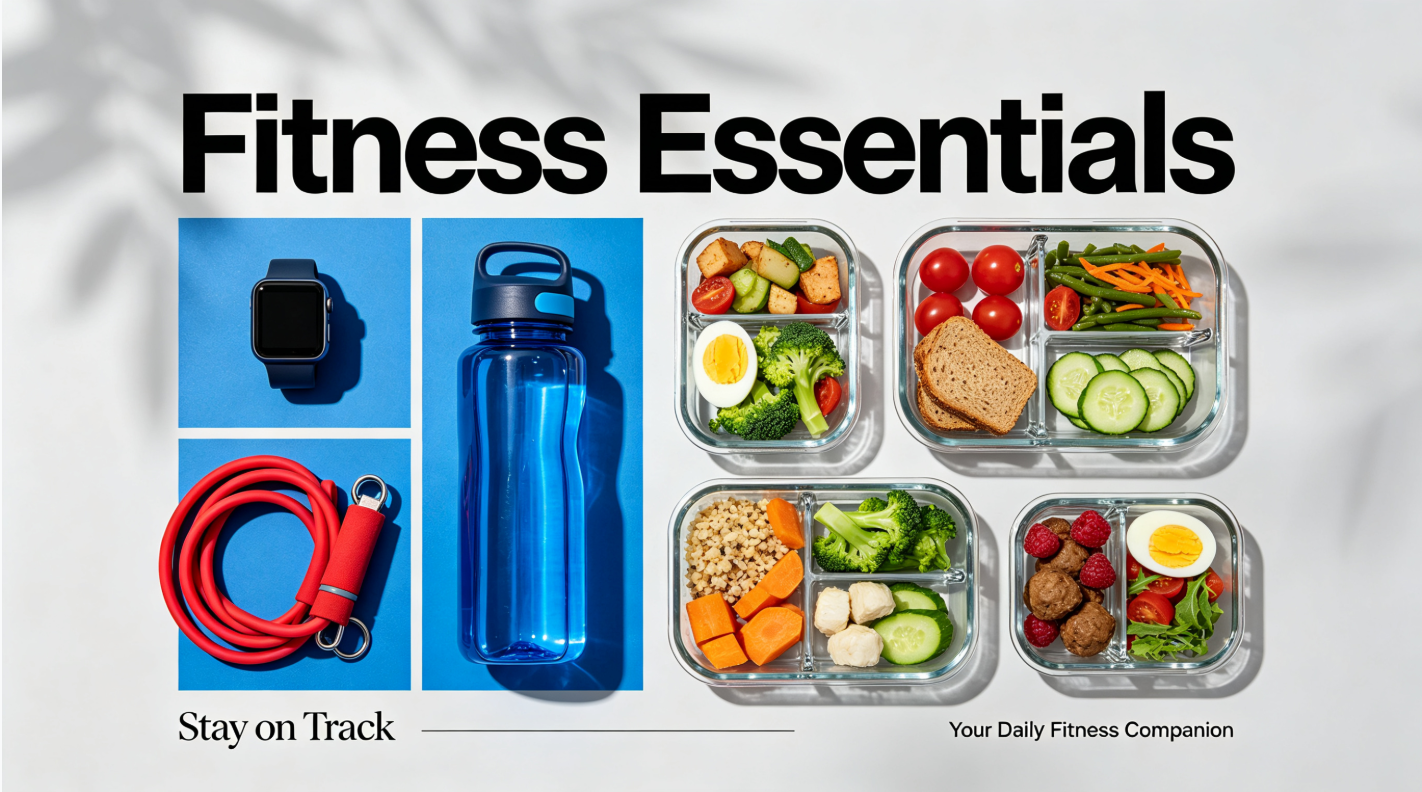
Healthy living products can help you stay consistent with your wellness goals. While these products cannot replace healthy habits, they can make it easier to monitor progress, stay organized, and maintain motivation. Choosing reliable, high-quality wellness tools supports a more effective Healthy Lifestyle.
Many products are designed to support everyday health and fitness. Fitness trackers monitor daily activity, heart rate, sleep quality, and calorie expenditure. Reusable water bottles encourage proper hydration throughout the day, while resistance bands provide an affordable option for strength training at home. Meal prep containers help with portion control and make healthy eating more convenient. These simple tools can support better daily habits and improve long-term wellness.
Technology has made healthy living more accessible than ever. Nutrition tracking apps help monitor calorie intake and nutrient balance, while fitness apps provide workout plans for different fitness levels. Meditation and mindfulness apps offer guided breathing exercises, relaxation sessions, and stress management techniques. These digital wellness tools help users stay accountable and build healthier routines.
Before purchasing wellness products, consider your personal health goals, lifestyle, and budget. Focus on products that are durable, easy to use, and supported by positive customer reviews. Avoid buying unnecessary gadgets that promise unrealistic results. The best investments are those that encourage consistency and provide long-term value while supporting your Healthy Lifestyle journey.

Lifestyle wellness focuses on achieving balance in physical, mental, and emotional health through healthy daily habits and self-care practices. While exercise and nutrition remain the foundation of wellness, relaxation and recovery also play important roles. Spa treatments and wellness services can complement a Healthy Lifestyle by reducing stress and promoting overall well-being.
Lifestyle wellness is a holistic approach to health that considers every aspect of well-being, including physical fitness, mental health, nutrition, sleep, emotional balance, and stress management. Instead of treating health problems after they occur, lifestyle wellness emphasizes prevention and long-term healthy habits that improve quality of life.
Many wellness centers offer treatments designed to promote relaxation and recovery. Massage therapy helps relieve muscle tension, improve circulation, and reduce stress. Aromatherapy uses natural essential oils to encourage relaxation and emotional balance. Hydrotherapy, including warm baths and water-based treatments, can ease joint discomfort, improve circulation, and support physical recovery. These therapies complement healthy habits but should not replace medical care when needed.
Wellness services provide an opportunity to relax, recover, and recharge. Regular relaxation practices can reduce stress hormones, improve sleep quality, and enhance emotional well-being. When combined with healthy eating, physical activity, and preventive healthcare, these services support a balanced Healthy Lifestyle and contribute to better overall health, increased energy, and improved quality of life.

Living a Healthy Lifestyle has become more challenging in today’s fast-paced, technology-driven world. Busy schedules, processed foods, long hours of screen time, and constant stress can negatively affect both physical and mental health. However, modern technology also offers valuable tools that make healthy living easier than ever. The key is learning how to use these resources wisely while maintaining balanced daily habits.
Health advertisements can inspire positive lifestyle changes, but they can also promote unrealistic expectations or misleading claims. Many products promise quick weight loss, instant muscle gain, or miracle health benefits without strong scientific evidence. Before following health advice or purchasing wellness products, always evaluate the credibility of the source. Look for recommendations supported by healthcare professionals, registered dietitians, or reputable health organizations. Developing critical thinking skills helps you make informed decisions and maintain a sustainable Healthy Lifestyle.
Technology plays a growing role in improving health and wellness. Wearable fitness devices can monitor daily activity, heart rate, sleep quality, and calorie expenditure. Telehealth services allow patients to consult healthcare providers from home, improving access to medical care. Digital wellness tools, including fitness apps, meal-planning apps, and meditation platforms, help users stay motivated, track progress, and build healthier routines. When used responsibly, technology can become a valuable partner in achieving long-term wellness goals.
Staying motivated is one of the biggest challenges when building healthy habits. Visual reminders and real-life success stories can encourage positive behavior and help you remain focused on your goals. A Healthy Lifestyle becomes easier to maintain when you’re constantly reminded of the benefits of healthy living.
Pictures of healthy meals, active lifestyles, fitness achievements, and wellness routines can provide daily inspiration. Creating a vision board filled with personal goals, motivational quotes, and images representing your ideal lifestyle can strengthen your commitment to better health. Keeping these reminders visible helps reinforce healthy habits and encourages long-term consistency.
Learning from others who have successfully transformed their lives can provide motivation and practical insights. Many people have improved their health by making small, consistent lifestyle changes instead of relying on quick fixes. Their journeys demonstrate that healthy eating, regular exercise, stress management, and quality sleep can lead to lasting improvements in physical fitness, confidence, and overall well-being.
Building a Healthy Lifestyle requires planning, consistency, and realistic expectations. Instead of trying to change everything at once, focus on making small improvements that you can maintain over time. A personalized health plan increases your chances of long-term success and makes healthy living more enjoyable.
Start by evaluating your daily routine honestly. Identify both your healthy habits and the areas that need improvement. Consider your eating patterns, physical activity, sleep quality, stress levels, hydration, and overall wellness. Understanding your strengths and weaknesses helps you create a practical improvement plan.
Successful lifestyle changes begin with SMART goals:
SMART goals make healthy habits easier to follow and improve your chances of long-term success.
The best wellness plans focus on consistency rather than perfection. Create a simple daily action plan that includes balanced nutrition, regular physical activity, proper hydration, quality sleep, and stress management. Track your weekly progress using a journal or health app and celebrate small achievements along the way. Remember that lasting results come from steady improvements, not extreme changes. By staying committed to your Healthy Lifestyle, you can improve your physical health, mental well-being, and overall quality of life for years to come.
A Healthy Lifestyle is a way of living that promotes physical, mental, and emotional well-being through balanced nutrition, regular exercise, quality sleep, stress management, and other healthy daily habits. It focuses on long-term wellness rather than quick fixes.
Living a healthy lifestyle can improve heart health, strengthen the immune system, increase energy levels, support mental wellness, maintain a healthy weight, and reduce the risk of chronic diseases. It also enhances your overall quality of life.
Start with small, sustainable changes such as eating more fruits and vegetables, drinking enough water, exercising for at least 30 minutes, getting 7–9 hours of sleep, and managing stress through mindfulness or relaxation techniques.
Some of the best healthful habits include eating nutritious meals, staying physically active, drinking enough water, sleeping well, avoiding smoking, limiting alcohol, managing stress, and scheduling regular health checkups.
Major lifestyle factors include diet, physical activity, sleep quality, stress levels, hydration, smoking, alcohol consumption, environmental influences, and access to preventive healthcare. These factors have a significant impact on long-term health.
A Healthy Lifestyle cannot guarantee complete disease prevention, but it can significantly reduce the risk of conditions such as heart disease, type 2 diabetes, obesity, and high blood pressure while improving overall health and longevity.
Healthy behaviors include exercising regularly, eating a balanced diet, maintaining good personal hygiene, practicing self-care, staying hydrated, getting enough sleep, managing stress, and avoiding tobacco products.
Useful healthy living products include fitness trackers, reusable water bottles, resistance bands, meal prep containers, yoga mats, and wellness apps that support nutrition tracking, exercise, and mindfulness.
Physical fitness improves cardiovascular health, muscle strength, flexibility, endurance, and balance. It also boosts mental health, supports weight management, increases energy, and lowers the risk of many chronic diseases.
Women can maintain a Healthy Lifestyle by eating nutrient-rich foods, staying physically active, managing stress, getting quality sleep, attending regular medical checkups, and prioritizing self-care to support hormonal, bone, and heart health.