Physical Address
304 North Cardinal St.
Dorchester Center, MA 02124
Physical Address
304 North Cardinal St.
Dorchester Center, MA 02124

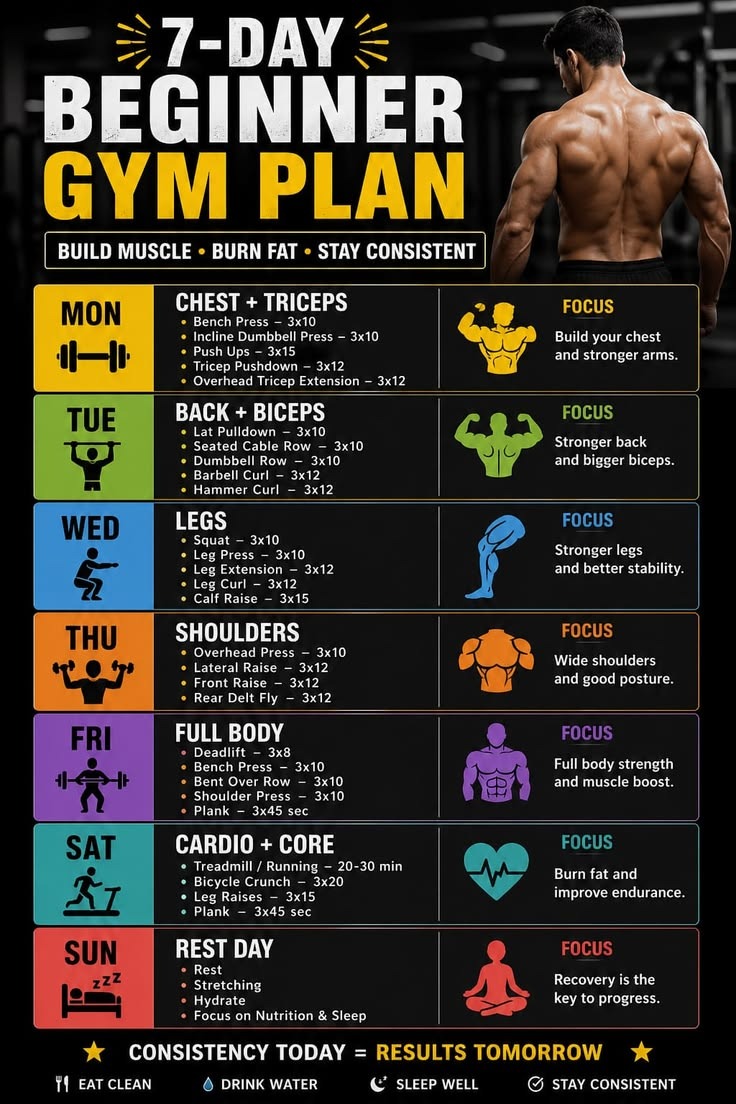
Making gym workouts part of your daily routine is one of the most reliable ways to build long-term consistency. When exercise becomes a habit rather than a decision you make each morning, adherence improves, motivation becomes less of a factor, and your body adapts more predictably to training stimulus. The challenge most people face isn’t willpower — it’s balance. Fitting strength training, cardiovascular exercise, sleep, recovery, work, and study into the same 24 hours requires a realistic and sustainable schedule, not an all-or-nothing approach that leads to burnout or overtraining.
This guide walks through practical ways to build a gym routine that fits your lifestyle, along with answers to some of the most common questions about training frequency, workout duration, muscle recovery, and fat loss.
Before choosing a training split, look honestly at your weekly schedule. A sustainable fitness routine should work around your job, classes, sleep cycle, and social obligations — not compete with them. Whether you prefer a full-body workout three times a week or a more advanced push-pull-legs split, the best program is the one you can actually stick to over months, not just days.
Some people perform better with morning workouts, which can boost metabolism, improve mental clarity, and reduce the chance of skipping a session later in the day. Others find evening training more effective because body temperature and muscular performance tend to peak later in the day. Both approaches are valid — consistency matters more than timing.
Habit-stacking — linking a workout to an existing routine, like going straight to the gym after work — reduces decision fatigue. Small additions like taking the stairs, walking during breaks, or stretching before bed also reinforce an active lifestyle without requiring extra time in your day.
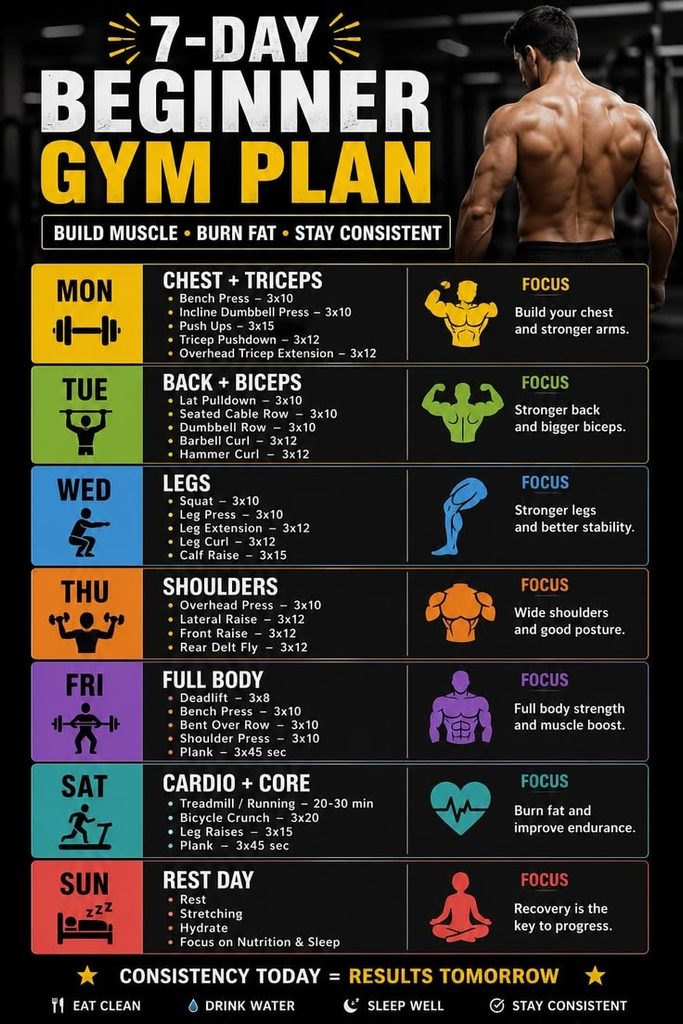
A typical morning session might include five to ten minutes of dynamic warm-up, thirty to forty-five minutes of strength training or resistance training, and a short cool-down with mobility work. Morning workouts pair well with a light pre-workout snack and adequate hydration.
Evening routines often allow for longer sessions, combining resistance training with cardiovascular exercise such as running, cycling, or rowing. Post-workout nutrition, including protein intake, becomes especially important here to support muscle recovery overnight.
Balancing physical activity with cognitive demands means protecting sleep hygiene, scheduling rest days, and avoiding late-night high-intensity training that can disrupt circadian rhythm. Recovery is not optional — it’s a core component of any effective fitness plan.
The 3-3-3 rule is a beginner-friendly framework: three workouts per week, three key exercises per session, and three sets per exercise. This structure emphasizes compound movements — such as squats, deadlifts, and presses — while keeping volume manageable to prevent overtraining and muscle soreness.
This approach suits beginners building exercise tolerance, busy professionals with limited gym time, and anyone returning to training after a break. It supports progressive overload without overwhelming the neuromuscular system.
Daily training is possible if intensity and muscle groups are rotated carefully. However, rest days remain essential for muscle repair, central nervous system recovery, and injury prevention. Without adequate recovery, overtraining syndrome, chronic fatigue, and elevated cortisol levels can undermine progress.
Strategies include alternating high-intensity and low-intensity days, prioritizing sleep quality, staying hydrated, consuming sufficient protein and micronutrients, and incorporating active recovery techniques like stretching, foam rolling, or yoga.
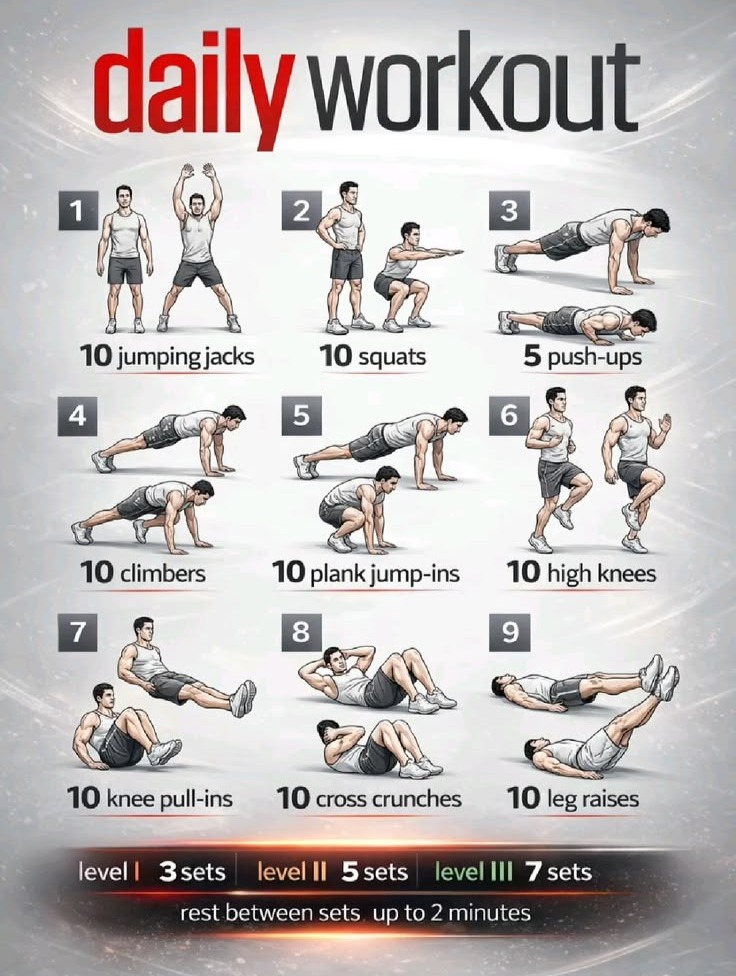
Most evidence-based recommendations suggest training each major muscle group two to three times per week to optimize muscle hypertrophy while allowing for adequate recovery between sessions.
Beginners often respond well to full-body workouts three times weekly, while experienced lifters may benefit from split routines that allow for higher training volume per muscle group without daily full-body fatigue.
Training seven days a week can work for some athletes if intensity is varied — for example, alternating strength days with light cardio or mobility-focused sessions — but it requires careful monitoring of fatigue and recovery markers.
Active recovery days might include walking, swimming, light yoga, or mobility drills. These support blood flow and joint health without adding significant strain to muscles or the cardiovascular system.
A focused 30-minute workout combining compound exercises and short rest intervals can effectively improve strength, cardiovascular endurance, and metabolic rate, especially when using high-intensity interval training (HIIT).
Fat loss, muscle-building, and general fitness goals each call for slightly different durations and intensities. Endurance athletes may need longer sessions, while strength-focused lifters can achieve results in shorter, higher-intensity workouts.
The most effective gym routines combine resistance training for muscle strength, cardiovascular exercise for heart health and endurance, and flexibility or mobility work to reduce injury risk and improve range of motion.
Your ideal routine depends on whether your primary goal is fat loss, muscle hypertrophy, athletic performance, or general wellness. Aligning training variables — volume, intensity, and frequency — with your goal improves results.
High-calorie-burning exercises include running, rowing, cycling, and HIIT circuits, all of which elevate heart rate and improve cardiovascular conditioning.
Compound movements like squats, deadlifts, and lunges recruit multiple muscle groups, increasing energy expenditure and supporting long-term fat loss through improved lean muscle mass and metabolic rate.
No workout plan can outperform a poor diet. Sustainable fat loss depends on a caloric deficit, adequate protein intake, and consistent training — not sporadic, high-intensity bursts alone.
A common weekly structure includes three to five training days combining strength training, cardio, and rest or active recovery days, tailored to individual fitness levels.
Beginners often start with full-body workouts three times a week, focusing on foundational movement patterns, proper form, and gradual progressive overload before advancing to split routines.
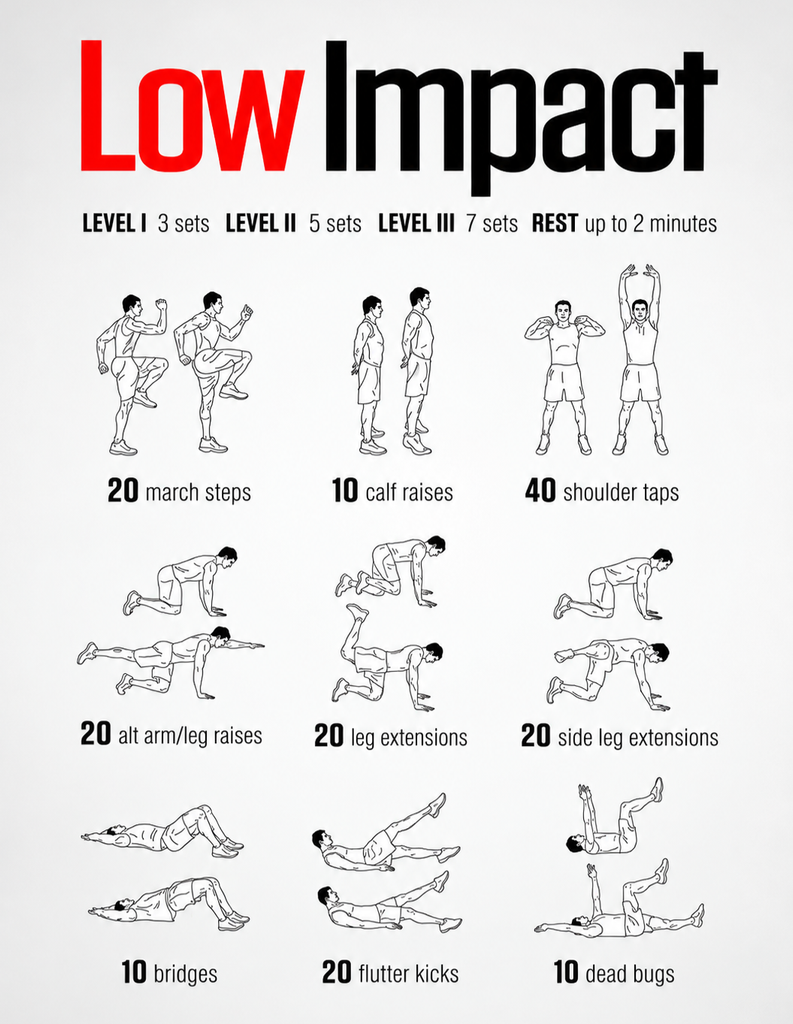
Walking is one of the most sustainable daily exercises, supporting cardiovascular health, joint mobility, and mental wellbeing without excessive strain on the musculoskeletal system.
Bodyweight exercises, resistance band training, and mobility drills can be performed daily to maintain functional strength and flexibility alongside more intense gym sessions.
Muscle growth depends heavily on progressive overload — gradually increasing weight, reps, or intensity over time to continually challenge the muscular system.
A workout plan alone isn’t enough. Adequate protein intake, overall caloric balance, quality sleep, and structured recovery are equally critical for muscle hypertrophy and strength gains.
Clear, achievable fitness goals — whether related to strength, endurance, or fat loss — provide direction and help maintain motivation over time.
Monitoring metrics like strength gains, body composition, and workout consistency allows you to adjust training variables as your fitness level improves.
A sustainable routine values long-term consistency over occasional perfect workouts. Missing a session occasionally matters far less than maintaining a steady, adaptable exercise habit.
Incorporating gym workouts into your daily routine comes down to balance, realistic scheduling, and consistency rather than intensity alone. Whether you follow the 3-3-3 rule, train daily with varied intensity, or stick to three to five sessions a week, prioritizing recovery, proper nutrition, and progressive overload will support sustainable fat loss, muscle growth, and overall health. The most effective routine is ultimately the one that fits your lifestyle and that you can maintain consistently over time.