Physical Address
304 North Cardinal St.
Dorchester Center, MA 02124
Physical Address
304 North Cardinal St.
Dorchester Center, MA 02124

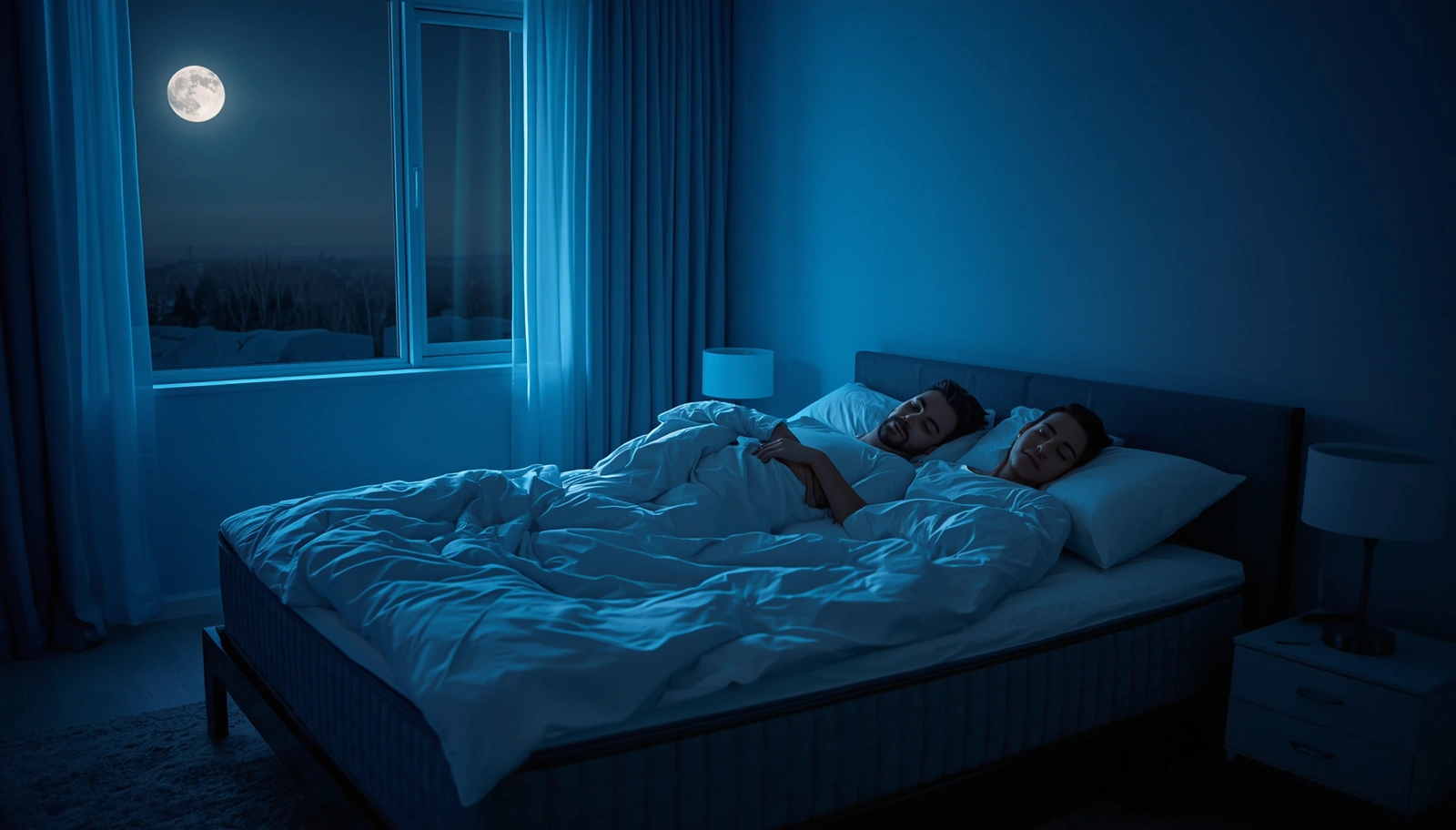
Whether you’re training for a marathon, recovering from an intense workout, managing a demanding job, or simply trying to feel your best every day, quality sleep is one of the most powerful tools for recovery. While nutrition and exercise often receive the most attention, sleep is when your body performs much of its repair and restoration work. During deep sleep, muscles recover from physical stress, hormones that support growth and tissue repair are released, and the brain processes memories while clearing waste products that accumulate throughout the day.
Unfortunately, millions of adults struggle to get enough quality sleep. Stress, excessive screen time, irregular schedules, caffeine, and poor sleep habits can all make it difficult to fall asleep and stay asleep. As a result, many people wake up feeling tired, sore, and mentally unfocused despite spending enough hours in bed.
If you’ve ever searched for how to fall asleep fast, you’re not alone. Many people are looking for practical, science-backed solutions that don’t rely solely on medication. Fortunately, improving your sleep often starts with small, consistent changes to your daily routine and bedtime habits.
In this guide, you’ll discover evidence-based strategies that can help you fall asleep faster, improve sleep quality, and support faster recovery. From optimizing your bedroom and creating a relaxing nighttime routine to choosing helpful sleep-support products, these proven techniques are designed to help you wake up feeling refreshed and ready for the day ahead.
Learning how to fall asleep fast isn’t just about getting more sleep—it’s about improving the quality of the sleep you get. Falling asleep quickly allows your body to spend more time in restorative sleep stages, where physical and mental recovery take place.
The amount of time it takes to transition from being awake to asleep is called sleep latency.
For most healthy adults, falling asleep within 10 to 20 minutes is considered normal.
Taking much longer every night may indicate:
If you frequently wonder how do I fall asleep fast, improving your sleep environment and nighttime routine is often the best place to start.
Deep sleep is one of the most important stages of the sleep cycle.
During this stage, your body:
For athletes and active individuals, deep sleep plays a crucial role in muscle recovery and performance.
Getting to sleep faster offers several advantages beyond simply feeling rested.
Quality sleep may help:
Many people ask, what is the fastest way to fall asleep?
There isn’t a single trick that works for everyone. Instead, combining several healthy sleep habits usually provides the best long-term results.
If you’re wondering how can I go to sleep fast, focus on creating conditions that naturally encourage sleep rather than forcing yourself to fall asleep.
The best way to fall asleep fast usually includes several healthy habits working together:
Rather than searching for instant fixes, think of better sleep as a skill that improves through consistency.

Sleep affects nearly every system in your body. While you’re asleep, your body shifts its focus away from daily activity and toward repair, recovery, and preparation for the next day.
Whether you’re recovering from exercise or simply maintaining your health, quality sleep is essential.
Many people assume sleep is simply a period of rest.
In reality, your body remains incredibly active behind the scenes.
Exercise creates tiny microscopic tears in muscle fibers.
During sleep, your body repairs these fibers, making muscles stronger and more resilient.
Without enough sleep, recovery slows, and soreness may last longer.
Several important hormones are released during sleep.
These include:
Balanced hormone production supports:
Poor sleep may disrupt these natural hormonal cycles.
Sleep also restores your brain.
During the night, the brain:
This explains why poor sleep often leads to difficulty concentrating and slower reaction times.
Sometimes the effects of inadequate sleep appear gradually.
Common warning signs include:
If these symptoms become a regular part of your routine, improving sleep quality should become a priority.
The good news is that better sleep doesn’t usually require complicated changes. Small, consistent habits often produce the biggest improvements over time.
Your body operates on an internal biological clock known as the circadian rhythm.
This clock regulates when you naturally feel awake and when you become sleepy.
Going to bed and waking up at the same time every day—even on weekends—helps strengthen this rhythm.
People trying to learn how to fall asleep early often discover that consistency matters more than going to bed earlier for just one night.
Helpful tips include:
Many people ask how can you fall asleep more easily.
The answer often begins with training your body to expect sleep at the same time every night.
Within a few weeks of maintaining a regular schedule, many people notice they become sleepy naturally near bedtime.
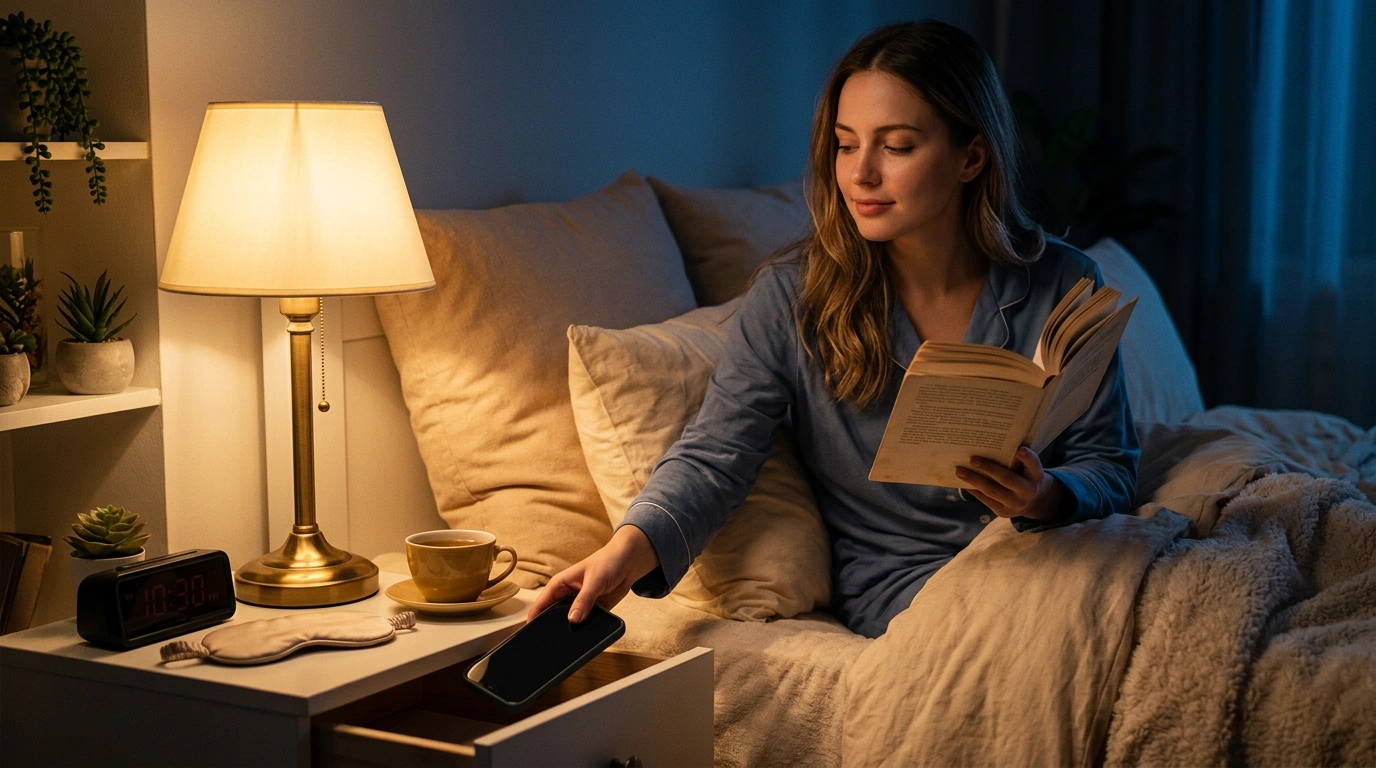
Modern technology is one of the biggest barriers to quality sleep.
Phones, tablets, computers, and televisions emit blue light, which suppresses melatonin—the hormone that helps regulate sleep.
Even scrolling through social media for 20 minutes before bed may leave your brain more alert than relaxed.
One of the best tricks to falling asleep fast is turning off electronic devices at least 30 to 60 minutes before bedtime.
Instead of scrolling through your phone, consider activities such as:
These simple methods to fall asleep quicker help signal to your brain that it’s time to wind down.
For people who frequently use digital devices in the evening, blue-light blocking glasses may help reduce light exposure. E-readers with warm lighting, such as devices designed for nighttime reading, may also be more sleep-friendly than traditional tablets.

Your bedroom should support sleep—not compete with it.
A comfortable sleep environment helps your brain associate the bedroom with rest and recovery.
Some of the most easy ways to fall asleep fast involve improving your surroundings.
Focus on:
These simple adjustments often become effective ways to sleep quickly because they reduce environmental interruptions that delay sleep.
Helpful sleep products include:
Even small improvements in your sleep environment can make it easier to relax and stay asleep throughout the night.
Many people don’t struggle with sleep because they’re physically awake—they struggle because their minds won’t slow down.
Work responsibilities, financial concerns, family obligations, and endless to-do lists can keep your brain active long after you’ve gone to bed.
Learning the best methods to fall asleep often involves calming both the body and the mind.
One highly effective technique is box breathing:
Other effective relaxation techniques include:
These practices are excellent ways to fall asleep quickly because they reduce physical tension and activate the body’s natural relaxation response.
Some people also enjoy using meditation apps that provide guided sleep sessions or essential oil diffusers with calming scents like lavender. While these products aren’t necessary, they can complement a consistent bedtime routine for individuals who find them relaxing.
What you consume in the evening can have a significant impact on how quickly you fall asleep. Even if you don’t notice an immediate effect, caffeine can remain in your system for several hours and delay your body’s natural sleep process.
If you’re wondering how to quickly get to sleep, start by paying attention to your evening eating and drinking habits.
Caffeine is found in:
Many sleep experts recommend avoiding caffeine at least 6–8 hours before bedtime, although some people are more sensitive and may need to stop even earlier.
Large, rich meals close to bedtime can cause:
Instead, choose a lighter dinner that includes:
If you’re hungry before bed, a light snack such as Greek yogurt, a banana, or whole-grain toast with peanut butter is usually a better option than a large meal.
Reducing caffeine and avoiding heavy dinners are simple ways to improve how to get to sleep quickly while supporting overnight recovery.
Regular physical activity is one of the best natural sleep aids available.
Exercise helps:
However, timing matters.
Morning exercise helps regulate your circadian rhythm and exposes you to natural daylight, making it easier to fall asleep that night.
For many people, late afternoon workouts provide excellent benefits without interfering with sleep.
Intense exercise immediately before bedtime may temporarily increase:
This doesn’t affect everyone, but if you struggle with sleep, try finishing vigorous workouts at least 2–3 hours before bed.
Light evening activities such as walking, yoga, or stretching are generally less disruptive.
People often ask how do I fall asleep faster after working out.
The answer usually involves:
Consistent exercise is also one of the healthiest ways to support how to quickly fall asleep naturally.
Even perfect sleep habits won’t help much if your mattress or pillow causes discomfort.
An uncomfortable sleeping surface can lead to:
If you’re looking for the best way to fall asleep quickly, your sleep environment deserves attention.
Memory foam mattresses conform to your body’s shape, helping reduce pressure points and improve spinal alignment.
People who sleep hot may benefit from mattresses designed with cooling materials that help regulate body temperature.
Supportive pillows help maintain proper neck alignment and reduce muscle tension that may interfere with restful sleep.
Cooling pillows help dissipate heat, making sleep more comfortable during warm nights.
Although replacing a mattress represents a larger investment, many people notice meaningful improvements in both sleep quality and recovery afterward.
For some individuals, upgrading bedding becomes one of the best ways to fall asleep quickly because it reduces discomfort throughout the night.

Lifestyle habits should always come first, but certain natural supplements may support healthy sleep when used appropriately.
Always consult your healthcare provider before beginning any supplement, especially if you’re pregnant, breastfeeding, have medical conditions, or take prescription medications.
Magnesium supports muscle relaxation and nervous system function.
Magnesium glycinate is commonly recommended because it is generally well tolerated and may promote relaxation before bedtime.
Melatonin is the hormone that helps regulate your sleep-wake cycle.
Melatonin supplements may be useful for:
They are generally intended for short-term use unless recommended by a healthcare professional.
Chamomile tea has long been enjoyed as a relaxing bedtime beverage.
Its calming properties may help some individuals unwind before sleep.
Glycine is an amino acid that may support sleep quality and help lower core body temperature before bedtime.
People searching for how to get sleep fast often turn to supplements first, but remember that they work best when combined with healthy sleep habits rather than replacing them.
There is no supplement that guarantees how to get sleep instantly, but several may support better sleep quality over time.
Physical fatigue doesn’t always mean mental relaxation.
Many people feel exhausted but still struggle because their minds continue racing.
If you’ve ever searched how to fall asleep fast when not tired, mental overstimulation is often the reason.
Helpful evening habits include:
Writing down tomorrow’s tasks or today’s worries helps clear your mind before bed.
Reading a printed book or an e-reader with warm lighting can help your brain transition toward sleep.
Avoid exciting or emotionally intense content close to bedtime.
Writing down three positive things that happened during the day encourages a calmer mindset.
Instead of replaying stressful events, spend a few minutes focusing on slow breathing and positive thoughts.
If you’re wondering how to fall asleep right now, calming your thoughts is often more effective than forcing yourself to sleep.
One of the simplest ways to improve sleep is teaching your brain that bedtime is approaching.
Repeating the same relaxing activities every evening builds a powerful habit.
A bedtime routine may include:
These habits make it easier to fall and stay asleep because your brain begins associating these activities with rest.
Over time, these routines become reliable ways to go to sleep fast naturally.

While healthy habits remain the foundation of quality sleep, certain products may improve comfort and reduce common sleep disruptions.
A supportive mattress and pillow help maintain proper spinal alignment while reducing pressure points.
Popular options include:
Choosing products that match your sleeping position often provides the greatest benefit.
Some commonly used sleep-support supplements include:
These should complement healthy sleep habits rather than replace them.
Several accessories may create a more comfortable sleeping environment.
Popular choices include:
Selecting products based on your individual sleep challenges is usually more effective than buying every trending sleep gadget.
Good sleep begins long before bedtime.
Healthy daytime habits strongly influence how easily you fall asleep each night.
Natural sunlight shortly after waking helps regulate your circadian rhythm.
Aim for 15–30 minutes of outdoor light exposure whenever possible.
Certain foods naturally contain nutrients involved in healthy sleep.
Good choices include:
Avoid excessive sugar and heavy meals late in the evening.
Daily movement improves both physical and mental health.
Walking, cycling, swimming, strength training, and recreational sports all contribute to better sleep quality.
Regular activity is one of the most reliable ways to quickly fall asleep at night.
Stress management is essential for healthy sleep.
Helpful techniques include:
These healthy habits become effective ways to sleep quickly because they reduce mental overstimulation throughout the day.
If you’re wondering how to immediately fall asleep, remember that healthy sleep is usually the result of consistent daytime habits rather than a single nighttime trick.
Even if you’re following several healthy sleep habits, a few common mistakes can keep you awake longer than necessary. Recognizing these habits is an important step if you’re trying to learn how to fall asleep fast consistently.
One of the biggest sleep disruptors today is smartphone use before bedtime.
Scrolling through social media, watching videos, checking emails, or reading stressful news keeps your brain mentally active while exposing your eyes to blue light that suppresses melatonin production.
Instead of using your phone:
Keeping electronic devices out of the bedroom can significantly improve sleep quality over time.
Your body thrives on consistency.
Going to bed at 10:00 p.m. one night and 1:00 a.m. the next confuses your internal clock, making it harder to feel sleepy at the right time.
Try to:
Consistency is one of the simplest yet most effective strategies for long-term sleep improvement.
Many people underestimate how long caffeine stays in the body.
Even an afternoon coffee may interfere with sleep for sensitive individuals.
Besides coffee, caffeine is also found in:
If you regularly struggle to fall asleep, experiment with avoiding caffeine after lunchtime.
Short naps can improve alertness, but long naps may reduce your natural sleep drive.
To avoid bedtime difficulties:
If you consistently need long daytime naps, it may indicate poor nighttime sleep that deserves further attention.
Occasional difficulty sleeping is common, especially during stressful periods.
However, ongoing sleep problems should not be ignored.
Speak with your healthcare provider if you:
Insomnia becomes chronic when sleep difficulties occur at least three nights per week for three months or longer.
A healthcare provider can identify possible causes and recommend evidence-based treatments.
Sleep apnea causes repeated interruptions in breathing during sleep.
Common symptoms include:
Because untreated sleep apnea increases the risk of heart disease, stroke, and other health problems, proper diagnosis and treatment are important.
Restless leg syndrome creates uncomfortable sensations in the legs that improve with movement.
Symptoms often become worse in the evening, making it difficult to fall asleep.
Stress and anxiety are among the most common causes of poor sleep.
If racing thoughts, excessive worry, or panic attacks regularly interfere with sleep, speaking with a mental health professional may be beneficial.
There is no guaranteed way to fall asleep instantly. However, creating a dark, cool, quiet bedroom, practicing deep breathing, limiting screen time, and maintaining a consistent bedtime can help you fall asleep more quickly.
Natural methods include avoiding caffeine late in the day, exercising regularly, keeping a consistent sleep schedule, practicing relaxation techniques, and creating a calming bedtime routine.
If you’re lying awake:
These habits encourage your body to transition into sleep naturally.
The fastest approach varies from person to person, but combining healthy sleep habits—such as reducing blue light exposure, maintaining a regular sleep schedule, and practicing relaxation exercises—provides the most reliable results.
You can improve sleep naturally by:
These methods support healthy sleep without relying on medication.
Stress often keeps the brain alert at bedtime.
Helpful strategies include:
If stress-related insomnia continues for several weeks, professional support may help.
After a physically or mentally demanding day:
These habits prepare your body for restful sleep.
“GTS” simply means “go to sleep.”
To GTS faster:
The best natural approach includes regular exercise, healthy nutrition, stress management, good sleep hygiene, and a relaxing bedtime routine. Natural sleep develops through consistent habits rather than quick fixes.