Physical Address
304 North Cardinal St.
Dorchester Center, MA 02124
Physical Address
304 North Cardinal St.
Dorchester Center, MA 02124

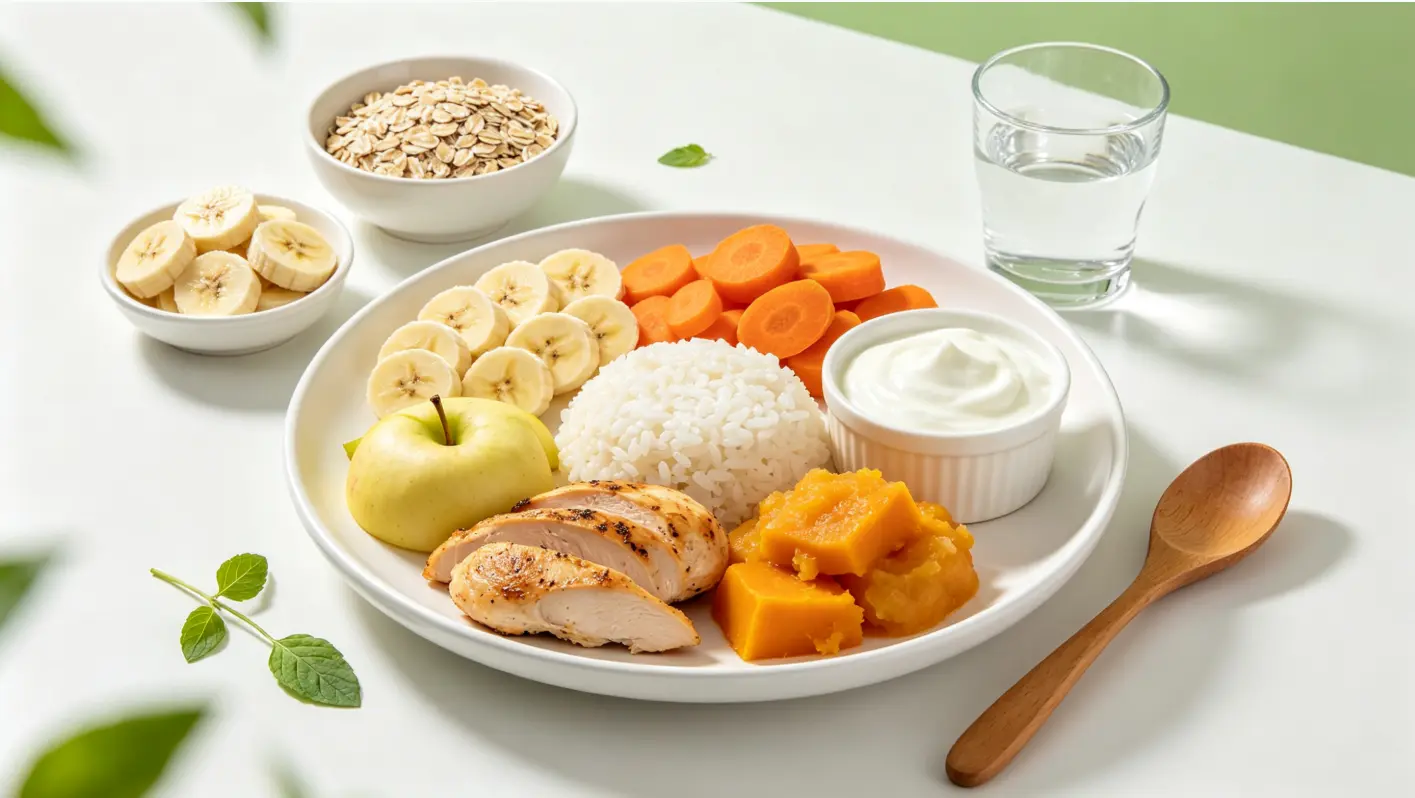
Your digestive system does much more than process the food you eat. A healthy gut helps your body absorb nutrients, supports your immune system, influences energy levels, and even plays a role in mood and overall wellness. Choosing easy to digest foods can reduce digestive discomfort while giving your body the nutrients it needs to function at its best.
Many people experience occasional bloating, gas, constipation, acid reflux, or stomach discomfort after meals. In many cases, simple dietary changes—such as eating more whole foods and choosing ingredients that are gentle on the digestive system—can make a noticeable difference. Building a natural gut through healthy eating doesn’t require an extreme diet. Instead, it starts with selecting nutrient-rich gastro food that supports beneficial gut bacteria and promotes smooth digestion.
A good diet for stomach health includes lean proteins, fiber-rich fruits and vegetables, fermented foods, and whole grains that your body can process comfortably. At the same time, limiting highly processed foods and staying hydrated helps your digestive system work more efficiently.
Whether you’re recovering from an upset stomach or simply looking for food easy to digest, choosing foods easy on digestion can help reduce discomfort while supporting long-term gut health. The best choices include foods that are naturally soft, nutrient-dense, and food that’s light on the stomach without sacrificing nutrition.
In this guide, you’ll learn which foods are easiest to digest, how they benefit your gut microbiome, and practical ways to improve digestion every day with simple, evidence-based nutrition strategies.
Not every healthy food is easy for every person to digest. Factors such as age, digestive conditions, food intolerances, and cooking methods all influence how your body processes food. Fortunately, many easy to digest foods provide essential nutrients while being gentle on the digestive tract.
If you’ve ever wondered what food is the easiest to digest, the answer depends on your individual needs. However, soft fruits, cooked grains, fermented dairy products, and lean proteins are generally among the easiest foods to digest.
When choosing meals, prioritize what foods are easy to digest by selecting foods that are cooked, low in added fat, and minimally processed. These easy foods to digest help reduce digestive stress while still providing vitamins, minerals, and energy.
People frequently ask what are easy to digest foods or what foods are easiest to digest after illness or digestive discomfort. Foods like bananas, oatmeal, rice, yogurt, and toast are common recommendations because they are gentle on the stomach and easy for most people to tolerate.
In general, food that’s easy to digest contains moderate fiber, limited added fat, and simple ingredients. Many foods that are easy to digest also contain water and beneficial nutrients that support gut function.
Choosing foods that digest easily doesn’t mean sacrificing nutrition. In fact, many easily digested foods are rich in vitamins, antioxidants, and probiotics that promote a healthier digestive system.
If you’re looking for easily digestible foods, consider combining lean protein with cooked vegetables and whole grains that are gentle on the stomach. If you’re asking what food is easily digested, the following options are excellent places to start.
Certain fruits are naturally gentle on the digestive system while providing vitamins, minerals, hydration, and fiber.
Bananas
Bananas are one of the best easy to digest foods because they’re soft, rich in potassium, and contain soluble fiber that supports healthy bowel movements. They’re especially helpful after stomach illness or intense exercise.
Applesauce
Applesauce is easier to digest than raw apples because cooking breaks down some of the fiber. Unsweetened applesauce is a good option for people recovering from digestive upset.
Melons
Watermelon, cantaloupe, and honeydew have high water content and are generally well tolerated. They help maintain hydration while providing vitamins A and C.
Papaya
Papaya contains the natural enzyme papain, which helps break down proteins and may support smoother digestion for some people.
Grains provide carbohydrates for energy, but some varieties are easier to digest than others.
White Rice
White rice is low in fiber and very easy for most people to digest, making it a common recommendation during digestive recovery.
Oatmeal
Cooked oatmeal provides soluble fiber that supports gut bacteria and promotes regular digestion while remaining gentle on the stomach.
Toast
Plain whole-grain or lightly toasted bread can be easier to tolerate than rich pastries or fried foods, especially when paired with lean protein.
Not everyone tolerates dairy equally well, but fermented and lactose-free options can be beneficial.
Greek Yogurt
Greek yogurt contains probiotics that help support a balanced gut microbiome while providing high-quality protein and calcium.
Kefir
Kefir is a fermented dairy drink rich in beneficial bacteria that may improve digestive health and support a diverse gut microbiome.
Lactose-Free Milk
For people with lactose intolerance, lactose-free milk offers the same essential nutrients as regular milk without causing digestive discomfort, making it an excellent alternative for maintaining a healthy diet.
Choosing foods that are easy on your stomach can reduce bloating, nausea, and digestive discomfort while ensuring your body still gets the nutrients it needs. The best meals are simple, lightly cooked, and low in excessive fat or spicy ingredients. These options are often considered food that’s light on the stomach and are suitable for people recovering from illness or managing sensitive digestion.
A balanced meal plan built around easy on stomach food can also support a healthier gut microbiome over time. Pairing lean proteins with cooked vegetables, whole grains, and fermented foods creates foods easy on digestion that nourish your body without overloading your digestive system. A good diet for stomach health focuses on whole, minimally processed ingredients rather than highly processed convenience foods. Including nutrient-rich gastro food regularly can improve digestion and overall wellness.
Start the day with meals that are filling yet gentle on digestion, such as oatmeal with bananas, Greek yogurt with berries, scrambled eggs with whole-grain toast, or a fruit smoothie made with lactose-free milk. These breakfasts provide fiber, protein, and essential nutrients without being heavy.
Lunch should include lean protein and easily digestible carbohydrates. Grilled chicken with white or brown rice, turkey wraps, vegetable soup, or quinoa with steamed vegetables are excellent options that support steady energy and comfortable digestion.
Dinner should be satisfying but not overly rich. Baked fish with steamed vegetables, grilled chicken with sweet potatoes, rice with roasted vegetables, or turkey meatballs with cooked zucchini are balanced meals that are gentle on the stomach.
Healthy snacks include Greek yogurt, bananas, applesauce, rice cakes with nut butter, cottage cheese, kefir, or a handful of unsalted nuts. These foods help stabilize hunger while supporting digestive health throughout the day.
Protein is essential for muscle repair, immune function, and overall health, but some protein sources are easier on the digestive system than others. If you’re looking for easy to digest meats, choose lean, minimally processed options prepared by baking, grilling, steaming, or poaching instead of frying.
Many people wonder what foods digest quickly or which are foods that digest the fastest. While digestion speed varies from person to person, lean proteins are generally easier to process than heavily processed or fatty meats.
Skinless chicken breast is one of the easiest proteins to digest. It provides high-quality protein with very little saturated fat, making it ideal for sensitive stomachs and recovery meals.
Turkey breast is another lean source of protein that supports muscle maintenance while remaining gentle on digestion. It’s also rich in B vitamins, selenium, and zinc.
Fish such as cod, tilapia, haddock, and pollock are naturally low in fat and cook quickly, making them easy to digest. They also provide high-quality protein along with important minerals.
Eggs are highly digestible for most people and contain complete protein with all nine essential amino acids. Boiled, poached, or scrambled eggs are often easier to tolerate than fried versions.
Soft tofu, lentils, beans, edamame, and well-cooked chickpeas provide protein and fiber that support gut health. If you’re increasing fiber intake, do so gradually to allow your digestive system time to adjust.
Vegetables are packed with vitamins, minerals, antioxidants, and fiber that help keep your digestive system functioning properly. While some vegetables can cause gas when eaten raw, cooking them often makes them easier to digest.
If you’re looking for easy to digest veggies, start with cooked vegetables that are soft and lower in insoluble fiber.
Steamed carrots, zucchini, spinach, pumpkin, squash, green beans, and peeled potatoes are excellent choices. Cooking breaks down plant cell walls, making nutrients easier to absorb while reducing digestive discomfort.
Soluble fiber absorbs water and forms a gel-like substance that supports healthy bowel movements and feeds beneficial gut bacteria. Oats, sweet potatoes, carrots, peas, apples, and barley are excellent examples.
Insoluble fiber adds bulk to stool and helps food move through the digestive tract. Whole grains, leafy greens, broccoli, cauliflower, and cabbage are nutritious choices but may cause bloating for some people if eaten in large amounts.
Many people search for foods to bulk up your stool when managing irregular bowel movements. Fiber-rich fruits, vegetables, legumes, and whole grains can help improve stool consistency when paired with adequate water intake.
Likewise, high fiber foods to cleanse colon don’t literally “cleanse” the colon, but eating enough dietary fiber supports healthy bowel function and regular elimination naturally.
During episodes of diarrhea, stomach illness, or digestive flare-ups, it may help to temporarily reduce raw vegetables, onions, garlic, cabbage, broccoli, cauliflower, and spicy peppers until symptoms improve. Reintroduce them gradually as your digestion returns to normal.
Healthy digestion depends on several lifestyle factors, not just specific foods. If you’re wondering what speeds up digestion, the answer includes hydration, fiber, physical activity, and maintaining a healthy gut microbiome.
Many people ask how can you speed up digestion or how to digest quickly after a heavy meal. While you can’t dramatically accelerate digestion, healthy habits can support your body’s natural digestive process.
Water helps soften stool, supports nutrient absorption, and keeps food moving through the digestive tract. Drinking enough fluids every day is one of the simplest ways to maintain healthy digestion.
Dietary fiber promotes regular bowel movements and supports beneficial gut bacteria. Increasing fiber gradually while drinking enough water helps prevent bloating and constipation.
A light 10–20 minute walk after eating can stimulate digestion, improve blood sugar control, and reduce feelings of fullness. Gentle movement is often more beneficial than lying down immediately after meals.
Ginger has long been used to ease nausea and support digestion. Fresh ginger tea, grated ginger in meals, or small amounts of ginger added to smoothies may help reduce stomach discomfort for some people.
Fermented foods such as yogurt, kefir, kimchi, sauerkraut, and miso provide beneficial bacteria that help maintain a healthy gut microbiome. Regular consumption may improve digestive balance over time.
If you’re wondering what foods digest quickly, foods such as ripe bananas, white rice, cooked potatoes, oatmeal, yogurt, and lean fish are generally well tolerated. Likewise, foods that digest the fastest are usually lower in fat and easier for your digestive system to process than large, high-fat meals.
The beverages you drink can play an important role in supporting healthy digestion. Staying hydrated helps food move through your digestive system, while certain herbal drinks may help ease bloating, nausea, or mild stomach discomfort. Although no drink is a cure-all, some options have been traditionally used as a digestive aid tea to promote digestive comfort.
Many people also enjoy detox drinks tea, but it’s important to remember that your liver and kidneys naturally detoxify your body. Herbal teas can support hydration and digestion, but they don’t “cleanse” toxins from your body.
Ginger tea is one of the best natural drinks for digestion. Ginger may help reduce nausea, support stomach emptying, and ease mild bloating. Drinking a warm cup after meals can be soothing for many people.
Peppermint tea may relax the muscles of the digestive tract, helping relieve gas and occasional indigestion. However, people with frequent acid reflux may find peppermint worsens their symptoms.
Chamomile tea is known for its calming properties. It may help reduce digestive discomfort while also promoting relaxation, which can indirectly support healthy digestion.
Starting your day with a glass of lemon water can help you stay hydrated. While lemon water isn’t a miracle digestive remedy, adequate hydration supports regular bowel movements and overall digestive health.
A healthy digestive system depends on a balanced community of beneficial bacteria known as the gut microbiome. Supporting your natural gut through nutritious foods and healthy lifestyle habits can improve digestion, strengthen immunity, and promote overall wellness.
Probiotics are live microorganisms that help maintain a healthy balance of gut bacteria. They may improve digestion, support immune function, reduce antibiotic-associated diarrhea, and help some people with irritable bowel syndrome (IBS). Probiotics work best when combined with a diet rich in fiber, fruits, vegetables, and whole grains.
Some of the best natural probiotic foods include:
These foods provide beneficial bacteria that help maintain a healthy gut microbiome.
Many people ask, can probiotics cause acid reflux? For most healthy individuals, probiotics do not directly cause acid reflux. However, some people may experience temporary gas or bloating when first starting probiotic supplements. Choosing a lower dose initially and increasing gradually may help reduce mild digestive side effects.
Another common question is, can water cause heartburn? Plain water does not typically cause heartburn. However, drinking very large amounts during meals may temporarily increase stomach fullness, which can worsen reflux symptoms in some individuals. Sipping water throughout the day is generally the best approach for hydration and digestive health.
Colon cleansing has become a popular wellness trend, but many claims surrounding it are not supported by strong scientific evidence. In most healthy people, the digestive system naturally removes waste without the need for commercial cleansing products.
Instead of relying on detox programs, eating high fiber foods to cleanse colon naturally supports regular bowel movements and healthy digestive function. Foods such as fruits, vegetables, legumes, oats, and whole grains help maintain colon health without extreme interventions.
Medical colon cleansing is sometimes necessary before procedures like a colonoscopy, but routine colon cleanses for general health or weight loss are not recommended for most people. Many products marketed as cleanses provide temporary water loss rather than lasting health benefits.
People often ask, how much is a colon cleanse? The cost varies widely depending on whether it’s a medical procedure or a commercial wellness service. If you’re considering a colon cleanse for medical reasons, consult your healthcare provider.
If you’ve recently undergone a medically supervised bowel preparation, after a colon cleanse what to eat should focus on gentle, nourishing foods.
Recommended choices include:
These are also excellent options if you’re wondering what to eat after colon cleanse, as they are easy to digest while helping restore normal digestion.
After bowel preparation or digestive illness, it’s best to temporarily avoid:
Gradually return to your normal eating pattern as your digestive system recovers.
Many people are interested in colon cleanse weight loss results, but any rapid weight loss after a cleanse is usually due to temporary water loss and the removal of intestinal contents—not body fat. Lasting weight loss comes from sustainable eating habits, regular physical activity, and a balanced lifestyle.
While many foods support healthy digestion, others may slow stomach emptying or contribute to bloating, constipation, or digestive discomfort when consumed in excess.
Fried foods are high in fat, which naturally slows digestion. Large portions may leave you feeling overly full and can worsen symptoms of acid reflux or indigestion.
Highly processed snacks, fast food, sugary cereals, and packaged desserts often contain little fiber while providing excess sodium, sugar, and unhealthy fats. Regularly eating these foods may contribute to constipation and poor gut health.
Diets high in added sugars can disrupt the balance of healthy gut bacteria and may increase digestive discomfort in some people. Choosing whole fruits instead of sugary beverages or desserts is generally a healthier option.
People often ask, will chocolate constipate you? Chocolate itself doesn’t usually cause constipation, but large amounts of chocolate products that are high in sugar and fat may contribute to digestive issues in some individuals, especially when overall fiber intake is low.
Another common concern is tea constipation cause. Most herbal teas do not cause constipation, and adequate fluid intake generally supports healthy bowel function. However, excessive caffeine from strong black tea may affect digestion differently depending on individual tolerance.
Finally, many people wonder can water cause heartburn. Plain water is not a typical cause of heartburn. Drinking moderate amounts throughout the day supports digestion, while avoiding overly large drinks during meals may help people who experience frequent acid reflux.
A lean gut refers to a healthy digestive system with a balanced gut microbiome that supports efficient digestion, nutrient absorption, and overall metabolic health. While the term is popular online, there isn’t a formal medical definition of what is a lean gut. Instead, it generally describes a gut environment rich in beneficial bacteria that helps maintain overall wellness.
If you’ve wondered what is lean gut, think of it as a digestive system that functions efficiently while supporting healthy weight management, strong immunity, and reduced digestive discomfort.
The lean gut concept focuses on improving gut health through nutritious foods, regular exercise, adequate sleep, stress management, and hydration. Rather than relying on supplements alone, long-term digestive health comes from consistent healthy habits.
Your gut microbiome contains trillions of bacteria that help digest food, produce vitamins, strengthen immunity, and communicate with other parts of the body. Eating fiber-rich fruits, vegetables, legumes, fermented foods, and whole grains helps beneficial bacteria thrive.
Healthy daily habits include:
Together, these habits create an environment that supports long-term digestive health.
The internet is filled with digestive advice, but not all of it is supported by scientific evidence. While websites such as digestiveaz.com and many wellness blogs provide helpful information, it’s always important to verify health advice using reliable medical sources.
Myth: Detox teas cleanse your digestive system.
Fact: Your liver and kidneys naturally remove waste products. Most detox teas primarily increase fluid loss rather than removing toxins.
Myth: Everyone needs regular colon cleanses.
Fact: Healthy digestive systems naturally eliminate waste without routine cleansing products.
Myth: Cutting out entire food groups automatically improves gut health.
Fact: Unless you have a diagnosed allergy or intolerance, unnecessarily restricting foods may reduce dietary variety and beneficial nutrient intake.
Some products advertised as food supreme or promising dramatic digestive improvements often make claims that aren’t backed by strong scientific evidence. Always evaluate health products carefully before purchasing.
Research consistently shows that healthy digestion is supported by:
Rather than searching for a single food clear solution, building healthy habits over time provides the greatest long-term benefit.
Some digestive questions become popular because people are curious, encounter unusual internet content, or experience concerning symptoms.
One example is the pig digestive system, which is commonly studied because it shares many similarities with the human digestive tract and is frequently used in biology and medical education.
Another unusual search phrase is i eat poop. This may reflect curiosity, accidental exposure, or a serious mental or medical concern. Intentionally consuming feces can expose a person to harmful bacteria, viruses, and parasites that may cause severe illness.
If someone has intentionally eaten feces, experiences severe abdominal pain, persistent vomiting, fever, bloody diarrhea, or signs of dehydration afterward, they should seek prompt medical evaluation. Anyone repeatedly engaging in this behavior should also speak with a healthcare professional to identify possible underlying medical or mental health conditions.
A balanced meal plan rich in fiber, lean protein, healthy fats, and fermented foods helps nourish beneficial gut bacteria while supporting healthy digestion.
| Day | Breakfast | Lunch | Dinner | Snack |
| Monday | Oatmeal with blueberries | Grilled chicken salad | Baked salmon with brown rice | Greek yogurt |
| Tuesday | Greek yogurt with berries | Turkey wrap with vegetables | Stir-fried tofu and vegetables | Apple with almond butter |
| Wednesday | Scrambled eggs with whole-grain toast | Lentil soup | Grilled cod with quinoa | Kefir |
| Thursday | Overnight oats | Quinoa salad with chickpeas | Chicken with roasted sweet potatoes | Banana |
| Friday | Smoothie with spinach and yogurt | Tuna salad | Turkey meatballs with brown rice | Mixed berries |
| Saturday | Vegetable omelet | Grilled chicken bowl | Shrimp with roasted vegetables | Cottage cheese |
| Sunday | Whole-grain toast with avocado and eggs | Vegetable soup | Baked fish with steamed vegetables | Walnuts and fruit |
This weekly plan emphasizes fiber, probiotics, lean protein, and colorful produce while limiting highly processed foods that may negatively affect gut health.
While supplements aren’t necessary for everyone, they can complement a healthy diet when chosen carefully. Always discuss supplements with your healthcare provider if you have chronic digestive conditions or take prescription medications.
Look for products containing well-studied bacterial strains and an appropriate CFU (colony-forming unit) count. Multi-strain formulas with clear labeling are often preferred.
Prebiotic fibers such as inulin and partially hydrolyzed guar gum help feed beneficial gut bacteria and may improve regular bowel movements when introduced gradually.
Digestive enzyme supplements may benefit people with specific digestive disorders or enzyme deficiencies but aren’t necessary for everyone.
L-glutamine is an amino acid involved in maintaining the intestinal lining. Research is ongoing, and supplementation may be appropriate for certain individuals under professional guidance.
Magnesium supports many body functions, including muscle and nerve activity. Certain forms, such as magnesium citrate, may also help relieve occasional constipation, although they should be used appropriately.
When comparing gut health supplements, consider the following:
The best supplement is one that complements a balanced diet, healthy lifestyle, and your individual digestive needs rather than replacing nutritious food choices.
Some foods can slow digestion or trigger bloating, heartburn, and stomach discomfort, especially if you have a sensitive digestive system. Limiting these foods doesn’t mean you must avoid them forever, but eating them in moderation can support a healthier gut.
Packaged snacks, fast food, processed meats, and sugary cereals are often low in fiber and high in unhealthy fats, sodium, and additives. These foods may disrupt the balance of healthy gut bacteria and contribute to digestive discomfort.
Alcohol can irritate the stomach lining, increase acid production, and interfere with nutrient absorption. Excessive drinking may also affect the balance of beneficial bacteria in your digestive tract.
Sodas and sparkling beverages introduce extra gas into your digestive system, which may lead to bloating, burping, and abdominal discomfort. Sugary soft drinks can also contribute unnecessary calories with little nutritional value.
Sugar substitutes such as sorbitol, xylitol, and mannitol may cause gas, bloating, and diarrhea in some people when consumed in large amounts. Reading ingredient labels can help you identify these sweeteners.
Coffee, energy drinks, and highly caffeinated beverages may stimulate the digestive tract and increase acid production. For some people, this can worsen heartburn or cause loose stools.
Large portions of fried foods, creamy sauces, and fatty cuts of meat take longer to digest. Choosing grilled, baked, or steamed meals instead can help support smoother digestion and reduce stomach discomfort.
Healthy digestion doesn’t require expensive products. Simple daily habits can significantly improve your gut microbiome and overall digestive health.
Chewing food thoroughly makes digestion easier and allows your body to recognize fullness, reducing overeating.
Water supports digestion by helping move food through your digestive tract and preventing constipation. Aim to drink fluids consistently throughout the day.
Regular physical activity stimulates normal bowel function and supports a healthy gut microbiome. Even a 20–30 minute walk can make a difference.
Getting 7–9 hours of quality sleep each night helps regulate digestion, hormone balance, and the bacteria living in your gut.
Chronic stress can negatively affect digestion. Deep breathing, meditation, yoga, and spending time outdoors may help reduce stress levels.
Foods like Greek yogurt, kefir, kimchi, sauerkraut, and fermented vegetables naturally contain beneficial bacteria that support gut health.
Adding fruits, vegetables, legumes, and whole grains slowly gives your digestive system time to adjust while helping beneficial bacteria flourish. Pair higher fiber intake with adequate water for the best results.
Foods like bananas, white rice, oatmeal, applesauce, plain toast, and cooked potatoes are among the easiest foods to digest because they’re gentle on the stomach.
Easy-to-digest foods include cooked vegetables, lean chicken, white fish, eggs, Greek yogurt, oatmeal, rice, melons, and bananas.
Drink enough water, eat fiber-rich foods, stay physically active, chew your food thoroughly, and take a short walk after meals to encourage healthy digestion.
Most people tolerate probiotics well, but some may experience temporary bloating or mild digestive discomfort. Current evidence doesn’t show that probiotics commonly cause acid reflux, though individual responses can vary.
Plain water usually doesn’t cause heartburn. In some people, drinking large amounts quickly or during meals may temporarily increase stomach fullness, but water generally helps support healthy digestion.
Choose gentle, nutrient-rich foods such as yogurt, oatmeal, bananas, cooked vegetables, lean protein, rice, and plenty of water while gradually returning to your normal diet.
Most detox teas don’t remove toxins from the body. Your liver and kidneys naturally perform detoxification, while a healthy diet and hydration are far more effective for long-term digestive health.
Chocolate doesn’t cause constipation for everyone, but large amounts—especially milk chocolate high in sugar and fat—may contribute to digestive issues in some individuals.
A lean gut refers to a healthy digestive system with a balanced gut microbiome that supports efficient digestion, nutrient absorption, immune function, and overall wellness.
Yes. Many people with IBS benefit from easy to digest foods, especially during symptom flare-ups. However, trigger foods vary from person to person, so it’s best to work with a healthcare professional to create an individualized eating plan.