Physical Address
304 North Cardinal St.
Dorchester Center, MA 02124
Physical Address
304 North Cardinal St.
Dorchester Center, MA 02124

A sport lifestyle and recreation are important parts of a healthy and active way of living. Sports generally involve structured physical activity, skill development, rules, and sometimes competition, while recreation includes activities people choose for enjoyment, relaxation, social interaction, or personal development.
Regular participation in sports and recreational activities can support cardiovascular health, muscular strength, flexibility, mobility, balance, coordination, and physical fitness. An active lifestyle may also contribute to mental well-being by helping manage stress and encouraging positive social connections.
Whether you enjoy football, swimming, cycling, walking, badminton, hiking, or simply spending time outdoors, sport and recreation can make physical activity more enjoyable and sustainable.
Sport is a form of physical activity that usually involves specific skills, rules, training, and organized or informal competition. Examples include football, cricket, basketball, tennis, swimming, and athletics.
Recreation refers to activities people participate in during their free time for enjoyment, relaxation, entertainment, social interaction, or personal development. Recreational activities can be physical, social, creative, intellectual, cultural, or passive.
The main difference is that sports often have a stronger focus on physical performance, skills, rules, and competition, whereas recreation focuses more broadly on enjoyment and leisure. However, the two can overlap. For example, recreational cycling can also become a competitive sport.
Recreation can be defined as an activity performed during free time to provide enjoyment, relaxation, refreshment, or personal satisfaction.
Recreational activities can help people take a break from work, education, and other daily responsibilities. Physical recreation can also increase energy expenditure, improve cardiovascular fitness, support healthy body composition, and reduce sedentary behavior.
Recreation is not limited to exercise. Reading, gardening, painting, playing games, hiking, dancing, and participating in community activities can all be recreational activities.
Physical recreation involves body movement and exercise. Walking, running, cycling, swimming, dancing, and recreational sports can improve physical fitness, cardiovascular endurance, muscular strength, coordination, and mobility.
Social recreation involves spending leisure time with other people. Group sports, recreational clubs, community events, and group games can encourage social interaction and strengthen relationships.
Outdoor recreation takes place in natural or open environments. Hiking, camping, cycling, fishing, swimming, walking, and nature activities are common examples.
Outdoor physical activity can provide opportunities for exercise while allowing people to enjoy fresh air and natural surroundings.
Cultural recreation includes activities connected with art, traditions, history, music, museums, festivals, and cultural events. These activities can encourage learning and social participation.
Creative recreation involves activities such as painting, drawing, photography, writing, crafts, music, and other forms of creative expression.
Intellectual recreation stimulates the mind. Reading, puzzles, chess, educational games, learning new skills, and solving problems are examples.
Passive recreation requires relatively little physical effort. Watching movies, listening to music, relaxing, and observing sporting events are examples.
Although passive recreation can support relaxation, balancing it with regular physical activity is important for maintaining an active lifestyle.
Sports and recreation include a wide variety of activities.
Team sports include football, basketball, cricket, volleyball, hockey, and baseball.
Individual sports include tennis, swimming, running, cycling, gymnastics, and athletics.
Outdoor recreational activities include hiking, walking, camping, fishing, cycling, and nature exploration.
Indoor recreational activities include badminton, table tennis, indoor swimming, dancing, and fitness training.
Fitness and leisure activities can include yoga, Pilates, strength training, stretching, walking, and recreational dancing.
Choosing activities that match your interests, fitness level, age, and physical abilities can make regular participation easier.
Regular physical recreation can support cardiovascular health, muscular endurance, bone health, joint mobility, balance, and coordination.
Activities such as walking, cycling, swimming, and sports can increase physical activity levels and help reduce sedentary behavior. Regular exercise is also associated with better physical conditioning and functional fitness.
Physical activity and enjoyable leisure activities can contribute to psychological well-being. Exercise may help improve mood, energy levels, self-confidence, and overall quality of life.
Recreation also provides opportunities to take breaks from daily responsibilities and engage in enjoyable activities.
Physical activity can be an effective part of a healthy stress-management routine. Walking, swimming, yoga, cycling, and recreational sports can provide a productive way to relax and release physical and mental tension.
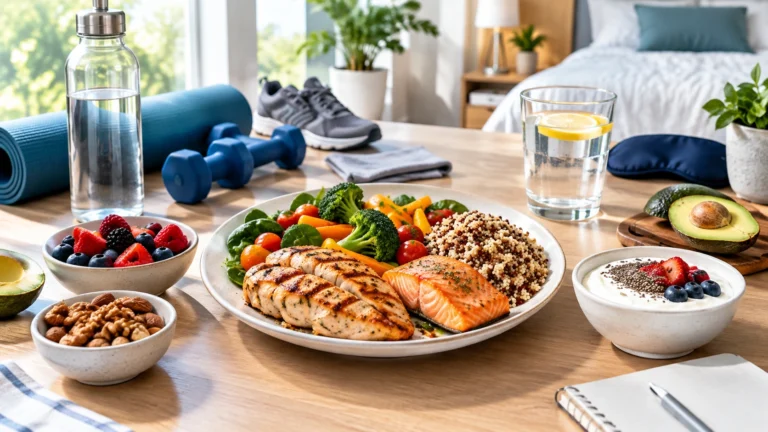
Adequate sleep, healthy nutrition, hydration, and regular exercise can work together to support overall wellness.
Team sports and group recreation encourage communication, cooperation, teamwork, and social interaction. These activities can help people develop friendships and stronger community connections.
Recreation can make physical activity enjoyable rather than feeling like a daily obligation. When people find activities they genuinely enjoy, they may be more likely to maintain an active lifestyle over time.
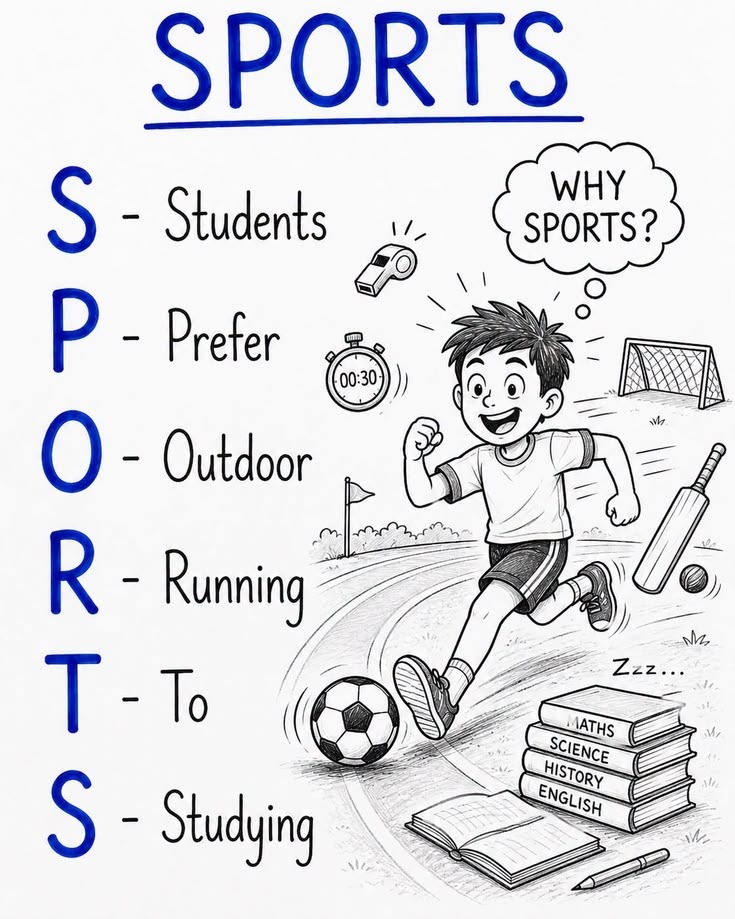
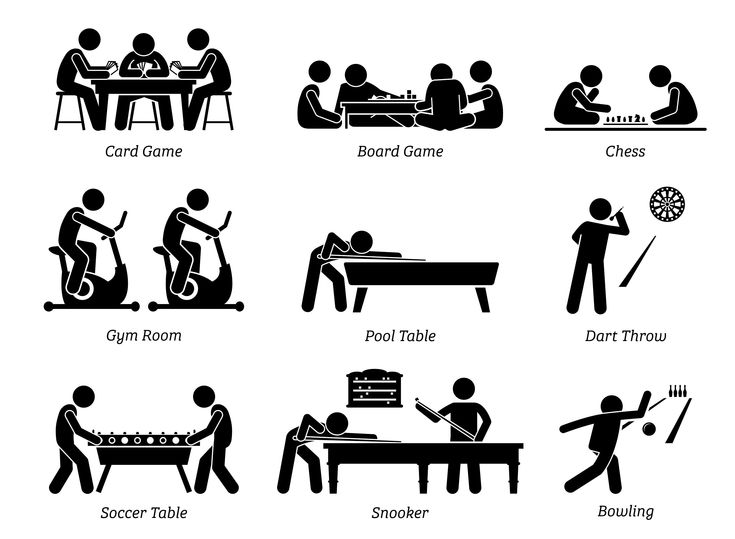
Students can benefit from recreational games that combine physical activity, coordination, teamwork, and enjoyment. Ten examples include:
Active recreation refers to leisure activities that involve meaningful physical movement. Walking, hiking, cycling, swimming, dancing, recreational sports, and outdoor games are common examples.
Active recreation differs from passive recreation because it requires greater physical participation and energy expenditure.
Including active recreation in everyday life can support cardiovascular fitness, muscular health, mobility, balance, and healthy body composition. It can also be a practical way to increase daily physical activity without relying entirely on formal gym workouts.
A recreational athlete is someone who participates in sports or physical activities primarily for enjoyment, fitness, health, social interaction, or personal goals rather than professional competition.
For example, someone who plays football with friends every weekend, cycles for fitness, swims regularly, or participates in local running events may be considered a recreational athlete.
Professional athletes usually follow highly structured training programs designed around competitive performance. Recreational athletes generally have greater flexibility and can adjust their training according to their lifestyle and personal goals.
Recreation theory examines why people participate in leisure and recreational activities and how those activities can influence individuals and communities.
People may participate in recreation for enjoyment, relaxation, physical fitness, social interaction, personal development, creativity, or stress management.
Recreation can contribute to physical health, psychological well-being, social development, confidence, teamwork, and quality of life. The specific benefits depend on the type, frequency, intensity, and context of the activity.
The word “recreational” generally describes something done for enjoyment, leisure, relaxation, or personal satisfaction rather than primarily for professional or commercial purposes.
For example, recreational swimming means swimming for leisure, health, or enjoyment. Recreational cycling may involve riding a bicycle for fitness or pleasure rather than professional racing.
Recreational activities can still provide significant health and fitness benefits even when they are not competitive.
Depending on the context, common alternatives to “recreation” include:
These words are related but are not always exact synonyms. “Leisure” often refers to free time, while “pastime” describes an activity performed for enjoyment. “Entertainment” generally emphasizes enjoyment or amusement.
A common abbreviation for recreation is “rec.” It is frequently used in informal writing, facility names, community programs, and expressions such as “rec center,” short for “recreation center.”
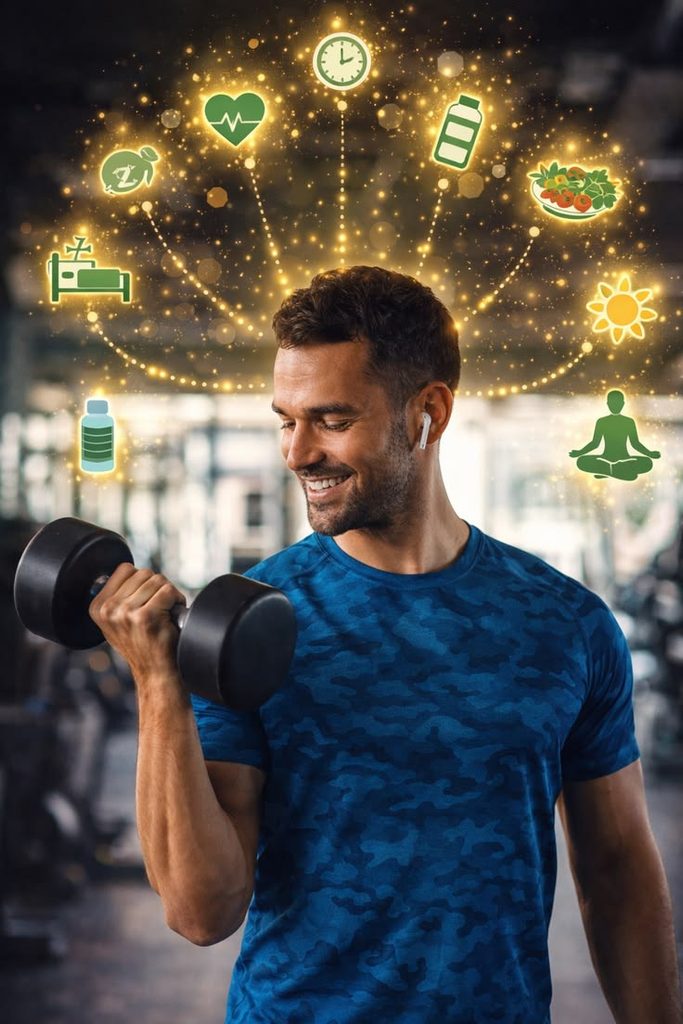
Select sports and recreational activities that you genuinely like. Enjoyment can make it easier to maintain regular physical activity.
Set aside specific periods for exercise, sports, walking, or other recreational activities. Consistency is generally more important than occasional intense workouts.
Recovery is an essential part of physical health. Include rest days, adequate sleep, hydration, balanced nutrition, and appropriate recovery between demanding activities.
Set achievable goals related to cardiovascular endurance, muscular strength, flexibility, mobility, body composition, or general health. Gradually increasing activity can help reduce unnecessary physical stress.
Children and students can benefit from recreational games, sports, cycling, swimming, running, and outdoor play. These activities can support motor skills, coordination, physical fitness, teamwork, and healthy development.
Adults can combine recreational sports with walking, strength training, cycling, swimming, yoga, or other forms of exercise. Regular physical activity can help support cardiovascular health, muscular function, mobility, and stress management.
Older adults may benefit from low-impact activities such as walking, swimming, gentle cycling, balance exercises, mobility training, and appropriate strength exercises. Activities should be selected according to individual fitness levels, mobility, health conditions, and professional guidance when necessary.
Sport lifestyle and recreation can play an important role in maintaining physical fitness, mental well-being, social health, and an active lifestyle. Sports provide opportunities for skill development, exercise, teamwork, and competition, while recreation offers broader opportunities for enjoyment, relaxation, creativity, and personal development.
The most sustainable approach is to choose activities you enjoy, establish a regular schedule, maintain adequate nutrition and hydration, prioritize sleep and recovery, and set realistic fitness goals. Whether you participate in team sports, individual exercise, outdoor recreation, or simple daily physical activity, making movement part of everyday life can support long-term health and wellness.