Physical Address
304 North Cardinal St.
Dorchester Center, MA 02124
Physical Address
304 North Cardinal St.
Dorchester Center, MA 02124

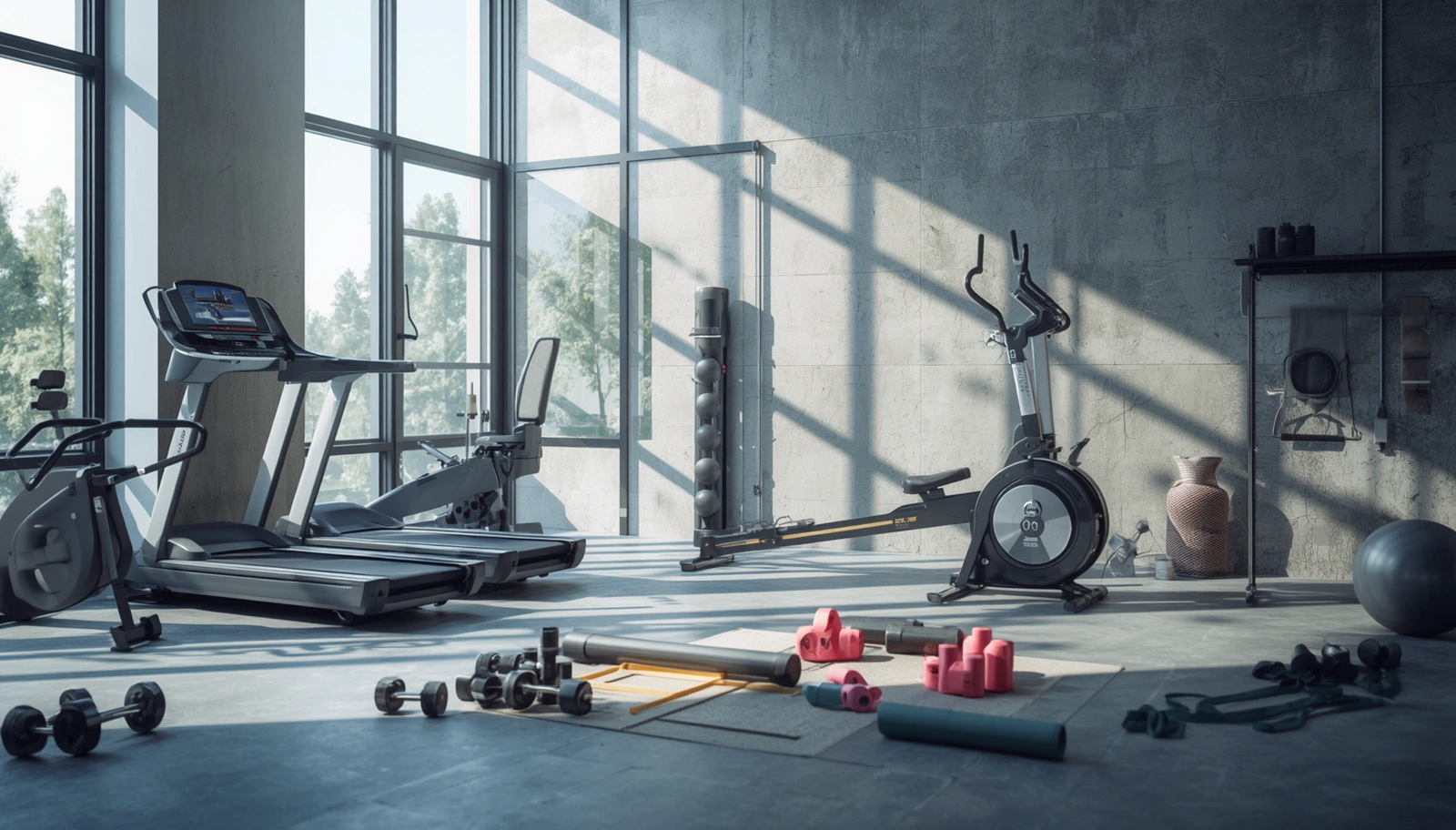
Losing weight is rarely about finding one magical exercise. The most effective approach usually combines regular physical activity, a balanced diet, enough sleep, and habits you can maintain for months rather than days.
When people search for the best exercises for weight loss and fat burning, they often want to know which workout burns the most calories. That is certainly part of the equation, but there is more to successful fat loss than calorie burn. Losing scale weight, reducing body fat, and improving body composition are related but different goals.
For example, you may lose several pounds quickly because of changes in water weight without losing the same amount of body fat. On the other hand, someone who strength trains regularly may become leaner and fitter without seeing dramatic changes on the scale.
The good news is that you have plenty of options. Walking, running, cycling, swimming, strength training, bodyweight workouts, and high-intensity intervals can all play a role in a weight-loss plan.
The best exercises for weight loss are ultimately the ones that match your fitness level, preferences, schedule, and physical needs well enough that you can keep doing them consistently.
There is no single workout that works best for every person. Your current fitness level, body weight, exercise experience, injuries, available equipment, and personal preferences all matter.
A well-rounded fat-loss routine can include several types of exercise:
Combining different forms of exercise can make your routine more enjoyable and help prevent boredom.
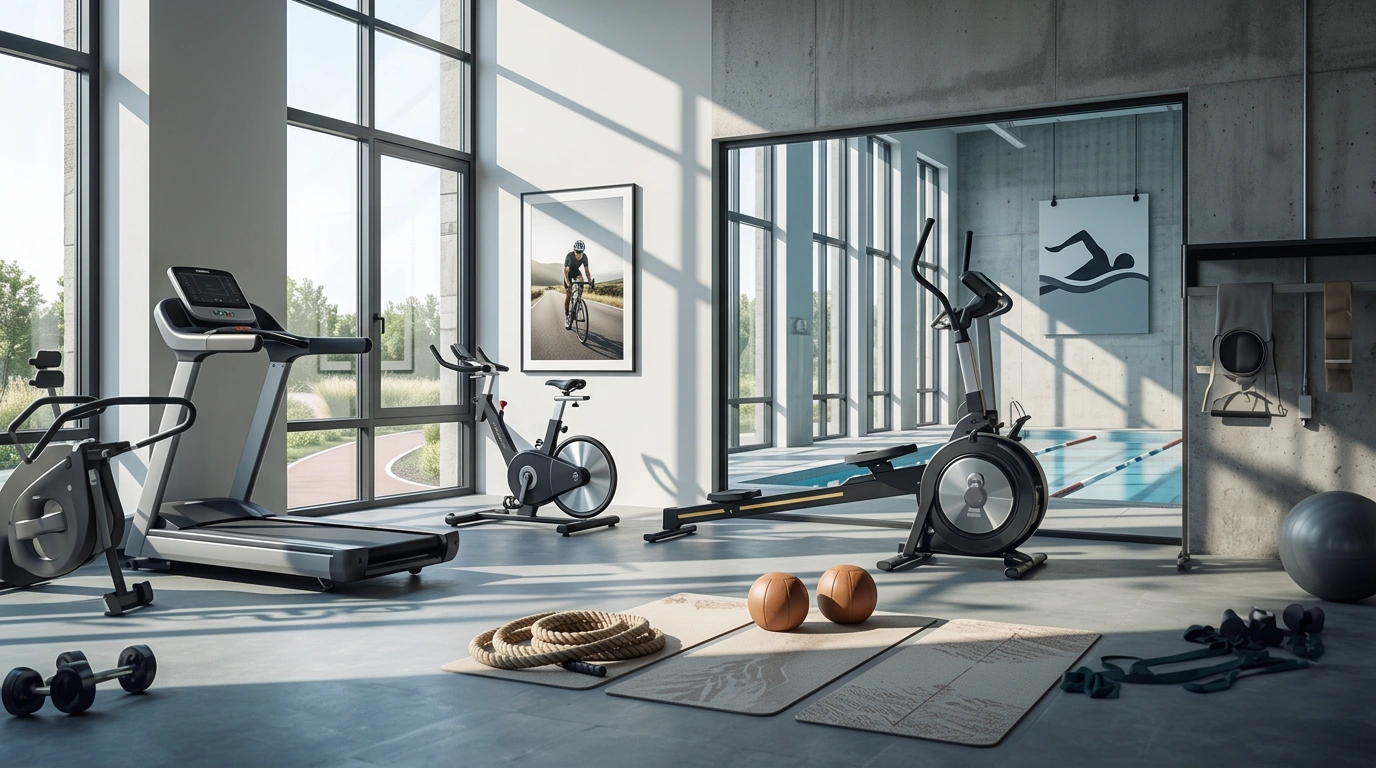
Cardiovascular exercise increases your heart rate and can help you expend more energy throughout the day. Depending on intensity and duration, activities such as running, cycling, rowing, and swimming can provide substantial calorie expenditure.
Some popular options include:
Walking: One of the easiest ways to increase daily activity. Brisk walking can be particularly useful for beginners or people returning to exercise.
Running: Running generally burns more calories per minute than walking, although it places more impact on the joints and may not be appropriate for everyone.
Cycling: Indoor or outdoor cycling can provide an effective cardiovascular workout while allowing you to control resistance and intensity.
Spinning: Spin classes can combine music, intervals, resistance changes, and group motivation to create a challenging cardio session.
Swimming: Swimming works multiple muscle groups and can be an excellent low-impact option.
Rowing: Rowing involves both the upper and lower body and can provide a demanding cardiovascular workout.
Elliptical workouts: The elliptical can provide a lower-impact alternative to running while still challenging the cardiovascular system.
So, will cardio make you lose weight? It can help, particularly when combined with an appropriate calorie intake. But doing more cardio does not automatically guarantee fat loss if calorie intake consistently exceeds your energy needs.
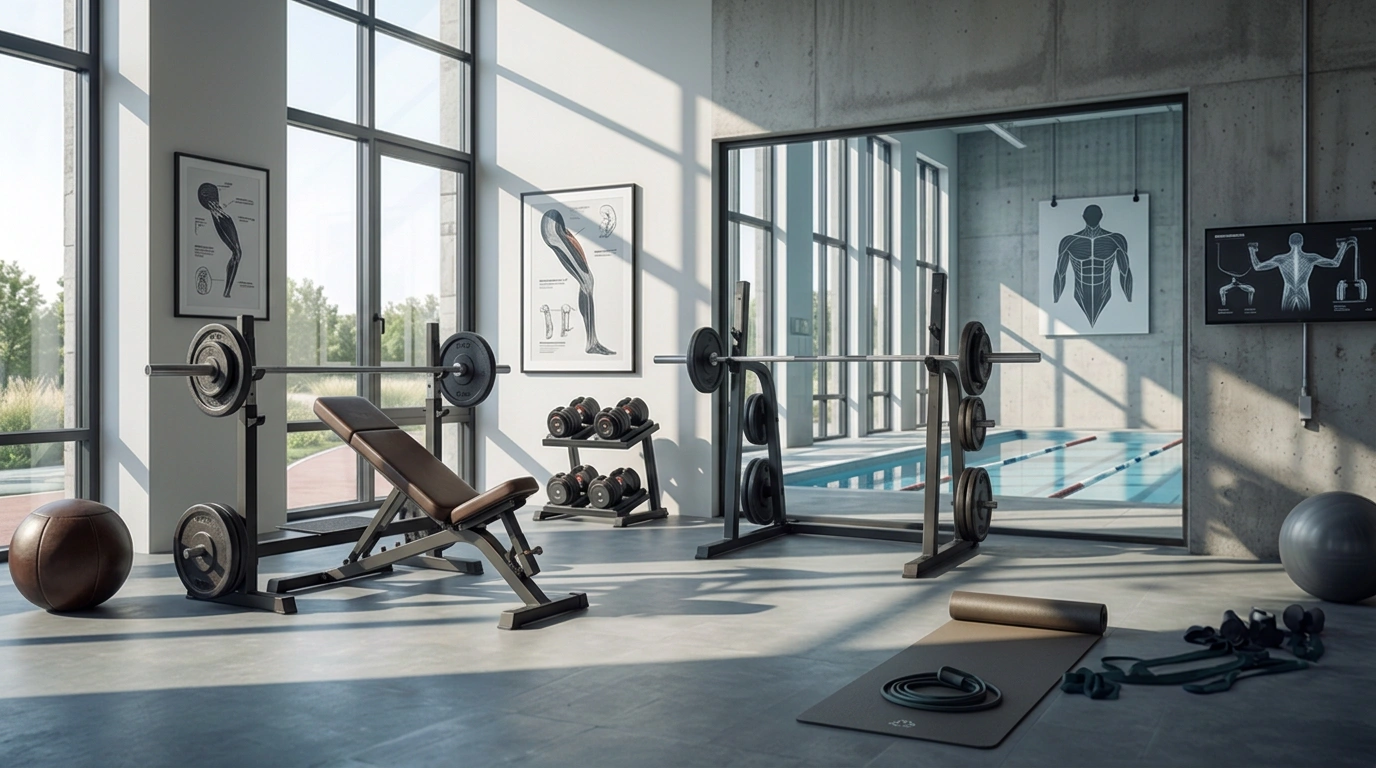
Strength training is sometimes overlooked when people focus exclusively on calorie-burning workouts. That’s a mistake.
Resistance training can help you maintain muscle while losing weight. This matters because losing weight isn’t simply about making the number on the scale smaller. Preserving lean muscle can help you improve your overall body composition.
Strength workouts can include:
So, will weights help me lose weight? Yes, strength training can support weight loss as part of a complete fitness and nutrition strategy.
You don’t necessarily need a large home gym, either. A pair of adjustable dumbbells, resistance bands, or a basic set of weights can provide plenty of exercise options.
High-intensity workouts include HIIT sessions, interval training, and circuit-style workouts. These sessions alternate periods of harder effort with lower-intensity recovery.
A simple example could be:
Repeat the circuit several times according to your fitness level.
High intensity workouts for weight loss can be time-efficient, but harder does not always mean better. Beginners should build fitness gradually rather than jumping immediately into extreme training.
Cardio can increase your energy expenditure, but the exact number of calories burned varies significantly from person to person. Body size, exercise intensity, workout duration, fitness level, and even how efficiently you move can influence calorie expenditure.
Running, cycling, rowing, swimming, stair climbing, and HIIT can all provide effective calorie-burning workouts.
Rather than asking only what cardio workout burns the most fat, consider asking which activity you can perform regularly without excessive fatigue or discomfort.
For example, someone who dislikes running may burn more total calories over a month by consistently cycling than by forcing themselves to run twice and quitting.
Walking deserves special attention here. It may not look as intense as sprinting, but a consistent walking routine can add meaningful physical activity to your week.
Can spinning help me lose weight? Yes. Indoor cycling can be an effective component of a weight-loss routine because it allows you to adjust resistance and workout intensity.
Spin classes often include:
Beginners can start with shorter sessions and moderate resistance. More experienced riders can gradually increase duration, resistance, or interval intensity.
For people who enjoy music and group motivation, a spinning class can also make exercise feel less like a chore.
If you prefer exercising at home, an exercise bike can be a practical weight loss tool.
Start with manageable sessions and gradually increase your activity. For example, you might begin with 20–30 minutes several days per week.
As your fitness improves, you can experiment with:
If you search for how to lose weight with exercise cycle, remember that the bike itself doesn’t cause fat loss. Your overall activity, nutrition, recovery, and consistency determine the bigger picture.
Not everyone wants to run or perform jumping exercises. Low-impact workouts can be especially useful for beginners, older adults, people with certain joint limitations, or anyone who simply prefers a gentler form of exercise.
Some excellent options include:
Walking is one of the easiest places to start. You can increase your pace, walk longer distances, add hills, or simply increase your daily step count over time.
Cycling and swimming can also provide effective cardio without the repeated impact associated with running.
The best low impact workout for weight loss is the one you can perform safely and consistently while gradually challenging yourself.
You don’t need a gym membership to start exercising. Bodyweight training allows you to create a complete workout using little or no equipment.
A basic home routine could include:
You can perform these exercises individually or combine them into a circuit.
For example:
Bodyweight Fat-Loss Circuit
Perform each movement for 30–45 seconds, followed by 15–30 seconds of rest.
Rest for one to two minutes and repeat the circuit two to four times.
This type of bodyweight workout for weight loss can raise your heart rate while also challenging several muscle groups.
Bodyweight exercises don’t directly “melt” fat from specific areas. Instead, they help increase physical activity and can contribute to an overall calorie deficit.
A fat burning bodyweight workout can combine strength-focused movements with faster-paced exercises.
For example, you could alternate squats and push-ups with mountain climbers and high knees. Adjust the pace according to your fitness level.
If you don’t have access to a gym, you can still stay active.
Some exercises that burn calories at home include:
You can also use simple equipment such as resistance bands, dumbbells, a yoga mat, or an exercise bike.
The easiest way to burn calories at home isn’t necessarily to perform the hardest possible workout. It may simply be to create a routine that gets you moving regularly.
Compound exercises involve multiple joints and muscle groups at the same time. Because they require more coordination and muscle involvement than many isolation exercises, they can be an efficient way to structure a full-body workout.
Popular compound movements include:
These exercises can be performed with bodyweight, dumbbells, barbells, kettlebells, or other resistance equipment depending on your experience.
For example, a dumbbell squat-to-press combines lower-body and upper-body movement into one exercise.
Compound exercises for weight loss can fit into both gym and home routines. They can help you train several muscle groups in a limited amount of time.
However, exercise selection should match your ability. A beginner does not need to start with heavy deadlifts or complicated lifting variations.
You can begin with simpler movements such as bodyweight squats, assisted lunges, dumbbell rows, and incline push-ups.
A simple compound workout for fat loss could include:
Exercise 1: Goblet Squats
8–12 repetitions
Exercise 2: Dumbbell Rows
8–12 repetitions per side
Exercise 3: Reverse Lunges
8–10 repetitions per leg
Exercise 4: Push-ups
6–12 repetitions
Exercise 5: Dumbbell Shoulder Press
8–12 repetitions
Exercise 6: Dumbbell Romanian Deadlift
8–12 repetitions
Complete two to four rounds depending on your fitness level.
Focus on controlled technique rather than rushing through the exercises. As you become stronger, you can gradually increase resistance or repetitions.
If your goal is to lose body fat, strength training deserves a regular place in your workout schedule.
Cardio can help you burn calories, but resistance training provides a different benefit. It challenges your muscles and can help you maintain lean mass while you’re losing weight.
Will weights help me lose weight? They can.
Strength training supports weight loss by helping you maintain muscle, improve strength, and change your body composition. It can also make everyday activities easier as your fitness improves.
You don’t have to spend hours lifting weights. Two or three full-body strength sessions per week can be a practical starting point for many adults.
A beginner routine might include:
If you’re new to resistance training, start with manageable weights and learn proper technique before increasing the load.
Compound lifting for fat loss involves exercises that work multiple muscle groups simultaneously.
Instead of training your legs, chest, back, and shoulders separately every day, compound movements allow you to train several areas within a single session.
Exercises such as squats, deadlifts, rows, presses, and lunges can form the foundation of an efficient full-body program.
The goal isn’t to lift the heaviest weight possible. The goal is to use an appropriate resistance, maintain good technique, and progressively challenge your muscles over time.
The scale doesn’t tell the entire story.
Body composition refers to the proportions of fat, muscle, bone, and other tissues in your body. Two people can weigh the same amount but have very different body compositions.
A combination of resistance training and cardio is often useful for improving body composition.
You can include:
If your goal is a leaner-looking body, focus on sustainable training rather than trying to eliminate every calorie possible.
Regular strength training can help you become stronger while maintaining muscle. Cardio and daily movement can increase overall activity.
There is no specific exercise that instantly creates a “slim body.” Your appearance changes gradually as your overall body composition changes.
Nutrition, exercise, sleep, stress, genetics, and consistency all influence results.
Your legs contain some of the body’s largest muscle groups, so leg training can be an important part of a full-body fitness program.
However, there is an important distinction: you cannot choose exactly where your body loses fat.
Doing hundreds of leg exercises won’t force your body to burn fat specifically from your thighs or calves.
Effective lower-body movements include:
These exercises can strengthen your lower body and contribute to your overall physical activity.
Walking lunges, for example, combine balance, strength, and movement. Step-ups can be performed using a stable platform or staircase.
If you’re a beginner, start with bodyweight exercises before adding dumbbells or other resistance.
This is an unusual question, but it comes up frequently enough to deserve a clear answer.
Can you lose weight in your feet? You cannot specifically target fat loss in your feet through exercise.
When you lose body fat, your body determines where that fat comes from based largely on genetics, hormones, and other individual factors.
Your feet may also appear different because of temporary changes in fluid retention or swelling. For example, feet can feel tighter or looser in shoes depending on activity, heat, hydration, and other factors.
Actual changes in foot size are not a reliable measurement of fat loss.
If you’re trying to lose weight, focus on overall changes rather than attempting to target one specific body part.
Stretching has plenty of benefits, but significant calorie burning isn’t one of them.
Does stretching help with weight loss? Not directly in the same way that walking, cycling, running, or strength training can increase energy expenditure.
Stretching can support:
A regular mobility routine may help you move more comfortably, which can make it easier to remain physically active.
For example, someone who feels stiff after sitting at a desk all day may benefit from a short mobility routine before walking or exercising.
There are no special stretches to lose weight that directly burn significant amounts of body fat.
Instead, think of stretching as support for your overall fitness routine.
You might stretch after a workout, perform mobility exercises before training, or use gentle stretching during recovery days.
The important distinction is that stretching can complement an active lifestyle, but it shouldn’t replace cardiovascular exercise, strength training, or regular movement when your primary goal is fat loss.
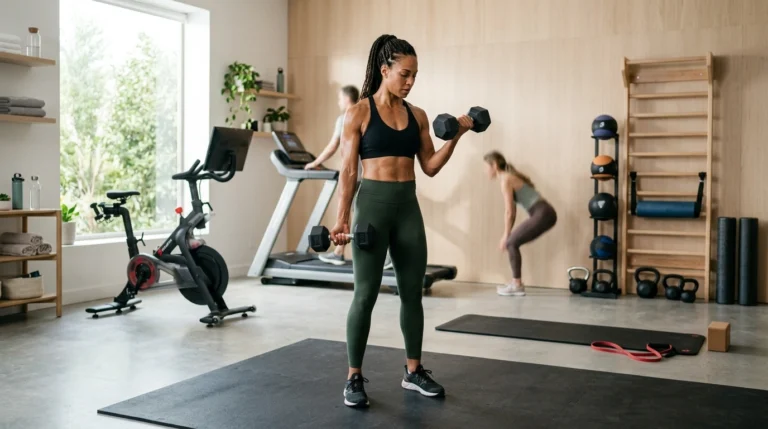
Home exercise equipment can make working out more convenient. The best piece of equipment isn’t necessarily the most expensive one. It is the one that fits your space, budget, fitness level, and preferred type of exercise.
If you’re wondering what is the best exercise equipment for losing weight, consider the following options:
Treadmill: A versatile option for walking, jogging, running, and incline workouts.
Exercise bike: Useful for indoor cycling and lower-impact cardio.
Elliptical: Provides a low-impact cardio workout while involving both the upper and lower body.
Rowing machine: Combines cardiovascular exercise with upper- and lower-body muscle engagement.
Dumbbells: Excellent for strength training and full-body workouts.
Resistance bands: Affordable, portable, and useful for strength and mobility exercises.
Adjustable weights: Helpful for people who want multiple resistance levels without purchasing a large collection of dumbbells.
Stepper: Provides a compact way to perform stair-style cardio.
The right choice depends heavily on how you actually like to exercise.
When choosing the best exercise equipment for weight loss, ask yourself a few practical questions.
How much space do you have?
A treadmill or rowing machine requires considerably more space than resistance bands or adjustable dumbbells.
What is your budget?
You don’t need expensive equipment to lose weight. Walking outdoors and bodyweight workouts can cost almost nothing.
What type of exercise do you enjoy?
If you hate running, buying a treadmill may not make sense. If you love cycling, an exercise bike may get much more use.
Do you need low-impact exercise?
A stationary bike, elliptical, or swimming may be more comfortable than running for some people.
Do you prefer strength or cardio?
Your answer can help determine whether dumbbells, resistance bands, or cardio equipment should be your priority.
There isn’t one universally superior best machine for weight loss.
A treadmill can be excellent for walking and running. An exercise bike can provide effective lower-impact cardio. An elliptical can be useful for people who prefer a smoother movement pattern. A rowing machine can combine cardio and resistance.
Think of exercise machines as tools. The machine doesn’t determine your results by itself.
Your consistency, workout intensity, nutrition, recovery, and overall activity matter much more.
A treadmill can be useful for both beginners and experienced exercisers because you can control speed and incline.
A running machine exercise to lose weight doesn’t have to involve running.
You can use a treadmill for:
Incline walking is particularly useful for people who want a more challenging treadmill workout without running.
For example, you could walk at a comfortable pace for five minutes, increase the incline for several minutes, return to a lower incline, and repeat.
As your fitness improves, gradually increase either duration, speed, or incline rather than changing everything at once.
An exercise bike can be an excellent home cardio option, especially if you prefer cycling to walking or running.
When shopping for the best exercise cycle for weight loss, consider:
Upright bike: A traditional indoor cycling position that works well for general cardio.
Spin bike: Designed for more intense cycling sessions and often used for indoor cycling classes.
Recumbent bike: Offers a more supported seating position and can be appealing to people who prioritize comfort.
Also look at:
The best bike is the one that fits your needs and makes you want to use it consistently.
Some people find it easier to stay motivated when exercise feels social.
Workout classes can provide structure, coaching, music, and accountability.
Popular options include:
Workout classes to lose weight can be especially useful if you struggle to create your own routine.
A class also gives you a scheduled time to exercise, which can make fitness easier to fit into a busy week.
However, you don’t have to choose the hardest class available. Pick a level that matches your current ability.
Personal training can provide an additional layer of support.
A qualified trainer can help with:
Personal training and weight loss can work well for people who aren’t sure where to begin or who need external accountability.
If you’re searching for a gym for weight loss near me, consider more than the equipment. Look at class options, trainer qualifications, cleanliness, location, hours, and whether the environment feels comfortable to you.
The best sport isn’t necessarily the one with the highest theoretical calorie burn. Enjoyment matters because you’re more likely to participate consistently.
Popular choices include:
If you enjoy playing basketball with friends every weekend, that activity may contribute more to your long-term fitness than a workout you constantly avoid.
When choosing the best sport to lose weight, consider enjoyment, accessibility, intensity, skill level, and how frequently you can participate.
There isn’t one magic step number that guarantees weight loss.
Some people may benefit from increasing their daily activity from 3,000 steps to 5,000. Others may eventually aim for 8,000, 10,000, or more.
The important thing is to start from your current baseline.
If you’re mostly sedentary, adding a short walk after meals can be a realistic first step. Over time, you can increase your walking duration or frequency.
The question how many steps to lose weight should therefore be viewed as a starting-point question rather than a universal prescription.
Your total calorie intake, exercise routine, body size, daily activity, and individual metabolism all affect your results.
The best workout time is often the time you can maintain consistently.
Some people love early morning workouts before work. Others perform better in the afternoon or evening.
Exercise at night to lose weight can be perfectly reasonable if evening workouts fit your schedule.
There is no requirement that you exercise early in the morning to lose body fat.
Choose a time when you have enough energy to exercise and when the workout doesn’t interfere with your sleep.
If intense evening exercise makes it difficult for you to fall asleep, consider finishing your workout earlier or choosing a lower-intensity session at night.
Consistency is more important than forcing yourself into a workout schedule that doesn’t fit your lifestyle.
Menstruation can temporarily affect body weight because of hormonal changes and water retention.
Can you lose weight on your period? Yes. Fat loss can still occur during menstruation.
However, the scale may not accurately reflect short-term fat loss because water retention can temporarily increase body weight.
You may also experience changes in energy, appetite, cramps, or exercise performance.
Adjust your workout according to how you feel. Some days you may feel comfortable running or strength training. On other days, walking, mobility work, or a lighter workout may be a better choice.
There is no need to completely stop exercising unless you have a medical reason to do so.
One of the most frustrating experiences is exercising regularly and seeing little or no change on the scale.
If you’re working out every day and not losing weight, it doesn’t necessarily mean exercise isn’t working.
Several factors can explain why the scale isn’t moving.
Calorie intake: Exercise doesn’t automatically compensate for eating more calories than your body needs.
Portion sizes: Healthy foods can still contribute significant calories when portions become large.
Liquid calories: Coffee drinks, alcohol, soda, smoothies, and other beverages can add calories quickly.
Overestimating calories burned: Fitness watches and cardio machines provide estimates, not perfectly accurate measurements.
Water retention: Hard workouts, hormonal changes, sodium intake, and other factors can temporarily increase water weight.
Muscle gain: If you’re new to strength training, you may gain some muscle while losing fat, which can make scale changes less dramatic.
Sleep: Poor sleep can affect appetite, recovery, energy, and exercise performance.
Stress: High stress can make healthy habits more difficult to maintain.
Recovery: Training hard every day without enough recovery can leave you exhausted and reduce workout quality.
If you’re not losing weight while working out, look at your overall pattern rather than judging your progress based on a few days.
Track trends over several weeks, along with waist measurements, clothing fit, strength, fitness, and how you feel.
The phrase exercises to boost metabolism is popular, but it’s important not to exaggerate what exercise can do.
No single workout permanently transforms your metabolism.
However, regular physical activity can increase energy expenditure and help you maintain muscle.
Useful choices include:
Strength training can help maintain muscle, while cardio and daily activity increase calorie expenditure.
For many people, increasing everyday movement may be just as practical as adding another extremely difficult workout.
Walking more, taking stairs, standing periodically, doing household chores, and participating in recreational activities can all contribute to your overall activity level.
If you’re wondering what’s the best way to burn calories, the answer depends on what you can perform safely and consistently.
Exercise doesn’t have to feel like punishment.
If you genuinely enjoy an activity, you’re more likely to keep doing it.
Try activities such as:
A weekend hike can become a great source of physical activity without feeling like a traditional workout.
Likewise, dancing at home for 30 minutes, joining a recreational sports league, or taking a cycling class can make movement more enjoyable.
When looking for fun ways to lose weight, think beyond the gym.
A short-term challenge can give your routine structure without requiring you to make unrealistic promises.
Start with your current walking level and gradually increase your daily duration or step count.
The goal isn’t necessarily to reach an arbitrary number. The goal is to create a consistent walking habit.
Track your daily steps and try to improve gradually.
For example, if your average is 4,000 steps, you might first aim for 5,000 rather than immediately targeting 15,000.
Commit to a short home workout several days per week.
You could alternate:
Set a weekly cycling goal based on time rather than distance.
For example, aim for three 30-minute rides per week and gradually increase duration.
Choose two or three days each week for resistance training.
Focus on improving technique and gradually increasing repetitions or resistance.
These weight loss challenge ideas are most effective when they encourage sustainable habits rather than extreme restrictions.
Tracking percentage weight loss can provide more context than simply looking at the number of pounds lost.
Use this formula:
Percentage weight loss = (weight lost ÷ starting weight) × 100
For example, if someone starts at 200 pounds and loses 20 pounds:
20 ÷ 200 × 100 = 10% weight loss
Remember that weight can fluctuate from day to day because of hydration, food volume, sodium, hormonal changes, and other factors.
For that reason, use longer-term trends when evaluating progress.
The question of how to work out percentage weight loss is useful, but don’t let the scale become your only measurement.
The internet is full of quick-fix weight-loss claims, but meaningful body-fat loss does not happen overnight.
There is no safe exercise that can make you lose a substantial amount of body fat in one day.
Your scale weight can change quickly because of:
Those changes aren’t the same as losing a significant amount of body fat.
If you’re searching for how to be skinny in 1 day, focus instead on what you can realistically improve today: move your body, eat balanced meals, drink enough fluids, sleep well, and avoid extreme methods.
Real fat loss is a gradual process.
Some people prefer exercising late at night or early in the morning because of their work schedules.
A 24-hour gym can be useful if flexible access helps you exercise consistently.
The major benefit isn’t that exercising at a particular hour burns more fat. It’s that flexible gym hours can make it easier to fit workouts into your lifestyle.
If your schedule changes frequently, having access to a gym outside traditional hours may help you avoid skipping workouts.
The phrase “24-hour fatness” isn’t standard fitness terminology, but the underlying intent is usually related to 24-hour fitness, flexible gym access, and weight-loss workouts at different times of day.
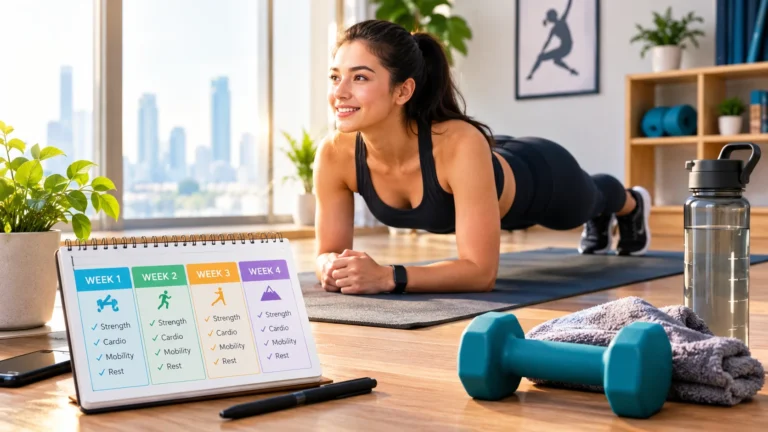
A good weekly plan should balance exercise with recovery.
You don’t need to train intensely every day.
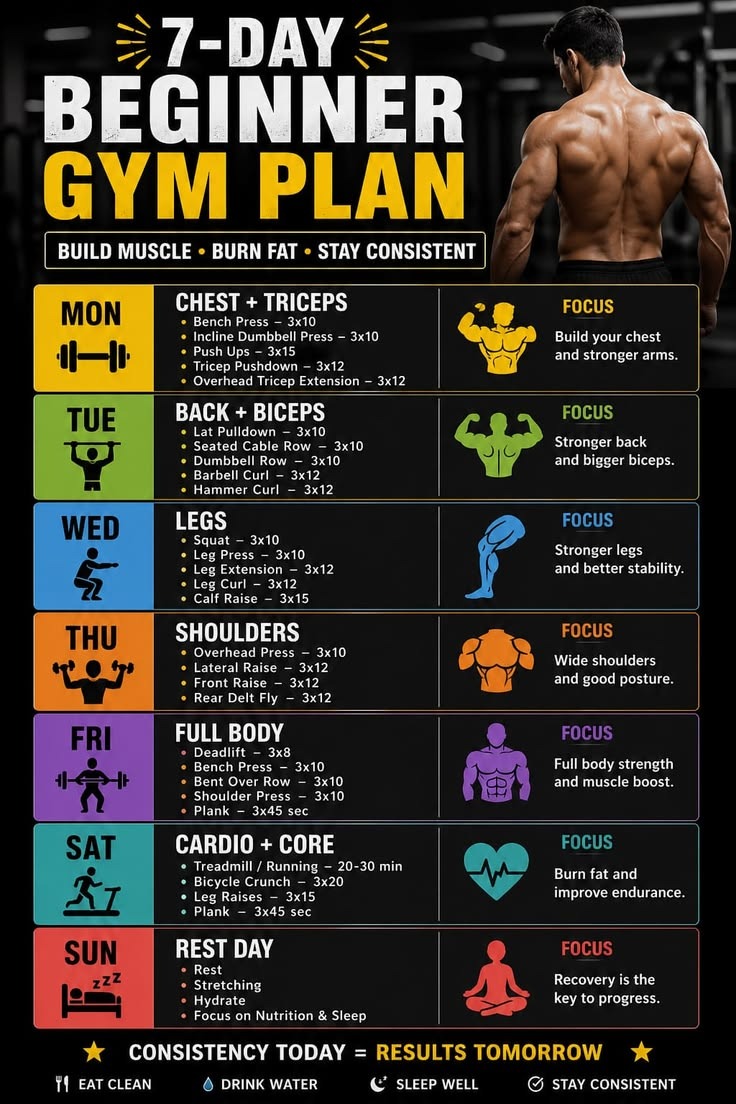
A beginner-friendly schedule could look like this:
Monday: Full-body strength training
Tuesday: 25–40 minutes of walking or easy cardio
Wednesday: Rest or light mobility
Thursday: Full-body strength training
Friday: Cycling or another cardio workout
Saturday: Longer walk or recreational activity
Sunday: Recovery
This structure gives you a combination of resistance training, cardio, and active movement without requiring hard workouts every day.
An intermediate exerciser may be comfortable with:
Monday: Full-body strength
Tuesday: Cardio intervals
Wednesday: Walking or recovery
Thursday: Full-body strength
Friday: Cycling or steady-state cardio
Saturday: HIIT or recreational sport
Sunday: Rest
The exact schedule can be adjusted according to your fitness level and recovery needs.
A home routine can use very little equipment.
For example:
Monday: Dumbbell full-body workout
Tuesday: Walking or exercise bike
Wednesday: Mobility or rest
Thursday: Bodyweight circuit
Friday: Exercise bike or treadmill
Saturday: Dumbbell strength workout
Sunday: Recovery
If you have limited space, resistance bands and adjustable dumbbells can provide many exercise options without requiring a large home gym.
The best exercise program is one that matches your real life.
Start with low-impact cardio, walking, and basic strength exercises.
Don’t worry about performing advanced workouts immediately.
Build consistency first.
Bodyweight exercises, dumbbells, resistance bands, and compact cardio equipment can give you plenty of options.
An exercise bike or treadmill may be worth considering if you enjoy structured cardio.
Low-impact activities such as swimming, cycling, walking, and elliptical workouts may be more comfortable for some people.
If you have a medical condition or persistent pain, speak with an appropriate healthcare professional before beginning a new exercise program.
Workout classes can provide motivation, structure, and social interaction.
Try spin, strength training, dance fitness, circuit training, or other classes that match your interests.
A personal trainer can help create structure and provide feedback on technique and progression.
This can be particularly useful if you struggle to stay consistent on your own.
Start with your actual exercise preferences.
If you enjoy walking, a treadmill may make sense.
If cycling is your favorite activity, an exercise bike may be more useful.
If you prefer strength training, adjustable dumbbells or resistance bands may offer better value.
Don’t buy equipment simply because it looks impressive. Buy equipment you’ll actually use.
Running, vigorous cycling, rowing, swimming, stair climbing, and high-intensity interval workouts can burn substantial calories. However, calorie expenditure varies by person and workout intensity. The most useful exercise is one you can perform consistently.
Yes. Spinning can help support weight loss by increasing physical activity and calorie expenditure. Combining cycling with strength training, balanced nutrition, and adequate recovery can create a more complete fitness routine.
Yes. Strength training can support weight loss by helping maintain muscle and improve body composition. It works best when combined with an appropriate nutrition plan and regular physical activity.
Stretching has relatively low calorie expenditure and isn’t a major fat-burning activity. Its main benefits are flexibility, mobility, and supporting comfortable movement. It can complement a broader exercise routine.
There is no universal step target that guarantees weight loss. Start with your current average and gradually increase activity. More daily movement can support calorie expenditure, but nutrition and overall activity also matter.
Possible reasons include calorie intake, portion sizes, water retention, muscle gain, poor sleep, stress, and overestimating calories burned during exercise. Look at trends over several weeks rather than individual weigh-ins.
There isn’t one best machine for everyone. Treadmills, exercise bikes, ellipticals, rowing machines, dumbbells, resistance bands, and adjustable weights can all support a weight-loss routine. Choose based on your space, budget, fitness level, and preferred activities.
Yes. Fat loss can occur during your period, although hormonal changes and water retention may temporarily affect your scale weight. Adjust workout intensity according to your energy level and comfort.