Physical Address
304 North Cardinal St.
Dorchester Center, MA 02124
Physical Address
304 North Cardinal St.
Dorchester Center, MA 02124


When it comes to improving your health and fitness, one question never seems to go away: strength training vs cardio—which one is actually better? Whether you’re trying to lose weight, build muscle, improve endurance, or simply live a healthier lifestyle, you’ve probably heard conflicting advice. Some fitness enthusiasts swear by running, cycling, or other cardio workouts, while others believe lifting weights is the key to lasting results.
The truth is that both forms of exercise offer unique benefits, and the right choice depends on your goals, fitness level, and personal preferences. Understanding cardio is what, how resistance training works, and how each affects your body can help you make smarter decisions about your workout routine.
Many people also wonder about resistance training vs strength training, whether they are the same thing, and how these workouts compare to cardiovascular exercise. Another common question is how exercise differs from daily movement. To explain the difference between physical activity and exercise, physical activity includes any movement that burns energy, such as walking the dog or gardening, while exercise is planned, structured, and designed to improve fitness.
In this comprehensive guide, you’ll learn how cardio and strength training affect fat loss, muscle growth, heart health, metabolism, and long-term fitness. You’ll also discover which workout is best for specific goals, whether combining both is the smartest strategy, and how to build a balanced routine that delivers sustainable results.

Cardiovascular exercise, commonly known as cardio, is any activity that raises your heart rate and keeps it elevated for an extended period. Cardio strengthens your heart, lungs, and circulatory system while improving your body’s ability to deliver oxygen to working muscles.
If you’ve ever wondered cardio is what, think of any exercise that continuously challenges your cardiovascular system. Walking, running, swimming, cycling, rowing, and dancing all qualify as cardio workouts.
Unlike strength training, cardio primarily improves endurance and cardiovascular fitness rather than maximizing muscle size.
Cardio is generally divided into two major categories:
Aerobic exercise uses oxygen as the primary energy source and can be sustained for longer periods.
Examples include:
These activities improve heart health, lung capacity, endurance, and calorie expenditure.
Anaerobic exercise involves short bursts of very high intensity where your body relies less on oxygen.
Examples include:
Anaerobic workouts improve speed, power, and athletic performance while also burning calories efficiently.
One of the biggest myths is that cardio only means running. Fortunately, there are many effective forms of cardio that isn’t running, making it easier for people with joint pain, beginners, or those who simply dislike running.
Walking is one of the safest and most sustainable forms of cardio. It improves heart health, burns calories, reduces stress, and supports recovery.
Ideal for:
Running remains one of the highest calorie-burning cardiovascular exercises.
Benefits include:
Cycling provides an excellent low-impact workout that strengthens the legs while improving cardiovascular fitness.
Indoor cycling and outdoor biking are both excellent options for people looking to protect their joints.
Swimming works nearly every muscle group while minimizing stress on the joints.
Benefits include:
Many people ask, is rowing considered strength training?
The answer is that rowing is primarily a cardio workout, but because it recruits the legs, back, shoulders, and arms, it also develops muscular endurance and strength. It’s one of the few exercises that effectively combines both cardiovascular conditioning and resistance.
Jump rope burns a significant number of calories in a short period and improves:
HIIT alternates short bursts of intense work with brief recovery periods.
Benefits include:
Dance workouts are an enjoyable way to stay active while improving coordination, endurance, and overall fitness.
Many beginners wonder what is mixed cardio.
Mixed cardio combines different cardiovascular activities within one workout.
For example:
This approach reduces boredom, challenges different muscle groups, and lowers the risk of repetitive-use injuries.
Another growing trend is weighted cardio.
Weighted cardio refers to performing cardiovascular exercise while adding external resistance.
Examples include:
Weighted cardio increases calorie expenditure while also improving muscular endurance, but beginners should start gradually to avoid excessive joint stress.

Strength training is a form of exercise that uses resistance to increase muscular strength, endurance, and size. It works by placing controlled stress on muscles, encouraging them to adapt and become stronger over time.
Unlike cardio, which primarily targets the cardiovascular system, strength training focuses on improving muscle function, bone density, balance, and overall physical performance.
One of the core principles behind strength training is progressive overload, which means gradually increasing the resistance, repetitions, or training volume to continue making progress.
Many people use these terms interchangeably, but there is a slight difference between resistance training vs strength training.
Resistance training refers to any exercise performed against resistance, including:
Strength training is a type of resistance training specifically designed to increase maximum strength and muscular performance.
In everyday fitness discussions, the two terms are often used to describe similar workouts.
Bodyweight exercises use your own body as resistance.
Popular examples include:
This is an excellent option for beginners and home workouts.
Free weights allow natural movement patterns and recruit stabilizing muscles.
Examples include:
They are ideal for building overall strength and muscle mass.
Resistance bands are portable, affordable, and effective for improving strength, mobility, and rehabilitation.
They are especially useful for beginners and travelers.
Gym machines provide guided movement, making them easier for beginners to learn proper exercise technique while isolating specific muscles.
Functional training improves movement patterns used in everyday life.
Examples include:
This style of training improves coordination, balance, stability, and athletic performance.
Many beginners ask, are squats cardio?
Traditional squats are considered a strength exercise because they primarily build muscle in the legs and glutes.
However, performing high-repetition bodyweight squats or squat circuits with minimal rest can significantly increase your heart rate, giving them a cardiovascular component.
Another common question is is pilates strength or cardio?
Pilates is primarily a strength and mobility workout. It focuses on:
Although advanced Pilates sessions may elevate your heart rate, it is generally classified as low-impact strength training rather than traditional cardio.

Understanding the differences between strength training vs cardio helps you choose the right exercise for your goals.
| Factor | Strength Training | Cardio |
| Primary Goal | Build muscle and strength | Improve cardiovascular endurance |
| Calories Burned During Workout | Moderate | Higher |
| Muscle Growth | Excellent | Limited |
| Fat Loss | Excellent over time | Excellent during activity |
| Heart Health | Good | Excellent |
| Bone Density | Excellent | Moderate |
| Metabolism | Increases resting metabolic rate | Small effect on resting metabolism |
| Recovery Time | Usually longer | Depends on intensity |
| Long-Term Fitness | Builds strength and functional ability | Improves endurance and longevity |
Many experts now recommend combining both instead of choosing one exclusively.
For example:
This balanced approach is often superior to focusing on only one training style.
Another comparison gaining popularity is HIIT vs strength training.
Although both can improve fitness, they serve different purposes.
HIIT focuses on:
Strength training emphasizes:
Choosing between the two depends on your primary fitness goal, though combining them often delivers the best overall results.
One of the most common fitness questions is what burns more calories cardio or weight training?
During a single workout, cardio generally burns more calories because it keeps your heart rate elevated continuously.
For example, a 155-pound (70 kg) person may burn approximately:
| Exercise | Calories Burned (30 Minutes) |
| Walking | 140–170 |
| Running | 300–450 |
| Cycling | 250–400 |
| Swimming | 220–370 |
| Weight Training | 120–220 |
| Circuit Strength Training | 220–350 |
Based on these estimates, the answer to what burns more calories cardio or weights is usually cardio—at least during the workout itself.
However, calorie burn doesn’t tell the whole story.
Strength training creates an “afterburn” effect, known as Excess Post-Exercise Oxygen Consumption (EPOC). After lifting weights, your body continues using extra energy to repair muscle tissue, replenish energy stores, and recover. This means you keep burning calories even after your workout ends.
Cardio also produces an afterburn effect, particularly with high-intensity workouts like HIIT, but traditional steady-state cardio generally has a smaller post-workout calorie burn than resistance training.
One of the biggest questions in the strength training vs cardio debate is which workout burns more calories. The answer depends on several factors, including workout intensity, duration, body weight, and overall fitness level.
Generally, traditional cardio burns more calories during the workout itself. Activities like running, cycling, swimming, and rowing require continuous movement, which increases your heart rate and energy expenditure.
Strength training, however, has a unique advantage. While it may burn fewer calories during the workout, it increases muscle mass, and muscle tissue requires more energy to maintain than fat tissue. This means your body continues burning more calories even when you’re resting.
If you compare a 45-minute workout:
When people ask what burns more calories cardio or weight training, the simple answer is cardio during the workout, but strength training often wins over the long term because it builds lean muscle.
The same applies to the question what burns more calories cardio or weights. Weights create a lasting metabolic effect that supports long-term fat loss.
After an intense strength workout, your body continues using oxygen to repair muscle tissue and restore energy stores. This process is called Excess Post-Exercise Oxygen Consumption (EPOC), commonly known as the afterburn effect.
Benefits include:
High-intensity strength training and HIIT typically produce a greater afterburn effect than steady-state cardio.
Is Strength Training Better for Weight Loss?
Many people assume endless cardio is the fastest route to weight loss, but research shows that combining calorie control with resistance exercise often produces better long-term results.
Strength training supports weight loss because it helps preserve and build lean muscle while reducing body fat.
Benefits include:
Unlike crash diets or excessive cardio, lifting weights helps prevent muscle loss during a calorie deficit.
Instead of simply losing weight, many people aim for body recomposition—losing fat while gaining or preserving muscle.
Strength training makes this possible when combined with:
This approach often produces a leaner, healthier physique even if the number on the scale changes slowly.
When it comes to cardiovascular health, cardio exercise has a clear advantage. Activities that keep your heart rate elevated improve the efficiency of your heart and lungs over time.
Regular cardio can help:
Walking, jogging, cycling, swimming, rowing, and dancing are all excellent options.
Absolutely. While cardio remains the gold standard for cardiovascular endurance, resistance training also supports heart health.
Many people ask, is lifting weights good for your heart?
Research suggests that regular strength training may:
The healthiest fitness plan usually includes both aerobic exercise and resistance training.
When discussing cardio vs strength longevity, studies increasingly suggest that combining both provides the greatest health benefits.
Cardio improves:
Strength training improves:
Together, they reduce the risk of chronic diseases and improve quality of life as you age.
If your primary goal is building muscle, strength training should be your main focus.
Resistance exercises create tiny tears in muscle fibers. During recovery, your body repairs these fibers, making them stronger and larger.
Key factors for muscle growth include:
Cardio alone does not provide enough mechanical tension to maximize muscle hypertrophy.
A common question is do cardio build muscle?
The answer is yes—but only to a limited extent.
Certain forms of cardio can improve muscular endurance, especially for beginners. Examples include:
However, these activities generally won’t produce the same muscle growth as structured resistance training.
Although cardio isn’t ideal for building muscle directly, it still plays an important supporting role.
Moderate cardio can:
Many athletes use low-intensity cardio alongside strength programs to stay conditioned without interfering with muscle growth.
There’s a common myth that bodybuilders avoid cardio entirely.
In reality, cardio and bodybuilding often go hand in hand.
Cardio helps bodybuilders:
Yes. Professional competitors regularly include cardio throughout the year.
People often ask, do bodybuilders do cardio?
The answer is yes, but they adjust the amount based on their goals.
During bulking:
During fat-loss phases:
The goal is to balance muscle preservation with cardiovascular fitness.
Bulking is all about building muscle through progressive training and a calorie surplus. Many people worry that cardio will interfere with muscle growth, but moderate cardio can actually support a successful bulk.
One of the most common questions is should you do cardio when bulking. The answer is yes—as long as it’s programmed correctly.
Benefits of cardio during a bulk include:
If you’re asking should I do cardio when bulking, can I do cardio while bulking, or can you do cardio while bulking, the answer remains the same: moderate cardio is beneficial and does not prevent muscle growth when your nutrition and recovery are on point.
If your goal is muscle gain, keep cardio moderate.
A good guideline for how much cardio to add body building programs is:
Avoid excessive long-distance cardio, as it can increase recovery demands and make it harder to maintain a calorie surplus.
Many lifters also wonder should you do cardio while bulking or should I do cardio while bulking. The key is balance—enough cardio to support health without compromising recovery or muscle-building progress.

One of the most frequently asked questions in the strength training vs cardio debate is whether you should do cardio before lifting weights or save it until after your workout. The answer depends on your primary fitness goal.
If your goal is building muscle or increasing strength, perform strength training first. Your muscles and nervous system are freshest at the beginning of the workout, allowing you to lift heavier weights with better technique.
If your goal is improving endurance or preparing for a running or cycling event, start with cardio while your energy levels are highest.
People often ask cardio first or strength training first, strength or cardio first, better to do cardio or weights first, or is it better to do weights or cardio first. The general recommendation is:
Yes. Should you do cardio after lifting? For many people, the answer is yes.
Doing cardio after strength training helps you prioritize muscle performance while still improving cardiovascular fitness. It also allows you to finish your workout with steady-state cardio without reducing lifting performance.
Benefits include:
Absolutely. Cardio and weights same day is a practical option for busy people who can’t train twice daily.
Tips for combining both:
If possible, separate the sessions by 6–8 hours for optimal recovery.
Many beginners ask, should I do cardio everyday?
The answer depends on the type and intensity of cardio.
According to fitness guidelines, adults should aim for:
Light activities like walking can be done daily, but high-intensity cardio every day may lead to overtraining, fatigue, and reduced performance.
Signs you may need more recovery include:
Including at least one or two lighter recovery days each week helps your body adapt and recover.
HIIT vs Strength Training
The comparison of HIIT vs strength training is common because both are effective and time-efficient.
If your main goal is fat loss and you have limited time, HIIT is an excellent option. If your goal is muscle growth and long-term metabolic health, strength training should be your priority.
For many people, combining two or three strength sessions with one or two HIIT workouts each week provides outstanding results.
Not everyone enjoys running, and fortunately there are many effective alternatives.
Some of the best cardio that isn’t running includes:
What is mixed cardio? It refers to combining multiple cardio styles within one workout or training program.
For example:
Mixed cardio keeps workouts engaging while reducing repetitive stress on joints.
Weighted cardio involves performing cardio while carrying additional resistance, such as:
These workouts increase calorie burn and muscular endurance but should be introduced gradually.
Best approach:
Prioritize:
Keep cardio moderate to support heart health without interfering with muscle gains.
During a bulk:
Cardio remains the most effective choice for improving cardiovascular endurance, but adding resistance training provides additional health benefits.
The cardio vs strength longevity discussion has shifted toward combination training. Research suggests that people who perform both aerobic exercise and resistance training enjoy better long-term health, mobility, and independence than those who focus on only one.
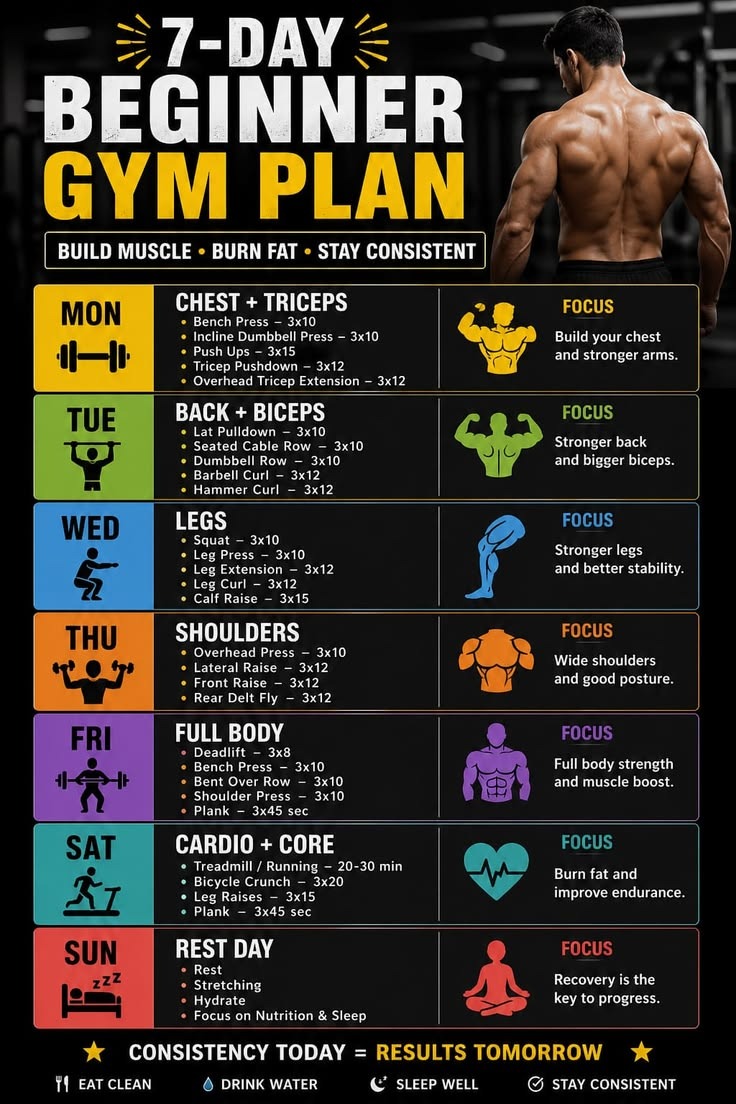
For beginners, a balanced weekly routine works best:
This approach builds strength, endurance, confidence, and sustainable exercise habits.
Yes—and for most people, this is the ideal approach.
Benefits include:
Monday: Upper-body strength
Tuesday: Moderate cardio (30–40 minutes)
Wednesday: Lower-body strength
Thursday: Walking or recovery cardio
Friday: Full-body strength
Saturday: HIIT or cycling
Sunday: Active recovery or rest
Avoid these common training mistakes:
Consistency beats perfection every time.

Investing in quality equipment can make workouts safer, more effective, and more enjoyable.
Choose equipment based on your available space, budget, fitness goals, and training experience.
Yes. Two to three low-intensity sessions per week can improve cardiovascular health, recovery, and conditioning without significantly affecting muscle growth.
Absolutely. Moderate cardio supports overall fitness and helps limit unnecessary fat gain during a bulk.
Cardio generally burns more calories during the workout, while strength training increases long-term calorie expenditure by building lean muscle and creating an afterburn effect.
Light cardio such as walking can be done daily, but intense cardio should be balanced with recovery days to prevent overtraining.
If muscle gain or strength is your goal, perform strength training first. If endurance is the priority, start with cardio.
Yes. Doing cardio after lifting helps maintain strength performance while still improving cardiovascular fitness.
Yes. Resistance training can improve blood pressure, circulation, and metabolic health while complementing aerobic exercise.
Yes. Most bodybuilders include cardio throughout the year to improve conditioning, support recovery, and maintain heart health.
Cardio improves muscular endurance, but it is not as effective as resistance training for increasing muscle size and strength.
Pilates is primarily a strength and mobility workout that emphasizes core stability, flexibility, and muscular endurance. Faster-paced Pilates sessions may also provide light cardiovascular benefits.
Traditional squats are a strength exercise. However, high-repetition squat circuits or bodyweight squat workouts can elevate your heart rate enough to provide a cardiovascular challenge.
Most bodybuilders perform 2–4 cardio sessions per week, adjusting the duration and intensity based on whether they are bulking, maintaining, or cutting.