Physical Address
304 North Cardinal St.
Dorchester Center, MA 02124
Physical Address
304 North Cardinal St.
Dorchester Center, MA 02124

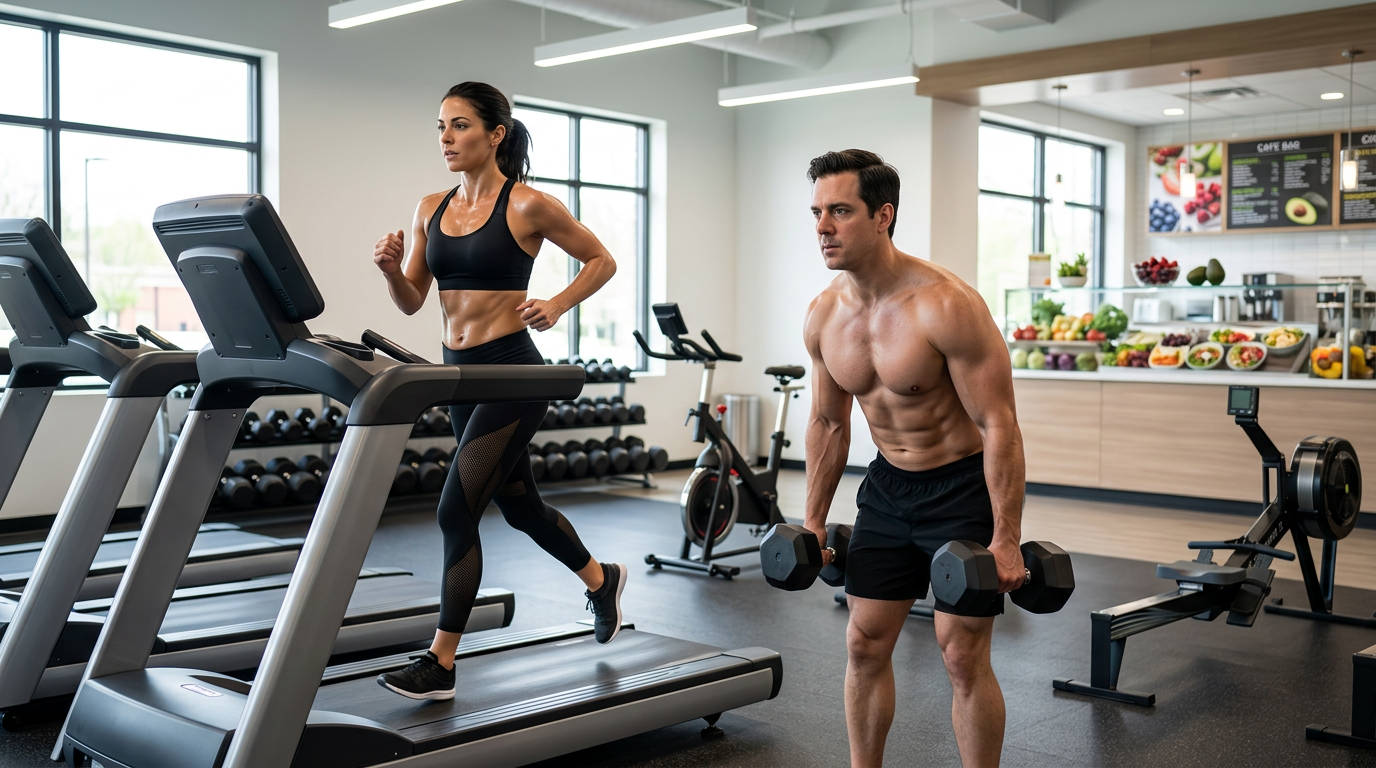
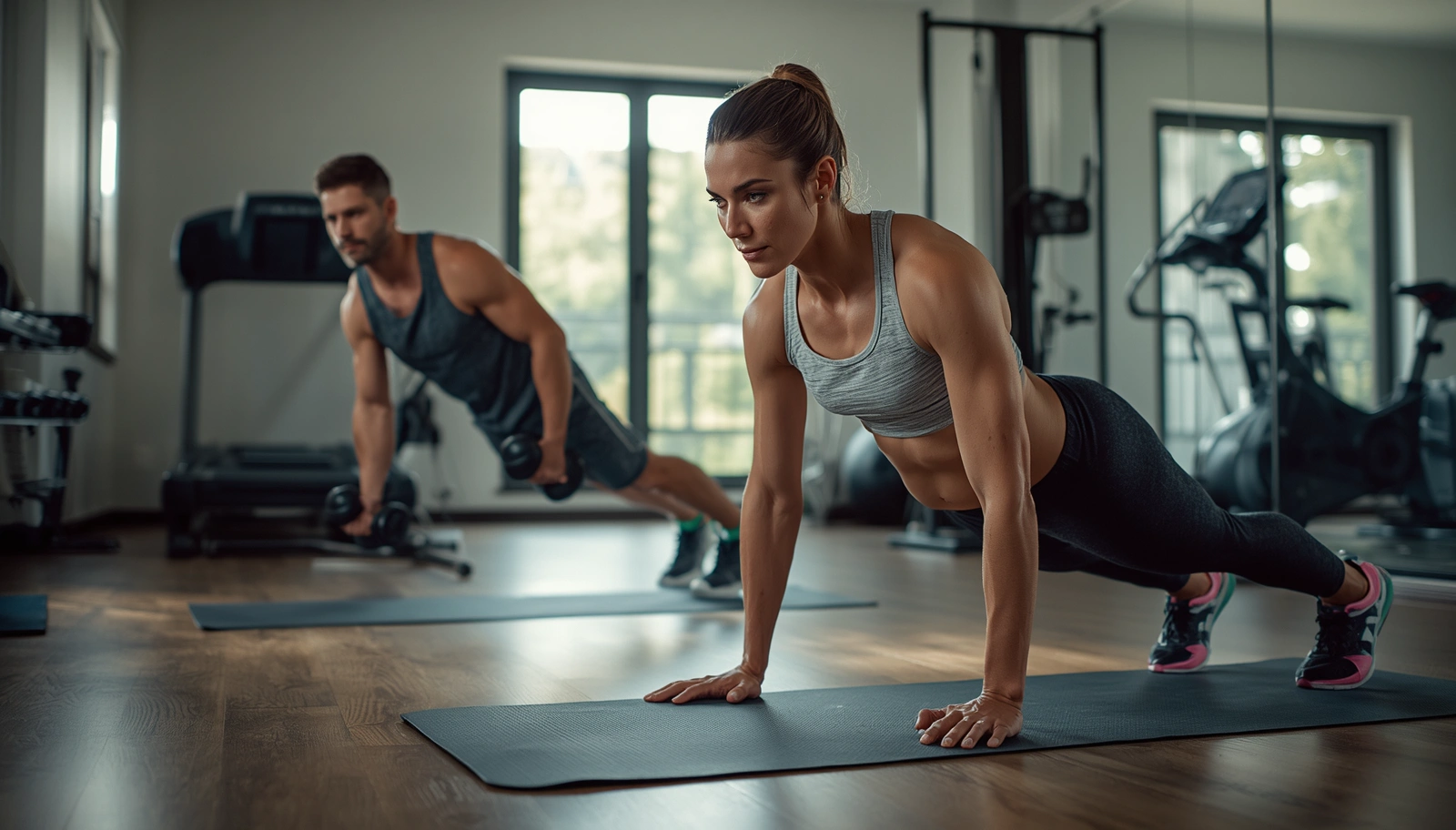
If you’ve ever searched how to lose belly fat, you’re certainly not alone. Millions of Americans are trying to figure out how to get rid of my belly, how to shrink your stomach, or how to get a flat tummy without wasting time on ineffective workouts or fad diets. Unfortunately, the internet is full of misleading advice promising overnight results, miracle fat-burning supplements, or exercises that claim to melt fat from your midsection.
The truth is that belly fat is one of the most stubborn types of body fat. Unlike fat stored in other areas of the body, abdominal fat is influenced by multiple factors, including genetics, hormones, age, stress, sleep quality, diet, and overall activity level. That’s why many people ask, “How can you flatten your stomach?” or wonder why their waistline doesn’t seem to change even after weeks of exercising.
Another common misconception is spot reduction—the belief that doing hundreds of crunches or sit-ups will specifically burn fat around the stomach. Scientific research has consistently shown that while core exercises strengthen abdominal muscles, they don’t directly eliminate belly fat. Instead, lasting results come from combining regular exercise, strength training, cardiovascular workouts, proper nutrition, adequate sleep, and consistency over time.
This comprehensive guide explains the science behind belly fat loss and provides evidence-based workout strategies that actually work. You’ll learn the difference between visceral and subcutaneous fat, discover which exercises burn the most calories, understand how nutrition supports fat loss, and build a realistic weekly workout plan you can maintain for the long term.
Whether your goal is how to shrink your stomach, how to get a flat tummy, or simply improve your overall health, this guide will help you create sustainable habits that produce real, measurable results.
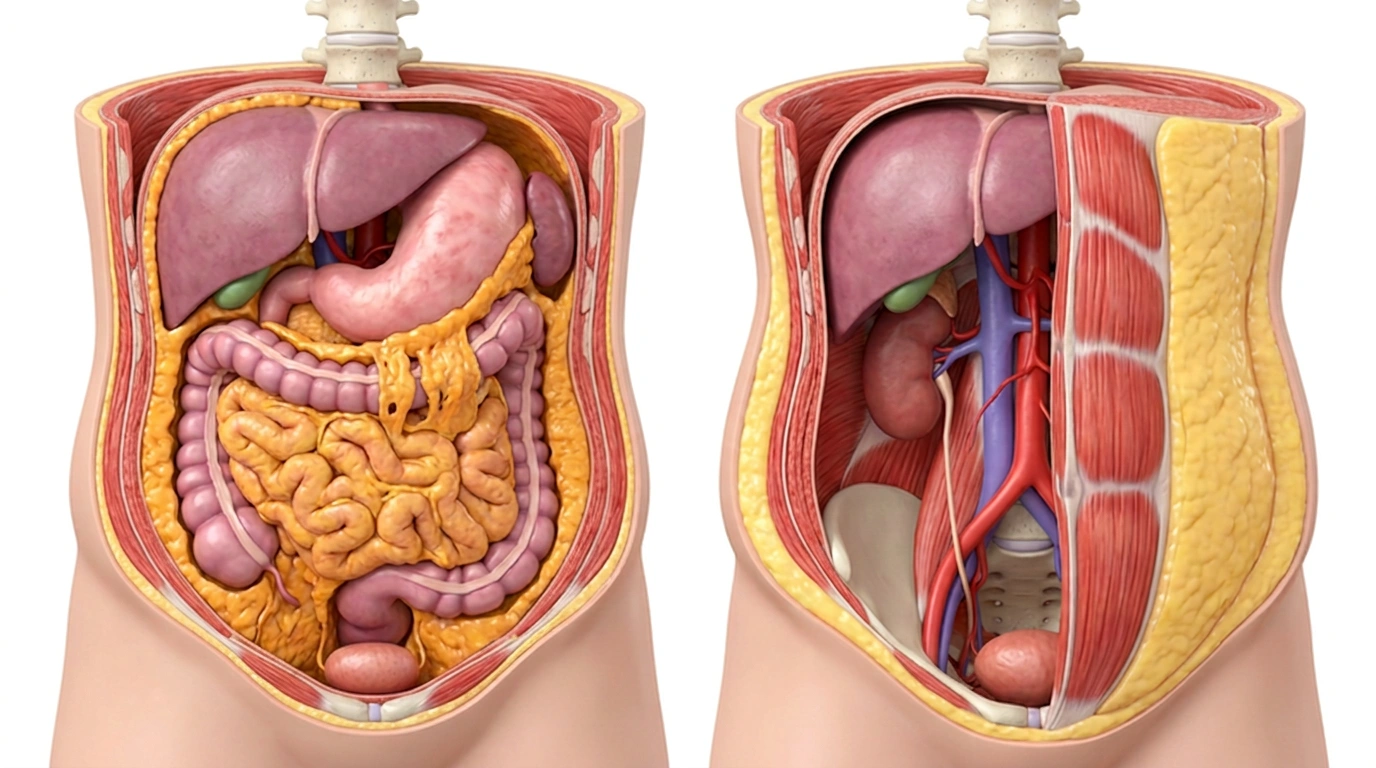
Not all belly fat is the same. Understanding the different types of abdominal fat is one of the most important steps toward developing an effective fat-loss strategy.
Many people use terms like belly roll, belly pooch, stomach pooch, protruding belly, spare tyre stomach, or jiggly fat to describe excess abdominal fat. While these terms refer to visible changes in body shape, they don’t explain what’s happening beneath the surface.
Healthcare professionals generally classify belly fat into two main categories:
Both contribute to waist size, but only one significantly increases the risk of chronic disease.
Subcutaneous fat sits directly underneath your skin. It’s the soft fat you can pinch around your waist, hips, thighs, or arms.
Examples include:
Although carrying excessive subcutaneous fat may affect appearance and mobility, it isn’t considered as metabolically dangerous as visceral fat.
However, excess subcutaneous fat often indicates an overall calorie surplus and unhealthy lifestyle habits that deserve attention.
Visceral fat is stored much deeper inside the abdominal cavity, surrounding important organs such as the liver, pancreas, and intestines.
Unlike the fat you can pinch, visceral fat isn’t always visible.
Even people who appear relatively slim may carry dangerous amounts of visceral fat.
High levels of visceral fat are associated with:
Because visceral fat actively releases inflammatory chemicals and hormones, it has a much greater impact on long-term health than subcutaneous fat.
Abdominal fat behaves differently than fat stored elsewhere in the body.
Visceral fat produces hormones and inflammatory proteins that interfere with normal metabolic function. Over time, this can lead to insulin resistance, making it more difficult for your body to regulate blood sugar levels.
Excess belly fat is also linked to elevated LDL (“bad”) cholesterol, lower HDL (“good”) cholesterol, increased blood pressure, and greater cardiovascular risk.
This is why doctors often measure waist circumference alongside body weight when assessing health.
Hormones play a major role in determining where your body stores fat.
Important hormones include:
Chronic stress raises cortisol levels, encouraging the body to store more fat around the abdomen.
Similarly, insulin resistance makes it easier to gain belly fat while making fat loss more challenging.
Women often notice women lower belly fat becoming more prominent during menopause due to hormonal changes.
As we age, muscle mass naturally declines while metabolism slows slightly.
Without regular strength training and adequate protein intake, the body burns fewer calories throughout the day.
Combined with hormonal changes and reduced activity levels, this often leads to increased abdominal fat accumulation.
This explains why many adults notice a protruding belly even if their body weight hasn’t changed dramatically.
Genetics influence where your body stores fat.
Some individuals accumulate fat primarily around the hips and thighs, while others develop abdominal obesity.
This explains why two people with similar body weights may have completely different body shapes.
Although genetics influence fat distribution, healthy eating and consistent exercise remain the most effective ways to reduce excess body fat.
People often worry about issues such as:
In most cases, these variations are completely normal and result from genetics, posture, muscle development, or natural fat distribution. Significant asymmetry, pain, or sudden swelling should be evaluated by a healthcare professional.
Understanding the difference between these two fat types helps you focus on improving both appearance and long-term health.
| Feature | Visceral Fat | Subcutaneous Fat |
| Location | Around internal organs | Under the skin |
| Visible | Often hidden | Clearly visible |
| Health Risk | High | Lower |
| Can Be Pinched | No | Yes |
| Linked to Disease | Strongly | Less strongly |
Visceral fat is considerably more dangerous because it surrounds vital organs and contributes to chronic inflammation.
People with high visceral fat face a greater risk of:
Reducing visceral fat should be a priority, even if your overall weight doesn’t change dramatically.
There isn’t a single exercise for visceral fat, but research consistently shows that combining aerobic exercise with resistance training produces the greatest reductions.
The most effective strategies include:
Consistency matters far more than choosing one “perfect” exercise.
One of the biggest misconceptions about fat loss is believing there’s a special exercise or supplement that targets belly fat directly.
In reality, belly fat decreases when your body burns more calories than it consumes over time while preserving muscle mass.
Several key factors work together to make this happen.
A calorie deficit means consuming fewer calories than your body burns each day.
This encourages your body to use stored fat for energy.
However, extremely low-calorie diets are difficult to maintain and may lead to muscle loss, fatigue, and slower metabolism.
A moderate calorie deficit combined with regular exercise is generally more sustainable.
Many people rely exclusively on cardio.
While cardio burns calories, resistance training helps preserve and build lean muscle.
More muscle means:
Strength training also creates the toned appearance many people associate with a flat stomach.
Walking, jogging, cycling, swimming, rowing, and HIIT all increase calorie expenditure.
Cardio supports heart health while helping create the calorie deficit needed for fat loss.
Later in this guide, we’ll explore the most effective forms of cardio to lose belly fat.
Your workout may last only 45 minutes, but your activity during the rest of the day also matters.
Simple habits like:
can significantly increase daily calorie burn.
Protein helps:
Aim to include a quality protein source with every meal.
Examples include:
Poor sleep increases hunger hormones while decreasing fullness hormones.
Sleep deprivation is also associated with increased cravings for sugary, high-calorie foods.
Adults should aim for 7–9 hours of quality sleep each night.
Chronic stress elevates cortisol, which may contribute to increased abdominal fat storage.
Helpful stress-management techniques include:
Many people wonder, “When you lose fat where does it go?”
Contrary to popular belief, fat doesn’t simply turn into muscle or disappear through sweat.
Instead, stored body fat is broken down into carbon dioxide and water. Most of the fat leaves your body through exhaled carbon dioxide, while the remainder is eliminated through urine, sweat, and other bodily fluids.
This also answers the common question, “How does fat exit the body when losing weight?”
It’s common to notice changes in your face, arms, or legs before your waist.
Questions like:
are extremely common.
The reason is simple: your body decides where fat comes off first based largely on genetics and hormones.
For many people, the abdomen is one of the last areas to lose fat.
The solution isn’t doing more crunches—it’s maintaining consistent nutrition, strength training, cardio, stress management, and patience over time.
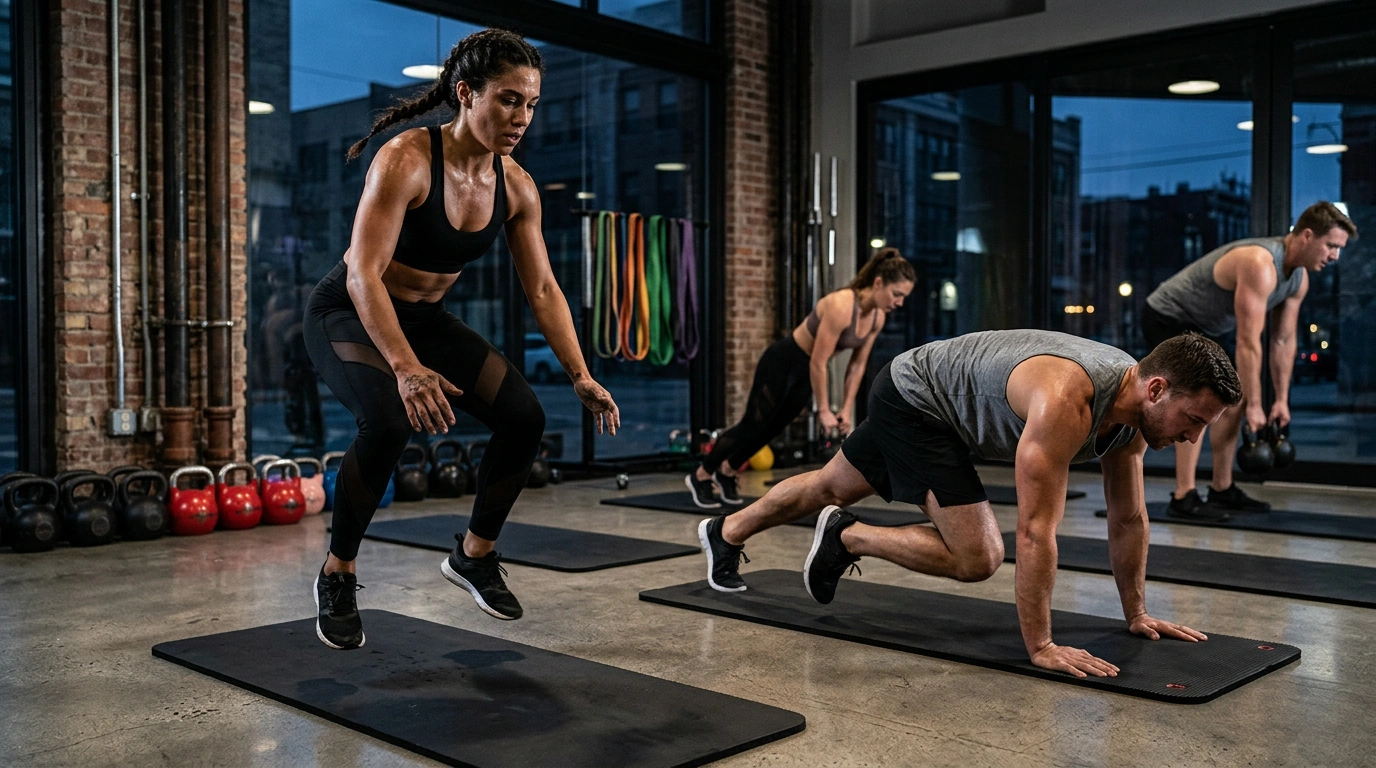
If you’re searching for the fastest way to burn belly fat, the answer isn’t one magical exercise—it’s choosing workouts that help you burn calories, preserve muscle, and stay consistent over time. While no exercise can target fat loss from your stomach alone, certain workouts are far more effective at reducing overall body fat, including stubborn abdominal fat.
The best workout routine combines HIIT, cardio to lose belly fat, strength training, and daily movement. Together, these methods create the calorie deficit needed to reduce both subcutaneous and visceral fat while improving your overall fitness.
Let’s explore the most effective workouts backed by science.
High-Intensity Interval Training (HIIT) is one of the most effective forms of exercise for fat loss. HIIT alternates short bursts of intense effort with brief recovery periods, allowing you to burn a large number of calories in less time than traditional steady-state cardio.
Many studies have found that HIIT is especially effective for reducing visceral fat—the harmful fat stored around your organs.
Benefits of HIIT workouts to burn belly fat include:
Complete each exercise for 40 seconds, followed by 20 seconds of rest.
Round 1:
Rest for 60 seconds.
Round 2:
Finish with 3–5 minutes of stretching.
This HIIT belly fat workout elevates your heart rate while engaging multiple muscle groups, making it one of the most efficient ways to burn calories.
If you’re new to exercise, try:
Repeat 3–4 rounds.
Because HIIT is demanding, aim for:
Too much HIIT without recovery may increase fatigue and reduce performance.
Effective high intensity exercises to lose belly fat include:
These exercises recruit large muscle groups and significantly increase calorie expenditure.
Cardiovascular exercise plays a major role in reducing body fat. While cardio alone isn’t enough for optimal fat loss, it helps create the calorie deficit needed to reduce abdominal fat.
The best forms of cardio for a flat stomach are those you enjoy enough to perform consistently.
Walking is one of the most underrated fat-loss exercises.
Benefits include:
Aim for:
Walking after meals may also improve blood sugar control.
Running burns more calories per minute than walking.
A moderate 30-minute run can burn between 300–500 calories, depending on body weight and pace.
Running also improves:
If you’re new to running, alternate between walking and jogging.
Stair climbing is one of the most efficient calorie-burning exercises.
Benefits include:
Try climbing stairs for 15–20 minutes as part of your weekly routine.
Rowing provides a full-body workout by engaging:
Because it uses multiple muscle groups, rowing burns a significant number of calories while strengthening your core.
Swimming is an excellent low-impact option for people with joint pain.
Benefits include:
Swimming intervals can be particularly effective for fat loss.
Not everyone enjoys high-impact workouts.
Great cardio without jumping options include:
These exercises are ideal for beginners, seniors, or individuals recovering from injury.
Cycling is one of the best ways to burn calories while improving cardiovascular health and lower-body strength. Whether you ride outdoors or use a stationary bike, cycling can be an effective part of a belly fat loss plan.
Many people ask:
The answer is yes—but indirectly.
Cycling doesn’t target belly fat specifically. Instead, it burns calories, improves endurance, and helps create the calorie deficit required for overall fat loss.
Outdoor cycling offers additional benefits such as:
Aim for:
Stationary bikes provide consistent resistance regardless of weather.
Advantages include:
A stationary bike is one of the best home cardio machines for belly fat loss.
For maximum fat loss:
This interval style combines cardio with elements of HIIT.
Jump rope is one of the highest calorie-burning exercises available.
A vigorous jump rope workout can burn 600–900 calories per hour, depending on intensity and body weight.
People often ask:
Again, the answer is yes—as part of an overall fat-loss program.
Skipping burns a large number of calories, improves cardiovascular fitness, and increases coordination. While it won’t specifically remove belly fat, it contributes to total body fat loss.
Perform:
Repeat for 10–15 rounds.
As your fitness improves, increase work intervals and reduce rest periods.
Benefits include:
If jumping bothers your joints, choose low-impact cardio such as cycling or rowing.
One of the biggest fitness myths is that endless ab workouts will melt away belly fat.
Unfortunately, that’s not how the body works.
Core exercises strengthen and build the abdominal muscles underneath the fat, but they don’t directly burn fat from your stomach. This concept is known as spot reduction, and research consistently shows it isn’t an effective strategy.
That doesn’t mean ab exercises are useless. A strong core improves posture, balance, athletic performance, and can make your midsection appear more defined as overall body fat decreases.
To reveal your abdominal muscles, combine:
In the next section, we’ll answer common questions such as:
We’ll separate myths from facts and explain which core exercises are worth including in your routine.
Many people believe that doing hundreds of crunches or sit-ups every day is the fastest way to get a flat stomach. It’s a common misconception fueled by fitness trends and misleading advertisements. In reality, while abdominal exercises strengthen and tone your core muscles, they do not directly burn belly fat.
Your body decides where it loses fat based on genetics, hormones, age, and overall body fat percentage—not on which muscles you’re exercising. This is why someone can have very strong abdominal muscles hidden beneath a layer of fat.
The good news is that core exercises still play an important role in a complete fitness program. A stronger core improves posture, reduces lower back pain, enhances athletic performance, and helps create a more defined waistline as body fat decreases.
The key is combining ab exercises with full-body strength training, cardio, proper nutrition, and a calorie deficit.
One of the most frequently asked fitness questions is:
The scientific answer is no.
Crunches strengthen the rectus abdominis, the muscle commonly known as the “six-pack.” However, they don’t specifically burn the fat covering those muscles.
Although crunches don’t directly remove belly fat, they offer several benefits:
Avoid pulling on your neck or using momentum.
Many people search “how many crunches a day to lose belly fat.”
The truth is that there is no magic number.
Doing 500 crunches daily won’t melt stomach fat if you’re consuming more calories than you burn.
Instead, aim for:
Focus on quality rather than quantity.
Another common question is:
Like crunches, sit-ups strengthen the abdominal muscles but do not directly reduce belly fat.
Sit-ups involve a greater range of motion than crunches and also engage the hip flexors.
However, excessive sit-ups may strain the lower back if performed incorrectly.
For many people, planks, dead bugs, and bird dogs are safer alternatives.
Many beginners ask:
Push-ups don’t specifically target belly fat, but they are an excellent full-body exercise.
During a push-up, you activate:
Because multiple muscle groups work together, push-ups burn more calories than isolated abdominal exercises.
If standard push-ups are difficult, begin with:
Many people confuse crunches with curl ups or curl-ups.
While similar, curl-ups place less stress on the lower back.
Curl-ups are excellent for beginners and those recovering from back discomfort.
Side crunches target the oblique muscles on the sides of your abdomen.
Benefits include:
Perform:
Remember, strengthening your obliques won’t specifically eliminate love handles, but it can improve muscle tone as overall body fat decreases.
Strength training is one of the most effective ways to reduce body fat while preserving lean muscle mass.
Unlike cardio, resistance training continues benefiting your metabolism long after the workout ends. Building muscle increases your resting metabolic rate, meaning your body burns more calories even while you’re resting.
People searching “losing belly fat with weights” are on the right track. Weight training doesn’t just build muscle—it supports long-term fat loss by improving body composition.
Strength training helps:
Aim for 2–4 strength sessions per week, focusing on all major muscle groups.
Compound exercises involve multiple joints and muscle groups, making them more efficient than isolation exercises.
Examples include:
Because these movements recruit large muscles, they burn more calories and stimulate greater muscle growth.
To continue seeing results, gradually make your workouts more challenging.
This concept is known as progressive overload.
You can increase difficulty by:
Without progressive overload, your body adapts and progress slows.
Many people search “deadlifts for belly fat.”
Deadlifts don’t directly burn abdominal fat, but they’re one of the best total-body strength exercises.
Deadlifts engage:
Heavy compound lifts increase calorie expenditure while strengthening the entire posterior chain.
Adding resistance makes core exercises more challenging.
Examples include:
These lower ab workouts with weights strengthen the abdominal muscles but should always be combined with full-body training and proper nutrition.
Women can safely perform resistance-based core exercises.
Effective ab workouts for women with weights include:
Strength training does not make women bulky. Instead, it helps build lean muscle, improve bone density, and support fat loss.
A common question is:
Can burpees build muscle?
Yes—to a degree.
Burpees primarily improve:
They engage:
While burpees won’t build muscle like heavy weightlifting, they are an excellent full-body conditioning exercise that burns calories and supports fat loss.
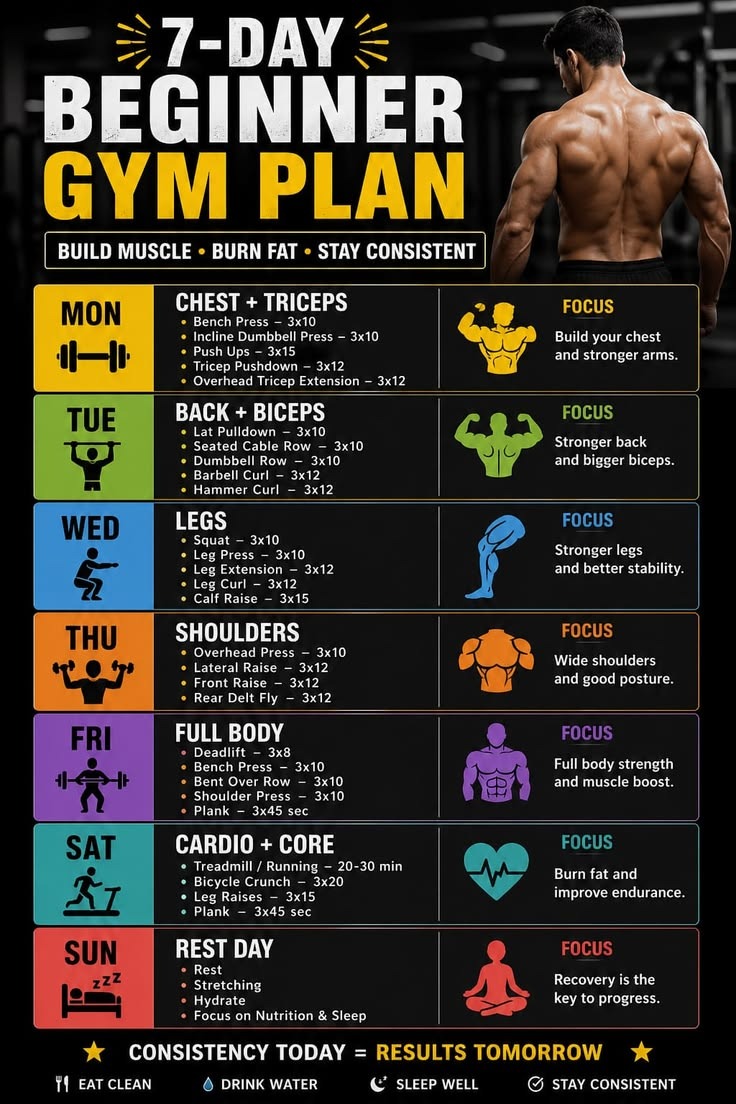
Consistency matters more than perfection. Here’s a balanced weekly plan that combines HIIT, strength training, cardio, mobility, and recovery.
Workout Duration: 20–30 minutes
Example:
Finish with stretching.
Focus on compound exercises:
Perform:
This promotes recovery while keeping you active.
Choose either:
Workout:
Or perform cycling intervals:
Repeat 8–10 rounds.
Exercises:
Focus on proper form and progressive overload.
Complete:
Repeat 3 rounds.
Choose a relaxing activity such as:
Recovery is essential for muscle growth and long-term progress.
For the best results:
Remember, the most effective workout plan is the one you can follow consistently. Fat loss takes time, but combining strength training, cardio, and healthy nutrition will help reduce belly fat while improving your overall fitness and health.
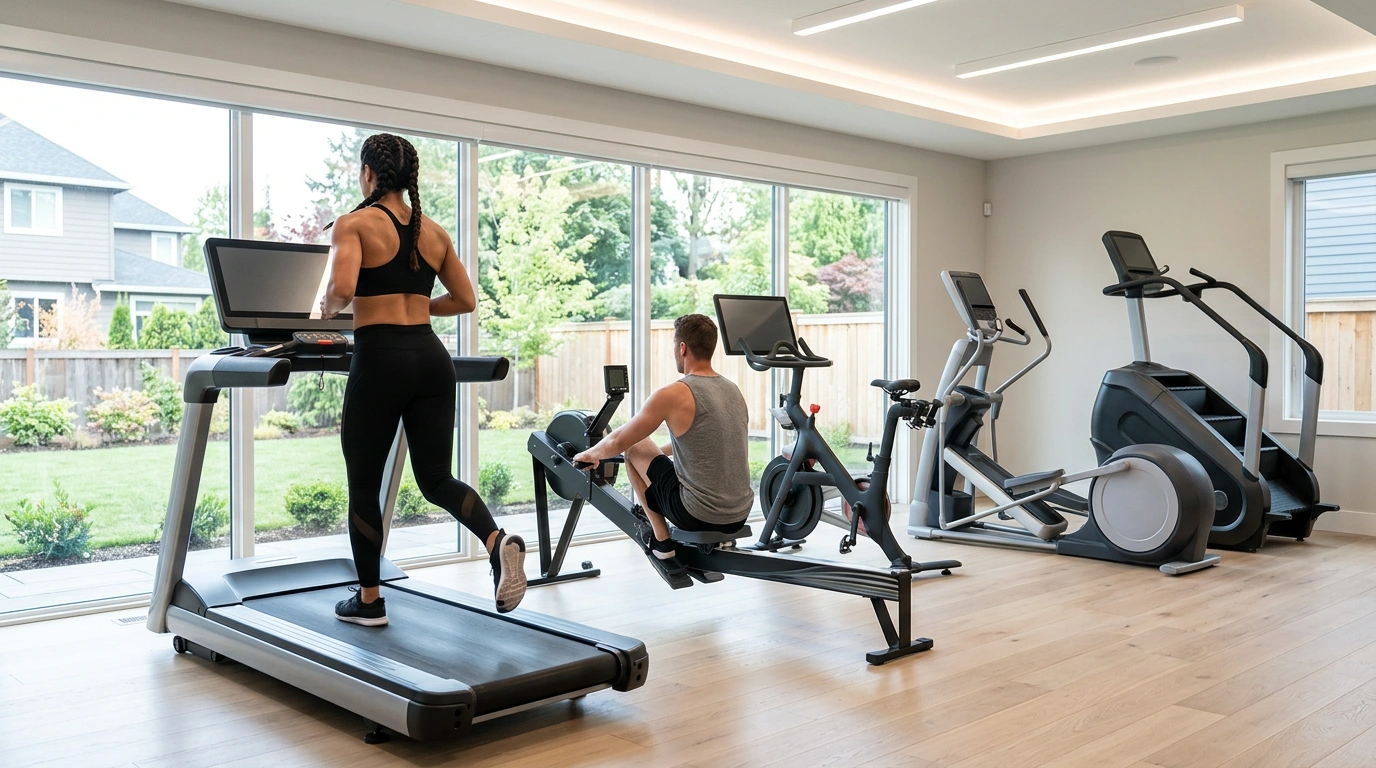
If you’re looking for the best workout machine for belly fat, the good news is that several cardio and strength machines can help you burn calories, improve fitness, and reduce overall body fat. While no machine can specifically target belly fat, the right equipment can make it easier to stay consistent and create the calorie deficit needed for fat loss.
When choosing an exercise machine to lose belly fat, consider your fitness level, available space, joint health, and personal preferences. The best machine is the one you’ll actually use regularly.
A treadmill remains one of the best exercise machines for belly fat because it’s versatile, accessible, and suitable for nearly all fitness levels.
Many people search for treadmill stomach fat because incline walking is particularly effective for increasing calorie expenditure while remaining low impact.
Complete this workout 3–5 times per week.
An exercise bike is another excellent exercise machine for stomach fat, especially for beginners or people with knee or joint pain.
Try interval cycling:
Repeat for 20–30 minutes.
A rowing machine provides one of the best full-body workouts available.
Unlike many cardio machines that focus mainly on the legs, rowing engages:
Because multiple muscle groups work together, rowing burns significant calories while strengthening your core.
Aim for 20–30 minutes, two to three times per week.
The elliptical trainer combines the benefits of walking, running, and stair climbing while reducing stress on your joints.
Increasing the resistance and incline can make your workout more challenging and improve calorie burn.
The stair climber is one of the most demanding cardio machines.
It strengthens:
Even 15–20 minutes on a stair climber can be an effective workout.
Approximate calorie burn for a 155-pound (70 kg) person in one hour:
| Machine | Calories Burned* |
| Rowing Machine | 500–700 |
| Treadmill (Running) | 600–900 |
| Stair Climber | 500–700 |
| Exercise Bike | 400–700 |
| Elliptical | 450–650 |
*Actual calorie burn depends on body weight, workout intensity, and duration.
If you’re wondering:
The answer depends on your goals:
The most effective machine is the one you can use consistently.
Age changes how the body responds to exercise, but it’s never too late to improve your health. Older adults can still reduce belly fat by combining safe physical activity with proper nutrition and consistency.
Many people ask:
The key is choosing exercises that improve strength, balance, and mobility without placing excessive stress on the joints.
This gentle exercise raises your heart rate and improves hip mobility.
Perform:
Stand facing a wall with your hands shoulder-width apart.
Slowly lower your chest toward the wall, then push back to the starting position.
Benefits:
Hold onto a chair for support.
Lift one leg to the side, pause, and lower with control.
This exercise strengthens the hips and improves stability.
Walking remains one of the safest and most effective exercises for seniors.
Aim for:
Walking supports heart health, burns calories, and helps reduce visceral fat over time.
If you’re wondering how do you get rid of belly fat after 60, focus on:
Progress may be slower than it was in younger years, but consistent healthy habits can still lead to meaningful improvements.
Limited mobility, injury, or recovery doesn’t mean you have to stop moving. Couch exercise routines and bed exercises to lose stomach fat can help improve circulation, strengthen muscles, and support overall calorie expenditure.
While these exercises alone won’t eliminate belly fat, they provide a practical starting point for beginners or those with physical limitations.
Perform:
Benefits:
Repeat on both sides.
Sit upright on a couch or chair.
Rotate your torso from side to side while keeping your hips stable.
This helps strengthen the obliques and improve spinal mobility.
Repeat on the opposite side.
These exercises are especially useful for older adults or individuals returning to exercise after illness or injury.
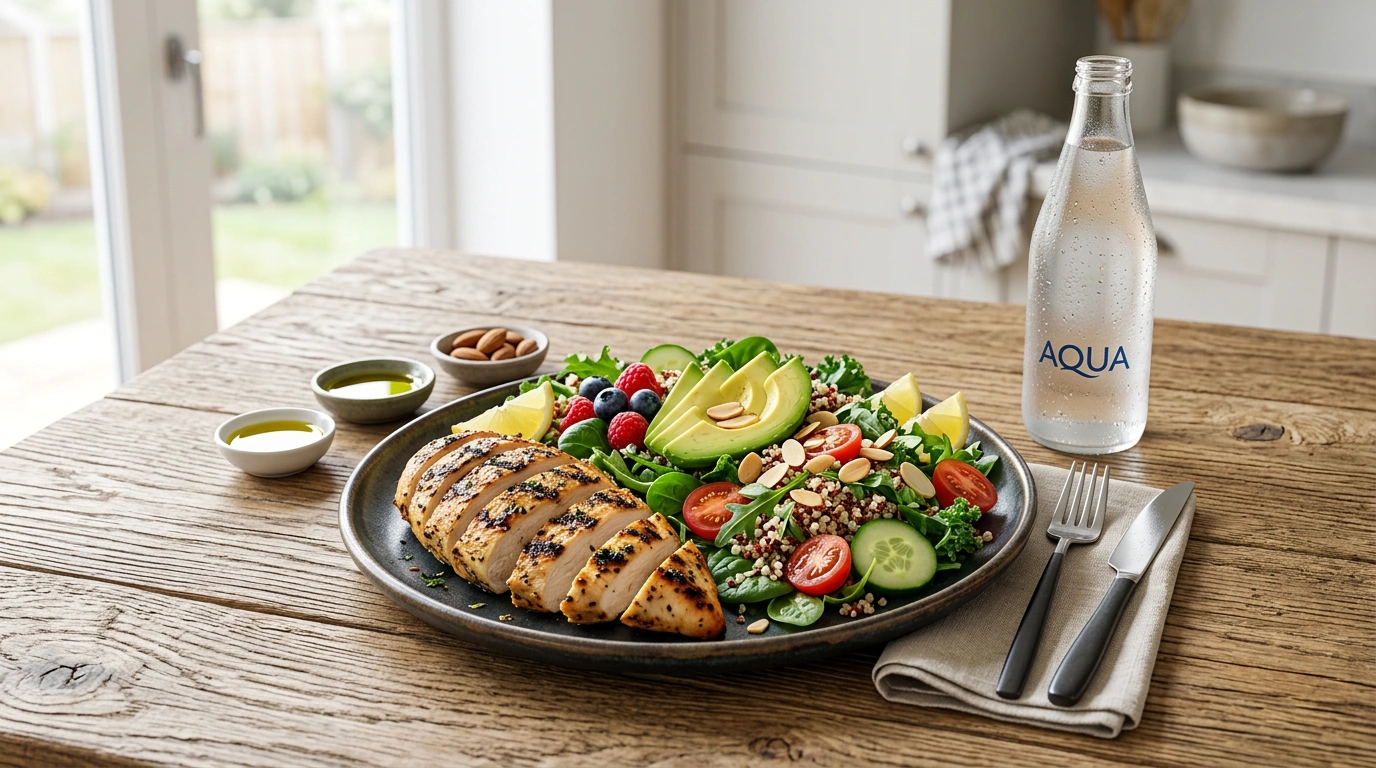
Exercise alone isn’t enough to lose belly fat. Nutrition plays an equally important role, and for many people, it has the greatest influence on long-term success.
The goal isn’t to follow a restrictive diet but to develop sustainable eating habits that support a healthy calorie deficit and provide the nutrients your body needs.
Protein helps:
Aim to include a source of protein with every meal.
Examples:
Fiber slows digestion and helps you feel satisfied for longer.
High-fiber foods include:
A fiber-rich diet also supports digestive health.
Drinking enough water supports overall health and may help reduce overeating by promoting feelings of fullness.
Most adults should aim to drink water consistently throughout the day, adjusting intake based on activity level and climate.
Healthy fats support hormone production and help with nutrient absorption.
Good sources include:
Remember that healthy fats are calorie-dense, so portion control is still important.
Even healthy foods can contribute to weight gain if eaten in excessive amounts.
Helpful strategies include:
Many people search for belly fat burning salads. While no salad magically burns fat, salads made with nutrient-dense ingredients can support weight loss.
A balanced salad might include:
These meals provide fiber, protein, and healthy fats that promote satiety.
An “apron belly” refers to excess abdominal tissue that hangs over the lower abdomen.
A healthy diet for apron belly should focus on:
Combined with regular exercise and gradual weight loss, these habits can reduce excess body fat over time.
Some readers may come across the Eat to Beat Disease book, which emphasizes choosing nutrient-rich foods that support overall health. While no single eating plan can specifically target belly fat, many of its principles—such as eating more vegetables, fruits, legumes, and healthy fats—align with evidence-based nutrition recommendations.
Lower belly fat is one of the most frustrating concerns for many people.
Common searches include:
Unfortunately, there’s no way to target fat loss from just the lower abdomen. The body loses fat according to genetics and hormones, meaning the lower belly is often one of the last places to slim down.
Some people are concerned about:
It’s important to distinguish between fat and loose skin.
After significant weight loss or pregnancy, loose skin may remain even after body fat decreases. Building muscle, staying hydrated, and maintaining a healthy weight can improve appearance, but excess loose skin may not disappear completely without medical treatment.
If you’re asking “How can I tighten my stomach?”, focus on building core and full-body muscle while reducing body fat.
Effective exercises include:
Although many people search for exercises to tighten loose skin on stomach, exercise strengthens the muscles underneath the skin rather than tightening the skin itself. However, increased muscle tone can make your midsection appear firmer.
By combining smart nutrition, consistent exercise, and realistic expectations, you can gradually reduce belly fat, improve core strength, and build habits that support long-term health.
A beer belly isn’t caused by beer alone. It develops when you consistently consume more calories than your body burns over time. Alcohol can contribute because it’s calorie-dense and may increase appetite or reduce inhibitions around food choices, but sugary drinks, oversized portions, and a sedentary lifestyle can have the same effect.
Similarly, love handles—fat stored around the sides of the waist—can’t be targeted with a specific exercise. They gradually shrink as your overall body fat percentage decreases.
Many readers ask:
The answer is a combination of consistent nutrition, exercise, and patience.
Focus on:
Protein helps preserve muscle while promoting fullness, making it easier to maintain a calorie deficit.
Compound exercises such as:
burn more calories and help maintain lean muscle during weight loss.
Include:
Aim for at least 150–300 minutes of moderate-intensity aerobic activity or 75–150 minutes of vigorous activity each week, along with muscle-strengthening activities on two or more days.
Poor sleep increases hunger hormones and may contribute to abdominal fat accumulation.
The timeline depends on:
Many people notice measurable changes after 8–12 weeks of consistent healthy habits, although visible results vary from person to person.
The fitness industry is full of misinformation. Understanding the facts can save you time, money, and frustration.
Doing hundreds of crunches won’t selectively burn belly fat.
Truth: Fat loss occurs throughout the body based on genetics and hormones, not where you’re exercising.
Heavy sweating during a workout often leads people to believe they’re losing fat quickly.
Truth: Sweat is your body’s cooling mechanism. The temporary weight loss you see after sweating is primarily water, which returns once you rehydrate.
People often ask:
Does eating late cause belly fat?
Truth: The timing of meals is generally less important than your total calorie intake and overall diet quality. Regular late-night overeating may contribute to excess calories, but simply eating after a certain hour does not automatically cause belly fat.
Another common question is:
Does diet pop cause belly fat?
Current evidence does not show that diet soda directly causes belly fat. However, replacing water with large amounts of any sweetened beverage may not support healthy eating habits. Water, unsweetened tea, and other low-calorie beverages remain better everyday choices.
Many people wonder:
Does stretching help lose weight?
Stretching improves:
However, it burns relatively few calories and is not an effective standalone strategy for fat loss.
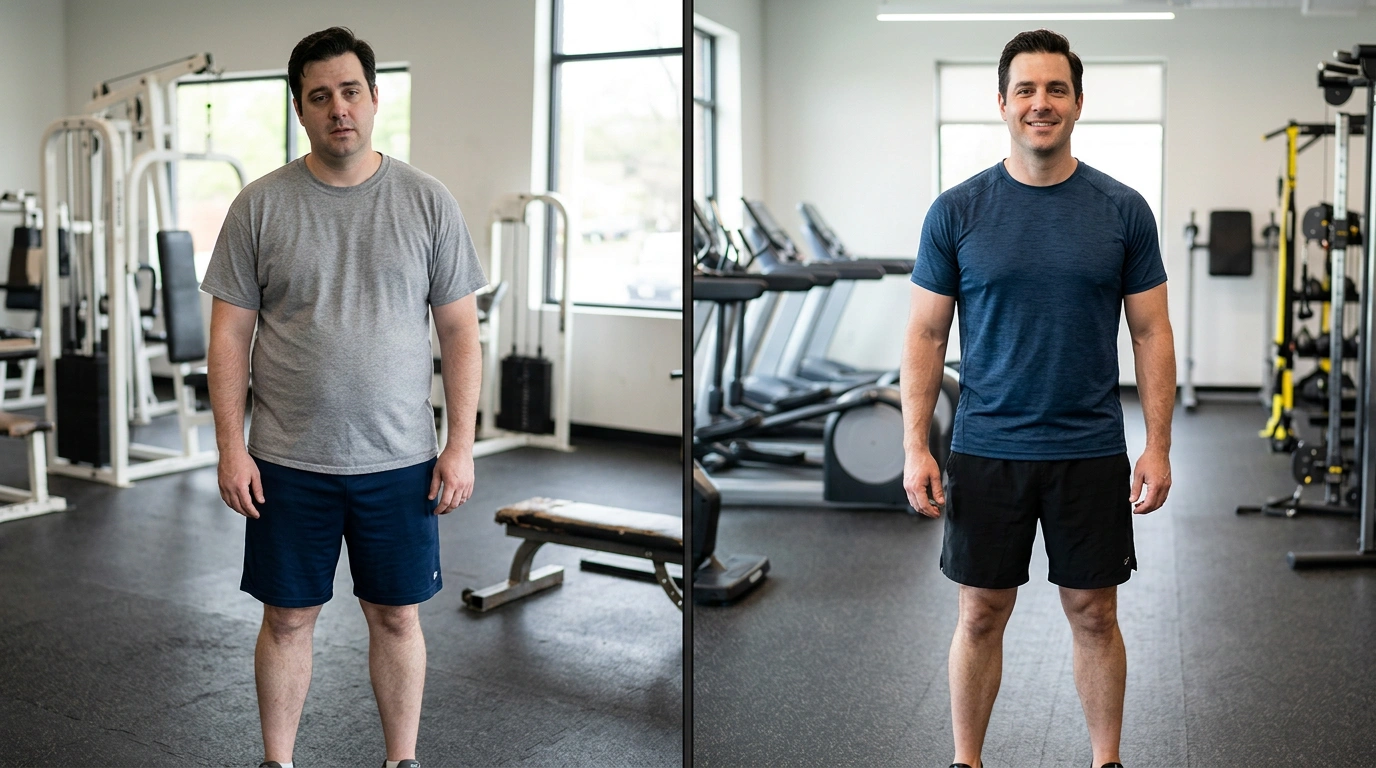
A sustainable transformation takes time. This 12 week body transformation plan focuses on building habits that support long-term success rather than quick fixes.
Goals:
Focus on developing routines rather than chasing rapid results.
Once the basics become habits:
Many people begin noticing changes in strength, endurance, and waist measurements during this phase.
Continue building on your progress:
Remember, sustainable progress is more important than rapid weight loss.
Creating a home workout space doesn’t require expensive machines. A few versatile pieces of equipment can support strength training, cardio, and long-term fat loss.
Adjustable dumbbells allow you to perform dozens of exercises, including:
They’re ideal for progressive overload without needing a full rack of weights.
Resistance bands are:
They work well for:
A treadmill offers year-round walking, jogging, or running regardless of weather. Incline walking is especially useful for increasing workout intensity.
Exercise bikes provide low-impact cardio that is easy on the knees while effectively burning calories.
A rowing machine combines strength and cardiovascular training in one workout, engaging nearly every major muscle group.
Kettlebells are excellent for dynamic movements such as:
These exercises improve strength, power, and conditioning.
Fitness trackers can help you monitor:
While not perfectly accurate, they can encourage consistency and help you track trends over time.
Foam rolling supports recovery by reducing muscle tightness and improving mobility. While it doesn’t burn fat, it can make it easier to stay active.
Core sliders increase the challenge of bodyweight exercises such as:
They help improve core stability and control.
Most people begin noticing measurable progress within 8–12 weeks of consistently maintaining a calorie deficit, exercising regularly, and getting adequate sleep. The exact timeline depends on your starting point, genetics, and adherence to healthy habits.
A flat stomach may take several months, especially if you have a significant amount of body fat to lose. Focus on gradual, sustainable progress rather than quick fixes.
There’s no universal timeline. Some people see visible changes within a few months, while others require longer. Consistency is more important than speed.
You can reduce bloating by improving hydration, limiting highly processed foods, and reducing excess sodium, but significant fat loss in just 10 days is unlikely. Healthy fat loss takes time.
If your goal is body recomposition, focus on:
You may reduce body fat while gaining muscle, resulting in little change on the scale.
Combine:
This approach supports muscle growth while reducing body fat over time.
Hormones influence fat storage, but healthy habits remain the foundation. Regular exercise, quality sleep, stress management, and balanced nutrition can help improve body composition. If you suspect a hormonal disorder, consult a healthcare professional for evaluation and treatment.
Pilates improves core strength, posture, flexibility, and balance. It contributes to calorie expenditure but doesn’t specifically burn belly fat. It works best when combined with cardio, strength training, and proper nutrition.
Excess abdominal fat is associated with conditions such as obesity, type 2 diabetes, and cardiovascular disease, which can increase the risk of erectile dysfunction. Reducing body fat and improving overall health may lower this risk. If ED persists, seek medical advice.
Fat cannot be targeted from a specific area. A combination of calorie control, strength training, and regular physical activity helps reduce overall body fat, including around the pelvic region.
Breast tissue contains both fat and glandular tissue. Weight loss may reduce fat in the chest, but genetics and hormones influence how much change occurs. Spot reduction isn’t possible.
If you’re looking for styling tips rather than fat loss:
High-waisted pants, supportive clothing, and tops that fit comfortably can help create a balanced look. However, the healthiest long-term approach is focusing on sustainable lifestyle habits rather than relying solely on appearance-based solutions.