Physical Address
304 North Cardinal St.
Dorchester Center, MA 02124
Physical Address
304 North Cardinal St.
Dorchester Center, MA 02124


When most people think about recovery, they picture protein shakes, stretching routines, massage guns, or rest days from the gym. While these habits certainly have their place, they overlook one of the most powerful recovery tools available—sleep. The truth is that your body doesn’t do most of its healing during your workout. Instead, much of the real recovery begins after you fall asleep.
Every night, your body enters a series of carefully coordinated biological processes that repair damaged tissues, build muscle, regulate hormones, strengthen your immune system, and restore your brain. Whether you’re an athlete recovering from intense training, a busy professional dealing with daily stress, or someone healing after an illness or injury, quality sleep plays a critical role in helping your body recover and perform at its best.
Unfortunately, millions of adults don’t get enough restorative sleep. Busy schedules, stress, excessive screen time, irregular sleep habits, and poor sleep environments often prevent people from getting the deep, uninterrupted sleep their bodies need. Over time, inadequate sleep can slow muscle repair, weaken immunity, reduce mental focus, increase inflammation, and make recovery take much longer than necessary.
Understanding the relationship between sleep and recovery can completely change how you approach your health. Rather than viewing sleep as simply “rest,” think of it as your body’s natural repair system working behind the scenes.
In this guide, you’ll discover the science behind sleep for healing, learn what actually happens while you sleep, understand the 5 stages of sleep, and explore practical ways to improve your nightly recovery for better physical performance, mental clarity, and long-term wellness.
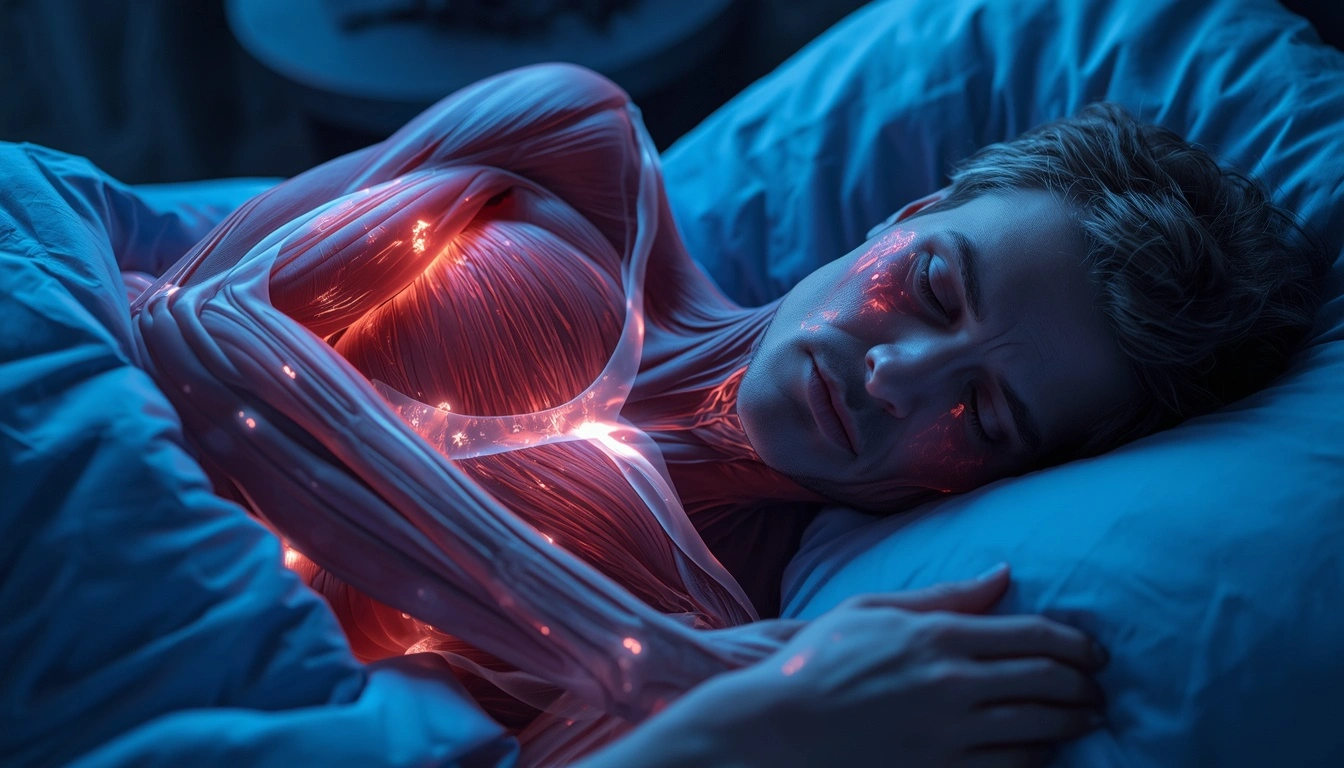
Recovery isn’t something that begins after you wake up. In reality, your body starts repairing itself soon after you fall asleep. During the night, countless biological processes work together to restore energy, repair tissues, strengthen your immune system, and prepare you for the next day.
This is why experts consistently emphasize that sleep for healing is just as important as proper nutrition and regular exercise.
Sleep affects nearly every major system in your body. While you’re resting, your body shifts its priority from daily activity to recovery and maintenance.
Every workout creates tiny microscopic tears within muscle fibers.
This is completely normal.
During sleep, especially deep sleep, your body repairs these tiny tears using amino acids from dietary protein. This repair process allows muscles to become stronger and more resilient over time.
Without enough quality sleep, muscle recovery slows considerably.
Healing isn’t limited to muscles.
Throughout the night, your body repairs:
Cell regeneration occurs continuously, helping replace damaged cells with healthy new ones.
Sleep is essential for maintaining a strong immune system.
While you sleep, your body:
People who consistently sleep too little often become sick more frequently and may recover more slowly from infections.
Your brain remains remarkably active while you sleep.
Instead of shutting down, it performs several important maintenance tasks, including:
This explains why a good night’s rest often improves problem-solving, creativity, and focus.
Many people think recovery happens after a workout because muscles feel less sore the following day.
However, most of the biological repair occurs overnight.
While you’re sleeping, your body:
These recovery processes happen each night, making consistent sleep one of the most important health habits you can develop.
Missing sleep occasionally isn’t usually harmful, but consistently cutting sleep short means your body has less time to complete these essential repair processes.
That’s why improving sleep and recovery goes far beyond simply getting more hours in bed—it means getting enough uninterrupted, high-quality sleep every single night.
One of the most common questions people ask is whether the body actually heals during sleep.
The answer is yes.
Scientific research consistently shows that many of the body’s most important repair processes occur while you’re asleep. Although healing continues throughout the day, sleep provides the ideal environment for recovery because your body can redirect energy away from movement and daily activities toward repair and restoration.
Sleep triggers numerous biological changes that support healing.
One of the biggest recovery benefits of sleep is the release of growth hormone.
Growth hormone plays an important role in:
The largest release of growth hormone typically occurs during deep sleep.
This is one reason why quality sleep is especially important after intense exercise.
Every day, your body replaces millions of damaged or aging cells.
Sleep accelerates this natural renewal process by promoting healthy cell growth and repair.
These new cells help maintain healthy:
Protein synthesis is the process your body uses to build and repair muscle tissue.
After resistance training or strenuous physical activity, your muscles depend on protein synthesis to recover and become stronger.
Adequate sleep enhances this process, while poor sleep may reduce its efficiency.
Inflammation is part of the body’s normal healing response.
However, chronic inflammation can slow recovery and increase disease risk.
Healthy sleep helps regulate inflammatory processes, allowing your body to heal without remaining in a prolonged inflammatory state.
Although sleep isn’t a cure for illness or injury, it creates the conditions your body needs to heal effectively.
Research has shown that quality sleep supports:
Athletes who consistently get enough sleep often recover more efficiently between training sessions than those who are chronically sleep deprived.
Likewise, people recovering from surgery or illness frequently experience better outcomes when they maintain healthy sleep habits.
This is why many healthcare professionals encourage patients to prioritize sleep and healing during recovery.
In simple terms, does your body heal when you sleep? Absolutely. Sleep provides the biological environment that allows your body’s natural repair systems to work at their highest potential.
Many people assume sleep is simply a period of inactivity.
In reality, sleep is one of the busiest times for your body.
Almost every organ system performs essential maintenance that supports both immediate recovery and long-term health.
Understanding what happens during sleep helps explain why getting enough rest is so important.
Your brain has a specialized waste-clearing system known as the glymphatic system.
During sleep, this system becomes much more active, helping remove waste products that accumulate while you’re awake.
Researchers believe this process supports healthy brain function and may contribute to long-term neurological health.
Sleep helps regulate numerous hormones involved in:
Poor sleep disrupts these hormones, making it more difficult to maintain energy levels, body weight, and overall health.
Your brain organizes information collected throughout the day.
Important memories become stronger, while less useful information is gradually discarded.
This process improves learning and problem-solving abilities.
If you’ve exercised during the day, sleep provides your muscles with the opportunity to rebuild stronger than before.
This rebuilding process depends on:
Sleep restores energy reserves used throughout the day.
This explains why a full night’s sleep often leaves you feeling physically refreshed and mentally alert.
Many people try to “catch up” on sleep during weekends.
Although extra sleep may temporarily reduce fatigue, it cannot completely replace consistent healthy sleep habits.
Recovery occurs each night, not just after especially hard workouts or stressful days.
Consistently sleeping 7–9 hours for most adults allows your body to complete multiple sleep cycles and maximize physical and mental recovery.
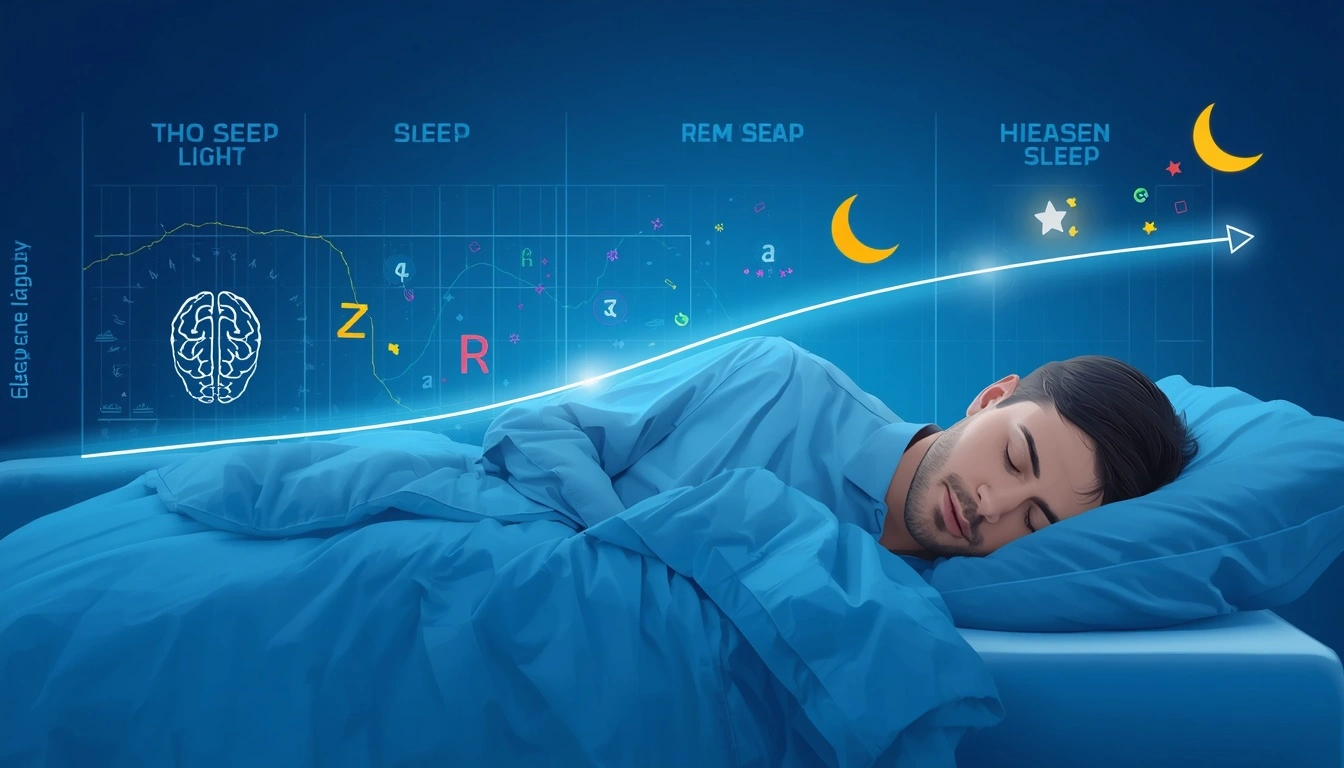
Understanding the 5 stages of sleep helps explain why uninterrupted sleep is essential for complete recovery.
Each stage serves a unique purpose, and together they create the full sleep cycle that repeats several times throughout the night.
Stage 1 is the transition between wakefulness and sleep.
During this stage:
This stage usually lasts only a few minutes.
Stage 2 makes up the largest portion of your nightly sleep.
During this stage:
Although it’s called “light sleep,” this stage plays an important role in memory and overall recovery.
Deep sleep is often considered the most restorative stage for the body.
This is when:
Missing deep sleep regularly can leave you feeling physically exhausted even after spending enough hours in bed.
Rapid Eye Movement (REM) sleep is when most vivid dreaming occurs.
During REM sleep:
Although your brain is active, your muscles remain temporarily relaxed to prevent you from acting out dreams.
A healthy night’s sleep isn’t just about sleeping longer—it’s about progressing through the complete 5 stages of sleep multiple times.
Each cycle contributes differently to:
Interruptions caused by stress, noise, alcohol, sleep disorders, or inconsistent sleep schedules can prevent your body from completing these important stages.
That’s why both sleep duration and sleep quality matter equally when your goal is faster recovery and better overall health.
Not all sleep is equally restorative. You may spend eight hours in bed yet still wake up feeling exhausted if your sleep is fragmented or poor in quality. This is where the concept of recovery sleep becomes important.
Recovery sleep refers to the high-quality sleep your body uses to repair physical damage, restore mental energy, and recover from stress, illness, or intense activity. While regular sleep is essential for daily functioning, recovery sleep focuses on maximizing your body’s healing processes.
Recovery sleep is the extra restorative sleep your body needs after periods of physical or mental strain. During this time, your body prioritizes repairing tissues, replenishing energy stores, balancing hormones, and strengthening the immune system.
Recovery sleep may be especially important after:
While sleeping longer can sometimes help reduce accumulated sleep debt, consistently getting enough quality sleep each night is much more effective than trying to “catch up” occasionally.
Although everyone benefits from quality sleep, some people have greater recovery demands.
Athletes place significant stress on their muscles, joints, and nervous systems. Recovery sleep helps repair muscle tissue, reduce soreness, and improve athletic performance.
Long work hours, deadlines, and mental stress increase fatigue. Quality sleep restores cognitive function, concentration, and decision-making abilities.
People working overnight or rotating shifts often struggle with disrupted circadian rhythms. Prioritizing recovery sleep can help reduce fatigue and improve overall health.
Parents of infants and young children frequently experience interrupted sleep. Making the most of available sleep opportunities becomes especially important during this stage of life.
Whether recovering from the flu, surgery, or another medical condition, the body requires additional energy for healing. Sleep provides the ideal environment for immune function and tissue repair.
Your body often sends clear signals when it hasn’t recovered adequately.
Common signs include:
If these symptoms continue despite healthy habits, improving sleep and recovery should become a priority.
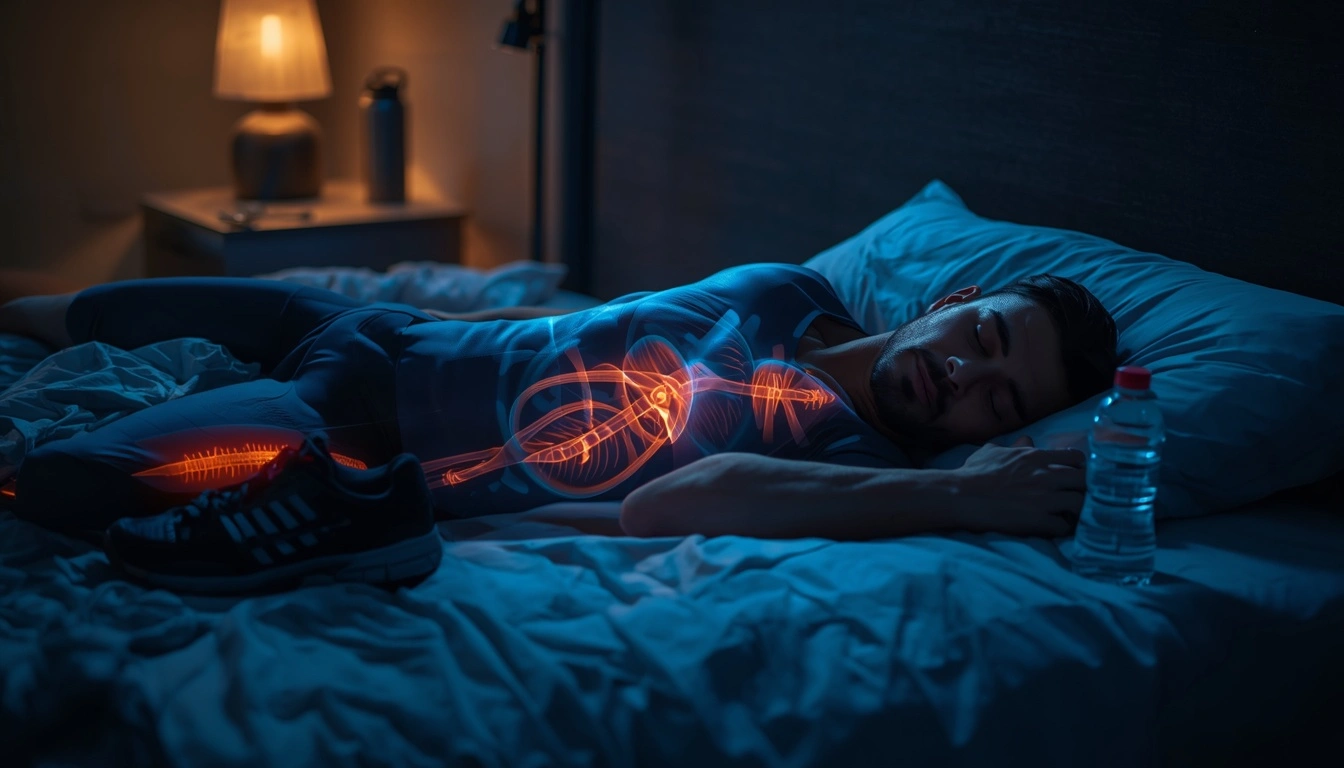
One of the most common questions people ask is whether sleep actually speeds up healing.
The answer is yes—quality sleep supports many of the biological processes involved in recovery. While sleep cannot instantly cure injuries or illnesses, it provides the optimal conditions for your body’s natural healing mechanisms to function efficiently.
Exercise places healthy stress on muscles, tendons, and connective tissues.
During sleep, your body:
This is one reason athletes who consistently sleep well often perform better and recover more quickly between training sessions.
Healing from sprains, fractures, or soft tissue injuries requires cell regeneration and protein production.
Deep sleep supports:
Although medical treatment remains essential, quality sleep complements the healing process.
Your immune system works especially hard during sleep.
While you’re asleep, your body increases production of immune cells and signaling proteins that help fight infections.
People who consistently sleep well may recover more efficiently from common illnesses than those who are chronically sleep deprived.
Deep sleep is often called the body’s recovery stage.
During this phase:
This explains why people frequently feel physically stronger after several nights of uninterrupted sleep following illness or strenuous exercise.
If you’ve ever wondered, do you heal faster when you sleep, scientific evidence strongly suggests that healthy sleep supports faster and more effective recovery.
The relationship between sleep and healing extends far beyond feeling rested. Every major body system depends on sleep to maintain health and recover from daily wear and tear.
Your immune system relies on adequate sleep to function properly.
Quality sleep helps:
People who sleep less than recommended are generally more susceptible to infections and may take longer to recover.
Muscle growth doesn’t occur while lifting weights—it happens afterward.
Deep sleep supports:
Without adequate sleep, training adaptations may be reduced even when nutrition is excellent.
Mental recovery is just as important as physical recovery.
Healthy sleep supports:
This is especially valuable for students, professionals, and anyone whose work requires sustained attention.
Sleep regulates hormones involved in:
Poor sleep may increase cortisol while disrupting hormones that regulate appetite, making healthy eating and recovery more difficult.
The stronger your sleep for healing habits become, the more efficiently these biological systems work together.
Many people have experienced waking up with a numb arm or tingling leg and wonder why do body parts fall asleep.
Despite the name, the body part itself isn’t actually sleeping.
The sensation usually occurs because prolonged pressure temporarily compresses a nerve or reduces blood flow to the area.
Common situations include:
As pressure is relieved, nerve signals return to normal, producing the familiar “pins and needles” sensation.
In most cases, temporary numbness is harmless and resolves within a few minutes after changing position.
Occasional tingling during sleep is generally not a cause for concern.
Persistent numbness deserves medical evaluation if it:
These symptoms could indicate an underlying neurological or circulatory condition requiring medical attention.
For centuries, people have wondered where do we go when we sleep.
From a scientific perspective, we don’t “go” anywhere. Instead, the brain enters different states of activity while remaining remarkably active throughout the night.
During sleep, the brain continues performing essential tasks such as:
Different brain regions become more or less active depending on the sleep stage.
Most vivid dreams occur during REM sleep.
Although researchers are still studying the exact purpose of dreaming, current theories suggest dreams may help:
Dreaming is a normal part of healthy sleep and occurs several times throughout the night.
Many cultural traditions have different beliefs about where consciousness goes during sleep.
Scientifically, however, sleep is understood as a complex biological process involving changing patterns of brain activity rather than the mind leaving the body.
Although many questions about consciousness remain unanswered, decades of sleep research clearly show that healthy sleep is essential for learning, recovery, emotional well-being, and long-term brain health.

Quality recovery begins with quality sleep. While genetics and medical conditions can influence sleep, your daily habits have a significant impact on how well you rest. Building a consistent bedtime routine helps your body prepare for deep, restorative sleep each night.
Your body follows a natural internal clock called the circadian rhythm. Going to bed and waking up at the same time every day helps regulate this rhythm, making it easier to fall asleep and wake up feeling refreshed.
Tips for a consistent schedule:
Consistency is one of the most effective ways to enjoy a good night’s rest and support long-term recovery.
Your bedroom should promote relaxation.
Consider these adjustments:
A comfortable sleep environment makes it easier to stay asleep through multiple sleep cycles.
Certain foods naturally contain nutrients involved in healthy sleep.
Good evening choices include:
Avoid heavy meals immediately before bedtime, especially foods high in sugar, fat, or spicy ingredients.
Phones, tablets, computers, and televisions emit blue light that can suppress melatonin production.
Try to:
Reducing blue light exposure helps your brain recognize that bedtime is approaching.
Regular exercise improves sleep quality, but timing matters.
Morning or afternoon workouts generally support better sleep.
If evening exercise makes you feel energized, try finishing vigorous workouts at least two to three hours before bedtime.
Gentle stretching, yoga, or walking in the evening can help relax your muscles without overstimulating your body.
Your brain needs time to transition from daytime activity to sleep.
Relaxing bedtime activities include:
Creating a predictable bedtime routine tells your brain it’s time to rest.
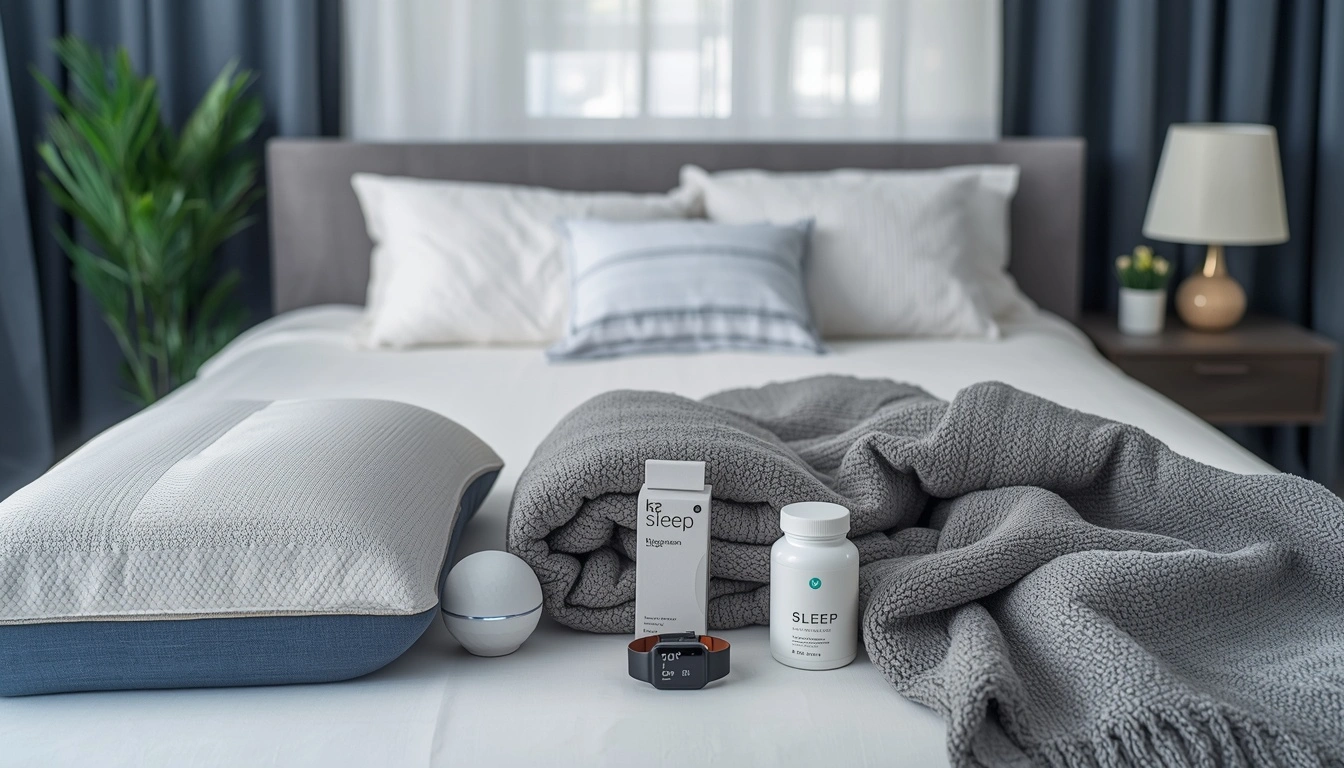
Healthy habits should always come first, but certain products may make it easier to sleep comfortably and support recovery.
A supportive memory foam mattress distributes body weight evenly, helping reduce pressure points and improve spinal alignment.
Best for:
People who overheat during sleep may benefit from cooling pillows that help regulate temperature throughout the night.
Benefits include:
Magnesium plays an important role in muscle relaxation and nervous system function.
Some individuals find magnesium glycinate helpful as part of a healthy bedtime routine.
Always consult your healthcare provider before starting supplements.
Weighted blankets apply gentle, even pressure that some people find calming.
Potential benefits include:
A white noise machine masks background sounds such as traffic, neighbors, or household noise, helping create a more peaceful sleep environment.
Sleep trackers monitor patterns such as:
While not perfectly accurate, they can help identify trends in your sleep habits.
Blocking outside light helps support natural melatonin production and may improve sleep quality, especially for shift workers or people living in brightly lit areas.
For people who spend evenings using computers or mobile devices, blue light blocking glasses may reduce exposure to stimulating light before bedtime.
Before purchasing sleep products, consider:
What to Look For
Who Should Buy
These products may benefit:
Benefits
The right sleep products may help:
Budget Considerations
Expensive doesn’t always mean better.
Start by improving your sleep habits first, then invest in products that address your specific sleep challenges.
Even people who spend enough time in bed sometimes limit their recovery through poor sleep habits.
Consistently sleeping fewer than the recommended hours reduces the time available for muscle repair, hormone production, and immune recovery.
Going to bed at different times every night disrupts your circadian rhythm and may reduce sleep quality.
Although alcohol may initially make you feel sleepy, it often disrupts later sleep cycles and reduces restorative sleep.
Coffee, energy drinks, tea, chocolate, and certain supplements can delay sleep if consumed too late in the day.
Late-night phone and computer use exposes your eyes to blue light while keeping your brain mentally stimulated.
Reducing screen time before bed remains one of the simplest ways to improve recovery.
Yes. During sleep, your body repairs tissues, releases growth hormone, rebuilds muscles, strengthens the immune system, and supports overall healing. Deep sleep is particularly important for physical recovery.
Sleep doesn’t directly cure illnesses or injuries, but it creates the ideal conditions for your body’s natural healing processes to work efficiently.
Quality sleep supports faster recovery from exercise, illness, and minor injuries by reducing inflammation, promoting tissue repair, and strengthening immune function.
During sleep, your body cycles through different sleep stages that support muscle repair, memory consolidation, hormone regulation, brain detoxification, immune function, and energy restoration.
Your muscles recover, damaged cells are repaired, hormones are balanced, your immune system becomes more active, and your brain processes memories while removing metabolic waste.
The 5 stages of sleep include the transition into sleep, light sleep, deep sleep, REM sleep, and the completion of multiple sleep cycles throughout the night. Together, these stages support both physical and mental recovery.
Most healthy adults benefit from 7–9 hours of quality sleep each night. Athletes, teenagers, and people recovering from illness or injury may require additional sleep depending on individual needs.
Recovery sleep refers to restorative sleep that helps repair muscles, restore energy, strengthen immunity, regulate hormones, and recover from physical or mental stress.
Temporary numbness usually occurs when pressure compresses a nerve or reduces blood flow to an area. Changing positions typically restores normal sensation within a few minutes.
Yes. Chronic sleep deprivation may delay tissue repair, reduce immune function, increase inflammation, and slow recovery from exercise, illness, or injury.