Physical Address
304 North Cardinal St.
Dorchester Center, MA 02124
Physical Address
304 North Cardinal St.
Dorchester Center, MA 02124


Have you ever promised yourself that this Monday would be different? Maybe you planned to eat healthier, exercise every day, drink more water, or finally get eight hours of sleep. Like many Americans, you probably started with the best intentions but found it difficult to stay consistent after a busy week.
Modern life moves fast. Long work hours, endless screen time, processed convenience foods, and constant stress often make healthy living feel overwhelming. That’s why many people give up after trying strict diets or unrealistic fitness plans. The truth is, lasting health isn’t built through perfection—it’s built through small, consistent actions repeated every day.
So, what is a healthy lifestyle? It’s not about following the latest social media trend or buying expensive wellness products. A healthy lifestyle means making daily choices that support your physical, mental, and emotional well-being. From eating nourishing foods and staying active to managing stress and getting quality sleep, every positive habit contributes to a stronger, healthier body.
Research consistently shows that simple healthy lifestyle changes are more sustainable than extreme health challenges. Instead of changing everything overnight, improving one habit at a time creates lasting results that become part of your everyday routine.
Think of your health like building a house. A strong home isn’t created in one day—it starts with a solid foundation and grows brick by brick. In the same way, healthy lifestyle habits become the foundation for long-term wellness, helping you feel more energetic, reduce your risk of chronic diseases, improve your mood, and enjoy a better quality of life.
Throughout this guide, you’ll discover practical, science-backed strategies that fit into everyday life. Whether your goal is improving health, increasing energy, or achieving better personal health and wellness, these simple habits can help you build a healthier future—one day at a time.

Many people assume being healthy simply means not getting sick. While avoiding illness is important, true wellness goes much further.
What is a healthy lifestyle? A healthy lifestyle is a combination of daily behaviors that support your body, mind, and emotional well-being. It includes eating nutritious foods, staying physically active, sleeping well, managing stress, maintaining positive relationships, and making choices that improve your overall quality of life.
Health isn’t just the absence of disease—it’s the ability to feel your best physically, mentally, and emotionally.
For example, someone may have normal blood pressure and cholesterol levels but constantly feel exhausted because of poor sleep and chronic stress. On the other hand, another person may not have a perfect fitness routine but consistently practices healthy habits that help them stay energetic, focused, and emotionally balanced.
This is why wellness is about much more than medical test results.
If you’ve ever asked yourself why is wellness important, the answer is simple: good wellness improves nearly every aspect of life.
A healthy lifestyle can help you:
These benefits don’t happen overnight, but they grow stronger as healthy habits become part of your daily routine.
The meaning of physical health goes beyond simply looking fit.
Physical health refers to how well your body functions each day. It includes your ability to move comfortably, perform everyday activities, recover from illness, and maintain healthy organs, muscles, and bones.
Good physical health is influenced by several factors, including:
When these areas work together, your body performs more efficiently and supports long-term wellness.
The optimal health definition isn’t about being perfect.
Instead, it means functioning at your highest possible level based on your age, genetics, and lifestyle. Someone living with a chronic condition can still experience optimal health by managing that condition effectively while practicing healthy daily habits.
Health is a journey, not a destination.
Many people are surprised to learn that wellness has multiple dimensions.
Some common examples of wellness include:
Each area influences the others. For example, chronic stress can affect sleep, poor sleep can reduce exercise performance, and lack of exercise may negatively impact mood.
That’s why successful healthy lifestyle changes focus on the whole person instead of just one aspect of health.
Following simple wellness guidelines—such as eating balanced meals, staying active, sleeping well, and managing stress—can significantly improve both your health today and your quality of life in the future.
Your morning often sets the tone for the rest of your day.
Rushing out the door without breakfast, checking emails immediately after waking up, or skipping hydration can leave you feeling stressed before the day has even begun.
Instead, build a morning routine that supports your health.
Start by drinking a glass of water after waking up. Your body loses fluids overnight, and rehydrating first thing in the morning helps support digestion, circulation, and energy levels.
Next, spend five to ten minutes stretching or doing light mobility exercises. Gentle movement increases blood flow, reduces stiffness, and prepares your muscles for the day ahead.
Many successful people also spend a few minutes planning their day. Writing down your priorities can improve productivity while reducing unnecessary stress.
A simple daily routine for self improvement 2026 doesn’t need to be complicated. Small habits practiced consistently are far more effective than elaborate routines you can’t maintain.
Healthy morning habits are among the most valuable daily health habits because they create momentum that often leads to better food choices, increased productivity, and a more positive mindset throughout the day.
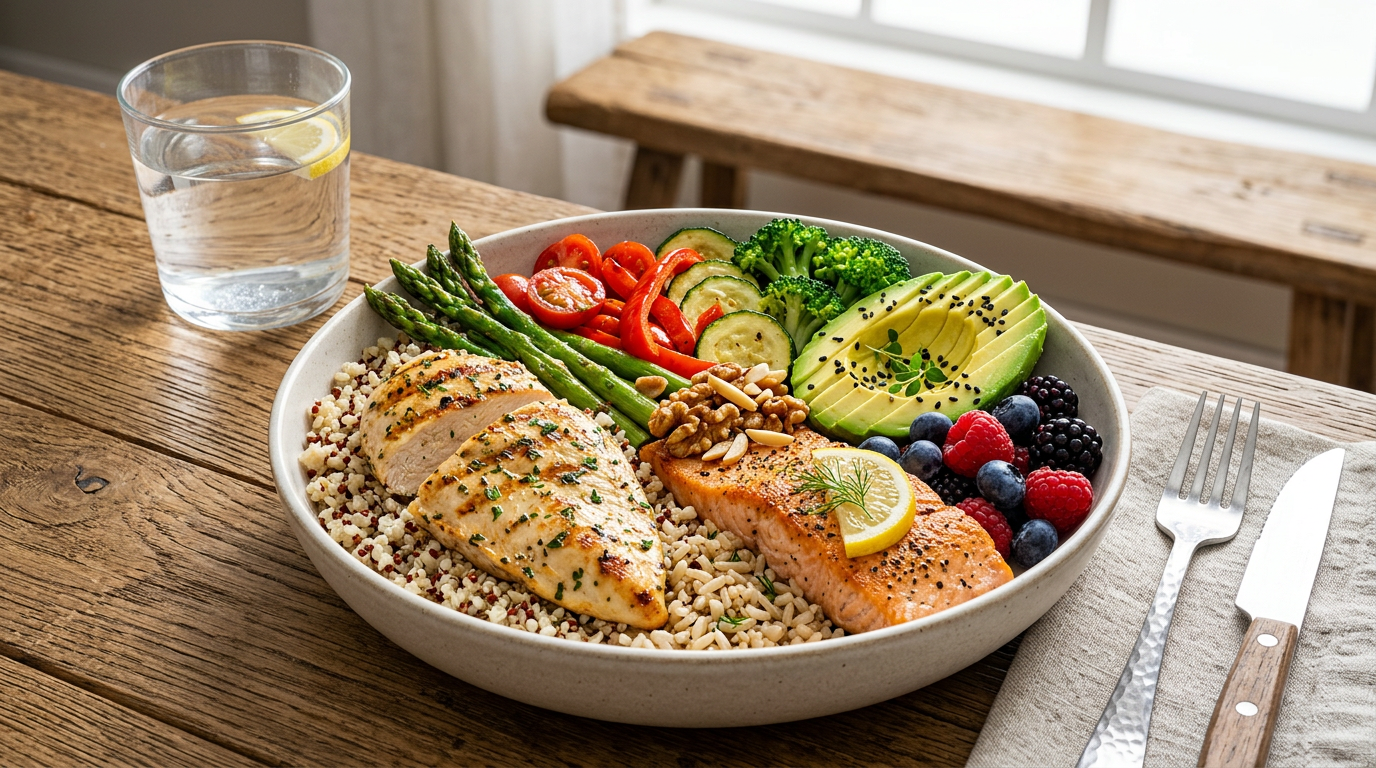
One of the most effective healthy lifestyle changes is improving the quality of your diet.
Healthy eating isn’t about eliminating every favorite food. Instead, it’s about choosing nutrient-rich foods more often than highly processed alternatives.
Build your meals around whole foods such as:
These foods provide essential vitamins, minerals, fiber, and antioxidants that support your immune system, heart health, digestion, and energy production.
Protein is especially important because it helps maintain muscle, supports recovery, and keeps you feeling full longer.
Fiber-rich foods such as vegetables, oats, beans, and whole grains improve digestion while helping regulate blood sugar levels.
Limiting sugary drinks, heavily processed snacks, and excessive fast food doesn’t mean you can never enjoy them. Instead, practice balance by making nutritious foods the foundation of your daily meals.
Developing healthy eating habits is one of the best investments you can make in your long-term health.
Simple healthy lifestyle choices today can reduce your risk of obesity, diabetes, heart disease, and many other chronic conditions in the future.

Regular movement is one of the most powerful tools for improving overall health.
Exercise doesn’t require expensive gym memberships or complicated workout programs. Walking around your neighborhood, riding a bike, swimming, dancing, or doing bodyweight exercises at home all contribute to better health.
Experts generally recommend at least 150 minutes of moderate-intensity physical activity each week, along with two or more strength-training sessions.
Regular exercise offers numerous benefits, including:
If you’re wondering how can you optimize your physical health, consistent exercise is one of the most effective answers.
Safety is also important. Always warm up before exercising, wear appropriate footwear, stay hydrated, and gradually increase workout intensity. These simple decisions demonstrate how personal choice can enhance your safety when exercising while reducing the risk of injury.
Even a 30-minute walk each day can significantly improve your physical and mental well-being over time.
Many people underestimate the importance of sleep.
Your body performs essential repair processes while you sleep. Muscles recover, hormones regulate, memories consolidate, and your immune system becomes stronger.
Adults should aim for seven to nine hours of quality sleep each night.
To improve sleep quality:
Among all healthy living habits, quality sleep has one of the greatest impacts on energy, mood, concentration, and long-term health.
Water supports nearly every function in your body.
Proper hydration helps regulate body temperature, transport nutrients, lubricate joints, aid digestion, and improve physical performance.
Even mild dehydration can lead to fatigue, headaches, difficulty concentrating, and reduced exercise performance.
Healthy ways to increase your water intake include:
Making hydration a daily habit is one of the simplest healthy habits you can develop. While it may seem like a small change, drinking enough water consistently supports a healthy body, improves energy levels, and contributes to better overall wellness.
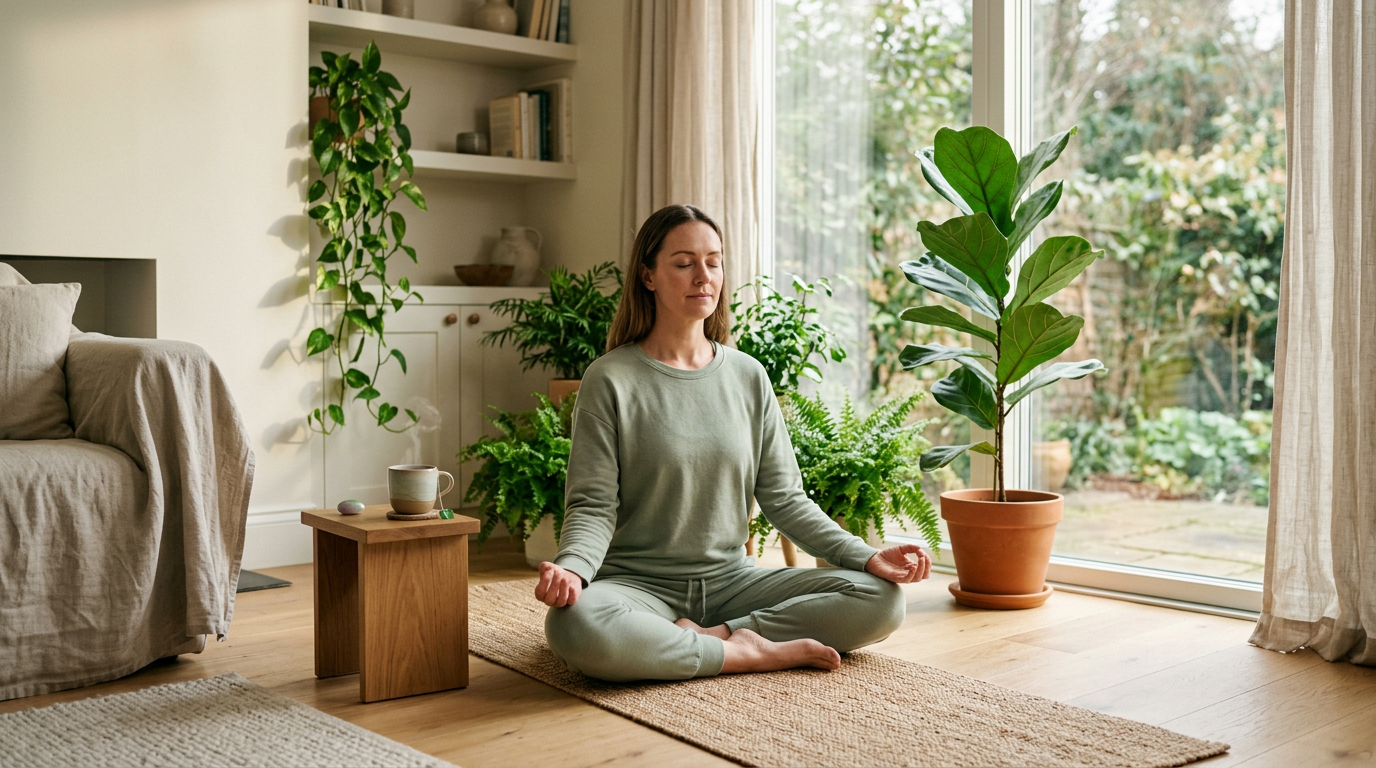
Stress is a normal part of life, but chronic stress can take a serious toll on your physical and mental health. It can increase blood pressure, disrupt sleep, weaken the immune system, and even influence unhealthy eating habits.
The good news is that managing stress doesn’t require drastic lifestyle changes. Small, intentional practices can make a significant difference.
Healthy coping strategies include:
Learning healthy health skills allows you to respond to stressful situations without turning to unhealthy coping mechanisms like overeating or excessive screen time.
Remember, managing stress isn’t about eliminating every challenge from your life. It’s about developing healthy responses that protect your overall well-being. These simple wellness ideas can improve both your emotional health and your quality of life.
Maintaining a healthy weight isn’t about achieving a certain clothing size—it’s about supporting your body’s overall function and reducing the risk of chronic diseases.
Many people fall into the trap of crash diets that promise rapid results. While these plans may lead to temporary weight loss, they’re often difficult to maintain and can result in muscle loss, nutrient deficiencies, and weight regain.
Instead, focus on sustainable habits such as:
A healthy body isn’t created through short-term dieting. It’s built through consistent healthy lifestyle habits that support long-term wellness.
When your goal is improving health rather than chasing quick results, you’re much more likely to achieve lasting success.
Health isn’t only physical. Humans are naturally social, and meaningful relationships play an important role in overall wellness.
Strong social connections can:
Simple ways to strengthen relationships include:
These interactions improve personal health and wellness while providing emotional support during difficult times.
Healthy relationships are excellent examples of wellness because they contribute to both emotional and physical health.
Improving your health isn’t only about adding good habits—it’s also about reducing behaviors that negatively affect your well-being.
Consider limiting:
Replacing unhealthy behaviors with positive alternatives often feels easier than trying to eliminate them completely.
For example:
Instead of soda, choose sparkling water.
Instead of scrolling on your phone before bed, read a book.
Instead of processed snacks, keep fruit or nuts nearby.
Making smarter healthy lifestyle choices every day gradually improves your overall health without feeling overwhelming.
These positive health practices create lasting change because they’re realistic and sustainable.
Many people eat while watching television, scrolling through social media, or working at their desk. As a result, they often consume more food than their body actually needs.
Mindful eating encourages you to pay attention to your meals.
Simple mindful eating habits include:
This approach not only improves digestion but also helps prevent overeating.
Mindful eating isn’t another restrictive diet—it’s simply a healthier relationship with food.
Adding this habit to your daily routine is one of the easiest healthy practices for improving long-term wellness.
Mental health deserves the same attention as physical health.
Everyone experiences difficult emotions from time to time, but consistently caring for your mental well-being helps you build resilience and maintain balance.
Healthy self-care activities include:
Positive thinking doesn’t mean ignoring challenges.
Instead, it means learning to approach difficulties with resilience and realistic optimism.
Developing these healthy skills strengthens emotional well-being while supporting overall health.
Remember, asking for help is a sign of strength—not weakness.
Preventive healthcare is one of the most overlooked aspects of healthy living.
Regular checkups allow healthcare providers to identify potential problems before they become serious.
Preventive care may include:
Many chronic diseases develop gradually without obvious symptoms.
Routine appointments help you monitor progress and maintain the signs of good health throughout every stage of life.
Preventive care is one of the smartest long-term health practices you can adopt.
Modern lifestyles often keep people indoors for most of the day.
Spending time outside provides numerous physical and mental health benefits.
Outdoor activities can:
Simple outdoor activities include:
Fresh air and natural surroundings contribute to good wellness while supporting both physical and emotional health.
Even 20 to 30 minutes outside each day can positively impact your overall well-being.
Motivation comes and goes, but routines create consistency.
Instead of relying on willpower every day, build systems that make healthy choices easier.
Examples include:
You can also use a habit tracker to monitor progress.
Small actions repeated consistently become lifelong habits of healthy living.
Remember, success doesn’t come from one perfect day—it comes from hundreds of ordinary days filled with positive choices.
Health science continues to evolve.
Staying informed helps you make better decisions while avoiding misinformation and unrealistic health trends.
You can continue learning by:
Developing strong health skills allows you to make informed decisions for yourself and your family.
Knowledge becomes one of your greatest healthy essentials because informed choices often lead to healthier lifestyles.
If you’re unsure where to begin, focus on these 10 healthy habits that have the greatest impact on long-term wellness.
These habits may seem simple, but together they create a powerful foundation for lifelong health.
Many experts also highlight seven healthy habits, such as eating well, staying active, getting enough sleep, avoiding tobacco, maintaining a healthy weight, limiting alcohol, and managing stress. Whether you start with two habits or all ten, consistency matters far more than perfection.
If someone asks, what are some habits that healthy people practice every day, this checklist is an excellent place to start.
How do you know if your healthy habits are working?
Instead of focusing only on the number on the scale, pay attention to how your body feels.
Common signs you are healthy include:
If you’ve ever wondered how do you know if you are physically healthy, these indicators provide a much better picture than appearance alone.
A physically healthy person typically has the ability to complete daily activities without excessive fatigue, maintain emotional balance during stressful situations, and recover well after physical activity.
These are some of the key characteristics that help identify the characteristics of a physically healthy person.
Living at your healthy peak doesn’t require perfection. It simply means consistently making choices that support your body, mind, and overall well-being.
Improving your health doesn’t require a complete lifestyle makeover overnight. Instead, it comes from making better choices consistently. Every nutritious meal, every walk around the neighborhood, and every good night’s sleep contributes to a healthier future.
If you’ve ever wondered how can you optimize your physical health, the answer lies in creating habits that support your body every day.
Food is the fuel your body relies on for energy, recovery, and overall function.
Prioritize meals that include:
These foods provide the vitamins and minerals your body needs while helping maintain steady energy levels throughout the day.
The best workout isn’t necessarily the hardest one—it’s the one you’ll continue doing consistently.
Aim to include:
Consistency will always outperform occasional intense workouts.
Recovery is just as important as exercise.
Give your body enough time to repair by:
Recovery supports muscle growth, reduces injury risk, and helps maintain motivation.
Small lifestyle improvements can have a surprisingly large impact.
Examples include:
Although many people search for a physical health picture or physical health pictures to visualize good health, remember that true physical wellness isn’t defined by appearance alone. Strong energy, good mobility, emotional balance, and healthy daily habits are much better indicators of long-term health.
True wellness extends beyond physical fitness.
Experts commonly recognize six major dimensions of health, each contributing to your overall quality of life.
Physical health focuses on caring for your body through:
Emotional wellness involves recognizing, expressing, and managing emotions in healthy ways.
Healthy emotional habits include:
Mental wellness supports learning, decision-making, concentration, and problem-solving.
Activities that strengthen mental health include:
Humans thrive through meaningful relationships.
Strong social health includes:
Spiritual wellness means finding purpose and meaning in life.
For some people this involves religion, while for others it may include:
Your surroundings influence your health more than you may realize.
Environmental wellness includes:
Understanding what are the six components of health reminds us that overall wellness depends on much more than exercise alone.
When these dimensions work together, they create a healthier, happier, and more balanced life.

Healthy habits should always come first, but certain products can make your wellness journey easier and more enjoyable.
Here are some practical tools worth considering.
Simple home equipment makes exercising more convenient.
Useful options include:
These affordable tools support strength training without requiring a gym membership.
Technology can help you stay accountable.
Popular wellness products include:
These tools allow you to monitor activity levels, hydration, sleep quality, and overall progress.
While food should always be your primary source of nutrients, some people may benefit from supplements after consulting a healthcare professional.
Common options include:
These healthy essentials can complement—not replace—a balanced diet.
The best wellness products are those that encourage consistency and support your personal health goals rather than promising unrealistic results.
A healthy lifestyle is a combination of daily habits that support physical, mental, and emotional well-being. It includes eating nutritious foods, staying active, getting enough sleep, managing stress, and maintaining positive relationships.
If you’re wondering what are some habits healthy people practice, they typically:
The three keys to good health are:
These three habits form the foundation for long-term wellness.
Taking care of your body involves:
Small daily actions create significant long-term benefits.
Wellness improves nearly every aspect of life.
Good wellness supports higher energy levels, stronger immunity, better emotional health, improved productivity, healthier relationships, and a lower risk of chronic disease.
Common healthful behaviors examples include: