Physical Address
304 North Cardinal St.
Dorchester Center, MA 02124
Physical Address
304 North Cardinal St.
Dorchester Center, MA 02124


Life today moves fast. Between demanding work schedules, family responsibilities, endless notifications, and the pressure to always stay productive, it’s easy to put your own health at the bottom of the priority list. Many people focus on physical fitness while overlooking emotional well-being, while others work on their mental health but forget how much their daily habits affect their bodies. The truth is that health and mind are deeply connected, and caring for one without the other often leads to incomplete results.
A truly healthy life isn’t built by following a strict diet for a few weeks or exercising only when motivation strikes. Instead, it’s created through consistent habits that support both your body and your mind. Getting enough sleep, eating nutritious meals, managing stress, staying active, and making time for self care all work together to improve your overall well-being.
Think about how you feel after a good night’s sleep, a healthy breakfast, and a short walk outside. You likely have more energy, better focus, and a calmer mindset. On the other hand, several nights of poor sleep combined with unhealthy eating and constant stress can leave you feeling exhausted, irritable, and mentally drained. These small daily experiences highlight why Healthy Lifestyle Tips for Better Physical and Mental Health are about much more than fitness—they’re about creating a sustainable wellness strategy that helps you thrive.
The good news is that you don’t have to change your entire life overnight. Small, intentional habits practiced consistently can help you sustain wellness, improve emotional balance, and build a healthier future one day at a time.
A healthy lifestyle is a way of living that supports your physical, emotional, and mental well-being. It’s not about being perfect or following every health trend. Instead, it’s about making choices that improve your quality of life over the long term.
For many Americans, busy schedules often lead to skipped meals, long hours of sitting, limited sleep, and constant stress. While these habits may seem harmless at first, they can gradually affect energy levels, mood, productivity, and overall health.
Living a healthy lifestyle means paying attention to the everyday decisions that shape how you feel. This includes eating balanced meals, staying physically active, getting enough sleep, managing stress, maintaining meaningful relationships, and taking time to recharge.
One of the biggest misconceptions is that health only depends on diet and exercise. In reality, emotional well-being, mental resilience, and social connections are just as important.
When these areas work together, you experience:
Rather than viewing health as a destination, think of it as a lifelong journey built on consistent choices.
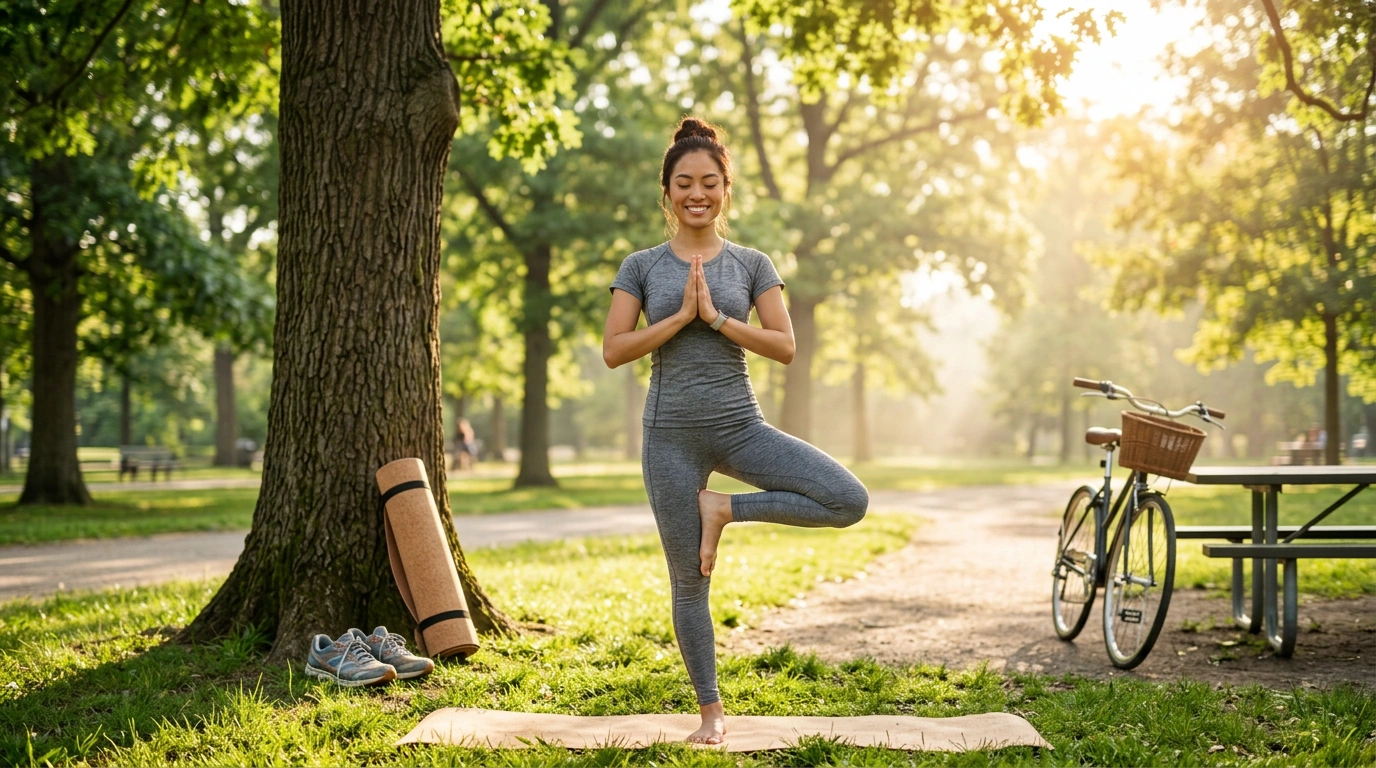
Physical and mental health are often treated as separate topics, but they constantly influence one another.
Have you ever noticed how much easier it is to think clearly after a workout? Or how stress can leave your shoulders tense and your stomach upset? These are everyday examples of the close relationship between the body and mind.
Regular physical activity doesn’t just strengthen muscles—it also supports mental wellness.
Exercise stimulates the release of endorphins, often called “feel-good” chemicals. It can also increase serotonin and dopamine, neurotransmitters that help regulate mood and motivation.
People who stay physically active often report:
Even a 30-minute walk can have a positive impact on emotional health.
Stress isn’t only experienced in your thoughts.
Long-term emotional stress may contribute to:
When emotional challenges remain unmanaged, they can gradually affect physical health.
That’s why maintaining emotional and mental health is just as important as eating nutritious foods or exercising regularly.
Developing mental balance doesn’t mean feeling happy all the time.
Instead, it means learning how to recognize emotions, respond to challenges in healthy ways, and recover after difficult experiences.
A person with strong emotional balance is more likely to:
This is closely related to mental stability, which refers to the ability to function effectively despite life’s ups and downs.
Being mentally stable or mentally sound doesn’t mean never experiencing stress or sadness. It means having healthy coping strategies and knowing when to seek support if needed.
When physical activity, nutrition, sleep, and emotional care work together, they create the foundation for lasting wellness.
Many people recognize the symptoms of poor mental health but aren’t always sure what positive mental wellness looks like.
Good mental health isn’t about feeling cheerful every moment of the day. It’s about having the emotional tools needed to navigate life’s challenges while continuing to function, grow, and enjoy meaningful experiences.
Here are 10 signs of good mental health that reflect strong emotional well-being.
Everyone experiences disappointment, frustration, or anxiety from time to time.
The difference is how you respond.
People with healthy emotional well-being acknowledge their feelings without allowing those emotions to control every decision they make.
Healthy self-confidence doesn’t require perfection.
Instead, it involves recognizing your strengths, accepting your imperfections, and believing you can continue learning and growing.
Strong mental wellness often shows through supportive relationships.
Healthy relationships include:
These connections improve emotional resilience and overall happiness.
Life will always include unexpected challenges.
People with good mental health don’t avoid stress—they develop healthy ways to manage it.
Examples include:
These strategies help reduce emotional overwhelm before it becomes chronic.
Motivation naturally rises and falls.
However, people with strong mental health usually maintain enough motivation to continue working toward meaningful goals, even when they don’t feel inspired every day.
Healthy individuals recognize when they need rest.
Instead of trying to please everyone, they understand the importance of saying “no” when necessary and protecting their emotional energy.
Good mental health often leads to better decision-making.
Rather than reacting impulsively, mentally healthy people tend to consider long-term consequences before making important choices.
One important sign of emotional wellness is maintaining daily functioning.
This includes:
While everyone has difficult days, consistently handling daily responsibilities reflects healthy emotional functioning.
Purpose gives life direction.
Whether it’s raising a family, growing your career, volunteering, pursuing hobbies, or helping others, having meaningful goals contributes to greater happiness and resilience.
Perhaps the strongest sign of mental wellness isn’t avoiding hardship—it’s learning how to recover from it.
Resilient people experience setbacks just like everyone else.
The difference is that they continue growing well, learning from challenges, and gradually moving forward instead of remaining stuck.
This resilience also contributes to greater mental clarity, helping people make thoughtful decisions even during stressful periods.
Remember, maintaining good mental health is an ongoing process—not a permanent state.

One of the most effective ways to improve emotional health is by making self care a regular part of your routine rather than something you do only when you’re overwhelmed.
Many people mistakenly think self-care is a luxury reserved for weekends or vacations. In reality, it’s one of the most practical investments you can make in your physical and mental well-being.
Daily self-care doesn’t have to be expensive or time-consuming. Simple, consistent actions often have the greatest long-term impact.
Whether it’s taking a quiet walk, reading a book before bed, preparing a healthy meal, or spending a few minutes practicing mindfulness, these small habits help your mind recover from everyday stress.
Over time, they strengthen emotional resilience, improve focus, and make it easier to respond calmly when life becomes challenging.
If you’re wondering how to self care, start by remembering that self-care looks different for everyone. The goal isn’t to copy someone else’s routine—it’s to create habits that genuinely support your well-being.
Here are some practical ways to practice self care every day:
Choose a few activities you can realistically maintain, such as:
Consistency matters more than perfection.
Your brain isn’t designed to stay productive every minute of the day.
Short breaks improve concentration, reduce stress, and help prevent burnout.
Even five minutes away from your desk can make a noticeable difference.
Hobbies provide more than entertainment—they help reduce stress and restore emotional energy.
Consider activities like:
Doing something simply because you enjoy it is a valuable form of self nurturing.
Meaningful conversations with trusted friends or family members can improve emotional well-being and reduce feelings of isolation.
Strong relationships are one of the most powerful protective factors for mental health.
Mindfulness encourages you to focus on the present moment instead of worrying about the past or future.
Simple techniques include:
These habits improve emotional awareness and support self nurturance over time.
Learning to say “no” when necessary protects your energy and prevents emotional exhaustion.
Healthy boundaries allow you to care for others without neglecting yourself.
Helpful self care goals might include:
Asking yourself regular self care questions can also be helpful:
These simple reflections encourage healthier decisions and promote long-term recovery self care.
The most effective answer to how do you practice self care is simple: choose habits that help you feel healthier, calmer, and more balanced—and practice them consistently.

Building a healthier life starts with the choices you make every day. While mental and emotional health deserve attention, taking care of your body is just as important. In fact, physical self care creates the foundation for better energy, improved mood, stronger immunity, and greater resilience to stress.
The good news is that physical self-care doesn’t require expensive gym memberships or complicated routines. Small, consistent habits often make the biggest difference over time.
By creating a balanced lifestyle and practicing healthy habits, you’re not only protecting your body—you’re also supporting your mental well-being.
Regular movement is one of the most effective ways to improve both physical and mental health.
Exercise helps:
You don’t need intense workouts every day. Activities like brisk walking, cycling, swimming, dancing, yoga, or strength training all contribute to a healthier lifestyle.
Aim for at least 150 minutes of moderate exercise each week, and remember that consistency matters more than intensity.
Choosing an active path through daily life—taking the stairs, walking during breaks, or biking instead of driving when possible—can significantly improve long-term health.
Food is more than just calories—it’s the fuel your body and brain need to function at their best.
A balanced diet should include:
Rather than following restrictive fad diets, focus on creating sustainable eating habits that provide steady energy throughout the day.
Small improvements, like replacing sugary drinks with water or adding vegetables to every meal, can have a lasting impact.
Sleep is often overlooked, yet it’s one of the most important aspects of proper care for your body.
During sleep, your body:
Adults generally need 7–9 hours of quality sleep each night.
To improve sleep:
Better sleep often leads to improved focus, emotional balance, and physical performance.
Water plays a role in nearly every function of the human body.
Proper hydration helps:
Carry a reusable water bottle and drink consistently throughout the day, especially during exercise or hot weather.
Preventive care is an important part of life management.
Routine medical checkups help identify potential health concerns before they become serious.
Depending on your age and health history, regular screenings may include:
Preventive healthcare allows you to make informed decisions and maintain long-term wellness.
Instead of relying on motivation, build routines.
Examples include:
These simple routines gradually become part of your lifestyle, making healthy choices easier over time.
Most people associate healthy eating and exercise with weight management, but their benefits extend far beyond physical appearance.
The food you eat and the way you move your body have a direct impact on brain function, emotional resilience, and overall mental wellness.
A balanced lifestyle supports both your body and your mind.
Your brain needs high-quality nutrition to perform at its best.
Nutrients such as:
all contribute to healthy brain function.
Eating balanced meals helps stabilize blood sugar, reducing mood swings and improving concentration.
Healthy healthy eating habits also support consistent energy levels throughout the day.
Physical activity naturally lowers stress hormones like cortisol while increasing endorphins.
Regular exercise may help:
Even moderate activities, such as walking for 30 minutes, can noticeably improve emotional well-being.
For stable energy, aim to include:
Balanced meals help prevent energy crashes and excessive hunger.
The wellness industry continues to grow rapidly, offering countless wellness products that promise quick results.
While some products can support healthy habits, no supplement replaces:
Similarly, many so-called revitalizing remedies promoted online lack strong scientific evidence.
Always evaluate health claims carefully and consult healthcare professionals before trying new supplements.
Some popular diets may sound appealing but are difficult—or even unsafe—to maintain.
For example, the sleeping beauty diet, which encourages excessive sleeping to avoid eating, is dangerous and not supported by medical evidence.
If you struggle with disordered eating patterns, seeking guidance from qualified healthcare professionals or specialized treatment centers is far healthier than following restrictive trends.
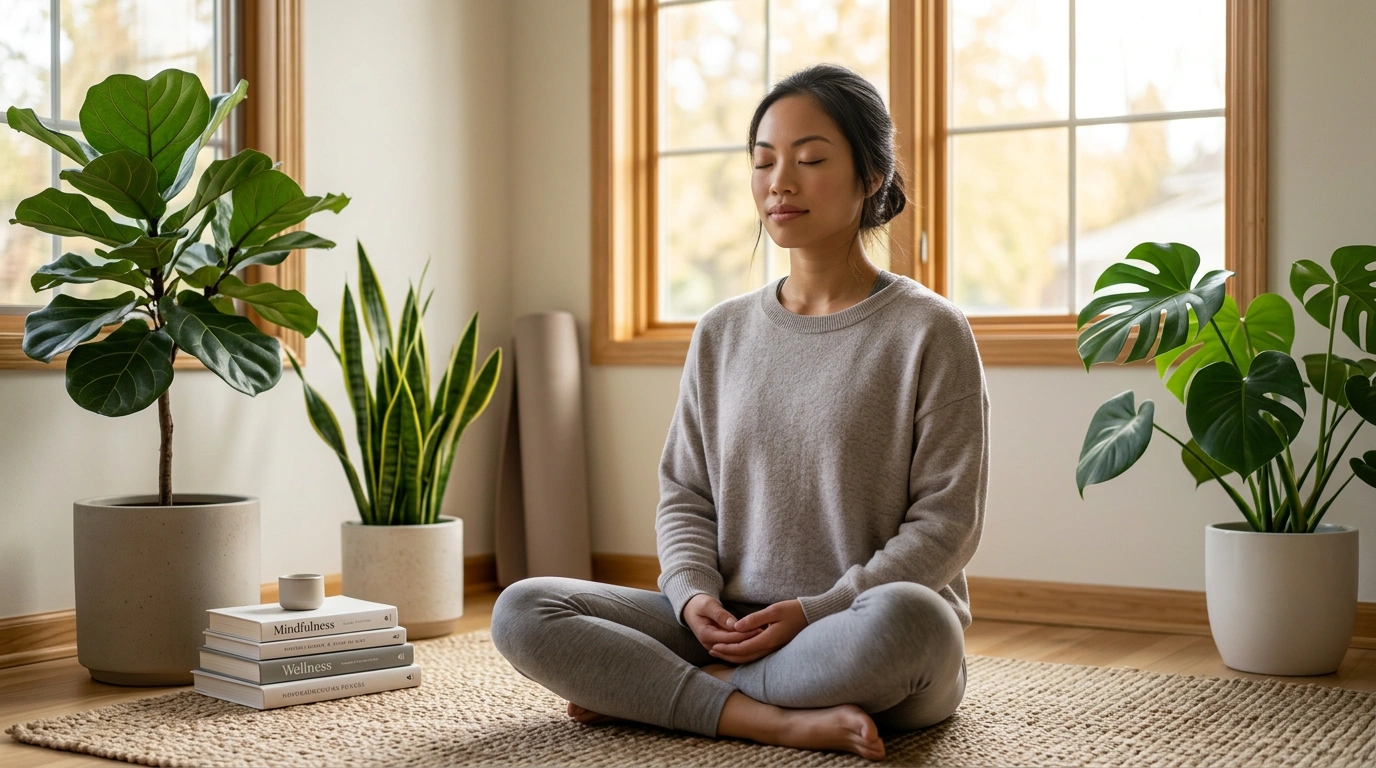
Everyone experiences stress.
The goal isn’t to eliminate it completely—it’s to respond in healthier ways.
Developing emotional resilience allows you to recover more quickly from life’s challenges while maintaining stronger relationships and better overall health.
The first step in emotional wellness is identifying your emotions.
Instead of saying,
“I’m fine,”
try asking yourself:
Naming emotions often reduces their intensity.
Understanding what causes stress helps you respond more effectively.
Common triggers include:
Recognizing patterns makes it easier to create healthier coping strategies.
Positive thinking doesn’t mean ignoring problems.
Instead, it involves choosing realistic optimism.
Rather than thinking,
“I’ll never succeed,”
try,
“This is difficult, but I can learn from it.”
This shift encourages resilience.
Talking with trusted friends, family members, or counselors often reduces emotional pressure.
Healthy communication strengthens relationships and improves problem-solving.
Instead of reacting impulsively during stressful moments, build healthy alternatives such as:
These strategies help you realign your mind and regain emotional balance.
Everyone experiences difficult moments.
Having a bad day doesn’t mean you’re failing.
Instead of criticizing yourself, focus on what you can control today.
Sometimes simply getting enough rest, eating a nourishing meal, or taking a short walk is enough to begin feeling better.
Learning how to improve emotional wellness is a lifelong skill, not a destination.
There are times when even simple tasks feel overwhelming.
You may feel emotionally tired, unmotivated, or disconnected from activities you normally enjoy.
These feelings are more common than many people realize.
The important thing is recognizing them early and responding with compassion rather than self-criticism.
Common signs include:
Recognizing these symptoms early allows you to take action before burnout becomes more serious.
If you’re wondering what to do when you don’t feel like doing anything, start with one simple action.
Examples include:
Small wins often build momentum.
Many people ask themselves,
“Why don’t I care anymore?”
Often, the answer isn’t laziness—it’s emotional exhaustion.
Speak to yourself with the same kindness you’d offer a close friend.
Helping yourself doesn’t mean doing everything alone.
Reach out to:
Sometimes simply talking to someone can provide relief.
Healthy routines provide structure during difficult times.
Focus on:
Learning how to look after yourself during challenging periods is one of the strongest forms of resilience.
Physical health requires regular care—and so does mental health.
A mental health maintenance plan helps you consistently monitor emotional well-being instead of waiting until stress becomes overwhelming.
Think of it as preventive care for your mind.
A practical plan might include:
Take a few minutes each day to ask:
Monitor habits such as:
Tracking progress increases awareness and accountability.
Include activities like:
Regular stress management prevents emotional overload.
Strong social relationships improve emotional resilience.
Make time for supportive conversations every week.
Examples include:
These small goals support long-term mental maintenance and emotional growth.
Mental strength isn’t about avoiding difficult emotions.
It’s about continuing to move forward despite them.
Resilient people experience setbacks, disappointments, and failures just like everyone else.
The difference is how they respond.
Ways to build mental strength include:
Remember the simple reminder:
Stay tomorrow needs you.
Every difficult day eventually passes.
Your future self will benefit from the healthy choices you make today.
Choose to live life to the fullest, even if progress feels slow.
Ask yourself regularly:
“Can I do more?”
Not from a place of guilt—but from a place of growth.
Building resilience is one of the greatest gifts you can give yourself, and it supports lasting emotional wellness for years to come.
Everyone experiences stress, sadness, anxiety, or emotional ups and downs from time to time. These feelings are a normal part of life. However, when emotional challenges begin interfering with your relationships, work, school, or daily responsibilities, it may be time to seek professional support.
One of the biggest misconceptions about therapy is that it’s only for people experiencing severe mental illness. In reality, millions of Americans work with licensed mental health professionals to improve emotional well-being, manage stress, build healthier relationships, and develop better coping skills.
Seeking help is a sign of self-awareness and strength—not weakness.
Consider speaking with a mental health professional if you experience:
Professional guidance can help identify underlying causes and create a personalized treatment plan.
Stress is a natural response to life’s challenges.
For example:
These situations may temporarily increase anxiety.
Mental health concerns, however, often persist long after the stressful event has passed or occur without a clear cause.
If emotional distress consistently affects your quality of life, it’s worth discussing your symptoms with a healthcare provider.
Mental health care is not one-size-fits-all.
Depending on your needs, support may include:
Working one-on-one with a licensed therapist helps you understand emotions, develop healthier coping strategies, and improve communication skills.
If persistent sadness, hopelessness, or loss of motivation affects your daily life, evidence-based depression treatment options—including psychotherapy, lifestyle changes, and, when appropriate, medication—can be highly effective.
Depression therapy often uses approaches such as Cognitive Behavioral Therapy (CBT), Acceptance and Commitment Therapy (ACT), or Interpersonal Therapy (IPT) to help individuals recognize unhelpful thought patterns and build healthier behaviors.
For individuals recovering from serious mental health conditions, mental health home care or home-based emotional support services may provide additional assistance during recovery.
Many communities offer recovery and wellness programs that combine counseling, peer support, education, and lifestyle coaching to help individuals build long-term emotional resilience.
Whether you’re exploring local counseling services, support groups, or specialized treatment centers, choosing qualified, licensed professionals is the best way to receive safe and effective care.
Mental health affects every family, workplace, school, and community.
Yet stigma often prevents people from asking for help.
Open conversations about emotional well-being encourage understanding, reduce discrimination, and remind people that they’re not alone.
Mental health awareness isn’t just about recognizing illness—it’s also about promoting healthy habits that help people thrive.
Talking openly about mental health helps:
Just as we talk openly about heart health or nutrition, emotional well-being deserves the same attention.
Sometimes, the best support is simply listening.
If someone you care about is struggling:
You don’t need to have all the answers.
Your presence and compassion can make a meaningful difference.
Communities across the United States offer opportunities to promote emotional well-being through:
Participating in activities during Mental Health Awareness Month can help spread accurate information and reduce stigma.
Students interested in healthcare careers may also explore educational programs such as Mental Health Promotion HOSA, which encourage leadership and advocacy around emotional wellness.
Reading trusted mental wellness blogs and following evidence-based resources can also help you stay informed about current mental health topics and research.
Healthy habits become easier to maintain when you have the right tools.
While no product can replace good nutrition, exercise, sleep, or professional healthcare, certain resources can support your daily wellness routine.
Guided meditation apps can help you:
Even five to ten minutes of daily meditation can improve emotional balance over time.
Creating an active lifestyle at home doesn’t require expensive equipment.
Simple options include:
These tools make it easier to stay active regardless of the weather.
Writing down your thoughts can improve self-awareness and reduce stress.
Many people enjoy using:
Tracking progress often increases motivation and helps identify patterns that affect emotional well-being.
Quality sleep is essential for both physical and mental health.
Helpful sleep-support tools may include:
Creating a relaxing bedtime environment encourages consistent, restorative sleep.
Before purchasing supplements, gadgets, or mental health products, ask yourself:
Remember, the most valuable wellness investments are often healthy daily habits rather than expensive products.
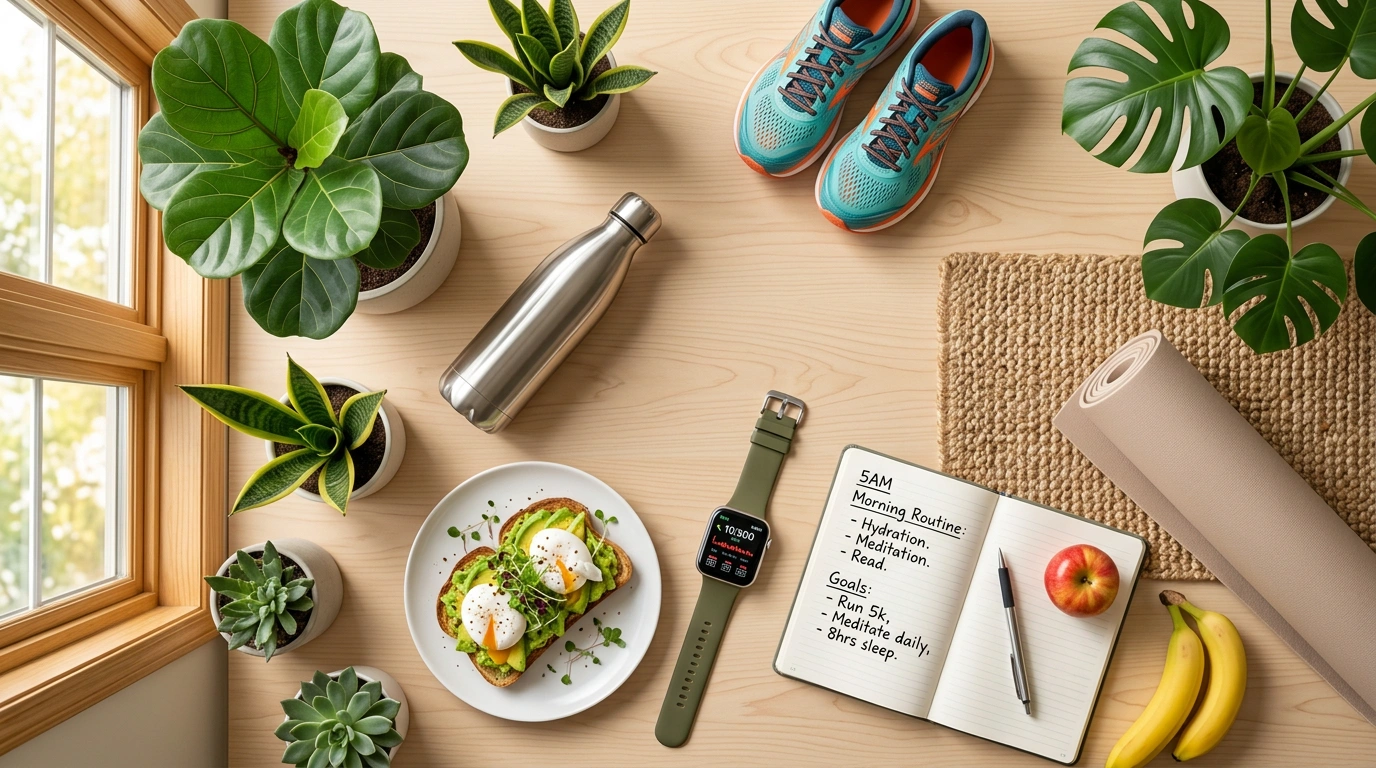
Long-term wellness doesn’t come from making one huge change.
It comes from repeating small healthy habits every day.
The goal isn’t perfection—it’s consistency.
Start with habits you can realistically maintain.
For example:
These simple actions gradually become automatic.
Trying to change everything at once often leads to frustration.
Instead:
Week 1:
Improve sleep.
Week 2:
Add more vegetables.
Week 3:
Walk after dinner.
Week 4:
Practice mindfulness.
Small improvements build lasting momentum.
Many people ask whether they should track hours or milestones.
For healthy habits, milestones often provide better motivation.
Celebrate achievements like:
These wellness moments reinforce positive behaviors.
Healthy goals should be:
Rather than saying,
“I want to be healthier,”
try,
“I’ll walk 30 minutes five days each week.”
Realistic goals are easier to maintain.
One healthy meal won’t transform your health.
One missed workout won’t ruin it either.
The key is returning to healthy habits consistently.
As you continue nurturing well-being, you’ll notice improvements not only in your physical health but also in your confidence, relationships, productivity, and emotional resilience.
That’s how you truly sustain wellness and continue elevating wellness throughout every stage of life.
The most effective tips include eating balanced meals, exercising regularly, getting enough sleep, managing stress, practicing daily self-care, staying socially connected, and seeking professional help when needed. These healthy lifestyle habits support both physical and mental wellness.
You can improve emotional wellness by practicing mindfulness, exercising regularly, getting quality sleep, maintaining supportive relationships, eating nutritious foods, journaling, and learning healthy stress-management techniques.
Some important mental health safety tips include:
If you’re feeling overwhelmed, start with small, manageable steps:
Remember, healing isn’t about “fixing” yourself overnight—it’s about taking consistent steps toward better well-being.
Self care for resilience helps restore your physical and emotional energy, reduces stress, improves problem-solving skills, and strengthens your ability to recover from life’s challenges. Consistent recovery and wellness practices make it easier to adapt during difficult times.