Physical Address
304 North Cardinal St.
Dorchester Center, MA 02124
Physical Address
304 North Cardinal St.
Dorchester Center, MA 02124


Weight management is changing in 2026. Instead of focusing only on rapid weight loss or restrictive diets, more people are looking for practical strategies they can maintain for months and years. Personalized nutrition, strength training, digital tracking, professional coaching, and sustainable eating habits are becoming important parts of modern weight management.
The latest guidance from U.S. health authorities continues to emphasize healthy eating, physical activity, sleep, stress management, and long-term lifestyle habits rather than fad diets. NIDDK notes that a healthy eating plan is most useful when people can maintain it over time, while regular physical activity can support both weight loss and weight maintenance.
At the same time, Americans have more choices than ever. People can choose from different diets, nutrition apps, online coaching services, registered dietitians, structured weight loss programs, and self-directed plans.
There is no single strategy that works for everyone. The right approach depends on factors such as food preferences, lifestyle, budget, activity level, health needs, and how realistic the plan is to maintain.
This guide explores the major 2026 weight management trends, compares different approaches, and explains what to look for before choosing a diet or structured program.
One of the most noticeable changes in weight management is the shift toward personalization.
A calorie target or meal plan that works for one person may not be practical for another. Age, body size, activity level, food preferences, work schedule, cooking habits, and personal goals can all influence how someone approaches weight management.
Instead of asking, “Which diet is best for everyone?” a more useful question is, “Which approach can I realistically follow?”
Personalized nutrition may involve adjusting:
The CDC also emphasizes that healthy weight management involves multiple factors, including nutrition, physical activity, sleep, age, genes, and medications.
This helps explain why generic diet plans may produce different results from person to person.
Another major trend is the move away from extreme short-term dieting.
Fad diets may promise dramatic results, but highly restrictive approaches can be difficult to maintain. The CDC specifically notes that fad diets can restrict nutritional intake and tend not to work well over the long term.
A sustainable approach usually focuses on realistic calorie management, nutritious foods, regular movement, and habits that can continue after the initial weight-loss phase.
Instead of completely eliminating favorite foods, someone might learn portion control and create a balanced eating pattern that includes vegetables, fruits, whole grains, protein foods, and healthy fats.
The goal is not simply to reach a target weight. It is also to develop routines that can support weight maintenance afterward.
Digital tools are now another important part of the weight-management landscape.
Apps can help people:
Some platforms combine tracking with behavioral support. Others connect users with nutrition professionals.
For example, Noom currently offers weight-management plans with features such as meal logging, movement tracking, educational lessons, and paid coaching options. Its Premium subscription can include one-to-one coaching and personalized meal and exercise plans.
The benefit of technology is convenience. The limitation is that tracking can become time-consuming if the system is too complicated for the individual.
Weight management in 2026 is also about more than the number on a scale.
Resistance training can help people maintain muscle while losing weight and support strength and physical function. NIDDK recommends muscle-strengthening activities for major muscle groups on at least two days per week for healthy adults.
Walking, cycling, swimming, and other aerobic activities can also contribute to overall physical activity.
For many adults, combining nutrition changes with resistance training, cardio, and everyday movement creates a more complete strategy than relying on diet alone.
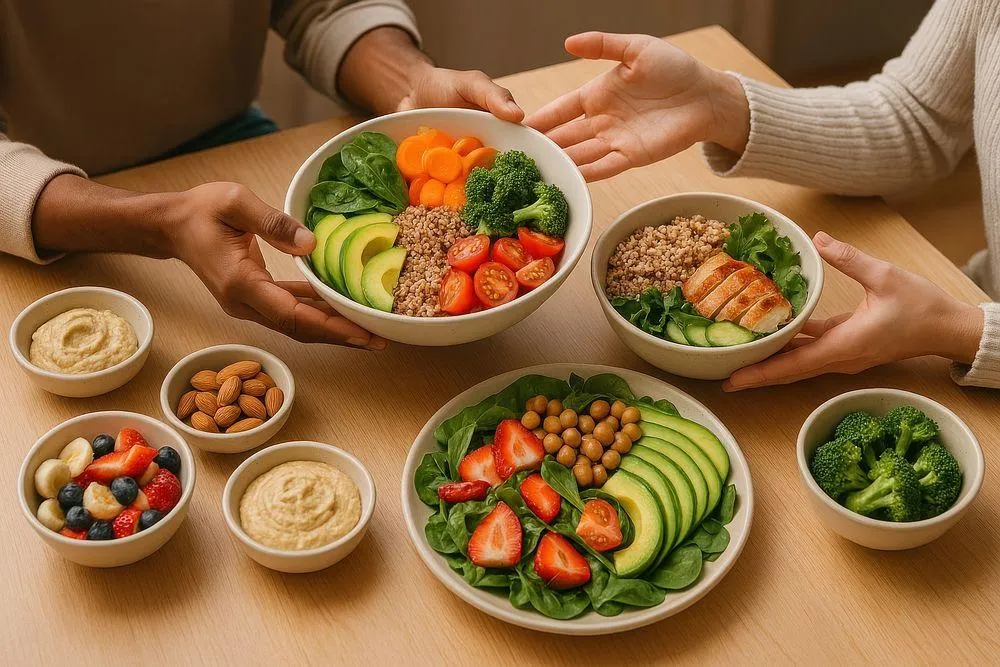
There are many different types of diets, and they often differ in the foods they emphasize rather than in one universal mechanism.
Understanding different diets can help consumers evaluate what may fit their lifestyle.
Low-carbohydrate approaches reduce carbohydrate intake to varying degrees.
Typical foods may include:
Some versions are moderately low in carbohydrates, while ketogenic approaches are much more restrictive.
The main practical question is whether someone can maintain the eating pattern while still getting enough nutrients and enjoying their meals.
Low-fat approaches emphasize limiting dietary fat while including foods such as fruits, vegetables, grains, lean proteins, and lower-fat dairy products.
A lower-fat pattern can work for some people, particularly those who prefer foods such as vegetables, fruits, grains, and lean proteins.
However, reducing fat does not automatically make a diet healthier. Dietary quality and overall calorie intake still matter.
Protein is important for maintaining body tissues and can contribute to feelings of fullness.
High-protein eating patterns often include:
The amount of protein someone needs varies based on factors such as body size, age, activity level, and health circumstances.
A higher-protein diet should still include a variety of nutrient-dense foods rather than becoming an excuse to eliminate fruits, vegetables, or whole grains.
Plant-based eating can range from flexible vegetarian patterns to fully vegan diets.
Common foods include vegetables, fruits, legumes, whole grains, nuts, seeds, and soy products.
People following stricter plant-based diets may need to pay particular attention to nutrients such as vitamin B12 and other nutrients depending on their food choices.
Mediterranean-style eating emphasizes foods such as:
This pattern is often attractive because it provides flexibility rather than requiring a highly restrictive list of foods.
Intermittent fasting generally focuses on when a person eats rather than only what they eat.
Time-restricted eating is one common version, where meals are consumed within a specific daily window.
For some people, a defined eating window may simplify meal planning. Others may find it inconvenient because of work, family schedules, social events, or hunger patterns.
The most useful approach is the one that can be followed safely and consistently.

When people search for the most effective weight loss plan, they often expect a specific diet or program to be the answer.
In practice, effectiveness depends heavily on whether the plan creates a manageable calorie deficit while providing adequate nutrition and supporting long-term adherence.
Weight loss generally requires consuming fewer calories than the body uses over time.
That does not necessarily mean counting every calorie forever.
Portion awareness, meal structure, and choosing nutrient-dense foods can help people manage intake without making food decisions overly complicated.
The CDC notes that constant calorie counting is not required for everyone, although understanding personal calorie needs can be useful.
Meals built around protein-rich foods, vegetables, fruits, whole grains, legumes, and other high-fiber foods can make an eating plan more satisfying.
A useful meal structure might include:
The current U.S. guidance emphasizes nutrient-dense foods, including vegetables, fruits, protein foods, whole grains, and healthy fats.
A weight-management strategy does not have to depend entirely on gym workouts.
Walking more throughout the day, taking stairs, doing household activities, and participating in recreational activities can all contribute to physical activity.
For adults who are able to exercise safely, U.S. guidelines recommend at least 150 minutes of moderate-intensity aerobic activity each week along with muscle-strengthening activity on two or more days.
Weight management also involves behaviors outside the kitchen.
Poor sleep, stress, emotional eating, irregular routines, and an environment filled with highly tempting foods can make consistency harder.
This is why modern weight management increasingly considers behavior change rather than focusing only on meal plans.
Searches for the fastest diet to lose weight reflect how strongly people want quick results.
Rapid transformations are common in social media, advertising, and television. However, a dramatic short-term change on the scale does not necessarily represent sustainable fat loss.
People may want fast results because of:
The problem is that fast approaches can encourage unnecessary restriction.
Early changes in body weight can include shifts in water and glycogen, not just body fat.
Very restrictive diets can also be difficult to maintain and may create problems with hunger, food variety, or adequate nutrient intake.
The CDC recommends avoiding fad diets that promise fast results and instead emphasizes sustainable healthy eating patterns.
A sustainable approach generally combines:
The goal is to build a system that still works after the initial weight-loss period ends.
People looking at weight loss programs can choose between self-directed plans, apps, coaching services, registered dietitians, and medically supported programs.
A structured program usually provides more organization than simply downloading a diet plan.
It may include:
For someone who struggles with consistency, external accountability may make the process easier.
Self-directed plans are usually more flexible and can cost less.
You may choose your own meals, exercise schedule, and tracking system.
The trade-off is that you are responsible for:
This option may work well for people who already understand basic nutrition and prefer independence.
Registered dietitians and other qualified health professionals can provide more individualized guidance.
Professional support may be particularly useful when someone has a medical condition, complex dietary needs, a history of disordered eating, or difficulty making progress independently.
The CDC recommends talking with a health care provider when weight is a health concern and discussing available treatment options.
A good weight loss comparison should go beyond the advertised monthly price.
Look at the complete cost:
A cheap program may become expensive if it requires extra purchases.
Ask whether the program allows:
A plan that works only when life is perfectly controlled may be difficult to maintain.
Some people want one-on-one support. Others prefer apps, group communities, or independent tracking.
The important issue is whether the support matches your behavior and preferences.
Ask:
“Could I realistically follow this six months from now?”
Also ask what happens after reaching the initial goal.
A complete weight-management strategy should address maintenance rather than treating the target weight as the end of the process.
The nourish vs noom comparison is useful because the two platforms approach weight management differently.
Nourish is a telehealth nutrition counseling platform that connects users with Registered Dietitian Nutritionists. Its current information says it operates across all 50 states and has a network of more than 9,000 dietitians. Users can choose a dietitian, have telehealth appointments, receive personalized care plans, and use app-based tools between appointments.
Noom takes a more digital, psychology-focused approach. Its current weight-management offering includes educational content, tracking tools, behavioral support, and optional coaching.
| Factor | Nourish | Noom |
| Main approach | Telehealth nutrition counseling | Digital behavior-focused weight management |
| Coaching | Registered Dietitian Nutritionists | Coaching options vary by plan |
| Personalization | Individualized nutrition care plan | Personalized digital guidance |
| Tracking | Meal and progress tracking | Meal and movement tracking |
| Behavioral support | Ongoing dietitian guidance | Lessons, coaching, behavioral tools |
| Pricing | Often depends on insurance and provider | Subscription-based options |
| User experience | Telehealth + app | Primarily app-based |
Nourish states that it handles insurance verification and that 94% of its patients pay $0 out of pocket, although individual coverage and costs can vary.
Noom’s current published pricing also varies by plan length and promotional circumstances, so users should check the price shown at signup rather than relying on an older third-party review.
Consider:
Neither platform needs to be universally suitable. The better fit depends on the type of support you actually want.
Weight management for men does not require a completely separate category of diets, but individual nutritional needs and lifestyle factors can differ.
A practical approach can emphasize:
Protein can be especially relevant when combining calorie reduction with strength training.
Resistance training can help preserve muscle while losing weight.
A simple weekly routine could include full-body strength sessions combined with walking or other aerobic activity.
The objective should not be to maximize exercise volume. It should be to create a routine that can be maintained.
Busy professionals may benefit from simple meal structures.
For example:
Flexibility can make consistency easier.
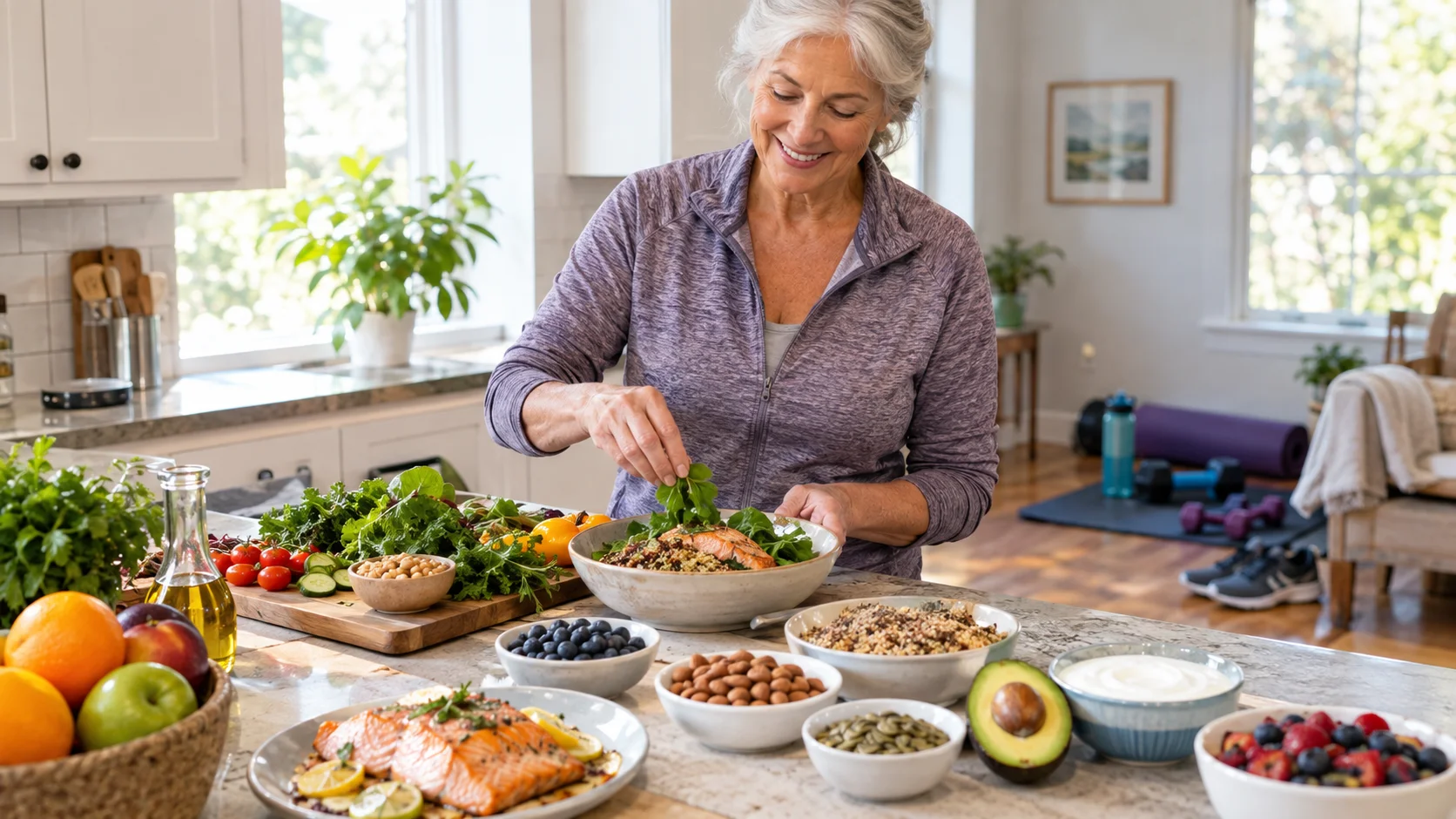
Finding the best weight loss program for women over 60 requires more than choosing a program based on its advertised weight-loss speed.
As people age, physical activity, muscle mass, nutritional needs, and daily routines can change.
Preserving muscle becomes particularly important because muscle-strengthening activity can help maintain muscle mass and physical function as people age.
A balanced eating pattern should provide adequate:
Severe calorie restriction may make it harder to obtain adequate nutrients, which is one reason older adults should consider individualized guidance when appropriate.
A practical program may combine:
People with health conditions or physical limitations should discuss appropriate activity with a health professional.
Look for a program that provides:
A program designed around long-term health may be more useful than one built solely around rapid scale changes.
A high-fat diet gets a relatively larger share of calories from dietary fat.
Common foods may include:
Some high-fat approaches are also low in carbohydrates.
High-fat, low-carbohydrate diets are different from conventional calorie-controlled approaches, although both can reduce calorie intake when followed in a way that creates an energy deficit.
The important point is that increasing dietary fat does not automatically guarantee greater weight loss.
No single macronutrient guarantees weight loss.
Total calorie intake, food quality, satiety, dietary adherence, and individual circumstances all matter.
The CDC notes that healthy eating patterns emphasize a variety of nutrient-dense foods rather than eliminating one category such as carbohydrates.
Healthier fat sources can include:
Portion size still matters because fats are calorie-dense.
There is no universally agreed number of diets because new variations appear constantly.
Instead of trying to count every named diet, it is more useful to understand the major categories.
Common categories include:
Examples include:
These approaches can differ significantly in food choices and structure.
When comparing different kinds of diets, consider:
A diet that looks effective on paper may not be useful if someone dislikes most of the foods or cannot maintain the required routine.
Someone searching for the best diet plan in california should evaluate the program rather than simply choosing a plan because it is popular.
California residents can choose between:
Online services can offer convenience, while in-person care may appeal to people who prefer face-to-face interaction.
Check:
A credible service should clearly explain who provides the guidance and what is included.
Before paying for a program, ask:
These questions can prevent unrealistic expectations.
Diet shows on TV often focus on:
This format can be entertaining, but entertainment should not automatically be treated as nutrition education.
Television programs often compress months of lifestyle change into a short viewing experience.
Real life is different.
People have jobs, families, holidays, vacations, restaurants, stress, injuries, and unexpected schedule changes.
A strategy that works under controlled circumstances may not translate perfectly into everyday life.
When watching weight loss TV programs, consider:
A single person’s result should not be treated as proof that the same approach will work for everyone.
Choosing between different diet plans becomes easier when you evaluate your real-life circumstances.
Your primary goal may be:
The goal should influence the type of program you choose.
Think about:
For example, a meal plan requiring elaborate cooking every night may be unrealistic for someone who works long hours.
Potential expenses include:
Calculate the total monthly cost instead of looking only at the advertised starting price.
Ask yourself:
Can I still follow this plan when I am busy, traveling, eating with friends, or attending family events?
Flexibility is often important for long-term adherence.
A registered dietitian may be useful for people who want individualized nutrition support.
Medical supervision may also be appropriate for people with certain health conditions or those considering medically supervised obesity treatments.
The right level of professional support depends on the individual’s circumstances.
The most important lesson from the 2026 weight management trends is that weight management is increasingly being viewed as a long-term health behavior rather than a short-term diet challenge.
Sustainable habits may include:
The CDC continues to emphasize healthy eating, physical activity, sleep, and stress management as components of healthy weight management.
There is no universal calorie target, meal schedule, or exercise routine that is ideal for everyone.
Personalization can involve adapting nutrition to:
Nutrition and exercise work together.
Walking and aerobic activity can support overall health, while resistance training can help maintain muscle.
The CDC notes that physical activity can support healthy weight and provides benefits extending beyond weight itself, including benefits for bones, muscles, sleep, and cardiometabolic health.
Weight is only one measurement.
Other useful indicators can include:
This broader perspective can make weight management less focused on short-term fluctuations.
There is no single diet that is universally the fastest or safest for everyone. Sustainable weight loss generally involves an appropriate calorie deficit, adequate nutrition, physical activity, and habits that can be maintained over time. Highly restrictive fad diets may be difficult to sustain.
An effective plan is generally one that supports appropriate calorie management, nutritious food choices, regular activity, and long-term adherence. Individual preferences and health circumstances should be considered.
Major categories include low-carbohydrate, low-fat, high-protein, plant-based, Mediterranean-style, intermittent fasting, high-fat/low-carb, and portion-controlled approaches.
Compare total cost, nutrition flexibility, coaching, tracking requirements, professional support, and maintenance strategies. A program should fit your lifestyle rather than requiring your lifestyle to completely change.
A high-fat diet can be compatible with weight loss for some people, particularly when it helps them maintain an appropriate calorie intake. However, eating more dietary fat by itself does not guarantee greater weight loss.
Options can include self-directed nutrition plans, structured programs, coaching, dietitian support, and exercise-based approaches. Protein intake, strength training, food quality, and lifestyle fit are important considerations.
Women over 60 should consider adequate protein, fiber, calcium, vitamin D, nutrient density, resistance training, balance, mobility, and sustainable calorie management. Professional guidance can be useful when health conditions or complex nutritional needs are present.
Nourish focuses on telehealth nutrition counseling with Registered Dietitian Nutritionists, while Noom provides a digital weight-management experience centered on behavioral tools, education, tracking, and optional coaching.
Consider your goal, food preferences, schedule, budget, activity level, health needs, cooking habits, social life, and ability to maintain the plan long term.
Television programs can provide ideas and entertainment, but individual transformations should not automatically be treated as general evidence. Check whether recommendations are supported by credible health professionals and established evidence.