Physical Address
304 North Cardinal St.
Dorchester Center, MA 02124
Physical Address
304 North Cardinal St.
Dorchester Center, MA 02124

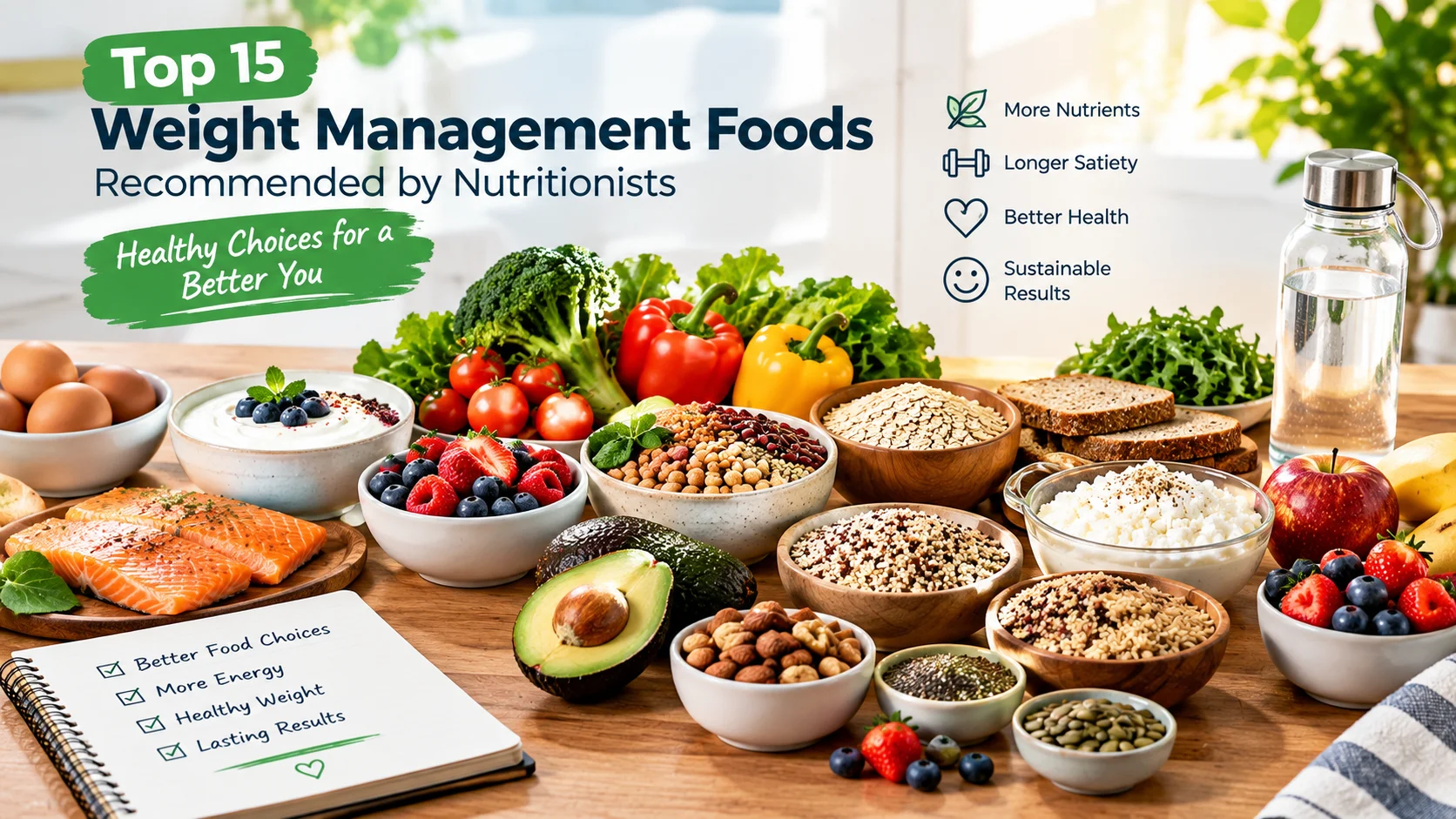
Managing your weight does not have to mean following an extremely restrictive diet or eliminating entire food groups. For most people, a sustainable approach is to build meals around foods that provide protein, fiber, vitamins, minerals, and enough volume to help you feel satisfied.
The best weight management foods are not “magic” foods that automatically burn body fat. Instead, they can make it easier to maintain a calorie-controlled eating pattern while still enjoying satisfying, nutritious meals.
This guide covers 15 foods and food groups commonly useful for weight management, including eggs, Greek yogurt, lean poultry, fish, beans, oats, vegetables, fruits, potatoes, avocado, nuts, seeds, whole grains, and cottage cheese.
The goal is not to eat only these foods. Rather, use them as building blocks for balanced meals that fit your calorie needs, preferences, lifestyle, and health goals.
When people search for foods for weight loss, they often expect a short list of foods that directly cause fat loss. In reality, successful weight management depends on the overall eating pattern, total calorie intake, activity level, sleep, and other lifestyle factors.
Foods can still make a major difference because some choices are more filling and nutrient-dense than others.
A food may be particularly useful in a weight-management diet when it provides one or more of these characteristics:
Protein-rich foods such as eggs, chicken, fish, Greek yogurt, beans, lentils, and cottage cheese can help you build satisfying meals. Fiber-rich vegetables, fruits, legumes, and whole grains can also add volume and help meals feel more substantial.
This is why the best foods for weight loss are usually not defined by one special ingredient. Their value comes from how they fit into a balanced diet.
There is an important difference between foods that support weight management and foods that supposedly “burn fat.”
No ordinary food can simply melt body fat away. Claims about individual foods causing substantial fat loss are often exaggerated.
For example, broccoli can be an excellent choice because it is relatively low in calories and provides fiber and micronutrients. But eating broccoli does not automatically cause your body to burn stored fat.
The bigger picture matters.
A meal containing lean protein, vegetables, a high-fiber carbohydrate, and a reasonable amount of healthy fat may help you stay satisfied and make it easier to maintain an appropriate calorie intake.
A proper weight-loss diet does not have to be extremely restrictive. A sustainable plan can include carbohydrates, fats, protein, fruits, vegetables, and foods you genuinely enjoy.
The key is balancing portions and choosing nutritious foods most of the time.
Start meals with a protein source such as:
Protein is especially useful because it provides essential amino acids and can contribute to feelings of fullness.
Vegetables and whole fruits provide fiber, vitamins, minerals, and water.
Try adding:
Carbohydrates do not automatically prevent weight loss.
Oats, brown rice, quinoa, barley, potatoes, and whole-grain bread can all fit into a balanced diet.
The important factors include portion size, preparation method, and what you eat with them.
Avocado, nuts, seeds, olive oil, and fatty fish provide beneficial fats and other nutrients.
However, healthy fats are still energy-dense, so portion awareness matters.
A sustainable diet should not require perfection.
If your eating pattern is so restrictive that you cannot maintain it for more than a few weeks, it may not be practical long term.
A flexible approach can include occasional desserts, restaurant meals, or favorite foods while keeping your overall diet balanced.
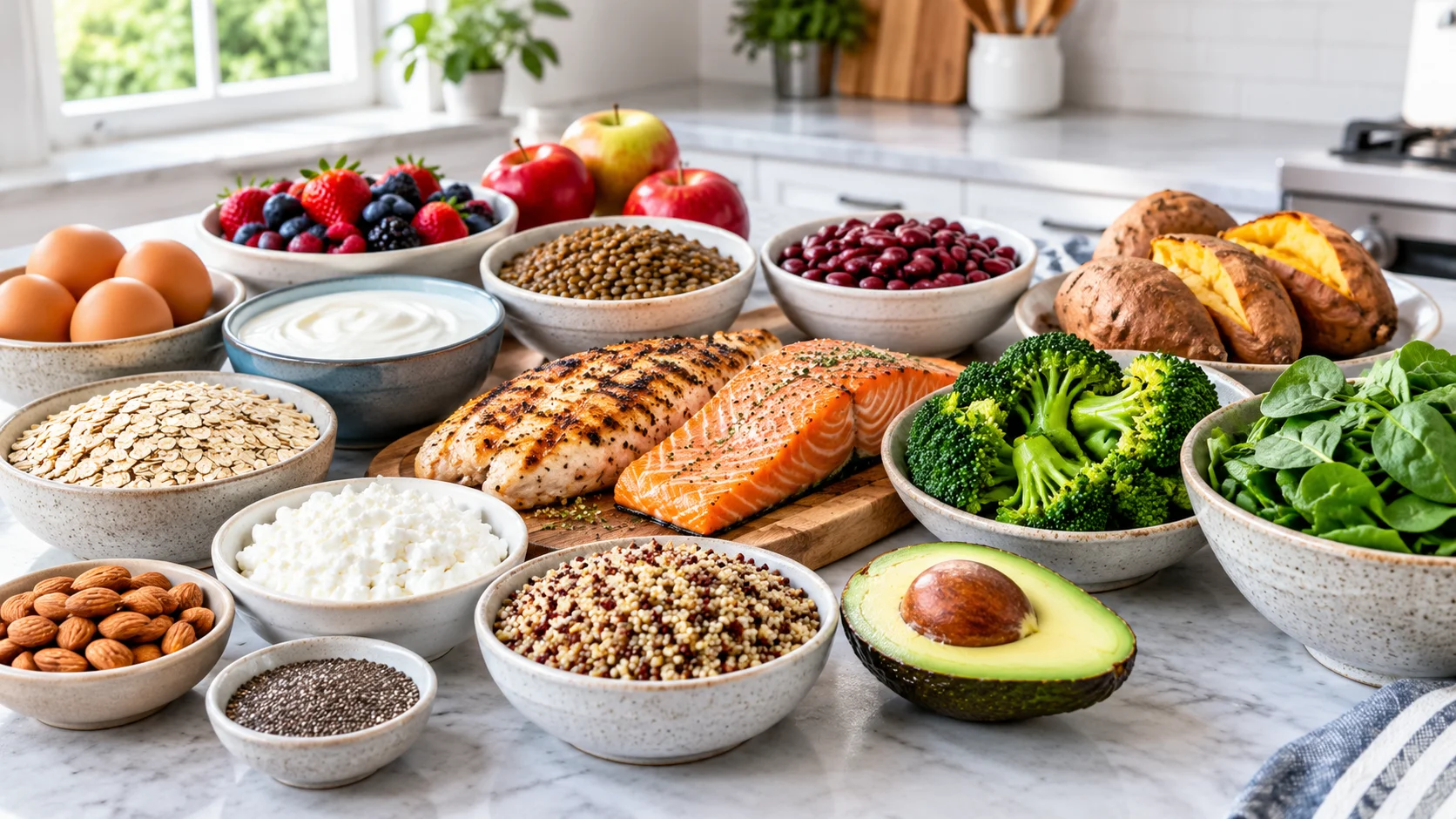
The following foods were selected because they can contribute protein, fiber, nutrients, volume, satiety, or meal-planning convenience.
They are not ranked from “best” to “worst.” Each has a different nutritional role.
Eggs are a convenient source of high-quality protein and can work well in breakfast, lunch, or quick snacks.
A couple of eggs can be paired with vegetables and whole-grain toast for a balanced breakfast.
Try:
Preparation matters. Boiled, poached, or lightly cooked eggs may make portion management easier than eggs prepared with large amounts of butter or oil.
Eggs are particularly useful because they combine convenience with protein, making them practical protein foods for people who want satisfying meals.
Plain Greek yogurt is another convenient high-protein option.
It can work as breakfast, a snack, or part of a dessert-style meal.
Try combining plain Greek yogurt with:
When buying flavored yogurt, check the nutrition label for added sugars and calories.
Plain Greek yogurt gives you more control over sweetness because you can add fruit yourself.
It can also be useful for people looking for convenient, protein-rich, gut-friendly foods.
Chicken breast is a popular lean protein because it is versatile and relatively easy to prepare in large batches.
For meal preparation, grilled, baked, roasted, or air-fried chicken can be paired with vegetables and a high-fiber carbohydrate.
A simple meal could include:
Chicken + brown rice + broccoli + a small amount of olive oil-based dressing.
Portion size still matters. Eating large amounts of even lean protein can increase total calorie intake.
Yes, lean turkey can fit well into a weight-management diet, particularly when it replaces higher-calorie protein options.
Turkey breast provides protein and can be used in:
However, not every turkey product is nutritionally identical.
Fresh turkey breast and minimally processed turkey are different from highly processed deli turkey products, which can contain significant amounts of sodium.
For a balanced meal, combine turkey with vegetables and a high-fiber carbohydrate rather than relying on turkey alone.
Fatty fish such as salmon and sardines provide protein and omega-3 fatty acids.
Tuna can also provide a convenient protein source, although the type and preparation matter.
Good meal combinations include:
Fatty fish can be nutrient-dense, but portion size still matters because dietary fat contributes calories.
Beans and lentils are especially useful because they provide both protein and fiber.
Examples include:
They can be used in soups, salads, curries, grain bowls, tacos, and vegetarian meals.
For people following a vegetarian eating pattern, legumes can be particularly useful for creating satisfying meals.
A lentil and vegetable soup, for example, can provide protein, fiber, fluid, and substantial food volume.
Oats are a practical whole-grain breakfast option.
Their fiber content can help create a more filling meal, especially when combined with protein and fruit.
Try:
Oats + Greek yogurt + berries + chia seeds.
Overnight oats can also be prepared in advance for busy mornings.
Be careful with highly sweetened instant oat products and oversized portions of toppings. Oats themselves can be nutritious, but large amounts of sugar, nut butter, chocolate, or other calorie-dense additions can substantially change the calorie content of the meal.
Leafy greens are among the easiest foods to add volume to meals.
Examples include:
You can use them in salads, omelets, soups, wraps, sandwiches, and cooked meals.
A large vegetable-based salad can provide substantial food volume without requiring a large amount of energy-dense ingredients.
The key is to pay attention to dressings, cheese, oils, nuts, and other toppings because these can increase total calories quickly.
Broccoli is another versatile vegetable for weight management.
Other cruciferous vegetables include:
They can be roasted, steamed, stir-fried, or added to soups and bowls.
A simple meal might combine grilled chicken, roasted broccoli, and a baked potato.
These vegetables can help make meals larger and more satisfying while contributing fiber and micronutrients.
Strawberries, blueberries, and raspberries provide natural sweetness along with fiber and various micronutrients.
They can replace higher-calorie desserts or be added to meals.
Try berries with:
Frozen berries can also be convenient and may be easier to keep available year-round.
Apples are portable, easy to store, and naturally sweet.
Whole apples provide fiber and require more chewing than drinking apple juice.
Useful combinations include:
Apple + Greek yogurt
or
Apple + a small portion of almonds.
Pairing fruit with protein or healthy fat can create a more substantial snack than eating fruit alone.
Potatoes are sometimes incorrectly treated as foods that should automatically be eliminated during weight loss.
Plain boiled or baked potatoes can fit into a balanced diet.
The preparation method matters. Deep-fried potatoes, fries, and heavily loaded baked potatoes can contain considerably more calories than simple boiled or baked potatoes.
A practical meal could be:
Baked potato + grilled chicken + broccoli.
Potatoes can provide carbohydrates and contribute to meal satisfaction, especially when combined with protein and vegetables.
Avocado provides unsaturated fat, fiber, and several micronutrients.
It works well in:
The main consideration is portion size.
Avocado is nutritious but relatively calorie-dense. Adding large amounts to an already calorie-dense meal can make it much easier to exceed your calorie target.
Almonds, walnuts, chia seeds, and flaxseeds can provide healthy fats, fiber, and some protein.
They are convenient additions to yogurt, oatmeal, salads, and smoothies.
Because nuts and seeds are calorie-dense, a small serving is often enough.
Instead of eating directly from a large bag, portion them into a small container.
Brown rice, quinoa, barley, and whole-grain bread can provide carbohydrates and fiber.
They can be paired with lean protein and vegetables to create balanced meals.
Cottage cheese is a convenient high-protein food that can work for breakfast, snacks, or dinner.
Try cottage cheese with:
When people search for the best vegetables to eat for weight loss, they are usually looking for vegetables that provide lots of food volume without adding excessive calories.
Useful choices include:
There are no vegetables that directly burn body fat in the way the phrase suggests.
However, vegetables can support weight management because many provide water, fiber, and relatively low energy density.
For example, replacing a large portion of a calorie-dense side dish with broccoli or leafy greens may reduce the overall calorie density of a meal while increasing its volume.
The best foods for gut health and weight loss can overlap because many high-fiber foods are useful in both areas.
Consider:
Fiber intake should generally be increased gradually, particularly if your current diet is low in fiber.
Drinking enough fluids can also be important when increasing fiber.
Foods such as yogurt, kefir, and fermented vegetables may provide beneficial microorganisms, depending on the product.
Choose options that fit your nutritional goals and check labels for added sugar and sodium when relevant.
A diverse diet containing vegetables, fruits, legumes, whole grains, and other nutrient-rich foods can support dietary variety.
Rather than focusing on a single “gut health” food, build meals around a range of plant foods and appropriate protein sources.
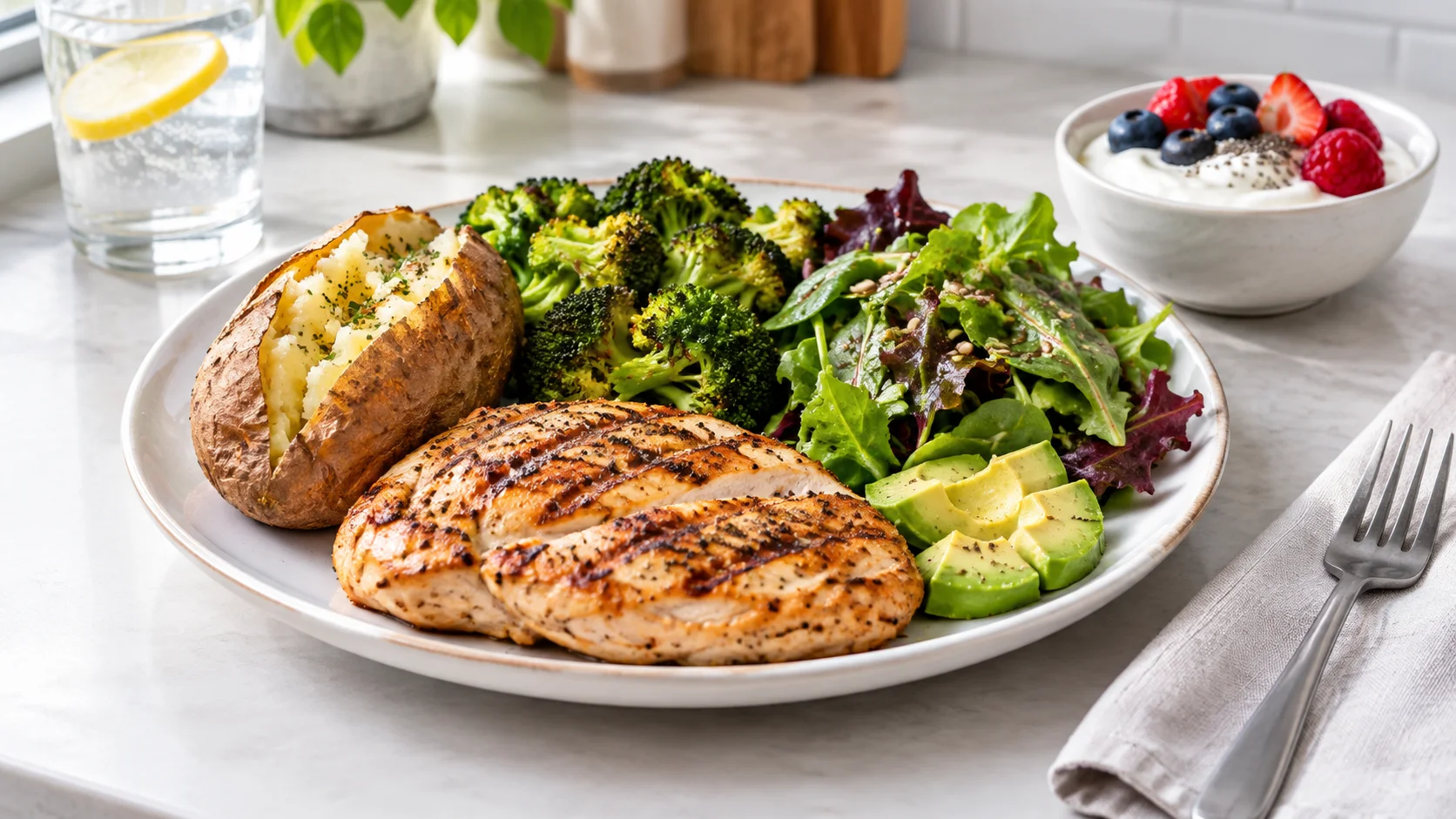
A “cut” generally refers to a period when someone intentionally reduces calorie intake to lower body fat while trying to maintain lean mass.
The best foods for cutting tend to be foods that make it easier to manage calories while maintaining adequate protein and nutrients.
Good options include:
Use plenty of:
You do not necessarily need to eliminate carbohydrates.
Oats, potatoes, brown rice, quinoa, and whole grains can fit into a calorie-controlled eating plan.
The amount should reflect your individual calorie and activity needs.
A practical cutting meal should provide protein, fiber, and enough food volume to help you stay satisfied.
Try:
For example, eggs can provide protein while oats and berries contribute carbohydrates and fiber.
A simple lunch could include:
Grilled chicken + brown rice + mixed vegetables.
Try:
Salmon + potato + broccoli.
This combines protein, carbohydrates, vegetables, and healthy fats.
Useful options include:
A practical whole foods list for weight loss can make grocery shopping easier.
A good grocery list can reduce last-minute decisions and make healthy meals easier to prepare.
Buy several options from this list:
Consider:
Keep these available:
Healthy eating does not always require cooking everything from scratch.
Convenient options can include:
Frozen fruits and vegetables can be especially useful because they have a long storage life and require little preparation.
Healthy fats can absolutely be part of a weight-management diet.
Examples include:
These foods can contribute essential fatty acids and other nutrients.
The important point is that “healthy” does not mean “unlimited.”
Fat contains more calories per gram than protein or carbohydrates, so portions can have a significant impact on total calorie intake.
For example, adding large amounts of olive oil, nuts, avocado, and cheese to an otherwise healthy meal can substantially increase calories.
Fruits and vegetables are important parts of a healthy eating pattern, but an all-fruit or all-vegetable diet may not provide an ideal balance of nutrients for many people.
They provide:
Protein supports the maintenance of muscle and other tissues and can contribute to meal satisfaction.
That is why vegetables and fruits should generally be combined with appropriate protein sources rather than replacing all other foods.
An extremely restrictive diet may make it harder to obtain adequate protein and dietary fat.
It may also be difficult to sustain socially and practically.
A more balanced approach is to include plenty of fruits and vegetables while also eating protein, whole grains or other carbohydrates, and healthy fats.
Instead of completely changing your diet, small substitutions can sometimes make calorie management easier.
Instead of sugary cereal, try:
Oats + berries + Greek yogurt
Instead of a pastry, try:
Eggs + whole-grain toast + fruit
Instead of fried protein, choose:
Grilled or baked chicken, turkey, or fish
Instead of refined grains every day, consider:
Brown rice, quinoa, barley, or whole grains
Instead of candy, try:
Fruit + Greek yogurt
Instead of a large serving of chips, consider:
Air-popped popcorn
Instead of sugary soda:
Water or sparkling water
Instead of heavily sweetened coffee:
A lower-sugar coffee option
These swaps do not need to be perfect. The goal is to create a pattern that you can realistically maintain.
People often search for foods that aid weight loss because they want a specific ingredient that can speed up results.
The evidence-based approach is more practical: foods can support weight loss when they help you maintain an appropriate calorie intake while meeting nutritional needs.
No single food guarantees weight loss.
Instead, foods can influence:
For example, replacing a calorie-dense snack with Greek yogurt and berries may make it easier for someone to manage their daily calories.
That does not mean Greek yogurt itself “causes” fat loss.
The same principle applies to vegetables, lean protein, whole grains, fruit, beans, and other nutritious foods.
A practical “get lean” approach should focus on balanced meals rather than extremely low-calorie eating.
One simple formula is:
Protein + vegetables or fruit + high-fiber carbohydrate + healthy fat
For example:
Chicken + broccoli + brown rice + olive oil
or
Salmon + potato + mixed vegetables
This structure provides flexibility while keeping the meal nutritionally balanced.
Portions should be adjusted according to individual calorie needs, activity level, hunger, and goals.
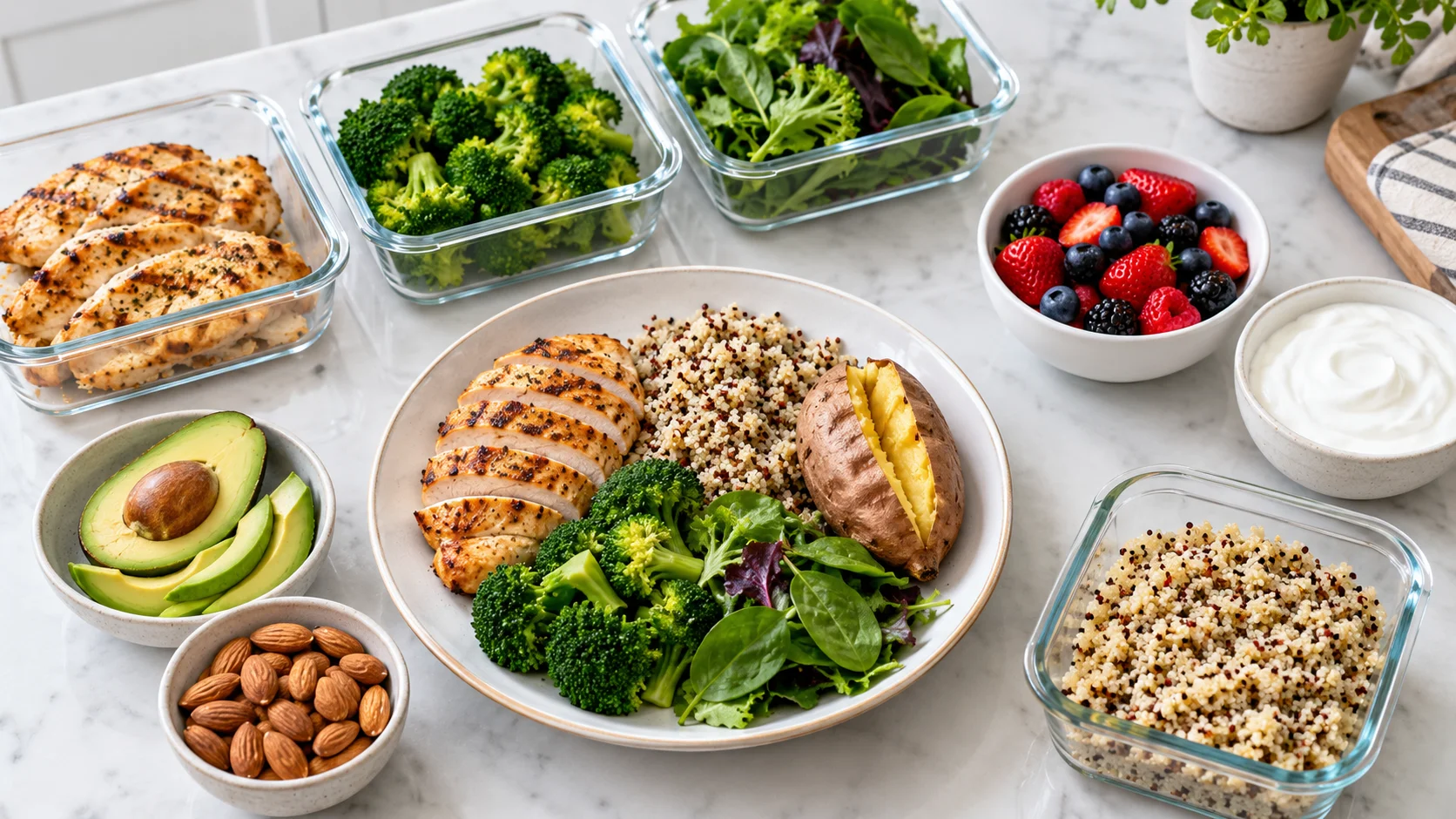
Instead of following a complicated meal plan forever, learn how to assemble meals yourself.
Start with eggs, chicken, turkey, fish, Greek yogurt, cottage cheese, beans, or lentils.
Choose broccoli, spinach, peppers, cabbage, cauliflower, cucumber, zucchini, or another vegetable you enjoy.
Options include:
Choose avocado, nuts, seeds, olive oil, or fatty fish.
Portions should reflect your individual calorie requirements.
Someone with high activity levels may need substantially more food than someone with a sedentary lifestyle.
Create a basic weekly menu before going to the store.
For example:
Breakfast: eggs + oats + fruit
Lunch: chicken + brown rice + vegetables
Dinner: fish + potato + vegetables
Snacks: Greek yogurt, fruit, cottage cheese, or a small portion of nuts
Planning reduces the chance of relying on convenience foods when you are hungry.
Even nutritious foods can become part of an ineffective diet when portions and overall balance are ignored.
Avocado, nuts, seeds, olive oil, and whole grains can be healthy but still contribute substantial calories.
A diet dominated by low-protein foods may make it harder to create satisfying meals.
Include protein throughout the day.
Carbohydrates can provide useful energy and nutrients.
Oats, potatoes, fruits, beans, and whole grains can fit into a weight-management diet.
Fat is an important part of a balanced diet.
The goal is appropriate portions and better-quality sources rather than eliminating fat completely.
No vegetable, fruit, spice, or beverage can replace an appropriate overall eating pattern.
Nuts, granola, nut butter, dried fruit, and energy bars can be easy to overeat.
Healthy foods still count toward your total calorie intake.
Words such as “light,” “fitness,” “low-fat,” or “diet” do not automatically make a product ideal for your goals.
Read the nutrition facts panel and ingredient list when comparing packaged foods.
Some of the most useful choices include eggs, Greek yogurt, chicken, turkey, fish, beans, lentils, oats, vegetables, berries, apples, potatoes, avocado, nuts, seeds, and whole grains. The best choices are those that fit your calorie needs and provide adequate protein, fiber, and nutrients.
A proper diet for weight loss generally includes an appropriate calorie intake along with protein-rich foods, vegetables, fruits, whole grains or other high-fiber carbohydrates, and reasonable portions of healthy fats. It should also be practical enough to maintain over time.
Foods do not independently guarantee weight loss. However, high-protein, high-fiber, nutrient-dense, and relatively lower-energy-density foods can make a calorie-controlled eating pattern easier to follow.
Eggs, lean poultry, fish, Greek yogurt, beans, lentils, vegetables, fruits, oats, potatoes, whole grains, avocado, nuts, and seeds can all fit into a healthy weight-management diet.
Focus meals around protein, vegetables or fruit, high-fiber carbohydrates, and reasonable portions of healthy fats. Chicken, fish, turkey, eggs, Greek yogurt, vegetables, oats, potatoes, brown rice, and berries are practical choices.
Lean turkey can be a useful protein source in a weight-management diet. Fresh or minimally processed turkey may be preferable to highly processed turkey products when you are also trying to manage sodium and overall food quality.
Broccoli, spinach, cauliflower, cabbage, cucumber, zucchini, mushrooms, bell peppers, and green beans are useful choices because they can provide fiber, nutrients, and substantial food volume.
Fiber-rich foods such as oats, beans, lentils, vegetables, fruits, whole grains, and seeds can support a diverse diet. Yogurt and other fermented foods can also be included depending on individual tolerance and dietary preferences.
Yes, whole foods can make up the foundation of a weight-management diet. However, eating only “whole foods” does not automatically guarantee weight loss. Total calorie intake and portion sizes still matter.
A practical shopping list can include eggs, chicken, turkey, fish, Greek yogurt, cottage cheese, beans, lentils, berries, apples, leafy greens, broccoli, cauliflower, peppers, oats, potatoes, brown rice, quinoa, nuts, seeds, and whole-grain products.