Physical Address
304 North Cardinal St.
Dorchester Center, MA 02124
Physical Address
304 North Cardinal St.
Dorchester Center, MA 02124


Eating well is one of the simplest ways for men to support energy, fitness, healthy body composition, and long-term wellbeing. However, nutrition for men is not about following one perfect diet or removing every food you enjoy. Nutritional needs can change according to age, body size, activity level, work routine, exercise habits, and personal goals.
For men living in the UAE, everyday eating can be influenced by a busy working schedule, frequent restaurant meals, international cuisines, hot weather, and an increasingly active fitness culture. Building a practical approach to healthy eating can make it easier to choose nutritious meals without making food unnecessarily complicated.
Good nutrition means giving your body enough protein, carbohydrates, healthy fats, vitamins, minerals, fiber, and fluids while maintaining reasonable portions. A healthy diet can support an active lifestyle whether your goal is losing weight, building muscle, improving daily energy, or simply maintaining a healthy body.
This guide explains how men can create a balanced eating pattern, choose better foods, manage portions, approach popular diet trends, and build sustainable dietary habits in everyday UAE life.
Food provides the nutrients and energy your body needs to function every day. The quality of your overall diet can influence whether you consistently meet your nutritional needs or regularly consume more calories, added sugar, sodium, and highly processed foods than you need.
Understanding why important to eat healthy food is easier when you look at your diet as a long-term pattern rather than individual meals. Eating a nutritious breakfast does not automatically make an entire diet healthy, just as one fast-food meal does not ruin an otherwise balanced eating pattern.
The goal is consistency.
Nutrient-dense foods such as vegetables, fruits, whole grains, beans, lentils, fish, eggs, lean proteins, nuts, and seeds provide a combination of essential nutrients. Highly processed foods can still fit into a flexible diet, but relying heavily on them may make it more difficult to maintain nutritional quality.
For men with demanding work schedules in Dubai, Abu Dhabi, Sharjah, or other UAE cities, convenient food choices can easily become routine. Planning a few reliable meals can therefore be more useful than trying to follow strict dietary rules.
If you have ever wondered why is it important to eat healthy, the practical answer is simple: your daily food choices help determine whether your diet provides the nutrients, energy, and dietary balance your body needs.
When people ask what are benefits of healthy eating, the answer goes beyond weight management.
A balanced diet can help men:
The health benefits of healthy eating are largely associated with the overall quality and consistency of your diet. There is no requirement to make every meal perfect.
If someone searches for “20 benefits of healthy eating,” it is worth remembering that benefits should not be treated as guaranteed outcomes from individual foods. Nutrition works as part of an overall lifestyle that also includes physical activity, sleep, stress management, hydration, and appropriate medical care.
Nutrition for physical health starts with providing the body with adequate energy and essential nutrients.
Protein contributes to maintaining and repairing body tissues. Carbohydrates provide an important source of energy, particularly for active people. Healthy dietary fats support normal physiological functions, while vegetables, fruits, whole grains, legumes, nuts, and seeds provide fiber, vitamins, minerals, and other beneficial compounds.
This explains why is healthy nutrition important for men who exercise regularly. Your food intake needs to support the demands placed on your body.
Understanding why healthy nutrition is important also means looking beyond calories. Two meals may contain similar calories while providing very different amounts of protein, fiber, vitamins, minerals, and other nutrients.
If you are wondering what are the three key dietary principles, a practical framework is:
These principles are flexible enough to work with different cuisines and lifestyles. A man eating traditional Middle Eastern food, South Asian cuisine, Mediterranean meals, or international dishes can apply the same basic principles.
A balanced diet does not mean every plate must contain exactly the same foods.
Instead, it means your overall eating pattern provides a useful combination of nutrients. A balanced day might include eggs and whole-grain toast for breakfast, chicken with rice and vegetables for lunch, yogurt and fruit as a snack, and fish with potatoes and salad for dinner.
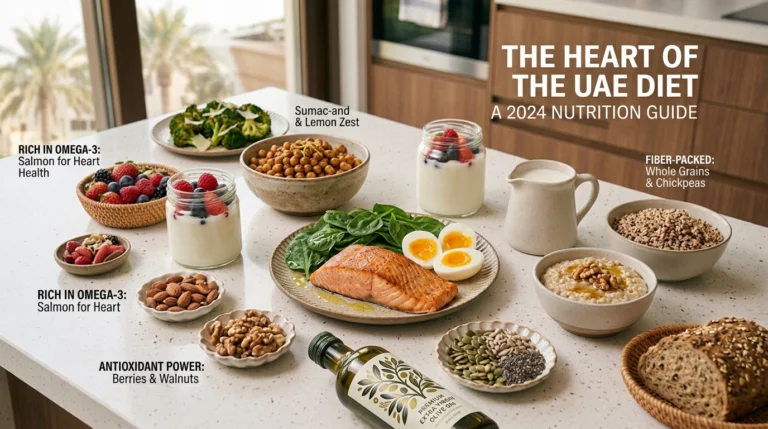
Protein can come from eggs, fish, chicken, lean meat, dairy, beans, lentils, or tofu. Carbohydrates can come from oats, rice, potatoes, whole grains, fruits, and legumes. Healthy fats can come from nuts, seeds, avocado, olive oil, and fatty fish.
Fiber is another important part of a balanced diet. Vegetables, fruits, beans, lentils, whole grains, nuts, and seeds can help increase fiber intake.
Hydration also matters, particularly in the UAE climate. Water should be the primary beverage for most people, with fluid needs increasing with heat, sweating, and physical activity.
A balanced diety should ultimately be practical enough to maintain rather than so restrictive that it becomes difficult to follow.
Good nutrition means consistently providing your body with a varied selection of foods and nutrients in appropriate amounts.
The good eating meaning is not simply eating foods labelled “healthy.” It involves variety, moderation, nutritional adequacy, and consistency.
For example, eating only chicken and vegetables every day may appear healthy but may not provide the variety that comes from including fruits, whole grains, dairy or alternatives, legumes, nuts, seeds, and different protein sources.
Men also have different needs. A construction worker, endurance athlete, office employee, and recreational gym-goer may require very different amounts of energy.
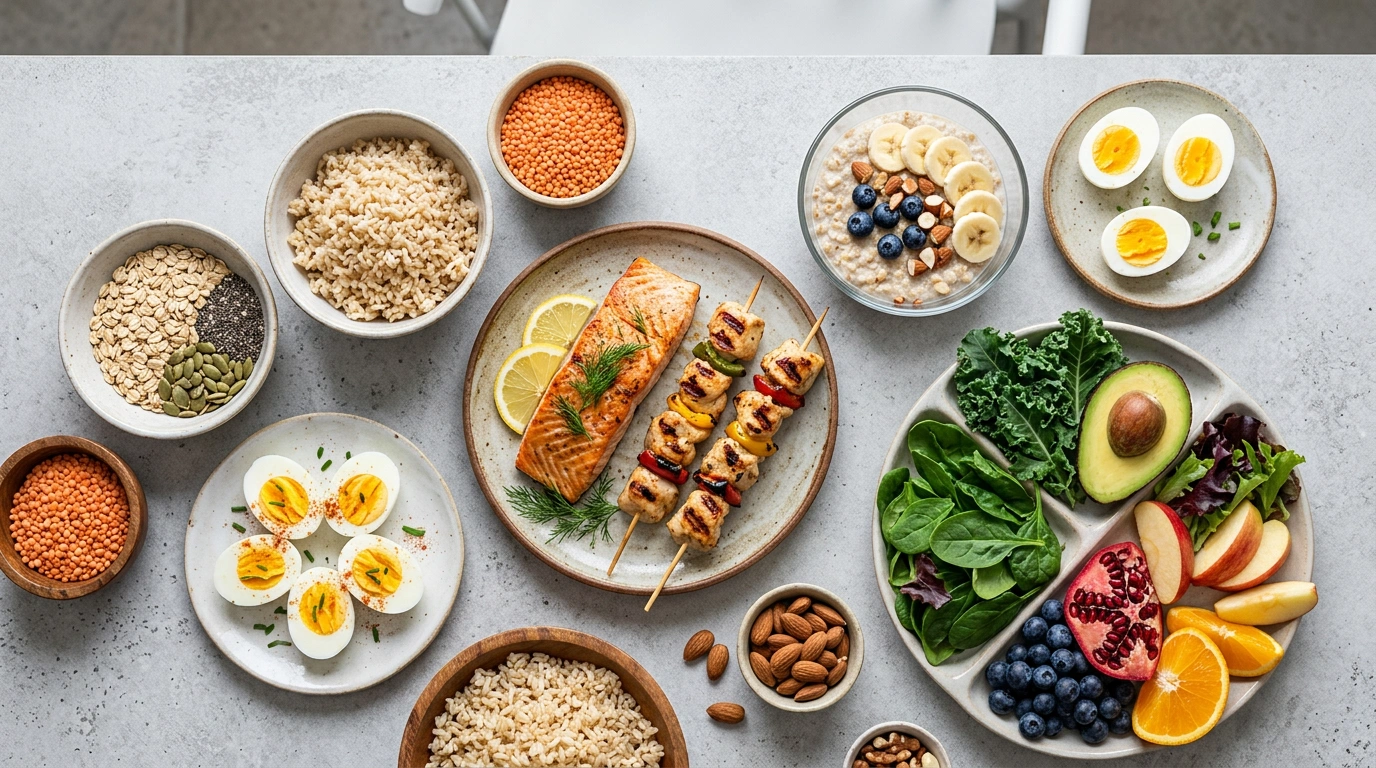
Protein is important for maintaining body tissues and is particularly relevant for men who participate in resistance training or other physical activities.
Useful protein-rich foods include:
The right amount depends on body size, activity level, age, and goals. Someone focused on muscle growth may need more protein than someone with a sedentary lifestyle.
Instead of relying on one protein source, rotating different foods can improve dietary variety.
Carbohydrates are not automatically unhealthy. They can provide important energy for everyday activities and exercise.
Good carbohydrate choices include oats, brown rice, whole-grain bread, potatoes, sweet potatoes, fruits, beans, lentils, and other whole or minimally processed carbohydrate sources.
For active men, carbohydrates can be particularly useful around exercise because they contribute to energy availability.
The important distinction is often the overall food quality and portion rather than eliminating carbohydrates completely.
Dietary fat is another essential part of a balanced eating pattern.
Good sources include:
Healthy fats are calorie-dense, so portion awareness remains important. Adding large quantities of oil, nuts, cheese, or nut butter to otherwise healthy meals can substantially increase total calorie intake.
The objective is not to avoid fat but to choose appropriate sources and amounts.
Men should aim for variety rather than focusing on one “superfood.”
Different fruits and vegetables provide different combinations of nutrients and dietary compounds. Include options such as leafy greens, tomatoes, cucumbers, peppers, carrots, berries, oranges, apples, bananas, melons, and seasonal produce.
For busy UAE professionals, convenience matters. Frozen vegetables, pre-washed salad ingredients, whole fruits, and ready-to-eat yogurt can make nutritious choices easier.
If you are searching for how to get started eating clean, begin with simple changes rather than a complete dietary overhaul.
Start by making whole or minimally processed foods the foundation of most meals. Add more vegetables, choose lean protein sources, replace some refined grains with whole grains, and keep fruit available for snacks.
You can also reduce highly processed snacks and sugary drinks without banning every treat.
A practical approach is to improve one meal at a time. For example, replace a sugary breakfast with eggs, oatmeal, or Greek yogurt. At lunch, choose grilled chicken with rice and vegetables instead of a heavily fried meal.
Small changes are easier to maintain than extreme restrictions.
The term clean foods is commonly used to describe whole or minimally processed foods, but “clean eating” does not have one universally accepted medical definition.
Clean eating can mean different things to different people. Some use it to describe eating mostly whole foods, while others apply very restrictive rules.
A more useful approach is clean eating simplified: eat more nutritious foods, reduce excessive reliance on highly processed foods, pay attention to portions, and maintain flexibility.
You do not need to fear every packaged food. Frozen vegetables, canned beans, plain yogurt, whole-grain products, and other packaged foods can be convenient parts of a nutritious diet.
Common harmful eating habits include regularly drinking sugar-sweetened beverages, eating oversized portions, relying heavily on fried foods, and frequently choosing highly processed snacks.
Some people describe these as terrible eating habits, but negative labels are less useful than identifying what needs to change.
Start with one habit. If you regularly drink soft drinks, replace some servings with water. If you snack late at night, prepare fruit, yogurt, or nuts in advance.
These small adjustments can gradually improve your dietary habits without creating an unnecessarily restrictive diet.
There is no single calorie target that applies to every man.
Energy needs depend on age, height, body size, activity level, exercise, and personal goals.
A larger, highly active man may require substantially more energy than a smaller sedentary man. Someone trying to lose weight may intentionally consume fewer calories than someone trying to gain muscle.
Instead of copying another person’s calorie target, consider your body size, activity, weight trend, hunger, performance, and goals. A registered dietitian can provide individualized guidance when needed.
Protein requirements vary according to body size and activity.
Men who exercise regularly, especially those performing resistance training, may have higher protein needs than sedentary adults. However, simply eating more protein is not automatically better.
A useful strategy is to distribute protein across meals rather than consuming almost all of it at dinner.
Eggs at breakfast, chicken or lentils at lunch, yogurt as a snack, and fish or lean meat at dinner can create a consistent protein pattern.
A simple meal can contain:
Portions should change according to your needs. If you are very active, you may need more carbohydrates. If weight loss is your priority, reducing overall portions while maintaining protein and vegetables may be useful.
When you are stuck deciding what to eat when u don’t know what to eat, use a simple formula instead of searching endlessly for a perfect recipe.
Build your meal around four components:
Protein + vegetables or fruit + whole-food carbohydrate + healthy fat.
For example, grilled chicken, vegetables, brown rice, and olive oil-based dressing can make a balanced meal.
This formula can also work with Middle Eastern foods, Indian foods, Mediterranean meals, and many international cuisines.
Try simple combinations such as:
These meals require relatively little preparation and can be adapted to different preferences.
Good snack options include fruit, plain or Greek yogurt, nuts, boiled eggs, vegetables with hummus, or simple whole-food combinations.
The best snack is often one that fits your hunger level and overall daily diet rather than one marketed as a special “fitness food.”
Weight loss generally requires managing overall energy intake while maintaining nutritional quality.
Protein can help make meals satisfying, while vegetables, fruits, legumes, and whole grains can provide fiber. Portion control is important because even nutritious foods contain calories.
Rather than following a crash diet, create an eating pattern you can maintain for months.
Muscle development depends on resistance training, adequate energy, protein, recovery, and consistency.
A man trying to build muscle should not focus on protein alone. Carbohydrates can provide training energy, while fats contribute to overall dietary quality.
Regular meals and sufficient total calories are also important.
Low energy can have many causes, but a balanced diet can help support normal energy needs.
Regular meals containing protein and carbohydrates, adequate hydration, vegetables, fruits, and healthy fats can create a more consistent dietary pattern.
For UAE residents, hydration deserves particular attention because outdoor heat and exercise can increase fluid requirements.
The 10 day juice diet weight loss trend may appeal to people looking for rapid results, but highly restrictive juice-based plans are not a complete long-term nutrition strategy.
Juices can contain vitamins and other nutrients, but relying mainly on juice can make it difficult to consume adequate protein, fiber, and other essential nutrients.
A sustainable weight-loss approach generally focuses on an appropriate calorie intake, adequate protein, vegetables, fruit, whole foods, and manageable portions.
If you have searched what is the coffee method for weight loss, you have probably encountered claims that coffee can dramatically accelerate fat loss.
Coffee contains caffeine, which can temporarily affect alertness and energy expenditure. However, coffee should not be treated as a standalone weight-loss method.
Adding large amounts of sugar, syrups, cream, or calorie-dense toppings can also turn a simple coffee into a high-calorie beverage.
The better strategy is to view coffee as a beverage that can fit into a balanced diet rather than as a weight-loss solution.
If you are wondering how to make lean meals more satisfying, combine lean protein with vegetables, fiber-rich carbohydrates, and a moderate amount of healthy fat.
For example, grilled chicken alone may not feel filling, but grilled chicken with a large vegetable serving, beans or whole grains, and a small amount of olive oil can create a more satisfying meal.
The following 7 healthy habits are simple enough to apply to everyday life.
Include a protein source at most major meals.
Add vegetables to lunch and dinner and experiment with different varieties.
Beans, lentils, vegetables, fruits, oats, whole grains, nuts, and seeds can help increase fiber.
Make water your default beverage and pay additional attention to fluids during hot weather and exercise.
Even nutritious foods should be eaten in amounts appropriate for your needs.
You do not have to eliminate them completely. Simply avoid allowing them to dominate your diet.
Planning reduces the chance of relying on whatever food is most convenient when you are extremely hungry.
These are practical tips on eating healthier and useful tips for a good diet because they focus on habits rather than quick fixes.
The broader goal is simple: get healthy stay healthy by creating routines that are realistic enough to continue. To live healthfully, consistency matters more than perfection.
Some ideal nutrition meals for breakfast include eggs with whole-grain toast and fruit, oatmeal with yogurt and berries, or Greek yogurt with fruit and nuts.
Breakfast does not have to be large. The appropriate amount depends on your hunger, schedule, and total daily intake.
For lunch, consider a chicken bowl with rice and vegetables, fish with a grain and salad, a lentil-based meal, or a whole-grain sandwich containing lean protein and vegetables.
These options can also work well for office workers because they can be prepared in advance.
A simple dinner can include grilled fish or chicken, vegetables, potatoes or rice, and a moderate serving of healthy fat.
For men who enjoy Middle Eastern cuisine, meals based around grilled proteins, salads, legumes, whole grains, and controlled portions of rice or flatbread can fit into a balanced diet.
If you need light food, consider yogurt, fruit, soup, eggs, salad, or a small protein-based snack.
A light meal does not necessarily mean skipping nutrition. The objective is to choose an amount that suits your hunger and needs.
If you regularly ask where to eat healthy in the UAE, the answer does not necessarily require finding a restaurant labelled “healthy.”
Look for menus offering grilled protein, vegetables, salads, rice or whole-grain options, soups, and meals where sauces can be controlled.
Because UAE cities offer a wide range of international cuisines, you can often find nutritious options without limiting yourself to one type of restaurant.
When dining out:
You do not have to avoid restaurants to maintain a healthy diet.
Searches such as eating places open late near me are common in busy cities where people finish work, exercise, or social activities late.
Eating late does not automatically make a meal unhealthy. The more important considerations are what you eat, how much you eat, and how the meal fits into your overall dietary intake.
If you need a late meal, choose something balanced rather than relying entirely on fried snacks or sugary foods.
Highly processed foods can be convenient, but diets dominated by packaged snacks, refined foods, and heavily processed meals may be less nutritionally balanced.
Soft drinks, sweetened coffee beverages, energy drinks, and desserts can contribute significant amounts of added sugar.
Choosing water more often is one of the easiest improvements many men can make.
Fried foods can be high in calories and may be less suitable as everyday staples. Choose grilled, baked, steamed, or roasted alternatives more frequently.
Restaurant meals and packaged foods can contain significant sodium. Comparing labels and limiting heavily salted foods can help maintain a more balanced diet.
Large portions can increase total calorie intake even when the foods themselves are nutritious.
For adults who consume alcohol, moderation and individual health considerations matter. Alcohol can also contribute calories and may affect dietary choices. Anyone who drinks should follow applicable UAE laws and health guidance.
These areas can all connect to harmful eating habits, terrible eating habits, and less favorable dietary habits.
When comparing approaches and asking which one would be better, a balanced diet is generally easier to maintain than an extremely restrictive eating plan.
Extreme diets may provide simple rules, but simplicity does not necessarily make a diet nutritionally adequate or sustainable.
Clean eating can encourage people to consume more whole foods, which can be useful. However, extremely rigid definitions can create unnecessary restrictions.
Flexible healthy eating allows nutritious foods to form the foundation while leaving room for occasional less nutritious choices.
Juice diets may provide fruit and vegetable nutrients but often lack the balance of protein, fiber, and other foods required for a complete eating pattern.
Balanced meals are generally more practical for everyday nutrition.
If someone asks which would you recommend, prioritize an approach that matches your lifestyle, food preferences, activity, budget, and long-term goals.
You do not need to just eat better for a few days. The objective is to get serious about what you eat while still creating a lifestyle you can realistically maintain.
That is a more useful good eating meaning than simply following the newest online trend.
A simple visual framework is:
This is only a starting framework, not a strict rule. Portions should be adjusted based on body size, hunger, activity, and goals.
For example, an active man may need a larger carbohydrate portion around training, while someone trying to reduce calorie intake may emphasize vegetables and lean protein.
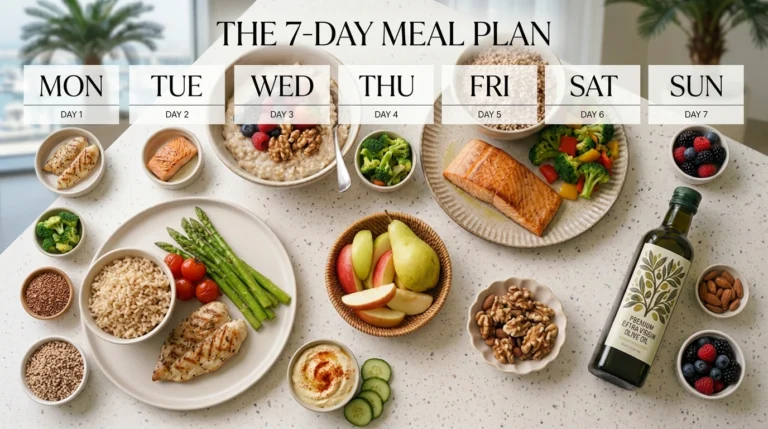
A simple seven-day plan can rotate different protein sources and carbohydrates.
Breakfast: Eggs, oatmeal, yogurt, fruit, or whole grains.
Lunch: Chicken bowls, fish with rice, lentils, salads with protein, or whole-grain sandwiches.
Dinner: Fish, chicken, lean meat, beans, or lentils with vegetables and a suitable carbohydrate.
Snacks: Fruit, yogurt, nuts, boiled eggs, or vegetables with hummus.
Hydration: Keep water available throughout the day and increase fluid intake when exercising or spending time in hot conditions.
The purpose of meal planning is not to eat the same meal every day. Variety makes healthy eating easier to maintain.
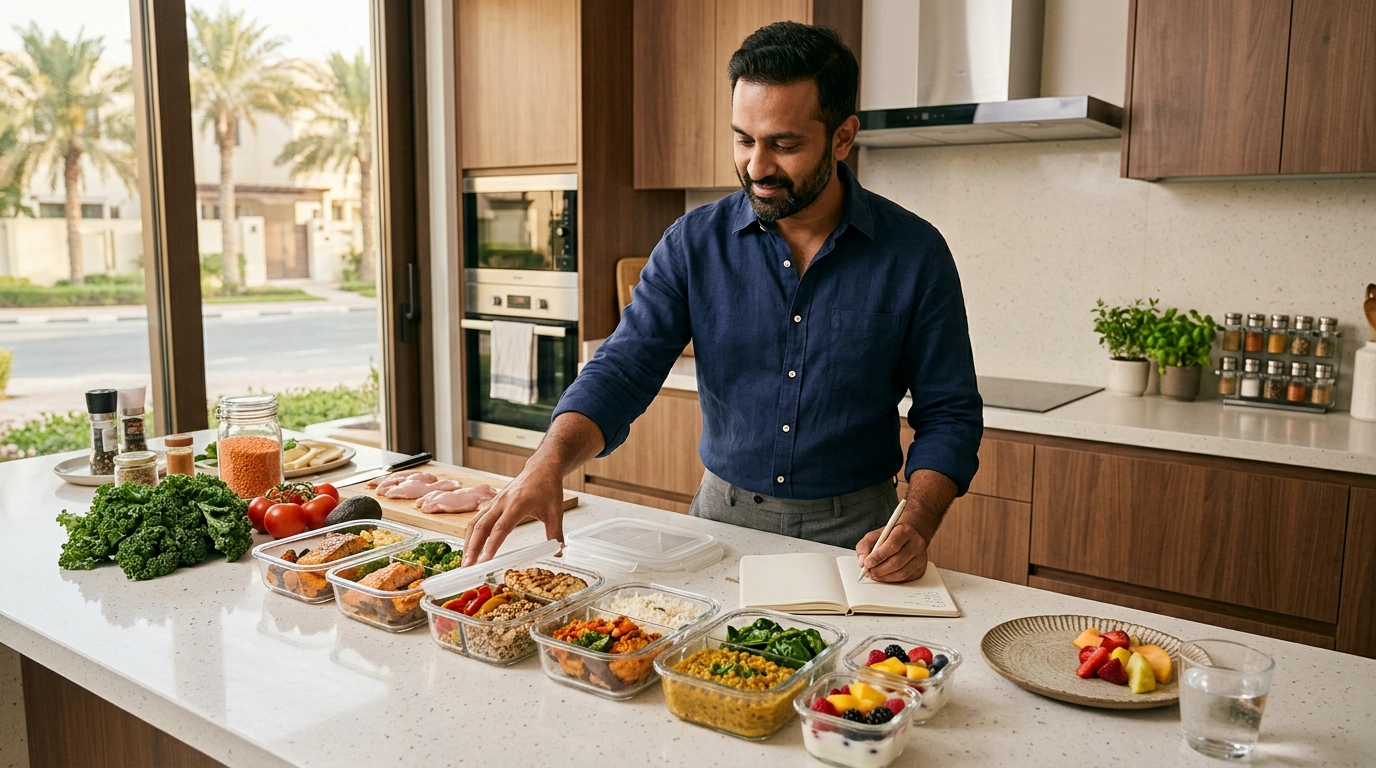
Meal preparation can be particularly useful for professionals with demanding UAE schedules.
Prepare protein in advance, keep frozen vegetables available, batch-cook rice or other grains, portion snacks, and create a shopping list before visiting the supermarket.
Even preparing two or three meals in advance can reduce reliance on last-minute fast food.
If you are considering a packaged nutrition product, do not focus only on marketing claims.
Check:
For products such as protein powders, nutrition bars, ready-to-drink beverages, or meal-replacement products, compare the actual nutrition facts rather than relying only on words such as “fitness,” “natural,” or “premium.”
Whole foods should generally form the foundation of a healthy diet because they provide a broad combination of nutrients.
Nutrition products can nevertheless be convenient.
For example, a protein product may be useful when a man is traveling, working long hours, or unable to prepare a meal. A nutrition bar may be convenient during a busy day.
However, convenience products should complement a varied diet rather than automatically replacing ordinary nutritious foods.
When comparing products, look beyond the front label.
Compare the ingredient list, nutritional values, serving sizes, protein and fiber amounts, added sugar, sodium, and cost.
Two products may look similar but have substantially different nutritional profiles.
For UAE consumers, it is also sensible to check packaging information, manufacturer details, storage requirements, and applicable local product standards before purchasing.
Severely restricting calories or skipping meals unnecessarily can make it difficult to maintain adequate nutrition and may make a diet harder to sustain.
Weight loss does not require starving yourself.
Calories matter, but nutritional quality matters too.
Protein, fiber, vitamins, minerals, healthy fats, and overall food quality should also be considered.
Social media constantly introduces new diets promising rapid transformation.
Before following one, ask whether it provides enough variety, whether it is sustainable, and whether there is a reasonable nutritional basis for the recommendations.
Perfection is not necessary.
A healthy diet can include occasional desserts, restaurant meals, or favorite foods. What matters most is the overall pattern.
If your regular diet is nutritious, an occasional less-healthy meal does not mean you have failed.
Food and physical activity work together.
Men who train regularly need adequate energy, protein, carbohydrates, fluids, and recovery-supportive nutrition. Someone who exercises casually may have different requirements.
Balanced meals can provide carbohydrates for energy, protein for nutritional adequacy, and fats that contribute to a varied diet.
Hydration is also essential, especially during UAE’s hotter months.
A healthy body is influenced by many factors, including genetics, physical activity, sleep, energy intake, and dietary quality.
Nutrition can support healthy body composition by providing appropriate calories and adequate protein while emphasizing nutrient-dense foods.
After exercise, a balanced meal containing protein and carbohydrates can help replenish energy and provide nutrients needed by the body.
Fluids are particularly important after sweating heavily.
The real goal of healthy living is not a temporary diet.
It is developing habits you can maintain: eating vegetables regularly, consuming adequate protein, drinking enough water, choosing nutritious carbohydrates, controlling portions, and staying physically active.
If you want to be healthy, focus on the overall lifestyle rather than searching for one magical food.
The idea of healthy body healthy habits is ultimately about consistency. You do not need to transform your entire lifestyle overnight.
Use this guide as a practical health guide, make gradual improvements, and adjust your eating pattern according to your individual needs.
There is no single best diet for every man. A balanced eating pattern that provides adequate protein, carbohydrates, healthy fats, vegetables, fruits, whole grains, fiber, and fluids is a strong foundation. Your exact food and portion needs should reflect your age, activity level, body size, and goals.
A man should generally aim for a varied diet containing protein-rich foods, vegetables, fruits, whole grains or other nutritious carbohydrates, healthy fats, and adequate fluids. The exact portions depend on individual energy requirements.
Healthy eating helps provide the nutrients and energy required for normal body function. Consistent dietary quality can also support weight management, physical activity, and overall nutritional adequacy.
The benefits include improved nutritional adequacy, better dietary quality, support for healthy body-weight management, adequate energy, and a stronger foundation for an active lifestyle. Healthy eating works best as part of a broader lifestyle that includes physical activity, sleep, hydration, and other healthy habits.
The three practical principles are food quality, dietary balance, and appropriate portions. Together, they provide a flexible framework for creating nutritious meals without following unnecessarily restrictive rules.
Start by eating more whole or minimally processed foods, including vegetables and fruits regularly, choosing nutritious protein and carbohydrate sources, drinking more water, and reducing excessive sugary drinks and highly processed snacks. Make changes gradually instead of attempting an extreme diet.
Use a simple formula: choose a protein source, vegetables or fruit, a whole-food carbohydrate, and a moderate amount of healthy fat. Examples include chicken with rice and vegetables, eggs with whole-grain toast and fruit, or fish with potatoes and salad.
There is no single best food. A varied diet containing fish, eggs, lean proteins, beans, lentils, vegetables, fruits, whole grains, nuts, seeds, healthy oils, and other nutrient-dense foods can provide a strong nutritional foundation for men’s physical health.