Physical Address
304 North Cardinal St.
Dorchester Center, MA 02124
Physical Address
304 North Cardinal St.
Dorchester Center, MA 02124


Women’s nutritional needs are not exactly the same throughout life. A teenage girl going through rapid growth, a woman in her 30s balancing work and family, an active woman training regularly, and a woman experiencing menopause can all have different priorities when it comes to food and nutrients.
For women living in the UAE, nutrition for women also needs to fit real-life routines. Busy work schedules, eating out, hot weather, indoor lifestyles, exercise habits, and different cultural food choices can all influence daily nutrition.
Good women’s nutrition is not about following the newest diet or taking a long list of supplements. It starts with regular, balanced meals that provide enough protein, carbohydrates, healthy fats, fiber, vitamins, minerals, and fluids. Supplements may be useful in specific circumstances, but they should generally complement—not replace—a nutritious diet.
This guide explains women’s nutritional health from adolescence through older adulthood, including essential nutrients, healthy eating, gut health, menopause, fitness nutrition, supplements, shopping decisions, and practical meal ideas.
Nutritional requirements change as the body develops and ages.
During adolescence, girls need sufficient energy and nutrients to support growth, bone development, muscle development, and the beginning of menstruation. Iron becomes particularly important because menstruation can increase iron losses.
During the reproductive years, women need a balanced intake of protein, iron, folate, calcium, vitamin D, and other nutrients. Women who are pregnant or breastfeeding have additional nutritional requirements and should follow advice from their healthcare professional.
As women move into their 30s and 40s, maintaining muscle mass, bone strength, metabolic health, and a healthy body composition becomes increasingly important. During perimenopause and menopause, hormonal changes can affect body composition, bone health, and cardiovascular risk factors.
Older women may need particular attention to protein, calcium, vitamin D, vitamin B12, fiber, hydration, and overall food quality.
Nutritional support for women means providing the body with the nutrients and energy required for normal daily functions, physical activity, recovery, and healthy aging.
A supportive eating pattern usually includes:
Nutrition works together with sleep, exercise, stress management, and other lifestyle habits. No single food can compensate for consistently poor eating, inadequate sleep, or inactivity.
A practical nutrition program for women should be flexible rather than extremely restrictive.
It should generally include:
The right approach can vary according to age, activity level, dietary preferences, medical conditions, pregnancy status, and personal goals.
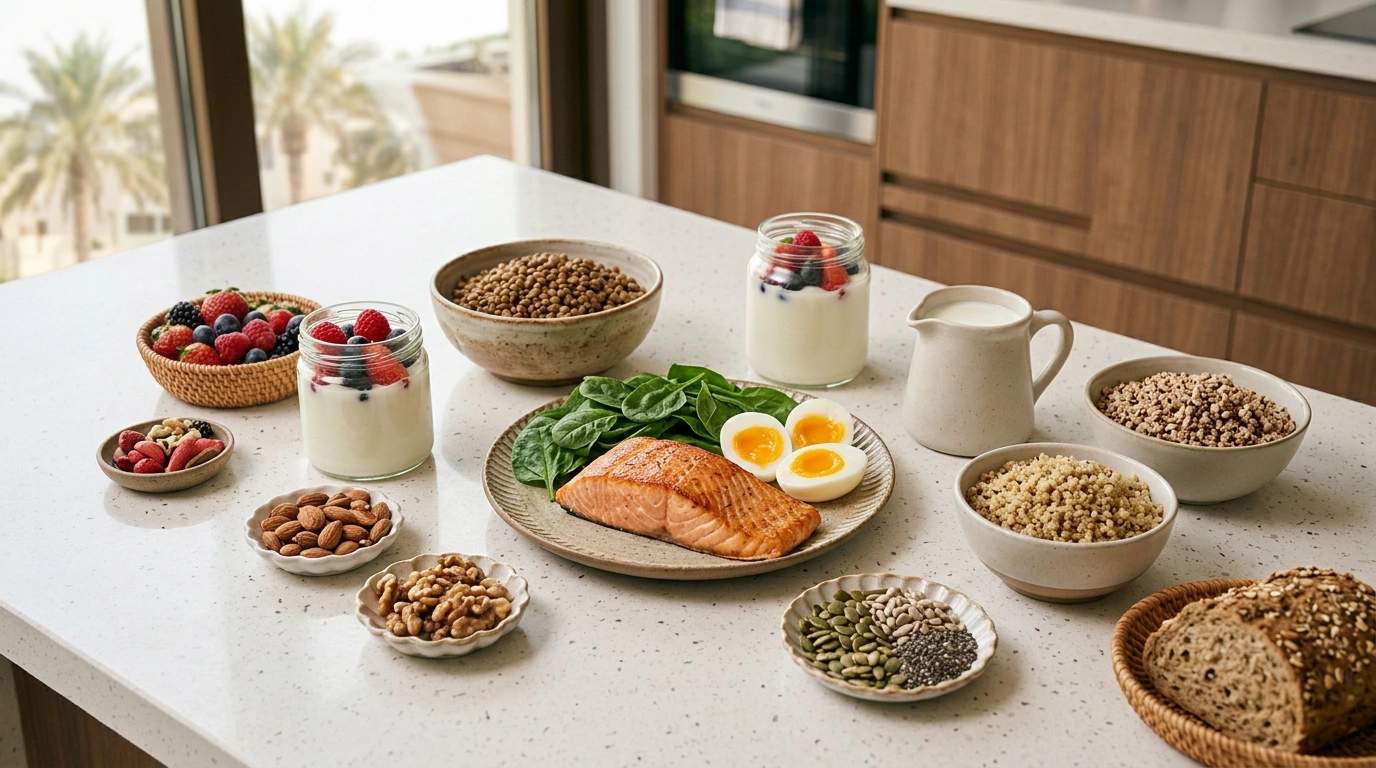
Protein supports muscles, tissues, enzymes, hormones, immune function, and recovery from physical activity.
Women do not need to avoid protein because they are concerned about becoming “too muscular.” Adequate protein is important for maintaining lean muscle, particularly as women become older.
Good sources include:
Rather than consuming most protein in one meal, many women may find it easier to include a protein source at breakfast, lunch, dinner, and suitable snacks.
Iron is essential for making hemoglobin, which helps carry oxygen around the body.
Women who menstruate can have higher iron requirements than men because of regular blood loss. Iron-rich foods include lean red meat, poultry, fish, lentils, beans, spinach, and iron-fortified foods.
Plant-based sources of iron can be paired with vitamin C-rich foods such as oranges, strawberries, tomatoes, bell peppers, or broccoli to support iron absorption.
Iron supplements should not automatically be taken simply because someone feels tired. Excess iron can also be harmful. Women with suspected iron deficiency should discuss testing and supplementation with a healthcare professional.
Calcium is important for bones and teeth as well as normal muscle and nerve function.
Women build much of their bone mass earlier in life, making adequate nutrition during adolescence and young adulthood particularly valuable. Maintaining bone health remains important throughout adulthood and becomes an even greater consideration around and after menopause.
Calcium sources include:
Vitamin D helps the body absorb calcium and supports normal bone and muscle function.
Although the UAE has abundant sunshine, vitamin D status can still vary between individuals. Indoor lifestyles, clothing, sunscreen use, skin pigmentation, and limited sun exposure can all influence vitamin D status.
Folate is important for normal cell division and blood formation. It is particularly important before and during pregnancy, when adequate folate intake helps reduce the risk of certain neural tube defects.
Sources include leafy green vegetables, beans, lentils, asparagus, avocado, and fortified foods.
Vitamin B12 supports normal red blood cell formation and nervous-system function. It is naturally found mainly in animal foods such as fish, meat, eggs, milk, and dairy products. People following vegan diets may need fortified foods or a B12 supplement.
Magnesium participates in numerous processes involving muscles, nerves, energy metabolism, and bone health. Sources include nuts, seeds, whole grains, legumes, and leafy greens.
Zinc contributes to normal immune function, wound healing, and other physiological processes. Meat, seafood, dairy, beans, nuts, and seeds can provide zinc.
Potassium is abundant in fruits, vegetables, beans, potatoes, dairy products, and other foods. Vitamin C is plentiful in fruits and vegetables, while vitamins A and E are found in a variety of colorful plant foods, nuts, seeds, and oils.
A varied diet is generally the best way to obtain these nutrients rather than focusing on individual “superfoods.”
Fiber supports digestive health and can contribute to fullness and healthy blood cholesterol levels.
Good sources include:
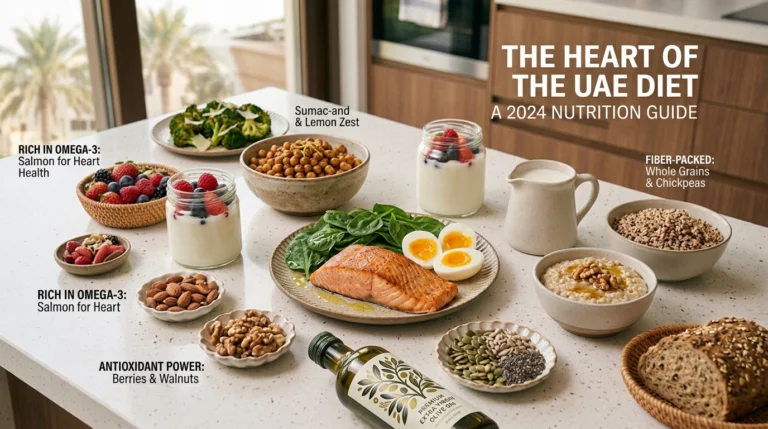
Omega-3 fatty acids are found in fatty fish such as salmon, sardines, and mackerel. Plant sources include flaxseeds, chia seeds, walnuts, and some fortified foods.
Healthy girl eating habits should focus on nourishment rather than restrictive dieting.
Teenage girls are still growing and may need substantial energy and nutrients. Skipping meals, severely restricting calories, or eliminating entire food groups without a medical reason can make it harder to meet nutritional needs.
Regular meals can include protein, whole grains or other carbohydrates, vegetables or fruit, and healthy fats.
Calcium, iron, protein, and fiber deserve particular attention during adolescence.
The term nutri women may appear in online searches and product marketing, but younger women do not need a complicated nutritional formula. The fundamentals remain simple:
For girls and young women in the UAE, these habits can be adapted to local foods such as hummus, lentils, grilled fish, yogurt, eggs, dates, vegetables, whole grains, and fresh fruit.
A healthy diet for female adults does not have to be complicated.
A typical day can contain:
Traditional Middle Eastern foods can fit comfortably into a balanced diet. Lentil soup, hummus, grilled fish, beans, salads, yogurt, whole-grain bread, and vegetables can all contribute valuable nutrients.
One easy approach to a balanced diet for women is to build meals around a simple plate structure.
Aim for approximately:
Add a small amount of healthy fat and water.
The proportions do not need to be perfect at every meal. What matters more is the overall pattern across days and weeks.
Examples of good food for women include:
The goal is variety. Eating the same “healthy” food repeatedly is less useful than developing a diverse diet.
Busy women can still follow healthy food for ladies without preparing elaborate meals.
For breakfast, try eggs with whole-grain toast and fruit, or yogurt with oats, berries, and seeds.
For lunch, prepare chicken, fish, lentils, or chickpeas with vegetables and rice.
For snacks, keep fruit, nuts, yogurt, or cut vegetables available.
For dinner, combine a protein source with vegetables and a high-fiber carbohydrate.
Meal preparation once or twice a week can make healthy choices easier during demanding workdays.
A woman eating healthy may start the day with:
Lunch could include grilled chicken with vegetables and brown rice, a lentil bowl with salad, or a whole-grain wrap containing chicken, hummus, and vegetables.
Useful snacks include:
Dinner can follow the same basic formula: protein + vegetables + a high-fiber carbohydrate.
Examples include grilled salmon with vegetables and potatoes, chicken with brown rice and salad, or lentils with vegetables and whole-grain bread.
Hydration deserves particular attention in the UAE because hot weather can increase fluid losses.
Water should be the main beverage for most people. Women who exercise or spend time outdoors may require more fluids depending on activity, temperature, and individual needs.
Sugar-heavy drinks can add substantial calories without providing much nutritional value.
Women and dieting is a common search topic, but extreme restriction is rarely a sustainable solution.
Very low-calorie diets can make it difficult to obtain adequate protein, vitamins, minerals, and fiber. They can also make adherence difficult and may contribute to cycles of restriction and overeating.
A sustainable approach focuses on food quality, appropriate portions, physical activity, and consistency.
For overweight women who want to lose weight, a modest calorie deficit may be appropriate.
Useful strategies include:
Weight management should be individualized, especially when medical conditions, medications, pregnancy, or eating-disorder concerns are involved.
A sustainable diet for ladies should leave room for real life.
Instead of labeling foods as completely “good” or “bad,” consider how often and how much you eat them.
A balanced pattern can include favorite foods occasionally while still emphasizing nutrient-dense foods most of the time.
There is no single best diet for women.
Mediterranean-style eating patterns, plant-forward diets, higher-protein approaches, and other balanced patterns can work when they provide adequate nutrition and can be followed consistently.
The best option is usually the one that fits an individual’s nutritional needs, cultural preferences, budget, lifestyle, and health goals.
Gut healthy foods for women include a wide variety of plant and fermented foods.
Consider:
Different types of fiber feed different groups of microorganisms in the digestive tract, so dietary variety is useful.
Gut health foods for women can provide prebiotic fibers and other compounds that support a healthy gut environment.
Soluble fiber is found in foods such as oats, beans, and some fruits. Insoluble fiber is common in vegetables, whole grains, and other plant foods.
Fermented foods such as yogurt and kefir can provide live microorganisms when they contain active cultures.
Increase fiber gradually if your current intake is low, and drink enough fluid alongside it.
Fiber works best as part of an overall healthy eating pattern that includes adequate fluid.
Regular movement, consistent meals, and sufficient water can also support normal digestive function.
Hormonal health is influenced by many factors, including nutrition, body composition, sleep, stress, exercise, and medical conditions.
Eating enough energy, protein, healthy fats, fiber, and micronutrients can support normal physiological function.
Extreme calorie restriction and chronic under-fueling can negatively affect reproductive health in some women.
The phrase foods that reduce androgens in females can lead to misleading online claims.
Androgens are hormones that naturally occur in women and men. Women normally produce androgens, although levels and effects vary between individuals.
There is no single food that can reliably “switch off” androgen production or act as a guaranteed treatment for hormonal disorders.
A balanced dietary pattern that supports healthy body weight and metabolic health may be beneficial for some women, but persistent symptoms such as irregular periods, significant acne, unusual hair growth, or unexplained changes should not simply be treated with food.
Persistent menstrual irregularities, significant acne or hair changes, unexplained weight changes, or other concerning symptoms may require professional assessment.
Nutrition can support general health, but it should not replace appropriate diagnosis or treatment.
The phrase pH balance foods for women is frequently used online, but pH is more complicated than many wellness advertisements suggest.
Blood pH is tightly regulated by the body through systems involving the lungs and kidneys. Eating a particular food does not simply make the entire body “alkaline” or “acidic.”
Vaginal pH is also different from blood pH and is influenced by the local vaginal environment.
Most popular claims suggesting that certain foods can dramatically alter systemic pH are misleading.
Diet can influence urine composition and other measurable factors, but that is not the same as changing the pH of the blood or every part of the body.
Rather than chasing “alkalizing” foods, focus on vegetables, fruits, whole grains, protein, healthy fats, and hydration.
Vegetables, fruits, legumes, whole grains, fish, lean proteins, nuts, seeds, and healthy oils provide a much stronger nutritional foundation than products marketed around vague “pH balance” promises.
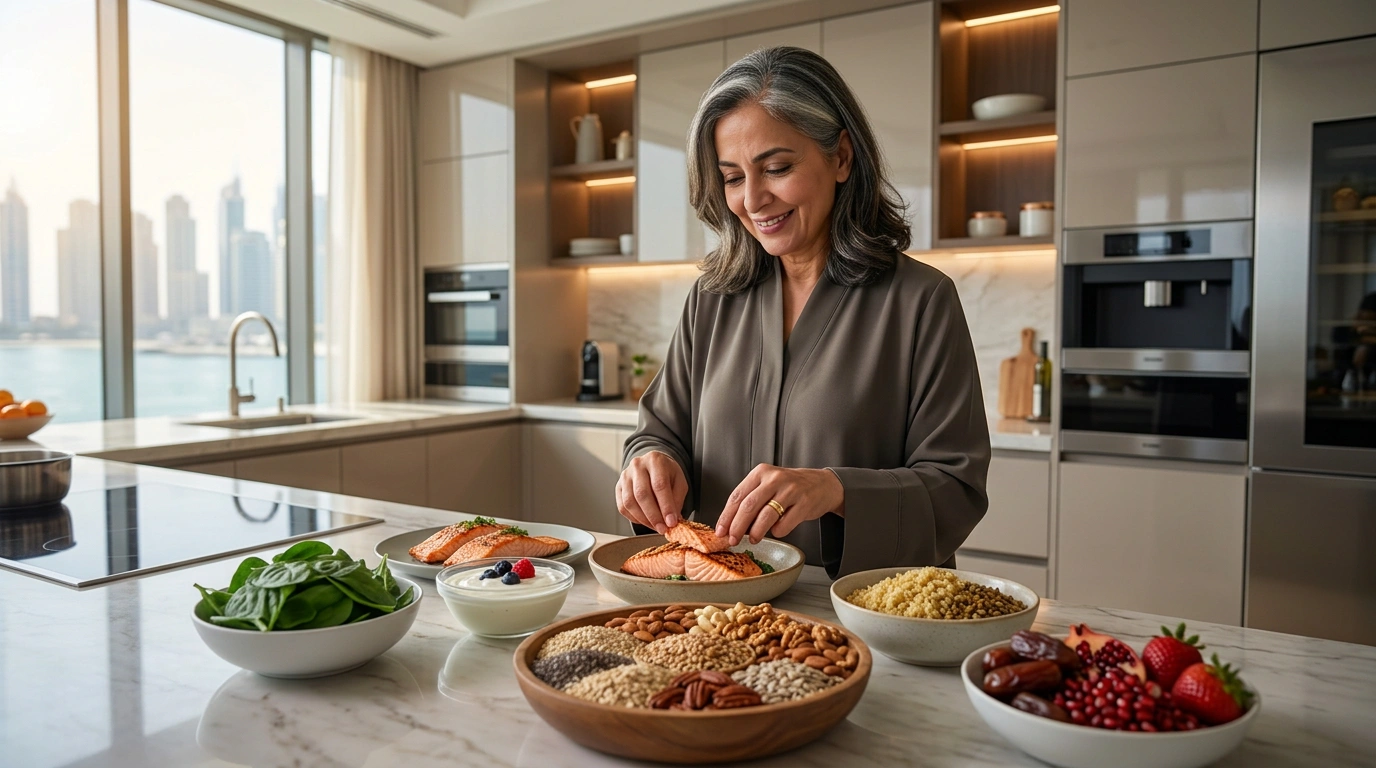
Perimenopause and menopause bring significant hormonal changes.
Women may experience changes in body composition, muscle mass, bone health, sleep, and cardiometabolic risk factors. These changes make overall nutrition and physical activity increasingly important.
Important nutrients for menopause include:
Protein becomes particularly useful when combined with resistance training because both support muscle maintenance.
Calcium and vitamin D are important for bone health, while fiber-rich foods support digestive and cardiovascular health.
Useful foods include:
Soy foods can also be part of a balanced diet. However, food should not be presented as a replacement for medical treatment when menopause symptoms require professional care.
Combine nutrition with strength training, walking or other cardiovascular activity, adequate sleep, hydration, and regular meals.
A protein-rich meal after resistance exercise can be a practical way to support muscle recovery.
The phrase what are the 5 feminizing foods is largely an internet and social-media concept rather than a recognized scientific nutrition category.
Foods such as soy, flaxseeds, and certain nuts or fruits are sometimes promoted online as foods that can increase femininity or change body shape.
However, food does not have a simple “feminizing” effect that can reliably reshape the body or produce a desired hormonal profile.
Soy foods and flaxseeds contain naturally occurring compounds that have been extensively studied, but their presence does not mean they function like prescription hormones.
Nuts, seeds, fruits, and other nutrient-rich foods can certainly be part of a healthy diet, but their benefits should be described in terms of established nutrition rather than exaggerated hormone claims.
Diet can influence overall energy balance, body composition, and general health, but it cannot be expected to produce dramatic or targeted changes in feminine body shape.
Women seeking help for hormone-related concerns should speak with a qualified healthcare professional rather than relying on social-media food lists.
A dietary supplement for women’s health may be useful when there is a diagnosed deficiency, a restricted diet, increased nutritional requirements, or another specific reason.
Examples can include vitamin B12 for some vegans, folate during pregnancy planning and pregnancy as advised by healthcare professionals, vitamin D when intake or status is inadequate, or iron when deficiency has been identified.
Common supplements include:
The correct supplement and dose depend on individual circumstances. More is not automatically better.
Whole foods provide combinations of nutrients, fiber, protein, and other beneficial compounds that supplements cannot completely reproduce.
Supplements can fill nutritional gaps, but they should not be used as an excuse for consistently poor eating.
When considering nutritional support for women, check:
Women taking medications or managing medical conditions should check with a healthcare professional before starting supplements that could interact with treatment.
Before buying a women’s nutrition product in the UAE, read the label rather than relying only on advertising.
Look for:
Also check whether the product is appropriate for your age and nutritional requirements.
Two products can appear similar while containing very different amounts of nutrients.
Compare:
A cheaper bottle is not necessarily better value if it contains substantially less of the nutrients you actually need.
A higher-priced supplement may be worth considering if it provides a better formulation, transparent testing, appropriate dosages, or features that genuinely matter to your dietary needs.
Do not assume a higher price means higher quality.
Avoid:
A fitness girl or active woman needs enough energy to support both exercise and everyday life.
The foundation includes:
Before exercise, carbohydrates can provide readily available energy. Depending on the timing and type of exercise, a moderate amount of protein may also be useful.
Examples include:
Choose foods that you personally digest comfortably.
After training, combine protein with carbohydrates and fluids.
A post-workout meal could include chicken and rice, eggs with toast and fruit, yogurt with oats, or a lentil-based meal.
Consistently eating too little can interfere with recovery, training performance, energy, and normal physiological function.
Active women should pay attention to persistent fatigue, declining performance, poor recovery, and other warning signs rather than assuming that eating less is always better.
A healthy lifestyle for women includes regular movement.
Useful forms of exercise include:
Strength training is particularly valuable for maintaining muscle and supporting healthy aging.
Nutrition works better alongside adequate recovery.
A consistent sleep schedule, rest between demanding workouts, and stress-management practices can support overall well-being.
Women living in the UAE should pay attention to hydration, especially during hot weather and exercise.
Carry water when appropriate, increase fluid intake around physical activity, and avoid relying heavily on sugary beverages.
A sustainable healthy women lifestyle is built around small habits.
Instead of completely changing your diet overnight, start with practical improvements:
Stock your kitchen with:
Useful options include:
Pair plant-based iron sources with vitamin C-rich foods when possible.
Choose:
A useful fiber shopping list includes:
Good options include:
Teenage girls need enough energy to support growth and development.
Focus on protein, calcium, iron, fruits, vegetables, whole grains, and healthy fats. Restrictive dieting should be avoided unless medically supervised.
Women in their 20s can prioritize protein, iron, folate, calcium, vitamin D, fiber, and overall dietary variety.
This is also a valuable time to establish long-term habits around exercise and healthy eating.
In your 30s, maintaining a balanced eating pattern becomes increasingly important.
Prioritize protein, vegetables, fruits, whole grains, healthy fats, and regular physical activity. Women planning pregnancy should also discuss folate and other pregnancy-related nutritional requirements with a healthcare professional.
Women in their 40s may benefit from paying closer attention to muscle maintenance, fiber, calcium, vitamin D, and overall energy intake.
Strength training combined with adequate protein can help support muscle as part of a healthy aging strategy.
During and after menopause, nutrients for menopause such as protein, calcium, vitamin D, vitamin B12, fiber, and healthy fats deserve particular attention.
A nutrient-dense diet combined with strength training, regular walking, sufficient sleep, and appropriate healthcare can support healthy aging.
Build meals around eggs, yogurt, chicken, fish, beans, or lentils. Add vegetables, fruits, oats, brown rice, or whole-grain bread.
Increase variety with oats, lentils, vegetables, berries, bananas, chia seeds, yogurt, or kefir.
Increase fiber gradually and maintain adequate hydration.
On training days, include carbohydrates around exercise and distribute protein throughout the day.
A meal containing rice and grilled chicken, for example, can provide both carbohydrates and protein after training.
Allow room for favorite foods while maintaining overall balance.
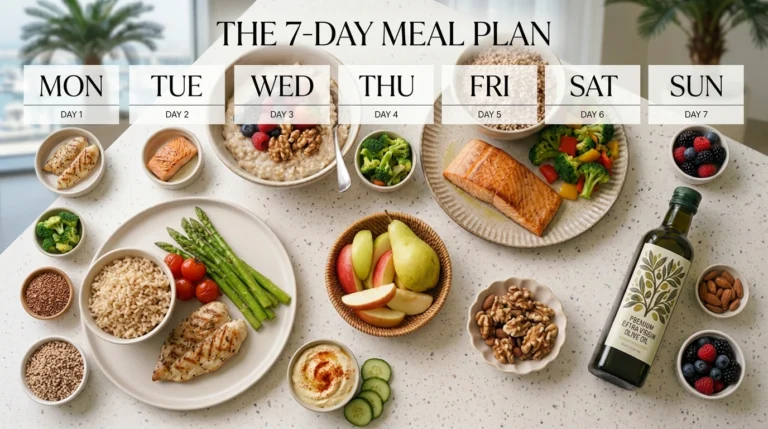
Use the seventh day to prepare ingredients for the coming week, such as washing vegetables, cooking lentils, preparing grains, or portioning snacks.
Chronic under-eating can make it difficult to obtain enough nutrients and energy.
Carbohydrates can provide useful energy, particularly for physically active women. Whole grains, fruits, vegetables, beans, and potatoes can all fit into a healthy diet.
Insufficient protein may make it harder to maintain muscle and recover from exercise.
Supplements cannot replace the nutritional variety provided by a balanced diet.
Highly restrictive diets can be difficult to sustain and may create nutritional gaps.
Low fiber intake and limited dietary variety can make it harder to support a healthy digestive environment.
Claims about foods that “balance hormones,” dramatically lower androgens, or feminize the body should be treated carefully.
Always compare the actual formula, dosage, serving size, allergens, and overlapping nutrients before buying.
Important nutrients include protein, iron, calcium, vitamin D, folate, vitamin B12, magnesium, zinc, fiber, and omega-3 fatty acids. The exact priorities vary by age, dietary pattern, activity level, pregnancy status, and individual health needs.
There is no single best diet for women. A balanced pattern containing vegetables, fruits, whole grains, protein-rich foods, healthy fats, and adequate fluids can work well for many women. The best approach is one that meets nutritional needs and can be maintained long term.
Some of the most useful foods for women include eggs, fish, yogurt, beans, lentils, leafy greens, oats, whole grains, fruits, vegetables, nuts, seeds, and healthy oils. Variety is more important than relying on one particular “superfood.”
A healthy diet for female adults should generally include vegetables, fruits, protein, whole grains or other high-fiber carbohydrates, healthy fats, calcium-rich foods, and adequate fluids. Portions should reflect individual energy requirements and goals.
Gut healthy foods for women include oats, beans, lentils, vegetables, fruits, chia seeds, flaxseeds, yogurt with live cultures, and kefir. Increasing plant-food variety can help provide different types of fiber.
There is no scientifically recognized category called “the five feminizing foods.” Soy foods, flaxseeds, nuts, seeds, and certain fruits are sometimes mentioned online, but they should not be viewed as foods that can reliably change hormones or body shape.
Not necessarily. A dietary supplement for women’s health may be appropriate when a deficiency, restricted diet, life-stage requirement, or other specific nutritional need exists. Supplements should complement a balanced diet rather than replace it.
Key nutrients for menopause include protein, calcium, vitamin D, vitamin B12, magnesium, fiber, and omega-3 fatty acids. Combining good nutrition with resistance training, regular movement, sleep, and appropriate healthcare can support healthy aging.