Physical Address
304 North Cardinal St.
Dorchester Center, MA 02124
Physical Address
304 North Cardinal St.
Dorchester Center, MA 02124

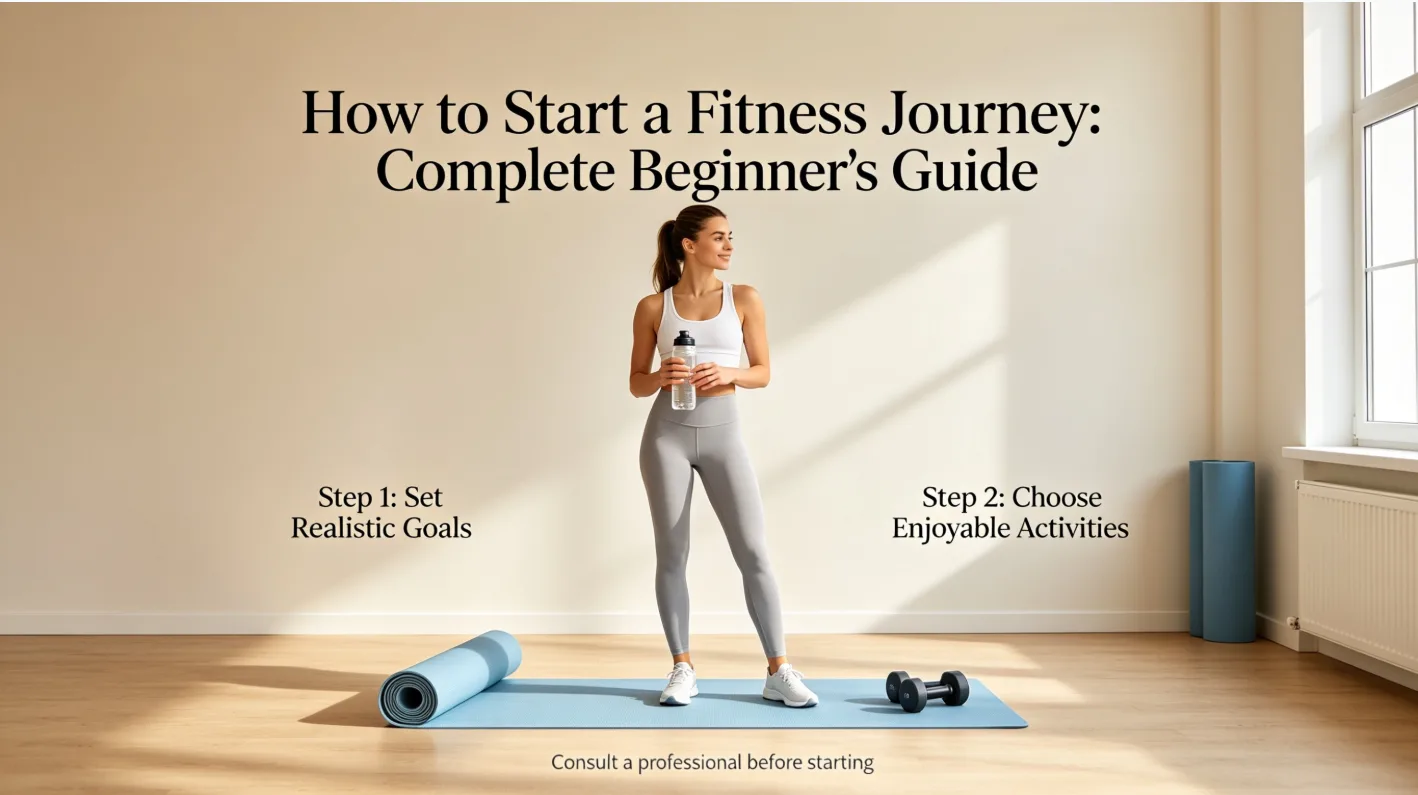
Starting a fitness journey can feel exciting, but it can also be overwhelming when you’re unsure where to begin. With so much advice online, it’s easy to believe you need expensive equipment, intense workouts, or a perfect diet to see results. The truth is that building a healthier lifestyle starts with small, consistent actions that fit your daily routine.
Whether your goal is losing weight, building muscle, improving endurance, or simply getting fit, success comes from creating habits you can maintain over the long term. Every successful workout journey begins with realistic expectations, a clear plan, and the willingness to improve one step at a time.
Your exercise journey is about more than changing your appearance. Regular physical activity supports better heart health, increases energy, strengthens muscles and bones, improves mental well-being, and boosts confidence. Combined with healthy eating and quality sleep, it becomes an important part of your overall health journey.
This beginner-friendly guide will show you exactly how to start exercising safely, choose the right workouts, avoid common mistakes, stay motivated, and build habits that lead to lasting results. Whether you’re starting from zero or returning after a long break, you’ll learn practical strategies that make your fitness journey both realistic and sustainable.
Starting your fitness routine doesn’t require perfection—it requires consistency. Understanding how to start fitness journey the right way helps you avoid burnout while building healthy habits that last.
Before beginning your workout journey, decide what you want to achieve. Your goal might be losing weight, gaining strength, improving endurance, increasing flexibility, or simply feeling healthier. Clear goals help you stay focused and measure your progress.
The best exercise program is one you’ll actually stick with. Walking, strength training, cycling, swimming, yoga, dancing, and home workouts are all excellent options. Enjoying your workouts makes your exercise journey much easier to maintain.
Avoid trying to exercise every day during your first week. Begin with 20–30 minute workouts three times per week and gradually increase the duration and intensity as your body adapts. Small, consistent improvements create lasting success.
Exercise works best when combined with healthy nutrition, hydration, quality sleep, and stress management. These simple habits support recovery while making getting fit more achievable.
Random workouts often lead to inconsistent progress. Following a weekly routine allows you to build strength safely while balancing exercise and recovery. Every session becomes another one of the important steps toward fitness.
Keep a journal or use a fitness app to record workouts, body measurements, energy levels, or strength improvements. Seeing progress over time increases motivation and helps you stay committed to your health journey.
Remember that fitness isn’t only about appearance. Becoming overall fit means improving your strength, endurance, mobility, flexibility, cardiovascular health, and mental well-being. Long-term success comes from building a healthier lifestyle—not chasing quick results.
One of the biggest mistakes beginners make is trying to do too much too soon. Understanding why is it important to ease into an exercise program can help you avoid injuries, reduce soreness, and build a routine you can maintain for years.
Your muscles, joints, and tendons need time to adapt to increased physical activity. Starting gradually gives your body the opportunity to become stronger while lowering the chance of strains and overuse injuries.
Many beginners make the mistake of exerting yourself at maximum intensity during every workout. This often leads to exhaustion, soreness, and loss of motivation. Instead, increase workout intensity little by little as your fitness improves.
Begin with basic movement patterns before progressing to advanced exercises. Squats, push-ups, lunges, planks, and walking create the foundation for more challenging conditioning workouts later on.
A structured exercise program allows your body to recover while gradually increasing your strength and endurance. Consistency always produces better long-term results than occasional extreme workouts.
Successful fitness programs follow basic workout principles such as progressive overload, proper recovery, balanced nutrition, and good exercise technique. These principles help you improve safely while reducing the risk of burnout.
Starting slowly may feel less exciting, but it’s the smartest approach for building confidence, preventing injuries, and creating a sustainable fitness routine that delivers long-term results.
If you’re wondering how to start exercising when you’re out of shape, remember that everyone begins somewhere. You don’t need to be fit before you start exercising—the goal is to improve gradually. Focus on building consistency instead of pushing yourself too hard during the first few weeks.
Walking is one of the easiest ways to begin your fitness routine. A 20–30 minute walk several days a week helps improve endurance and prepares your body for more challenging workouts.
The couch to exercise method focuses on gradual progress. Start with short workouts, include rest days, and slowly increase your activity level each week.
If you’re asking how do i start exercising again or how to start exercising again, begin with low-impact activities such as walking, stretching, bodyweight exercises, or cycling. Don’t try to match your previous fitness level immediately.
People wondering how to begin exercising again should start with two or three full-body workouts each week using simple exercises like squats, push-ups, glute bridges, and planks.
Whether you’re trying to how to start working out again after a long break or wondering how do i get back into working out, remember that consistency is more important than intensity. Small improvements each week lead to long-term success.
A good starting workout plan should be simple, balanced, and easy to follow. Beginners don’t need complicated routines—they need a schedule they can maintain consistently.
Monday
Full-body strength training
Tuesday
30-minute walk or light cardio
Wednesday
Rest or stretching
Thursday
Bodyweight workout
Friday
Moderate cardio
Saturday
Mobility and flexibility
Sunday
Recovery
This recommended routine combines strength, cardio, and recovery to support steady progress while reducing injury risk.
When training for beginners, focus on learning proper exercise technique before increasing resistance or workout duration.
Successful planning exercise starts by scheduling workouts just like important appointments. Choosing specific days and times makes consistency much easier.
The best training step by step approach is to increase only one variable at a time, such as repetitions, workout length, or resistance.
Following step by step sports training helps your body adapt safely while reducing soreness and improving long-term performance.
A simple describe a typical practice program example includes a five-minute warm-up, twenty minutes of strength and cardio exercises, and a five-minute cool-down with stretching.
Home workouts are an excellent option for beginners because they’re convenient, affordable, and easy to fit into a busy schedule.
A beginner at home workout should focus on basic movement patterns that strengthen the entire body.
Sample Routine:
Repeat the circuit two or three times.
This routine is ideal for working out at home for beginners and uses simple home gym workout exercises that require little or no equipment.
Starting your day with movement can improve energy and help build a consistent habit.
A simple morning exercise routine for beginners at home may include:
Adding movement to every exercise day helps improve fitness while creating a sustainable routine. If you have stairs available, exercise on steps at home such as step-ups can also provide an effective cardio workout.
Cardio training for beginners should begin with low-impact activities that gradually improve endurance.
Good beginner cardio options include:
As your fitness improves, you can progress to more challenging conditioning workouts like interval training, jogging, or bodyweight circuits while continuing to build cardiovascular endurance safely.
Your first gym visit doesn’t need to be intimidating. If you’re wondering what to do first day at the gym, keep things simple. Focus on learning the equipment, practicing proper form, and getting comfortable with the environment instead of trying to complete an intense workout.
If it’s first time to the gym, arrive a few minutes early, wear comfortable workout clothes, bring a water bottle, and don’t hesitate to ask gym staff for help. Whether it’s your first time working out at gym or you’re returning after a long break, the goal is to build confidence—not exhaust yourself.
A simple first day gym workout could include:
This first day workout at gym introduces the basic movement patterns while allowing you to learn proper technique. Think of your first day exercise at gym as a practice session rather than a test. By the end of your first time in a gym workout, you should feel comfortable enough to return with confidence.
Many beginners ask what to do at the gym as a beginner because they feel overwhelmed by the equipment.
Start with these steps:
If you’re unsure what to do at the gym, remember that consistency matters more than lifting heavy weights. You don’t have to train myself like an advanced athlete on your first day—master the basics first.
A simple cardio gym plan for beginners helps improve endurance while supporting weight loss.
Sample routine:
Combine this with a beginner gym routine that includes two or three weekly strength-training sessions for balanced fitness.
One of the biggest challenges isn’t starting—it’s staying consistent. Learning how to incorporate gym workouts into daily routine makes exercise feel like a normal part of your lifestyle.
Schedule your workouts just as you would important meetings or appointments. Morning sessions work well for some people, while others prefer exercising after work.
If you’re wondering how to make routine for exercise, choose realistic workout days that fit your schedule instead of trying to exercise every day.
Remember that the workout concept is consistency, not perfection. Regular practice and exercise performed over months will always outperform occasional intense workouts.
Group fitness classes provide structure, motivation, and professional instruction, making them an excellent option for beginners.
Some of the best workout classes for beginners include:
Try different classes to discover which style keeps you motivated and fits your fitness goals.
You don’t need expensive equipment to begin exercising. These home gym workout exercises target your entire body using little or no equipment.
Sample Routine:
Repeat the circuit two or three times.
This routine is ideal for working out at home for beginners because it develops strength, endurance, and coordination while requiring minimal space.
Many beginners ask what is an exercise progression because they aren’t sure how to continue improving after the first few weeks.
Exercise progression simply means gradually making your workouts more challenging as your body becomes stronger.
You can progress by:
These workout principles help your body continue adapting while preventing progress from slowing down.
Following a structured exercise program ensures that progression happens safely without increasing injury risk.
Building healthy habits is only the first step. Learning how to stay in shape requires making fitness part of your long-term lifestyle.
Continue exercising three to five days each week while maintaining healthy eating habits, quality sleep, and proper hydration.
Focus on becoming overall fit instead of chasing perfection. Small improvements over time make getting fit sustainable and enjoyable.
Finally, treat every exercise day as another opportunity to invest in your health. Staying active consistently is the key to maintaining your results for years to come.
Everyone wants the quickest way to get in shape, but lasting results come from consistency—not shortcuts. The the quickest way to get in shape is to combine strength training, cardio, healthy nutrition, quality sleep, and regular activity.
If you’re trying to get in shape fast, aim for 3–5 workouts each week, eat plenty of protein, stay hydrated, and gradually increase workout intensity. If you’re wondering how to get in shape fast, remember that visible changes usually take several weeks, while meaningful improvements in strength and energy often appear sooner.
Many beginners ask how do i get in shape fast or how do you get fit fast. The answer is to build sustainable habits rather than following extreme diets or workout plans. If you’re looking for how to get fit as fast as possible, quality workout equipment, comfortable running shoes, resistance bands, and professional fitness apps can make your routine more effective and easier to maintain.
Setting short term goals in fitness helps you stay focused and measure progress without feeling overwhelmed.
Examples include:
Use a fitness checklist to track your progress and follow a recommended routine that matches your experience level. Every milestone helps build confidence throughout your workout journey.
An exercise challenge for beginners is a fun way to create consistency.
Try these 5 simple exercises every day for two weeks:
Increase repetitions gradually as you become stronger.
A pull up workout for beginners starts by building upper-body strength before attempting full pull-ups.
Begin with:
Practice two or three times each week while focusing on controlled movement.
If you’re wondering how to begin bodybuilding, start with compound exercises that train multiple muscle groups.
Focus on:
Train three or four days each week, eat enough protein, prioritize recovery, and gradually increase resistance over time.
Learning how to enjoy exercise makes it much easier to maintain healthy habits.
Choose activities you genuinely enjoy, listen to music or podcasts while exercising, celebrate small achievements, and vary your workouts to prevent boredom.
Your fitness journey should improve your lifestyle rather than feel like a punishment. Viewing every workout journey as an opportunity to become healthier makes practice and exercise something you’ll look forward to instead of avoiding.
Before beginning a new workout program, review this fitness checklist:
Good planning exercise habits and following basic workout principles help create a safe and sustainable fitness routine.
The right equipment can make your workouts safer, more comfortable, and more effective.
Choose supportive running shoes with good cushioning and proper arch support. Replace them when the soles begin to wear down.
Ideal for progressive strength training while saving space at home. Choose adjustable models that allow gradual weight increases.
Affordable, portable, and suitable for beginners. They’re excellent for strength training, stretching, and rehabilitation exercises.
A quality yoga mat provides comfort during stretching, core exercises, and bodyweight workouts while improving grip.
Protein powder is a convenient way to increase daily protein intake, especially after workouts. Choose products with minimal added sugar and high-quality ingredients.
Fitness watches help monitor heart rate, daily steps, workout duration, sleep quality, and overall activity levels.
A reusable water bottle encourages regular hydration throughout the day and during workouts.
An adjustable workout bench expands your exercise options, allowing you to perform presses, rows, step-ups, and many other strength-training exercises.
Begin with short, low-impact workouts such as walking and bodyweight exercises, then gradually increase intensity.
Learn the equipment, perform a light full-body workout, and focus on proper form instead of heavy weights.
Yes. Bodyweight exercises are an excellent way to build strength and fitness without a gym.
Most beginners notice improvements in energy and strength within 2–4 weeks, with visible changes often appearing after 6–12 weeks.
Aim for 3–5 workout sessions each week, along with at least one or two recovery days.
Cardio improves heart health, but combining it with strength training provides better overall fitness and long-term results.