Physical Address
304 North Cardinal St.
Dorchester Center, MA 02124
Physical Address
304 North Cardinal St.
Dorchester Center, MA 02124

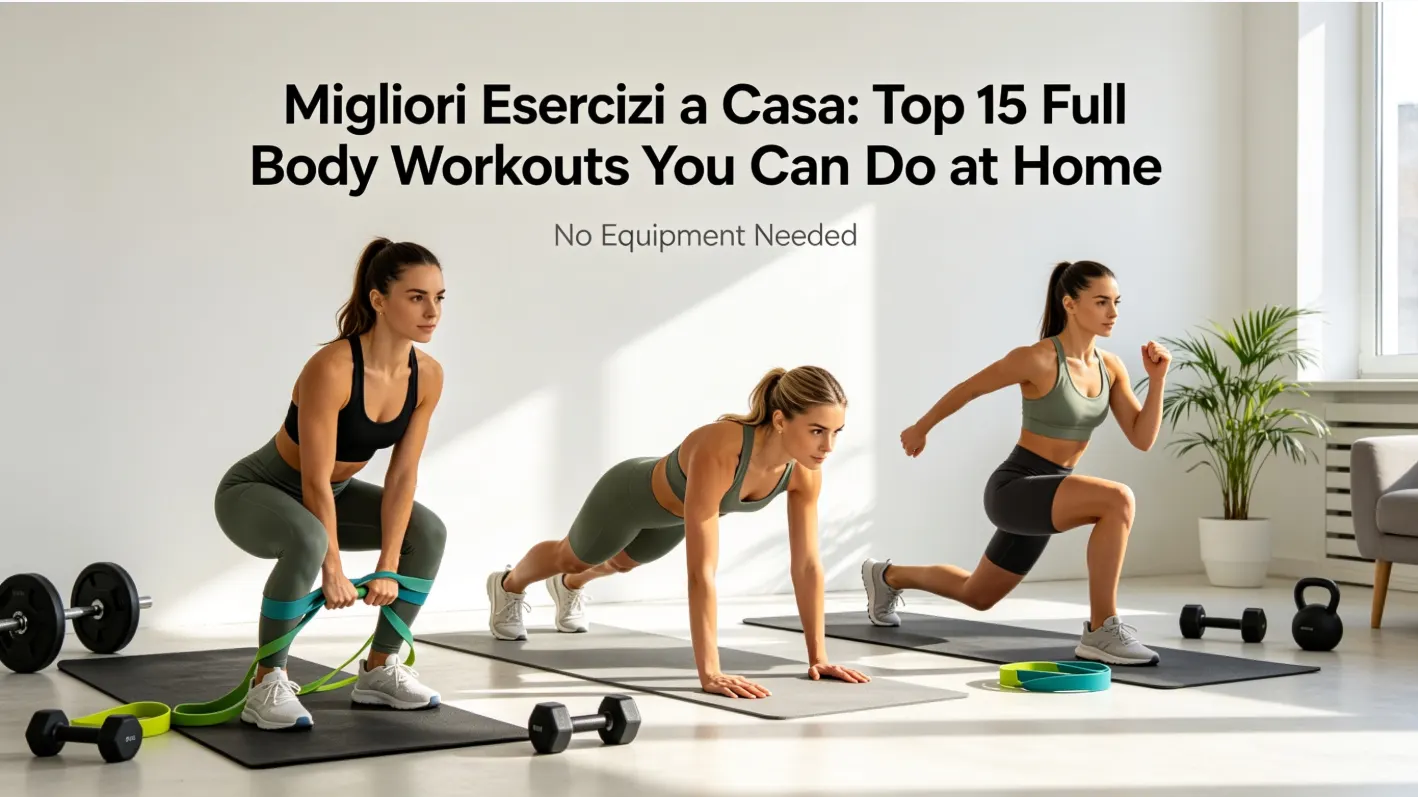
Staying active has never been more convenient. As more people choose flexible fitness routines, home workouts have become one of the easiest ways to stay healthy without spending hours at a gym. Whether you’re trying to lose weight, build strength, or simply focus on getting fit, exercising at home allows you to work out whenever it fits your schedule.
One of the biggest advantages of a full body workout at home is that it trains multiple muscle groups in a single session. Instead of spending different days focusing on specific body parts, full-body workouts help improve strength, burn calories, and increase endurance while saving valuable time. They’re ideal for beginners and experienced fitness enthusiasts alike.
This guide is designed for anyone looking to start or improve their at home full body workout routine. Whether you’re working with no equipment or have a few basic fitness tools, you’ll discover effective exercises that can help you achieve your goals from the comfort of your own home.
You’ll also learn proper exercise techniques, workout tips, and simple ways to stay consistent with your home training routine. Best of all, you don’t need an expensive gym membership or complicated machines to see real progress. Many of the migliori esercizi a casa use only your body weight, making it easier than ever to build strength, improve fitness, and create healthy habits that last.
Home workouts have evolved far beyond basic fitness routines. Today, they offer an effective way to improve strength, endurance, and overall health without expensive equipment or a gym membership. Many of the migliori esercizi a casa combine multiple movement patterns, allowing you to train your entire body in less time while achieving noticeable results.
Research shows that regular full-body resistance training improves muscle strength, supports fat loss, and enhances overall physical health. Whether you train with bodyweight or dumbbells, consistent exercise helps increase energy levels and long-term fitness.
A well-planned home gym workout can deliver excellent results in just 20 to 30 minutes. Full-body routines eliminate the need for lengthy gym sessions, making them easier to fit into a busy schedule.
Compound movements like squats, lunges, push-ups, and burpees engage multiple muscle groups simultaneously. These simple full body exercises increase your heart rate and burn more calories than isolated exercises.
Regular resistance training strengthens your muscles while improving metabolism. If you have access to dumbbells or resistance bands, adding strength training home gym sessions can accelerate muscle development and improve overall body composition.
Full-body workouts strengthen your core, back, shoulders, and hips, helping improve posture and reduce discomfort caused by prolonged sitting.
Combining strength exercises with cardio movements improves cardiovascular endurance while helping lower the risk of lifestyle-related health conditions.
Whether you’re a beginner or an experienced exerciser, full-body routines can be adjusted to match your ability. By making home daily exercise a habit, you’ll steadily improve strength, endurance, and confidence over time.
Everyone has different fitness goals, so choosing the right workout style is essential. Whether your priority is losing fat, building muscle, improving muscle definition, or boosting athletic performance, selecting the right approach will help you make consistent progress.
If your goal is losing weight, choose workouts that combine strength training with cardio. A bodyweight workout weight loss routine increases calorie burn while helping preserve lean muscle.
High-intensity interval training (HIIT), circuit workouts, and cardio and bodyweight workout sessions keep your heart rate elevated and improve overall fitness. The bodyweight workout for weight loss approach is especially effective because it requires no equipment and can be performed almost anywhere.
Exercises like burpees, mountain climbers, jumping jacks, high knees, and squats are some of the best bodyweight exercises for cardio and can help maximize calorie burn when performed consistently.
Building muscle requires progressive overload, meaning your muscles need gradually increasing resistance over time. This can be achieved by adding weight, increasing repetitions, or slowing down each movement.
A balanced program focused on strength training for toned body development should include compound exercises such as squats, push-ups, rows, lunges, and shoulder presses.
If you’re looking for home workouts for upper body, include push-ups, dumbbell rows, shoulder presses, and chest presses. These exercises also help answer how to build upper body strength at home while supporting strength training for toning through consistent progression and proper recovery.
Body toning comes from building lean muscle while reducing overall body fat. The most effective strategy combines regular exercise with balanced nutrition and adequate protein intake.
Focus on body toning exercises that target multiple muscle groups, including squats, lunges, planks, glute bridges, and push-ups. A complete workout for body toning should include both resistance training and moderate cardio.
Over time, these exercises to tone whole body help improve muscle definition, posture, and overall fitness.
Athletic training focuses on improving strength, speed, balance, coordination, and mobility. Functional exercises prepare your body for real-life movement while reducing injury risk.
If you’re wondering how to get an athletic body, prioritize explosive movements, agility drills, and strength training alongside flexibility exercises.
Include jumping squats, lateral lunges, sprint intervals, planks, and leg exercises for athletes such as Bulgarian split squats, step-ups, and Romanian deadlifts. These exercises improve lower-body power while supporting better overall athletic performance.
The great thing about home workouts is that you can begin with little or no equipment. While adding a few tools can make your workouts more challenging and versatile, every exercise in this guide includes an equipment-free alternative. Start with what you have and build your home gym over time as your strength and confidence improve.
Resistance bands are affordable, portable, and suitable for every fitness level. They add extra resistance to squats, rows, presses, and glute exercises without putting excessive stress on your joints. They’re one of the most practical pieces of bodyweight training equipment because they make bodyweight movements more challenging while remaining easy to store.
Adjustable dumbbells are one of the best long-term fitness investments. Instead of buying multiple sets of weights, you can quickly change the resistance as you become stronger. They are an essential addition to any strength training home gym because they support hundreds of effective exercises while saving valuable space.
A comfortable yoga mat provides cushioning during stretching, core exercises, and floor-based workouts. It also improves grip and stability while performing floor workout exercises such as planks, glute bridges, dead bugs, and stretching routines.
A doorway pull-up bar adds upper-body training to your routine without taking up much room. It allows you to perform pull-ups, hanging knee raises, and other home gym workout exercises that strengthen your back, shoulders, arms, and core.
You don’t need a dedicated workout room to stay fit. The best home gym for small space often includes only a few versatile pieces of equipment that can be stored easily after each workout.
Some must have home fitness equipment includes adjustable dumbbells, resistance bands, a yoga mat, and a jump rope. As you progress, you can expand with must have at home gym equipment like an adjustable bench or compact stack home gym if you have additional space and want more resistance training options.
Bodyweight squats are one of the simple full body exercises every beginner should master. They strengthen your quadriceps, hamstrings, glutes, and core while improving mobility and balance.
To perform them correctly, stand with your feet shoulder-width apart, lower your hips until your thighs are nearly parallel to the floor, then push through your heels to stand.
Avoid letting your knees collapse inward or rounding your back. If you have flat feet and squats feel uncomfortable, wear supportive shoes or focus on maintaining proper foot alignment.
For beginners, perform 10–15 repetitions. More advanced exercisers can include high rep squats by completing 20–30 repetitions for increased muscular endurance.
Push-ups strengthen your chest, shoulders, triceps, and core while improving upper-body endurance. They are one of the most effective bodyweight chest exercise movements because they require no equipment.
If regular push-ups are difficult, begin with knee push-ups or incline push-ups. Holding a pushup plank position between repetitions also increases core activation. As your strength improves, you can work toward a 100 pushup plan over several months.
Pike push-ups primarily target the shoulders while also strengthening the upper chest and triceps.
One of the biggest pike push ups benefits is improved shoulder strength, making this exercise an excellent stepping stone toward more advanced movements such as handstand push-ups.
Perform 8–12 controlled repetitions.
Walking lunges improve lower-body strength, balance, and coordination while engaging the glutes, quadriceps, and hamstrings.
If you’re lunging for beginners, start with stationary lunges before progressing to walking variations. Advanced exercisers can increase intensity by adding a jumping one leg lunge variation.
Complete 10–12 repetitions per leg.
Glute bridges strengthen the glutes, hamstrings, and lower back while improving hip stability.
Once the standard version becomes easy, progress to a straight leg bridge to increase core activation and balance.
Perform 12–15 repetitions.
The dead bug is one of the safest exercises for improving core stability and coordination while protecting the lower back.
As you become stronger, try the weighted dead bug exercise using a light dumbbell. Some people also combine breathing techniques from dead bug yoga to improve movement control.
Complete 10–12 repetitions per side.
Pike crunches strengthen the abdominal muscles while improving flexibility through the hips.
The pike crunch exercise challenges both the upper and lower core and can be modified by bending your knees if needed.
Perform 12–15 repetitions.
Mountain climbers combine strength and cardio in one movement. They improve endurance while engaging the shoulders, chest, core, and legs.
These fast-paced exercise drills are excellent body movement exercises for increasing heart rate and burning calories.
Work continuously for 30–40 seconds.
Burpees remain one of the most demanding bodyweight exercises because they combine a squat, plank, push-up, and jump into one movement.
They’re a valuable addition to any bodyweight exercise circuit because they’re simple but effective for improving strength, endurance, and calorie burn.
Perform 8–12 repetitions.
Jumping jacks are an excellent bodyweight workout cardio exercise that quickly raises your heart rate while improving coordination.
Complete 30–60 seconds at a steady pace.
Planks strengthen the core, shoulders, back, and hips while improving stability.
Adding side planks or shoulder taps increases difficulty. Some athletes include boxing stomach exercises and yoga ab moves alongside plank variations for greater core development.
Hold each variation for 30–60 seconds.
The Superman Hold strengthens the lower back, glutes, shoulders, and core. It also improves posture by reinforcing the muscles responsible for spinal support.
Hold the position for 20–40 seconds while maintaining slow, controlled breathing.
The Bear Crawl improves coordination, balance, and full-body conditioning.
Moving slowly while keeping your knees just above the floor activates the shoulders, core, arms, and legs simultaneously, making it an excellent functional exercise.
Complete 20–30 seconds per round.
Wall sits build muscular endurance in the quadriceps, glutes, and calves without placing excessive stress on the joints.
This exercise is especially useful for people with desk jobs because it helps counteract the effects of a sedentary workout lifestyle by strengthening the lower body.
Hold the position for 30–60 seconds.
Every workout should end with stretching to improve flexibility and recovery.
Spend five to ten minutes stretching your hamstrings, quadriceps, chest, shoulders, hips, and lower back. Consistent stretching supports home exercise & recovery, reduces muscle stiffness, and helps you maintain better mobility.
Making stretching part of your daily practice at home can improve posture, reduce soreness, and prepare your body for your next workout.
Don’t have 30 minutes? A quick workout can still deliver excellent results. A focused 15-minute session helps improve cardiovascular fitness, strengthen major muscle groups, and burn calories. The key is maintaining good form and minimizing rest between exercises.
This 15 minute home workout is perfect for busy days and requires no equipment.
Workout Format:
Exercises:
This 15 minute workout is suitable for beginners and experienced exercisers alike. If you’re short on time, this fifteen minute workout is an excellent way to stay active. You can also save the routine as a no equipment full body workout pdf for easy access, making it a convenient 15 minute exercise workout and an effective no equipment full body workout you can perform anywhere.
If you have dumbbells, this routine adds extra resistance to build strength while increasing calorie burn.
Workout Format:
Exercises:
This 15 minute workout with weights provides an efficient strength session that’s ideal when you have limited time. As you become stronger, gradually increase the weight to make your 15 minute weight workout more challenging.
Following a structured schedule helps you stay consistent while allowing enough recovery between workouts.
If you’re just starting, focus on learning proper technique before increasing intensity.
| Day | Workout |
| Monday | Full Body Strength |
| Tuesday | Walking or Stretching |
| Wednesday | Bodyweight Workout |
| Thursday | Rest |
| Friday | Full Body Strength |
| Saturday | Light Cardio |
| Sunday | Recovery |
This schedule works well as a beginner workout no equipment routine and is perfect for anyone starting beginner bodyweight training. It can also serve as your first day gym workout plan if you later transition to a fitness center.
As your fitness improves, increase workout frequency while maintaining recovery.
| Day | Workout |
| Monday | Strength Training |
| Tuesday | HIIT Cardio |
| Wednesday | Dumbbell Workout |
| Thursday | Mobility |
| Friday | Full Body Strength |
| Saturday | Cardio |
| Sunday | Active Recovery |
This balanced workout schedule for intermediate exercisers includes effective monday exercises while keeping sunday workout sessions light to support recovery.
Limited time shouldn’t stop you from exercising.
A simple routine could look like this:
This schedule works well as a home workout routine for busy moms with no time and is ideal if you need a practical small space workout that fits into a hectic lifestyle.
Many people ask can i do a full body workout everyday when they’re eager to speed up their fitness results. While daily movement is beneficial, intense strength training every day isn’t usually the best strategy.
Muscles grow and become stronger during recovery, not while you’re exercising. Without enough rest, performance may decline and injury risk can increase.
If you’re wondering can i do full body workout everyday or can you do a full body workout everyday, the answer depends on workout intensity.
Light activities like walking, yoga, stretching, and mobility exercises can be done daily. However, challenging strength workouts should generally be limited to three to five sessions each week.
Doing full body workout everyday without recovery may lead to:
For most people, the best approach is:
So, can you do full body workouts everyday or is it ok to do full body workouts everyday? While an every day full body workout is possible if the intensity stays low, most people achieve better long-term results by balancing exercise with proper recovery.
Even a great workout plan won’t deliver results if common mistakes become habits. Avoid these beginner errors to make steady progress.
Using incorrect technique reduces exercise effectiveness and increases injury risk. Focus on quality movements before increasing speed or resistance.
Starting intense exercise without warming up can leave your muscles stiff and unprepared. Spend at least five minutes increasing your heart rate and improving mobility.
Rest is essential for muscle repair and long-term progress. Schedule recovery days and aim for enough sleep each night.
Cardio supports weight loss, but relying on it alone may reduce muscle development. Combine strength training with cardio for balanced results.
If your workouts never become more challenging, your progress will eventually slow down. Gradually increase repetitions, resistance, or workout intensity over time.
Many fitness ideas that don’t work out promise quick results without effort. Avoid following ideas that dont work out and instead build your routine around proven exercises. Mastering a few easy gym moves with proper technique will always produce better long-term results than constantly switching between ineffective workout trends.
The right equipment can make your home workouts more effective and help you continue progressing as your fitness improves. Below are some of the best options for beginners and experienced exercisers.
Who It’s For
Beginners, travelers, and anyone looking for affordable resistance training.
Pros
Cons
Price Range
$10–$50
Buying Tips
Choose a set with multiple resistance levels and durable latex material.
CTA
Compare different resistance band sets before choosing one that matches your fitness level.
Who It’s For
Anyone serious about building strength and muscle at home.
Pros
Cons
Price Range
$150–$500
Buying Tips
Look for secure locking mechanisms and comfortable handles.
CTA
Choose adjustable dumbbells that allow you to increase weight as you become stronger.
Who It’s For
People interested in strength, conditioning, and functional training.
Pros
Cons
Price Range
$30–$150
Buying Tips
Start with a moderate weight that allows good form before increasing resistance.
CTA
Select a kettlebell suitable for your current strength level.
Who It’s For
Home lifters looking for more exercise variety.
Pros
Cons
Price Range
$100–$350
Buying Tips
Choose a sturdy bench with adjustable incline settings.
CTA
A quality bench can significantly expand your home workout options.
Who It’s For
Anyone wanting better recovery and mobility.
Pros
Cons
Price Range
$20–$60
Buying Tips
Medium-density rollers work well for most beginners.
CTA
Include foam rolling in your recovery routine for better mobility.
Who It’s For
People who train several times each week.
Pros
Cons
Price Range
$80–$300
Buying Tips
Choose multiple speed settings and long battery life.
CTA
Invest in a massage gun if recovery is limiting your workouts.
Who It’s For
Anyone performing floor exercises or stretching.
Pros
Cons
Price Range
$20–$80
Buying Tips
Choose a thicker mat for better joint support.
CTA
A quality mat makes home workouts safer and more comfortable.
Who It’s For
Intermediate and advanced exercisers.
Pros
Cons
Price Range
$30–$120
Buying Tips
Select a model compatible with your doorway or wall.
CTA
A pull-up bar is an excellent addition for upper-body training.
Who It’s For
Anyone wanting to monitor workouts and daily activity.
Pros
Cons
Price Range
$80–$500
Buying Tips
Choose one with reliable fitness tracking and long battery life.
CTA
Tracking your progress can help keep you motivated.
Who It’s For
Experienced exercisers wanting more workout intensity.
Pros
Cons
Price Range
$60–$250
Buying Tips
Choose adjustable weight increments for gradual progression.
CTA
Use a weight vest only after mastering bodyweight exercises.
Aim to include lean protein with every meal to support muscle recovery and growth.
Drink water throughout the day and replace fluids lost during exercise.
Getting 7–9 hours of quality sleep each night helps your muscles recover and supports overall fitness.
Eat a balanced meal containing protein and healthy carbohydrates within two hours after your workout.
Have a light meal or snack one to three hours before exercising to maintain energy levels.
Staying consistent is more important than following the perfect workout plan. Small daily habits produce lasting results over time.
Exercise at the same time each day until it becomes part of your routine.
Set realistic goals and celebrate small achievements along the way. Every workout brings you one step closer to getting fit.
Record your workouts, weights, and measurements to see how far you’ve come.
Working out with a friend or family member increases accountability and makes exercise more enjoyable.
Participating in a home fitness challenge can help you stay motivated while adding variety to your routine. Even completing short workouts home daily helps build consistency and long-term success.
No. Beginners should start with 3–4 full-body workouts each week and include recovery days.
Most effective workouts last between 20 and 45 minutes, depending on your fitness level.
Yes. Progressive overload, consistency, and proper nutrition can build muscle at home.
Yes. Bodyweight workouts help reduce overall body fat when combined with a healthy diet.
No. Most full-body exercises can be performed using only your body weight.
Aim for 3–5 workout sessions each week with at least one recovery day.
Burpees are among the highest calorie-burning full-body exercises.
Yes. Push-ups, planks, pike push-ups, and pull-ups are excellent bodyweight exercises for upper-body strength.
Choose a meal with lean protein and healthy carbohydrates, such as chicken with rice or Greek yogurt with fruit.
Yes. A well-designed 15-minute workout can improve fitness, burn calories, and support weight loss when performed consistently.