Physical Address
304 North Cardinal St.
Dorchester Center, MA 02124
Physical Address
304 North Cardinal St.
Dorchester Center, MA 02124

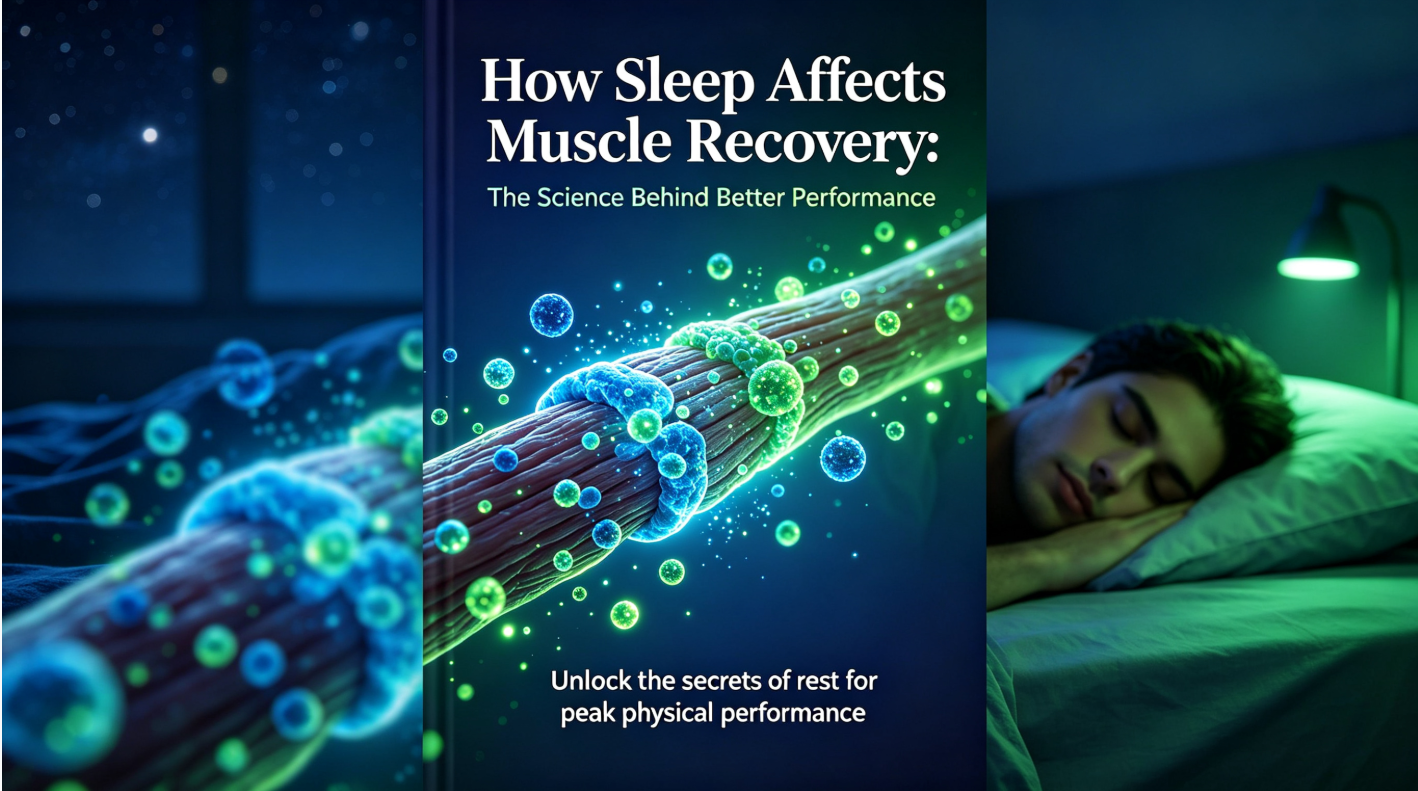
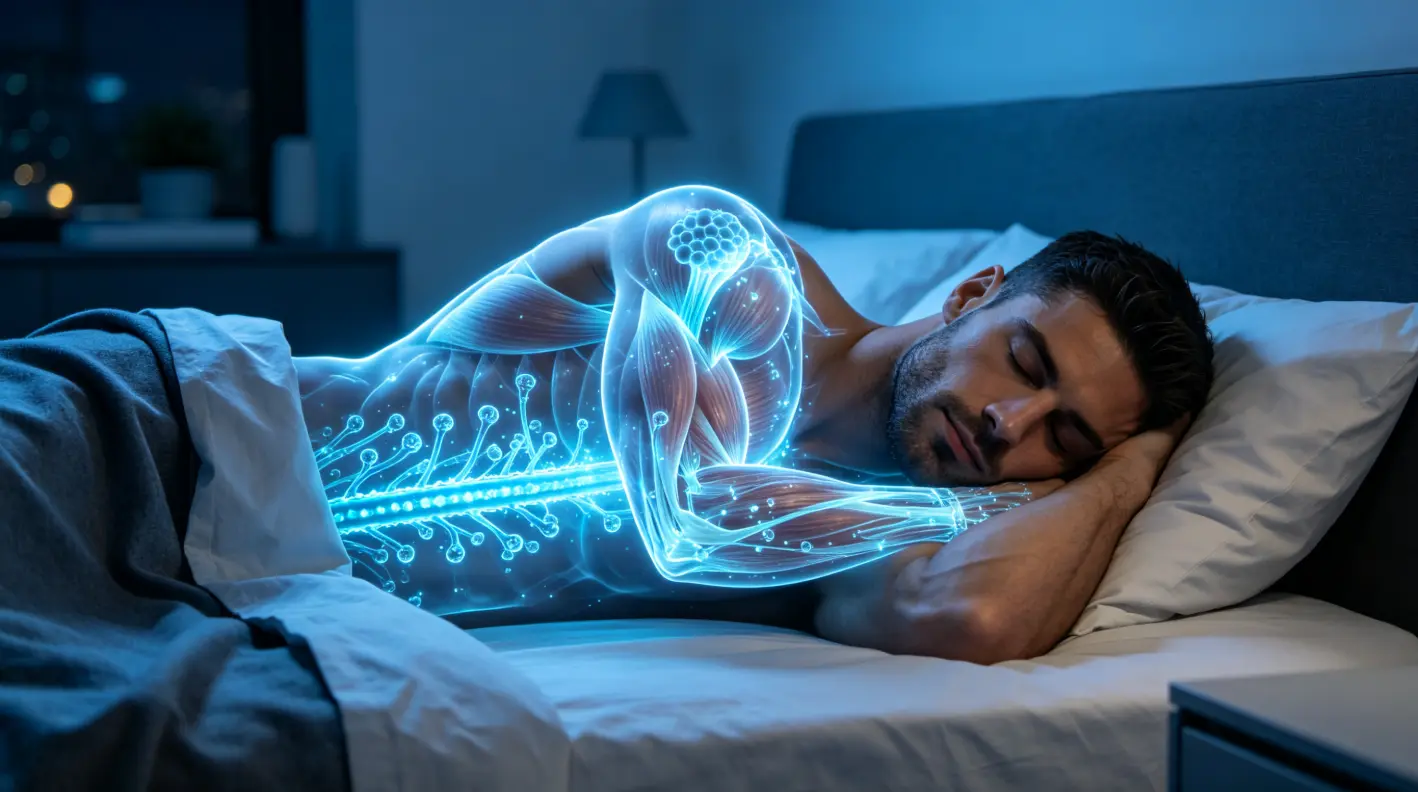
Building muscle doesn’t happen only in the gym—it happens during recovery. While strength training creates the stimulus for muscle growth, your body needs time to repair damaged muscle fibers, restore energy levels, and adapt to the physical stress of exercise. This is why muscle recovery is just as important as your workout routine. Many people focus on training intensity, nutrition, and supplements, but one of the most powerful recovery tools is often ignored: quality sleep.
The relationship between sleep and recovery has been widely studied in sports science. During deep sleep, your body releases growth hormone, repairs muscle tissue, reduces inflammation, and replenishes energy stores that were depleted during exercise. Without enough sleep, these essential recovery processes slow down, making it harder to build strength, improve endurance, and maintain consistent performance. Poor sleep can also increase muscle soreness, reduce motivation, and raise the risk of injuries and overtraining.
For athletes and sleep, the connection is even more significant. Whether you’re a professional athlete, a weekend runner, or someone who enjoys regular workouts, getting enough quality sleep directly impacts your physical and mental performance. Research shows that improving sleep and performance can lead to faster reaction times, better coordination, improved focus, increased strength, and shorter recovery periods after intense training sessions. In other words, better performance sleep habits can be just as valuable as following a well-designed workout program.
Sleep also plays a crucial role in overall fitness recovery by supporting immune function, balancing hormones, and restoring both the body and mind. Without adequate rest, cortisol levels may rise while muscle-building hormones decline, making recovery slower and reducing your ability to perform at your best. Over time, chronic sleep deprivation can negatively affect athletic progress, body composition, and long-term health.
In this guide, you’ll discover the science behind sleep and recovery, learn how sleep influences muscle recovery, understand why athletes and sleep are closely connected, and explore practical strategies to improve sleep and performance. Whether your goal is building muscle, increasing endurance, or simply recovering faster after workouts, optimizing your sleep could be the missing piece that transforms your overall fitness recovery and athletic performance.
Every workout places stress on your muscles, whether you’re lifting weights, running, cycling, or doing bodyweight exercises. While exercise helps build strength and endurance, the real improvements happen after your workout ends. This is where muscle recovery becomes essential. During recovery, your body repairs damaged muscle tissue, restores energy stores, and adapts to the physical demands of training. Without proper recovery, your performance may decline, and your risk of injury can increase. That’s why experts consider recovery to be just as important as exercise itself.
Muscle recovery is the natural process your body uses to repair and strengthen muscles after physical activity. During intense exercise, tiny tears develop in your muscle fibers. Although this may sound harmful, it’s a normal part of building stronger muscles. Your body responds by repairing these microscopic tears, making the muscles stronger and more resilient than before.
This process, often called exercise muscle recovery, begins shortly after your workout. The body increases blood flow to the affected muscles, delivering oxygen and nutrients that support healing. Mild inflammation also occurs, helping remove damaged cells and initiate tissue repair. While excessive inflammation can slow recovery, a healthy inflammatory response is necessary for muscle adaptation.
Protein synthesis plays a major role in exercise recovery. After training, your body uses dietary protein to rebuild damaged muscle fibers and promote muscle growth. At the same time, glycogen stores—the body’s primary source of energy during exercise—are replenished through carbohydrates. Proper nutrition, hydration, and quality sleep all work together to maximize this recovery process.
Many people believe that harder workouts always produce better results, but progress actually depends on effective fitness recovery. Without enough recovery time, your muscles don’t have the opportunity to repair and grow, leading to fatigue, decreased performance, and a higher risk of overtraining.
Proper recovery after exercise allows your body to rebuild stronger muscle fibers, restore hormone balance, reduce muscle soreness, and prepare for your next workout. It also supports your immune system, improves mental focus, and helps prevent injuries caused by repeated physical stress.
A complete recovery after workout routine includes more than simply resting. Quality sleep, balanced nutrition, adequate protein intake, hydration, light movement, stretching, and stress management all contribute to faster and more effective recovery. Athletes who prioritize recovery often experience greater strength gains, improved endurance, and more consistent performance over time.
The bottom line is simple: exercise provides the stimulus for improvement, but recovery is where the results happen. By making muscle recovery a priority alongside your training program, you’ll recover faster, reduce the risk of injury, and achieve better long-term fitness results while maintaining a healthier and more sustainable exercise routine.
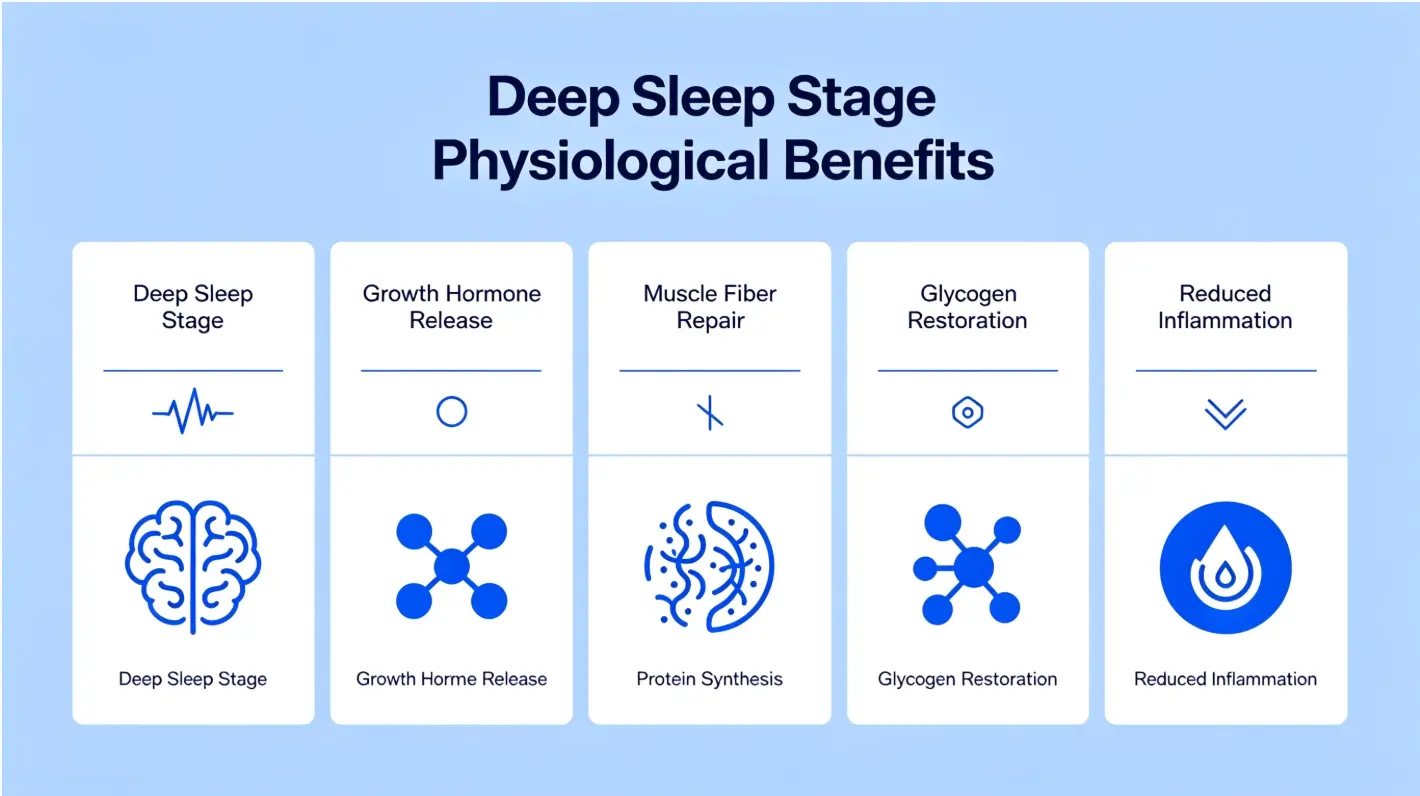
Quality sleep is one of the most powerful tools for muscle recovery. While exercise creates the stimulus for muscle growth, your body performs most of its repair work while you sleep. During deep sleep, hormones that support recovery are released, damaged muscle fibers are repaired, inflammation is regulated, and the nervous system recovers from physical stress. Without enough sleep, these recovery processes slow down, making it harder to build muscle, regain strength, and perform at your best. This is why the connection between sleep and recovery is a key focus in sports science and athletic performance.
Deep sleep is the most important stage for sleep muscle growth and physical recovery. During this phase, blood flow to the muscles increases, allowing oxygen and nutrients to reach damaged tissues. Your body repairs tiny muscle fiber tears caused by exercise, replenishes glycogen stores, and strengthens muscles for future workouts. Deep sleep also supports immune function and helps the nervous system recover, allowing you to wake up feeling refreshed and ready to train again. Prioritizing sleep and recovery gives your body the time it needs to rebuild stronger muscles.
One of the biggest reasons sleep is essential for athletes is the release of Human Growth Hormone (HGH) during deep sleep. HGH stimulates muscle tissue repair, supports muscle protein synthesis, and accelerates recovery after intense exercise. Sleep also helps maintain healthy testosterone levels, which are important for muscle growth, strength development, and physical performance. Together, HGH, testosterone, and protein synthesis create the ideal environment for repairing damaged muscles and promoting long-term fitness gains.
Poor sleep can significantly delay muscle recovery and reduce athletic performance. When you don’t get enough quality sleep, your body produces more cortisol, the primary stress hormone. Elevated cortisol levels increase muscle breakdown, slow tissue repair, and reduce protein synthesis. As a result, you may experience increased muscle soreness, slower healing, persistent fatigue, reduced strength, lower workout performance, and a greater risk of injury. Chronic sleep deprivation also weakens immune function and delays nervous system recovery, making it more difficult to train consistently. Prioritizing adequate sleep every night is one of the most effective ways to maximize muscle recovery, improve performance, and support long-term health.
Elite athletes understand that training alone doesn’t produce peak results—recovery is equally important. That’s why athletes and sleep go hand in hand. During quality sleep, the body repairs muscle tissue, restores energy, and prepares both the brain and muscles for the next training session. Research consistently shows that improving sleep and performance leads to faster reaction times, greater endurance, increased strength, improved coordination, and a lower risk of injuries. Good performance sleep also enhances focus, decision-making, and overall athletic consistency, making sleep one of the most effective recovery strategies available. Among the many benefits of sleep for athletic recovery are reduced muscle soreness, improved hormone balance, stronger immune function, and faster recovery after intense workouts. Whether you’re a competitive athlete or a fitness enthusiast, prioritizing sleep can significantly improve both training quality and long-term performance.
Research suggests that those with a high fitness rating are more likely to treat sleep as an essential part of their training plan rather than an afterthought. Successful athletes and highly active individuals often follow consistent sleep schedules because they understand that recovery directly affects performance. They recognize that quality sleep supports muscle repair, improves mental focus, regulates hormones, and reduces fatigue, allowing them to train harder and recover faster. In contrast, poor sleep habits are associated with slower recovery, reduced motivation, lower exercise performance, and a greater risk of overtraining. Building healthy sleep habits—such as maintaining a regular bedtime, limiting screen time before sleep, and creating a comfortable sleep environment—is one of the simplest ways to improve sleep and performance while maximizing long-term fitness results.
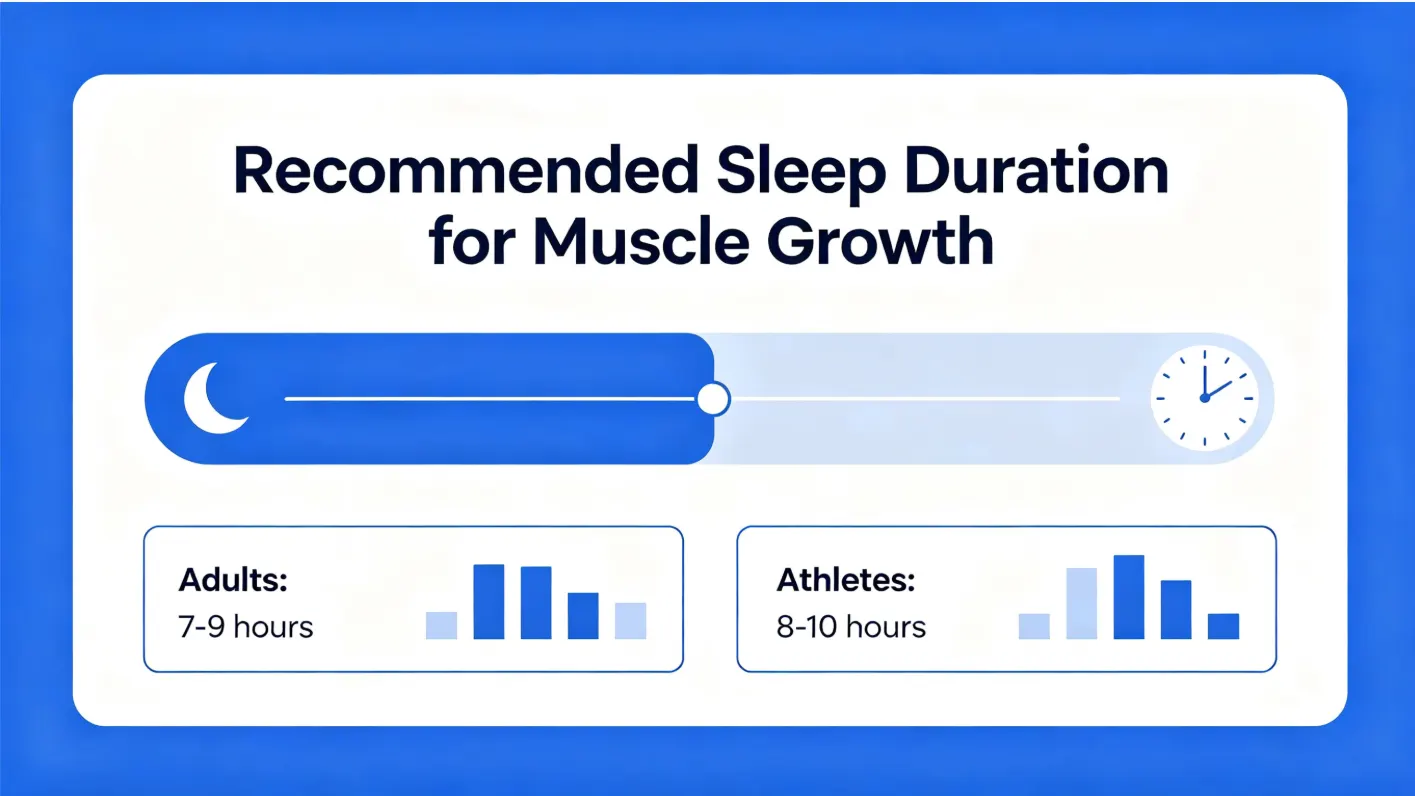
Getting enough sleep is essential if your goal is building strength, improving performance, and supporting sleep muscle growth. Most healthy adults need 7–9 hours of quality sleep each night, while teenagers generally require 8–10 hours because their bodies are still developing. Athletes and people who perform intense strength training or endurance workouts may benefit from 8–10 hours of sleep, especially during periods of heavy training. If you’re wondering how much sleep for muscle growth is ideal, the answer depends on your activity level, recovery needs, and overall health. After intense workouts, your body requires additional time to repair muscle fibers, replenish glycogen stores, and restore hormone balance, making adequate sleep a critical part of the recovery process.
Is 7 hours of sleep enough to build muscle? For many adults, seven hours can support muscle growth if the sleep is high quality and recovery habits are strong. However, people who train intensely several days a week often recover better with 8–9 hours of sleep. More sleep allows for greater growth hormone release, improved muscle repair, and reduced fatigue, helping maximize training results.
If you’re asking how important is sleep for muscle growth, the answer is simple: it’s essential. During deep sleep, the body releases growth hormone, supports muscle protein synthesis, repairs damaged muscle tissue, and lowers stress hormone levels. Without enough sleep, recovery slows, muscle soreness increases, and workout performance declines. Combining quality sleep with proper nutrition and consistent training provides the best environment for long-term muscle growth and athletic performance.
Many people wonder, is it okay to sleep after a workout? In most cases, the answer is yes. Quality sleep after workout sessions helps your body repair muscle fibers, restore energy, and support overall recovery. Whether it’s nighttime sleep or a short nap, sleep after exercise can reduce muscle soreness and improve performance for your next training session. However, timing matters. If you’ve completed a very intense workout, allow your heart rate and body temperature to return to normal before going to bed. A short post workout sleep of 20–30 minutes during the day can also boost recovery, especially after strenuous training. While sleeping after workout sessions is generally beneficial, going to bed immediately after exercising without cooling down may make it harder for some people to fall asleep comfortably. Gentle stretching, hydration, and a light recovery meal can help prepare your body for restful sleep after working out.
Yes. Sleeping after exercising supports muscle protein synthesis, growth hormone release, glycogen restoration, and nervous system recovery. These processes help reduce fatigue, speed up healing, and prepare your body for future workouts. For athletes and active individuals, combining proper nutrition with quality sleep after working out is one of the most effective ways to maximize recovery.
Many people ask, will I gain weight if I sleep after exercise? The answer is no. Sleeping after a workout does not directly cause weight gain. Body weight is influenced by your overall calorie intake, activity level, and long-term lifestyle habits—not by sleeping after exercise. In fact, getting enough sleep supports healthy metabolism, hormone balance, and muscle recovery, making it an important part of any fitness routine.
If you’ve ever wondered, why does working out make me sleepy, you’re not alone. Feeling tired after exercise is a normal response and usually indicates that your body is recovering from physical activity. During a workout, your muscles use stored energy (glycogen), your nervous system works hard to coordinate movement, and your body temperature rises. After exercise, your body shifts into recovery mode, which can make you feel relaxed or sleepy. If you’re asking why am I sleepy after a workout or why do I feel sleepy after exercise, the answer often comes down to energy depletion, nervous system fatigue, hormonal changes, and the body’s natural repair process.
Intense exercise also lowers glycogen stores, which your body must replenish after training. At the same time, your nervous system needs time to recover from repeated muscle contractions, especially after heavy strength training or endurance workouts. As your body cools down, the drop in body temperature sends signals that encourage relaxation and sleepiness. Exercise also triggers hormonal changes, including the release of endorphins and recovery hormones that help repair muscles but can temporarily leave you feeling tired. These factors explain why do I get sleepy after a workout and why do I get sleepy after working out, particularly after challenging training sessions.
Yes. Feeling sleepy after exercise is completely normal for most healthy people. It simply means your body is directing energy toward muscle recovery, restoring glycogen, repairing tissues, and balancing hormones. However, if extreme fatigue lasts for several hours or occurs after every workout, it may indicate overtraining, poor nutrition, dehydration, or insufficient sleep.
If you’re wondering how to avoid feeling sleepy after workout, focus on supporting your recovery. Drink plenty of water, eat a balanced post-workout meal with protein and carbohydrates, cool down with light stretching, and get 7–9 hours of quality sleep each night. Training at a suitable intensity, avoiding overtraining, and staying properly fueled can also reduce post-workout fatigue while improving your overall performance and recovery.
If you can’t sleep after workout sessions, you’re not alone. While exercise usually improves sleep quality, intense late-night workouts can temporarily make it harder to fall asleep. High-intensity training increases adrenaline, elevates your heart rate, and raises your body temperature—all of which keep your body in an alert state. Drinking caffeinated pre-workout supplements or coffee in the evening can make the problem even worse. Eating a large, heavy meal immediately before bed may also interfere with digestion and delay sleep. Although these effects are usually temporary, consistently exercising too close to bedtime may affect your sleep quality and slow overnight muscle recovery.
To improve sleep after evening exercise, finish your workout at least 2–3 hours before bedtime whenever possible. Spend 5–10 minutes cooling down with light stretching and deep breathing to lower your heart rate. Drink water, eat a light recovery snack containing protein and carbohydrates, and avoid caffeine late in the day. Keep your bedroom cool, dark, and quiet, and limit screen time before bed. Following a relaxing bedtime routine helps your body transition from exercise mode to recovery mode, allowing you to fall asleep faster and wake up feeling refreshed.
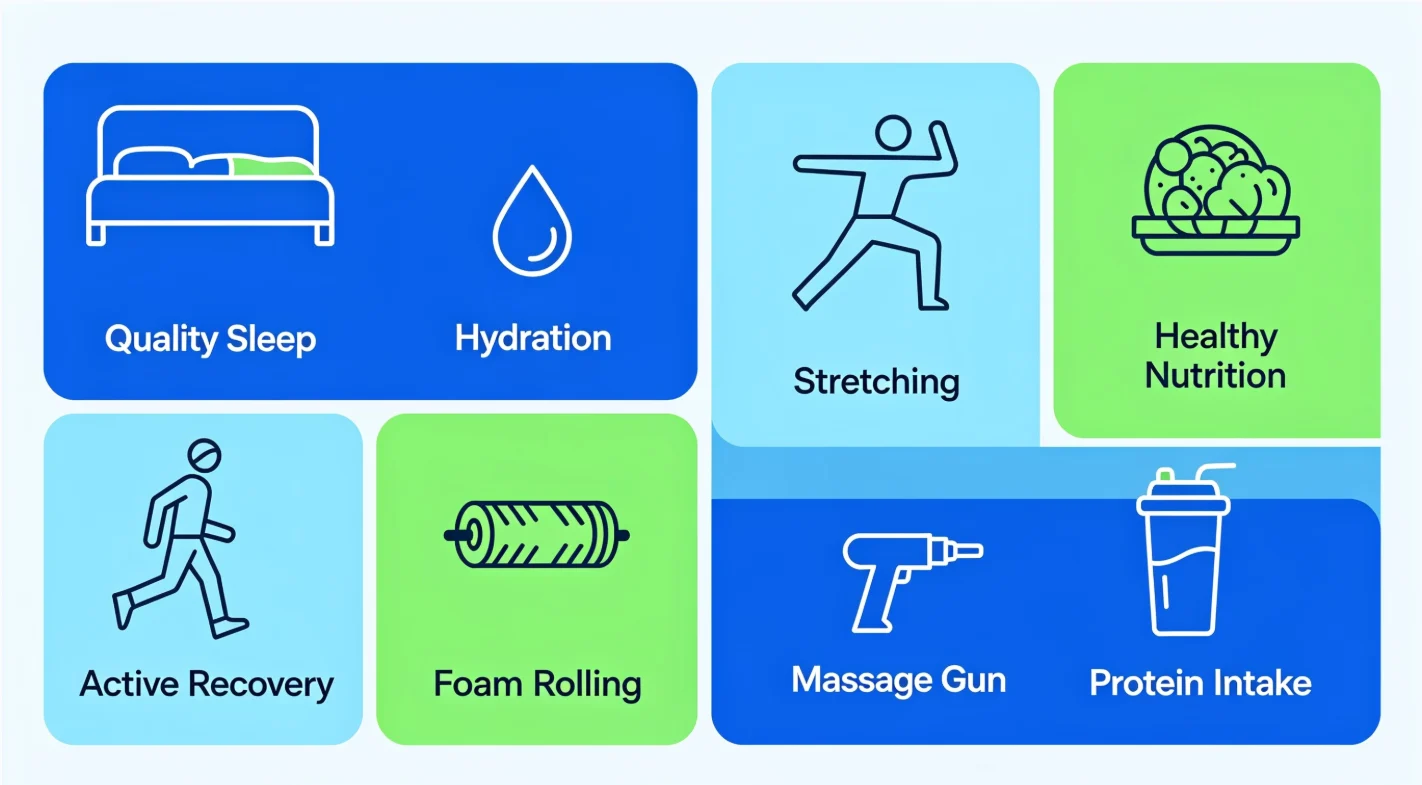
While sleep is the foundation of recovery, it’s not the only factor that supports faster healing and better performance. The best way to recover after exercise also includes proper nutrition, hydration, adequate protein intake, stretching, active recovery, massage, and foam rolling. If you’re wondering how to recover after a workout or how to recover after gym workout, start by drinking enough water, eating a balanced meal rich in protein and carbohydrates, and giving your muscles time to repair. Light movement, mobility exercises, and massage can improve circulation, reduce stiffness, and enhance exercise recovery. Combining these habits creates a complete workout recovery routine that improves fitness recovery and helps you recover after exercise more efficiently.
A recovery workout doesn’t mean intense exercise. Instead, choose low-impact activities such as walking, gentle cycling, yoga, swimming, or light stretching. These recovery workouts increase blood flow, reduce muscle soreness, and support faster recovery without placing additional stress on your muscles.
The best recovery foods include lean protein (chicken, fish, eggs, Greek yogurt), complex carbohydrates (rice, oats, sweet potatoes), healthy fats (nuts, avocado), fruits, vegetables, and plenty of water. These nutrients restore glycogen, support muscle repair, reduce inflammation, and promote faster recovery after workout sessions.
The post workout definition refers to the period immediately after exercise when your body begins repairing muscle tissue, restoring energy, and adapting to training. If you define post workout, it simply means the recovery phase following physical activity. Understanding what is meant by post workout and the post exercise meaning is important because this “recovery window” is when nutrition, hydration, and rest have the greatest impact. Proper post workout recovery, including protein, carbohydrates, and fluids, supports effective post exercise recovery and faster post training recovery.
Good sleep hygiene for athletes means following healthy bedtime habits that improve recovery and sleep and performance. Consistent sleep schedules, limiting screen time, keeping the bedroom cool and dark, staying hydrated, eating a light evening meal, and following a relaxing recovery routine all help athletes and sleep quality, leading to better muscle repair and athletic performance.
The trending tennis recovery methods athletes recommend 2026 focus on combining technology with proven recovery strategies. Professional and recreational players are increasingly using wearable fitness trackers to monitor sleep, heart rate, and training load. HRV (Heart Rate Variability) tracking helps athletes understand recovery readiness and adjust workout intensity accordingly. Compression boots are widely used to improve circulation and reduce post-match muscle soreness, while ice baths remain popular for managing inflammation after demanding competitions. Many players also incorporate sauna sessions to promote relaxation and circulation, although they should be used with proper hydration. Breathwork exercises help lower stress, improve focus, and speed nervous system recovery. Above all, sleep optimization remains the foundation of every recovery plan, as quality sleep supports muscle repair, hormone balance, and consistent athletic performance.
No. If you’re wondering is sleeping a sport, the answer is no. Sleep is a biological necessity, not a competitive sport. However, athletes treat sleep as an essential part of their training because it directly affects recovery, performance, and overall health.
There is no officially recognized competitive event that answers is there a sleeping sport. While some entertainment events have featured sleep-themed competitions, sleep itself is not considered a sport by any major athletic organization.
Not necessarily. While most adults benefit from 7–9 hours of quality sleep, sleeping excessively doesn’t automatically improve recovery. Sleep quality, consistency, nutrition, training, and overall lifestyle all play important roles in muscle repair and performance.
This is a common myth. Sleeping after exercise does not directly cause fat gain. Weight changes are determined by overall calorie balance, nutrition, and activity levels. In fact, adequate sleep supports hormone balance, muscle recovery, and healthy metabolism.
Improving sleep is one of the most effective ways to accelerate muscle recovery and enhance athletic performance. Follow these practical habits:
Combining these habits with proper nutrition and smart training creates the ideal environment for faster muscle recovery, better performance, and long-term athletic success.

Using the right recovery products alongside proper sleep, nutrition, and training can improve muscle recovery and overall athletic performance. Below are some of the most popular products to consider. (Add your internal or affiliate links to each product category.)
Magnesium glycinate is one of the best choices for muscle relaxation, better sleep quality, and reduced muscle cramps after intense workouts.
A high-quality whey or plant-based protein powder supports muscle protein synthesis and helps repair muscle fibers after exercise.
Electrolyte drinks replace sodium, potassium, and other minerals lost through sweat, improving hydration and speeding recovery.
Foam rollers help reduce muscle tightness, improve mobility, and increase blood circulation after training sessions.
Massage guns provide deep muscle stimulation that may reduce soreness, improve flexibility, and support faster recovery.
A comfortable sleep mask blocks light and promotes deeper sleep, helping optimize overnight recovery.
Cooling pillows regulate temperature, making it easier to stay comfortable and sleep more deeply throughout the night.
These glasses reduce evening blue light exposure from digital screens, supporting natural melatonin production and better sleep quality.
Most adults recover best with 7–9 hours of quality sleep each night, while athletes may benefit from 8–10 hours during intense training.
For optimal muscle growth, aim for 7–9 hours of consistent, high-quality sleep every night.
Yes, for many people. However, those with demanding training schedules often recover better with 8–9 hours.
Yes. Sleeping after exercise supports muscle repair, hormone balance, and faster recovery.
Exercise depletes energy, lowers glycogen stores, and activates recovery processes that naturally increase sleepiness.
Recovery typically takes 24–72 hours, depending on workout intensity, fitness level, and sleep quality.
Yes. Poor sleep decreases growth hormone production, slows protein synthesis, and delays muscle repair.
Absolutely. Better sleep improves reaction time, endurance, strength, focus, and recovery.
The best recovery strategy combines quality sleep, adequate protein, hydration, balanced nutrition, and active recovery.
You can, but progress is usually slower because recovery and muscle repair are less efficient.
Maintain a regular sleep schedule, avoid caffeine late in the day, reduce screen time, and create a cool, quiet sleeping environment.
Post-workout recovery is the period after exercise when the body repairs muscles, replenishes energy stores, restores fluids, and adapts to training.