Physical Address
304 North Cardinal St.
Dorchester Center, MA 02124
Physical Address
304 North Cardinal St.
Dorchester Center, MA 02124

Weight Management is the process of achieving and maintaining a healthy body weight through balanced nutrition, regular physical activity, and sustainable lifestyle habits. Unlike quick-fix diets that promise rapid results, effective Weight Management focuses on long-term success and overall well-being.
Many people begin a weight loss journey with the goal of seeing fast results. However, healthy and gradual weight loss is often more effective than extreme dieting. Sustainable habits help preserve muscle mass, support metabolism, and reduce the chances of regaining lost weight. This is why Weight Management is not just about losing pounds—it’s about creating a healthier lifestyle that can be maintained for years.
One of the biggest challenges people face is staying consistent. Busy schedules, emotional eating, lack of motivation, and unrealistic expectations can make progress difficult. Understanding these obstacles is an important part of successful Weight Management and can help individuals make smarter choices along the way.
In this comprehensive guide, you’ll discover practical strategies for healthy eating, effective exercise routines, calorie control, and long-term maintenance techniques. Whether your goal is to lose weight, maintain your current weight, or improve your overall health, these proven Weight Management strategies can help you achieve lasting results and build a healthier future.
Weight Management is the process of achieving and maintaining a healthy body weight through balanced nutrition, regular physical activity, and sustainable lifestyle habits. Unlike rapid dieting, healthy Weight Management focuses on long-term success rather than short-term weight loss. While weight loss aims to reduce body weight, weight maintenance is about keeping your weight stable after reaching your goal.
One of the most important aspects of Weight Management is making lasting lifestyle changes. Healthy eating patterns, portion control, regular exercise, quality sleep, and stress management all play a vital role in maintaining a healthy weight. These habits not only support physical health but also make it easier to achieve long-term fitness goals.
Effective Weight Management offers numerous physical and mental health benefits. Maintaining a healthy weight can improve energy levels, support heart health, enhance mobility, and reduce the risk of chronic conditions such as type 2 diabetes, high blood pressure, and obesity-related complications.
In addition to physical benefits, Weight Management can positively impact mental and emotional well-being. Many people experience improved self-confidence, reduced stress, and better overall quality of life when they maintain a healthy weight. By adopting sustainable habits today, you can build a healthier future while reducing the risk of preventable diseases and supporting long-term wellness.
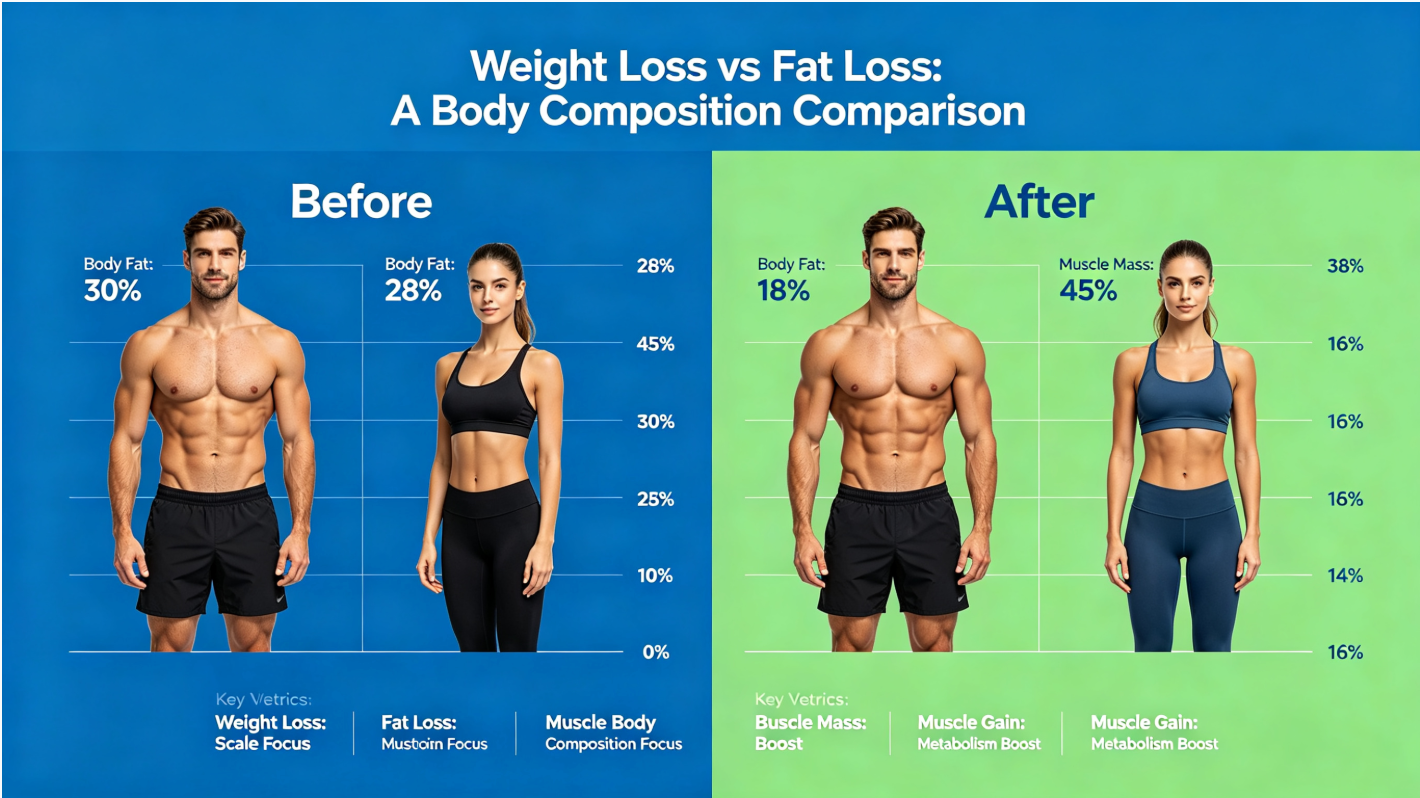
Weight Loss refers to a decrease in your overall body weight. This reduction can come from several sources, including water, muscle, and body fat. For example, rapid dieting or dehydration may cause a temporary drop in weight due to water loss. In some cases, people may also lose muscle mass if they are not consuming enough protein or engaging in strength training. While the scale may show lower numbers, Weight Loss does not always mean that body fat is being reduced.
Fat Loss specifically refers to the reduction of stored body fat while preserving as much lean muscle mass as possible. This process improves body composition, helping you achieve a leaner and healthier physique. Unlike general weight loss, Fat Loss focuses on reducing excess fat through a combination of proper nutrition, regular exercise, and sustainable lifestyle habits. It is often considered a more meaningful health goal because it supports long-term fitness and overall well-being.
Many people experience Weight Loss without achieving significant Fat Loss. One common reason is muscle loss, which can occur when calorie intake is too low or strength training is neglected. Poor diet strategies, such as crash diets, may also lead to temporary Weight Loss without effectively targeting body fat. Additionally, a lack of resistance training can make it harder to preserve muscle mass, resulting in a lower number on the scale but little improvement in body composition. For sustainable results, focus on Fat Loss rather than simply reducing body weight.
Many people wonder where body fat actually goes during Fat Loss. Contrary to popular belief, fat does not simply disappear or turn into muscle. When your body burns stored fat for energy, it breaks down fat molecules through metabolic processes. Most of the fat is converted into carbon dioxide, which is exhaled through your lungs, while the remaining portion leaves the body as water through sweat, urine, and other bodily fluids.
Fat Loss occurs when your body uses more energy than it consumes, creating a calorie deficit. During this process, stored fat is broken down and used as fuel to support daily activities and bodily functions. Regular exercise, a balanced diet, and an active lifestyle can help increase energy expenditure and support healthy fat-burning processes.
One of the biggest misconceptions about Fat Loss is that sweating means you are burning fat. While sweating can lead to temporary water weight loss, it does not directly indicate that body fat is being reduced. Once you rehydrate, the lost water weight typically returns.
Another common myth is spot reduction, the idea that exercising a specific body part will burn fat only in that area. In reality, Fat Loss occurs throughout the body based on genetics, hormones, and overall calorie balance. To achieve sustainable Fat Loss, focus on a combination of proper nutrition, strength training, and cardiovascular exercise rather than relying on quick-fix methods or misleading fitness myths.
Setting realistic Weight Loss Goals is one of the most important factors for long-term success. Scientific research shows that gradual and sustainable weight loss is more effective than rapid weight reduction. By focusing on healthy habits, proper nutrition, and regular exercise, you can achieve lasting results while preserving muscle mass and supporting overall health.
Health experts generally recommend losing 1–2 pounds (0.5–1 kg) per week, which translates to approximately 4–8 pounds (2–4 kg) per month. This rate of Weight Loss is considered safe and sustainable because it helps minimize muscle loss and nutritional deficiencies. Commercial weight loss programs often promise faster results, but evidence suggests that gradual progress is more likely to be maintained over time.
Over a three-month period, many individuals can realistically lose 12–24 pounds (5–11 kg) when following a structured nutrition and exercise plan. However, results vary depending on factors such as age, metabolism, starting weight, activity level, and adherence to the program. A personalized Weight Loss Plan that combines calorie control with resistance training can significantly improve outcomes.
A six-month timeline allows for a meaningful and sustainable body transformation. Many people achieve a Weight Loss of 24–48 pounds (11–22 kg) through consistent lifestyle changes. This longer approach promotes fat loss, preserves lean muscle mass, and supports better long-term weight management compared to short-term dieting strategies.
Calculating your Weight Loss Percentage helps measure progress more accurately than the scale alone.
Formula:
Weight Loss Percentage = (Weight Lost ÷ Starting Weight) × 100
Example:
Calculation:
(20 ÷ 200) × 100 = 10% Weight Loss
Tracking your percentage of weight loss can provide a clearer picture of your progress and help you stay motivated throughout your health and fitness journey.
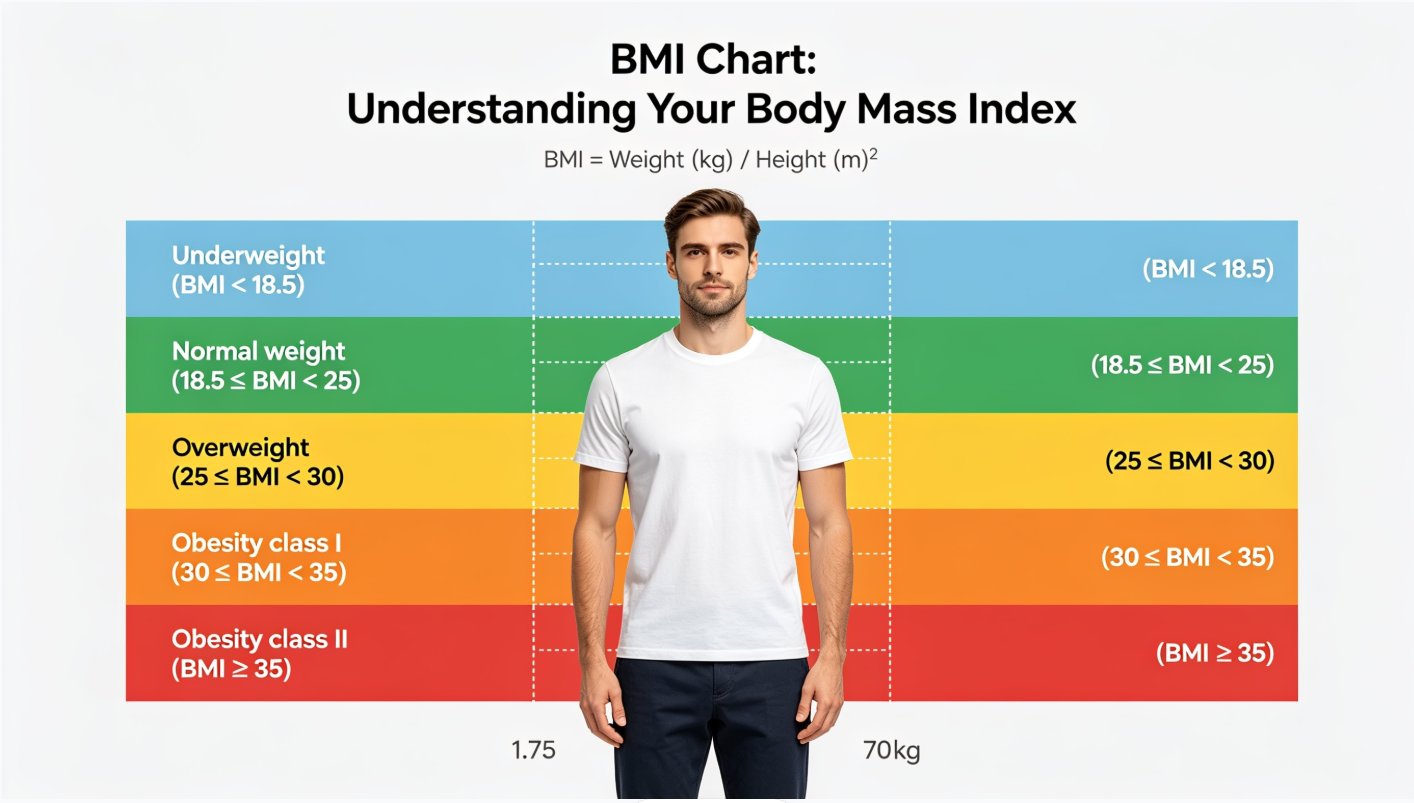
Maintaining a healthy weight is an important part of overall wellness, and BMI (Body Mass Index) is one of the most commonly used tools for assessing whether your weight falls within a healthy range. While BMI can provide a useful starting point, it should be considered alongside other health indicators for a more complete picture of your physical health.
BMI (Body Mass Index) is a simple calculation that uses your height and weight to estimate whether you are underweight, at a healthy weight, overweight, or obese. Healthcare professionals often use BMI as a screening tool to identify potential weight-related health risks.
The formula is:
BMI = Weight (kg) ÷ Height (m²)
Although BMI does not directly measure body fat, it can help individuals understand their general weight status and make informed health decisions.
If your BMI falls above the recommended range, gradual lifestyle changes can help improve your overall health and reduce body weight safely.
Focus on nutrient-dense foods such as vegetables, fruits, lean proteins, whole grains, and healthy fats. Reducing highly processed foods, sugary drinks, and excessive calorie intake can support sustainable weight loss while maintaining proper nutrition.
Regular physical activity plays a key role in lowering BMI. Combining cardiovascular exercise with strength training helps burn calories, preserve muscle mass, and improve overall body composition. Consistency is more important than extreme workout routines when aiming for long-term results.
While BMI is widely used, it has several limitations that should be considered before making health decisions based solely on the number.
Athletes and individuals with high muscle mass may have a higher BMI despite having low body fat levels. Since muscle weighs more than fat, BMI may incorrectly classify some healthy individuals as overweight.
For a more accurate assessment of health, consider additional measurements such as body fat percentage, waist circumference, waist-to-hip ratio, and overall body composition. These methods can provide deeper insights than BMI alone and help create a more personalized health and weight management plan.
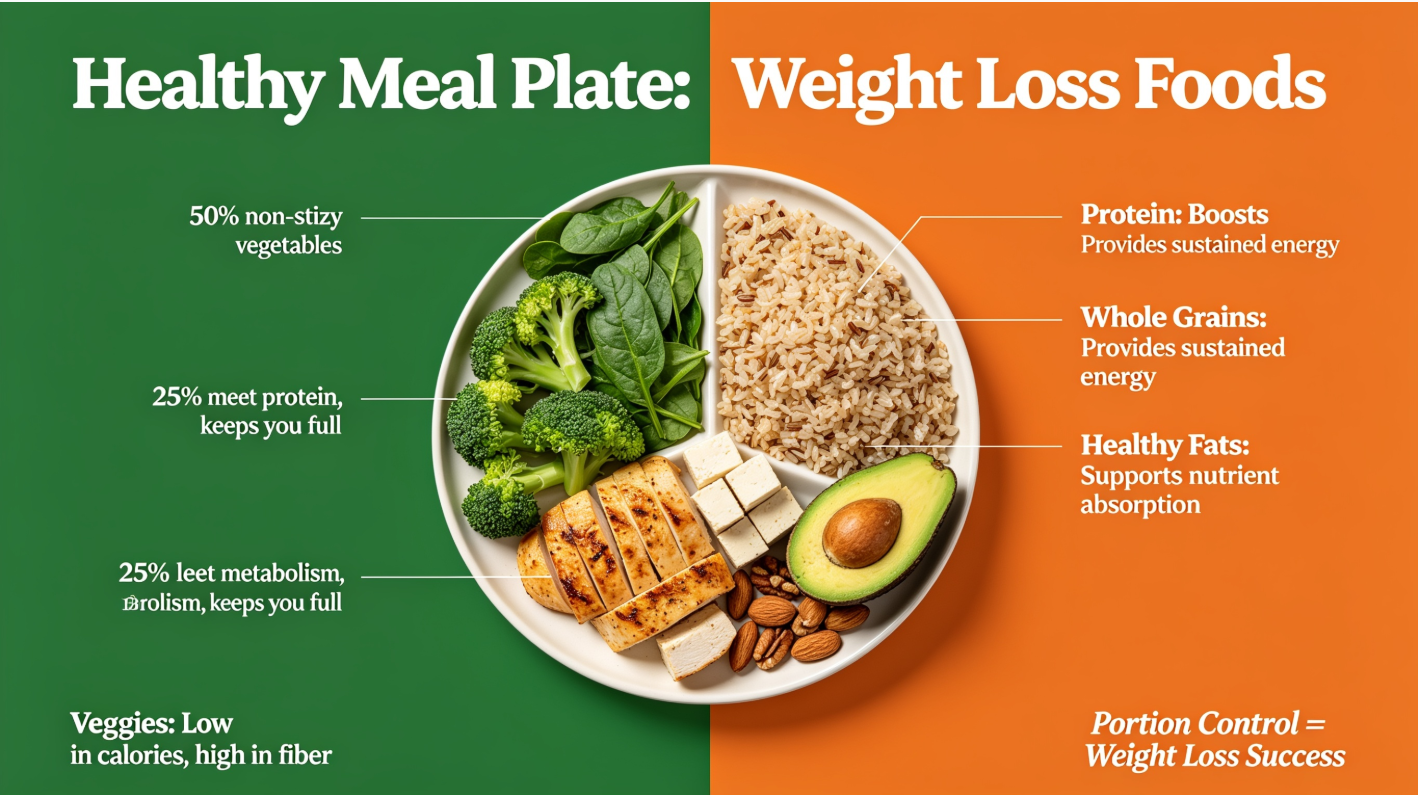
A successful Weight Loss Diet is not about extreme restrictions or eliminating entire food groups. Instead, it focuses on creating sustainable eating habits that support fat loss while providing your body with the nutrients it needs. A balanced approach can help you lose weight, maintain energy levels, and improve overall health.
The foundation of any effective Weight Loss Diet is a calorie deficit, which occurs when you consume fewer calories than your body burns.
Your body requires energy for daily activities, exercise, and basic bodily functions. When calorie intake is lower than calorie expenditure, the body begins using stored fat as fuel, leading to weight loss over time.
Rather than drastically cutting calories, aim for a moderate calorie deficit that supports gradual and sustainable fat loss. This approach helps preserve muscle mass, reduce hunger, and improve long-term adherence to healthy eating habits.
Choosing nutrient-dense foods can make your Weight Loss Diet more effective and easier to maintain.
Lean protein sources such as chicken breast, fish, turkey, eggs, Greek yogurt, and tofu help promote fullness, preserve muscle mass, and support metabolism.
Vegetables are naturally low in calories and high in vitamins, minerals, and fiber. Options like broccoli, spinach, cauliflower, and cucumbers can help increase meal volume without adding excessive calories.
Fruits provide essential nutrients, antioxidants, and natural sweetness. Apples, berries, oranges, and watermelon can satisfy cravings while supporting weight management goals.
Whole grains such as oats, brown rice, quinoa, and whole-wheat products provide sustained energy and help keep you feeling full for longer periods.
Fiber plays an important role in both digestive health and Fat Loss by helping control appetite and improving satiety.
High-fiber foods slow digestion, stabilize blood sugar levels, and reduce overall calorie intake by helping you feel full for longer.
Excellent sources of fiber include beans, lentils, oats, chia seeds, flaxseeds, berries, pears, broccoli, and leafy green vegetables.
Many fruits are naturally low in calories while providing valuable nutrients.
Watermelon, strawberries, grapefruit, cantaloupe, and peaches are among the lowest-calorie fruits commonly included in a healthy Weight Loss Diet.
Low-calorie fruits can be added to smoothies, yogurt, salads, oatmeal, or enjoyed as healthy snacks between meals to help manage hunger.
Tea can be a useful addition to a healthy lifestyle, although it should not be viewed as a magic solution for weight loss.
Green tea contains antioxidants called catechins and a moderate amount of caffeine, which may slightly support metabolism and fat oxidation when combined with a balanced diet and exercise routine.
Herbal teas such as peppermint, ginger, chamomile, and hibiscus are low in calories and can help reduce cravings while supporting hydration.
Many people include tea during intermittent fasting because most unsweetened teas contain very few calories. However, lasting results still depend on maintaining a healthy Weight Loss Diet, staying active, and creating a sustainable calorie deficit.
A well-designed meal plan is one of the most powerful tools for successful Weight Management and long-term Weight Loss. By focusing on portion control, balanced nutrition, and consistent eating habits, you can create a sustainable approach that supports Fat Loss while maintaining energy levels and overall health.
An 1800-calorie meal plan can help many individuals create a healthy calorie deficit while meeting their nutritional needs.
Breakfast
Lunch
Snack
Dinner
This type of Weight Loss Plan provides lean protein, fiber, and complex carbohydrates that help control hunger and support healthy Fat Loss.
A consistent eating schedule can improve appetite control and reduce unnecessary snacking. Many experts recommend eating three balanced meals and one or two healthy snacks throughout the day. A structured routine can make Weight Management easier while helping maintain stable energy levels.
A whole food diet focuses on minimally processed foods such as fruits, vegetables, lean proteins, whole grains, nuts, and legumes. These nutrient-dense foods naturally support Weight Loss, improve digestion, and promote long-term health. Whole foods are also rich in fiber, which plays a key role in Fat Loss and appetite management.
While low-fat diets can reduce calorie intake, they are not always the most effective solution. A balanced diet that includes healthy fats, lean proteins, and quality carbohydrates is often easier to maintain and may produce better long-term Weight Management results. Sustainable Weight Loss depends more on overall calorie balance than on eliminating specific nutrients.
Many people believe eating after a certain time automatically causes weight gain. However, scientific evidence suggests that total calorie intake and food quality are more important than meal timing alone. Whether you eat early or late, successful Weight Management depends on maintaining a calorie deficit, following a healthy Weight Loss Plan, and staying physically active. Consistent habits remain the most important factor for achieving lasting Fat Loss results.

Regular exercise is one of the most effective tools for achieving sustainable Weight Loss and improving overall health. When combined with a healthy Weight Loss Diet, physical activity helps create a calorie deficit, promotes Fat Loss, preserves muscle mass, and supports long-term Weight Management. The key is finding activities that you enjoy and can maintain consistently.
Exercise increases calorie expenditure, improves cardiovascular health, and supports muscle preservation during Weight Loss. It also helps regulate blood sugar levels, reduce stress, and boost energy levels. For the best results, experts recommend combining aerobic exercise with strength training as part of a complete Weight Loss Plan.
Cardiovascular exercise is highly effective for burning calories and supporting Fat Loss.
Walking is one of the simplest and most accessible forms of exercise. Regular brisk walking can contribute significantly to Weight Management while being gentle on the joints.
Running burns a high number of calories in a relatively short period and can accelerate Weight Loss when paired with proper nutrition.
Cycling improves cardiovascular fitness, strengthens the lower body, and supports long-term Fat Loss goals.
Swimming provides a full-body workout that burns calories while minimizing stress on the joints, making it ideal for people of all fitness levels.
Strength training is an essential part of any successful Weight Loss Plan because it helps preserve and build lean muscle mass.
Muscle tissue requires more energy than fat tissue, meaning individuals with more muscle tend to burn more calories throughout the day. This makes strength training an effective strategy for supporting Fat Loss.
Regular resistance training can increase resting metabolic rate, helping the body burn more calories even when not exercising. This benefit makes strength training a valuable tool for long-term Weight Management.
Sports such as tennis, basketball, soccer, and badminton provide an enjoyable way to increase physical activity while supporting Weight Loss. These activities combine cardiovascular exercise, agility, and endurance training, helping burn calories while improving overall fitness.
Staying active does not always require traditional workouts. Many enjoyable activities can contribute to Fat Loss and improve overall health.
Dancing is an effective cardiovascular workout that burns calories, improves coordination, and makes exercise more enjoyable.
Hiking combines physical activity with outdoor recreation, helping support Weight Loss while reducing stress and improving mental well-being.
Participating in recreational sports with friends or family can make exercise more engaging and sustainable. Consistent participation in these activities can contribute to healthy Weight Management and long-term fitness success.
Achieving healthy Weight Loss for Women requires an approach that considers metabolism, lifestyle, age, and hormonal changes. While the basic principles of fat loss remain the same, women often face unique challenges that can affect Fat Loss, body composition, and long-term Weight Management. A balanced Weight Loss Plan that includes proper nutrition, exercise, and healthy habits is essential for sustainable results.
The most effective Weight Loss Strategies for Women focus on creating a moderate calorie deficit while maintaining adequate nutrition. Prioritizing lean protein, fiber-rich foods, whole grains, and healthy fats can help control hunger and support Fat Loss. Combining strength training with cardiovascular exercise is also important for preserving muscle mass and improving metabolism. Consistency is often more effective than extreme dieting when pursuing long-term Weight Management goals.
Many women notice that Weight Loss becomes more challenging after the age of 30. Natural changes in metabolism, increasing work responsibilities, and reduced physical activity can contribute to gradual weight gain. To support healthy Fat Loss, women over 30 should focus on strength training, maintaining a protein-rich diet, managing stress levels, and prioritizing quality sleep. These habits can help improve body composition and support a sustainable Weight Loss Plan.
After the age of 40, hormonal shifts and age-related muscle loss may make Weight Loss for Women more difficult. Lower muscle mass can reduce daily calorie expenditure, making it easier to gain weight. Strength training becomes especially important during this stage because it helps preserve lean muscle tissue and supports metabolic health. A nutrient-dense diet and regular physical activity can significantly improve Weight Management and overall well-being.
Hormones play a major role in Fat Loss and body weight regulation. Changes in estrogen, progesterone, insulin, cortisol, and thyroid hormones can influence appetite, energy levels, fat storage, and metabolism. Conditions such as menopause, polycystic ovary syndrome (PCOS), and chronic stress may affect a woman’s ability to lose weight. Understanding these hormonal influences can help women create a more personalized Weight Loss Plan and achieve healthier, more sustainable results.
While many people achieve success through diet and exercise alone, some individuals may benefit from professional Weight Management support. Medical approaches can provide personalized guidance, improve long-term outcomes, and help address underlying health conditions that may interfere with Weight Loss. The best results often come from combining medical expertise with healthy lifestyle changes.
Most people can achieve meaningful Weight Loss without surgery by following a structured Weight Loss Plan. This typically includes creating a calorie deficit, increasing physical activity, improving sleep quality, and managing stress. Evidence-based strategies such as strength training, healthy eating habits, and behavioral changes can promote sustainable Fat Loss while supporting overall health.
If you have struggled to lose weight despite consistent efforts, professional support may be beneficial. Individuals with obesity, metabolic disorders, diabetes, hormonal imbalances, or significant health risks may benefit from a medically supervised Weight Management program. Seeking help early can improve outcomes and reduce the risk of weight-related health complications.
A registered dietitian can help create a personalized Weight Loss Plan based on your health history, lifestyle, and nutritional needs. Dietitians provide practical recommendations, meal-planning guidance, and strategies for overcoming common obstacles. Working with a qualified professional can make Weight Management more effective and sustainable over the long term.
Before starting a nutrition program, consider asking the following questions:
These questions can help ensure that your approach to Weight Management is realistic, safe, and tailored to your individual needs.
Bariatric surgery is a medical option typically recommended for individuals with severe obesity or obesity-related health conditions when other Weight Loss methods have not been successful. Procedures such as gastric bypass and sleeve gastrectomy work by reducing stomach size and altering digestion to support significant weight reduction. While bariatric surgery can be highly effective, it requires lifelong lifestyle changes, nutritional monitoring, and ongoing medical follow-up to achieve lasting Weight Management success.
Successful Weight Loss is rarely a straight path. Many people encounter obstacles that can slow progress or make it difficult to maintain healthy habits. Understanding these challenges and learning practical solutions can improve Weight Management, support long-term Fat Loss, and help you stay committed to your goals.
Some individuals experience weight gain after surgery due to reduced physical activity, medication side effects, emotional stress, or changes in eating habits during recovery. While temporary weight fluctuations are common, returning to a balanced Weight Loss Diet and gradually increasing activity levels can help restore progress. Working with healthcare professionals can also support effective Weight Management during recovery.
A Weight Loss Plateau occurs when weight remains stable despite following a healthy diet and exercise routine. This often happens because the body adapts to lower calorie intake and increased physical activity. To overcome a plateau, consider adjusting calorie intake, increasing workout intensity, adding strength training, or improving sleep quality. Reviewing your Weight Loss Plan regularly can help identify areas for improvement and restart Fat Loss progress.
Emotional eating is one of the most common barriers to successful Weight Loss. Stress, anxiety, boredom, and sadness can trigger cravings for high-calorie comfort foods, making it difficult to maintain healthy eating habits. Developing healthier coping strategies such as exercise, meditation, journaling, or talking with a trusted friend can help reduce emotional eating and support long-term Weight Management goals.
A busy schedule often makes healthy eating and exercise more difficult. Long work hours, family responsibilities, and limited free time can interfere with a consistent Weight Loss Plan. Meal prepping, scheduling workouts in advance, keeping healthy snacks available, and choosing quick but nutritious meals can make Weight Management more manageable. Small, consistent actions often produce better results than trying to follow an unrealistic routine.
By understanding and addressing these common challenges, you can create a more sustainable approach to Weight Loss, maintain motivation, and continue making progress toward your long-term health goals.
Misinformation can make Weight Loss more confusing and frustrating than it needs to be. Understanding the facts behind popular trends can help you make better decisions and build a more effective Weight Loss Plan.
Many detox products claim to eliminate belly fat quickly, but there is little scientific evidence to support these promises. Most detox cleanses result in temporary water loss rather than true Fat Loss. Sustainable Weight Loss comes from maintaining a calorie deficit, eating nutritious foods, and staying physically active.
The 3-3-3 rule is a popular trend that often involves specific eating and exercise guidelines. While some people find structured routines helpful, no single rule guarantees successful Weight Loss. Long-term results depend on consistency, healthy habits, and an individualized approach.
The 100-50 method generally focuses on calorie control and increased activity. While it may encourage healthier choices, effective Weight Management requires a comprehensive strategy that includes balanced nutrition, regular exercise, and realistic expectations.
From intermittent fasting to low-carb diets, many trends can support Weight Loss when used appropriately. However, the best approach is the one you can maintain long-term while meeting your nutritional needs and lifestyle preferences.
Hormonal changes during the menstrual cycle can affect appetite, water retention, and body weight. Understanding these fluctuations can help women maintain realistic Weight Loss expectations.
Yes, Weight Loss can still occur during menstruation. However, temporary changes in water retention may make progress less visible on the scale.
Hormonal fluctuations often cause bloating and water retention before and during menstruation. These changes can temporarily increase body weight without affecting actual Fat Loss progress.
Choosing protein-rich foods, high-fiber snacks, and staying hydrated can help control cravings during your menstrual cycle. Proper nutrition supports both Weight Management and overall well-being.
Maintaining motivation is essential for achieving lasting Weight Loss and avoiding setbacks. Small victories and realistic expectations can make the journey more manageable.
Many people begin noticing Weight Loss within a few weeks of consistent healthy eating and exercise. Visible changes often become more noticeable after one to two months.
Friends and family may start noticing Weight Loss after approximately 10–15 pounds (4–7 kg) of weight reduction, although this varies based on body size and composition.
Non-food rewards can help maintain motivation. Consider new workout clothes, fitness equipment, a relaxing spa day, or a fun activity as rewards for reaching milestones.
Setting realistic goals, tracking progress, celebrating achievements, and focusing on long-term health benefits can improve motivation and support sustainable Weight Management.
Many successful individuals emphasize consistency, patience, and lifestyle changes rather than quick fixes. Sustainable Weight Loss is often the result of small habits repeated over time.
Using the right tools can simplify your Weight Loss Plan and improve accountability.
Structured programs that focus on balanced nutrition, behavior change, and regular physical activity often provide the most sustainable results.
Evidence-based books written by nutrition experts and health professionals can provide valuable guidance for achieving healthy Weight Loss.
Mobile apps can help track calories, monitor exercise, and record progress. Many people find these tools useful for improving Weight Management and maintaining consistency.
Tracking body measurements, progress photos, workout performance, and body fat percentage can provide a more complete picture of Fat Loss than relying on the scale alone.
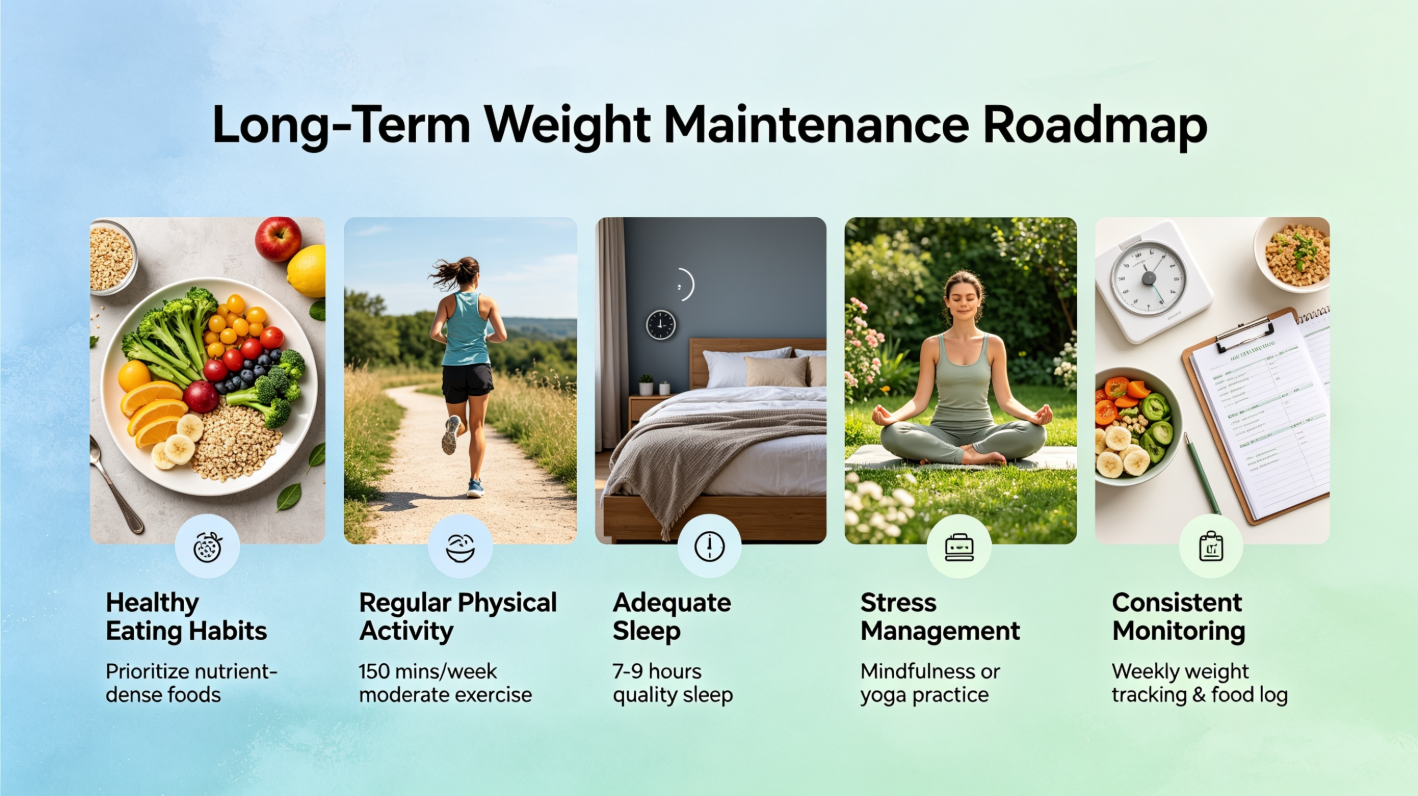
Losing weight is only part of the journey. Long-term success depends on maintaining healthy habits that support ongoing Weight Management.
Regular exercise, mindful eating, sufficient sleep, and consistent meal planning can reduce the risk of regaining lost weight.
A sustainable lifestyle focuses on enjoyable activities, balanced nutrition, and realistic goals rather than restrictive dieting. This approach supports long-term Weight Loss maintenance.
Tracking progress can be helpful, but excessive focus on the scale may become discouraging. Consider monitoring energy levels, fitness improvements, and overall health as additional measures of success.
A successful maintenance plan includes regular physical activity, healthy eating habits, periodic progress reviews, and flexibility for life’s challenges. Consistency remains the key to lifelong Weight Management.
Most experts recommend losing 4–8 pounds (2–4 kg) per month through a healthy Weight Loss Plan.
Weight Loss includes reductions in water, muscle, and fat, while Fat Loss specifically refers to reducing body fat while preserving lean muscle mass.
Losing 50 pounds in 6 months typically requires a structured Weight Loss Plan, consistent exercise, healthy nutrition, and medical guidance when appropriate.
Lean proteins, vegetables, fruits, whole grains, and high-fiber foods support overall Fat Loss, including abdominal fat reduction.
Yes, Weight Loss can occur through dietary changes alone, although combining nutrition and exercise generally produces better long-term results.
Green tea and some herbal teas may provide minor metabolic benefits, but successful Weight Loss depends primarily on overall calorie balance and healthy habits.
Many people notice changes within 2–4 weeks, depending on their starting weight, diet, and activity level.
A healthy BMI generally falls between 18.5 and 24.9, although additional health measurements should also be considered.
You may be losing water weight or muscle mass instead of body fat. Strength training and adequate protein intake can help support Fat Loss.
Maintain healthy eating habits, stay physically active, monitor progress regularly, and continue practicing the behaviors that helped you achieve successful Weight Management.