Physical Address
304 North Cardinal St.
Dorchester Center, MA 02124
Physical Address
304 North Cardinal St.
Dorchester Center, MA 02124


Losing weight is a common goal for many people, but achieving it in a healthy and sustainable way requires the right approach. A Healthy Diet Plan for Weight Loss focuses on balanced nutrition, portion control, and long-term lifestyle changes rather than quick fixes. Unlike crash diets that often lead to temporary results, a structured eating plan helps you lose weight safely while maintaining your energy and overall well-being.
One of the biggest reasons healthy weight loss is better than crash dieting is that it promotes lasting results. Extreme diets may help you lose weight quickly, but they can also slow your metabolism, increase hunger, and make it difficult to maintain your progress. A well-designed Healthy Diet Plan for Weight Loss encourages steady fat loss while ensuring your body receives the essential nutrients it needs.
Many beginners make common mistakes such as skipping meals, eliminating entire food groups, or expecting overnight results. These habits can make weight loss more challenging and often lead to frustration. Instead, focusing on consistency and healthy eating habits is the key to long-term success.
In this guide, you will learn the fundamentals of creating a sustainable eating routine, avoiding common dieting mistakes, and understanding the benefits of following a structured Healthy Diet Plan for Weight Loss. By making smarter food choices and staying committed to your goals, you can achieve healthy and lasting weight-loss results.
A Healthy Diet Plan for Weight Loss is a balanced approach to eating that helps reduce body fat while providing the nutrients your body needs to stay healthy. Instead of relying on restrictive diets or extreme calorie cutting, a healthy diet focuses on whole foods, proper portion sizes, and sustainable habits that support long-term success.
Healthy weight loss is different from simply seeing a lower number on the scale. Weight loss can include water weight, muscle loss, and body fat reduction, while fat loss specifically targets excess body fat. For lasting results, it is important to focus on losing fat while preserving lean muscle mass through proper nutrition and regular physical activity.
Sustainable habits play a key role in achieving and maintaining a healthy weight. Small changes, such as eating more vegetables, choosing lean proteins, and staying active, are easier to maintain than drastic dieting methods. Setting realistic expectations also helps prevent frustration and keeps you motivated throughout your journey.
Most health experts recommend losing around 1–2 pounds (0.5–1 kg) per week. The speed of weight loss depends on factors such as age, activity level, metabolism, and calorie intake. Following a Healthy Diet Plan for Weight Loss can help you achieve steady progress while protecting your overall health. Rapid weight loss may seem appealing, but it often leads to muscle loss, nutritional deficiencies, and weight regain.
Before starting any weight-loss journey, it is important to understand how calories work. A Healthy Diet Plan for Weight Loss becomes much more effective when you know how many calories your body needs each day. Tracking your calorie intake can help you make informed food choices and stay on track with your goals.
Calories are units of energy that your body uses to perform daily functions such as breathing, walking, exercising, and digesting food. Every food and drink contains calories, which provide the fuel your body needs. When you consume more calories than you burn, your body stores the excess energy as fat. When you burn more calories than you consume, weight loss occurs.
A calorie deficit happens when you eat fewer calories than your body burns. This is the foundation of most successful weight-loss plans. For example, if your body needs 2,000 calories per day to maintain weight, consuming 1,500–1,700 calories may help create a deficit that supports gradual fat loss. A Healthy Diet Plan for Weight Loss should focus on a moderate deficit rather than extreme calorie restriction.
Different calorie levels can support different weight-loss goals:
BMI (Body Mass Index) is a measurement that estimates whether your weight falls within a healthy range based on your height and weight. Tools such as the NHS BMI Calculator can provide a quick assessment of your weight category and help set realistic goals.
While BMI is useful for general guidance, it does not measure body fat percentage, muscle mass, or overall health. Therefore, it should be used alongside other health indicators when creating a long-term weight-loss strategy.
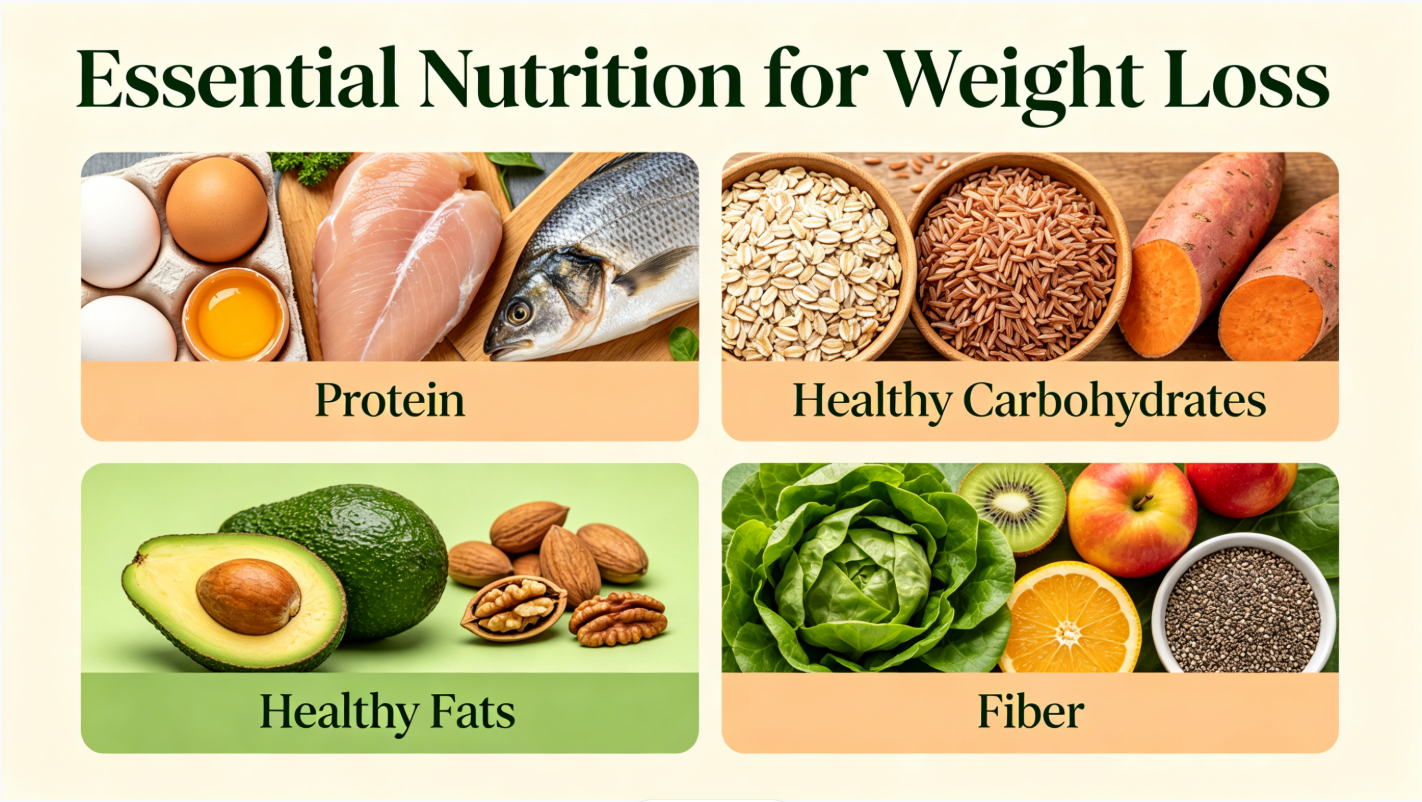
Proper nutrition is the foundation of any successful Healthy Diet Plan for Weight Loss. While reducing calories is important, choosing the right nutrients can make weight loss easier, healthier, and more sustainable. Among all nutrients, Protein plays the most important role in supporting fat loss and maintaining overall health.
Protein is essential for building and repairing muscles, supporting metabolism, and helping you stay full for longer periods. Including enough Protein in your daily meals can improve weight-loss results while preventing muscle loss during a calorie deficit.
Protein helps control appetite by increasing feelings of fullness. People who consume more Protein often experience fewer cravings and are less likely to overeat throughout the day.
When losing weight, your body can lose both fat and muscle. Eating enough Protein helps preserve lean muscle mass, ensuring that most of the weight you lose comes from body fat rather than muscle tissue.
Protein requires more energy to digest compared to fats and carbohydrates. This process, known as the thermic effect of food, can slightly increase calorie burning and support a healthier metabolism.
Adding High-Protein Foods to your meals can make weight loss more effective and satisfying. Some of the best options include:
A 7-Day High Protein Diet Plan typically includes protein-rich meals at breakfast, lunch, dinner, and snacks. By focusing on foods such as eggs, chicken, fish, yogurt, lentils, and beans, you can stay full longer, maintain muscle mass, and support healthy weight loss while following a balanced eating plan.
Healthy Carbohydrates are an important part of a balanced diet and provide your body with the energy needed for daily activities. Understanding the difference between Good Carbs vs Bad Carbs can help you make smarter food choices. Good carbs are rich in fiber, vitamins, and minerals, while bad carbs are often highly processed and contain added sugars.
Some of the Best Carbohydrate Sources include Oats, Brown Rice, Sweet Potatoes, and Whole Grains, which provide long-lasting energy and support digestion. Fruits are also excellent carbohydrate-rich foods because they contain natural sugars, fiber, and essential nutrients that promote overall health and support sustainable weight loss.
Many people avoid fat when trying to lose weight, but Healthy Fats are an essential part of a balanced diet. They support brain function, hormone production, heart health, and help you feel satisfied after meals. Including the right fats can actually make weight management easier by reducing hunger and cravings.
Some of the best sources of Healthy Fats include Avocados, Nuts, Seeds, Olive Oil, and Fatty Fish such as salmon and mackerel. These nutrient-dense foods provide beneficial unsaturated fats, vitamins, and antioxidants that support overall health. Adding moderate amounts of these foods to your meals can improve nutrition while supporting long-term weight-loss goals.
Fiber is an essential nutrient that supports healthy digestion and helps control appetite. High-fiber foods slow down digestion, keeping you full for longer and reducing unnecessary snacking. This can make it easier to maintain a calorie deficit and achieve sustainable weight loss.
Adding nutrient-dense, fiber-rich foods to your diet can improve both weight management and overall health. Great options include vegetables such as broccoli and spinach, fruits like apples and berries, whole grains including oats and brown rice, legumes such as lentils and beans, and chia seeds, which are packed with fiber and healthy nutrients. Regularly eating these foods can support digestion, improve satiety, and promote long-term weight-loss success.
Choosing the right foods is one of the most important steps in any Healthy Diet Plan for Weight Loss. Nutrient-dense foods can help you stay full longer, reduce cravings, and support healthy fat loss without feeling deprived. A balanced diet should include plenty of fruits, vegetables, lean proteins, and healthy snacks.
If you’re wondering what fruits are best to eat for weight loss, several options stand out because of their fiber content and low calorie density. Apples are filling and easy to include in daily meals. Berries provide antioxidants and fiber while being naturally low in calories. Grapefruit is often associated with weight management due to its high water content. Oranges offer vitamin C and natural sweetness, while pears contain fiber that helps promote fullness.
Non-starchy vegetables are excellent for healthy eating. Spinach is rich in nutrients and very low in calories. Broccoli and cauliflower provide fiber and support digestion. Cucumber is refreshing and hydrating, making it a great snack choice. Bell peppers add flavor, vitamins, and crunch to meals without adding excessive calories.
Including lean protein sources in your diet can help maintain muscle mass and control hunger. Great options include chicken, turkey, fish, tofu, and eggs. These foods provide essential nutrients while supporting a calorie-controlled eating plan.
Smart snacking can prevent overeating between meals. Greek yogurt is packed with protein and probiotics, while mixed nuts provide healthy fats and fiber. Protein bars can be convenient when chosen carefully, and boiled eggs offer a simple, protein-rich snack. These choices fit well into a Healthy Diet Plan for Weight Loss and can help support long-term success.
Choosing the right foods is just as important as knowing what to eat. A successful Healthy Diet Plan for Weight Loss should limit foods that are high in added sugars, unhealthy fats, and empty calories. These foods can increase calorie intake without providing the nutrients your body needs.
Many sugary products contain large amounts of calories while offering little nutritional value. Regular consumption can make it harder to maintain a calorie deficit and may increase cravings throughout the day.
Some common high-sugar foods to avoid include:
Replacing sugary snacks with healthier alternatives such as fruit can help support your weight-loss goals.
Highly processed foods are often loaded with unhealthy fats, sodium, and artificial ingredients. They can be convenient, but they are usually less filling and may encourage overeating.
Examples include:
Choosing whole, minimally processed foods is a smarter option for long-term weight management.
Many people overlook the calories found in drinks. High-calorie beverages can quickly add hundreds of extra calories to your daily intake without making you feel full.
Common examples include:
Switching to water, unsweetened tea, or black coffee can significantly reduce calorie consumption.
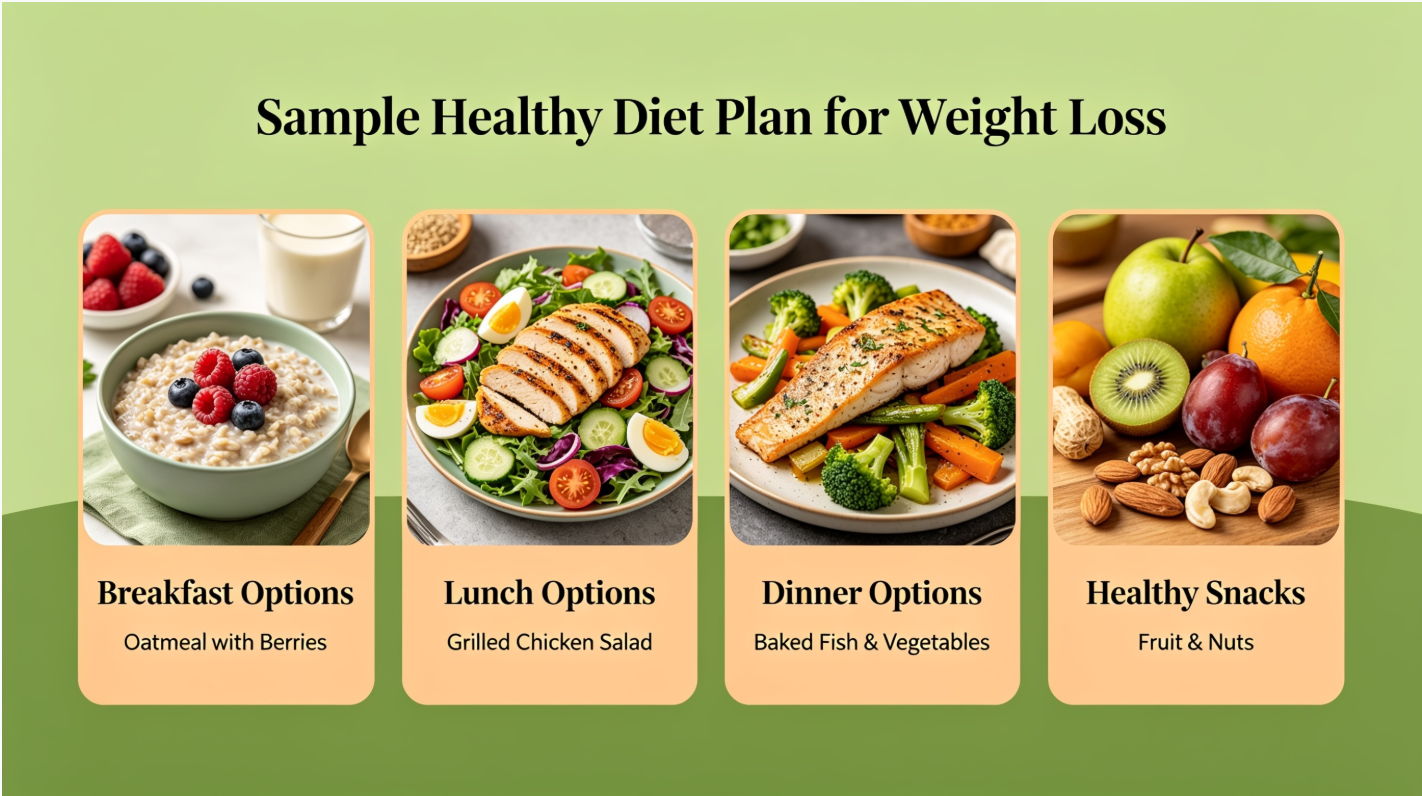
Following a structured meal plan can make healthy eating easier and more sustainable. Here are some nutritious meal ideas that fit well into a Healthy Diet Plan for Weight Loss.
Start your day with a balanced meal that provides protein, fiber, and healthy carbohydrates:
A healthy lunch should keep you satisfied while providing essential nutrients:
Choose nutrient-dense meals that support recovery and satiety:
Smart snacks can help control hunger between meals:
By reducing processed foods, limiting high-calorie beverages, and following a balanced Healthy Diet Plan for Weight Loss, you can improve nutrition, maintain a calorie deficit, and achieve sustainable weight-loss results.
Following a structured Healthy Diet Plan for Weight Loss can help beginners develop better eating habits and achieve sustainable results. This simple 7-Day Healthy Diet Plan focuses on balanced meals, portion control, and nutrient-rich foods.
Continue combining high-protein meals, whole grains, vegetables, fruits, and healthy snacks. Include foods such as lean protein, whole foods, fiber-rich vegetables, and healthy fats to support weight management and overall wellness.
This beginner-friendly meal plan for weight loss encourages balanced nutrition while helping you stay full, energized, and consistent throughout your healthy lifestyle journey.
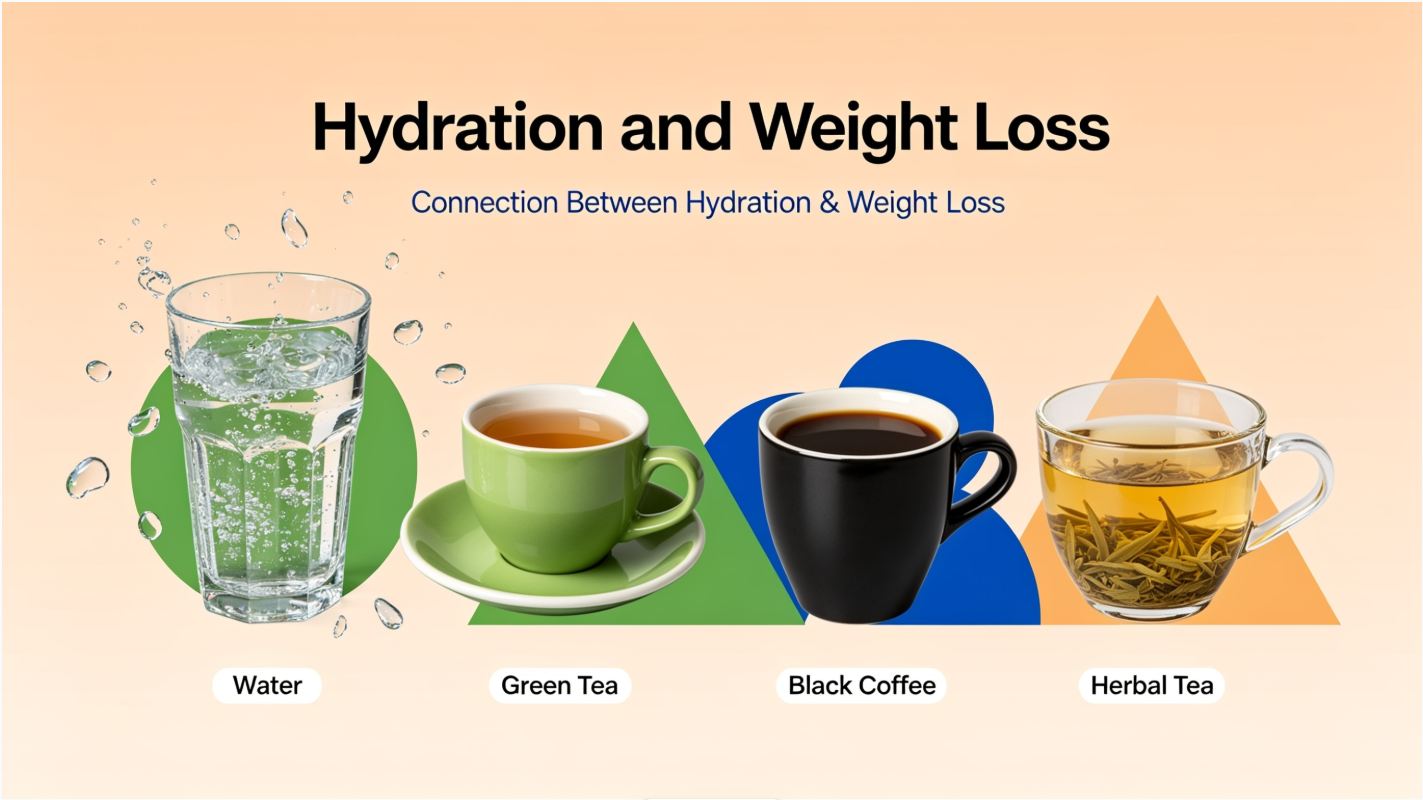
Proper hydration plays an important role in any weight loss journey. Drinking enough fluids helps support digestion, regulate body temperature, and maintain energy levels throughout the day. Many people mistake thirst for hunger, which can lead to unnecessary snacking and increased calorie intake.
Most adults should aim to drink around 2–3 liters of water intake daily, although individual needs vary based on activity level, climate, and body size. Staying hydrated can support metabolism and help control appetite.
Yes, intermittent fasting allows calorie-free beverages such as water. In fact, drinking water during fasting periods can help reduce hunger and prevent dehydration.
Unsweetened tea is generally acceptable while fasting. Both green tea and herbal tea contain very few or no calories, making them suitable options during fasting windows.
Some of the best calorie-free drinks include:
These beverages can help support hydration, manage cravings, and complement a healthy eating plan while working toward your weight-management goals.
Intermittent Fasting is a popular eating pattern that alternates between periods of eating and fasting. Rather than focusing on what foods to eat, it emphasizes when you eat. Many people use Intermittent Fasting for Weight Loss because it can help reduce calorie intake, improve eating habits, and support fat-burning processes.
Several fasting schedules are beginner-friendly and easy to follow:
Research suggests that Intermittent Fasting may support fat loss, improve insulin sensitivity, and help control hunger levels. It can also simplify meal planning and encourage healthier eating habits.
Many beginners make mistakes such as overeating during eating windows, not drinking enough water, or choosing unhealthy foods after fasting. For the best results, combine Intermittent Fasting with balanced nutrition, proper hydration, and consistent physical activity.
Many people use Apple Cider Vinegar for Weight Loss as part of a healthy lifestyle. While it is not a magic solution, some studies suggest it may help increase feelings of fullness and reduce calorie intake. Potential benefits include improved digestion, better blood sugar control, and reduced cravings.
A simple Apple Cider Vinegar Detox Drink Recipe can be made by mixing one tablespoon of apple cider vinegar with a glass of water and a squeeze of lemon. The Best Time to Take Apple Cider Vinegar is often before meals, but excessive use may cause digestive discomfort or tooth enamel erosion. Always be aware of possible side effects before making it a daily habit.
The Keto Diet is a low-carbohydrate, high-fat eating plan designed to encourage the body to burn fat for fuel. Keto 2.0 is a more flexible version that includes healthier fats and additional plant-based foods.
Including High Fiber Foods for Keto Diet such as avocados, chia seeds, flaxseeds, and leafy greens can support digestion and overall health. If you’re wondering, Why Am I Not Losing Weight on Keto?, common reasons include consuming too many calories, lack of physical activity, or hidden carbohydrates. Following proper Keto Exercise Tips, including strength training and walking, can improve results.
A Detox Diet typically focuses on eliminating processed foods while increasing water, fruits, and vegetables. Popular options include a Detox Water Recipe for Weight Loss, a 10-Day Detox Meal Plan, or a 28-Day Detox Program.
While detox plans may help people eat healthier temporarily, the body naturally detoxifies itself through the liver and kidneys. Understanding the myths and facts about detox diets can help you avoid unrealistic expectations and focus on sustainable habits instead.

Choosing the right weight-loss program depends on your lifestyle and goals. Weight Watchers vs Noom is a common comparison. Weight Watchers focuses on a points-based system, while Noom emphasizes behavior change and habit formation.
Pros include structure, accountability, and educational tools. Cons may include subscription costs and varying results between individuals. The NHS Digital Weight Management Programme offers evidence-based guidance, while a BetterMe Meal Plan Review often highlights convenience and personalized meal recommendations. Many experts consider these options among the Best Weight Loss Systems for Women seeking long-term support.
Mounjaro is a prescription medication that has gained attention for supporting significant weight loss in eligible individuals. Research shows promising results regarding the Average Weight Loss on Mounjaro, especially when combined with healthy eating and exercise.
Some people use a Mounjaro Weight Loss Calculator to estimate progress, but results vary based on individual factors. Medical weight-loss options may be worth discussing with a healthcare professional if traditional methods have not been effective.
Many people ask questions such as How Long Does It Take to Lose 10 Pounds? or How Long to Lose 50 Pounds? Healthy weight loss typically occurs at a rate of 1–2 pounds per week.
Whether your goal is to lose 40, 60, or even 80 pounds, setting SMART Weight Loss Goals can help you stay focused and motivated. Sustainable progress is always safer and more effective than rapid weight-loss attempts.
Many beginners struggle because of avoidable mistakes. Skipping Meals can increase hunger and lead to overeating later. Eating Too Little may slow metabolism and reduce energy levels. Ignoring Protein can make it harder to preserve muscle mass during weight loss.
Other common problems include Not Tracking Calories, poor sleep habits, and Inconsistent Exercise routines. Avoiding these mistakes can significantly improve your chances of achieving long-term success with a healthy weight-loss plan.
The best plan focuses on balanced nutrition, portion control, and sustainable eating habits rather than extreme restrictions.
Yes, creating a calorie deficit through healthy eating can support weight loss, although physical activity improves results.
Apples, berries, grapefruit, and oranges are nutrient-dense fruits that can help manage hunger and support fat loss.
Most adults benefit from drinking 2–3 liters of water per day, depending on activity level and climate.
For many healthy adults, intermittent fasting can be a safe and effective weight-management strategy when done correctly.
Apple cider vinegar may help control appetite, but it should be combined with a balanced diet for meaningful results.
A high-protein diet plan includes foods like eggs, chicken, fish, Greek yogurt, beans, and lentils.
Common reasons include consuming too many calories, hidden carbs, or not maintaining consistency.
Healthy weight loss typically occurs gradually and may take several months to a year, depending on individual factors.
Yes, combining strength training with adequate protein intake can help promote fat loss while building lean muscle.