Physical Address
304 North Cardinal St.
Dorchester Center, MA 02124
Physical Address
304 North Cardinal St.
Dorchester Center, MA 02124

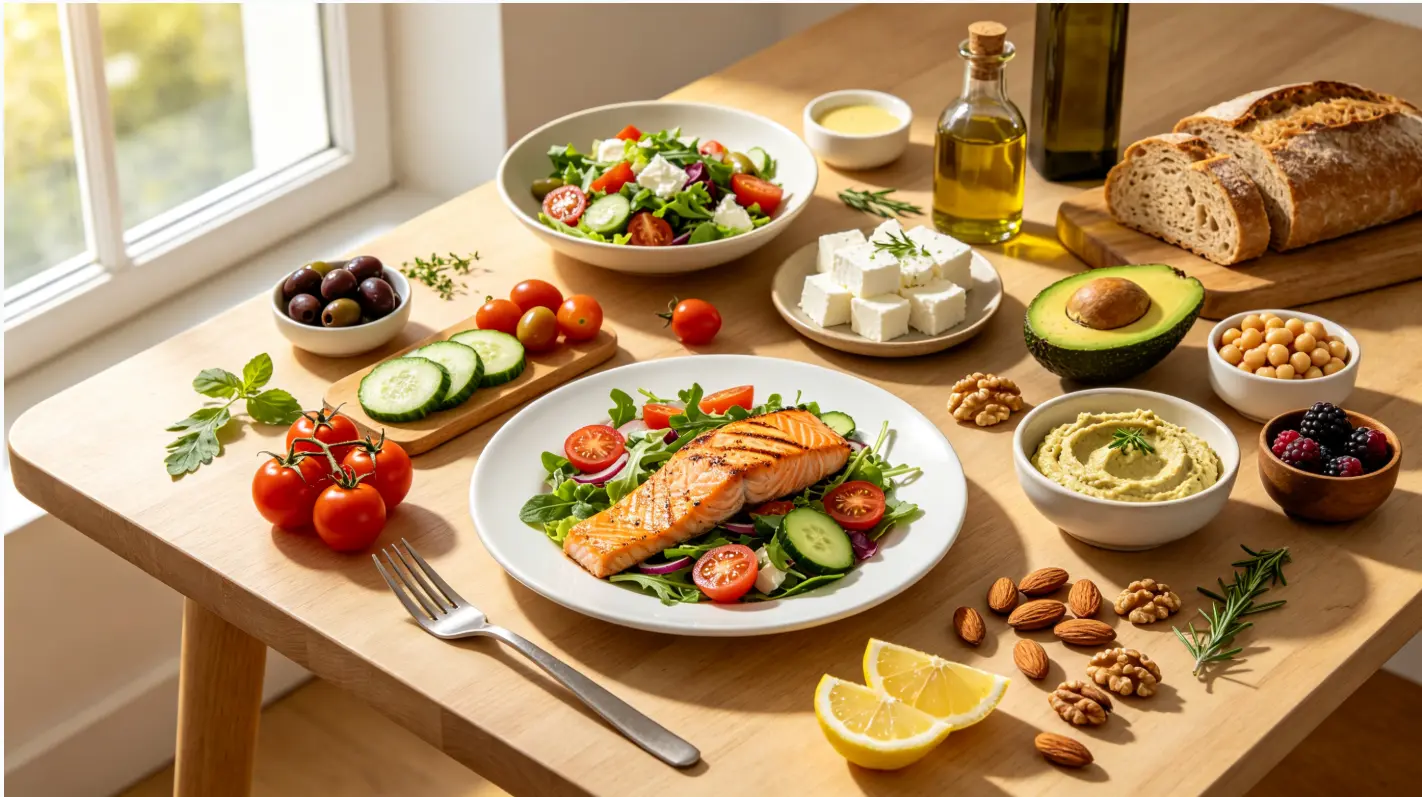
Losing weight isn’t just about eating less—it’s about eating smarter. Many people believe that cutting as many calories as possible is the fastest way to lose fat, but dietitians consistently recommend focusing on food quality instead of extreme restriction. Choosing nutrient-dense foods helps your body get the vitamins, minerals, protein, and fiber it needs while making it easier to stay satisfied throughout the day.
A sustainable eating plan is the key to achieving a healthier slim body without feeling deprived. Instead of following fad diets or skipping meals, experts encourage slim eating habits that prioritize lean proteins, vegetables, fruits, whole grains, and healthy fats. These foods naturally help you eat lighter while supporting energy, muscle maintenance, and long-term health.
Successful weight loss also depends on understanding energy balance. To lose body fat, you generally need to maintain a calorie deficit rather than a caloric surplus. However, not all calories affect your body the same way. Foods rich in protein and fiber help control hunger, while foods that have empty calories, such as sugary drinks, candy, and many ultra-processed snacks, provide plenty of calories with very little nutritional value. Some people also refer to these as dark calories because they quietly increase daily calorie intake without providing lasting fullness.
One of the most common questions dietitians hear is, can i eat whatever i want and still lose weight? Technically, weight loss is possible if you maintain a calorie deficit, but relying on highly processed foods often makes hunger harder to manage and can leave your body lacking essential nutrients.
Throughout this guide, you’ll discover dietitian-approved foods that promote healthy fat loss, practical meal ideas, grocery shopping tips, and evidence-based nutrition strategies. Whether you’re just beginning your weight-loss journey or looking to improve your current eating habits, these expert recommendations will help you make smarter food choices and achieve lasting results.
Dietitians agree that successful weight loss starts with choosing foods that nourish your body while helping you stay satisfied. Rather than focusing on strict food rules, they recommend eating mostly whole, minimally processed foods that naturally support a calorie deficit and provide essential nutrients.
Whole foods such as vegetables, fruits, lean proteins, legumes, whole grains, nuts, and seeds are rich in vitamins, minerals, fiber, and protein. These nutrients help control hunger, maintain muscle mass, and provide steady energy throughout the day.
Processed foods aren’t automatically unhealthy, but many ultra-processed products contain added sugars, refined grains, unhealthy fats, and excess sodium. These foods are often easier to overeat because they provide lots of calories with relatively little fiber or protein.
Foods that increase satiety—your feeling of fullness—are especially valuable for weight loss. Meals that combine lean protein, fiber-rich carbohydrates, and healthy fats help reduce cravings and make it easier to stick with healthy eating habits.
Dietitians also emphasize nutrient density. Nutrient-dense foods provide more vitamins and minerals for fewer calories, making them ideal choices for sustainable fat loss and overall health.
Weight loss depends on energy balance. To lose body fat, you generally need to burn more calories than you consume, avoiding a long-term caloric surplus.
However, food quality strongly influences how easy that process becomes.
Foods with low calorie density foods contain relatively few calories compared to their volume. They help fill your stomach while naturally reducing total calorie intake.
Protein and fiber are especially important because they improve satiety per calorie, meaning they help you stay full longer without adding excessive calories.
Protein also supports muscle maintenance during weight loss, while fiber slows digestion and promotes stable blood sugar levels.
Choosing nutrient-dense foods instead of highly processed snacks makes maintaining a healthy calorie deficit much easier over time.
High volume low calorie foods contain a large amount of water or fiber, allowing you to eat satisfying portions without consuming excessive calories.
These foods help reduce hunger because they physically fill your stomach while providing relatively few calories.
Examples include:
Including low calorie high volume foods in every meal can improve fullness and reduce unnecessary snacking.
Other excellent low calorie volume foods include vegetable soups, steamed vegetables, berries, and large salads.
If your goal is eating more while consuming fewer calories, focus on high volume low calorie meals that combine vegetables with lean protein.
Some of the highest volume lowest calorie foods are lettuce, celery, cucumbers, spinach, cabbage, and broth-based soups.
Building meals around low calorie high volume food is one of the simplest strategies dietitians recommend for healthy weight loss.
Many people search for what are zero calorie foods, but technically almost every food contains at least a few calories.
There is no true list of no calorie foods, although several foods are extremely low in calories.
If you’re wondering what are no calorie foods, think of vegetables and herbs that contribute very few calories while adding volume and flavor.
Examples include:
These aren’t truly zero calorie foods that fill you up, but they are excellent additions to meals because they increase fullness without adding many calories.
Among the most filling vegetables, potatoes (when prepared without excessive fat), broccoli, carrots, cauliflower, and Brussels sprouts rank highly because of their fiber and water content.
If you’re looking for the lowest kcal fruit, options like strawberries, watermelon, grapefruit, cantaloupe, and raspberries provide sweetness with relatively few calories.
Fiber is one of the most effective nutrients for appetite control. It slows digestion, improves fullness, supports healthy digestion, and may help regulate blood sugar levels.
Adding more fiber makes it easier to stay full between meals while naturally reducing calorie intake.
There are two primary types of fiber.
Soluble fiber absorbs water and forms a gel-like substance that slows digestion. Good sources include oats, beans, apples, citrus fruits, and chia seeds.
Insoluble fiber supports digestive health and adds bulk to stool. Whole grains, vegetables, nuts, and seeds are excellent sources.
Most adults should aim for approximately 25–38 grams of fiber daily.
Excellent high fiber meals for weight loss include:
These meals provide fresh filling ingredients that satisfy hunger while supporting healthy digestion.
Combining vegetables, legumes, whole grains, and lean protein also creates high volume low calorie meals that keep you satisfied for longer.
Chicken is one of the most recommended proteins for healthy weight loss because it’s high in protein and relatively low in calories.
Chicken breast
Skinless chicken breast provides plenty of protein with minimal fat, making it ideal for calorie-conscious meal plans.
Chicken thigh
If you’re wondering is chicken thigh good for weight loss, the answer is yes. Although it contains slightly more fat than breast meat, it can still fit into a balanced calorie-controlled diet.
A typical serving is about 3–4 ounces (85–113 grams) of cooked chicken.
Healthy cooking methods include grilling, baking, roasting, air frying, or poaching.
Dietitians often recommend chicken meals for weight loss such as grilled chicken salads, vegetable stir-fries, sheet-pan dinners, and grain bowls.
You can also prepare flavorful chicken low calorie recipes using herbs, spices, lemon juice, and yogurt-based marinades instead of heavy sauces.
Many low cal chicken recipes pair chicken with roasted vegetables and whole grains for balanced nutrition.
If you’re wondering is chicken good for weight loss, absolutely—it supports fullness and helps preserve muscle during fat loss.
Likewise, is rice and chicken good for losing weight? Yes, especially when paired with vegetables and eaten in appropriate portions.
Lean beef provides high-quality protein, iron, zinc, and vitamin B12.
If you’re asking is beef good for weight loss, lean cuts such as sirloin, eye of round, top round, and 90–95% lean ground beef can be excellent choices.
These lean meats for fat loss support muscle maintenance while providing important nutrients.
When considering what meat is good for losing weight, lean beef, skinless poultry, and fish are among the best options.
Fish is one of the healthiest protein choices because it combines high-quality protein with beneficial nutrients.
Salmon provides heart-healthy omega-3 fatty acids.
Cod is one of the lowest calorie fish options while remaining rich in protein.
Tuna offers a convenient, high-protein meal choice when packed in water.
White fish such as haddock, pollock, and tilapia are also excellent meats that are low in calories, making them ideal for calorie-conscious meal plans.
Aim to include fish in your meals at least twice per week as part of a balanced, dietitian-approved eating pattern.
A healthy eating plan doesn’t require eliminating fat completely. In fact, your body needs healthy fats to support brain function, hormone production, and the absorption of certain vitamins. The goal is to replace unhealthy fats with healthier options while choosing nutritious food low fat choices when appropriate.
Healthy fats come from foods like avocados, nuts, seeds, olive oil, and fatty fish. Unhealthy fats, particularly trans fats and excessive saturated fats, should be limited because they may increase the risk of heart disease when consumed in large amounts.
Low-fat dairy products provide protein and calcium with fewer calories than full-fat versions.
Good options include:
These are excellent choices for a balanced low-fat diet food plan.
Lean protein helps preserve muscle while supporting weight loss.
Choose:
If you’re looking for food that has no fat, very few natural foods are completely fat-free. However, vegetables, fruits, and egg whites contain little to no fat.
Instead of cooking with butter or shortening, choose oils rich in unsaturated fats, such as:
Use oils in moderation because they are still calorie-dense.
If you’re wondering what foods are low in fat, focus on vegetables, fruits, beans, whole grains, lean proteins, and low-fat dairy products. Keeping a simple list of low fat food can make grocery shopping much easier.
Many people also ask, does cheese make u fat? Cheese itself doesn’t cause weight gain. Eating more calories than your body needs over time contributes to weight gain. Cheese can fit into a healthy diet when eaten in reasonable portions.
The best cheese to eat when losing weight includes cottage cheese, part-skim mozzarella, reduced-fat Swiss, and low-fat ricotta because they provide protein with relatively fewer calories.
Another common question is is sour cream healthy for weight loss. Traditional sour cream is high in saturated fat, but light sour cream or plain Greek yogurt can be healthier alternatives in many recipes.
Lunch should provide enough protein, fiber, and healthy carbohydrates to keep you energized throughout the afternoon while supporting your weight-loss goals.
Planning meals in advance also helps reduce the temptation to choose less nutritious convenience foods.
Some easy lunch ideas for weight loss include:
If you’re meal prepping, prepare protein, vegetables, and whole grains in advance so healthy lunches are ready during busy weekdays.
Great easy lunch meals for weight loss combine:
Examples of healthy lunch foods for weight loss include grilled chicken, salmon, beans, leafy greens, quinoa, brown rice, broccoli, carrots, cucumbers, and berries.
If you’re looking for healthy lunches to lose weight, remember that balanced portions are just as important as healthy ingredients.
If you often wonder what should i eat for lunch to lose weight, build your plate with half vegetables, one-quarter lean protein, and one-quarter whole grains for a satisfying and nutritious meal.
Eating balanced meals throughout the day helps control hunger and provides consistent energy.
A high-protein breakfast might include Greek yogurt with berries, scrambled eggs with vegetables, or overnight oats with chia seeds.
For lunch, try grilled chicken with roasted vegetables, a quinoa salad, or turkey lettuce wraps.
A balanced dinner could include baked salmon, steamed broccoli, and brown rice or grilled tofu with stir-fried vegetables.
Simple weight loss recipes breakfast lunch and dinner don’t need to be complicated. The best meals focus on whole ingredients, lean protein, vegetables, and healthy carbohydrates.
Other delicious weight loss meal recipes include:
Vegetarian options such as lentil curry, chickpea bowls, and roasted vegetable quinoa are excellent healthy veggie meals to lose weight.
For portion-controlled meals, try 350 calorie recipes like grilled chicken with roasted vegetables or turkey lettuce wraps.
A simple 200 calorie meal could include vegetable soup with Greek yogurt or cottage cheese with fresh fruit.
Busy schedules may also call for low calorie microwave meals, but choose options that are high in protein, lower in sodium, and contain plenty of vegetables.
Healthy snacks can help control hunger between meals without adding excessive calories.
If you’re craving something sweet, choose naturally nutritious options first.
Excellent low calorie snack sweet ideas include:
Other satisfying sweet low calorie snacks include homemade fruit smoothies, cottage cheese with pineapple, and baked apples.
If you enjoy dessert, there are many low calorie desserts under 100 calories, including:
Some very low calorie sweets can satisfy cravings without adding many calories, but whole-food options are usually more filling.
For crunchy snacks, air-popped popcorn is one of the best choices. Popcorn for weight loss works well because it is high in volume and fiber while remaining relatively low in calories when prepared without excessive butter or oil.
If you prefer crackers, the best low calorie crackers are whole-grain varieties that contain fiber and simple ingredients.
Other excellent low calorie high volume snacks include:
Choosing snacks that combine protein, fiber, or high water content helps reduce hunger and makes it easier to stay within your daily calorie goals.
Fruits and vegetables are some of the best foods for weight loss because they provide fiber, water, vitamins, and minerals while remaining relatively low in calories. Choosing the right produce can help you feel satisfied and reduce overeating.
Fruits with high water and fiber content are especially helpful for appetite control.
Good options include:
If you’re looking for the lowest kcal fruit, watermelon, strawberries, grapefruit, and cantaloupe are among the lowest-calorie choices.
Many people ask are grapes low cal. Grapes can fit into a weight-loss diet when eaten in moderate portions. For example, calories in 8 grapes are approximately 25–30 calories, depending on grape size.
Vegetables are naturally high in volume and fiber, making them excellent for filling meals.
Some of the most filling vegetables include:
Water-rich foods increase meal volume without adding many calories.
Excellent choices include:
Adding these fresh filling foods to meals can help control hunger while supporting hydration.
A structured meal plan can make healthy eating easier by reducing guesswork and helping you stay consistent. The right calorie level depends on your age, sex, activity level, medical history, and weight-loss goals.
Very low calorie diet meals are highly restrictive and should only be followed under medical supervision.
A typical very low calorie diet food list may include:
A low calorie diet programme is often safer and more sustainable than an extreme very-low-calorie approach for most people.
An 800 calorie diet plan menu may be used in specific medical weight-loss programs, but it is not appropriate for everyone and should be supervised by a healthcare professional.
A realistic meal plan to lose 20 pounds should focus on gradual fat loss through balanced nutrition and consistent exercise.
A sustainable target is often 1–2 pounds per week, which means a lose 20 pounds in 3 months meal plan is generally a healthier and more achievable goal than trying to how to lose 20lbs in 2 months through extreme restriction.
A balanced meal plan should include:
A build muscle lose fat meal plan should provide enough protein to preserve and build muscle while maintaining a moderate calorie deficit.
Good protein sources include chicken, fish, eggs, Greek yogurt, cottage cheese, tofu, beans, and protein powder when needed.
A balanced meal plan to build muscle and lose fat should combine protein, vegetables, whole grains, and healthy fats.
The best foods for fat loss muscle gain and foods for weight loss and muscle gain are nutrient-dense foods that support recovery and satiety.
For women, a meal plan for weight loss muscle gain female should include adequate protein, strength training, and enough calories to support recovery.
During a cutting phase, foods to eat while shredding and good cutting meals often include grilled chicken, fish, egg whites, vegetables, oats, rice, potatoes, and healthy fats in measured portions.
No food can melt fat away on its own, but some foods may slightly support metabolism, appetite control, or exercise performance when combined with a healthy diet.
Protein has the highest thermic effect of food, meaning your body burns more calories digesting it compared to carbohydrates or fats. It also helps preserve muscle and keeps you full.
Coffee contains caffeine, which may temporarily increase metabolism and improve workout performance for some people.
Green tea contains caffeine and catechins, compounds that may modestly support fat oxidation.
Chili peppers contain capsaicin, which may slightly increase calorie burning and reduce appetite in some individuals.
Many people ask does spicy food make you lose weight, does spicy food help lose weight, does eating spicy food help you lose weight, will spicy food help you lose weight, or does hot food help you lose weight. Spicy foods may have a small temporary metabolic effect, but they are not a major weight-loss strategy on their own.
The most effective foods that increase fat burning are those that help you maintain a calorie deficit, such as protein-rich foods, fiber-rich vegetables, and minimally processed whole foods.
Successful weight loss is not about banning foods forever, but limiting foods that are high in calories and low in nutritional value can make it easier to stay within your calorie goals.
Ultra-processed foods are often high in added sugars, refined carbohydrates, sodium, and unhealthy fats. Examples include chips, candy, pastries, fast food, and many packaged snacks.
Soda, sweet tea, energy drinks, and sugary coffee drinks can add many calories without helping you feel full. These are common foods that have empty calories.
Artificial sweeteners such as sweet n low calories products may contain few calories, but they should not replace a diet built on whole, nutrient-dense foods.
Alcohol provides calories and may reduce appetite control, making it easier to overeat.
White bread, pastries, sugary cereals, and many snack foods digest quickly and may leave you hungry again soon after eating.
When checking packaged foods, pay attention to serving sizes and ingredients. For example, calories for cereal can vary widely depending on the portion and added sugar content.
Products marketed as low-calorie syrups, such as legal lean syrup, should still be used in moderation because they may encourage a preference for very sweet foods.
If you’re wondering what is the most calorie dense food in the world or what’s the most calorie dense food, pure fats such as oils and butter are among the most calorie-dense foods because fat contains about 9 calories per gram.
Focusing on whole foods most of the time while limiting highly processed, calorie-dense foods can make weight loss more sustainable and satisfying.
Weight loss advice is everywhere, but not all of it is supported by science. Believing common myths can make losing weight more confusing than it needs to be. Let’s separate fact from fiction.
Some people believe food combining for weight loss can speed up fat loss by eating certain foods together or avoiding specific combinations. However, there is no strong scientific evidence that food combining alone leads to greater weight loss. Your total calorie intake, food quality, and consistency have a much bigger impact.
Many fat-free products contain added sugar or refined carbohydrates to improve taste. While they may contain less fat, they are not automatically healthier or lower in calories. Healthy fats from foods like nuts, seeds, olive oil, and avocados are an important part of a balanced diet.
Eating late doesn’t automatically cause weight gain. Weight gain occurs when you consistently consume more calories than your body needs. However, late-night snacking is often associated with larger portions and less nutritious food choices, which can increase calorie intake.
Carbohydrates are not the enemy. Whole grains, fruits, vegetables, beans, and oats provide fiber, vitamins, and long-lasting energy. Limiting refined carbohydrates while choosing whole-food sources is generally a healthier approach than eliminating carbs completely.
Occasional treats can fit into a balanced eating plan, but frequent high-calorie cheat meals may erase your weekly calorie deficit. Instead of thinking in terms of “cheat” meals, focus on moderation and enjoying your favorite foods in reasonable portions.
Many people are attracted to ideas like eat fat and get thin, but no single food or eating strategy guarantees weight loss. Sustainable results come from balanced nutrition, regular physical activity, and healthy habits.
Another common question is can i eat whatever i want and still lose weight. Technically, you can lose weight if you maintain a calorie deficit, but relying mostly on highly processed foods can leave you hungry, reduce diet quality, and make long-term success much harder.
Protein- and fiber-rich foods such as eggs, Greek yogurt, chicken, beans, oats, potatoes, vegetables, and lentils are among the most filling options.
Skinless chicken breast, turkey breast, cod, shrimp, and other lean white fish are among the lowest-calorie meats and protein sources.
Yes. Skinless chicken is high in protein, helps you stay full, and supports muscle maintenance while losing fat.
Spicy foods may slightly increase calorie burning for a short time, but the effect is small. They work best as part of a balanced, calorie-controlled diet.
Bagels can fit into a healthy diet, but they are often high in calories. Pair half or a smaller bagel with lean protein and healthy toppings to create a more balanced meal.
Traditional instant ramen is usually high in sodium and refined carbohydrates. Choosing smaller portions, adding vegetables, and including lean protein can make it a healthier meal.
Yes. Corn provides fiber, vitamins, and carbohydrates that support energy. Eating appropriate portions allows it to fit into a weight-loss plan.
Yes. Maize is another name for corn and can be included in a balanced diet when portion sizes are controlled and paired with protein and vegetables.
An 800-calorie diet should only be followed under medical supervision. For most people, a moderate calorie deficit is safer, easier to maintain, and more effective over the long term.
Some people may achieve this under medical guidance, but for most adults, losing 1–2 pounds per week is considered a safer and more sustainable rate. Gradual weight loss is more likely to be maintained over time.